
Active local weather warning
The National Weather Service has issued a coastal flood warning covering Palm Bay. Heavy rain and drainage loading can expose roof leaks, blocked drains, and ponding water. This is a weather exposure advisory; it does not establish damage to a specific roof.
Do not access a roof during hazardous weather. Protect people first, avoid water near electrical equipment, and request roofing help when conditions permit.
National Weather Service · Updated Oct 28, 2026, 6:40 AM UTC
Planned commercial space needs roof decisions tied to actual construction, not a map label. Emerald Lakes is a planned Palm Bay master development with 3,760 homes and 2.8 million square feet of commercial area. The map places it in south Palm Bay near Babcock Street and St. Johns Heritage Parkway. Those figures describe the plan. They do not establish which buildings are complete, occupied, or roofed today. We inspect the specific property, record the roof zone and access, then separate an active leak from a reported concern. The same record supports repair, replacement, and turnover decisions. A retail roof may call for a different review than Palm Bay Station.
Nearby commercial planning also references Ashton Park, Cypress Bay, and Bayside Lakes shopping. A developing trade area can bring phased construction, tenant fit-outs, and changing access rules. Our first step is to confirm the parcel, building contact, and work boundary. For a leak, we note the event date and interior location. For planned work, we review drawings and existing records before opening the roof. Palm Bay's hot summers and seasonal rain make drainage and flashing details worth checking, but local climate context is not evidence of damage at a particular site.
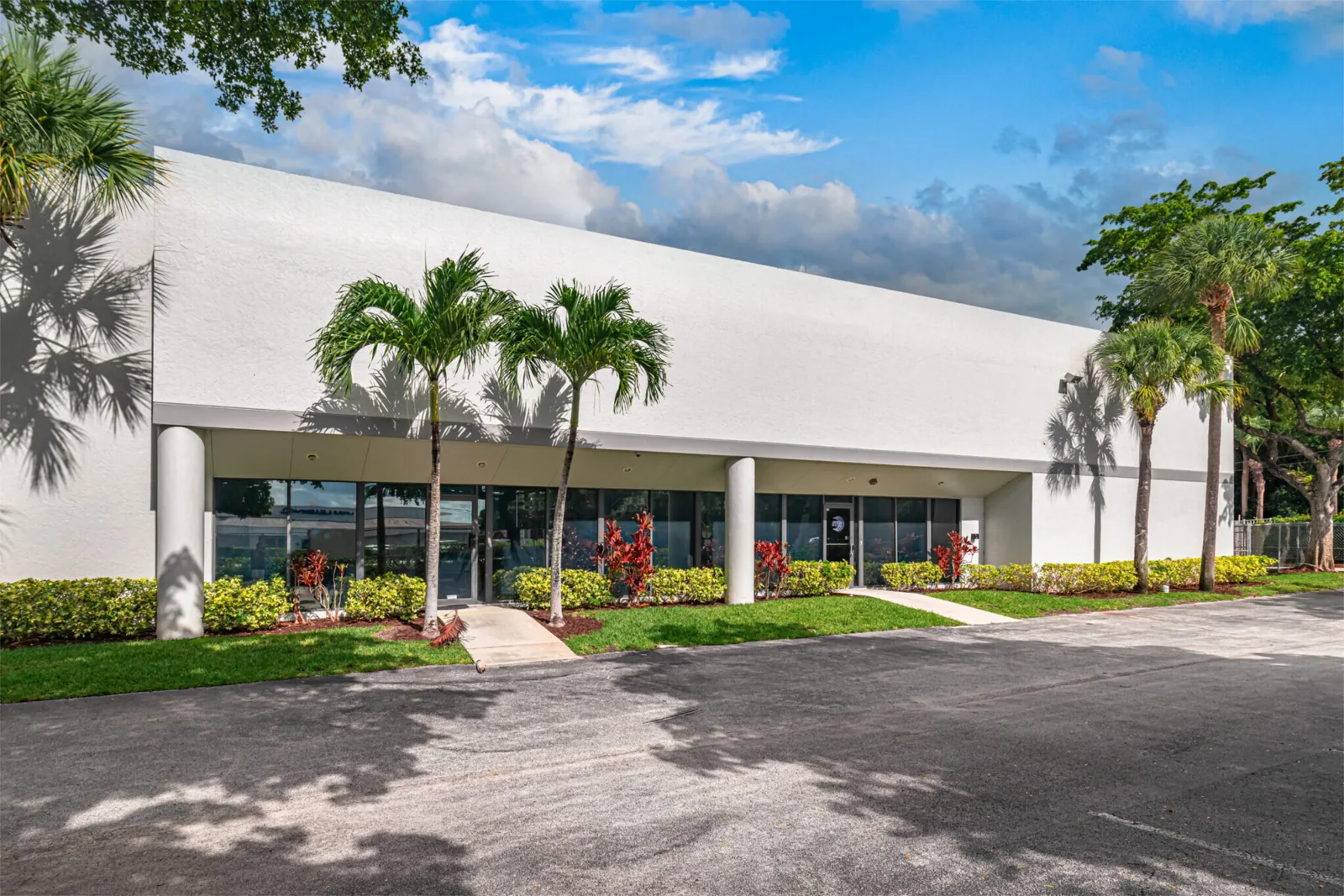
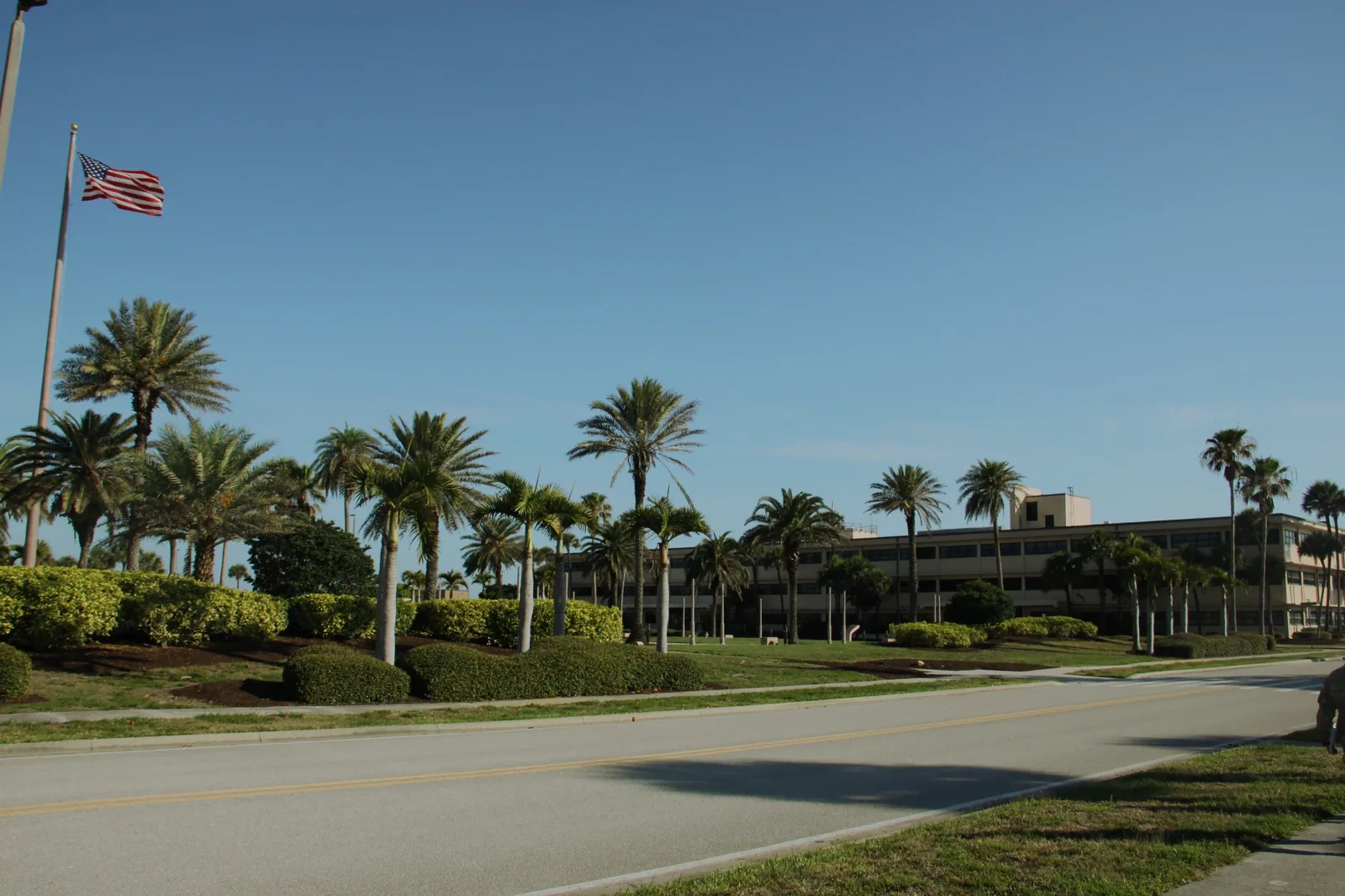
A site plan shows intent; the roof walk confirms what exists. We compare the building address and footprint with the owner's plans, then mark roof sections that belong to each tenant or phase. That distinction matters when a commercial project sits within a larger planned community. A leak at one unit should not become a repair allowance for every planned building. We identify who controls roof access, where ladders can be placed, and which occupied areas need notice before inspection.
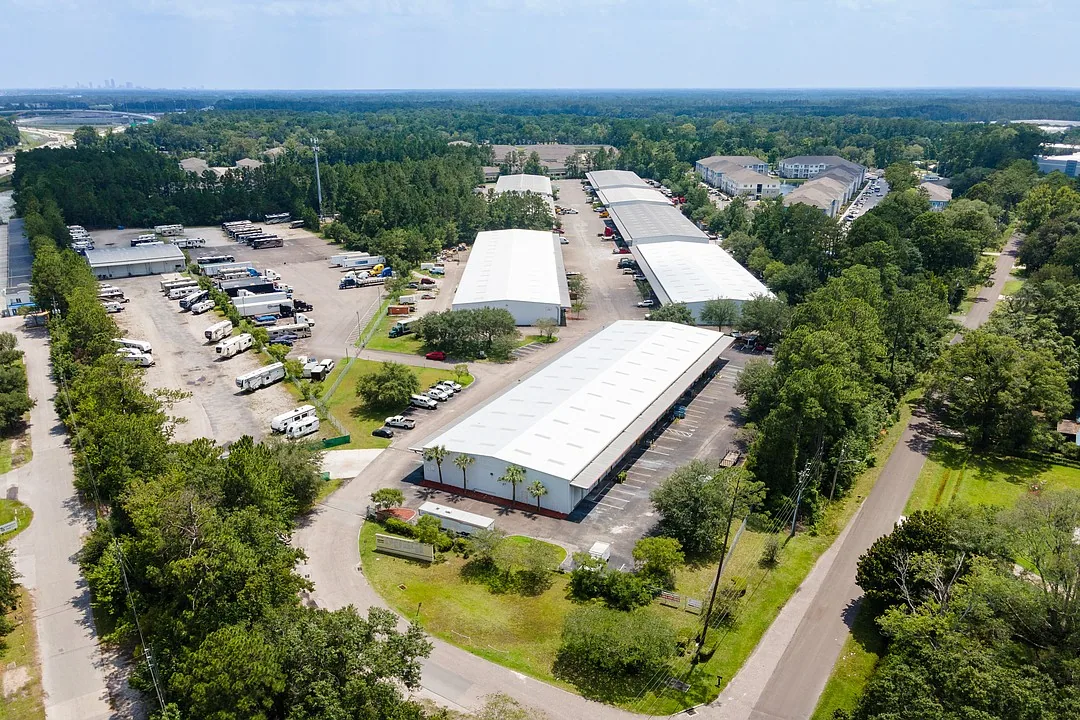
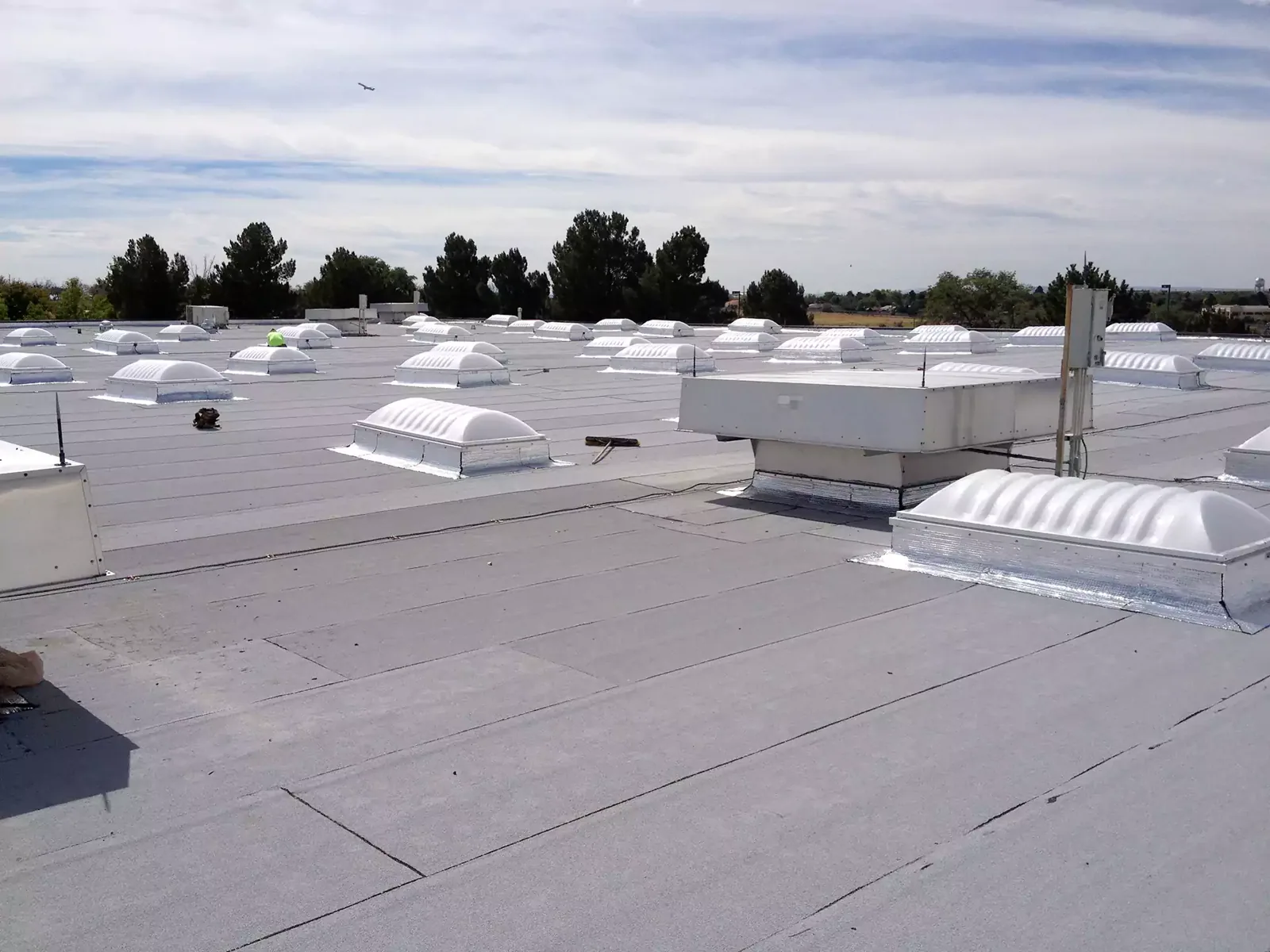
Rainfall normals near Palm Bay total 55.28 inches in a typical year; the monthly highs come in June and September. These are regional averages for the Palm Bay market. They do not describe rainfall at an individual Emerald Lakes property. They do explain why a roof assessment should include drains, scuppers, overflow paths, and low points. We photograph debris, standing water, blocked outlets, and any water marks. A drain issue may need clearing, a detail repair, or correction of slope and drainage design. The observed cause sets the scope. Compare the drain details with the Commons at Cypress Bay West only as another planned commercial place, not as a proxy for this roof.
At Babcock Street and St. Johns Heritage Parkway, commercial phases may progress at different times. That makes construction sequencing part of roof protection. We identify exposed tie-ins, temporary terminations, and areas where other trades will return. A same-day repair should close the active path and protect the opening. Permanent work still needs a defined material, repair boundary, and any concealed condition that could change the scope.
A localized puncture or open flashing can support a repair when the surrounding membrane remains sound. We cut back only as needed to reach stable material, document the patch boundary, and check the transition after work. If moisture extends beneath the visible defect, we explain the test opening and the additional area that may need removal. A repair scope should state what it includes and what evidence would require an added step.
A recover can preserve a serviceable roof when the assembly, attachment, drainage, and code requirements allow another layer. We confirm deck condition, trapped moisture, roof height, edge terminations, and penetrations. Recovery is not a shortcut around wet insulation or a weak substrate. Replacement may make more sense when wet areas are widespread, the assembly cannot support another layer, or multiple transitions need rebuilding. We compare those choices using observed conditions, not the planned commercial square footage.
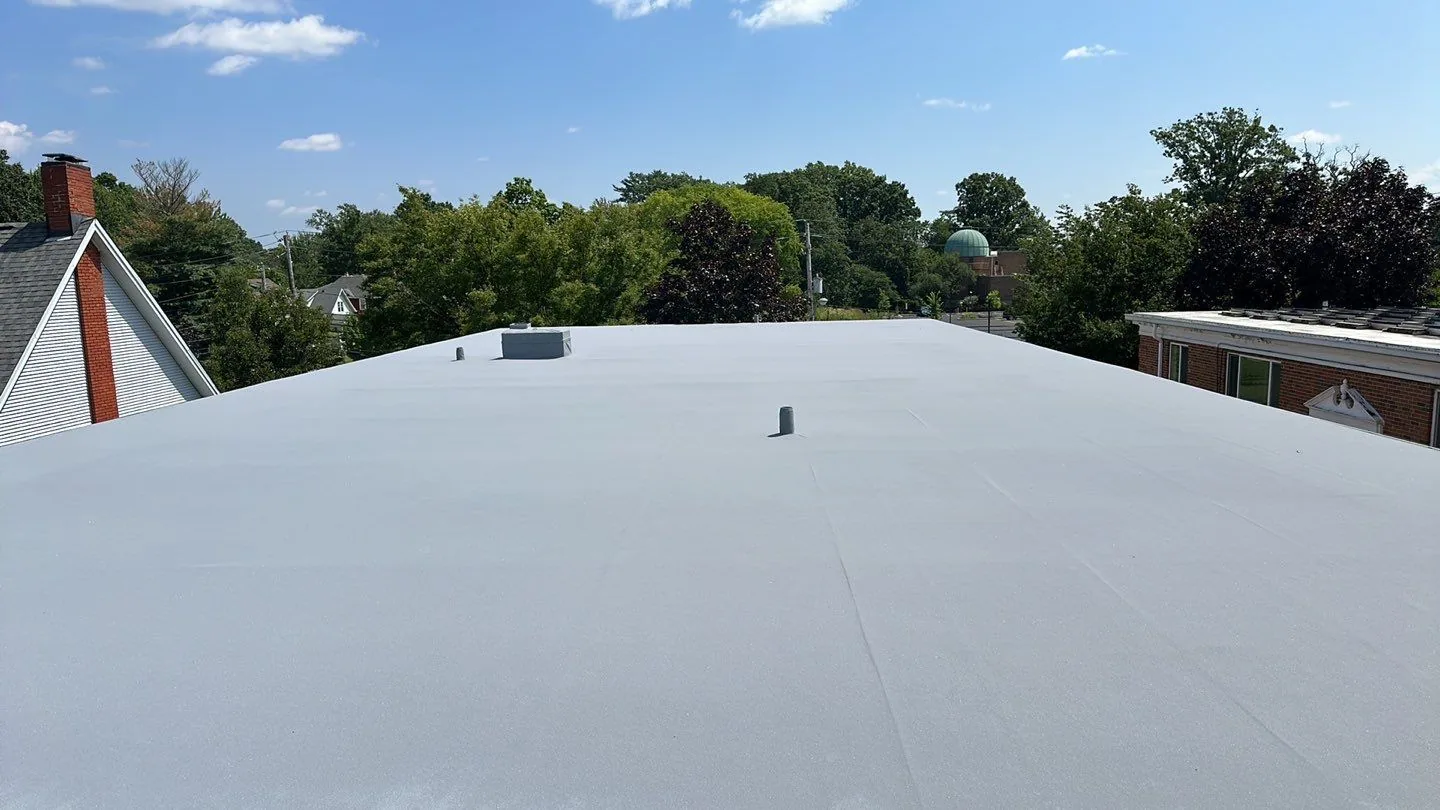
For restoration, a coating needs a compatible, clean, dry surface and sound details. A TPO assembly needs a different repair material than EPDM. We test adhesion and review seams, fasteners, flashings, and ponding before recommending a system. Coating can extend a suitable assembly's service, but it does not correct failed drainage or concealed wet insulation. If an Emerald Lakes project is still in design, early coordination can avoid covering a defect or setting equipment over a drainage path. For broader work, our commercial replacement scope identifies removal, substrate review, and closeout items.
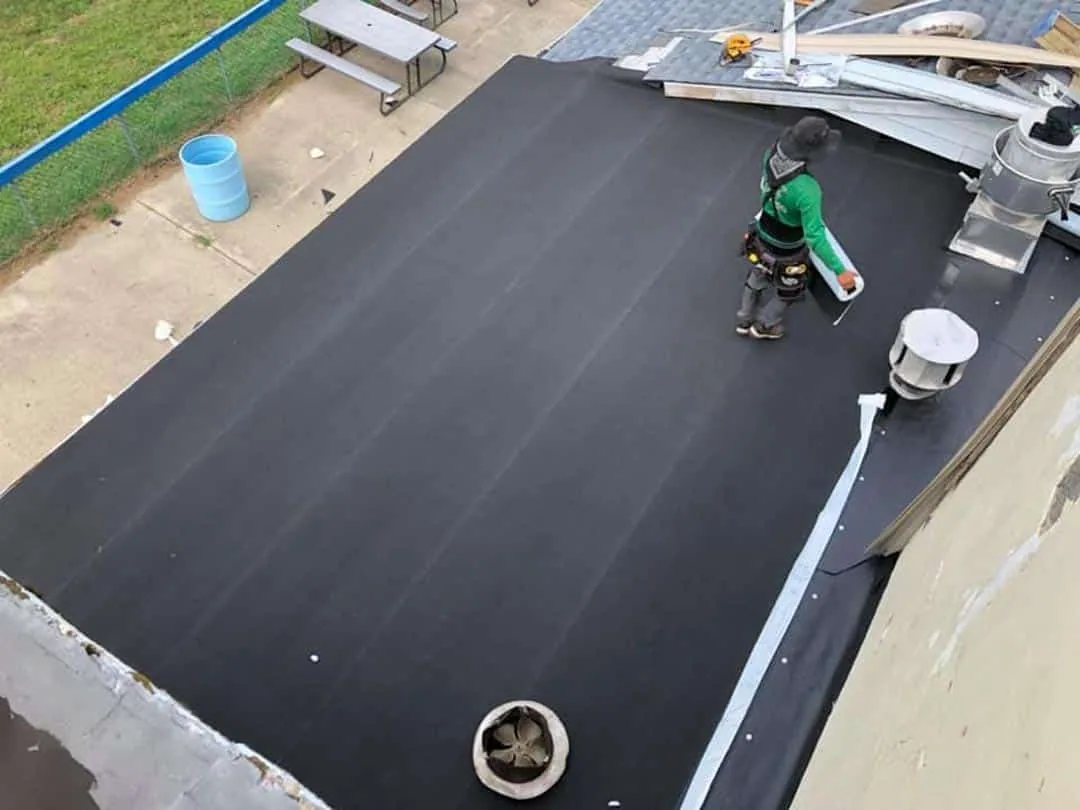
Schedule depends on access, weather, material selection, permitting, and the number of roof zones. In Palm Bay, summer rain can interrupt tear-off or exposed tie-ins. We sequence the work so an open area can be dried in before the crew leaves. The written plan identifies staging, material delivery, rooftop equipment restrictions, and which entrances or tenant areas need protection. A forecast can change the day plan; it does not remove the need for a secure temporary termination.
Cost follows the actual scope. For urgent entry control, our emergency repair response starts with temporary protection and a defined return plan. Roof access, tear-off depth, wet insulation, deck repairs, edge metal, penetrations, disposal, and phasing can all change labor and material needs. A square-foot figure without those observations can hide the main cost drivers. We document allowances and limits before work begins. If the owner needs a capital estimate before a building is complete, we label assumptions and tie them to the available drawings.
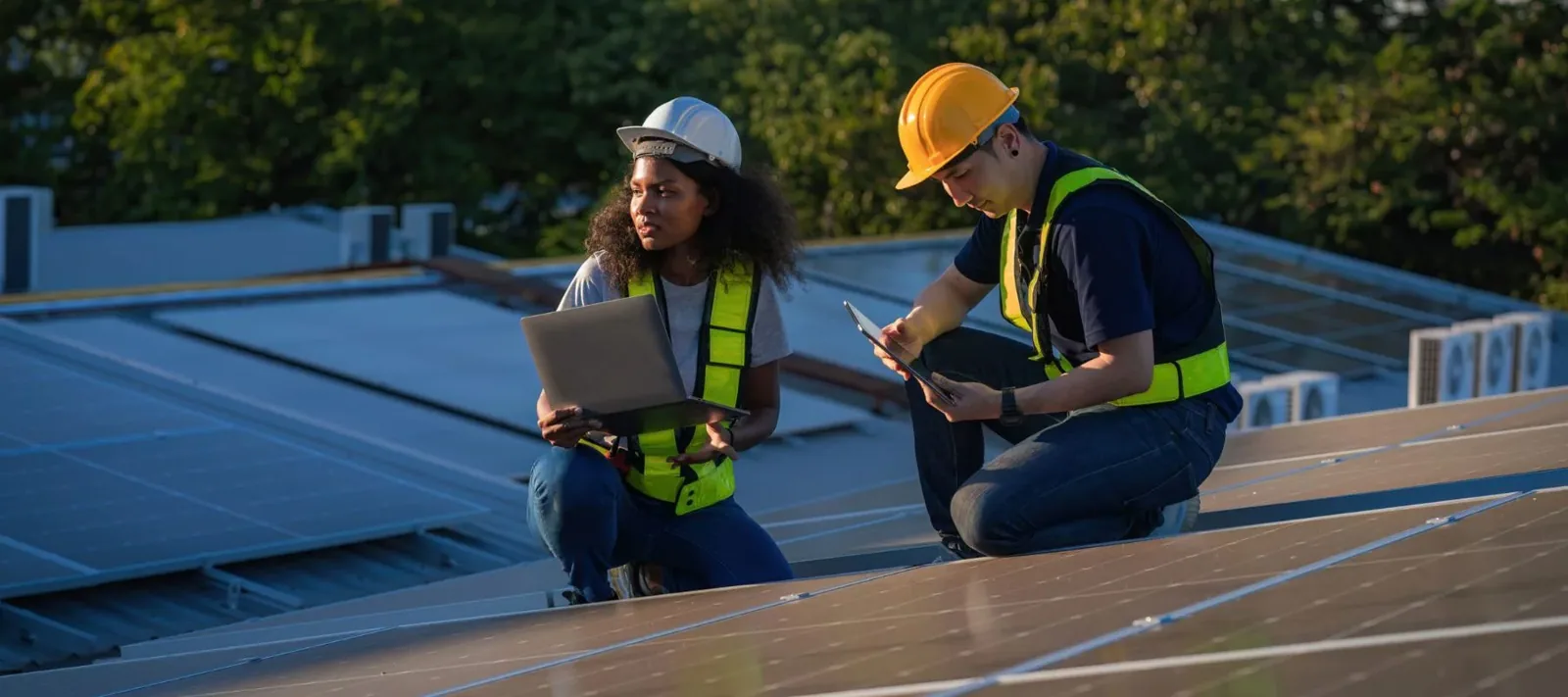
Each roof zone should have a useful record, even when the work is part of a larger phase. We provide dated photographs, the reported condition, observed damage, repair boundary, material installed, and any access limits. If testing reveals concealed moisture or a substrate issue, the record states what was opened and what remains unresolved. That detail helps a property manager compare later inspections without treating an old image as a current condition. A condition report keeps the next step tied to those observations.
Useful follow-up focuses on drains, seams, walls, edge attachment, and new penetrations. The interval depends on roof condition, recent work, and exposure. After a major weather report, an inspection can record visible changes without treating the event itself as proof. Palm Bay has documented heavy rainfall during Hurricane Irma at specific reporting points. Those storm totals remain tied to their locations and date. We use them as context, then document what the property actually shows.
Learn more →
Learn more →
Learn more →
Learn more →
Learn more →
Learn more →