
Active local weather warning
The National Weather Service has issued a coastal flood warning covering Palm Bay. Heavy rain and drainage loading can expose roof leaks, blocked drains, and ponding water. This is a weather exposure advisory; it does not establish damage to a specific roof.
Do not access a roof during hazardous weather. Protect people first, avoid water near electrical equipment, and request roofing help when conditions permit.
National Weather Service · Updated Oct 28, 2026, 6:40 AM UTC
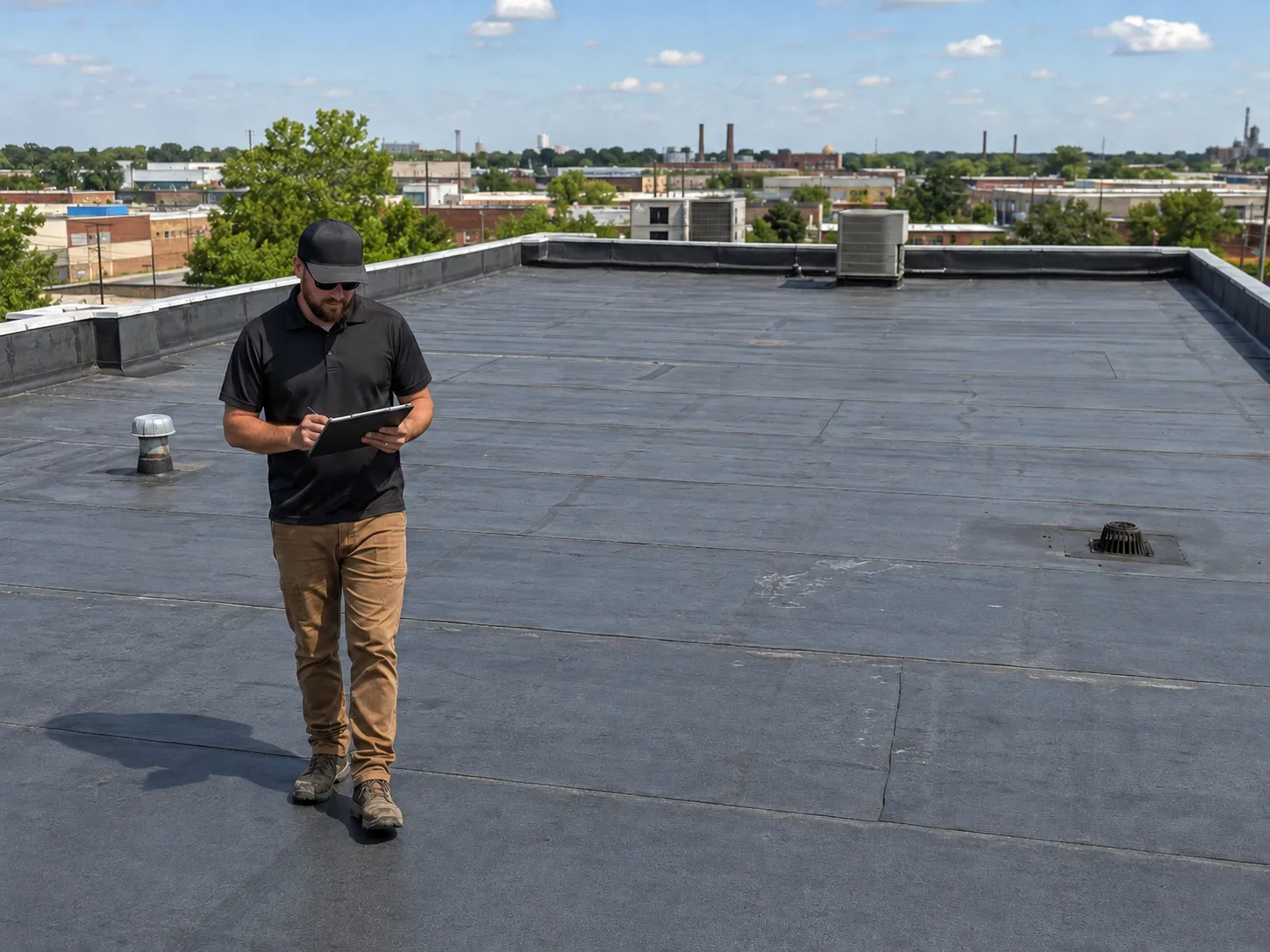
A roof inspection should tell the general contractor what was reached, what was observed, and what remains hidden. In Palm Bay, FL, summer heat and frequent rain can expose weak seams, flashing, drains, and equipment details. We walk accessible roof zones, photograph visible conditions, and compare findings with reported leaks or prior repairs. The report separates observed damage from a suspected cause and marks any access limit. It can support a repair decision, a budget review, or a follow-up test without treating one visit as proof about every concealed layer.
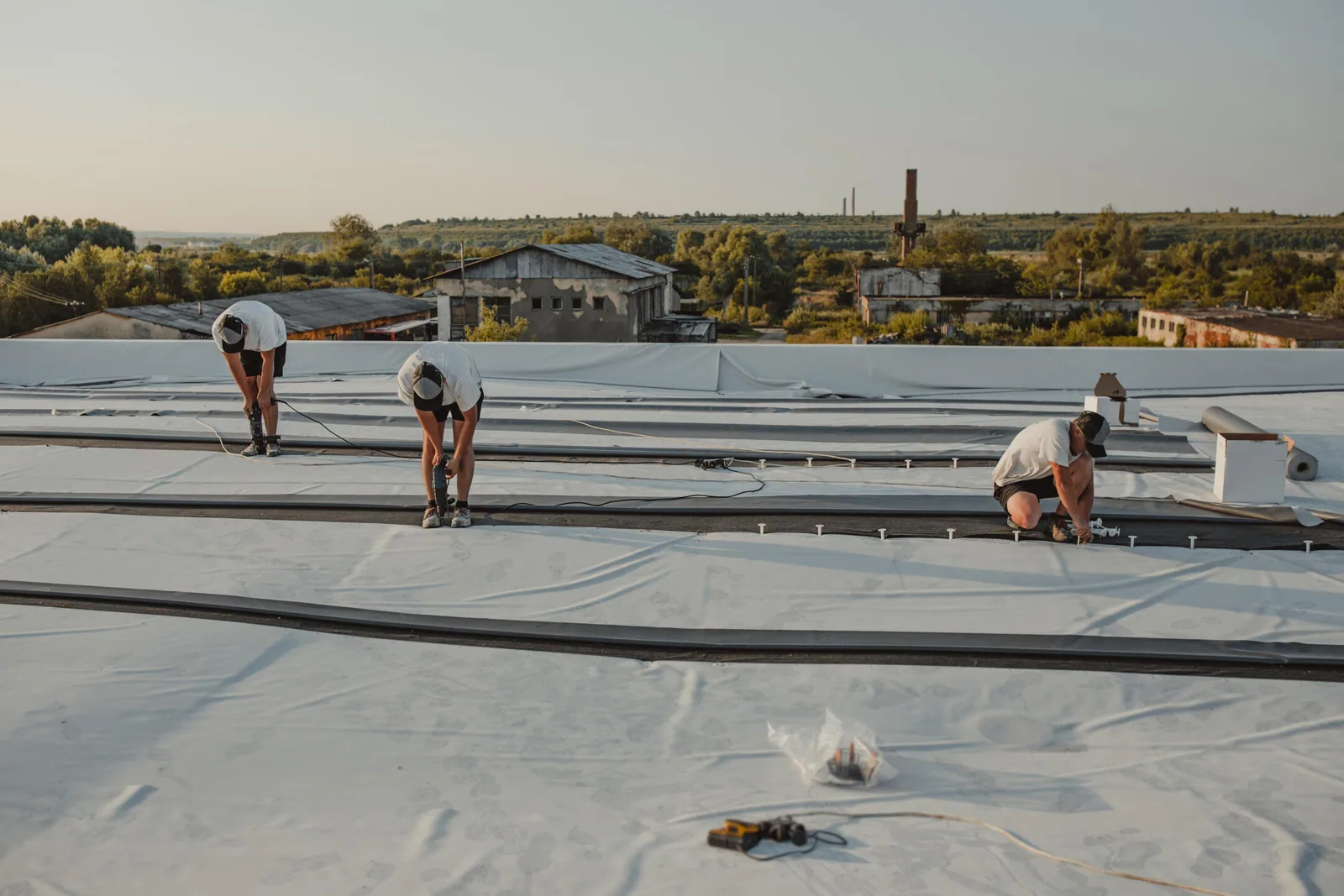
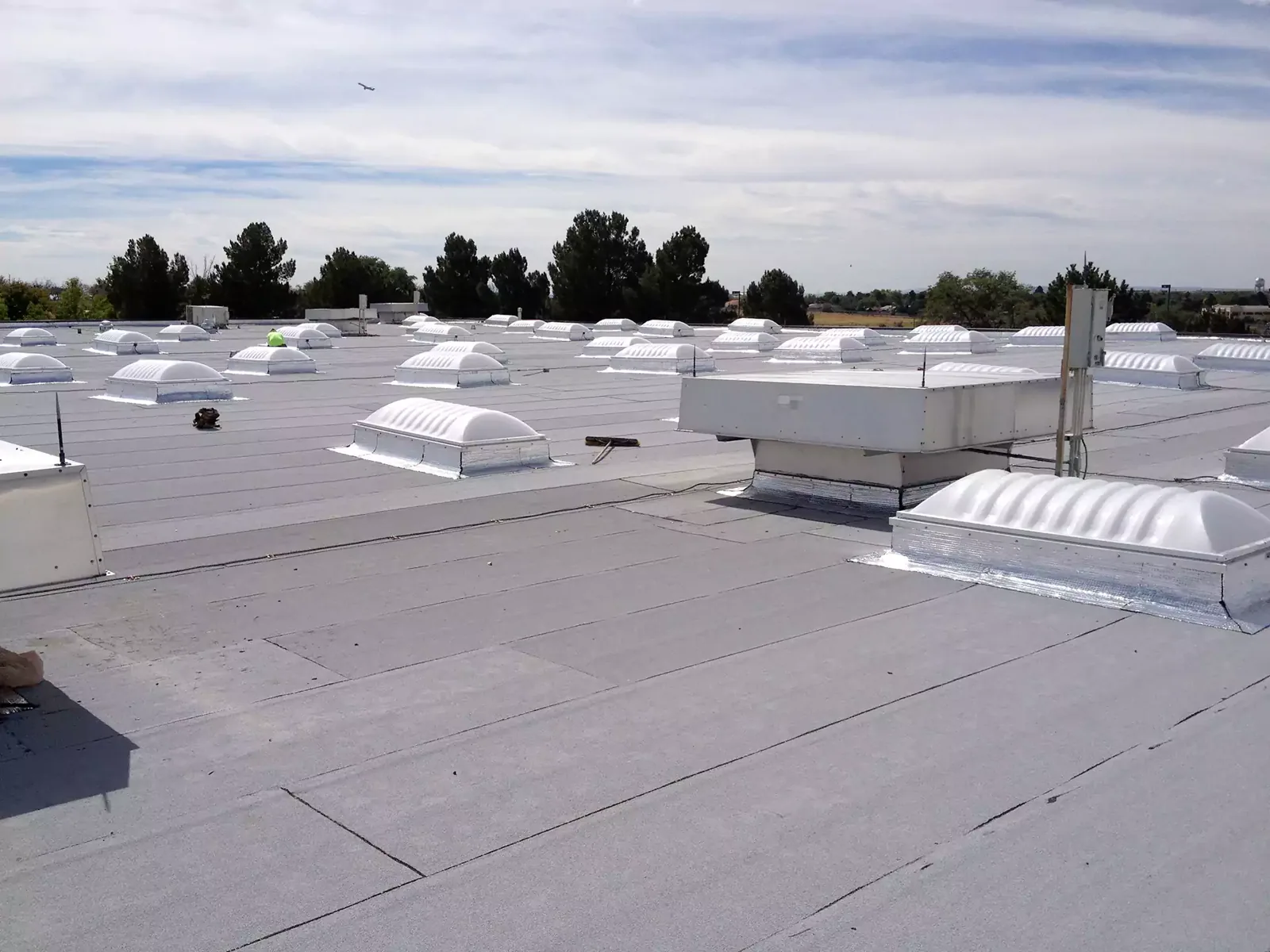
Before the roof walk, we confirm the building, access point, roof plan, known membrane, and reason for the visit. The site contact can flag active leaks, sensitive rooms, recent equipment work, and areas that cannot be entered. We use those details to set roof zones and a safe route. If an area cannot be reached, the report names it and explains why.
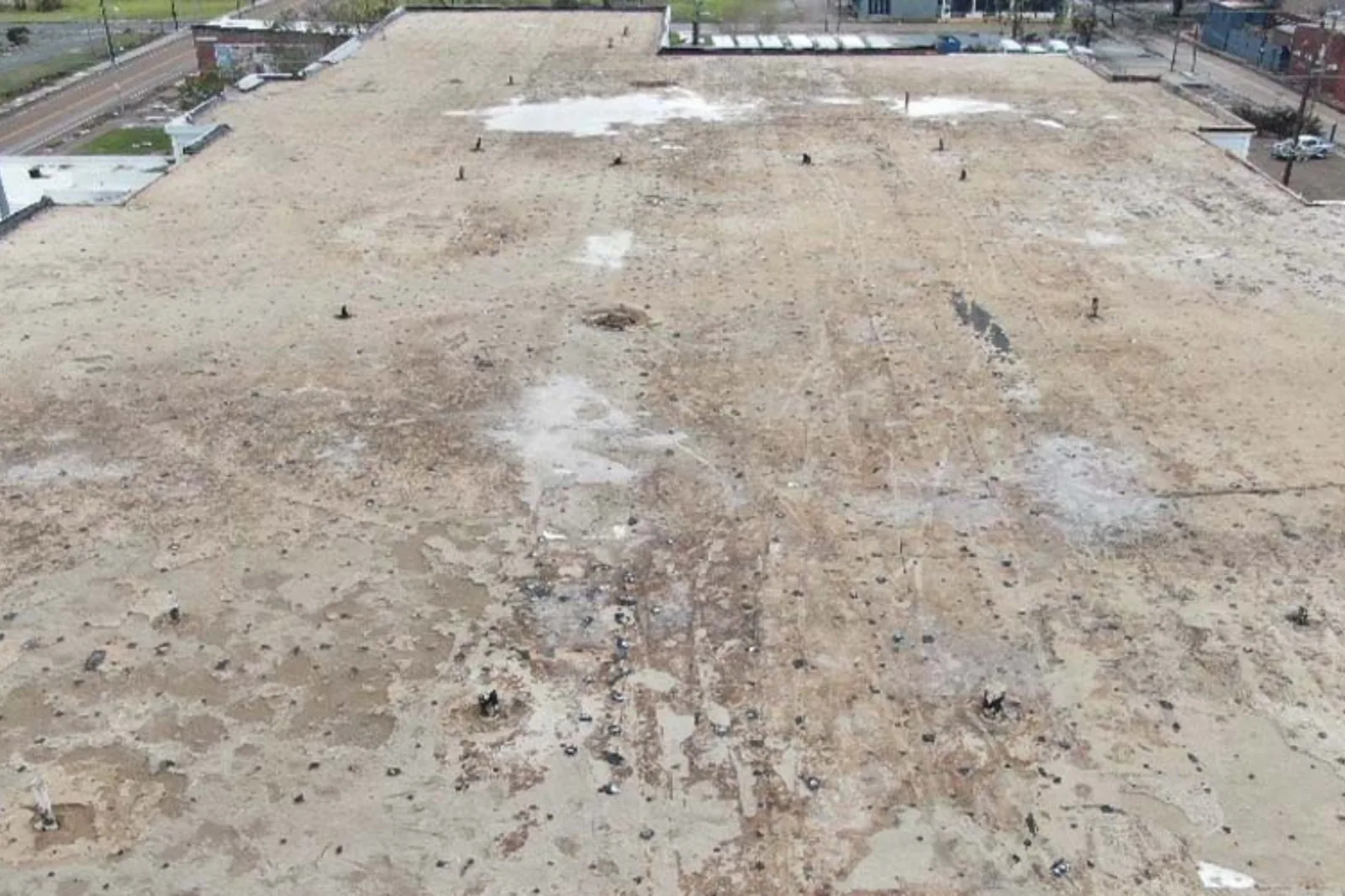
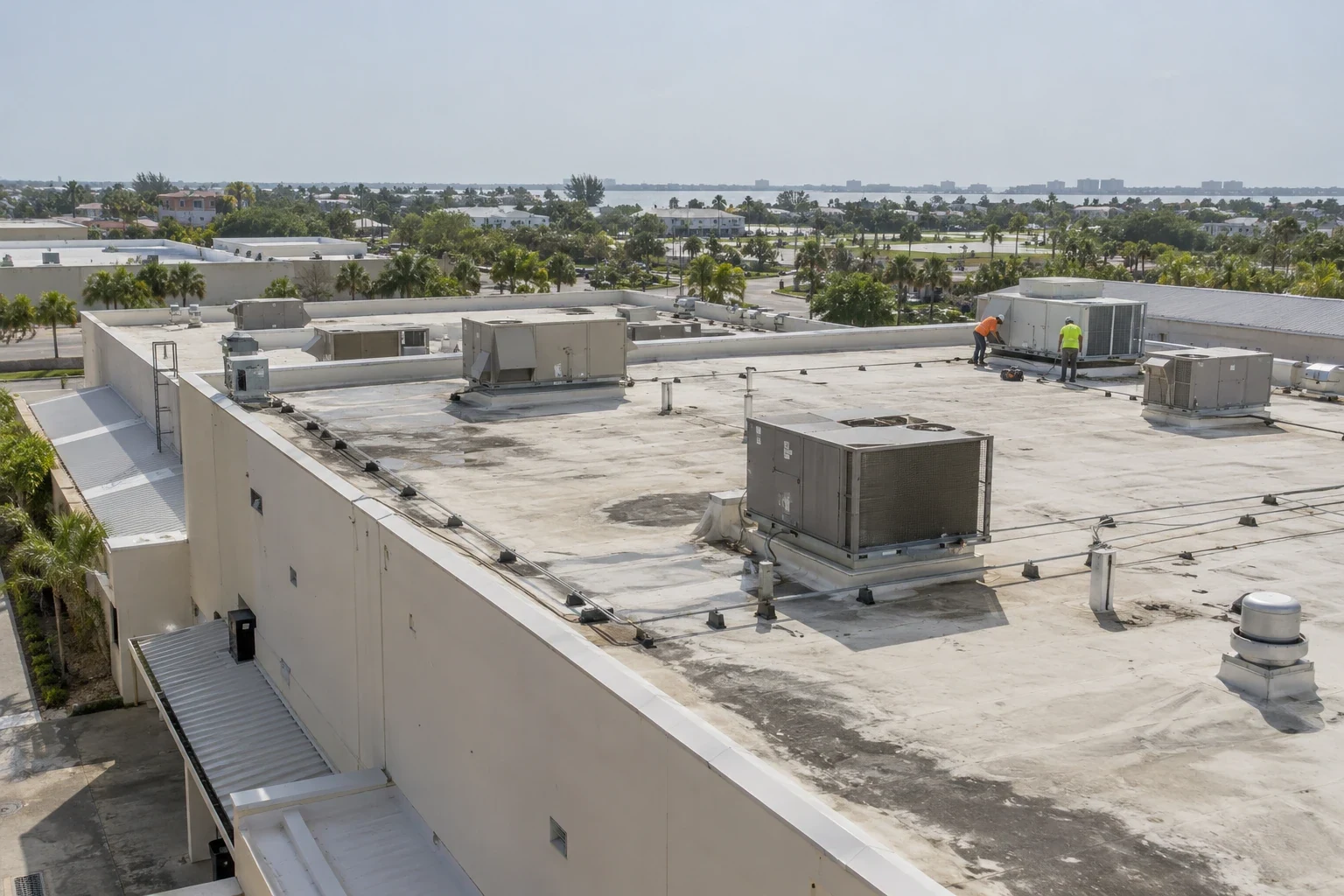
On the roof, we inspect field membrane, seams, perimeter edges, penetrations, curbs, drains, scuppers, skylights, walk paths, and patches. We look for open seams, splits, punctures, loose flashing, displaced metal, ponding evidence, debris, and surface wear. Findings are photographed with enough context to locate the detail again. A close view without a roof-zone reference is not a useful maintenance record.
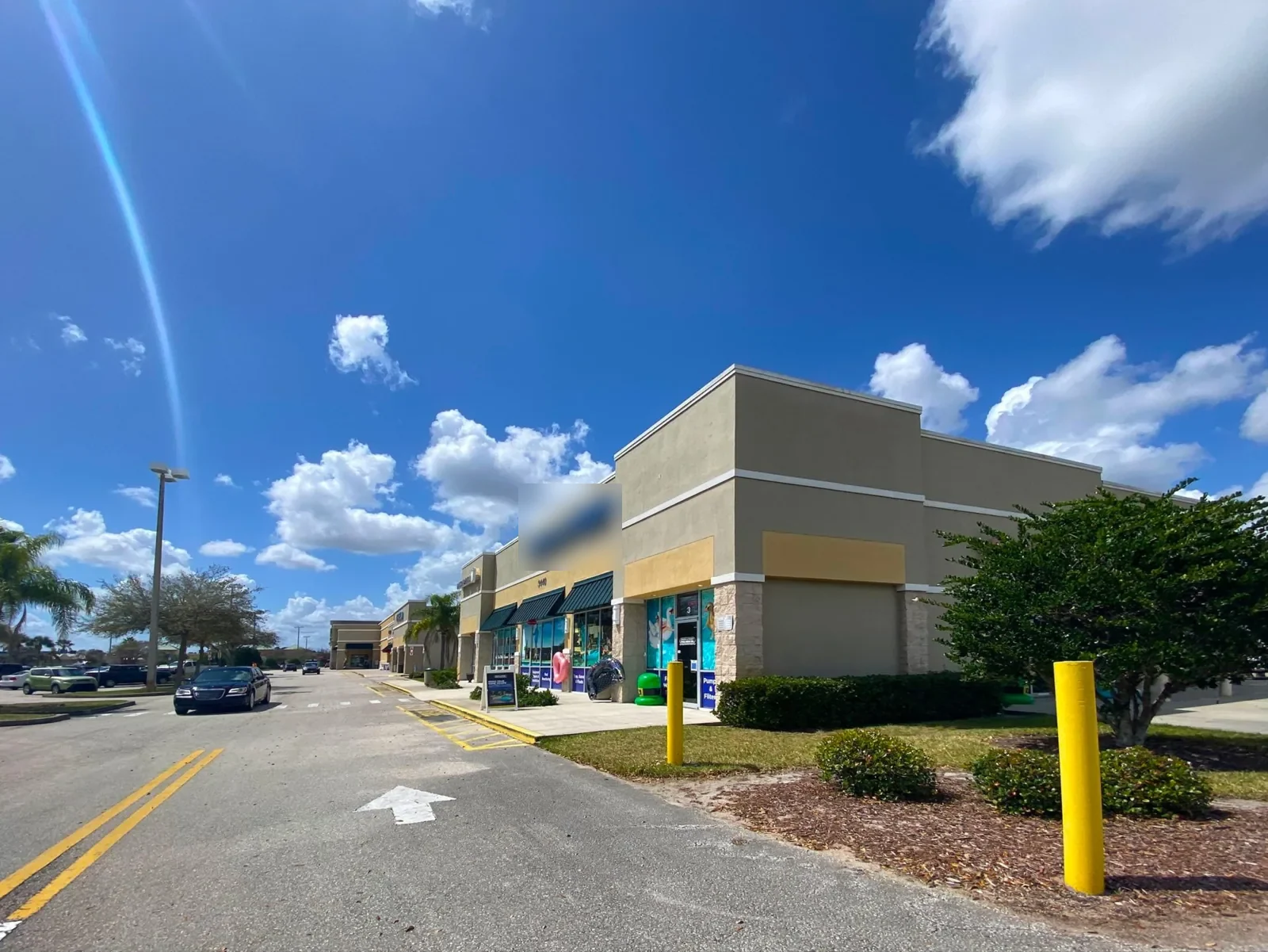
Commercial listings appear on Palm Bay Road, Babcock Street, Malabar Road, and Franklin Drive, with different uses and access rules. A healthcare clinic in Palm Bay has weekday outpatient operations, while Bayside Lakes Shopping Center serves retail customers. For either property, the contact confirms patient, customer, and work-hour limits before the inspection.
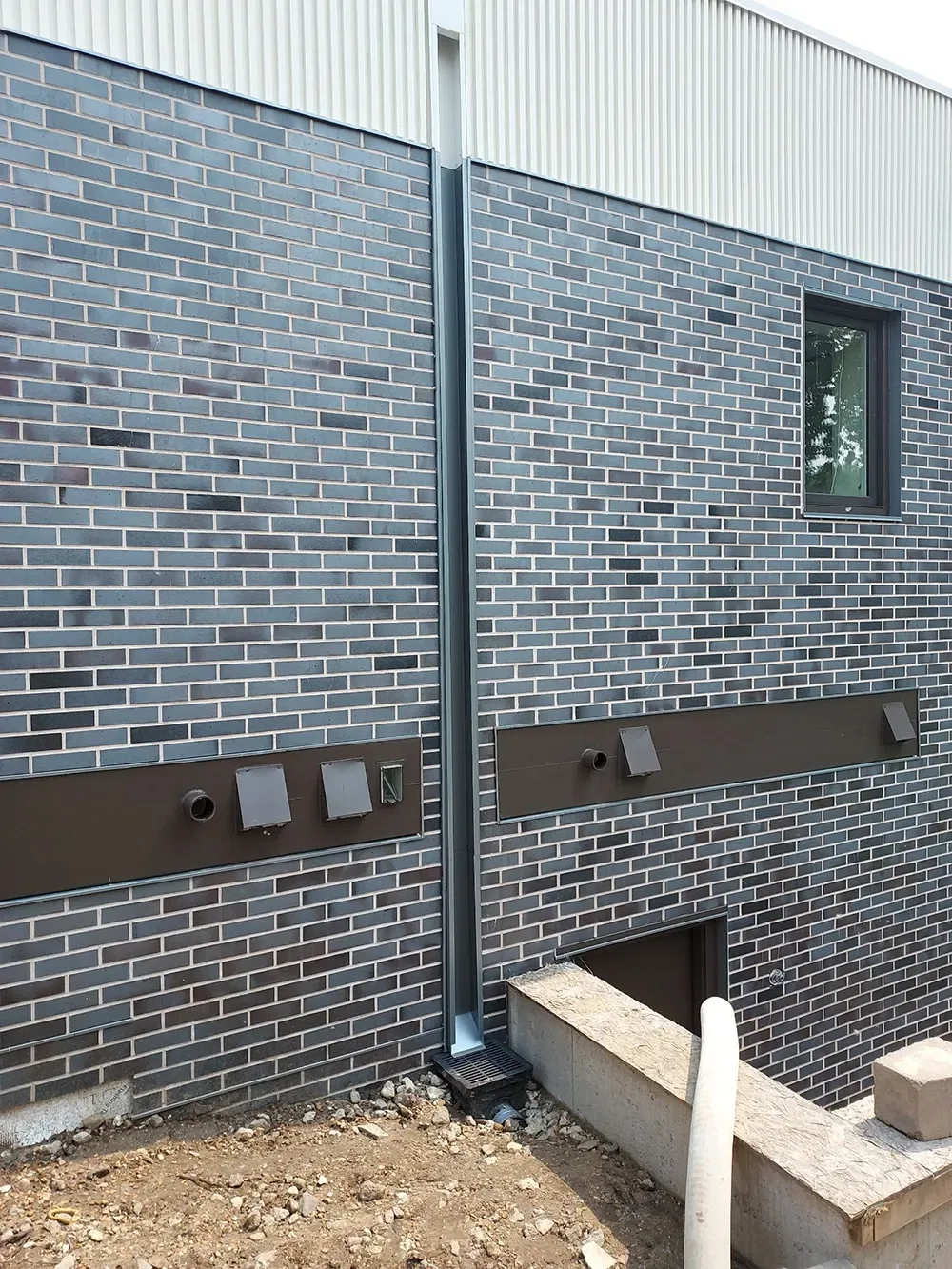
We describe each finding by location, observed condition, likely consequence, and next action. A small surface crack with no evidence of wet insulation is different from an opening with active water below it. A loose edge, separated curb flashing, and blocked drain each need their own note. We avoid combining separate defects into a single broad label such as poor condition.
Severity depends on whether water is active, the detail’s role, the size of the affected area, and whether a safe temporary measure is available. The report can prioritize immediate protection, a scheduled repair, monitoring, or further investigation. Where the source is uncertain, the language stays conditional and names the evidence needed to resolve it.
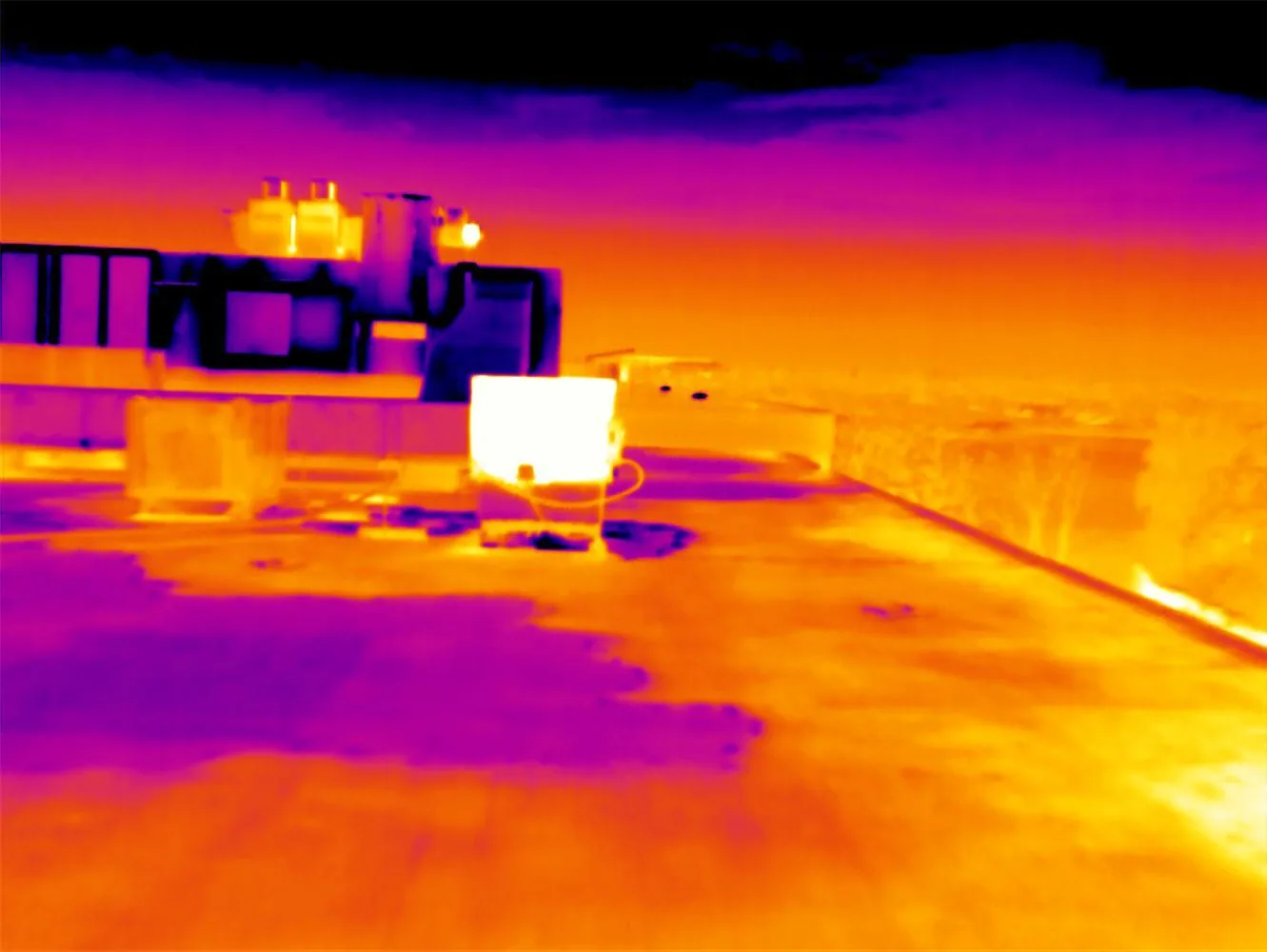
If moisture below the membrane is a concern, infrared imaging or test cuts may help. A moisture survey identifies its scan area and limits. A test opening confirms the assembly only at that point. We record how the finding relates to the surrounding zone and whether additional sampling would change the repair plan.
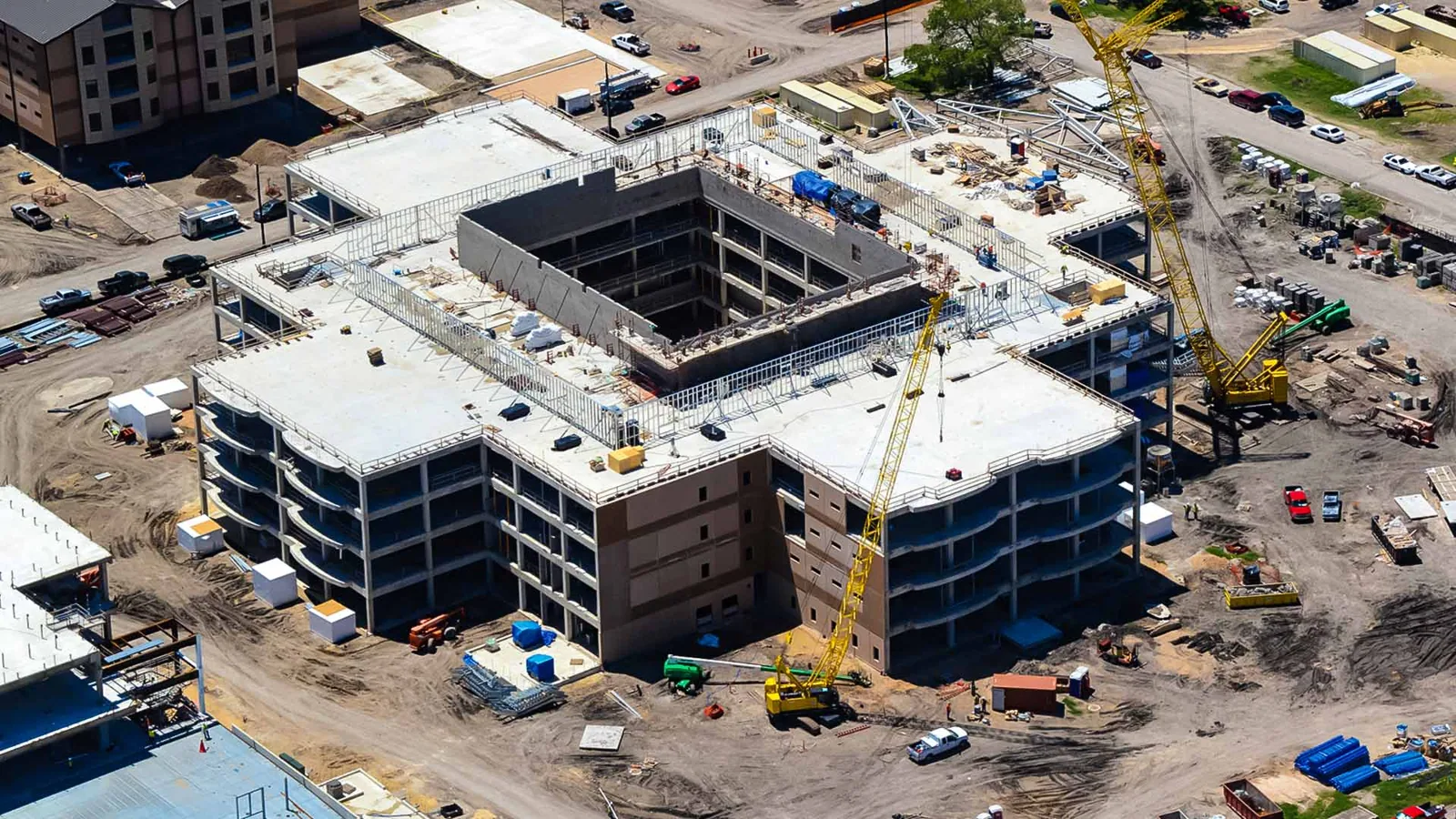
Weather reports can help place an inspection on a timeline. They do not substitute for a roof condition. Palm Bay's event history includes Irma, Ian, Nicole, and a 2005 F-1 tornado. Use an event record to identify the reported date, then keep it separate from damage observed at this building.
After a storm report, we inspect accessible edges, membrane seams, rooftop equipment, drains, and interior leak locations. The report distinguishes newly observed conditions from older patches or existing wear. If debris or standing water prevents a complete review, we document it and schedule a return when the roof can be inspected safely.
A building manager may request a rapid record before a contractor repairs a detail. We photograph the original condition, mark the zone, and note any temporary protection already installed. The storm repair process can use that dated record to separate urgent work from later replacement decisions.
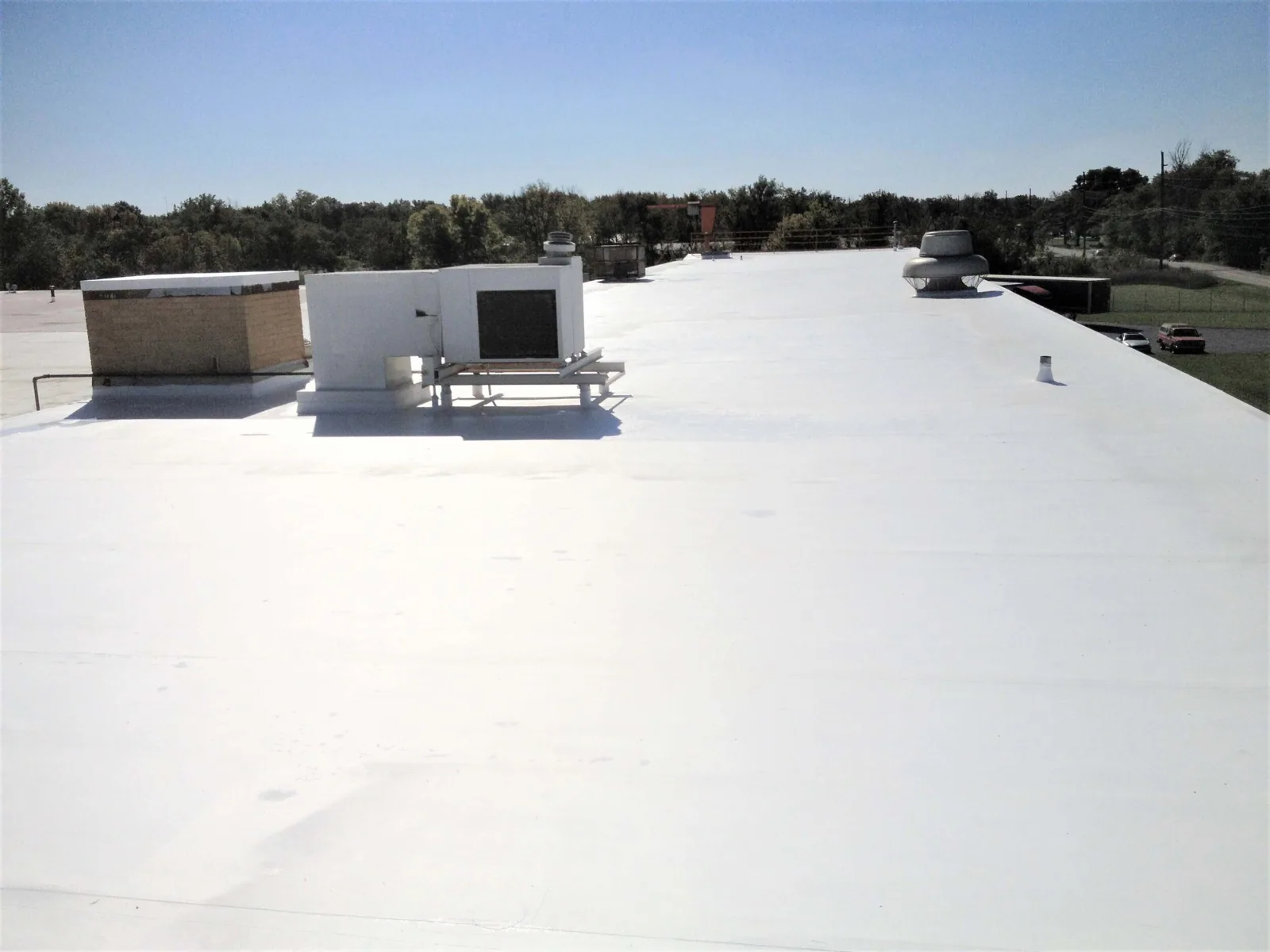
The written report pairs each finding with a field photograph and location. It lists roof zones inspected, observed damage, reported conditions, testing performed, and any access limits. Recommendations state whether the next step is a repair, maintenance, test opening, or larger assessment. Where the roof system is unknown, we say so before recommending a material-specific repair.
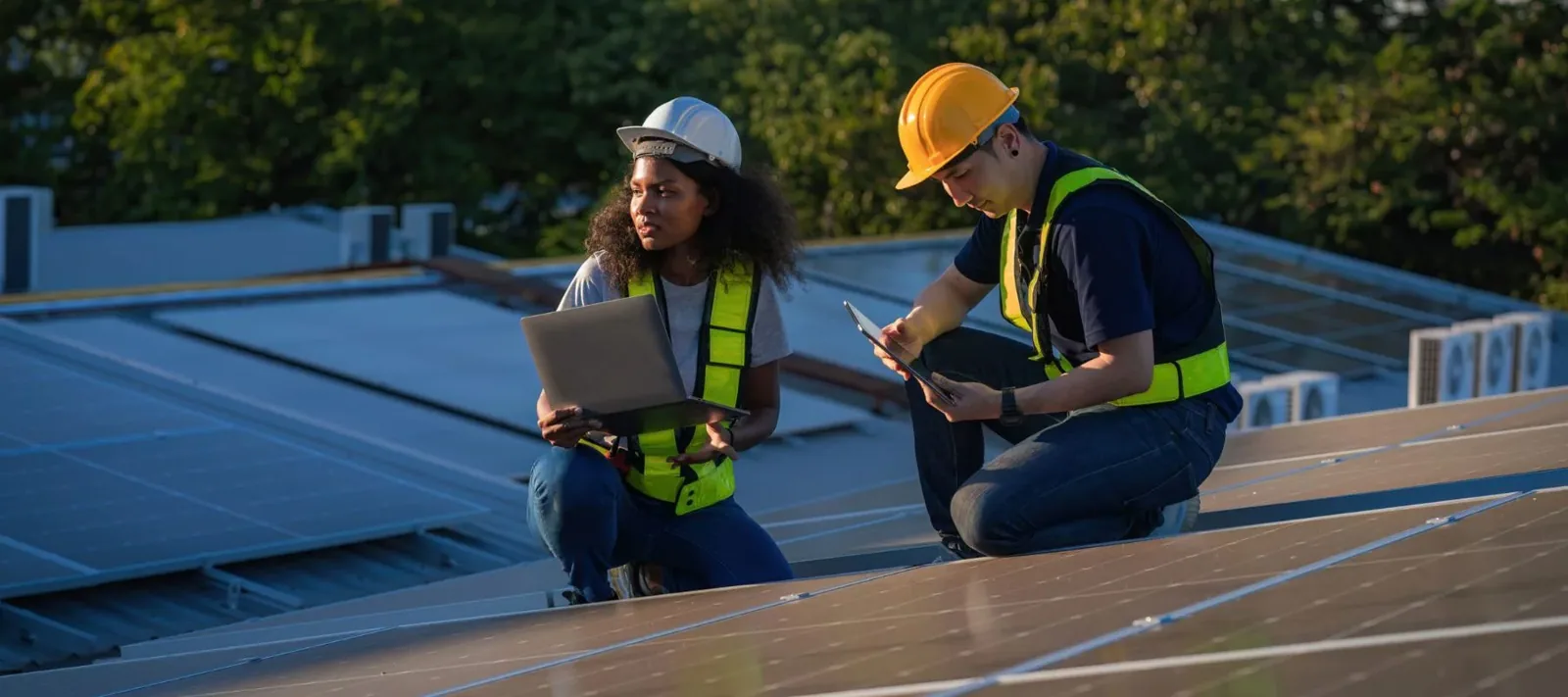
Owners and general contractors can use the report to compare bids on the same scope. A repair boundary identifies the area to be addressed and the transition details included. If concealed conditions could change quantity, we call for an allowance or test before work begins. Condition reporting can carry dated photographs and remaining questions into project records.
For acquisition or capital planning, the inspection can also list conditions that require near-term work and items for future monitoring. It does not certify the roof against every leak or concealed defect. A due-diligence survey can define a broader scope when a transaction or portfolio review needs separate access, sampling, and reporting criteria.
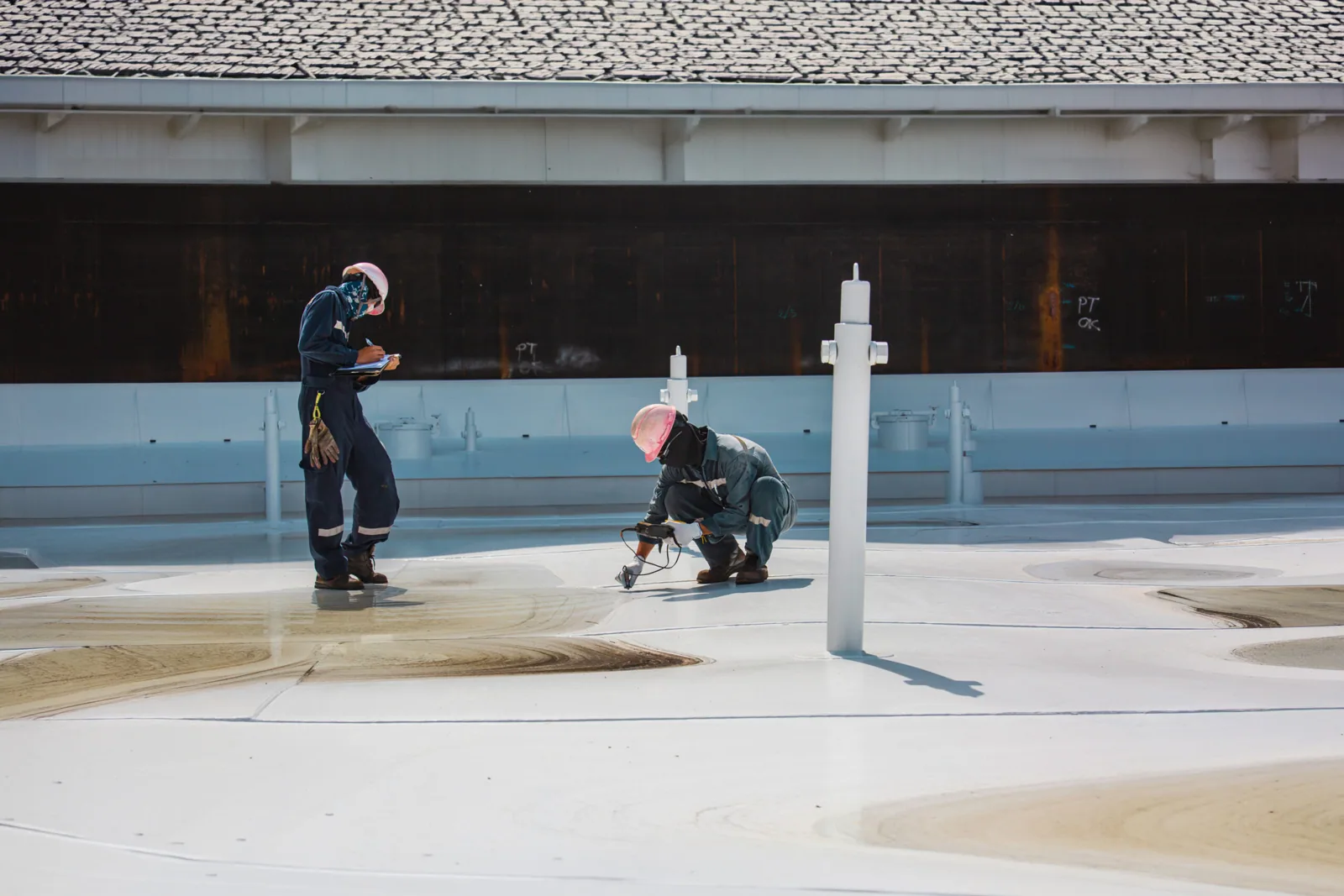
Follow-up depends on the finding. A repaired seam may need a visual recheck after the next rain. A drain with recurring debris may need a scheduled cleaning and observation. A suspect wet area may need test cuts. The report names the condition that would trigger another visit instead of assigning the same interval to every roof.
Preventive visits can compare photographs by zone, clear accessible drains, review previous repairs, and note new penetrations or equipment changes. For a larger property portfolio, multi-building records help keep dates and open items together. A maintenance program can then track recurring details and set the next review based on what the roof shows.
The closeout is usable when another manager can locate the detail and understand the recommended action. It records what the inspector saw, what could not be reached, and what evidence would change the conclusion. That gives the next repair or budget decision a defined starting point.
Learn more →
Learn more →
Learn more →
Learn more →
Learn more →
Learn more →
Learn more →
Learn more →