
Kitchen exhaust, rooftop equipment, or a puncture can leave a PVC membrane exposed to water entry. The inspection identifies the reported area, tests the visible seam and flashing, then marks what remains inaccessible. Palm Bay includes restaurant, retail, manufacturing, and medical properties. Those uses can present different roof exposures and service schedules. We inspect the actual roof rather than assigning a system from the building's tenant or address.
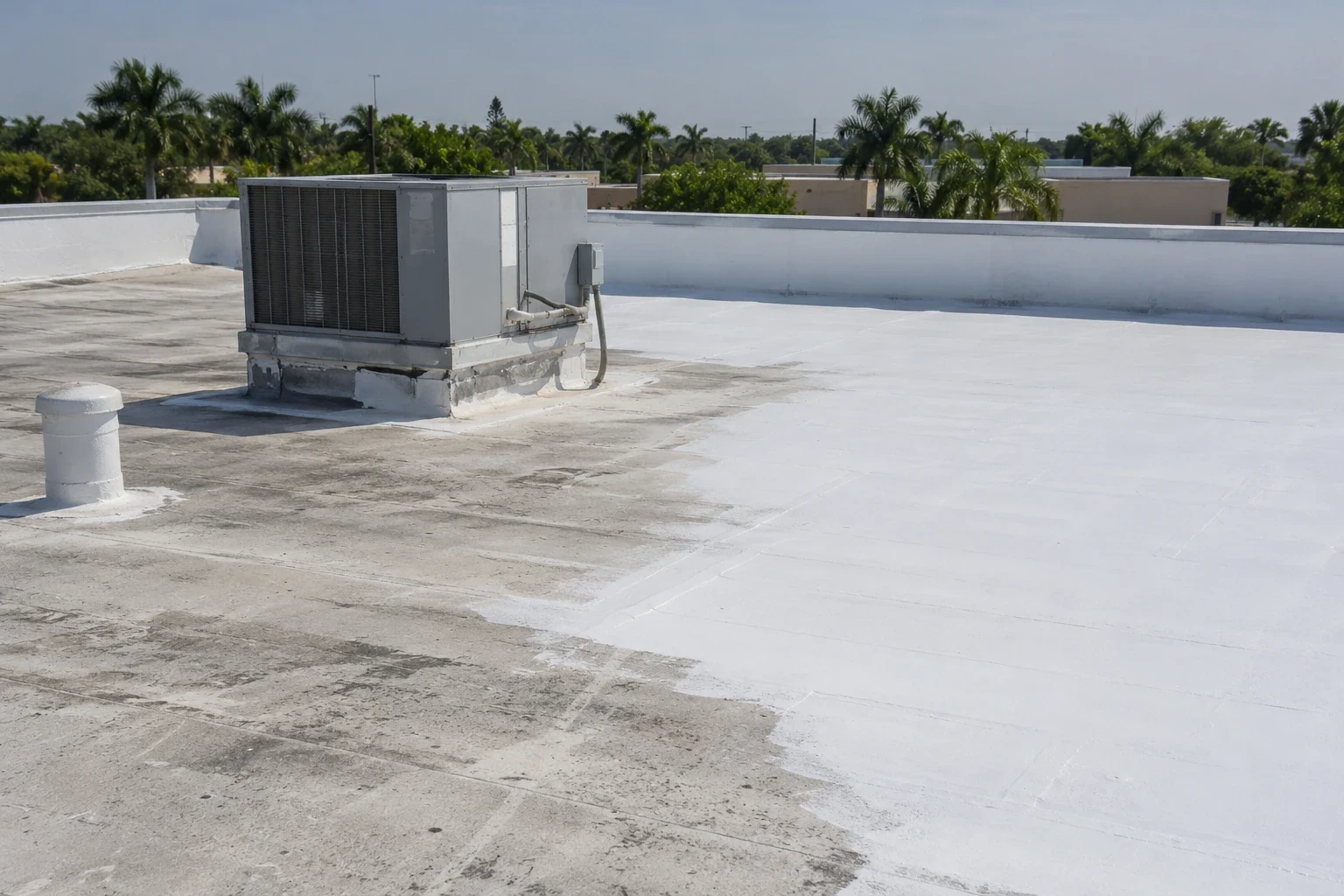
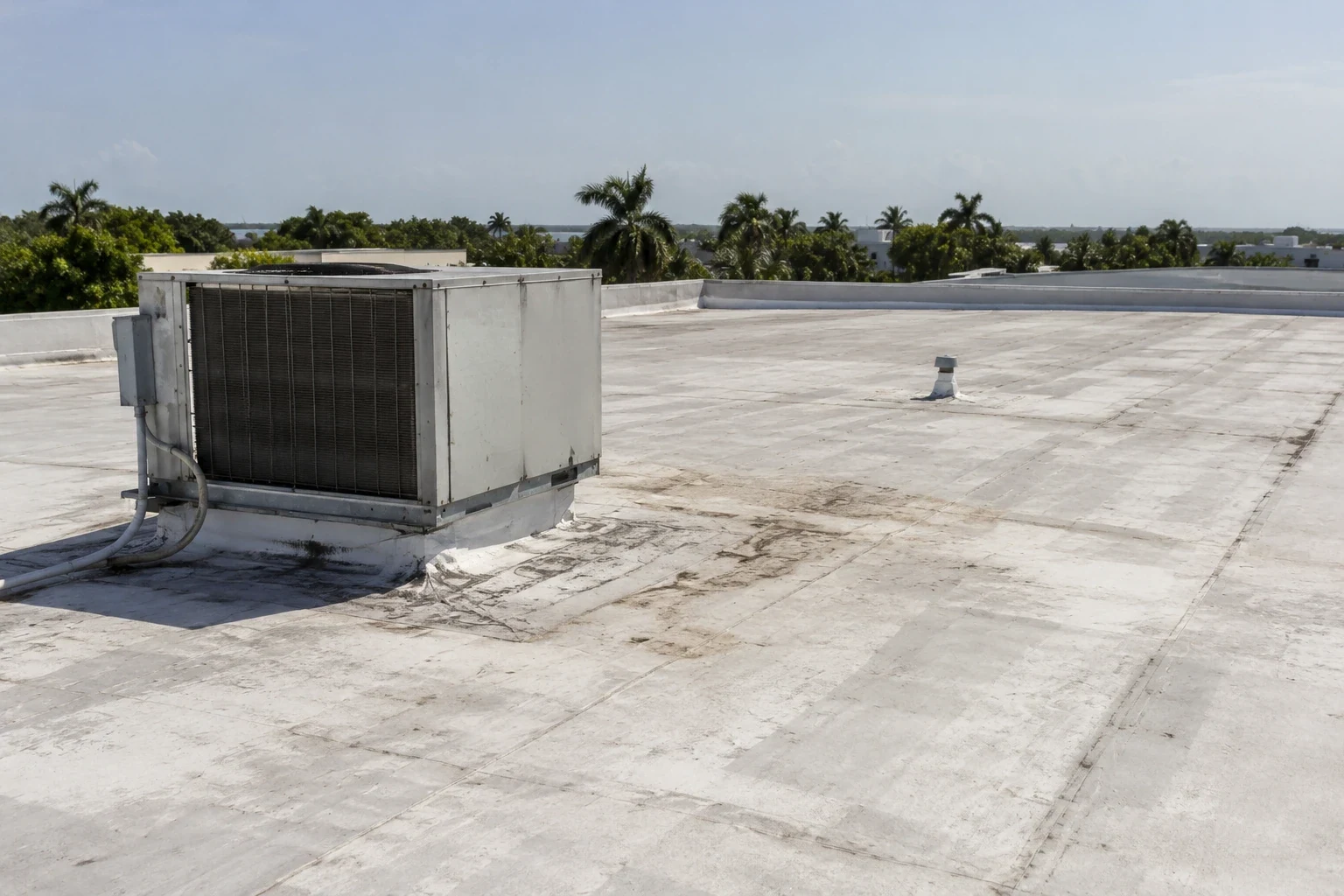
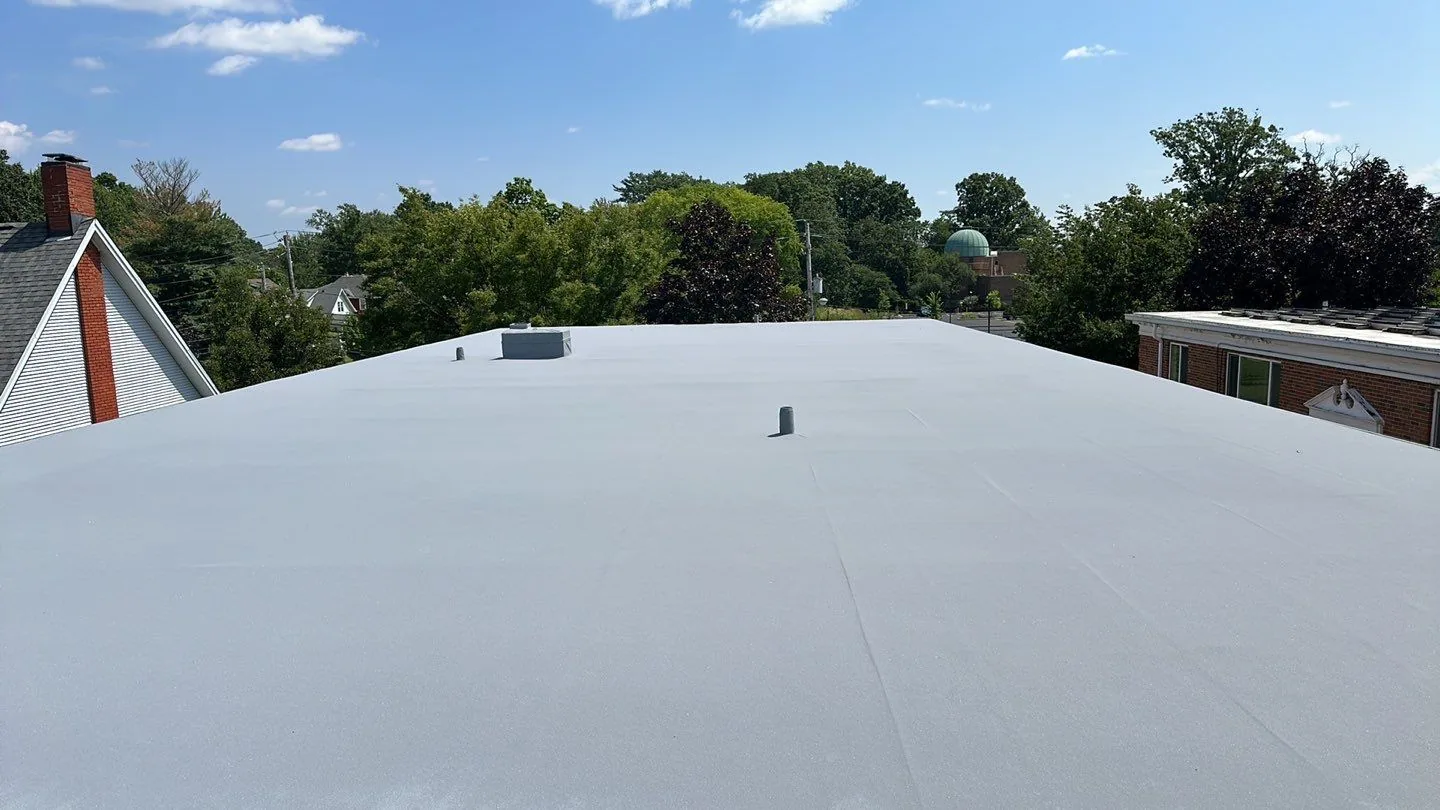
PVC sheets join through heat-welded seams. We check the weld, membrane surface, patches, corners, and transitions at penetrations. A probe can identify a weak lap, while photographs show the location and adjoining sheet condition. Damage at one seam does not establish a system-wide failure. The report states how far the inspection continued and where repair boundary begins.
PVC is often specified where resistance to grease or certain chemicals matters. The actual exposure should be identified before repair or replacement material is selected. A roof near a kitchen exhaust may have deposits or surface changes around the discharge. We inspect the curb, flashing, and nearby membrane and note what was observed. A roof inspection can document the whole zone, while a seam failure review can check a suspected weld opening.
Compare the proposed system with the roof in place. TPO roofing also uses heat-welded seams, while KEE roofing is a PVC-alloy membrane option. The system name alone does not resolve chemical exposure, attachment, drainage, or detail compatibility. We identify the assembly and purpose before recommending a repair.
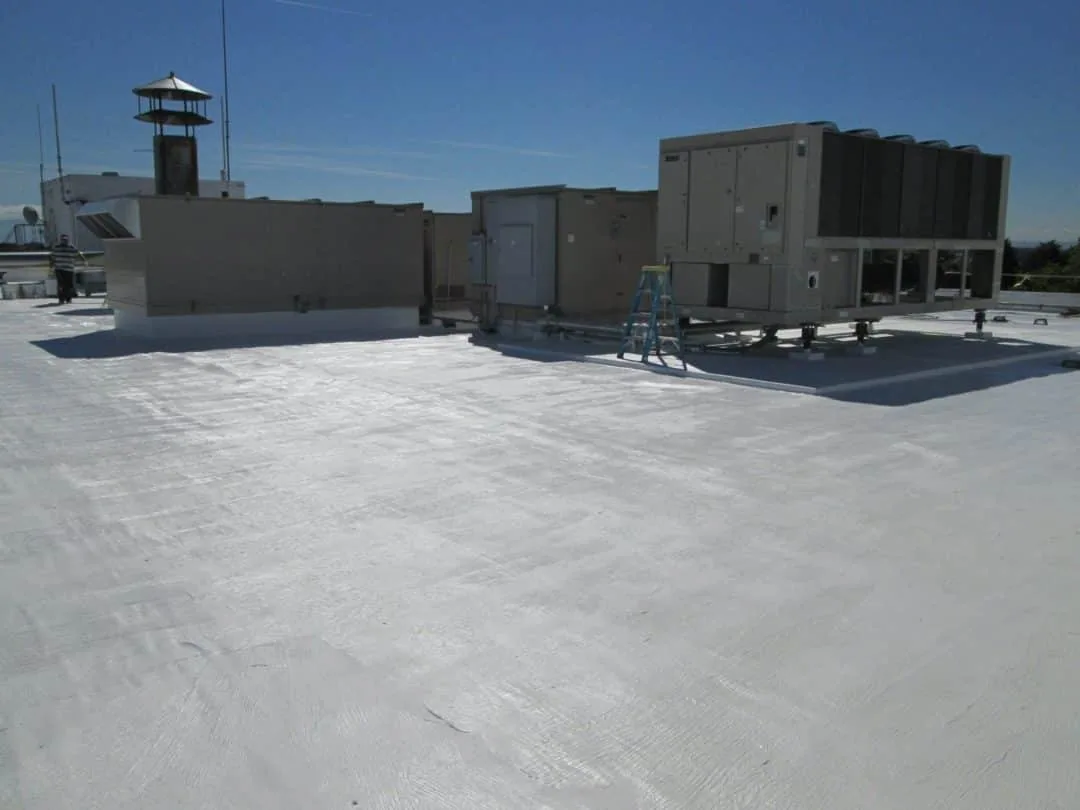
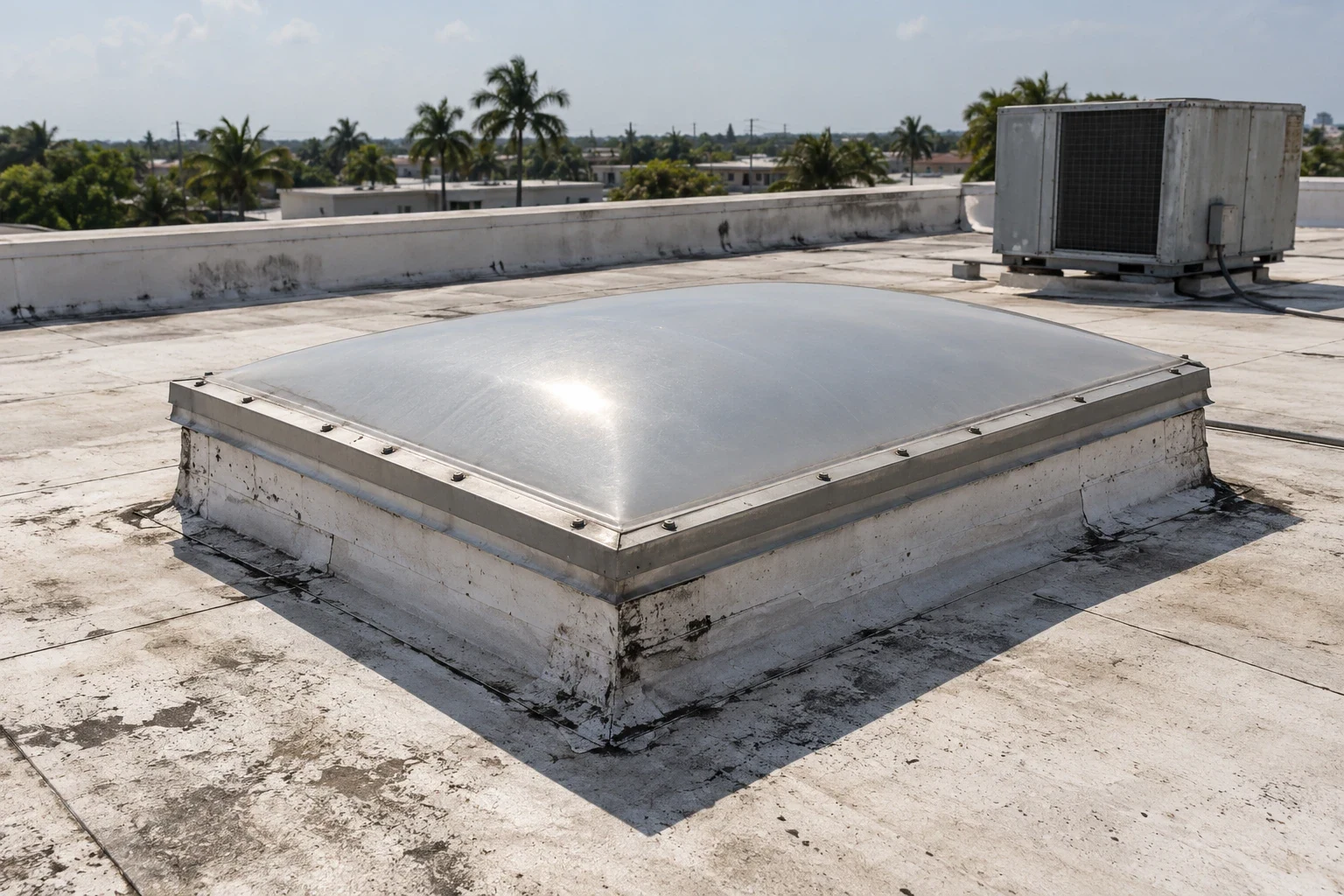
Curbs, pipes, drains, skylights, and wall terminations are frequent inspection points. We examine membrane height, corners, boots, bars, cover strips, metal transitions, and surface contamination. Sealant may have been added over earlier work. The Diligence Notes records that history without treating the top bead as a complete repair.
A repair should weld to clean, compatible material. If the surface is brittle, contaminated, or covered with incompatible coating, the scope may require removal or a test. We state the opening location and restoration method. A penetration flashing assessment can map curbs and pipes. An equipment curb review can identify the service path around a unit.
At edges, check termination security, corner patches, and adjoining coping. Wind reports are useful event context in Palm Bay, but they do not prove membrane uplift at a particular property. A field photograph shows any separation, displacement, or intact detail actually observed.
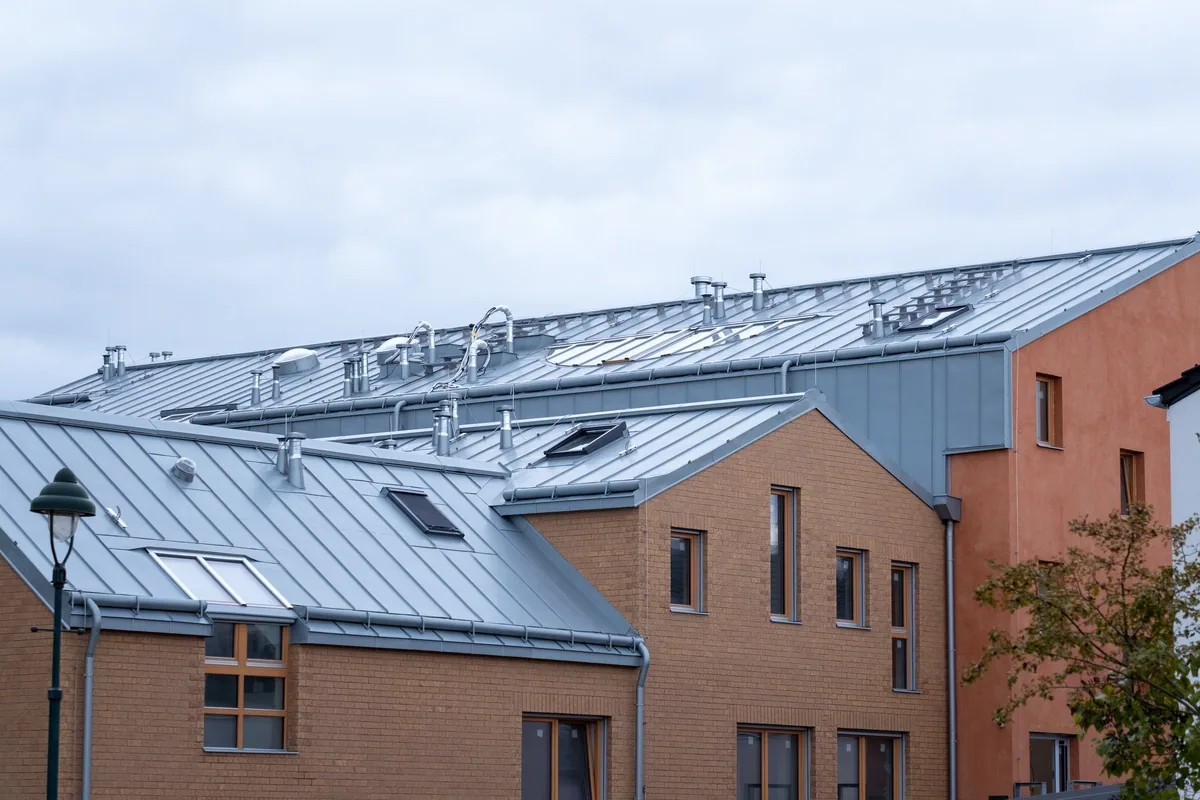
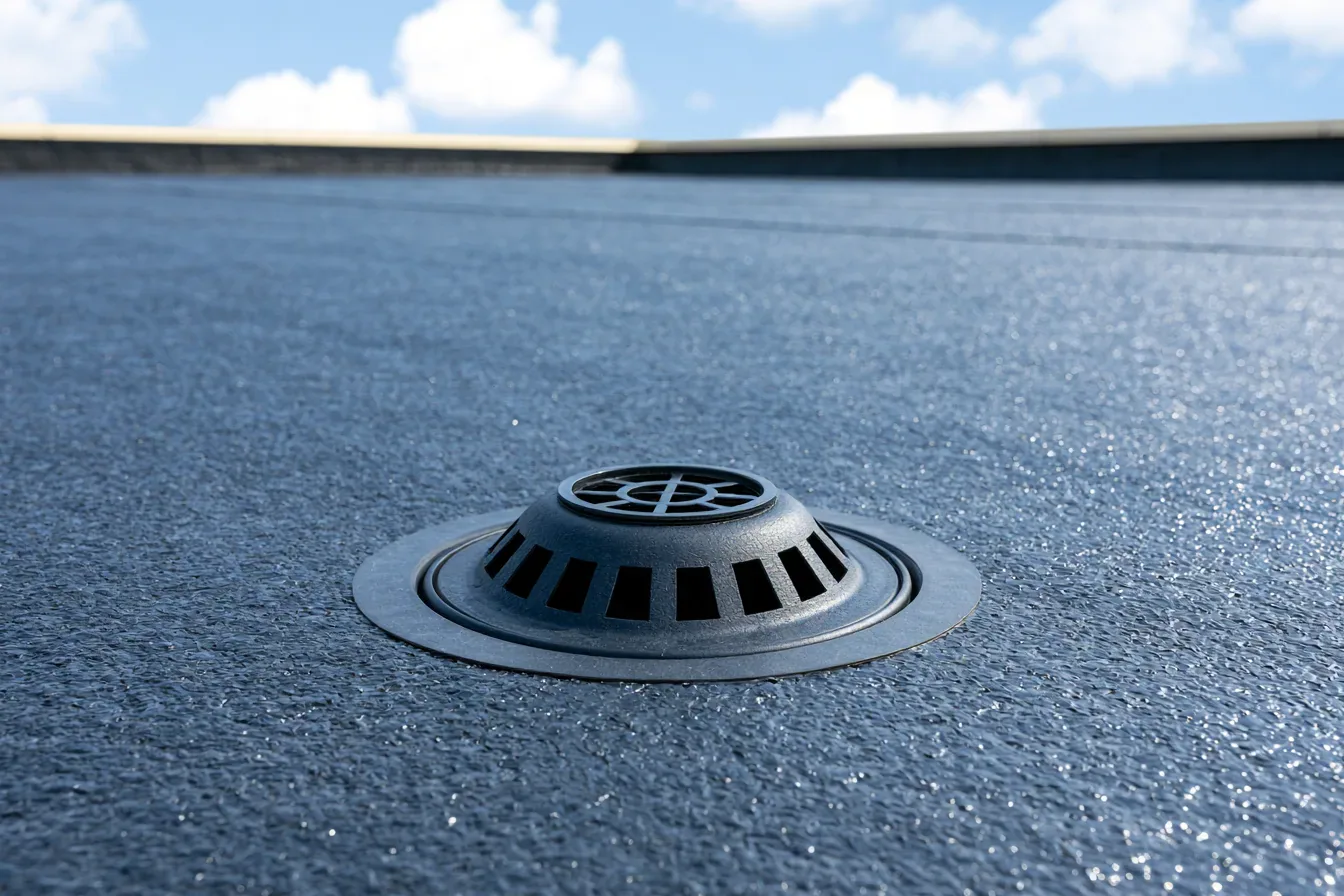
A PVC membrane can be intact while water remains at a low point. We inspect the drain bowl, strainer, scupper, overflow path, and nearby sheet. A stain below the roof does not prove the entry point is directly overhead. Water can travel within insulation or along the deck. The report connects interior location with roof observations only where evidence supports that link.
If the outlet is blocked, clearing it may restore flow. If water remains after debris removal, slope, outlet elevation, or deck movement may need review. A drainage assessment can map the condition. Suspected wet insulation may need an authorized test opening or a moisture survey; a thermal indication is a place to investigate, not a material diagnosis.
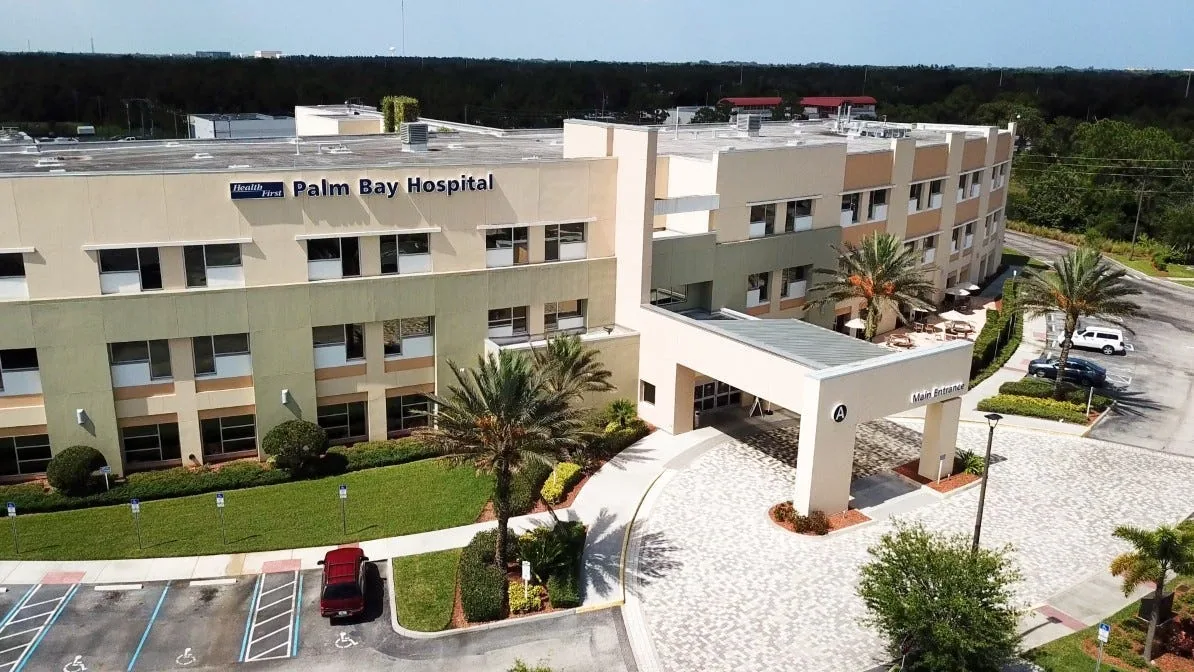
The Palm Bay Hospital campus operates emergency, surgical, imaging, inpatient, and rehabilitation services. A roof inspection there must follow the facility's access and interior protection rules. The campus uses do not tell us what membrane is installed. The job contact identifies the roof area, escort, and any rooms needing protection. At Palm Bay Flex Business Park, modular suites and industrial uses make tenant-specific access coordination relevant to roof work. That use mix still does not identify the membrane at an individual space.
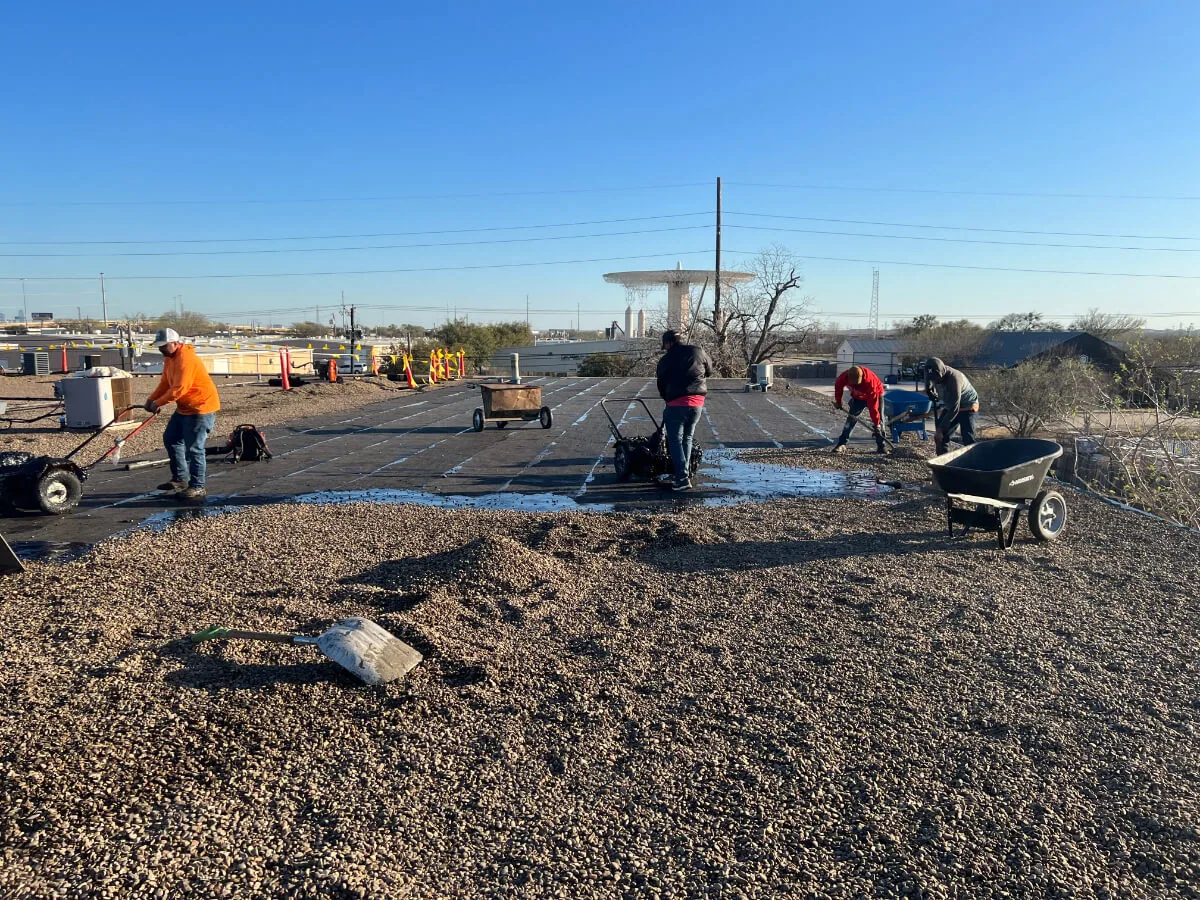
A limited PVC patch can work when the adjoining sheet is stable, clean, and weldable. The proposal names the defect, repair material, preparation, size basis, and roof zone. If the membrane is wet or loose beyond the visible gap, stop and document the finding before increasing the scope. Temporary protection is tracked apart from the permanent patch.
Repairs can include a welded patch, flashing replacement, drain detail, or perimeter correction. System compatibility and surface condition affect timing. A written repair scope defines permanent work. If many seams or field areas show deterioration, compare overall assembly condition before setting a final boundary.
Clean the repair area and remove loose material as specified. Welding depends on suitable surface and weather conditions. The crew records preparation, seam checks, photographs, and any pause due to rain. The repaired field should preserve designed drainage and access to equipment.
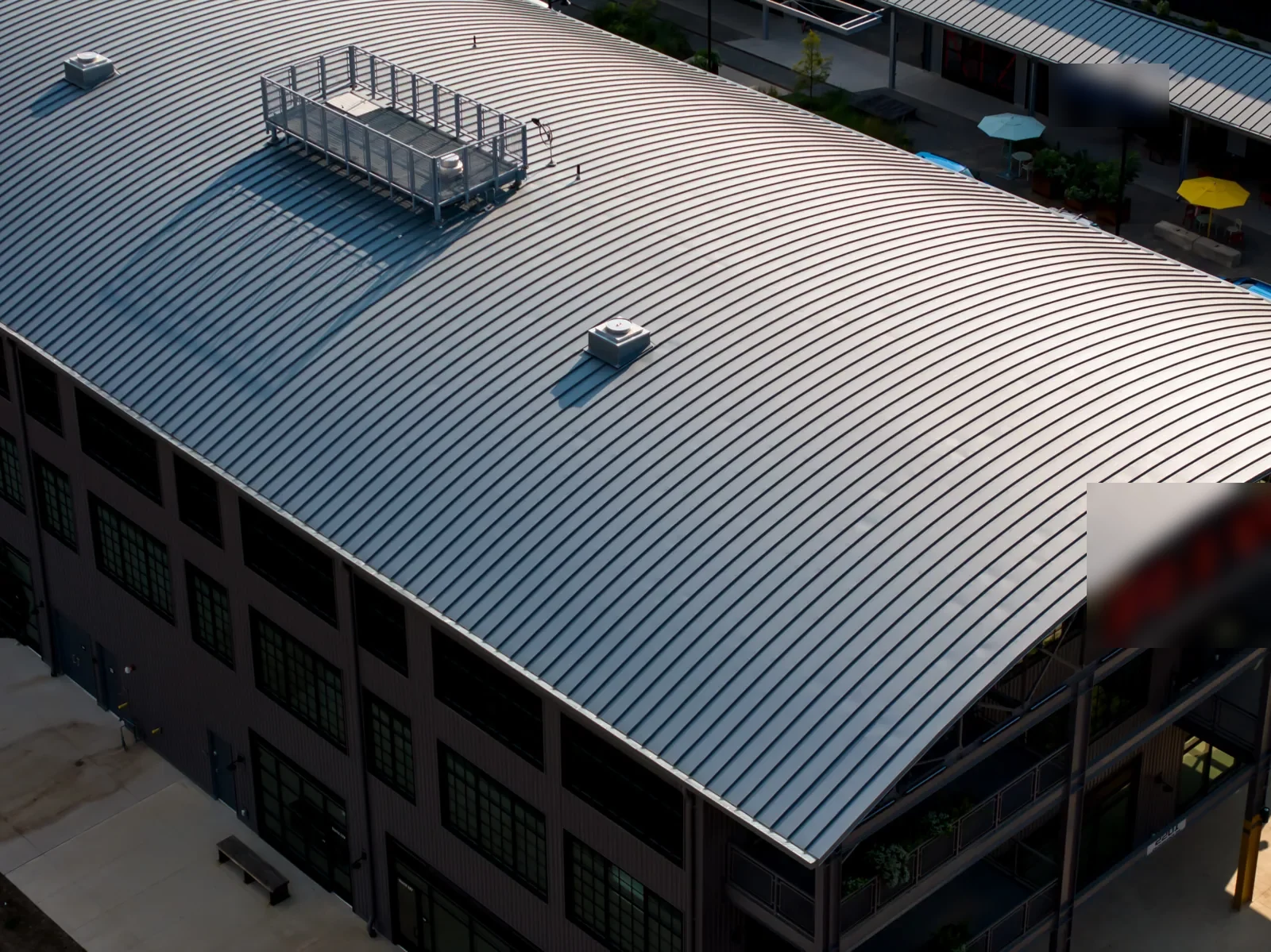
Closeout identifies the sheet area, weld or flashing repaired, material, photographs, date, and unresolved conditions. It also states if access or weather limited the work. A condition report maintains the observation record by roof zone.
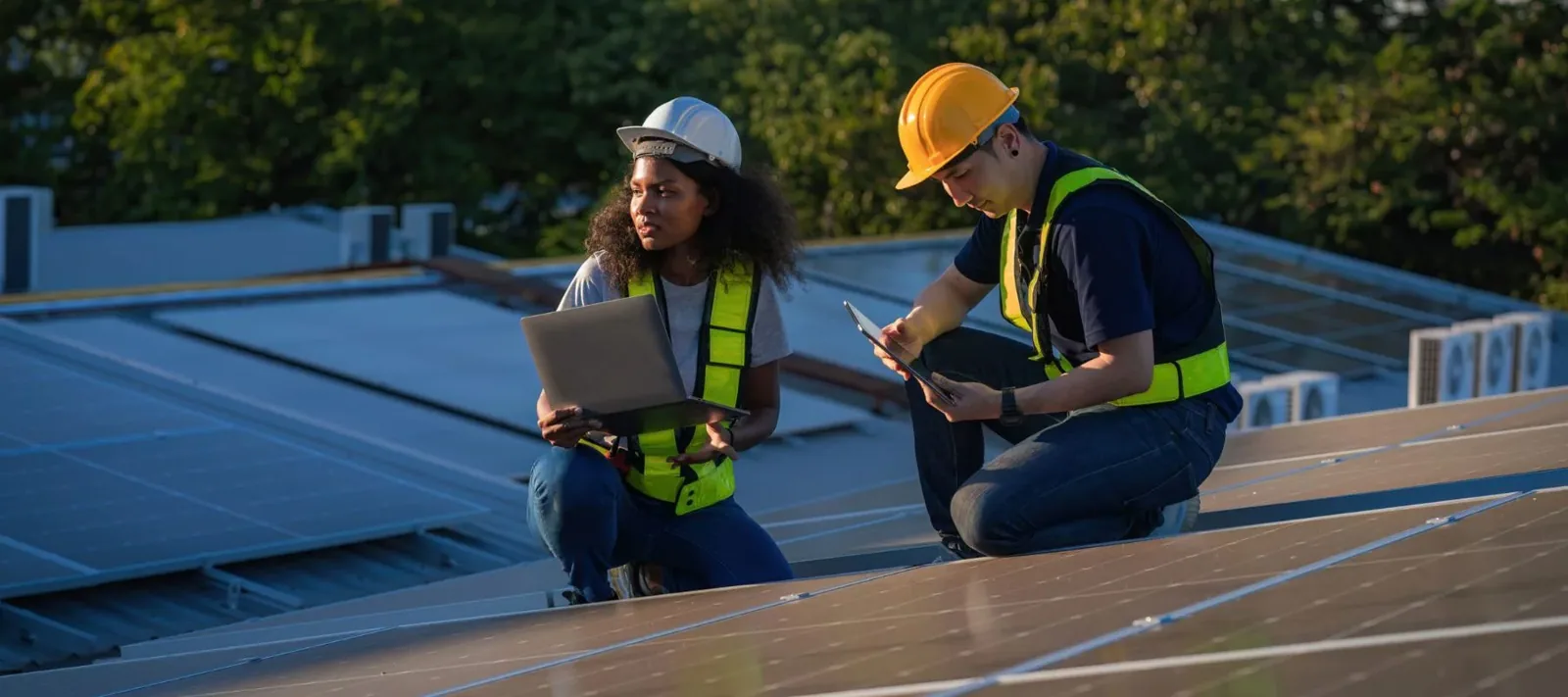
For ongoing maintenance, check drains, penetrations, seams, and areas altered by service contractors. Palm Bay's summer rain and heat make timely inspection useful, but no regional climate value predicts the condition of a specific PVC sheet. Scheduled maintenance can track visible changes and keep the record current.
The owner should provide a new event date and interior location if a leak returns. We compare it with the earlier repair photographs and inspect the stated path. The record identifies what is confirmed and what still requires testing.
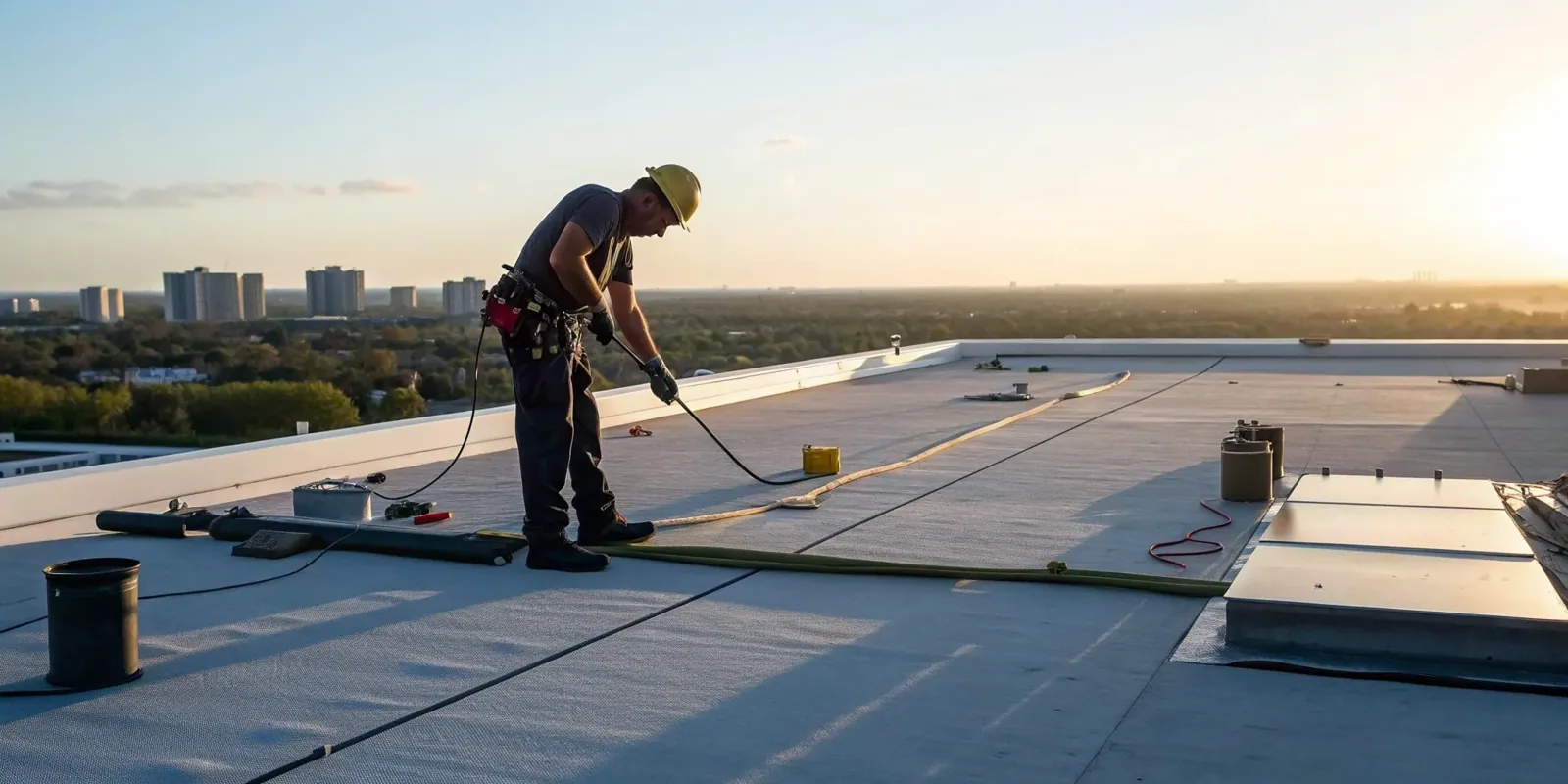
Learn more →
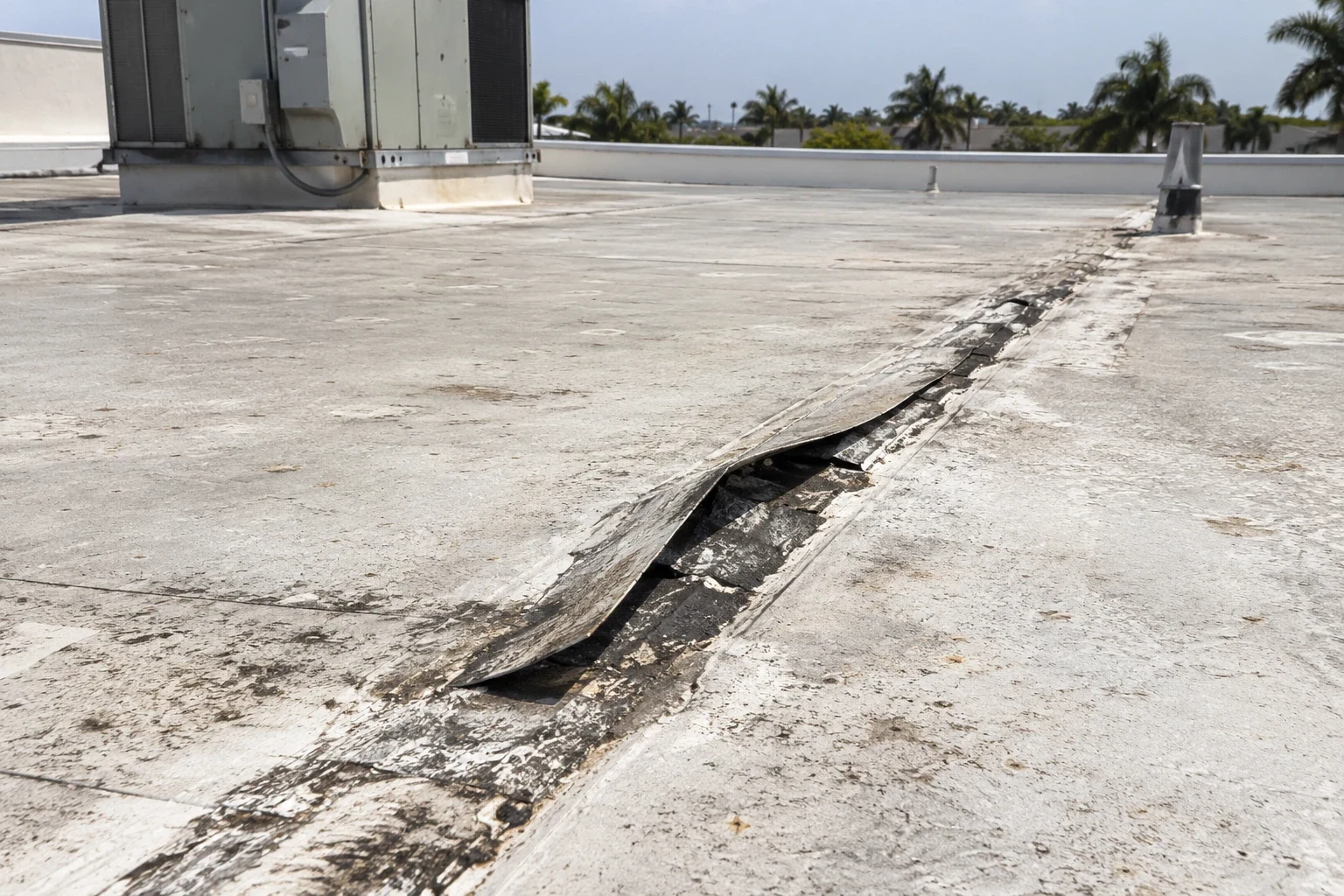
Learn more →
Learn more →
Learn more →
Learn more →
Learn more →
Learn more →
Learn more →