
A TPO seam can look closed from a distance and still separate at a curb, drain, or prior patch. We record the reported leak and inspect the weld, adjoining membrane, and roof zone before defining work. Palm Bay has hot conditions and frequent summer rain. Melbourne climate normals describe regional heat and rainfall; during Hurricane Irma, named Palm Bay points recorded heavy rain. Neither the climate average nor storm total establishes a TPO roof's condition. The field inspection does.
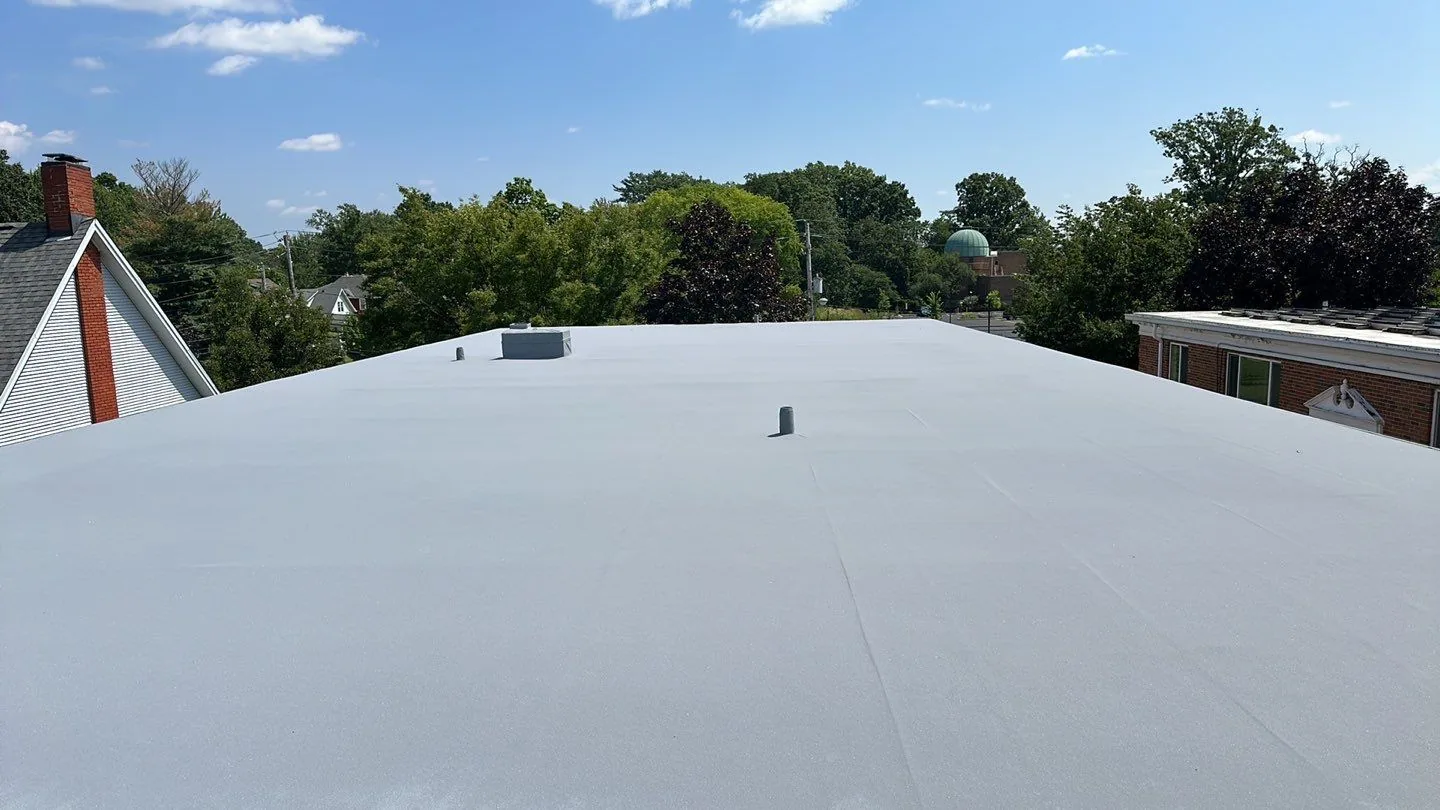
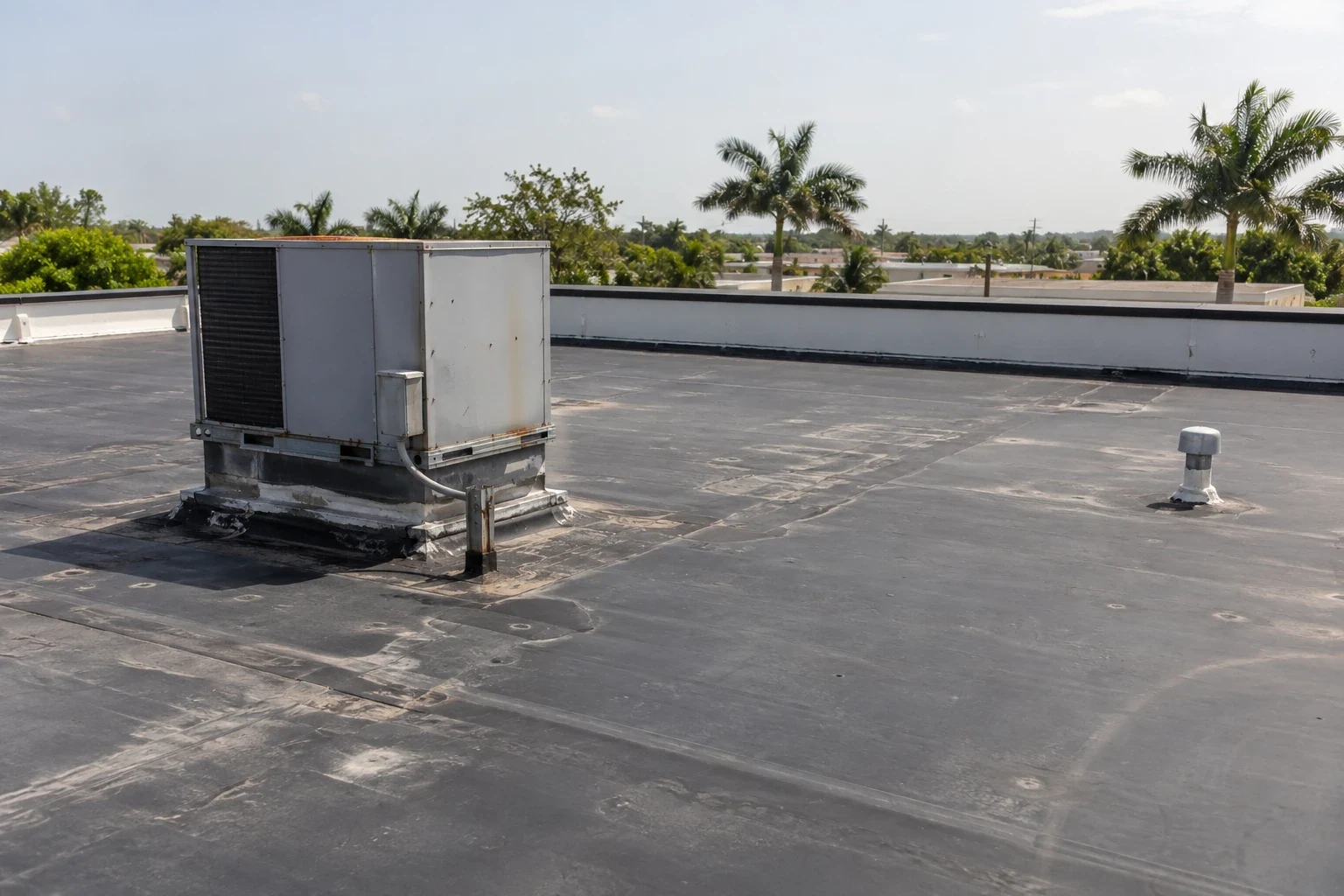
TPO sheets are joined with heat-welded laps. A repair review checks seam width, adhesion, fishmouths, contamination, punctures, and any separation where the sheet meets flashing. We probe suspect locations with care and photograph the condition before altering it. A short open seam in sound membrane may support a local weld repair. Repeated separation or poor attachment can extend beyond the visible opening.
Roof age, prior repairs, surface contamination, and installation details affect the next step. We identify whether the seam runs through the field, at a curb, around a drain, or along the perimeter. A commercial roof inspection can establish the visible assembly and access limits. If the owner has no current roof record, a photo condition report ties weld observations to each roof zone. TPO is one of several single-ply options. A PVC membrane uses heat-welded seams and can suit different chemical exposures. KEE membrane is a PVC alloy system. Selection still follows the building's service conditions and roof details.
Heat welding depends on clean, dry surfaces and suitable conditions. A patch over dirt, moisture, or loose material may not bond as intended. The work scope states preparation, patch shape, overlap, and final seam check. If the substrate is wet or unstable, stop at the approved boundary and document what must be exposed.
Seam checks should follow the installed membrane and repair method. A probe can locate an unbonded edge, while a controlled test weld can help confirm settings on a compatible surface. Record the location and test conditions. Do not treat one sound weld as evidence that every field seam is intact. At curbs and changes in plane, check how the sheet terminates and whether movement has pulled the detail. Photograph repairs before they are covered. If the existing membrane is contaminated or weathered, confirm that a proposed patch can bond to it. The work plan should identify who may approve added repairs when inspection exposes a longer seam defect.
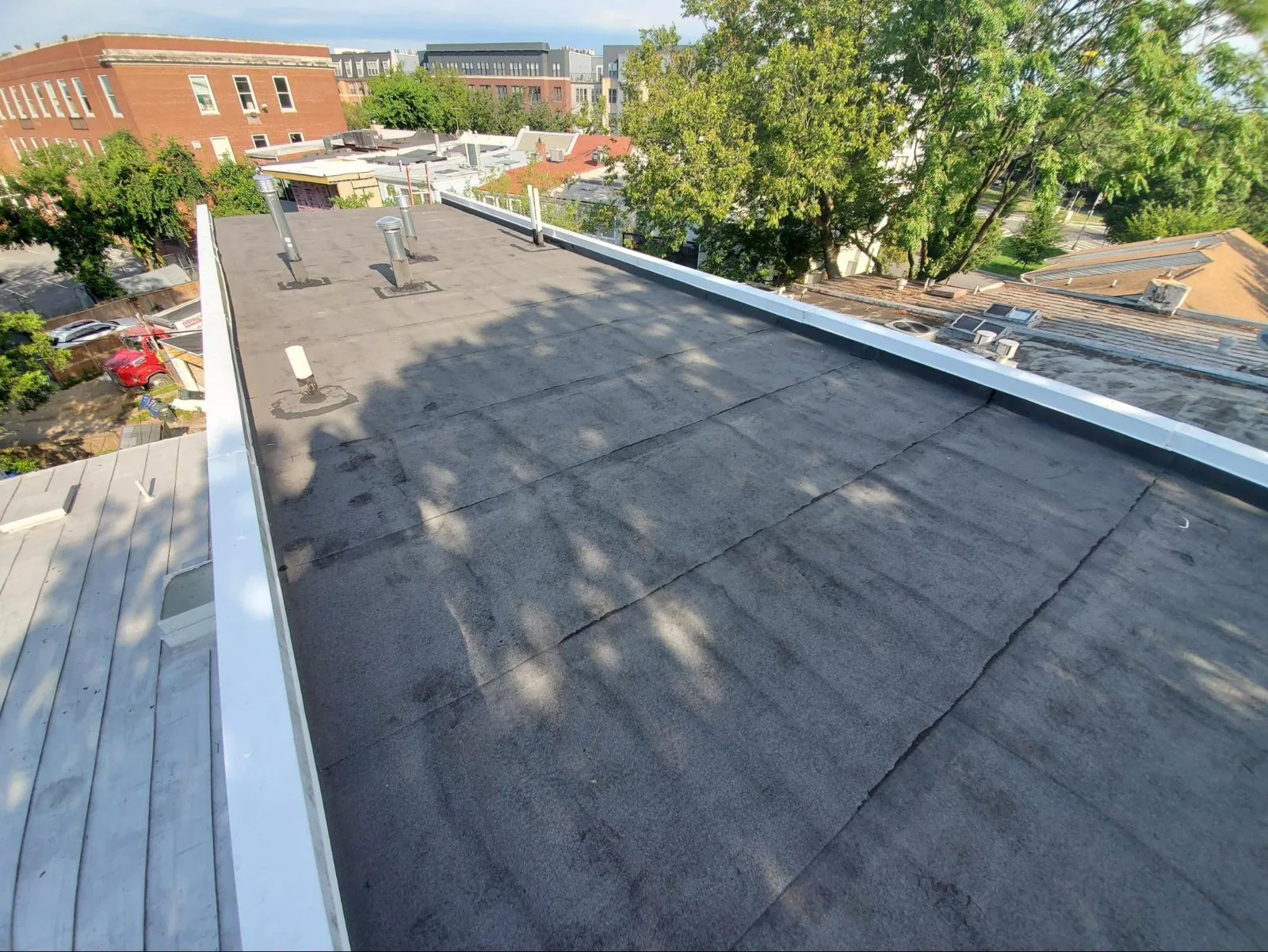
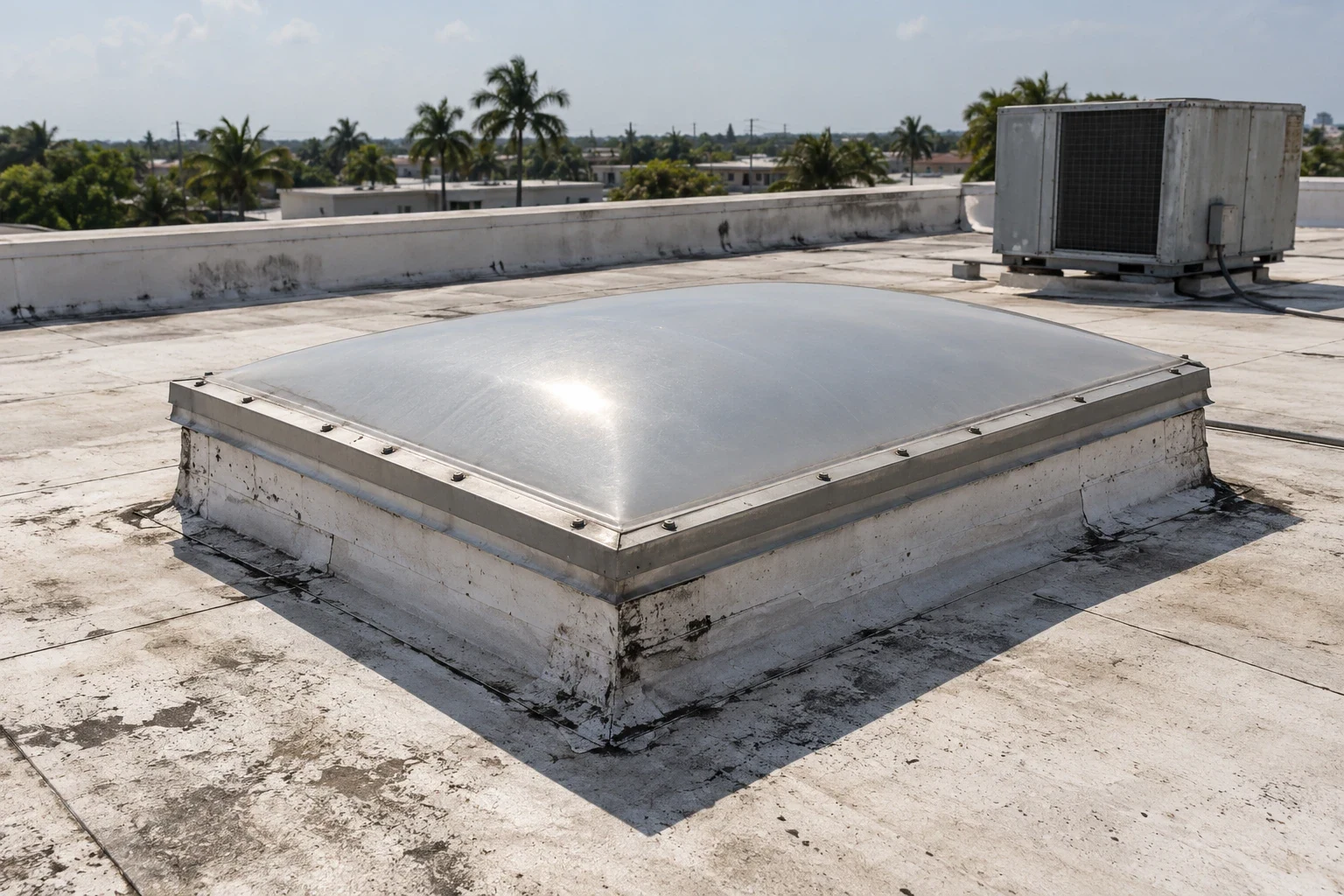
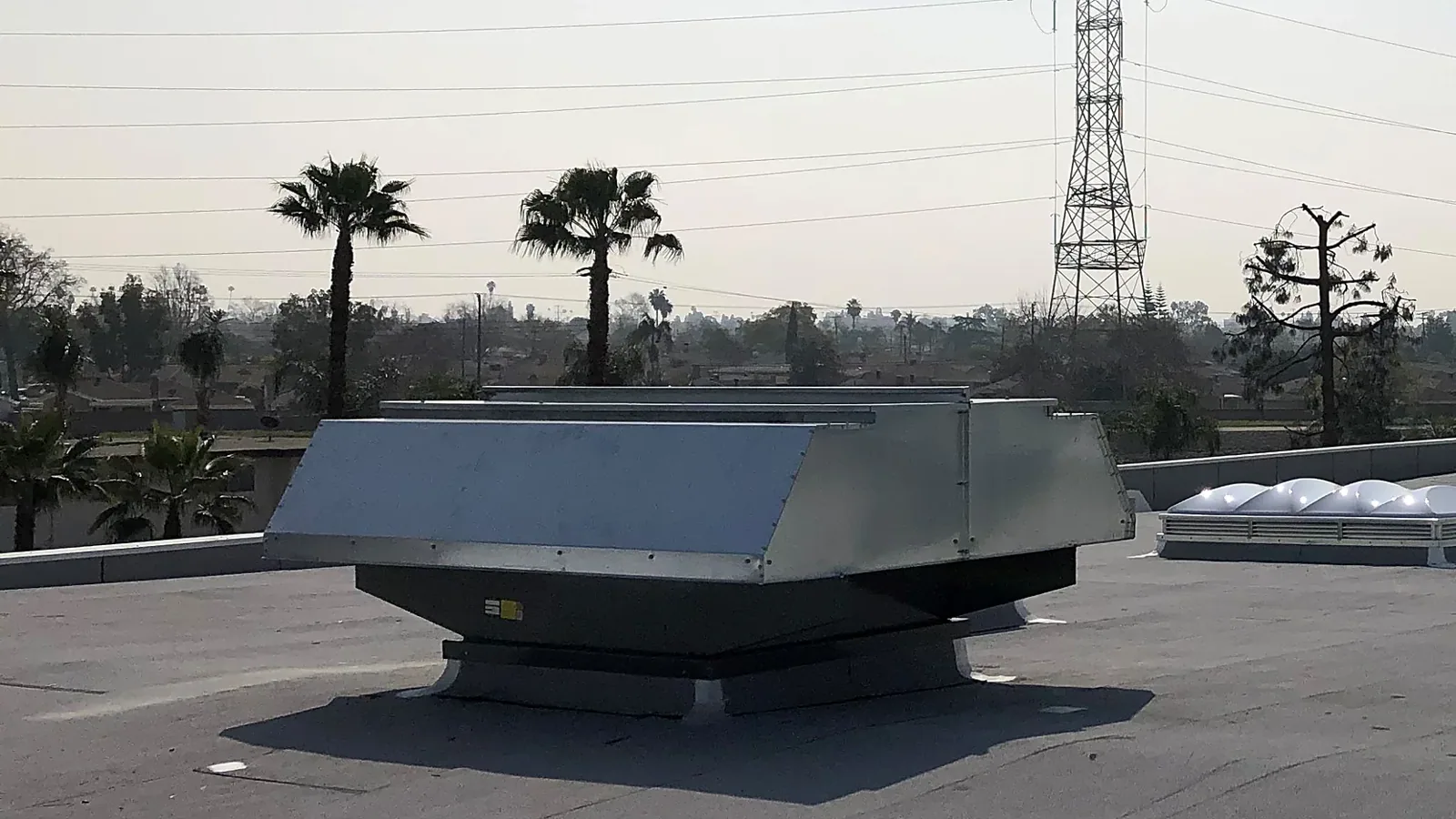
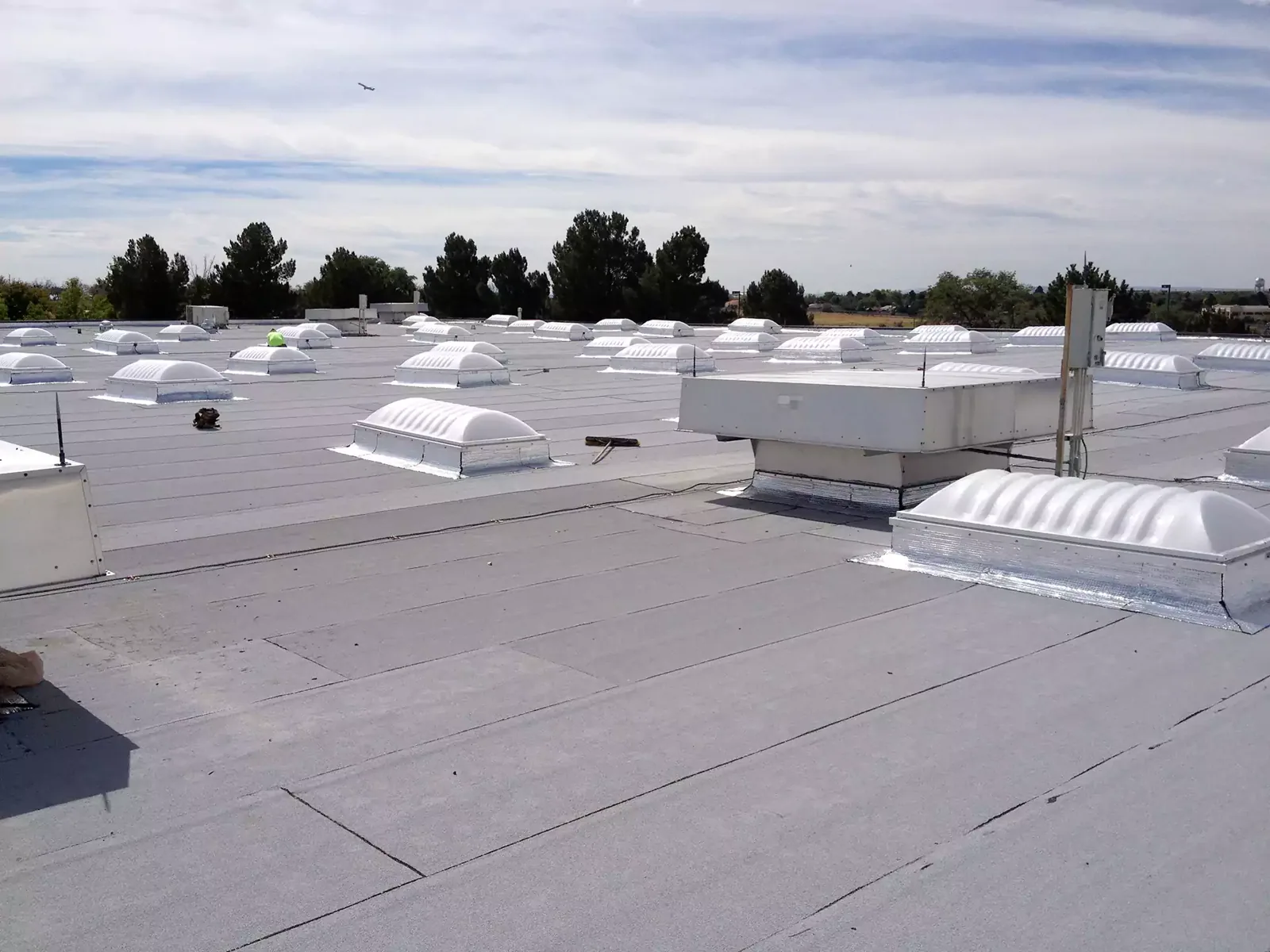
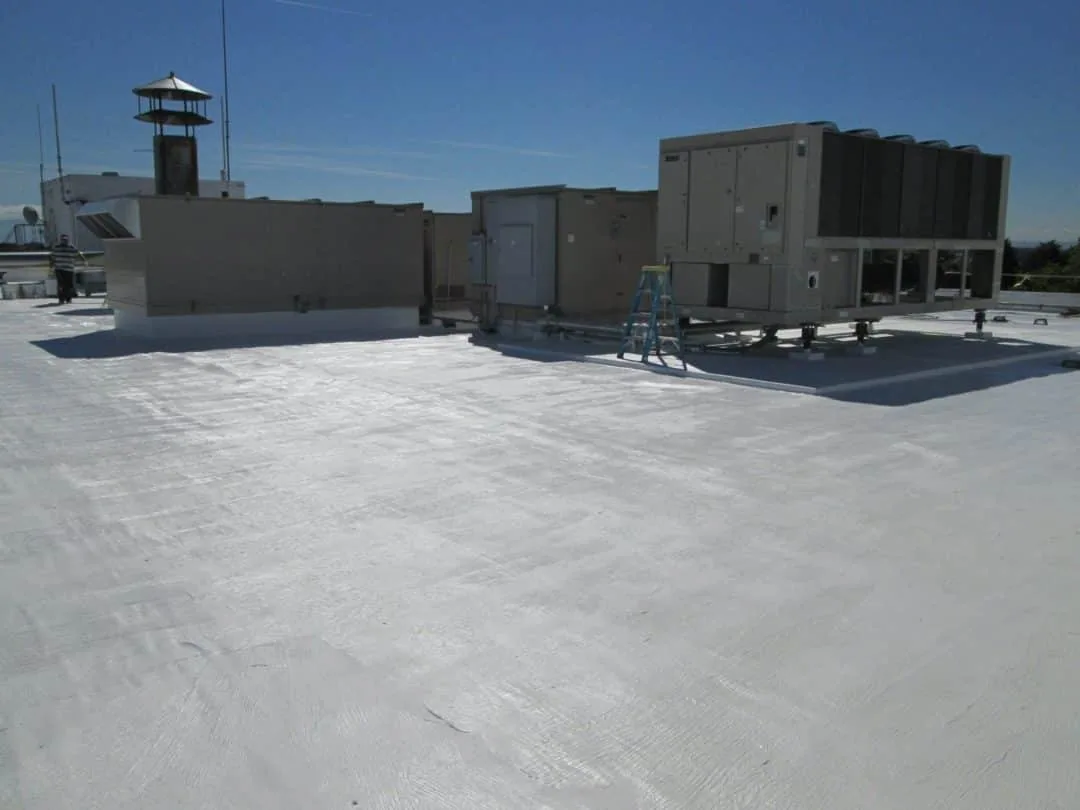
Water can enter where TPO turns up a wall, curb, pipe, skylight, or equipment support. We inspect membrane height, corners, termination bars, cover strips, boots, and transitions to metal. A leak near a rooftop unit does not prove the weld at the curb has failed. The field record follows the reported water path and notes any concealed area that blocks confirmation.
Penetration work needs TPO-compatible materials and details. A liquid sealant should not be used as a substitute for a properly integrated flashing. A penetration flashing review can document openings and curbs. A curb and support inspection can check the equipment zone and service attachment points.
Perimeter details need similar attention. Wind-driven rain can reach a loose edge, but an event report alone does not show which attachment failed. We inspect adjacent metal, corner conditions, and sheet termination. If the membrane is secure but coping or edge metal has moved, the repair boundary should reflect that separate condition.
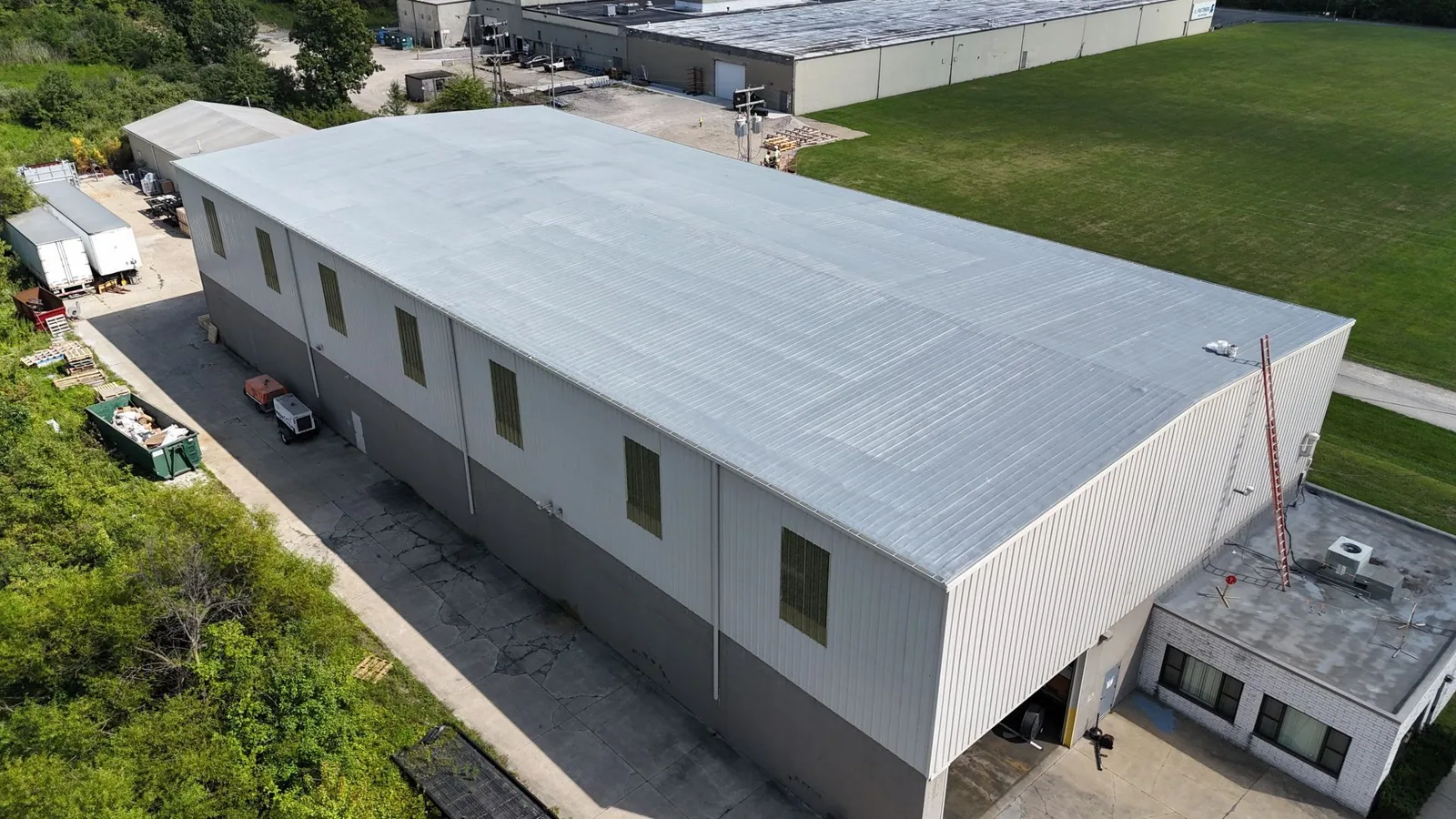
At the Palm Bay Flex Business Park, modular bays are promoted for engineering, defense supply, and light-industrial work. Published unit options can combine into larger footprints. For a TPO evaluation, confirm equipment and service paths at the building; the site's advertised use does not identify its roof membrane.
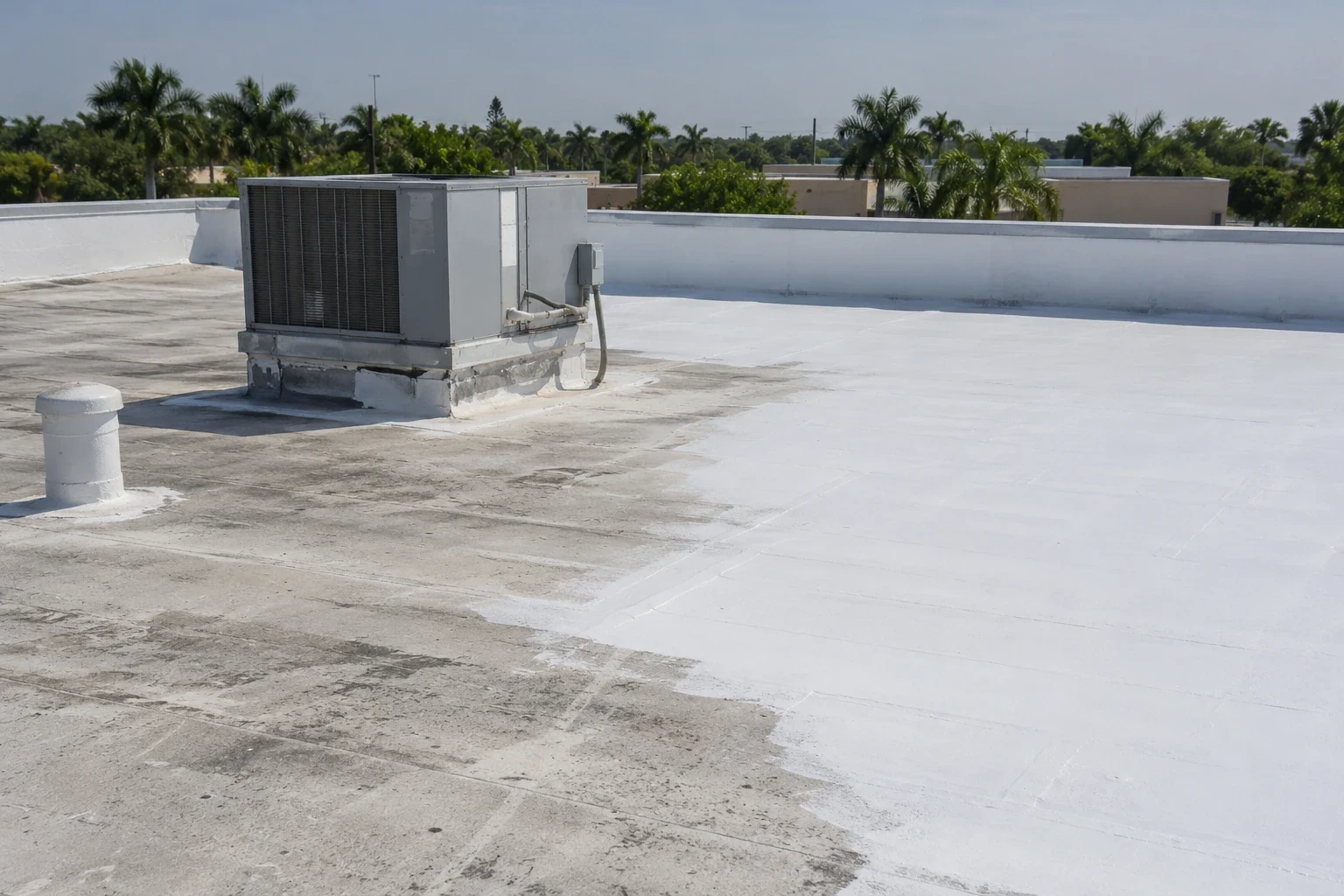
A limited repair may be appropriate when surrounding TPO remains attached, dry, and weldable. We define the repair material, roof zone, preparation, and edge of work. If wet insulation, widespread seam failure, or damaged deck appears, the boundary can change after exposure. The owner reviews added permanent work before it proceeds. Temporary protection has its own date and return plan.
A recover or replacement decision compares the existing assembly, number of prior repairs, substrate condition, insulation, drainage, and project schedule. A replacement assessment can address a broader failure pattern. When a TPO replacement requires a permit, the project documents and reviewing authority determine which Florida code requirements apply to that assembly and scope.
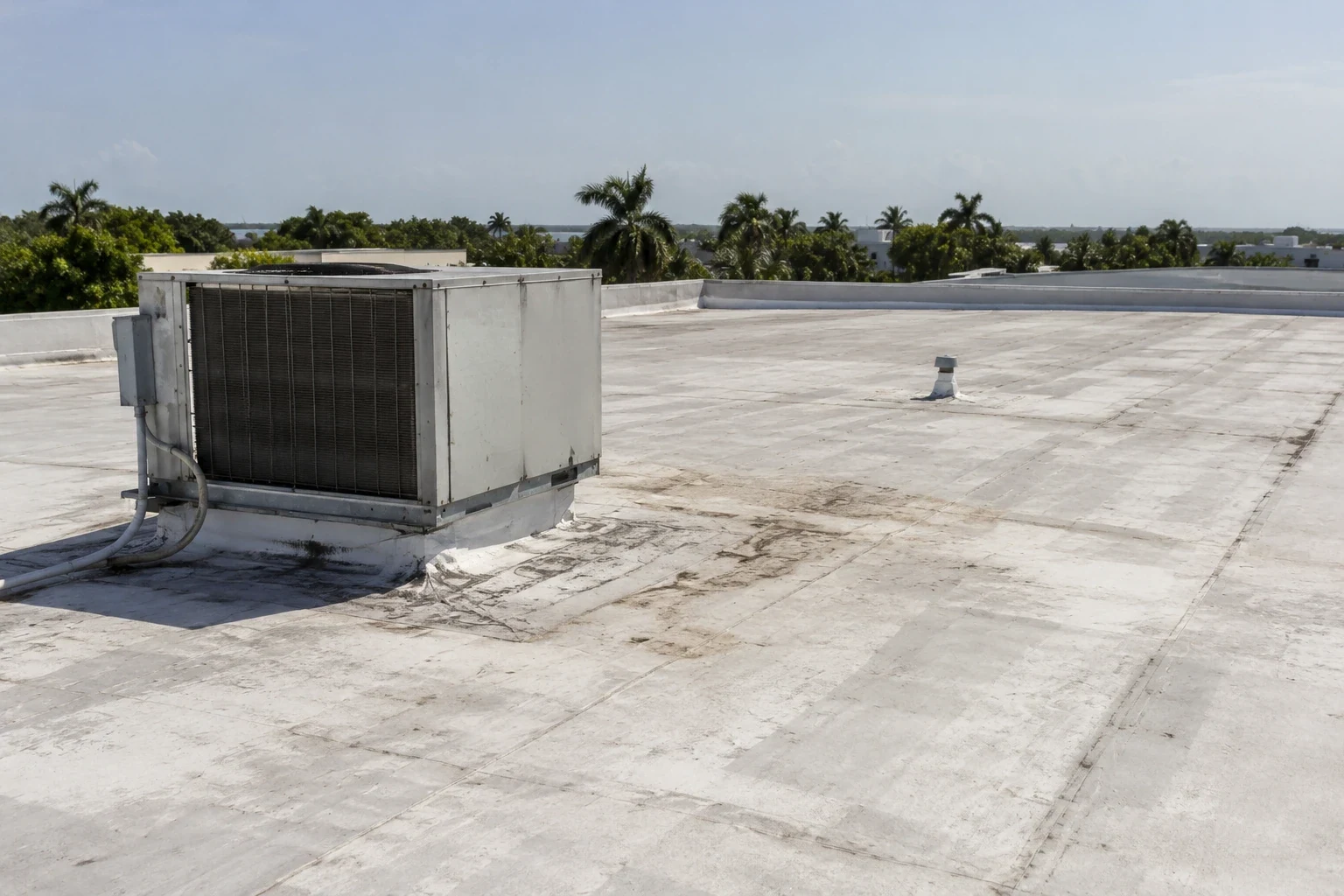
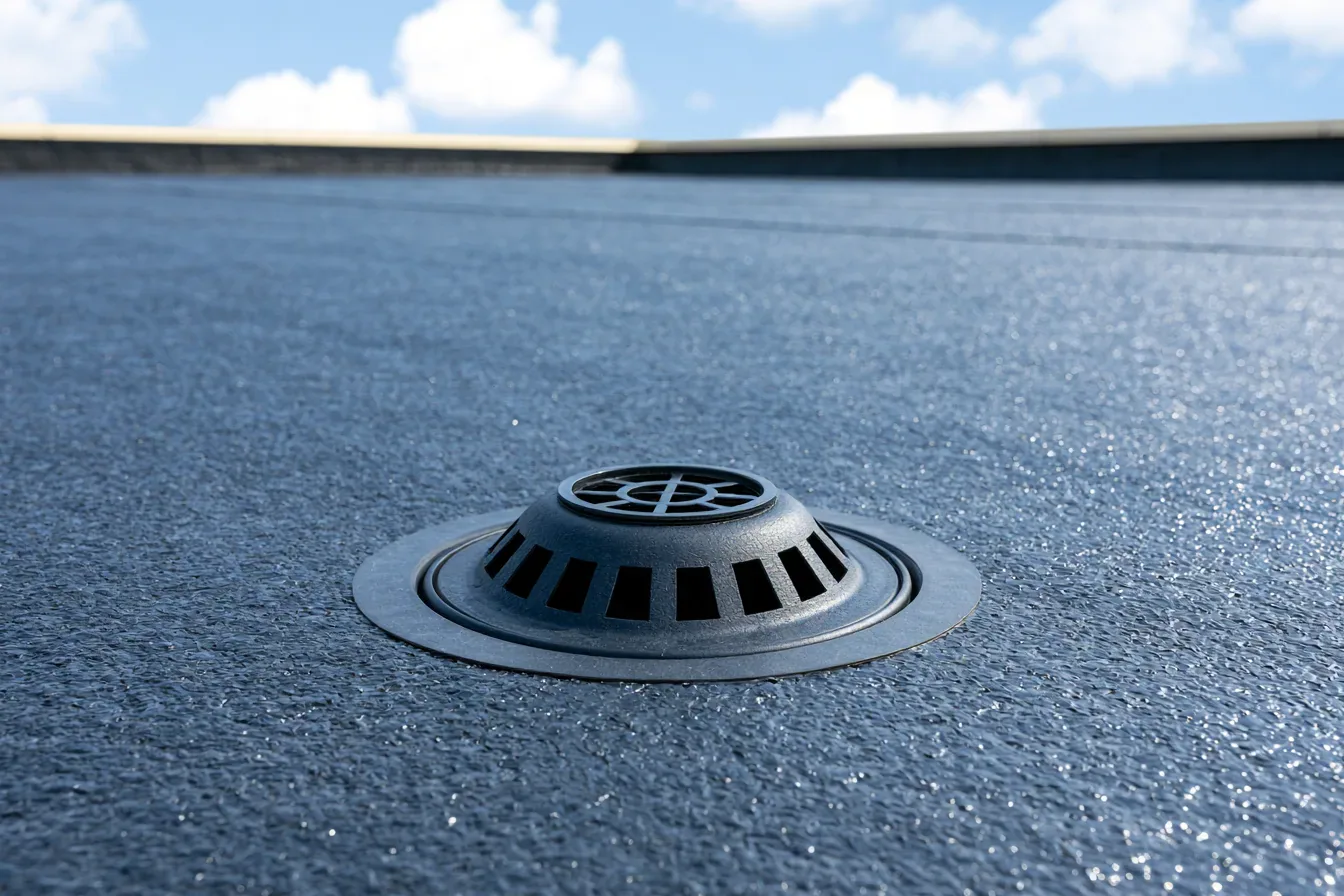
New TPO work needs coordinated insulation, cover board, attachment, flashing, edges, and drainage. The proposal identifies system components and transition details. The crew records material, conditions, and completed zones. Each seam and penetration receives an appropriate check before the section is closed.
Closeout photographs show representative field welds, corners, penetrations, drains, and perimeter transitions. The record lists repair limits, exclusions, access restrictions, and unresolved conditions.
Named Palm Bay locations recorded heavy rain during Hurricane Irma. They do not establish TPO damage at a nearby property. The owner gets a dated report of what the crew observed, what was repaired, and what still needs review.
Learn more →
Learn more →
Learn more →
Learn more →
Learn more →
Learn more →
Learn more →
Learn more →