
Active local weather warning
The National Weather Service has issued a coastal flood warning covering Palm Bay. Heavy rain and drainage loading can expose roof leaks, blocked drains, and ponding water. This is a weather exposure advisory; it does not establish damage to a specific roof.
Do not access a roof during hazardous weather. Protect people first, avoid water near electrical equipment, and request roofing help when conditions permit.
National Weather Service · Updated Oct 28, 2026, 6:40 AM UTC
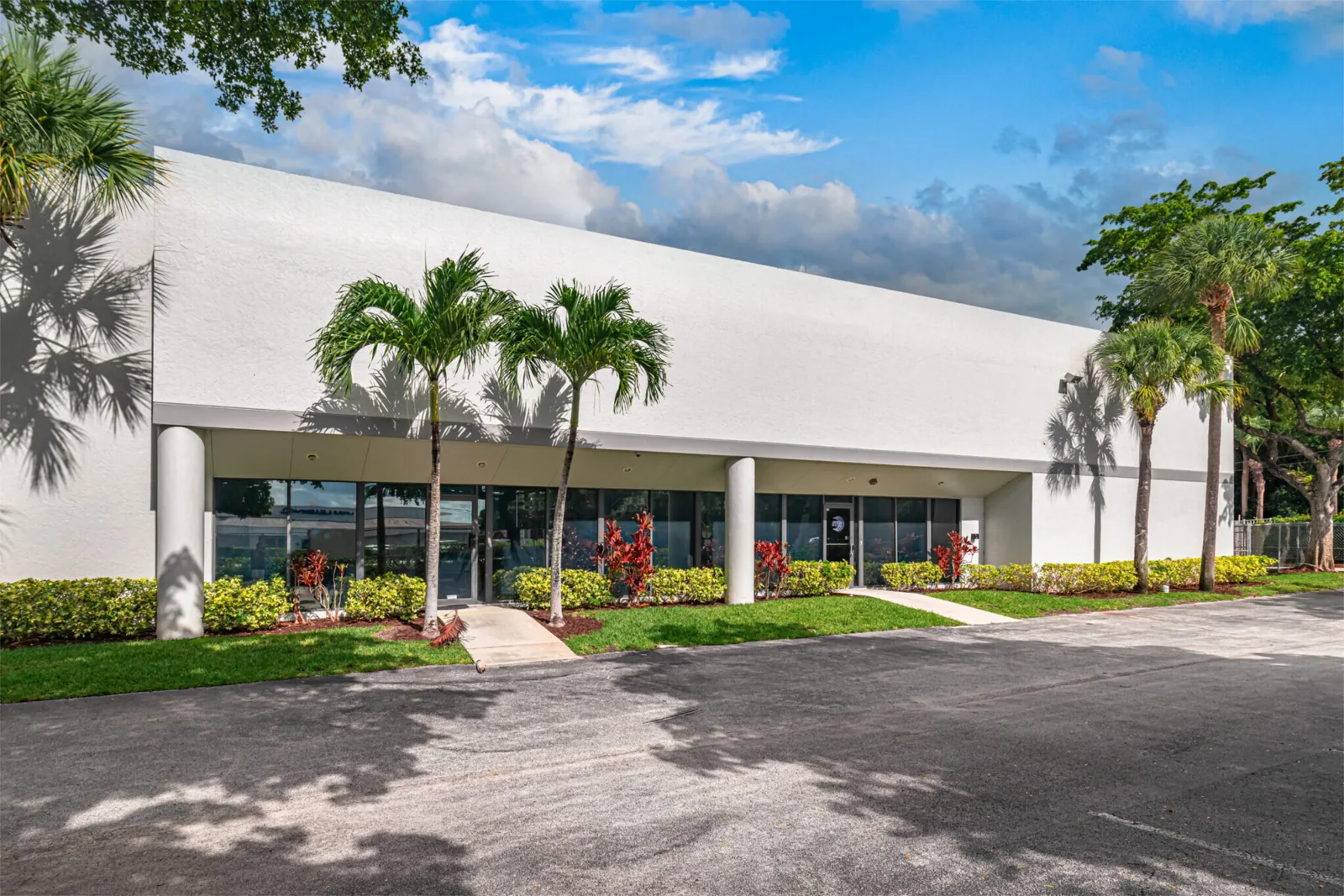
Palm Bay’s commercial building stock spans office, retail, medical, industrial and mixed-use properties, spread across a large city rather than one compact downtown. The city plan recognizes a Babcock Street commercial center, and its zoning materials list commercial, mixed-use and industrial districts. Those are useful planning signals, but parcel zoning and building use must be verified for the property in front of us. A roof recommendation still starts with the installed assembly, measured area, reported leak, drainage, edge conditions and access rules.
Commercial sites along Palm Bay Road, Malabar Road, Babcock Street and the industrial areas have different delivery routes and operating constraints. A building owner may need a targeted repair, a condition assessment or a capital comparison. We first identify the decision that is due, who can approve access and testing, and what condition must be protected during work. The location helps frame logistics. The roof evidence sets the scope.
An interior mark is recorded by room, date and event before we look for a related roof detail. The field review checks accessible seams, laps, curbs, penetrations, drains, edges, patches and previous repairs. Photos include a close view and a wider roof-plan reference, with areas that could not be reached marked as limits. Water may enter at a transition and appear elsewhere inside, so we compare the reported room with the roof path instead of measuring a repair from the ceiling stain.
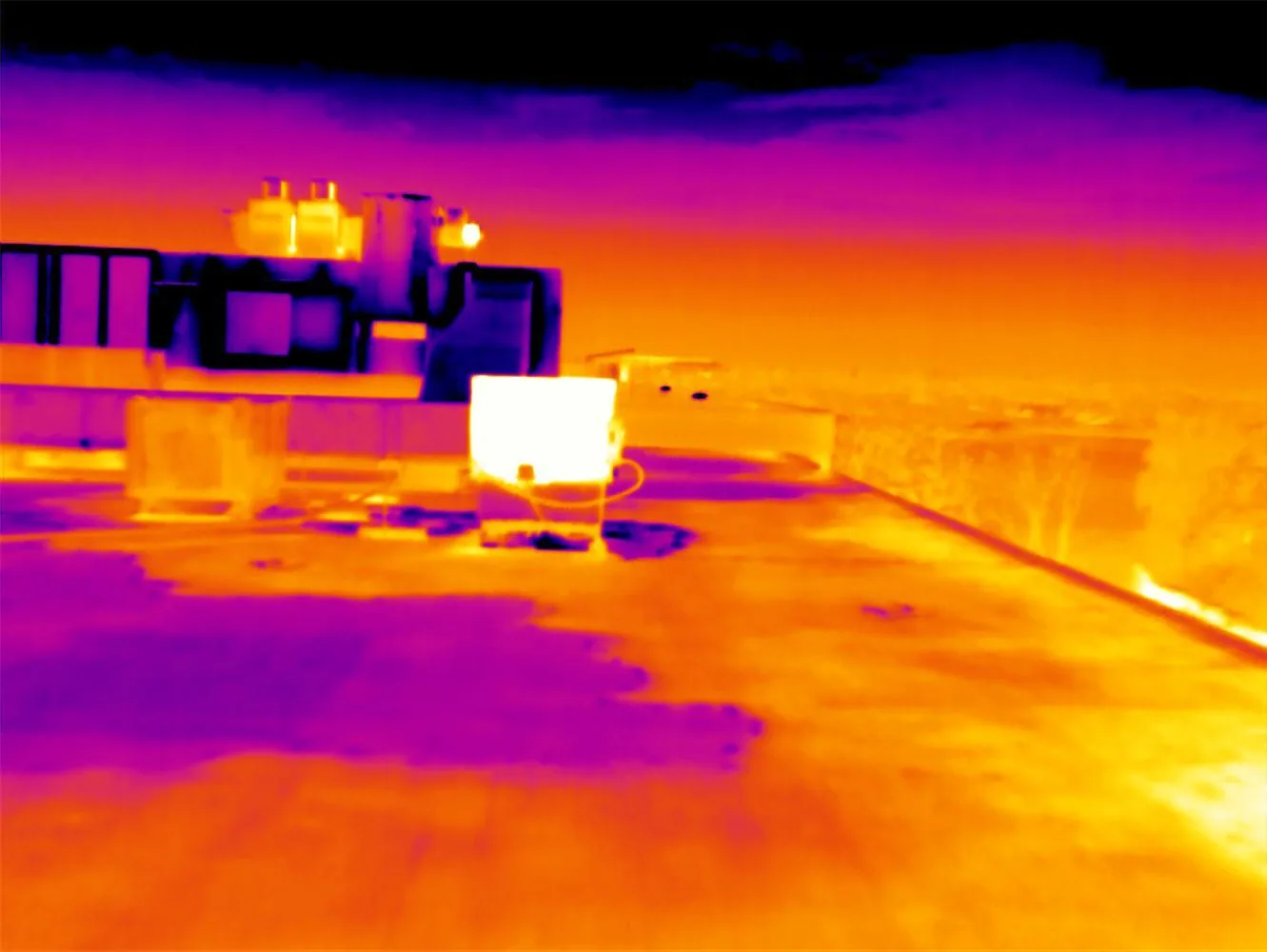
Plans can help identify membrane type, insulation, drainage design and structural transitions, but they may not reflect later tenant improvements. We compare drawings with what can be seen on the roof and note the gaps. If concealed moisture or deck condition could change the decision, an infrared survey or controlled test opening may help. The owner approves the method and restoration before a test. The report says what it answered, what remains hidden and whether a separate investigation is needed.
If water is active, the first visit identifies exposure, safe temporary protection and the information needed for a permanent fix. We photograph the affected detail, note any interior protection and separate emergency work from follow-up testing. A repair should extend to a boundary where the new material can tie into a sound assembly. If opening the roof reveals more wet insulation or damaged deck than approved, the crew stops at a protected limit while the owner reviews the condition and cost.
Repeated leaks, moisture across multiple zones, loose attachment or substrate deterioration can support a larger renewal review. A replacement estimate should identify tear-off limits, insulation transitions, drainage changes, edge details and daily dry-in. If a recover is considered, the evaluation checks moisture, attachment, added load and compatibility. We compare options against the same measurements and state any testing or design review that could change the quantity.
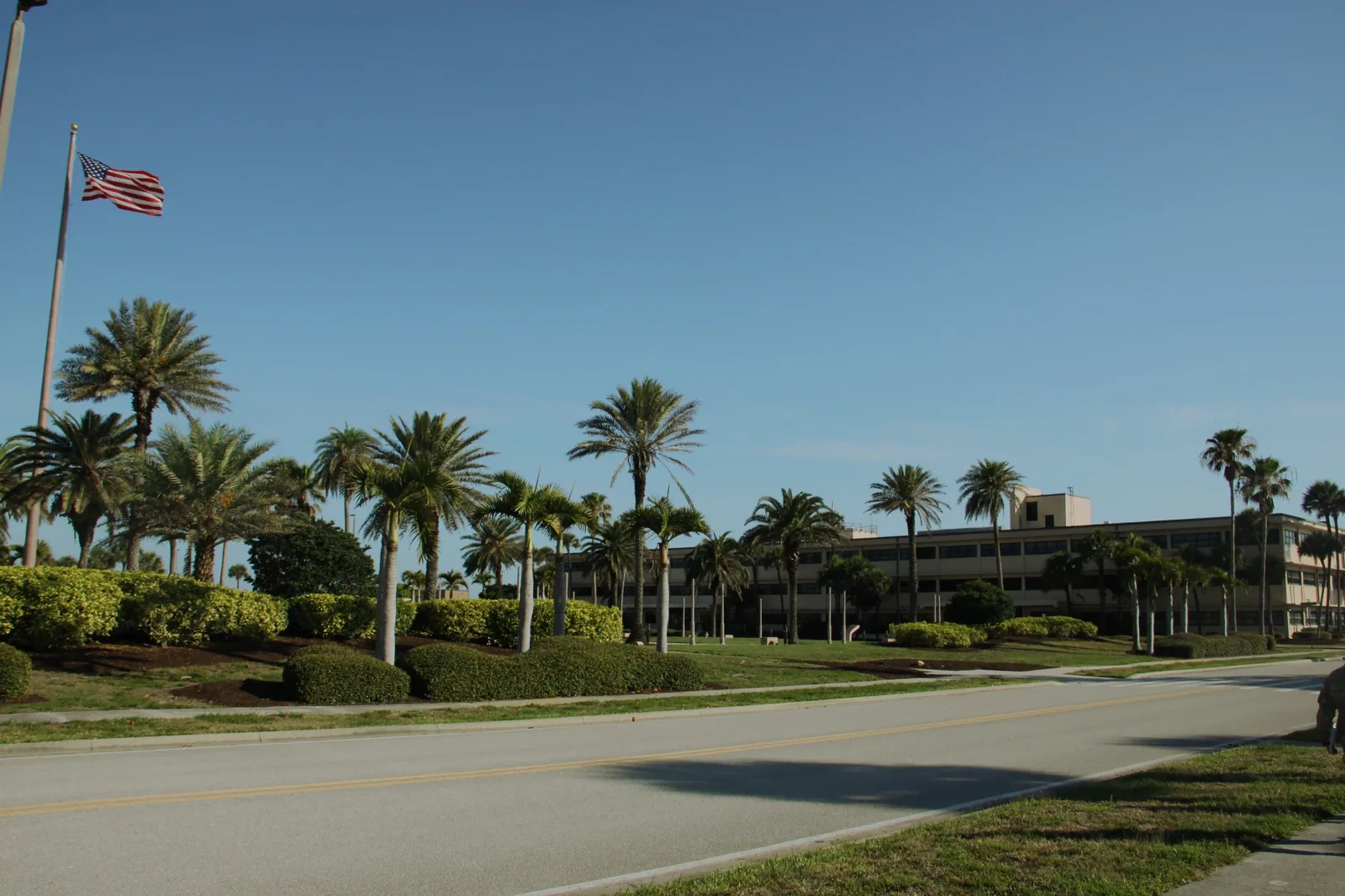
Palm Bay’s commercial and industrial districts include buildings with different access controls and schedules. Before mobilization, the property representative identifies entrances, loading periods, secure areas, occupants below the roof and emergency routes. The crew marks where material can be staged, how debris leaves the site and which zones will remain open. If public paths, parking or receiving must continue, the work sequence puts those limits on the daily plan instead of leaving them to a field assumption.
Roof work can touch mechanical, electrical, fire-protection and communications equipment. We list the equipment near the repair, identify each trade handoff and establish who can authorize an isolation, relocation or restart. No system is moved or shut down by assumption. If a lift or crane is needed, the owner and site contact confirm access and setup before delivery. A work plan for an occupied facility can use phased reroofing to separate active areas from completed sections.
Weather planning should match the selected system, crew safety limits and the time needed to restore a watertight boundary. Before opening a section, the supervisor checks conditions and confirms that the approved daily quantity can be secured. A change in forecast can reduce the exposed area or shift the work window. The closeout records temporary protection, exposed edges, completed tie-ins and any follow-up check required after rain.
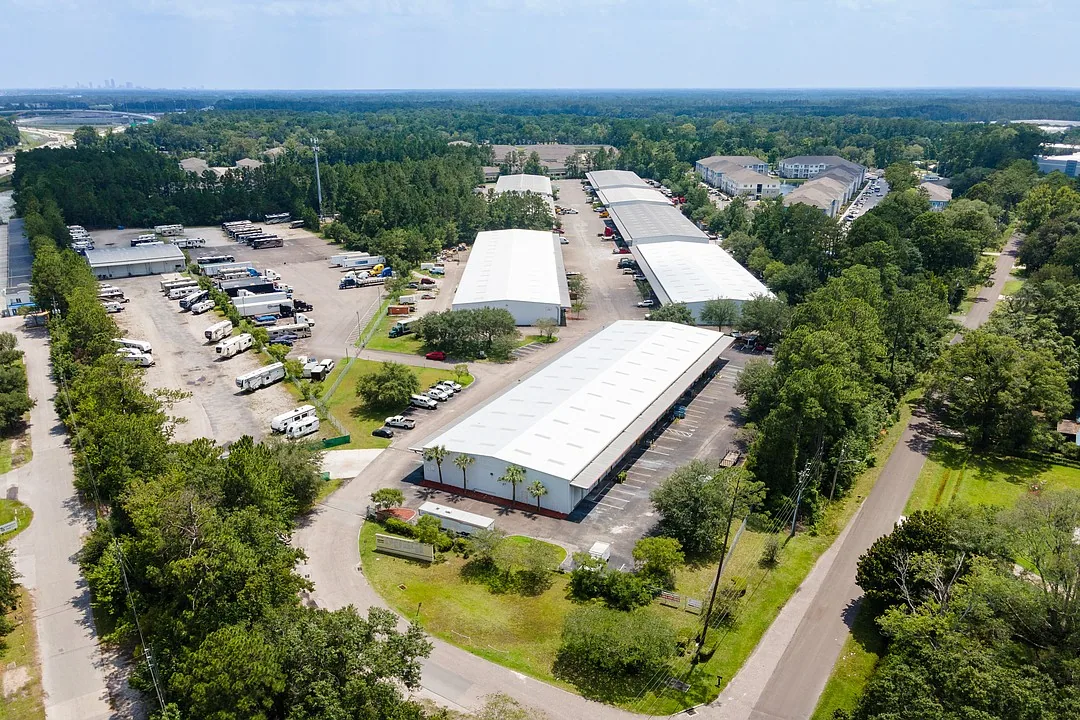
A localized repair makes sense when the failure is limited and surrounding material supports a sound tie-in. A coating or restoration needs a compatible, stable surface, adequate drainage and preparation suited to the product. Replacement may be more appropriate when wet material, attachment problems or deck repairs extend beyond a manageable patch. We document observations that support each path and distinguish those findings from conditions that still need a test opening.
Palm Bay’s plan and land-use materials provide context for commercial, mixed-use and industrial projects, while site approvals and building conditions vary. The city’s economic development strategy calls for stronger commercial corridors; that policy does not determine an individual roof’s use, design or code compliance. For a renovation or new installation, the owner and design team confirm current parcel records, permit review and product requirements. Our scope describes the roof work and identifies where a design professional or other contractor owns the decision.
Cost and timing depend on measured area, access, removal volume, substrate repair, edge and penetration detail, disposal, staging, tenant coordination and material lead time. We list confirmed quantities separately from allowances. When removal exposes a different assembly than the plans show, work pauses at a dry, protected boundary until the authorized contact reviews photographs and a priced change. That preserves the original approval while giving the owner a specific choice about additional work.
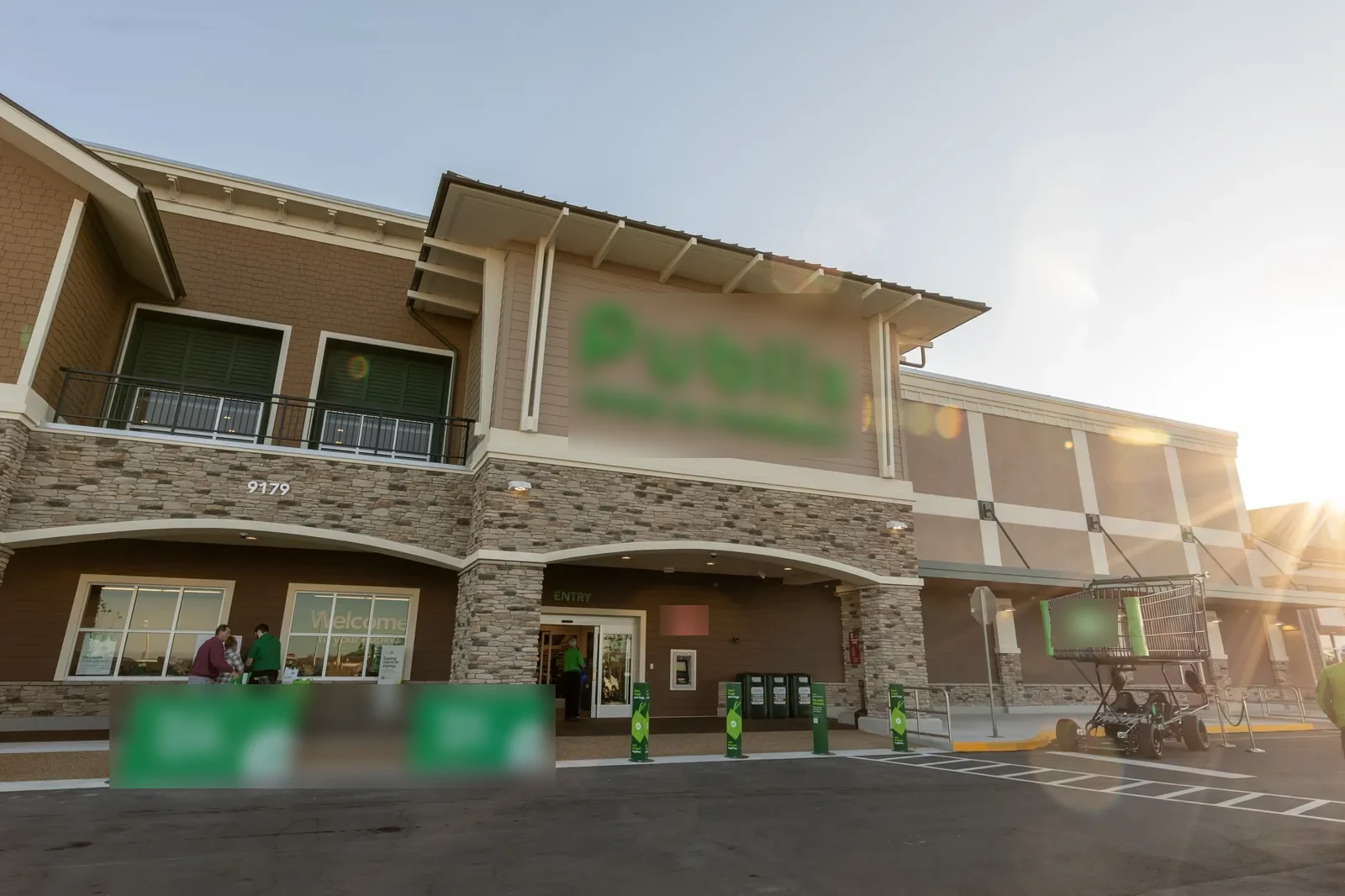
Each shift begins with the approved section, access plan, staged materials and weather conditions confirmed. Removal stays within the area the crew can complete or protect that day. If an edge, drain or penetration remains open, temporary cover and the next inspection time are recorded. The field lead photographs completed tie-ins and any held work so the site representative can see the condition without relying on a verbal handoff.
Final review checks the repaired or renewed details within scope: transitions, seams, drains, penetrations, edges and terminations. Tagged photographs and material information go into the closeout. Owners can schedule preventive maintenance to revisit repaired details and drainage on a planned cycle. If a condition was not accessible, the report states that limit and the approval needed for a return visit.
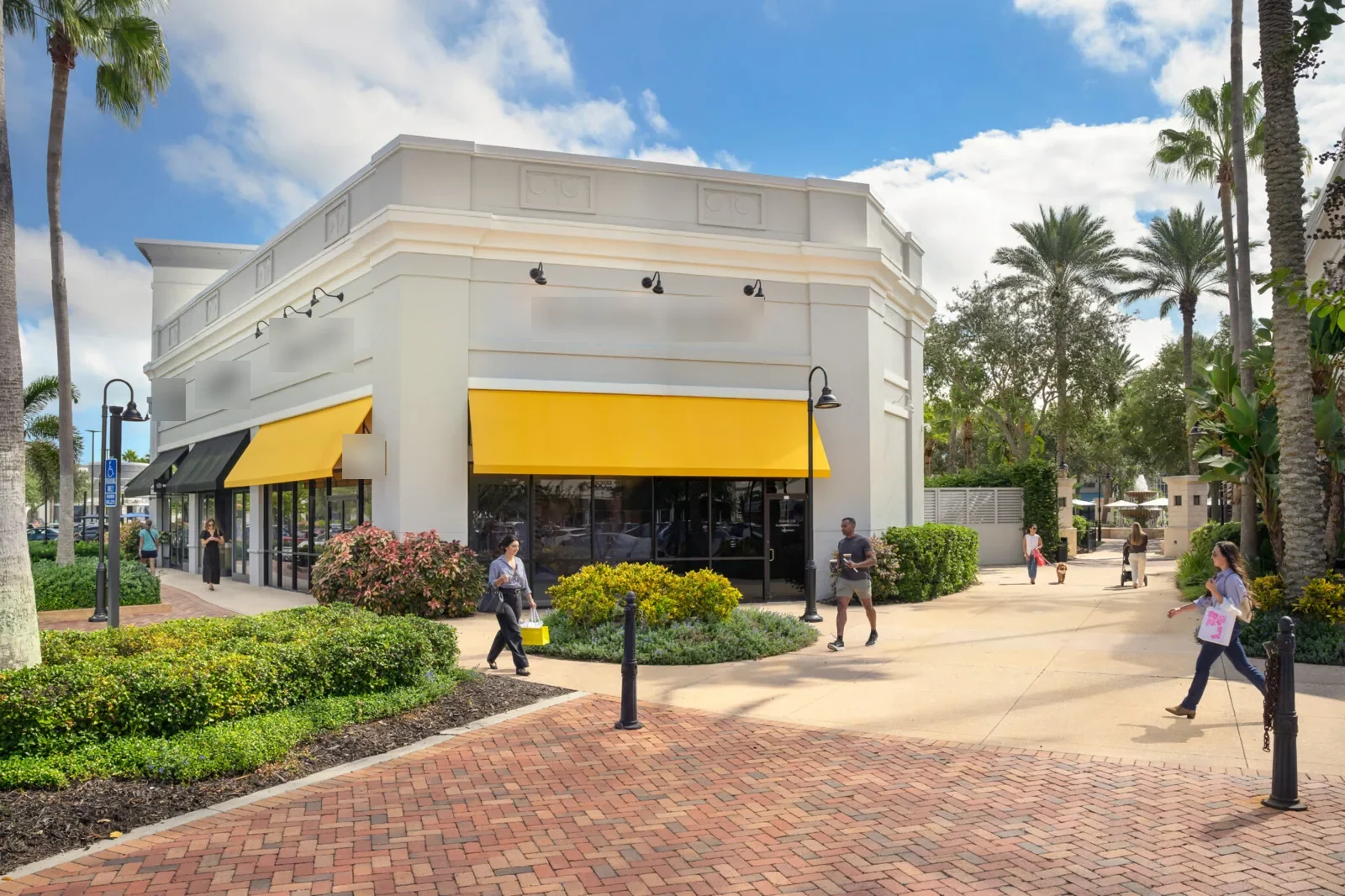
The closeout lists inspected zones, measured work, materials installed, temporary protection, approvals, access restrictions and unresolved findings. A manager can use the record to compare a later visit with the same roof section and avoid assigning one building’s repair history to another. For owners with several Palm Bay properties, multi-site roof planning can track priority and budget while keeping each condition record separate.
To request an assessment, share the Palm Bay property location, roof plans if available, leak history, operating schedule, access contact and any prior repair photos. We will verify the accessible assembly, separate known conditions from open questions and return a scope that states the work boundary, decision owner and next step. If the property is part of a larger renovation, include the current drawings and identify the general contractor or designer coordinating the roof.
Commercial properties in the Malabar Road commercial area and the Babcock Street commercial corridor have distinct project contexts, but every recommendation remains tied to the building inspected.
Learn more →
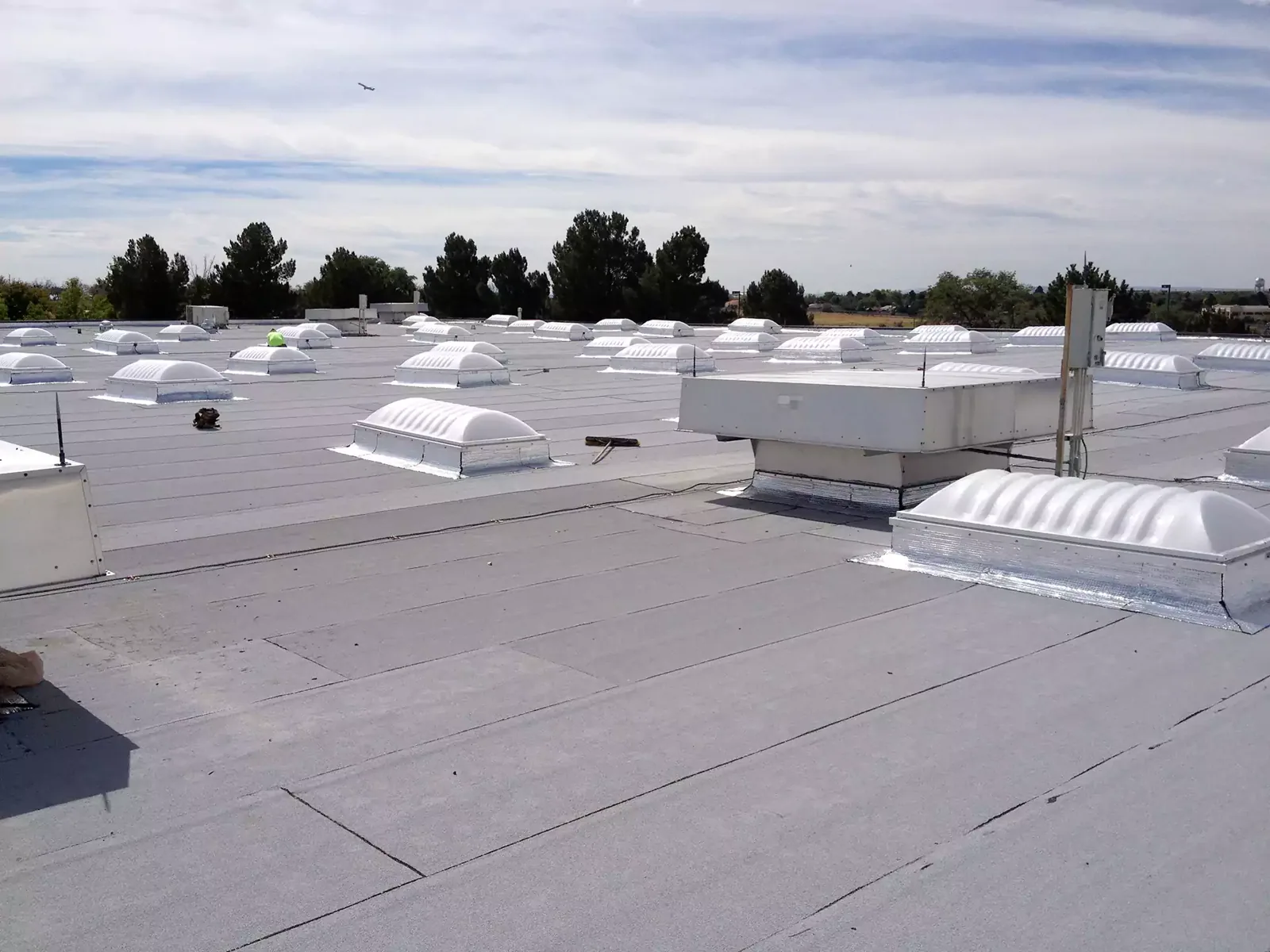
Learn more →
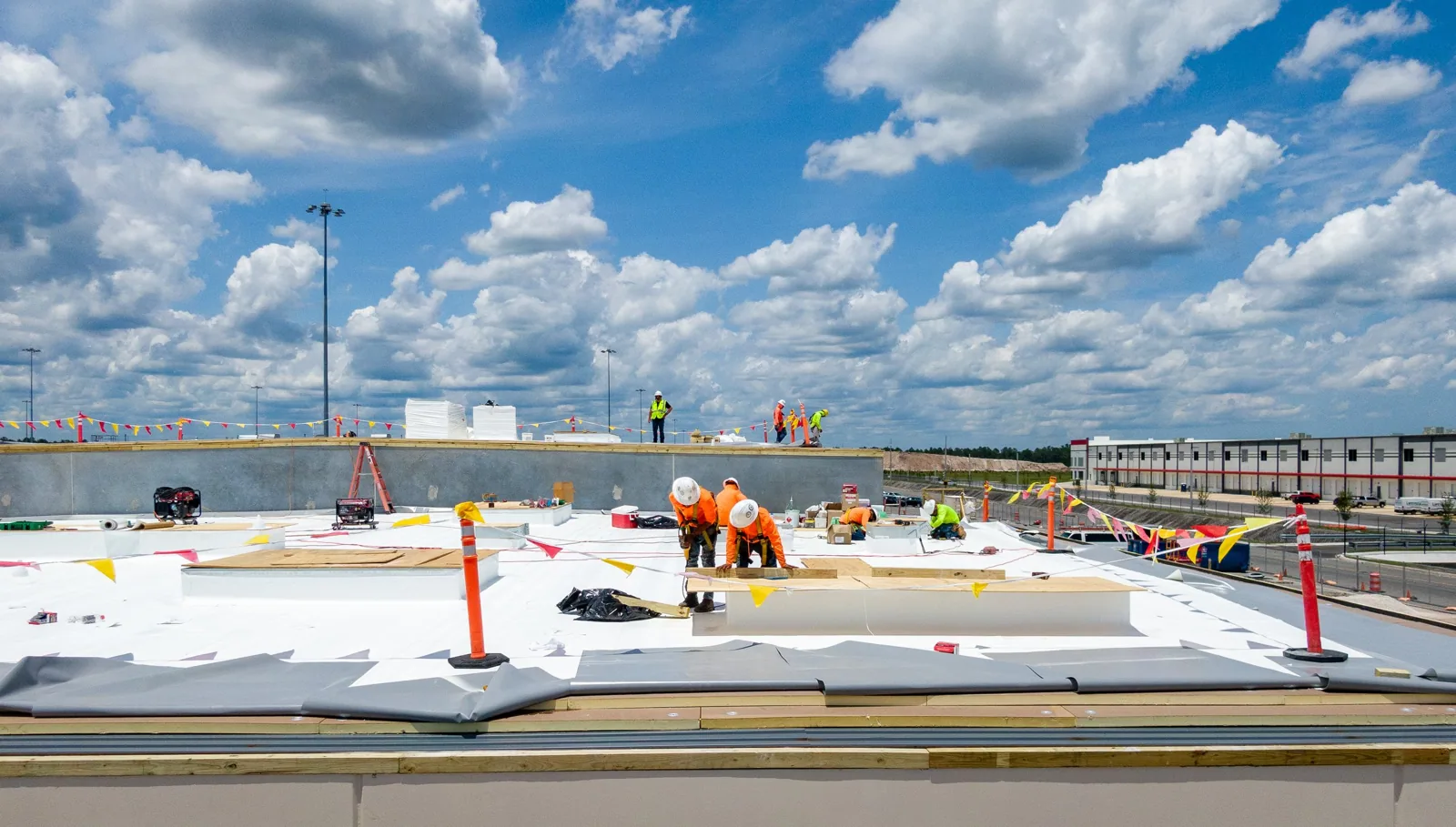
Learn more →
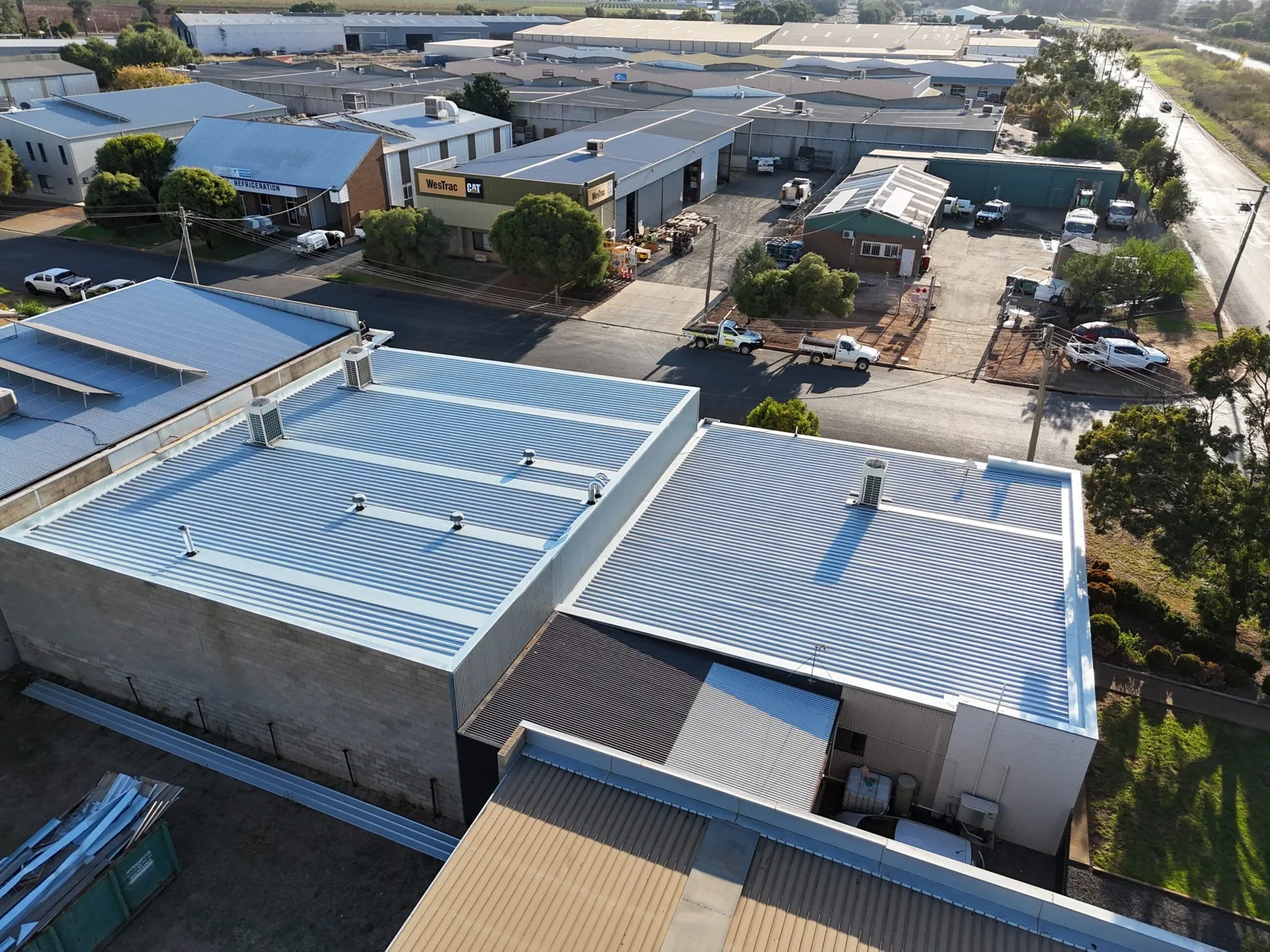
Learn more →
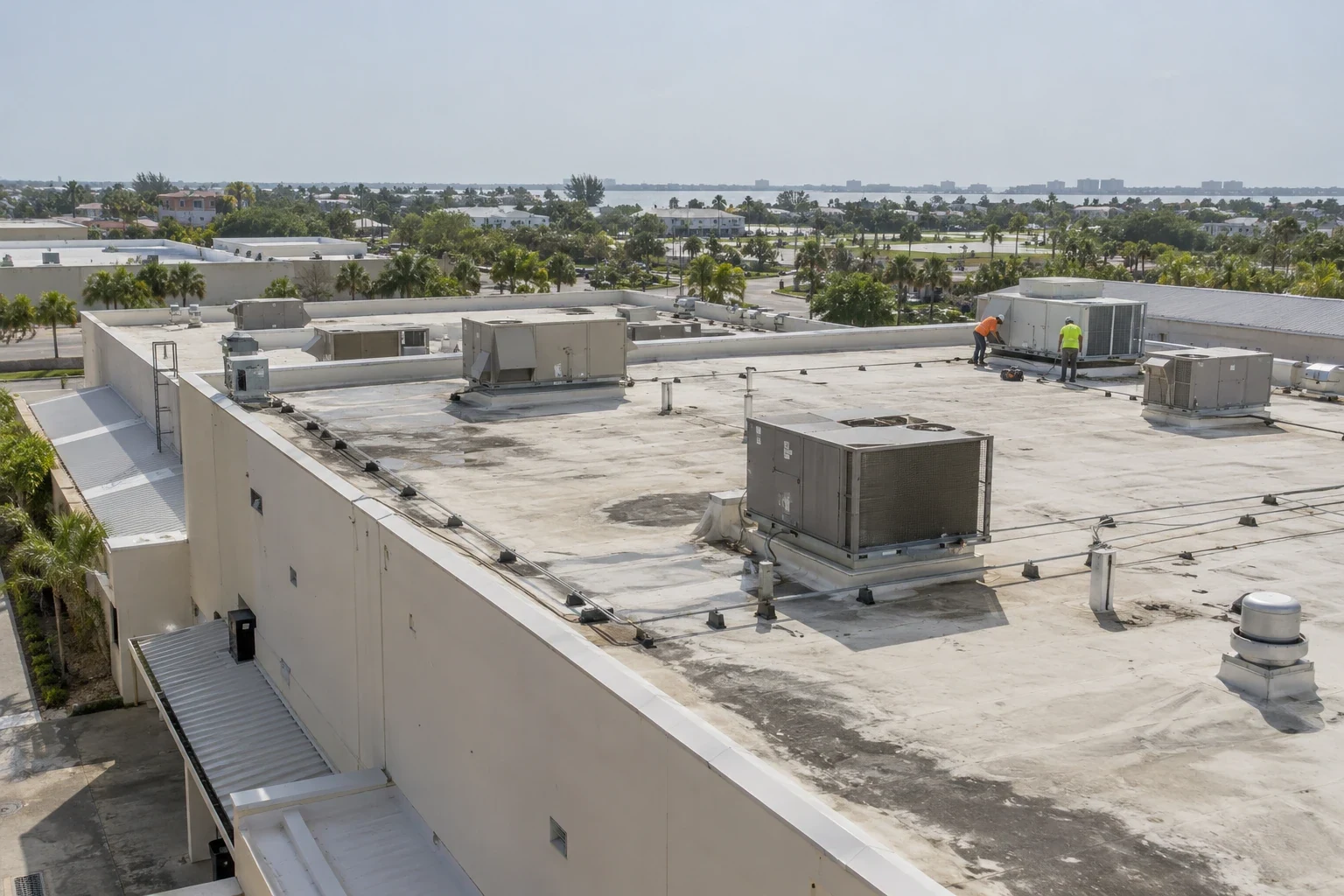
Learn more →
Learn more →
Learn more →