
Active local weather warning
The National Weather Service has issued a coastal flood warning covering Palm Bay. Heavy rain and drainage loading can expose roof leaks, blocked drains, and ponding water. This is a weather exposure advisory; it does not establish damage to a specific roof.
Do not access a roof during hazardous weather. Protect people first, avoid water near electrical equipment, and request roofing help when conditions permit.
National Weather Service · Updated Oct 28, 2026, 6:40 AM UTC
Water at a ceiling joint gives us a starting point, not a roof location. It can travel along a deck, insulation, pipe, or beam before appearing inside. Our Palm Bay, FL leak visit records the reported room, event date, weather at the time, and any active dripping. We inspect reachable roof zones, photograph likely entry details, and separate confirmed openings from suspected paths. If water is entering, we can apply temporary protection while the permanent repair is scoped. Each step has its own location and record.
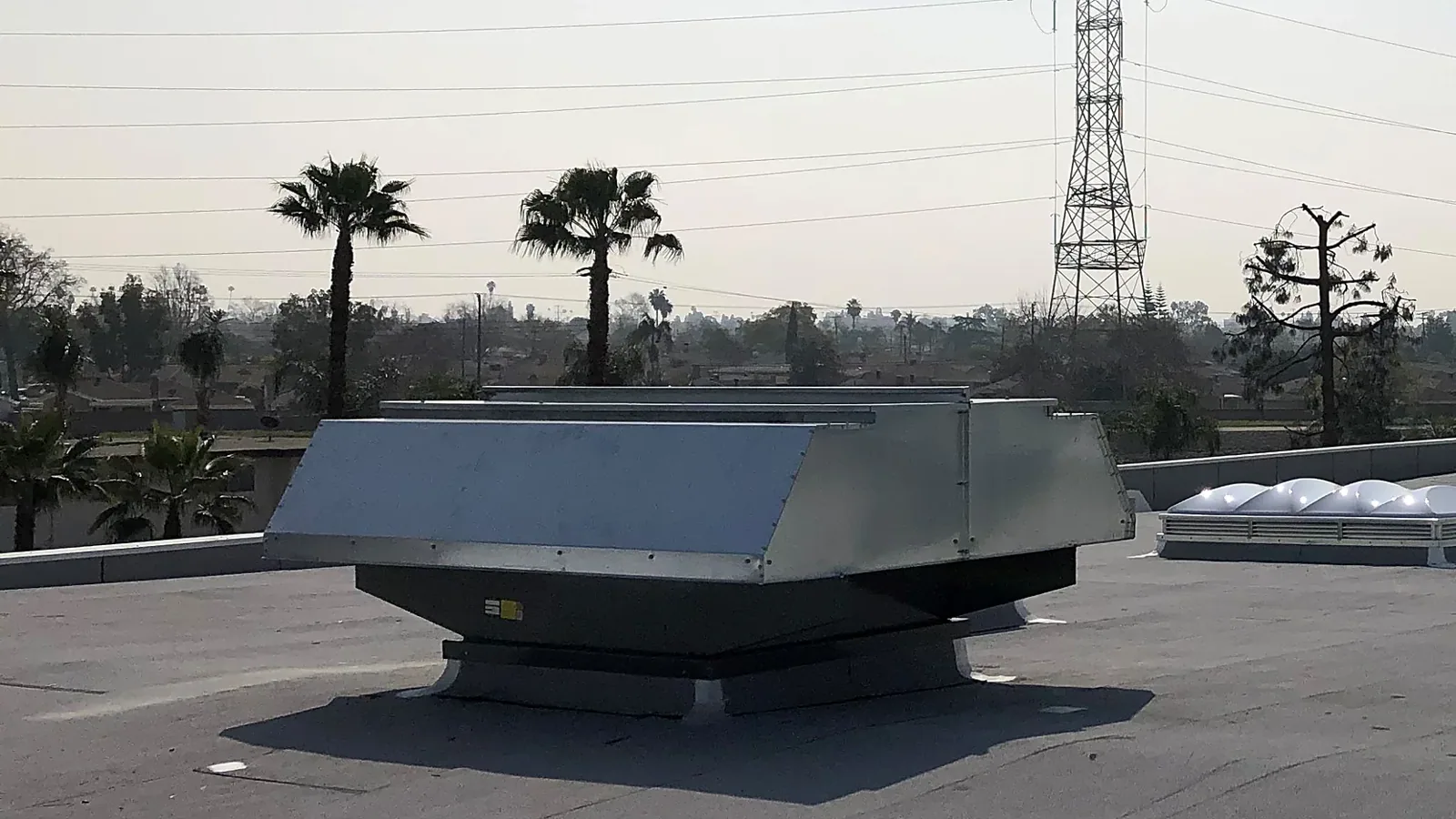
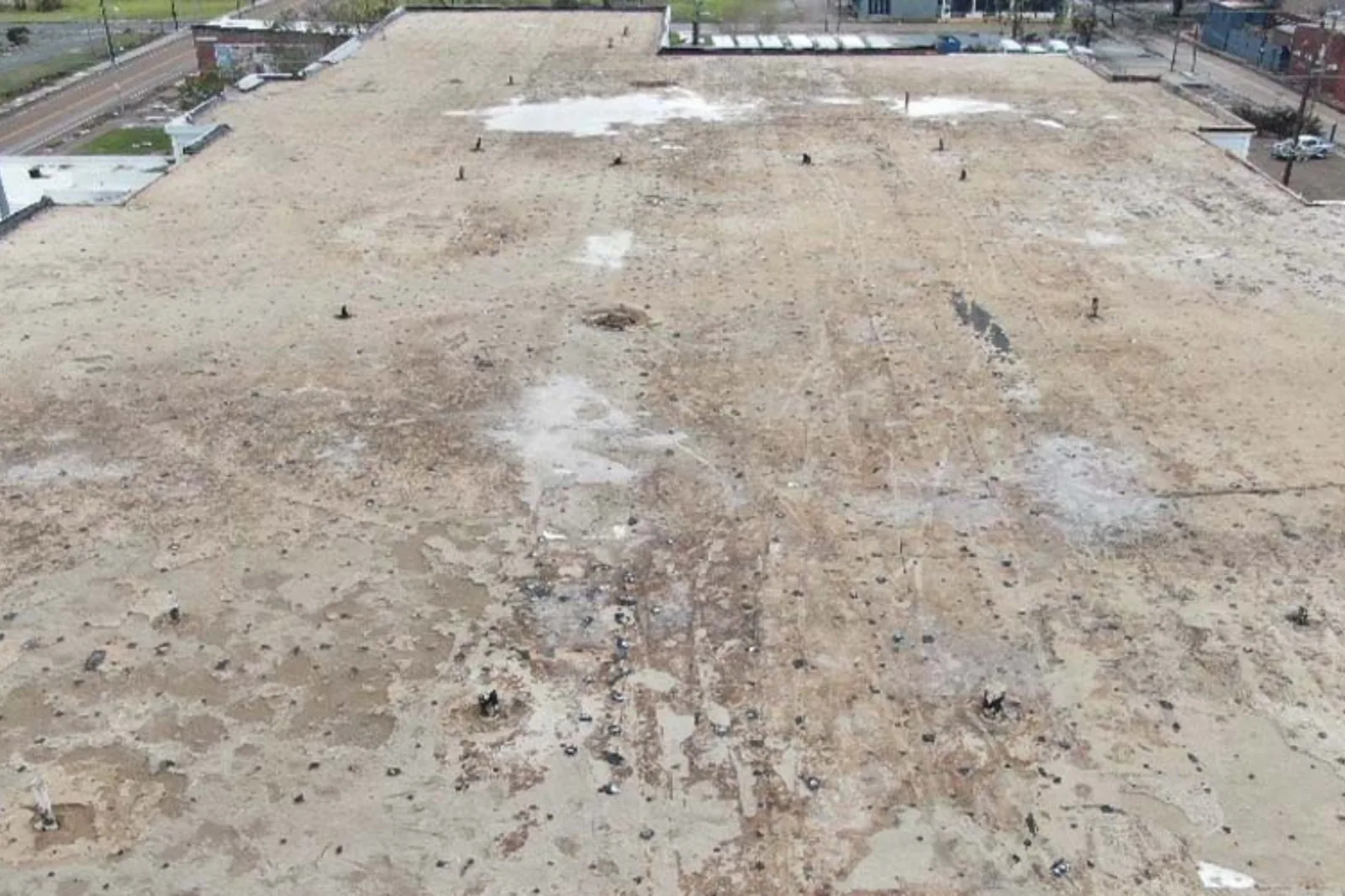
The first useful details are the time water appeared, the room or equipment affected, the last dry check, and any work recently completed above it. Facility staff may know whether the leak changes with wind direction, heavy rain, or rooftop equipment cycles. We record those reports as reported conditions. The field inspection then tests them against roof evidence, such as a wet seam, cracked flashing, debris at a drain, or a puncture beside a service path.
Access can limit what we confirm. A locked penthouse, occupied space, fragile skylight, energized equipment, or wet surface may keep a section out of reach. We list that limit rather than implying that the full roof was inspected. If the entry point is unclear, a controlled water test or test opening may help, but those methods need a defined area and approval. A roof inspection can expand the review beyond the active leak location.
At Palm Bay Hospital, patient care and clinical activity make room access and temporary water control a facility coordination issue. A flex unit near Clearmont Street may need a different contact and work window. We confirm the building’s access rules, protect any affected interior, and avoid carrying a general roof assumption from one property to another.
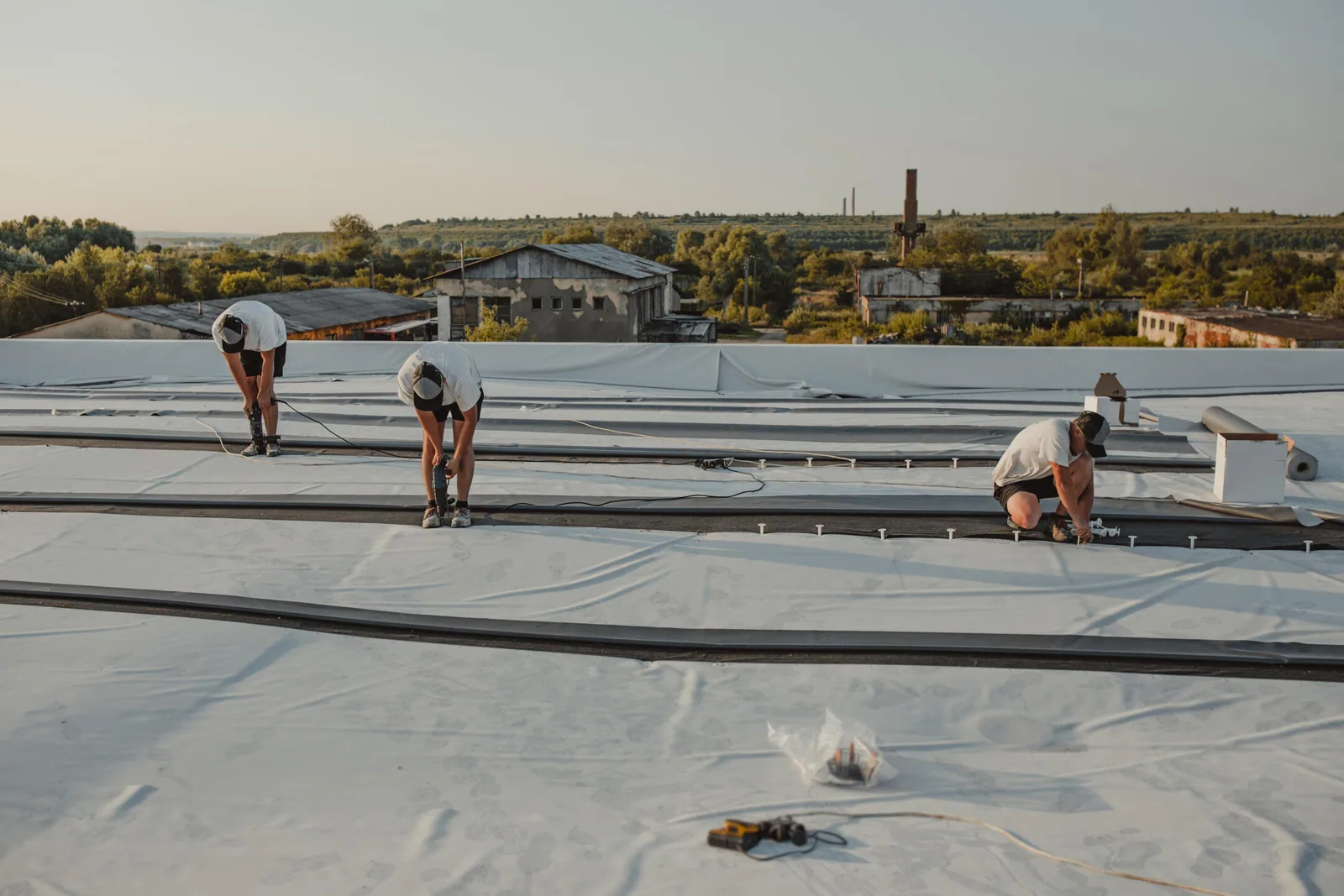
We start at the interior report and inspect the roof above it, then follow transitions outward. Penetrations, curb corners, seams, edges, drains, and old patches can interrupt the water path. A slope or deck may carry water beyond the nearest detail. The record marks what was observed and what remains a hypothesis.
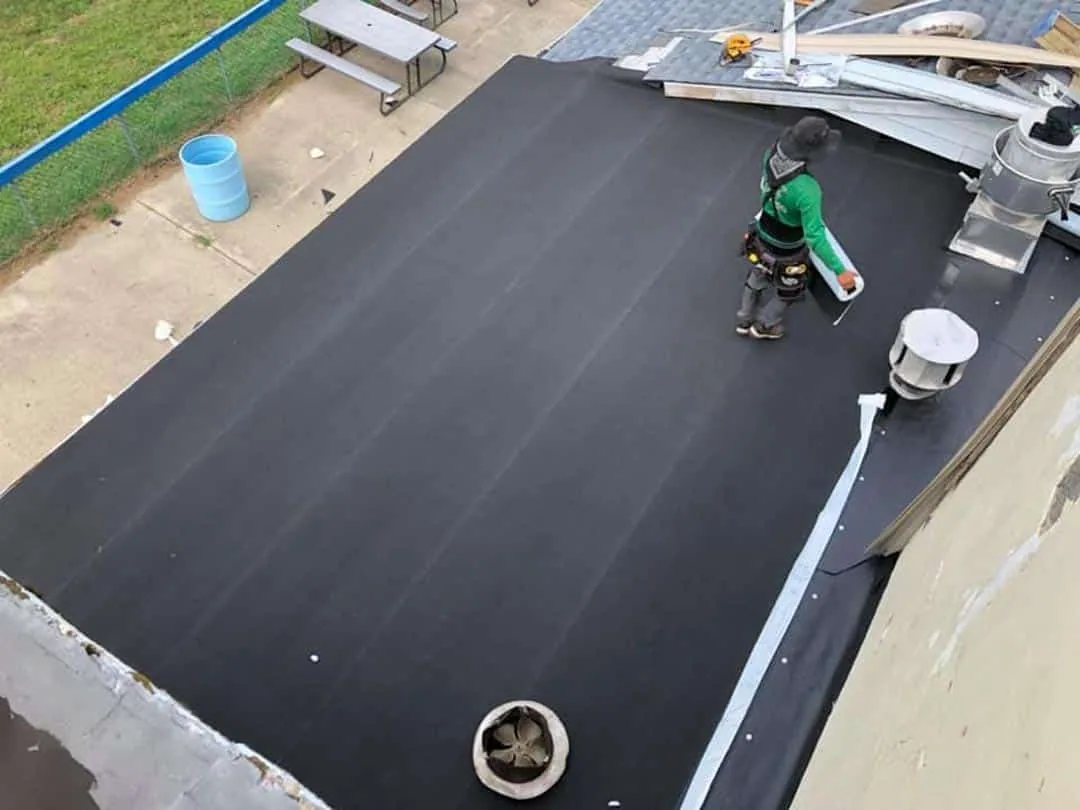
System details guide the inspection. On single-ply roofs we check seams and flashing; on metal we inspect laps and fasteners. Built-up and modified bitumen roofs need review of surfacing and flashing transitions. We identify the membrane where possible and note when it remains unknown.
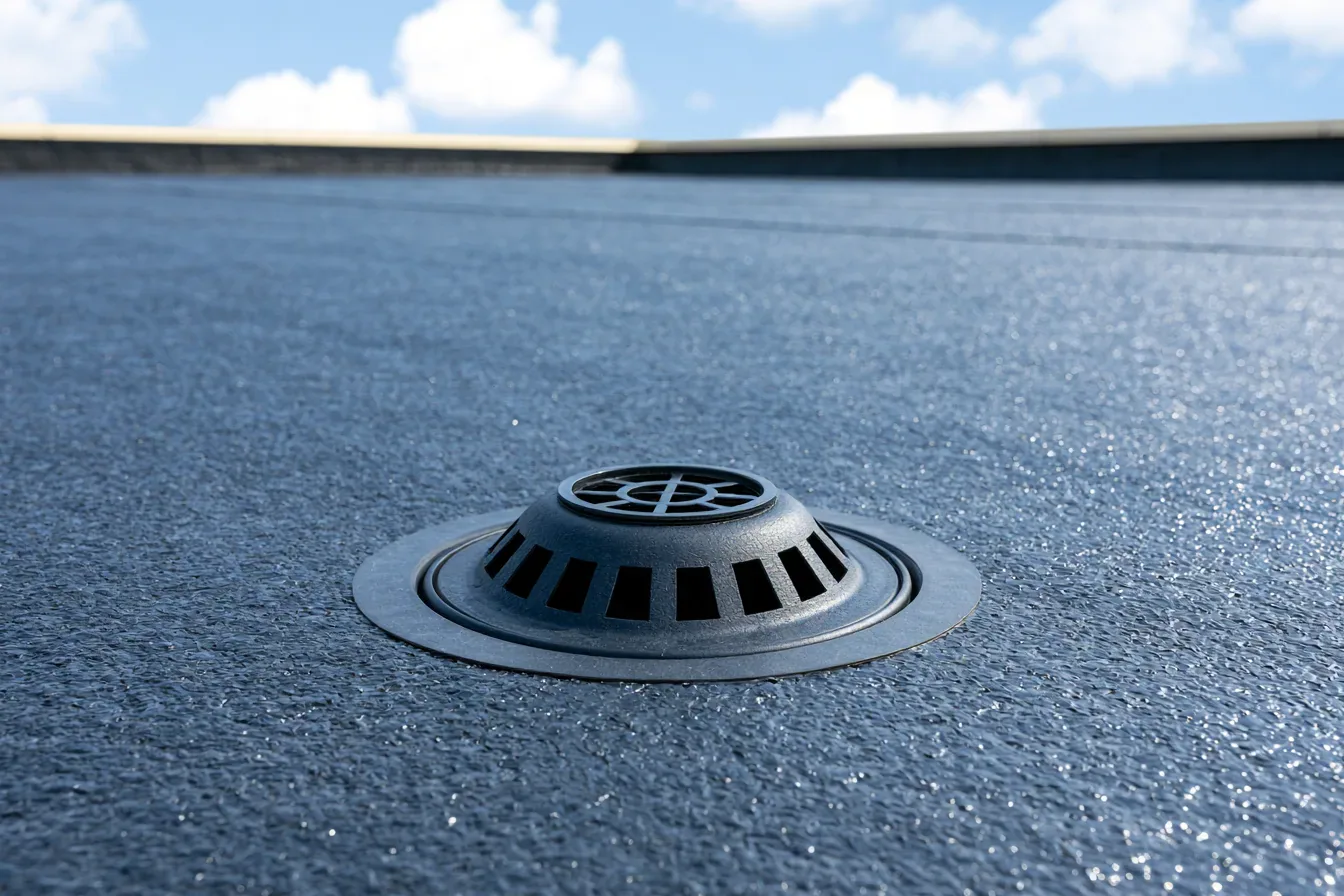
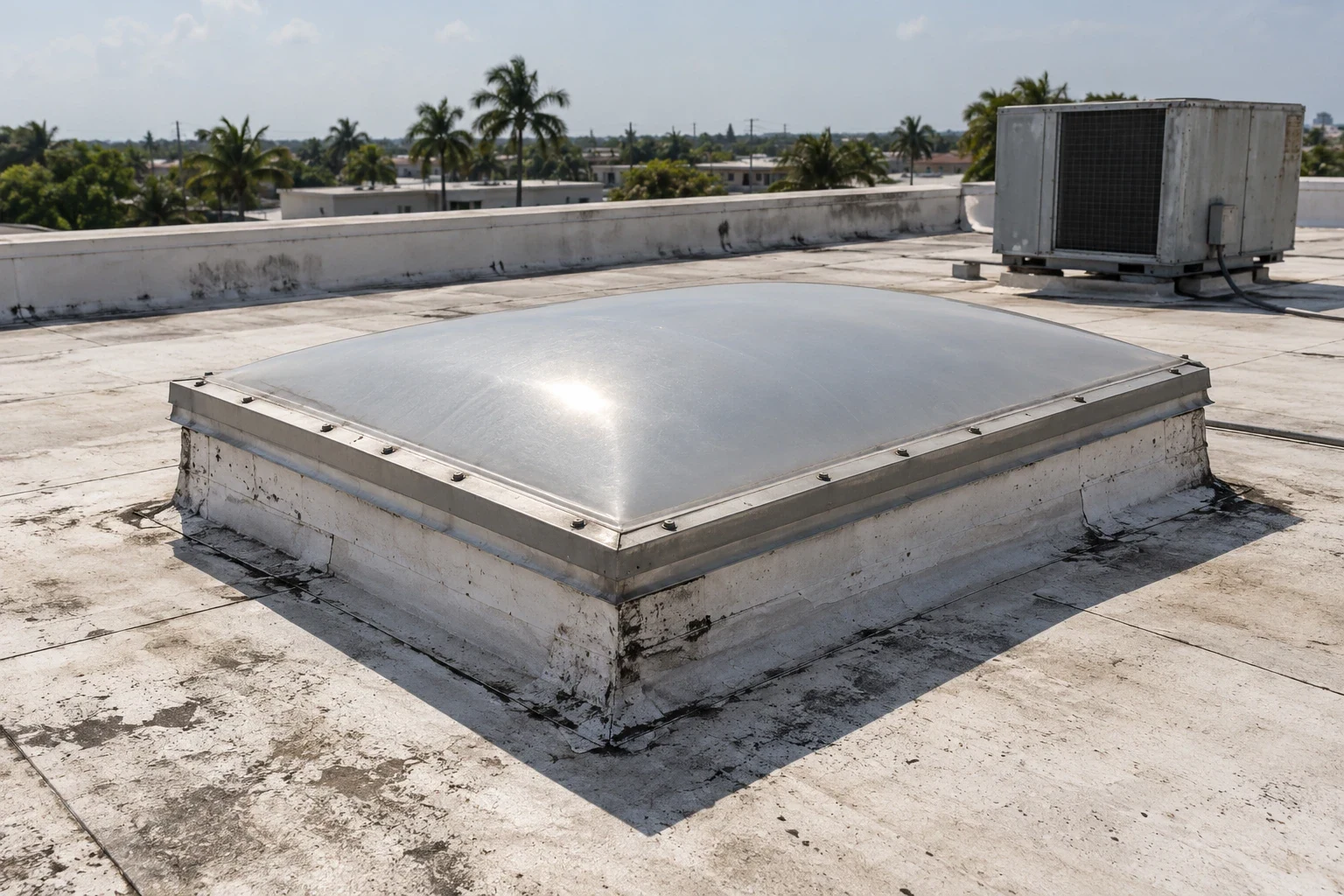
Water at a drain may point to debris, membrane separation, a cracked bowl, or a downstream restriction. An open scupper can be hidden or blocked. A drain and scupper inspection checks the outlet and surrounding membrane. Near a skylight or pipe, flashing repair may follow after the detail is opened.

Active water changes the priority. We locate the safe access path, protect affected equipment or finishes where possible, and apply a temporary measure suited to the opening. The record names the roof zone covered, what material was used, and when the crew should return. Temporary protection is a stopgap. It does not mean the membrane, insulation, or deck has received its final repair.
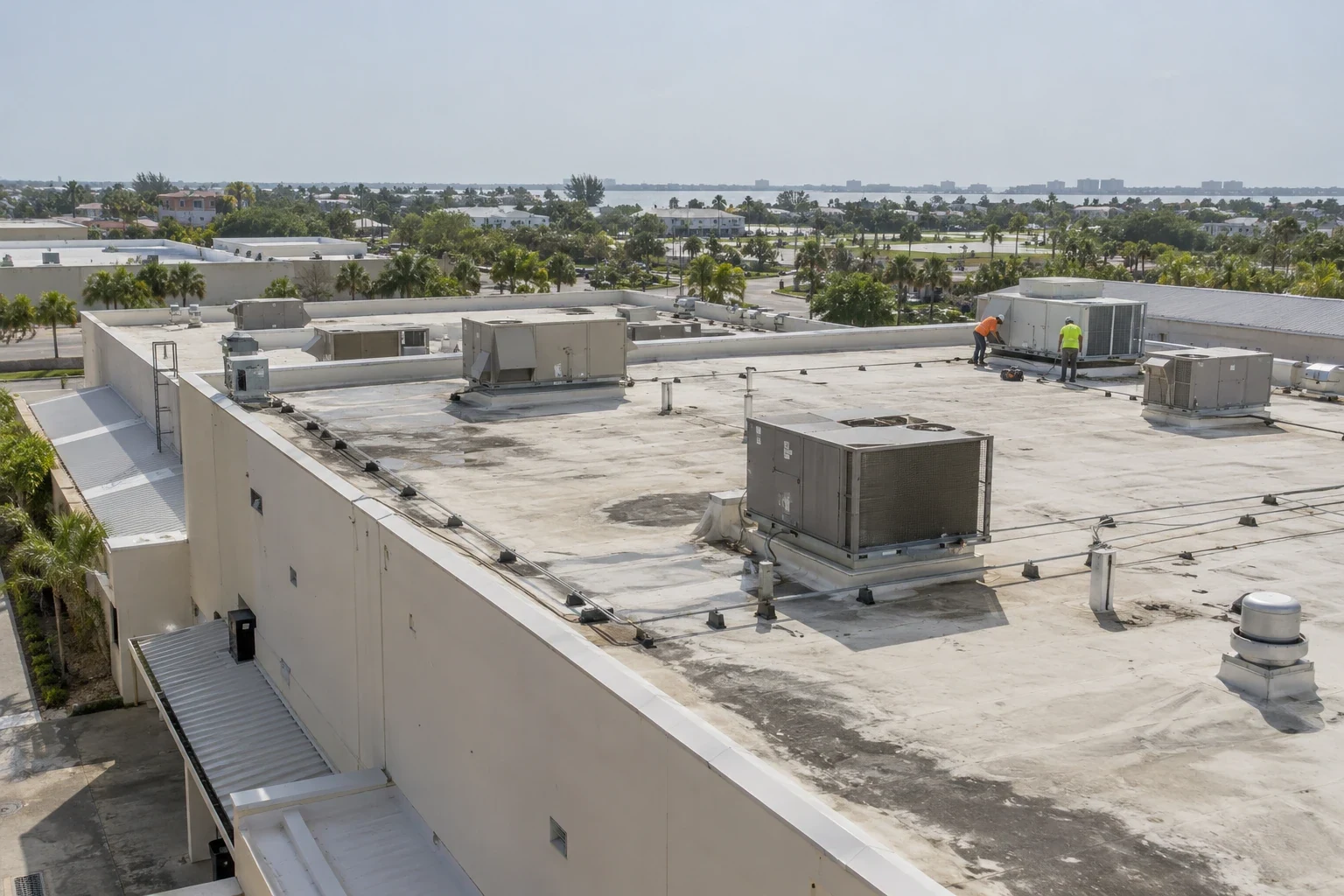
If water is spreading over a production area, electrical room, medical space, or stock, the site contact should identify the immediate interior risk before roof work starts. We coordinate with the general contractor or facility lead on shutdown needs, room access, and any security restrictions. The crew cannot inspect a room or rooftop unit that the contact cannot release. Those limits are included in the work record.
Palm Bay has recorded heavy rainfall during named storms. During Irma, rainfall totals differed among Palm Bay reporting locations. Those event measurements do not establish damage at a current roof. For the present leak, we record the owner-reported date and compare it with observed membrane, flashing, drainage, and interior conditions. An emergency roof assessment can document active water entry and the protection needed.
Once the opening is located, the repair scope names the roof material, preparation, affected detail, and termination. A small split may need a patch that extends onto sound membrane. A failed curb can require new flashing across its base and corners. A damaged drain connection may need broader removal. The scope says where work stops and what would trigger added work, such as wet insulation or a deck opening.
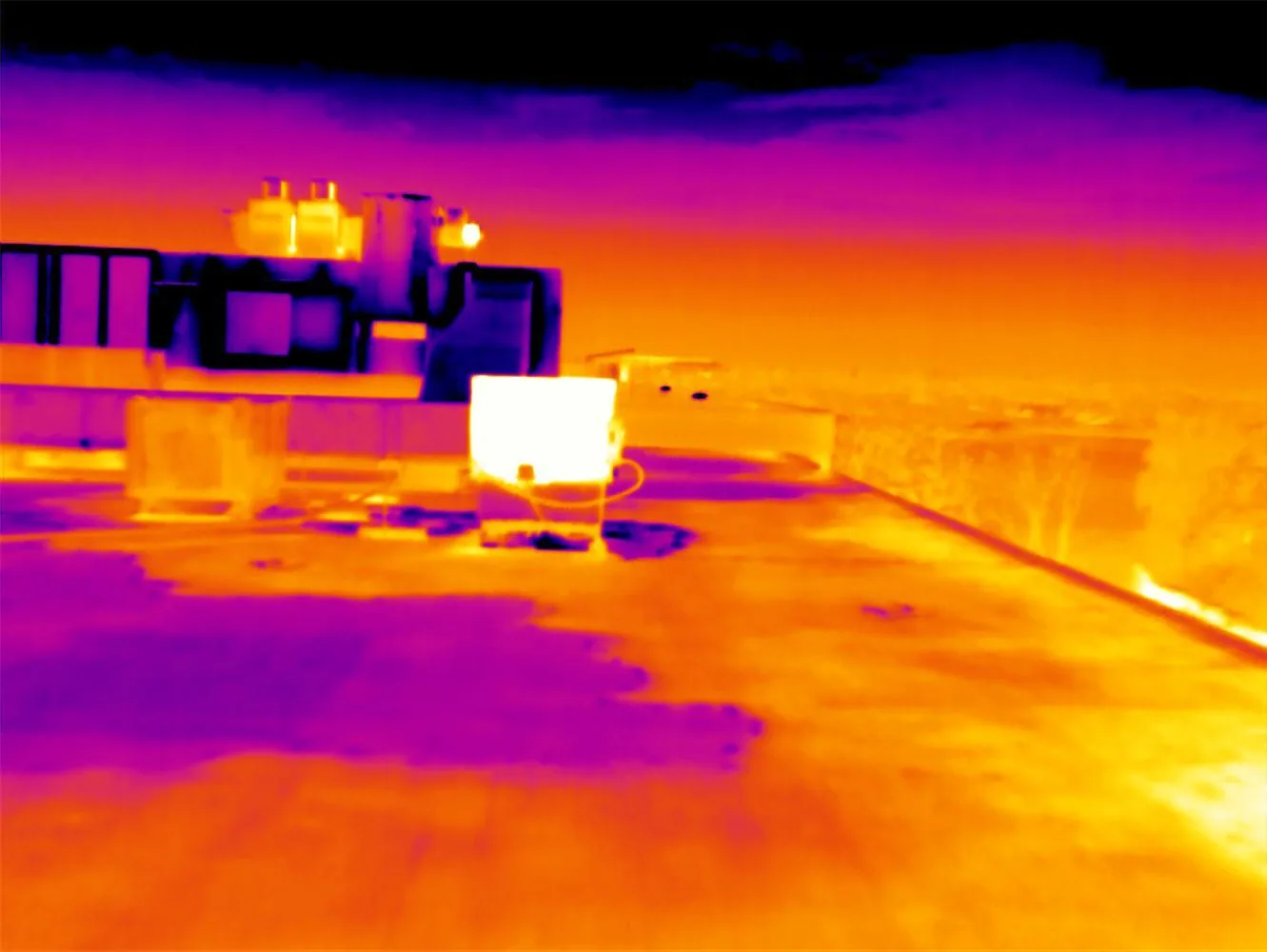
Moisture below the surface can change the remedy. Infrared imaging may help map suspect areas when roof and weather conditions allow. Selected test cuts can verify the assembly at specific points. A moisture survey has a defined scan area and reports its limitations. It does not certify every concealed layer as dry. If the test shows wet insulation, we record the quantity and request approval for the added removal and replacement.
For membrane or flashing damage that is already confirmed, a repair scope identifies the material and method. We clean and prepare the surface, install compatible materials, restore the detail, and photograph the finished work. If the roof shows widespread failures, a point repair may control one leak without solving the broader condition. The report can recommend a wider inspection or phased replacement for separate review.
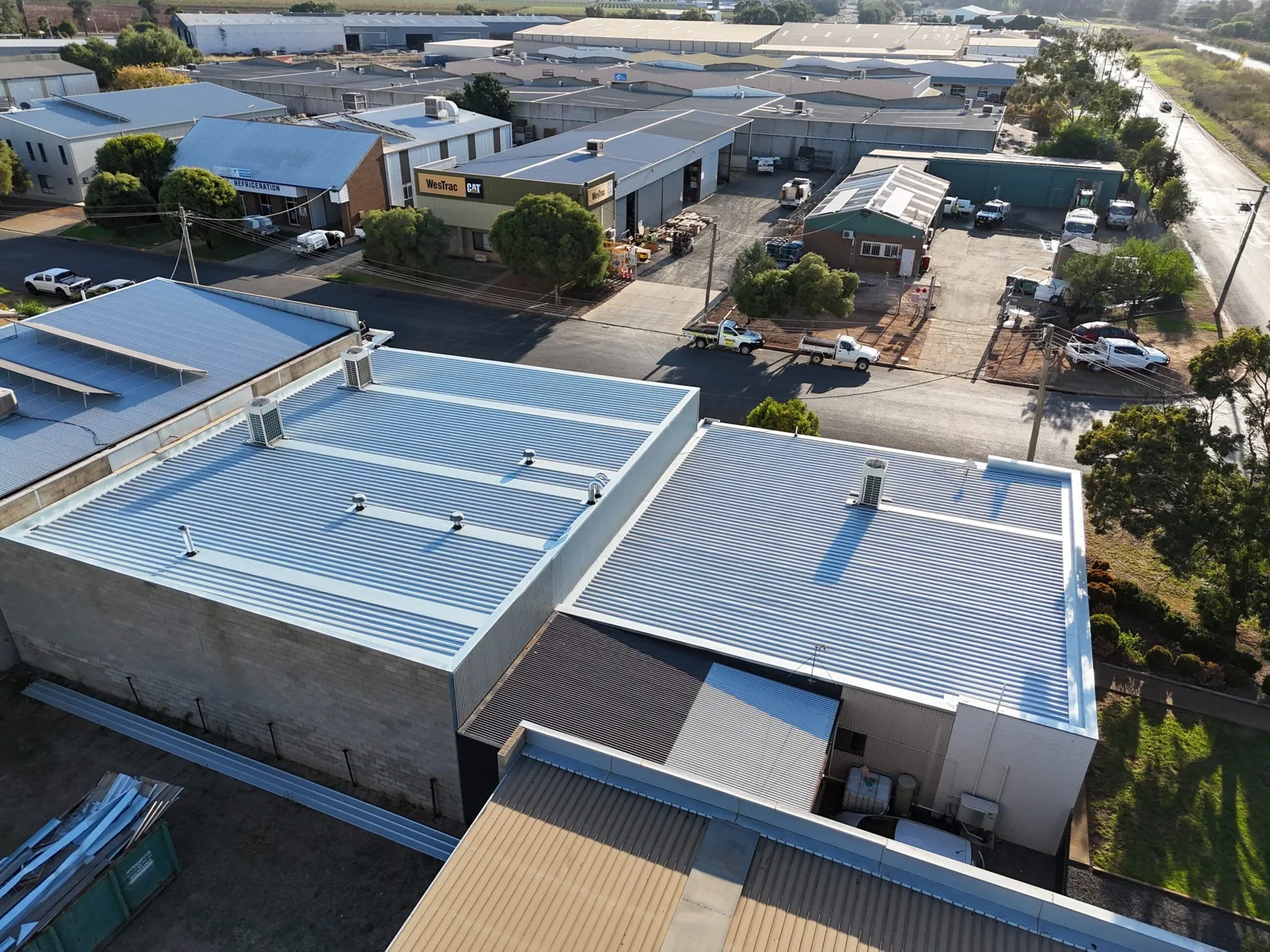
Leak closeout records the event date, reported location, roof zone inspected, observed opening, test method, temporary protection, and permanent repair. Photos show context and detail. If the entry point was not confirmed, the record keeps that uncertainty visible. If a second rain event tests the area, a follow-up inspection can compare it with the original boundary.
Do not read a dry ceiling the next morning as proof that the roof detail is fully corrected. Some leaks occur only under a certain rain direction or duration. The site contact can note the next occurrence and exact interior location. We compare it with prior photographs and untested zones.
For an owner overseeing several Palm Bay buildings, dated condition records help distinguish new leaks from earlier repairs. Portfolio tracking can keep open items, access limits, and follow-up dates together. The closeout tells the next reviewer what was found and repaired.
Learn more →
Learn more →
Learn more →
Learn more →
Learn more →
Learn more →
Learn more →
Learn more →