
A seam opening is a small observation with a large question behind it: where does the repair end? In Palm Bay, FL, frequent rain can move water across a low-slope roof before it reaches the ceiling. We mark the reported leak, inspect the surrounding membrane and details, then record the material and repair boundary. The scope states what is damaged, what can be reached, and what still needs testing. A patch only helps when its edge bonds to sound material and the water path has been traced far enough to explain the condition.
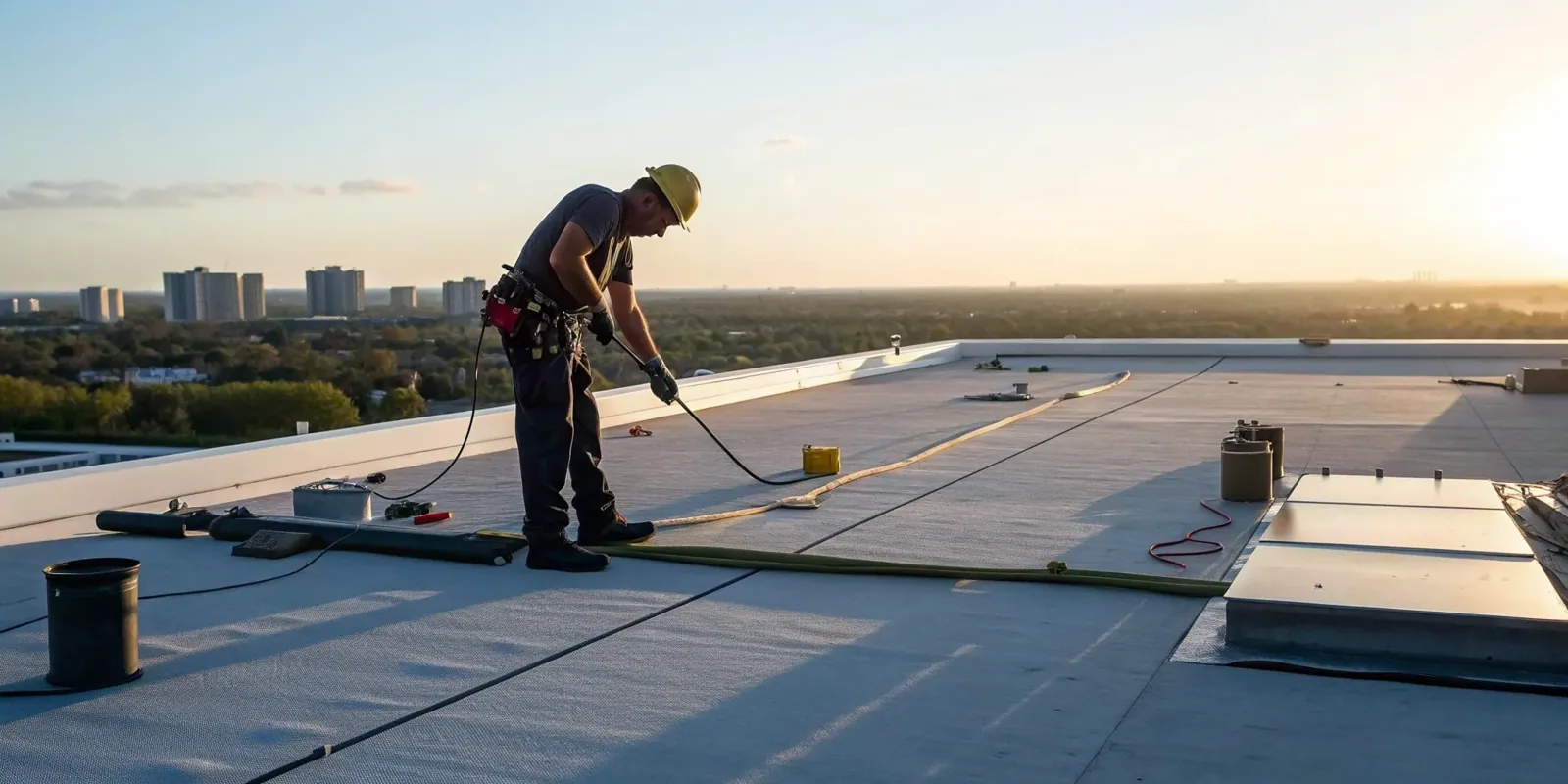
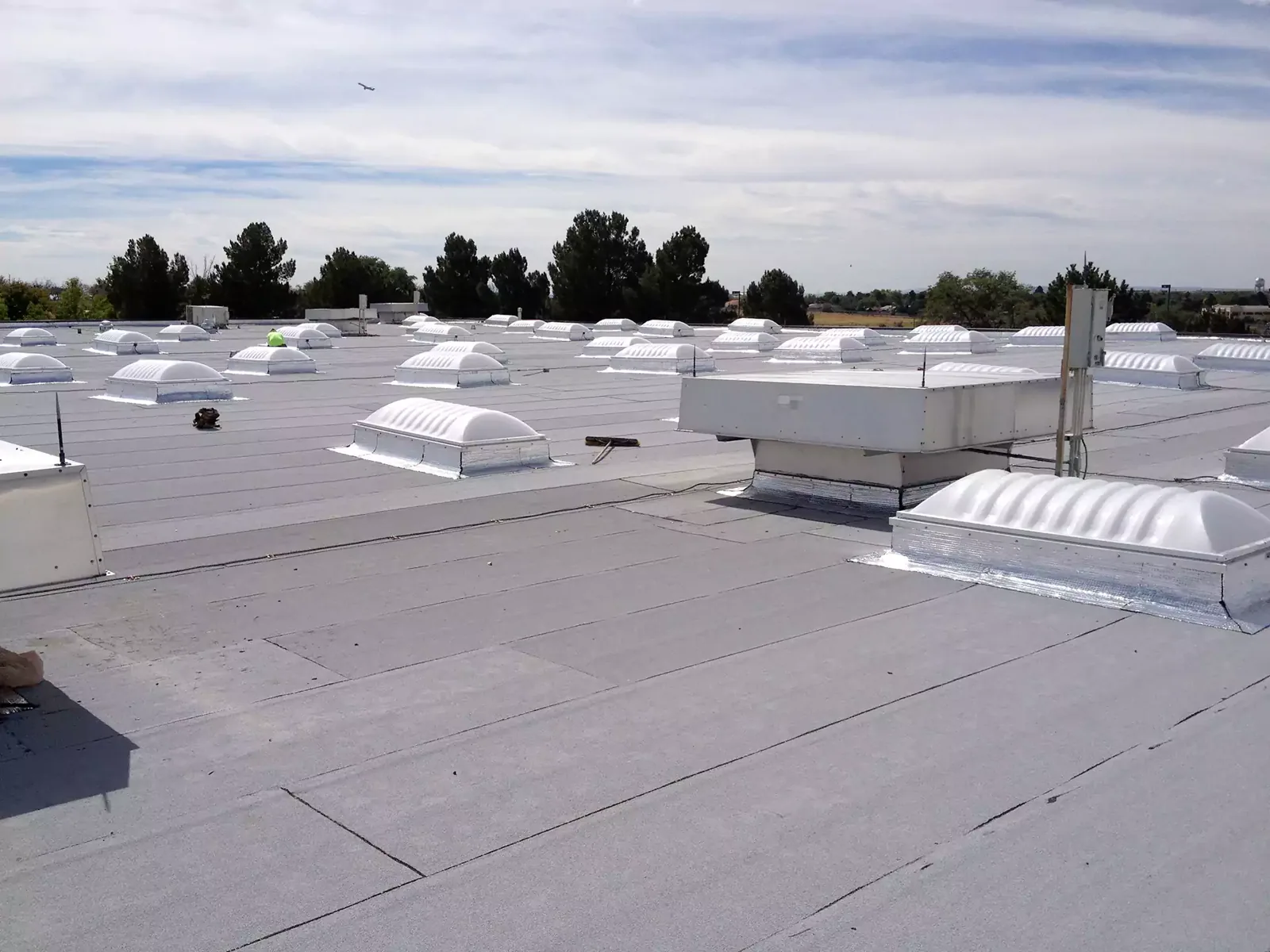
Commercial roof repair starts with the surface and the details that interrupt it. We check open seams, fishmouths, membrane cuts, loose flashing, failed sealant, punctures, edge metal, drains, curbs, and previous patches. The record distinguishes a current opening from old staining or a past repair. If the leak location is uncertain, we look at the roof zone above and around the interior report instead of assuming a straight line through the deck.
Heat and moisture can stress a seam differently than impact damage or movement at a penetration. The repair material must match the existing membrane and remain compatible with the roof assembly. We identify the system where possible, confirm what is exposed, and avoid applying a generic patch to an unknown surface. If the membrane type cannot be confirmed without a test opening, the scope says so before the crew commits to a material.
At Palm Bay Flex Business Park, the local listing describes modular flex space for engineering and light-industrial operators. Those occupancies can bring different interior protection and access needs within a shared property. L3Harris’s Palm Bay campus supports high-technology production and microelectronics work, so access and water protection need coordination with the property contact.
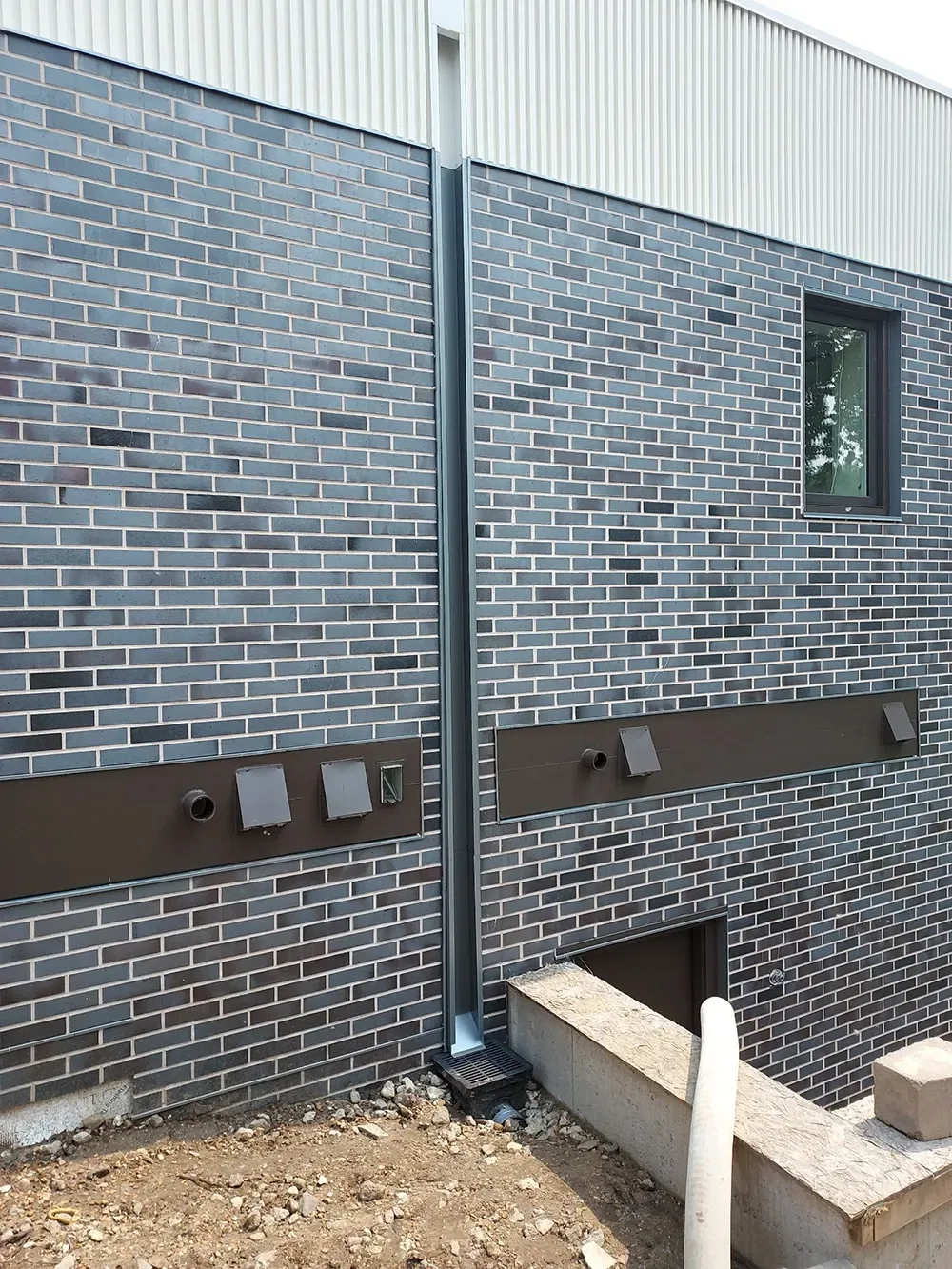
A useful repair scope states the roof zone, affected detail, material, preparation, and termination. For a seam, that can include how far the crew will probe, what loose material will be removed, and the length of new weld or cover strip. For flashing, it may identify the curb faces, corners, counterflashing, and sealant line. The scope should not call a repair complete while the membrane edge, fasteners, or adjacent insulation remain unresolved.
We photograph before preparation, after the surface is opened, and after the repair is finished. Those images show the access limit and what changed the scope. If wet insulation appears beneath a puncture, we document the opening and request direction before replacing additional layers. If the deck is affected, that condition gets its own boundary. A condition report can preserve the findings.
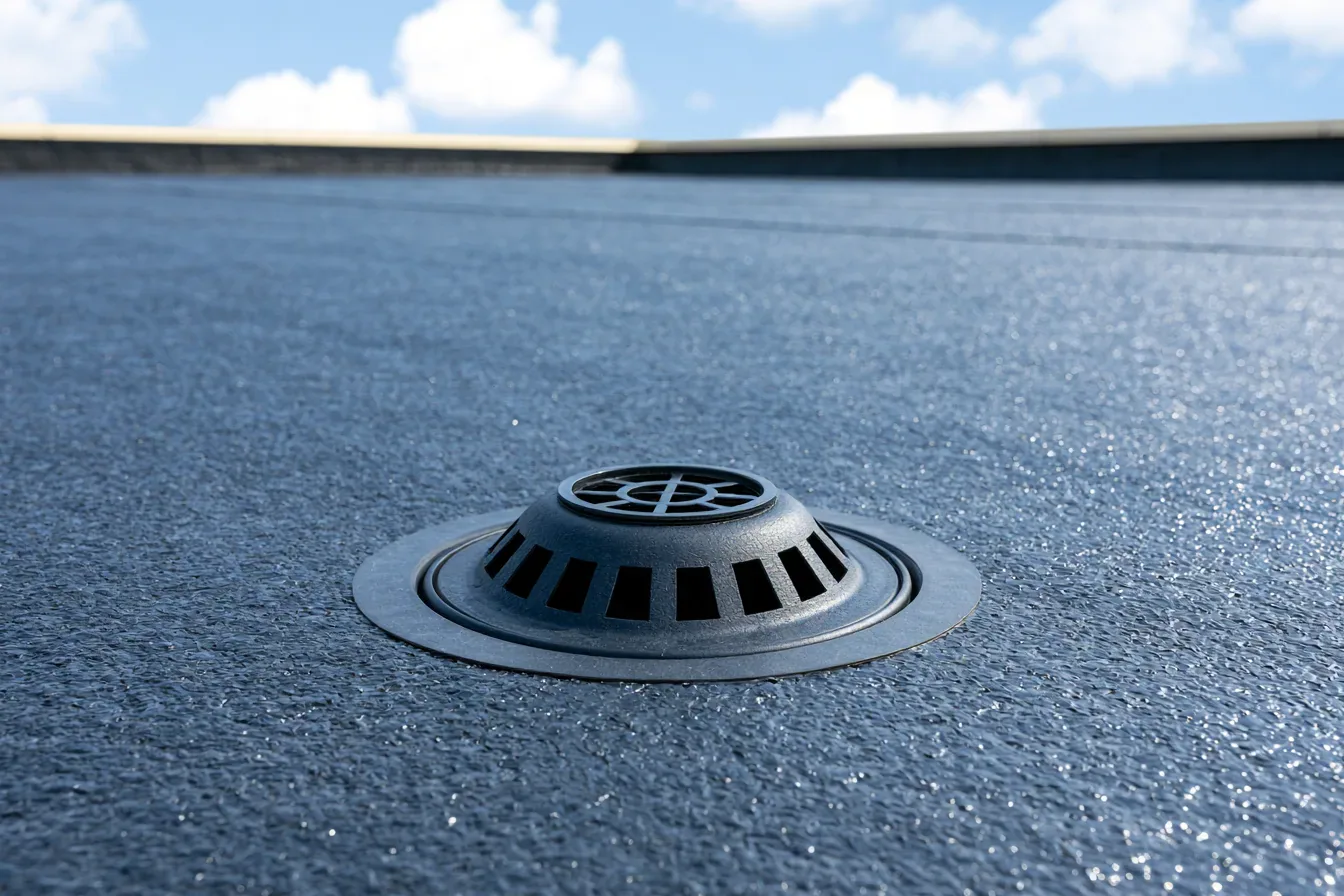
Some problems need more than a patch. Repeated seam openings may point to broader attachment or movement issues. A split at a drain can require correction of the drain assembly, not only a membrane cover. Where a roof has several unrelated defects, a full inspection can compare repair areas and set priorities. We can document the current repair and a separate capital project.
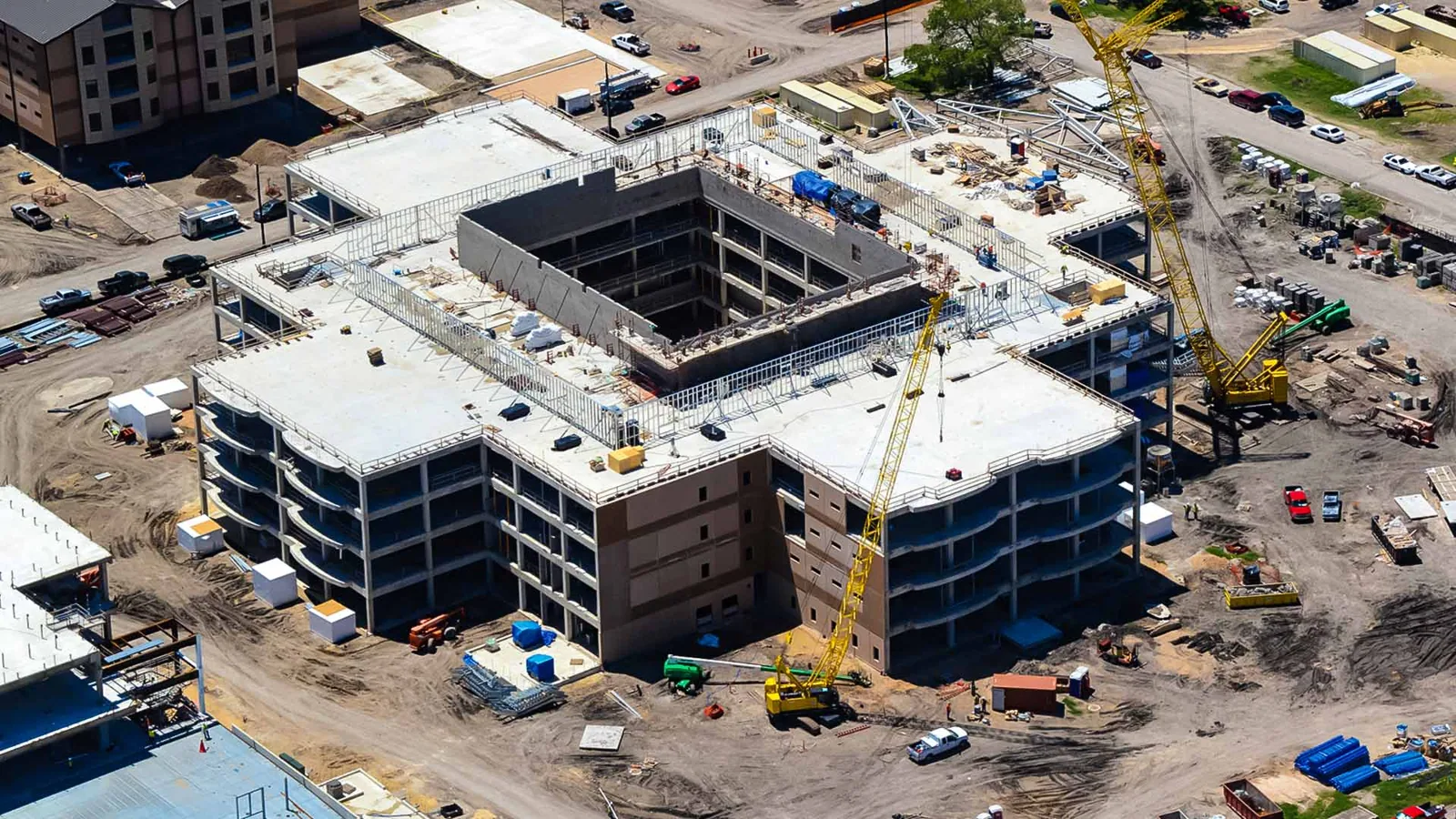
Work timing matters when afternoon rain can arrive before a repair is closed. The crew checks the roof surface, forecast, and opening size before starting. If water is active, temporary protection can reduce exposure while a permanent repair is prepared. We record the covered zone, material, and return plan. It is not listed as the completed repair.
One Palm Bay reporting point recorded 13.23 inches of rain during Hurricane Irma. That event total provides context; it does not describe how an individual roof performed. Current field observations, leak reports, and drainage conditions determine the repair scope.
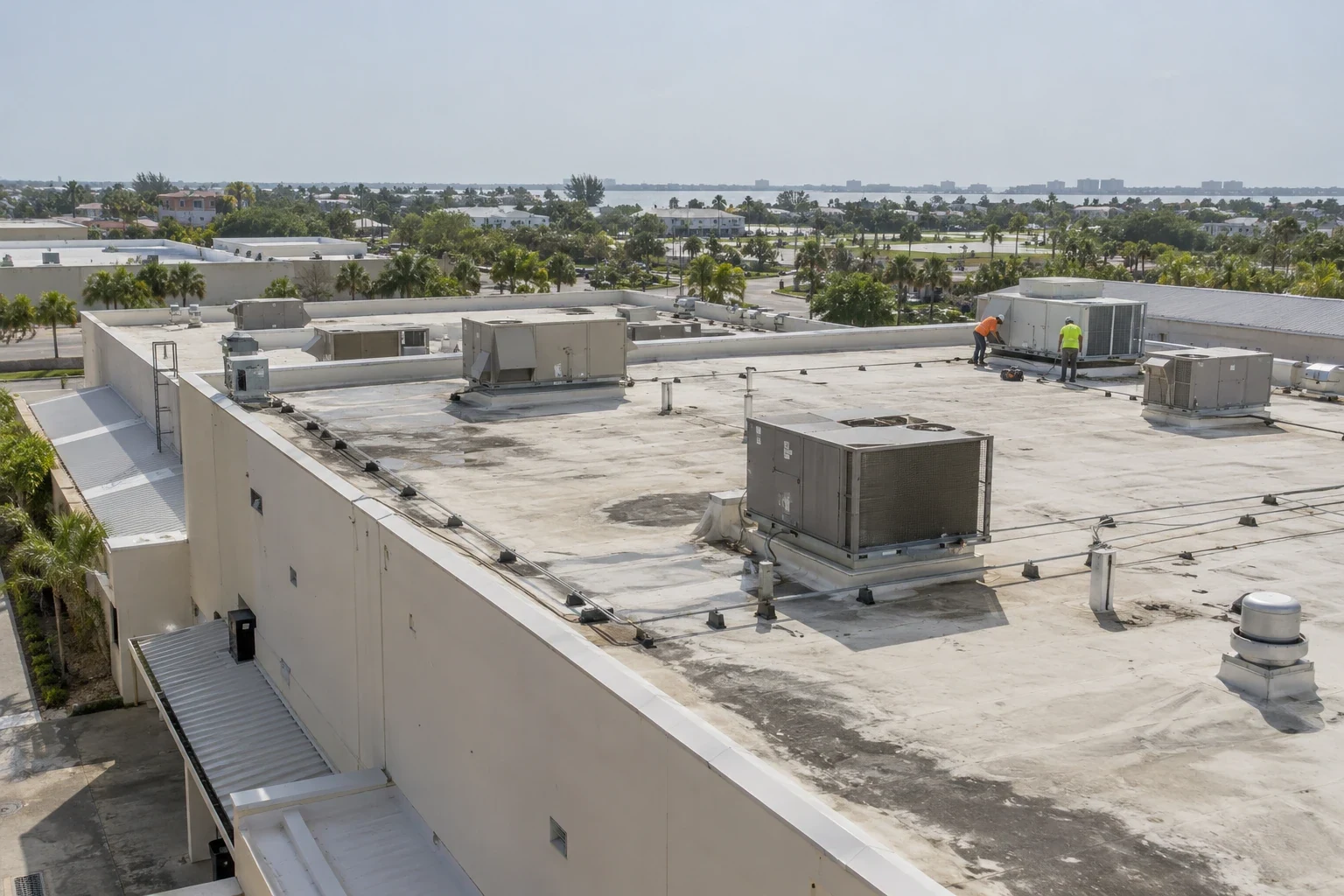
At Bayside Lakes Shopping Center, work may need to preserve customer access and service routes. A hospital or industrial building may require a different staging path. We mark the work zone and coordinate access before bringing material onto the roof. A rapid response visit is available when active water cannot wait for a scheduled repair window.
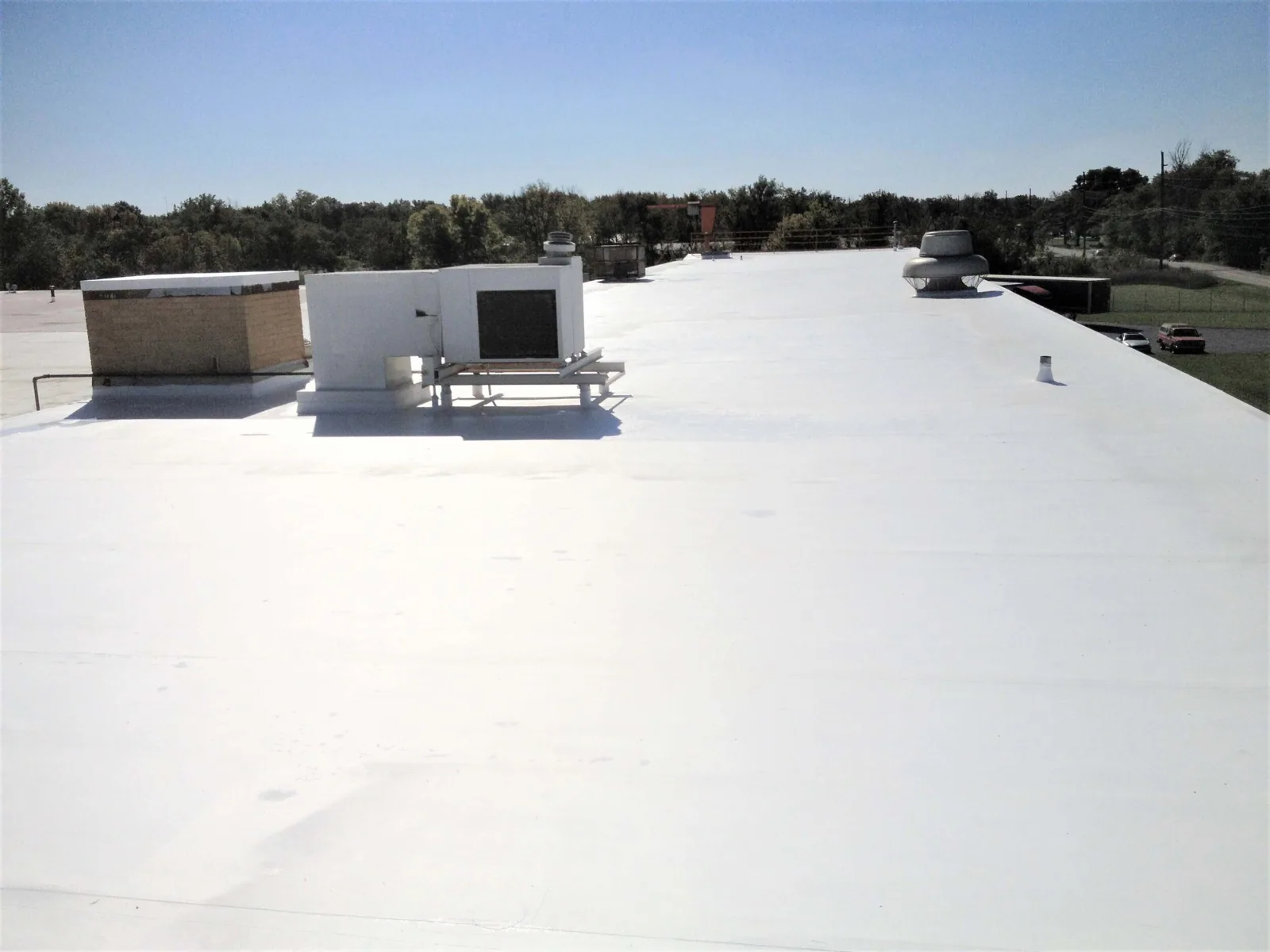
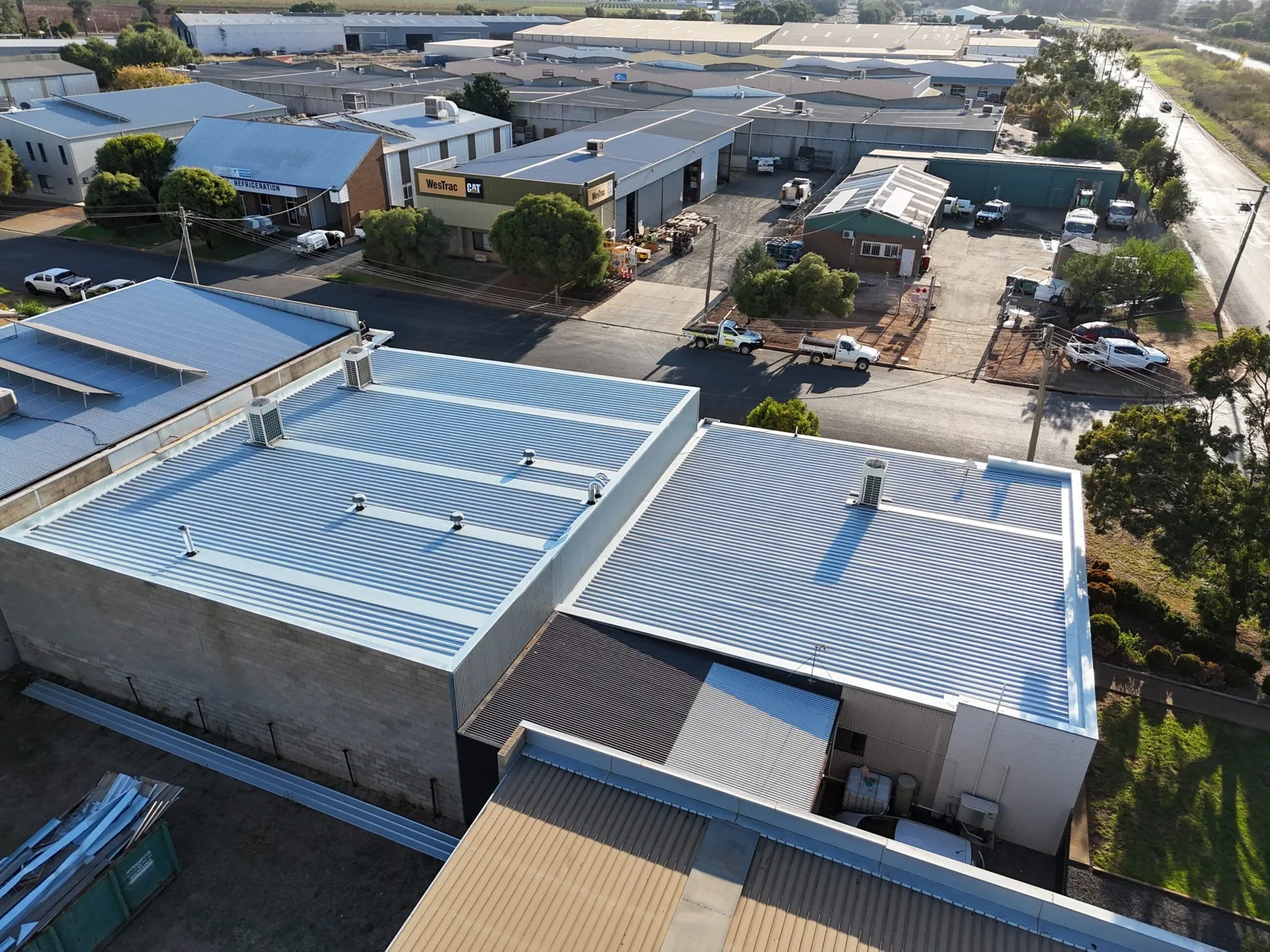
Repair material selection depends on the existing system, exposure, and detail. A heat-welded single-ply seam needs clean, compatible membrane and a checked weld. EPDM repairs use compatible cleaning and bonding products. Modified bitumen details call for materials suited to that assembly and its surfacing. Metal roofs require inspection of fasteners, panel laps, sealant, and movement at transitions. We name the material in the work record so a later technician can understand what was installed.
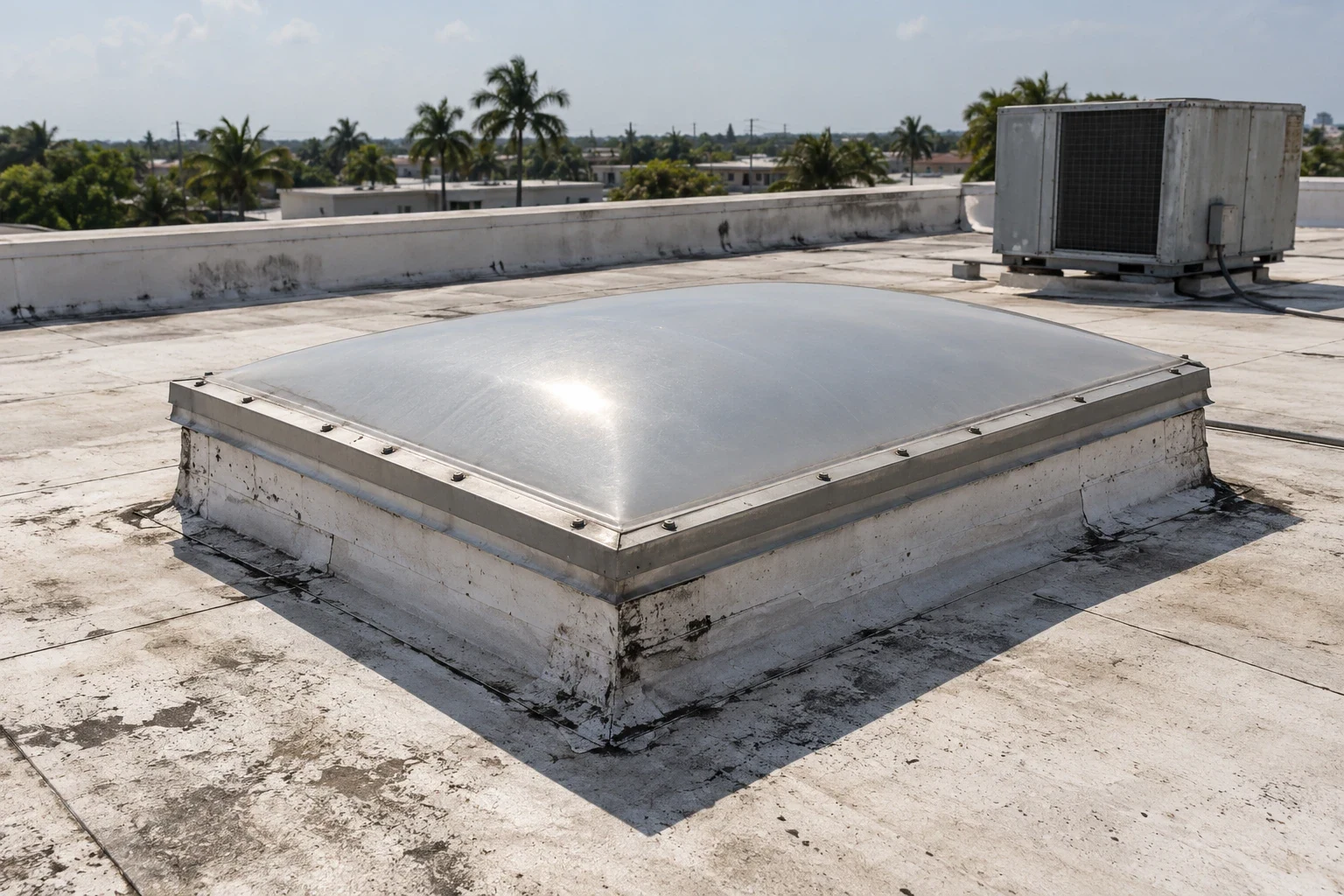
Water can travel under the top surface and reappear at a different point. At a curb, we examine the upslope face, corners, and base flashing. At an edge, we inspect termination and attachment. At a drain, we look for debris, poor seating, and membrane separation around the bowl. If testing is needed, we define the opening and restore it after review. The penetration flashing scope can address a skylight or pipe detail as its own repair item.
A repair that seals one visible split may not correct ponding, wet insulation, or a failing deck. Where drainage is part of the issue, drain and scupper work should be coordinated. Where the roof remains serviceable but needs a broader plan, scheduled maintenance can track new openings, drain condition, and recurring leak locations.
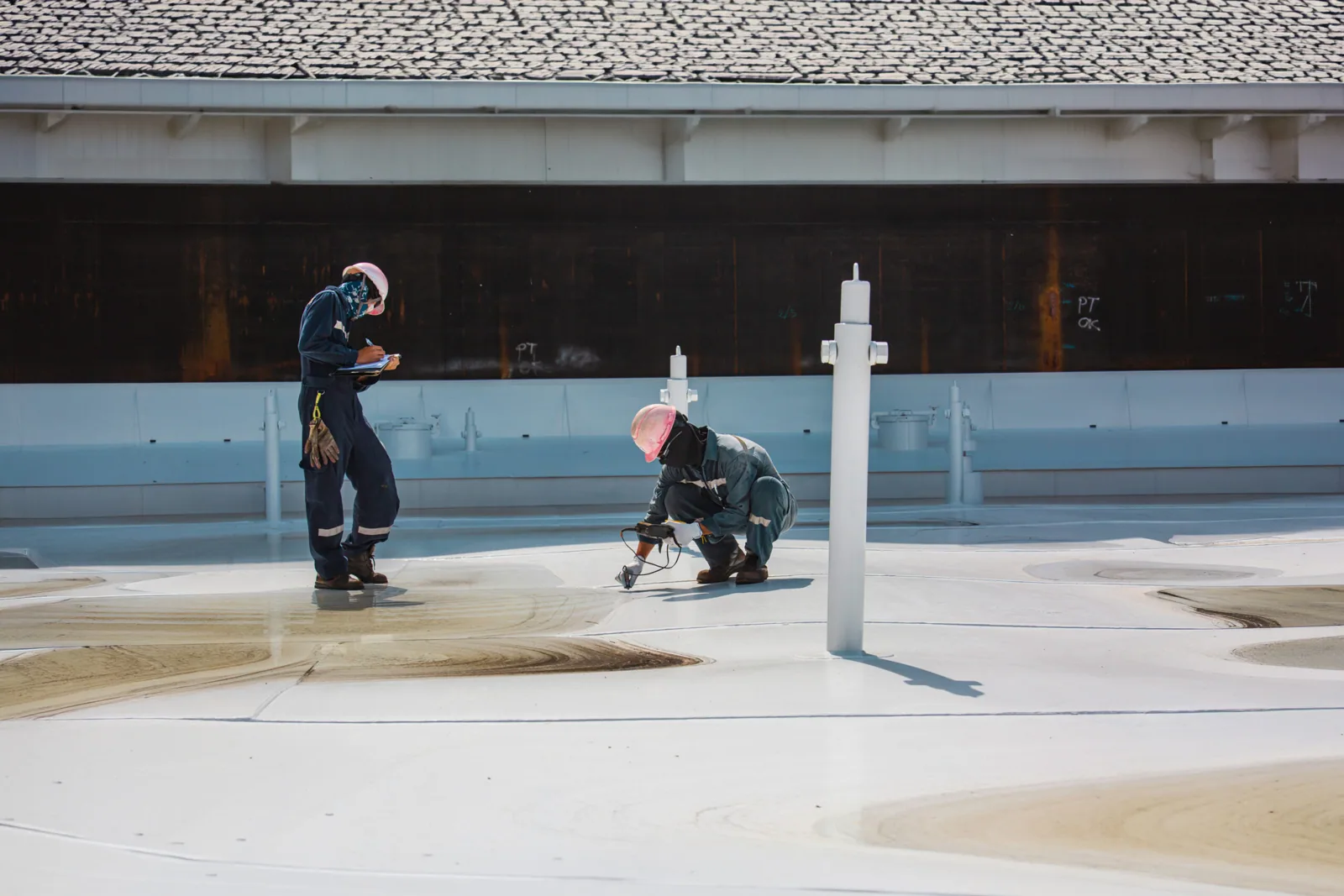
Closeout shows the date, building, roof zone, reported condition, observed damage, repair method, and any inspection limit. Photographs include context to locate the detail, not only a close view of a patch. We note whether water was active, whether a test opening was made, and what follow-up remains. That record lets a general contractor compare future reports with the repaired boundary.
If insurance documentation is requested, we provide photographs and observed conditions for the owner’s file. We separate roof observations from coverage conclusions. A weather report records regional conditions; policy documents and the carrier govern a claim. The claim documentation service can organize inspection evidence.
After repair, a follow-up inspection can compare a new report with the original location. For several buildings, portfolio tracking keeps repair dates and open items together. The record says what was fixed and what was not observed.
Learn more →
Learn more →
Learn more →
Learn more →
Learn more →
Learn more →
Learn more →
Learn more →