
A black EPDM sheet can show a split at a seam or pull away from a curb after years of movement. We record the reported leak, roof section, visible membrane, and access limits before assigning cause. Palm Bay's warm, rainy seasons make a sound seam and an open drain important to inspect, but neither climate nor a nearby building proves failure here. The field record identifies the material, weathering, seam condition, and next test or repair.
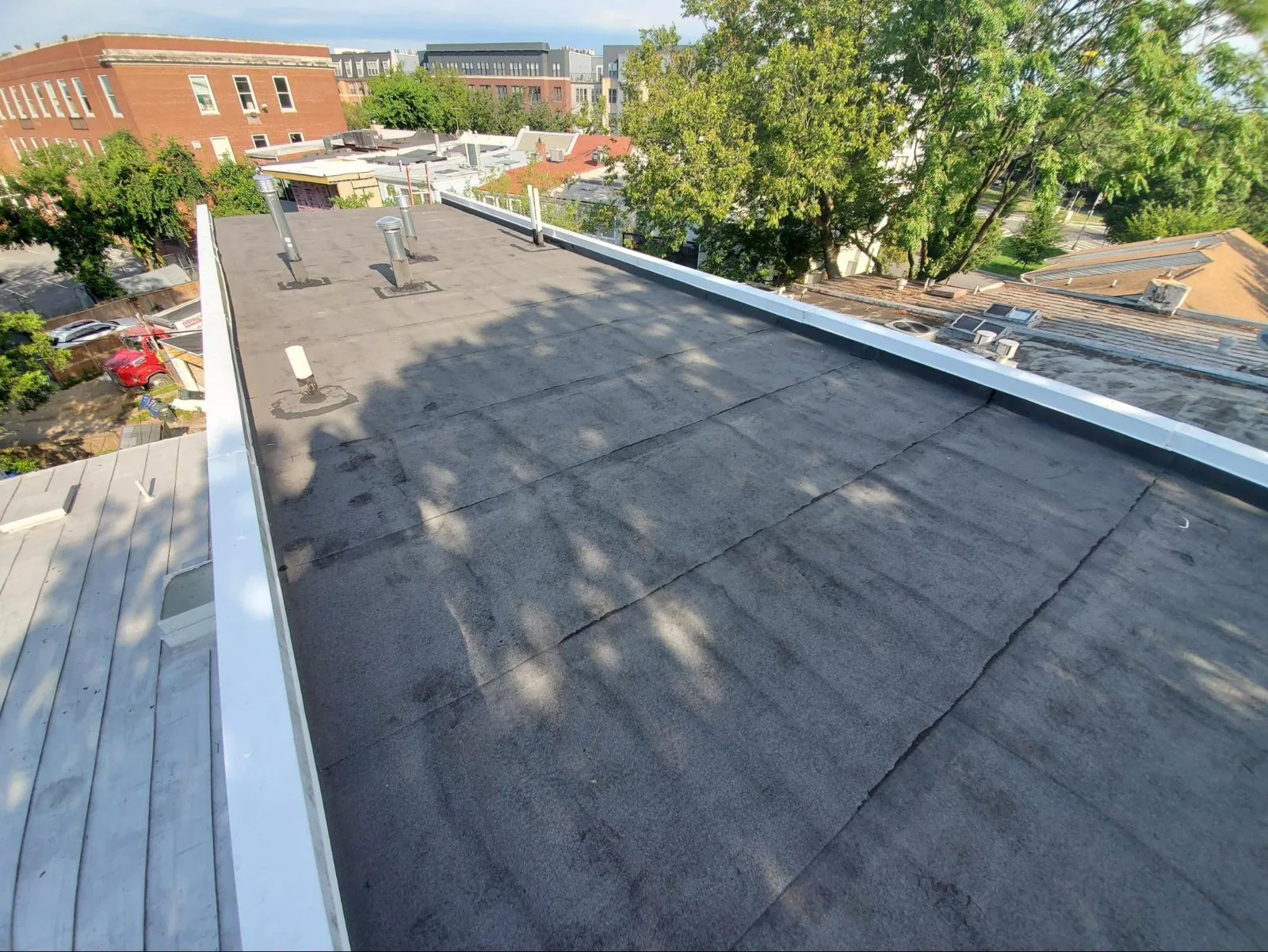
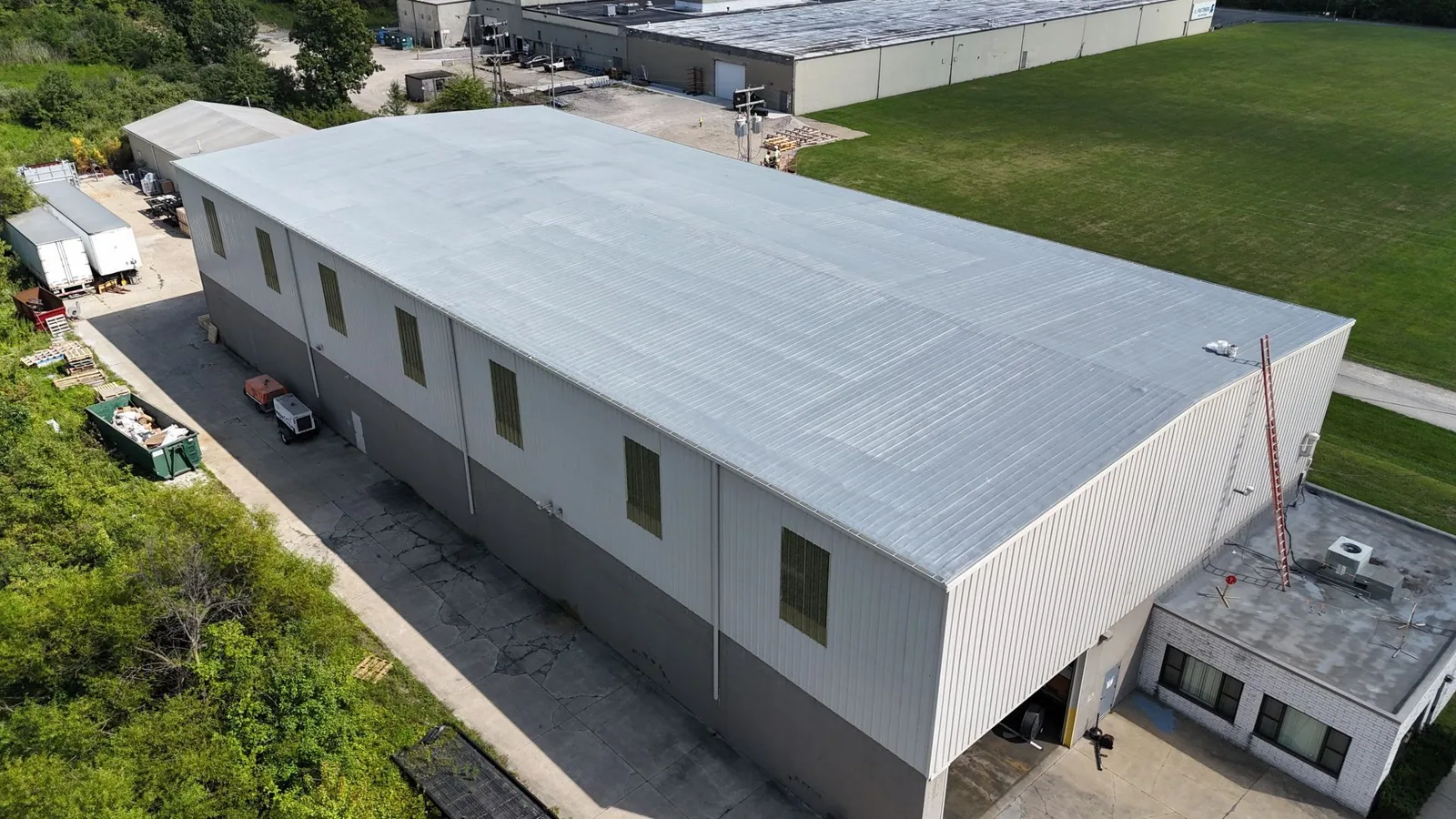
EPDM is a flexible rubber membrane. Inspection looks for cuts, punctures, surface wear, open laps, displaced patches, and movement at transitions. Pullback may be visible at a parapet or curb. We check whether it continues along the edge and whether attachment or flashing appears compromised. The report marks the boundary and any area hidden by equipment or stored material.
Sunlight, drainage, foot traffic, and maintenance affect the exposed sheet. Inspect the actual membrane for cracking, chalking, trapped debris, or wear; seasonal conditions alone do not establish its state. A hands-on roof inspection can map visible conditions. A photo report establishes dated locations for later comparison.
Foot traffic can damage the membrane near service routes. We photograph displaced walk pads and punctures, then note nearby equipment work if the owner has that record. A curb and support review can document roof interfaces around units and pipe stands.
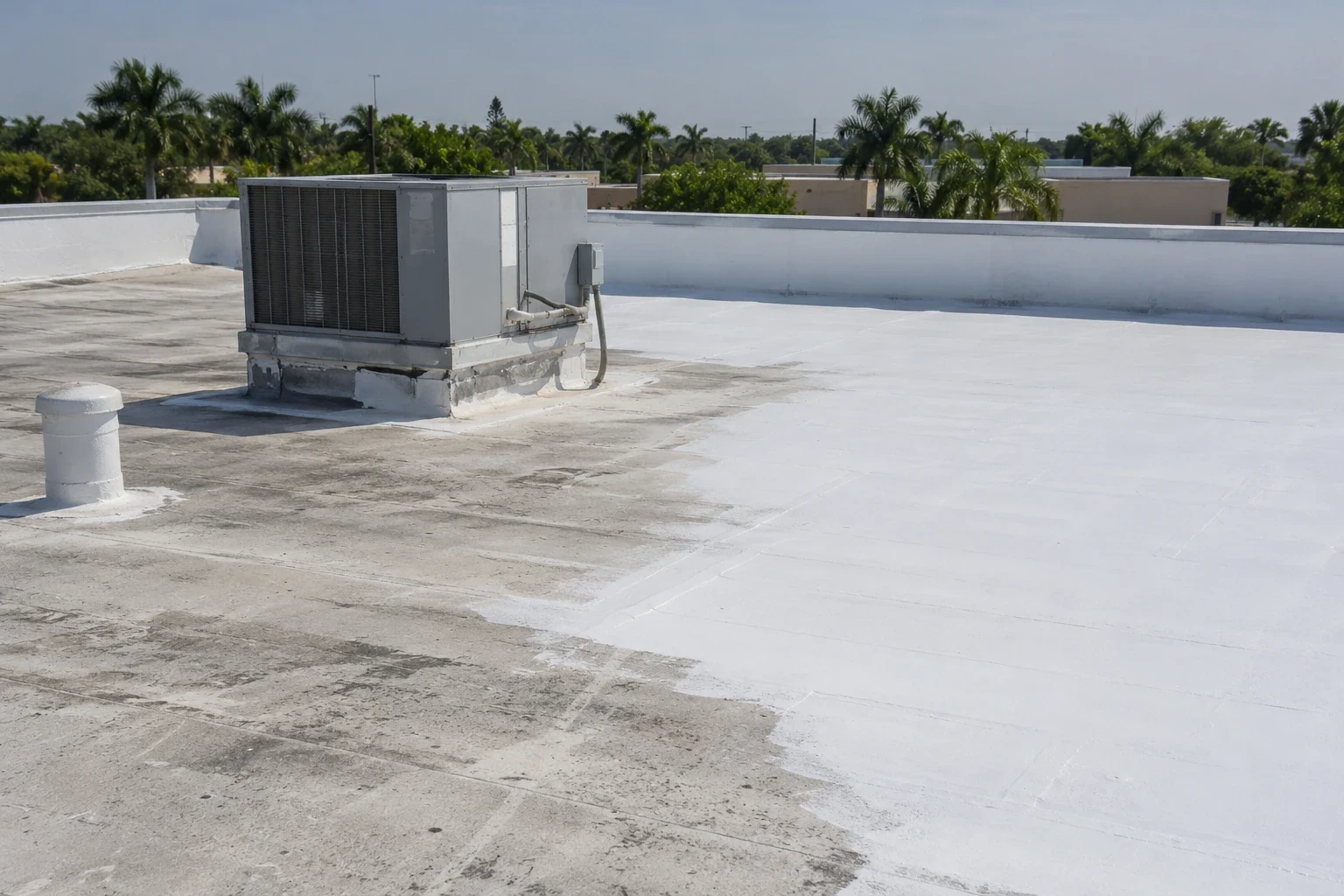
EPDM seams are commonly formed with adhesive or seam tape, depending on the system and detail. We inspect the joint for edge lift, contamination, wrinkles, loss of bond, and prior repair material. A small opening may allow a local splice repair if surrounding material remains suitable. A long separation or repeated patch failure may point to a broader issue.
The repair area must be clean and dry before new material is applied. We record preparation, primer where specified, splice width, termination, and any test performed. A patch over damp or dirty EPDM can fail at its edge. If the existing sheet type or prior repair material is uncertain, the scope identifies that limit before installation.
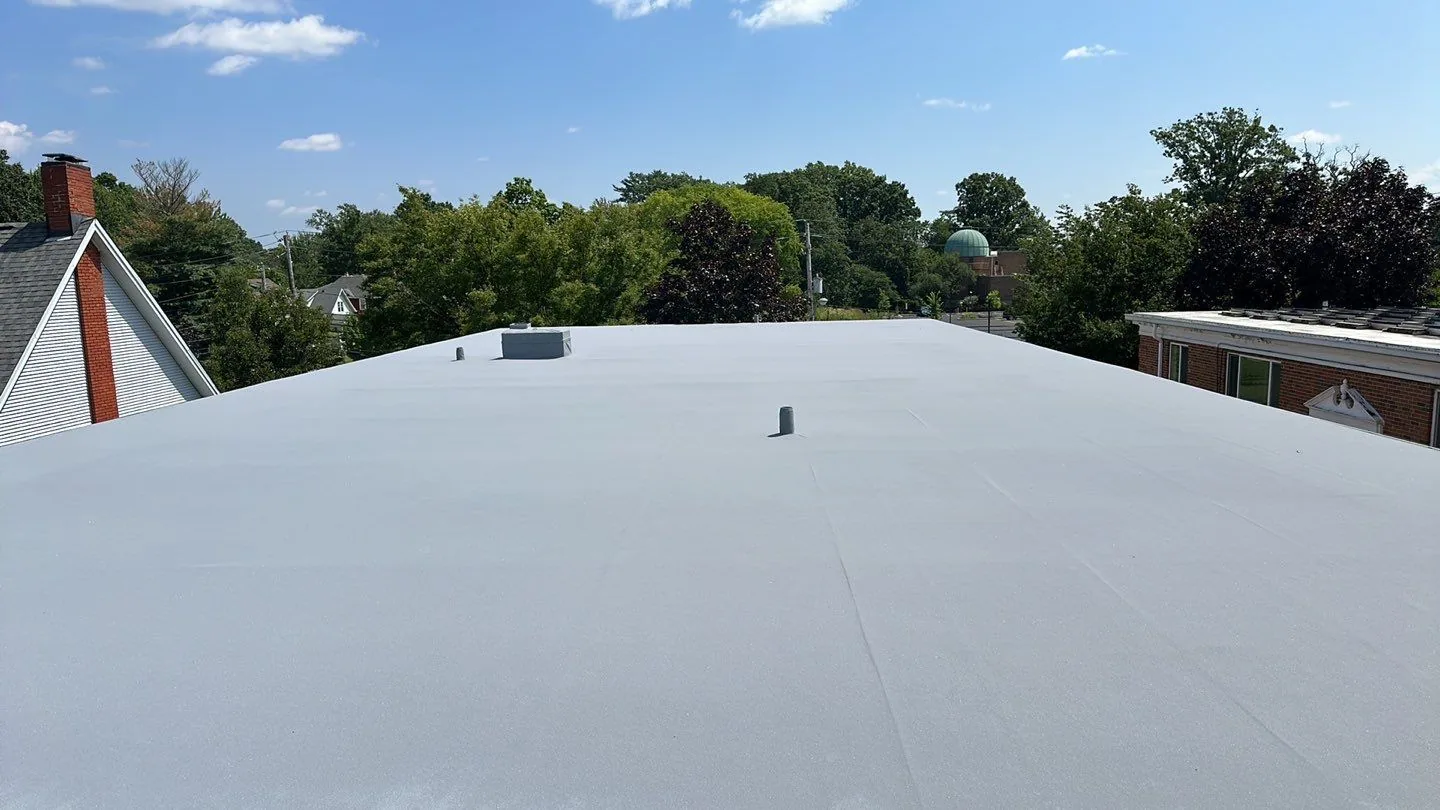
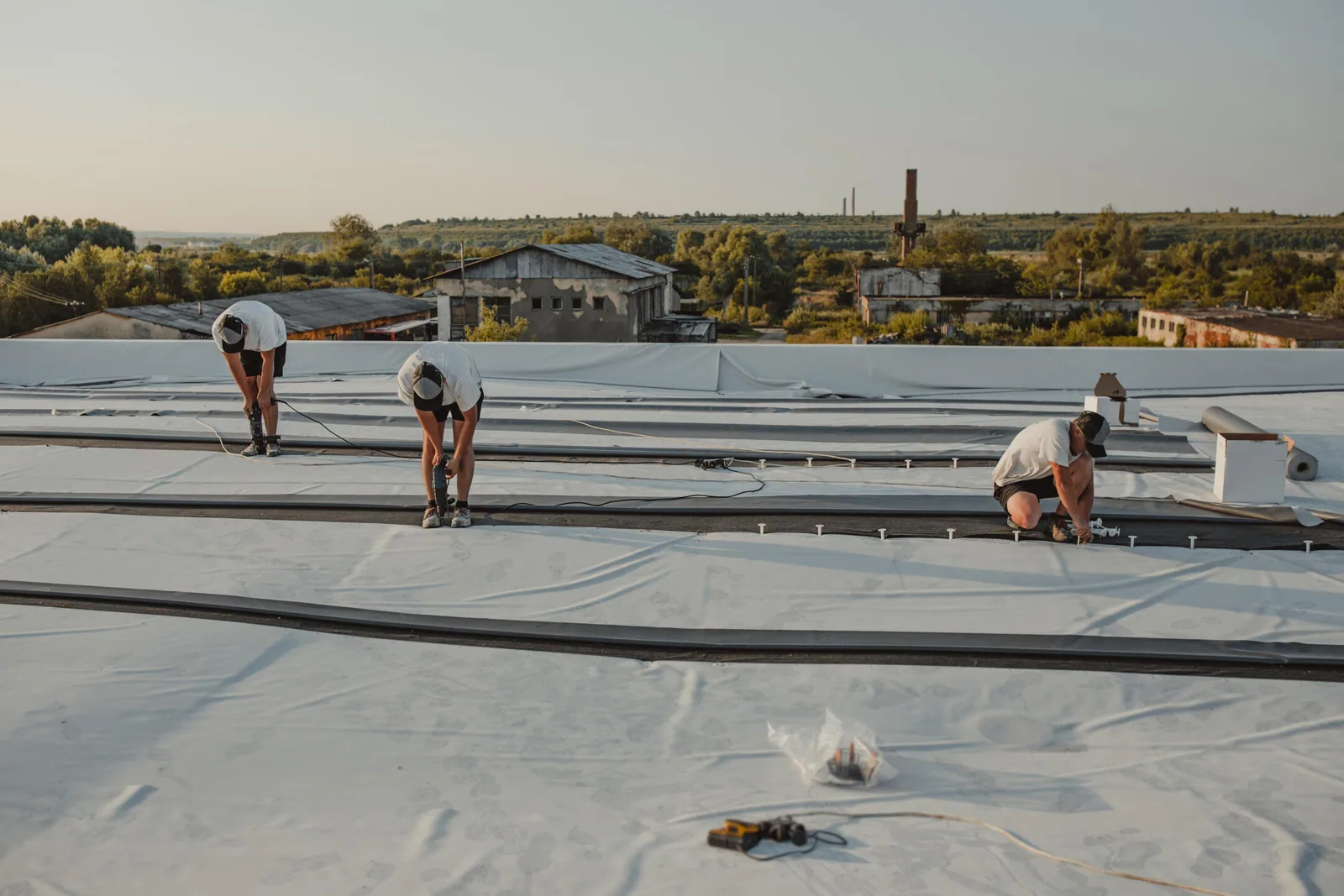
Different single-ply membranes join differently. TPO roofing uses heat-welded seams. PVC roofing also relies on heat-welded laps but has different chemical characteristics. These distinctions matter when repairing transitions or planning a replacement. The installed system, not a nearby building, controls material selection.
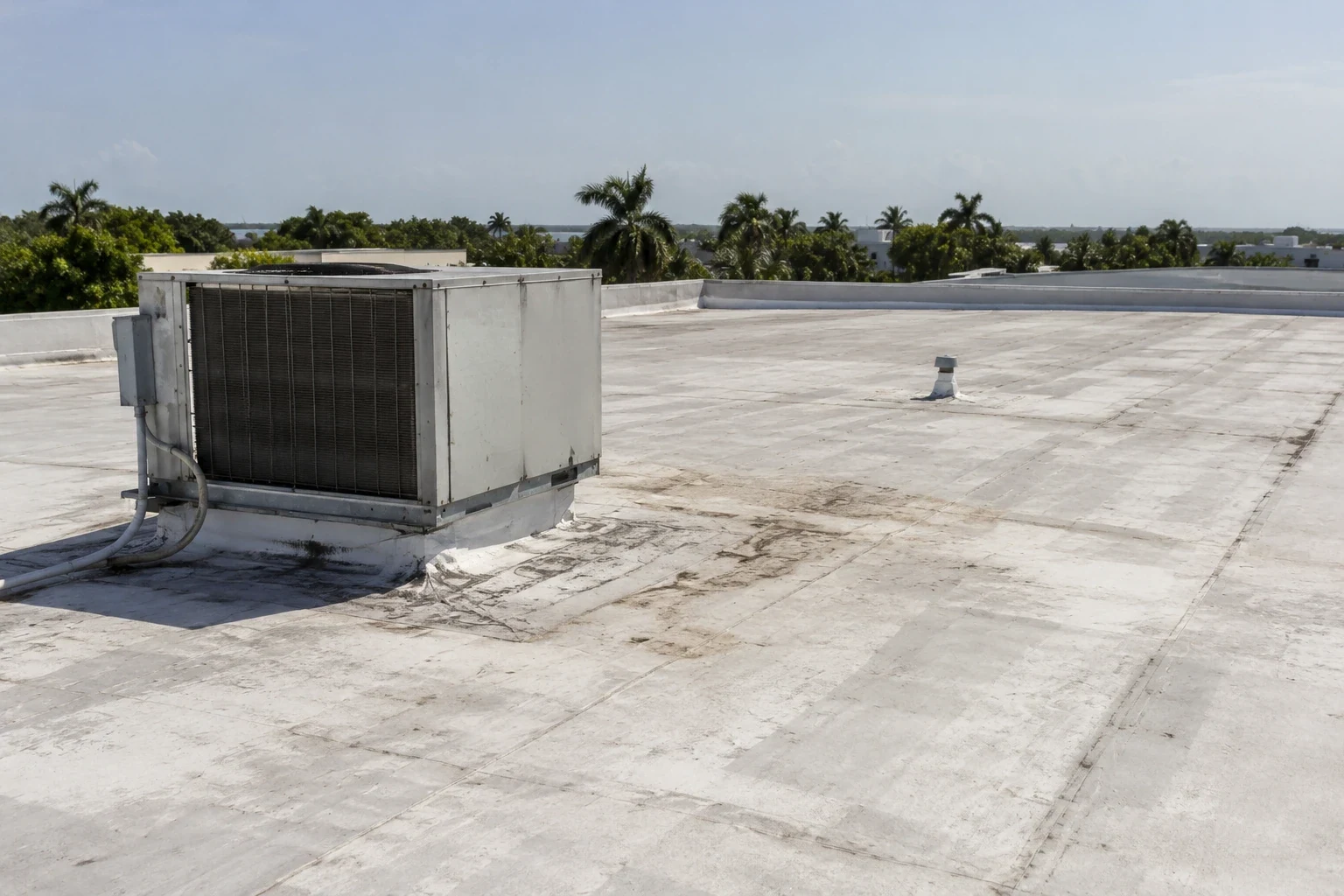
Water may enter where EPDM meets a wall, drain, pipe, or curb. We inspect flashing height, corners, termination bars, boots, clamping rings, and the membrane around the detail. If the interior stain is offset from the roof opening, we note the possible path without claiming it has been confirmed through concealed layers.
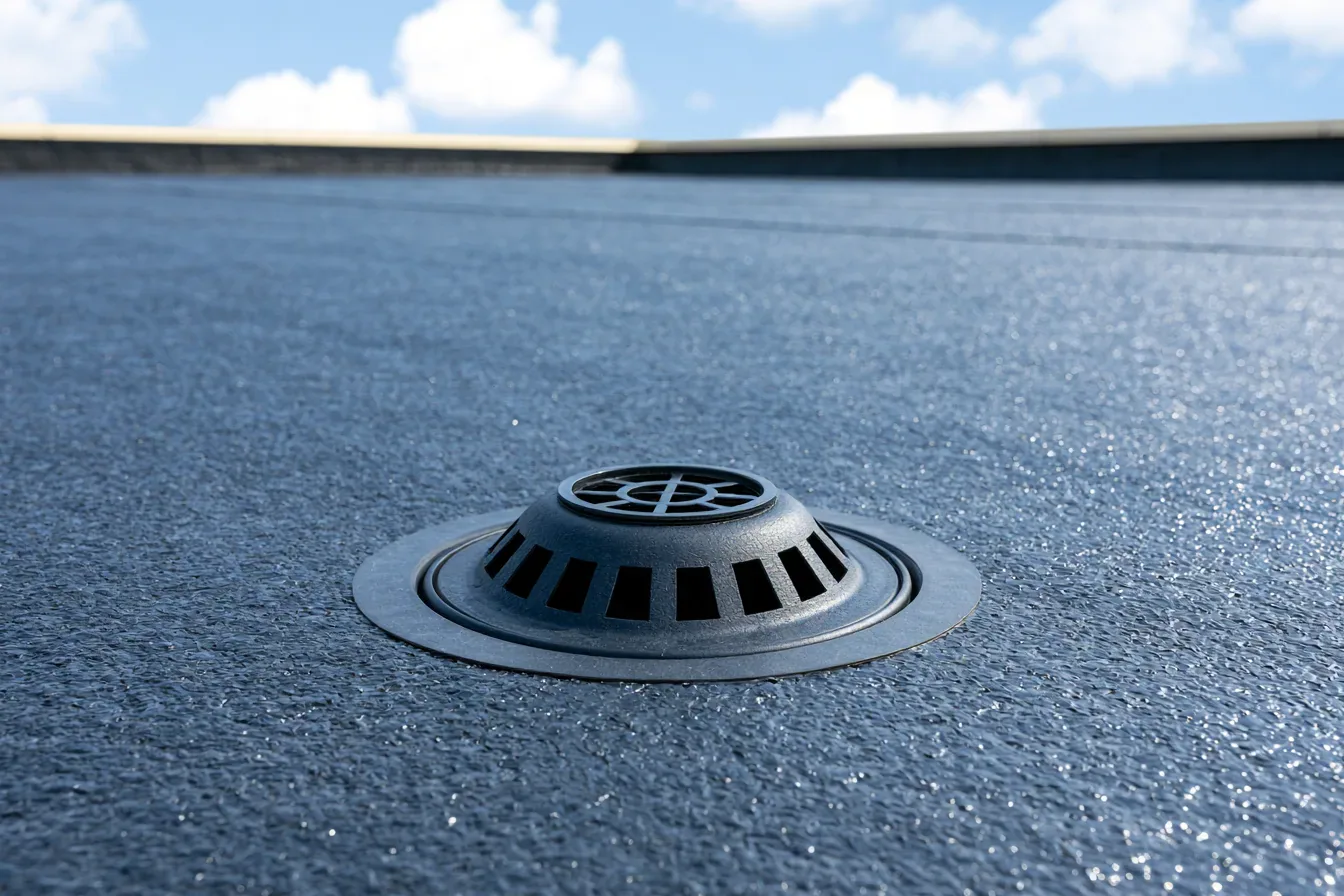
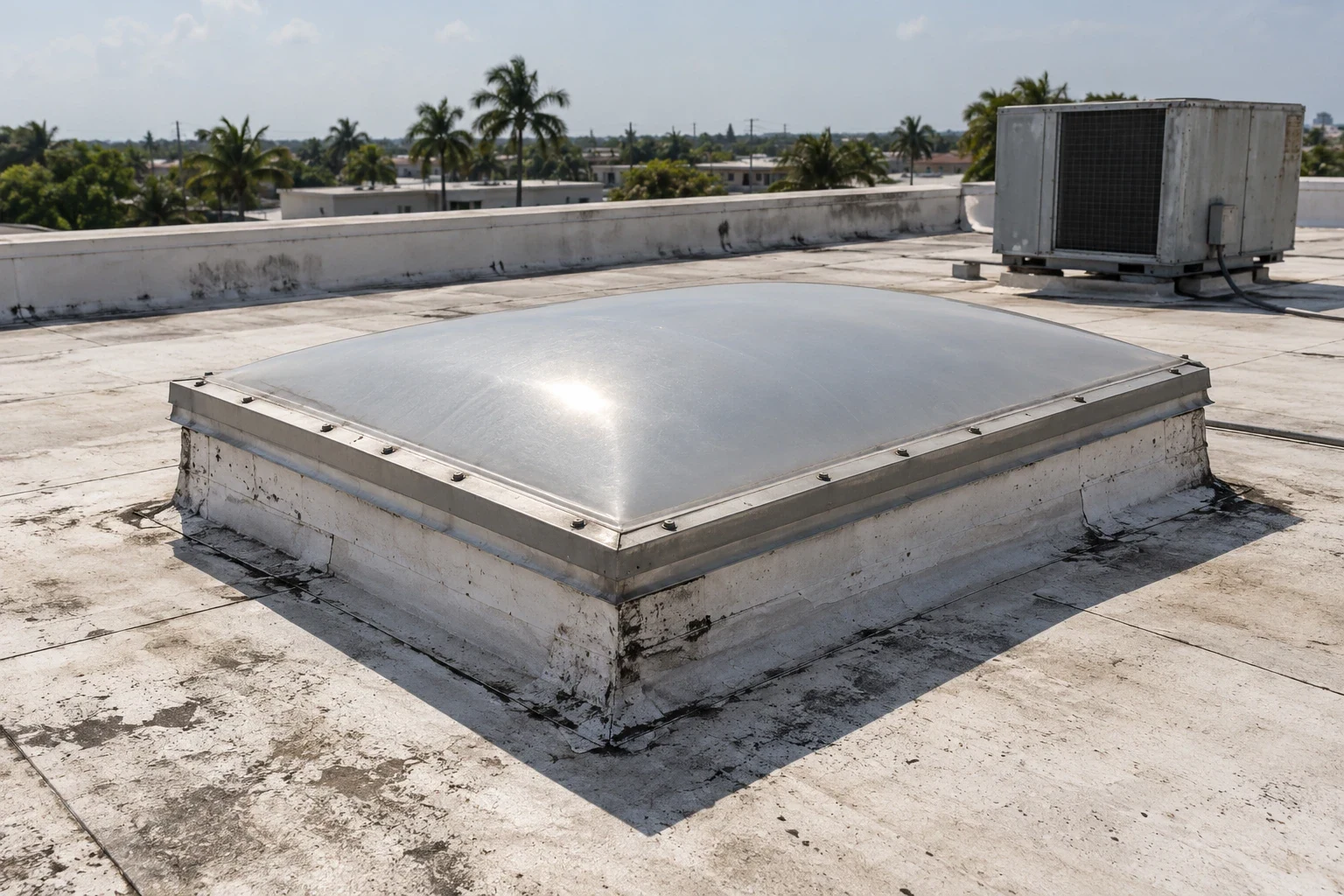
At a drain, confirm the membrane termination and clamping assembly where visible. A blocked strainer can delay flow without causing the membrane leak. A drain and scupper inspection can document outlet conditions and ponding evidence. At a pipe or skylight, a penetration review can establish whether the boot or curb transition is open.
The south Palm Bay commercial area includes Palm Bay Station on Bayside Lakes Boulevard. Its shop and build-to-suit format makes customer paths and deliveries relevant when roof work is staged. The listed address does not identify a roof system. We confirm the membrane on each property, coordinate access with its representative, and keep lift equipment away from active entrances.
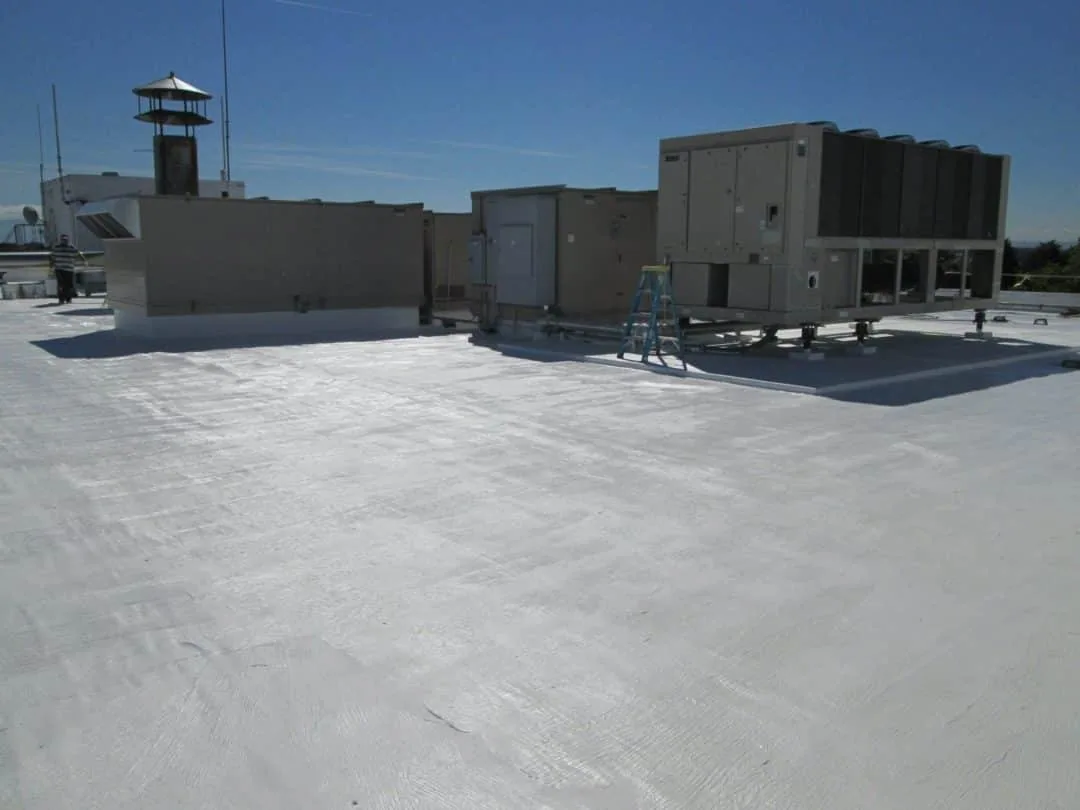
A local EPDM repair is appropriate when adjacent sheet remains flexible, attached, and compatible with the repair detail. The proposal names the seam or field defect, roof zone, material, surface preparation, and edge of work. If a test opening exposes wet insulation or deteriorated deck, the owner reviews the added work before the permanent scope grows.
Recurring leaks, extensive seam loss, and prior patches can change the decision. A roof repair scope can address an isolated defect. A recover review can check whether the assembly supports another layer. If concealed moisture or field deterioration is widespread, a replacement assessment may better define the roof's next service plan.
Cost and timing depend on access, tear-out, substrate condition, repair quantity, weather, and whether equipment must move. We state confirmed items and allowances separately. Temporary protection gets its own entry and does not stand in for permanent seam work.
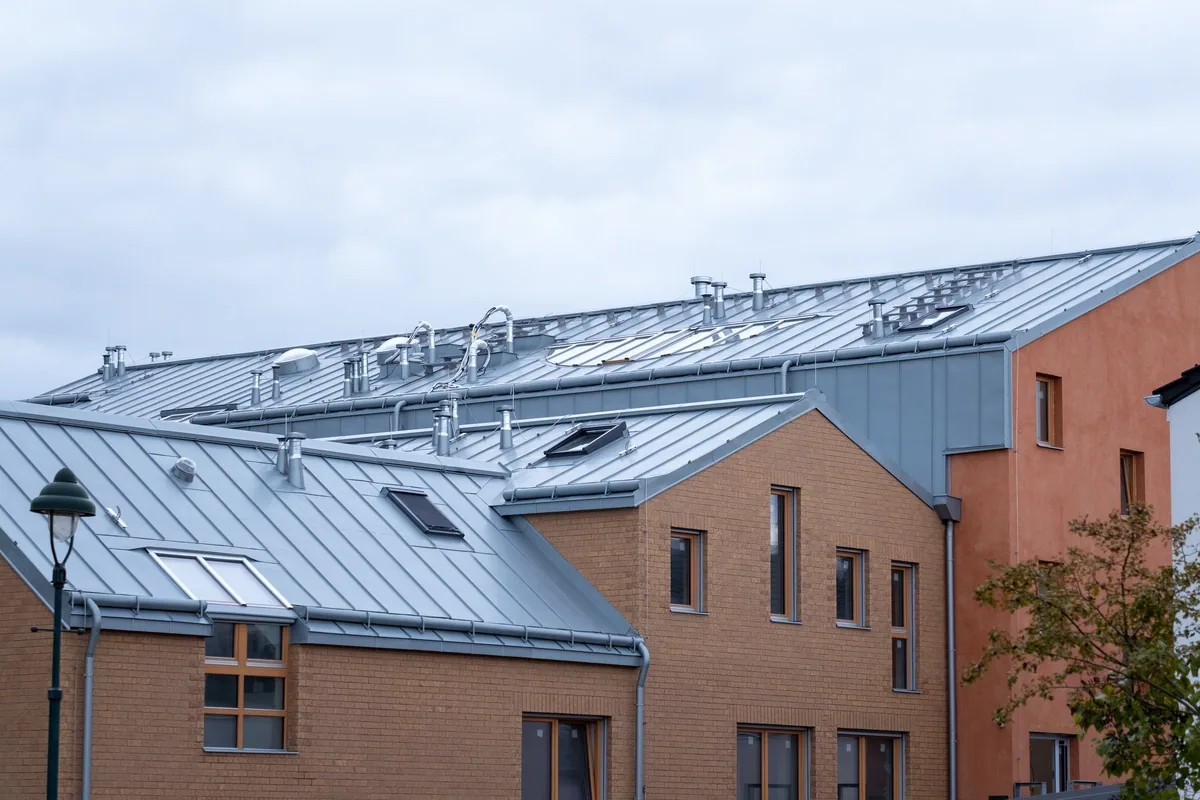
Closeout includes photographs of the repaired lap, flashing, field, and adjoining surface. The note identifies date, material, roof zone, repair limit, test result, and any area that was not inspected. If a leak persists, the new event date and interior location guide a follow-up inspection.
Inspect seams after other trades work on the roof. Keep membrane scraps, prior repair notes, and roof plans with the building record when available. A maintenance program can monitor drains, penetrations, and recurring lap movement. It cannot confirm concealed conditions without appropriate testing.
Named Palm Bay reporting points received heavy rainfall during Hurricane Irma. That event is regional context, not proof of EPDM damage at the property. The inspection report remains tied to actual field photographs and the conditions observed on its date. A follow-up can compare the seam with that dated repair record.
Learn more →
Learn more →
Learn more →
Learn more →
Learn more →
Learn more →
Learn more →
Learn more →