
Active local weather warning
The National Weather Service has issued a coastal flood warning covering Palm Bay. Heavy rain and drainage loading can expose roof leaks, blocked drains, and ponding water. This is a weather exposure advisory; it does not establish damage to a specific roof.
Do not access a roof during hazardous weather. Protect people first, avoid water near electrical equipment, and request roofing help when conditions permit.
National Weather Service · Updated Oct 28, 2026, 6:40 AM UTC
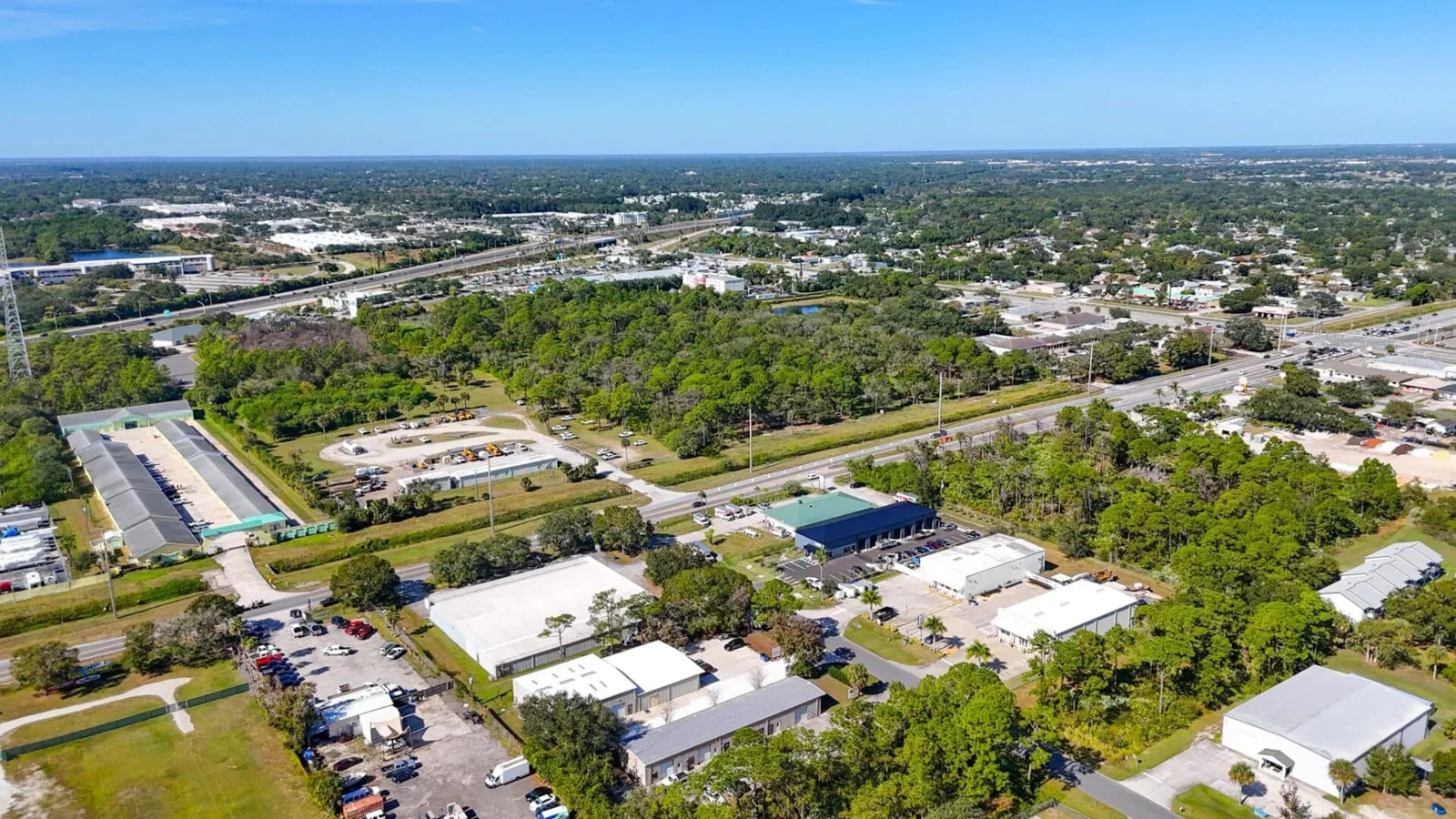
Flex units need roof work that follows the tenant space and the equipment above it. Palm Bay Flex Business Park is at Clearmont Street. Units begin at 1,800 square feet and can combine up to 14,400 square feet. The park is marketed to engineering, defense suppliers, and light-industrial operators. We plan inspection and repair around the actual unit, roof zone, access contact, and active operation.
The park sits beside the L3Harris Palm Bay campus and has Interstate 95 access within about five minutes. That location context does not establish a roof layout or system. We confirm the roof on site, then document seams, penetrations, drains, edge details, and any interior leak report. At Melbourne International Airport, summer daytime temperatures often approach 90°F; inspect roof-surface temperature directly before selecting materials. That is regional context; the inspection confirms what the assembly shows at this address.
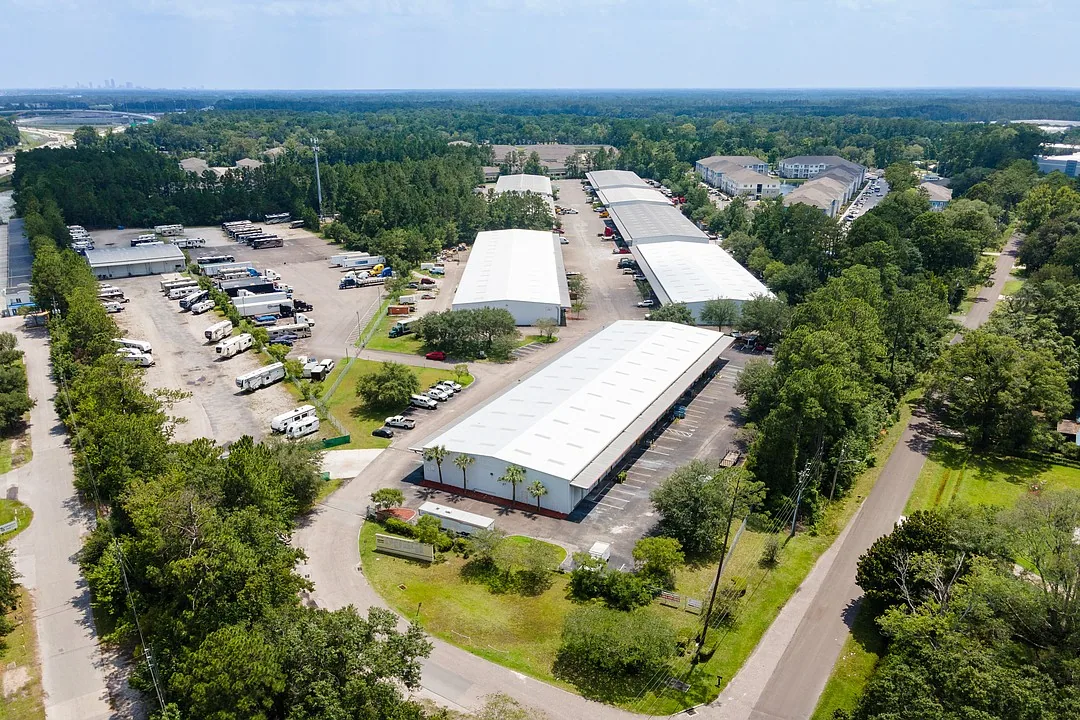
Combined flex units can involve shared walls, multiple occupants, or different access contacts. Before a roof walk, we confirm which interior areas correspond to the affected roof zone and who can authorize entry. The report identifies any side of the building or roof section that could not be reached. A tenant's use does not establish which equipment is installed above it, so we check the actual curb, support, and penetration.
Where a leak appears inside one suite, water may have traveled from another roof zone. We compare the stain location with seams, drains, transitions, and penetrations above. If that path remains uncertain, a moisture survey or controlled opening can help answer a specific question. A work plan for occupied space can define daily limits, interior protection, and contact updates before repair begins.
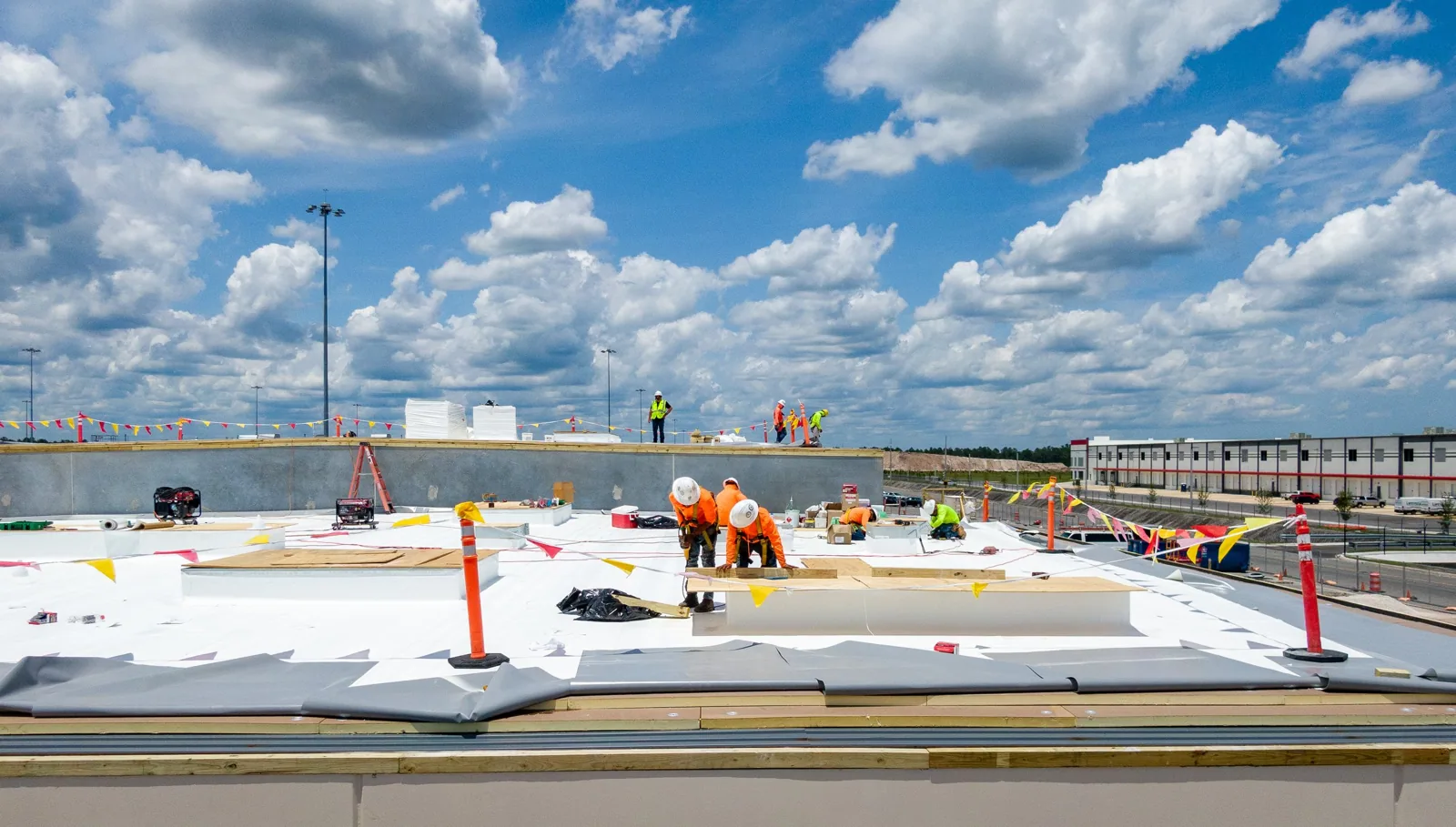
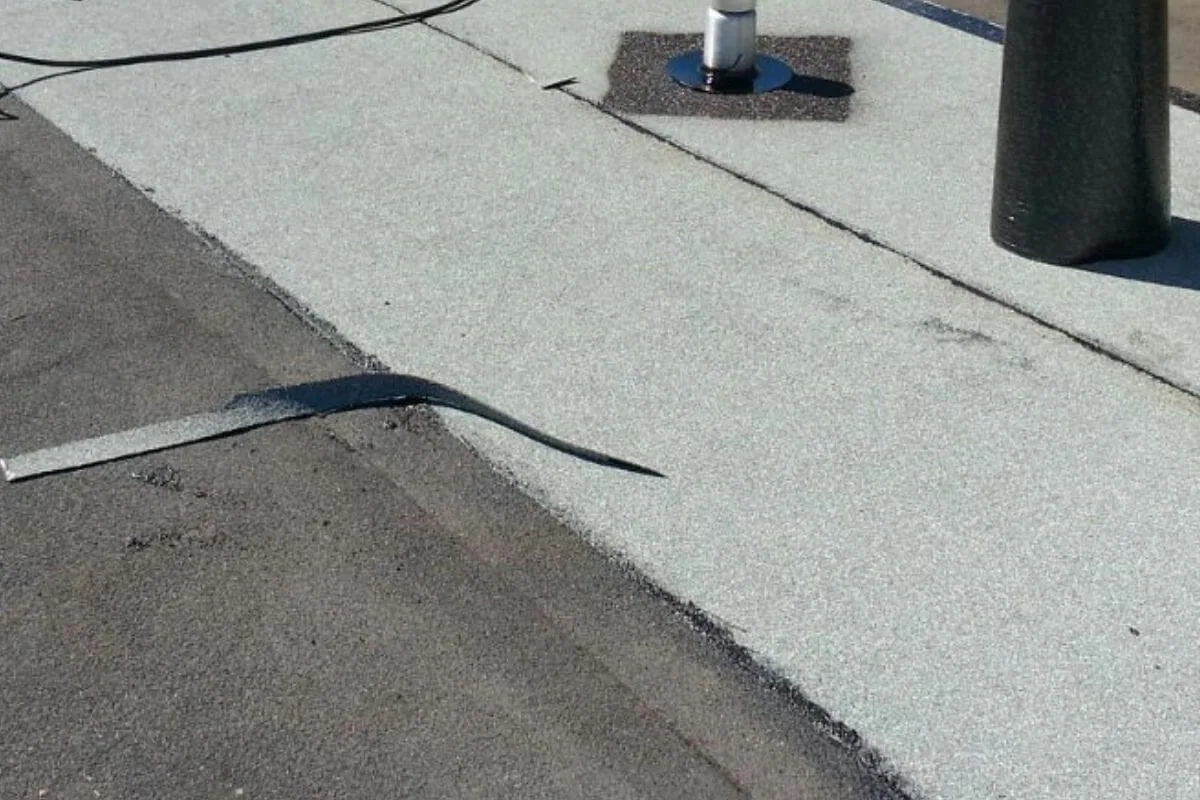
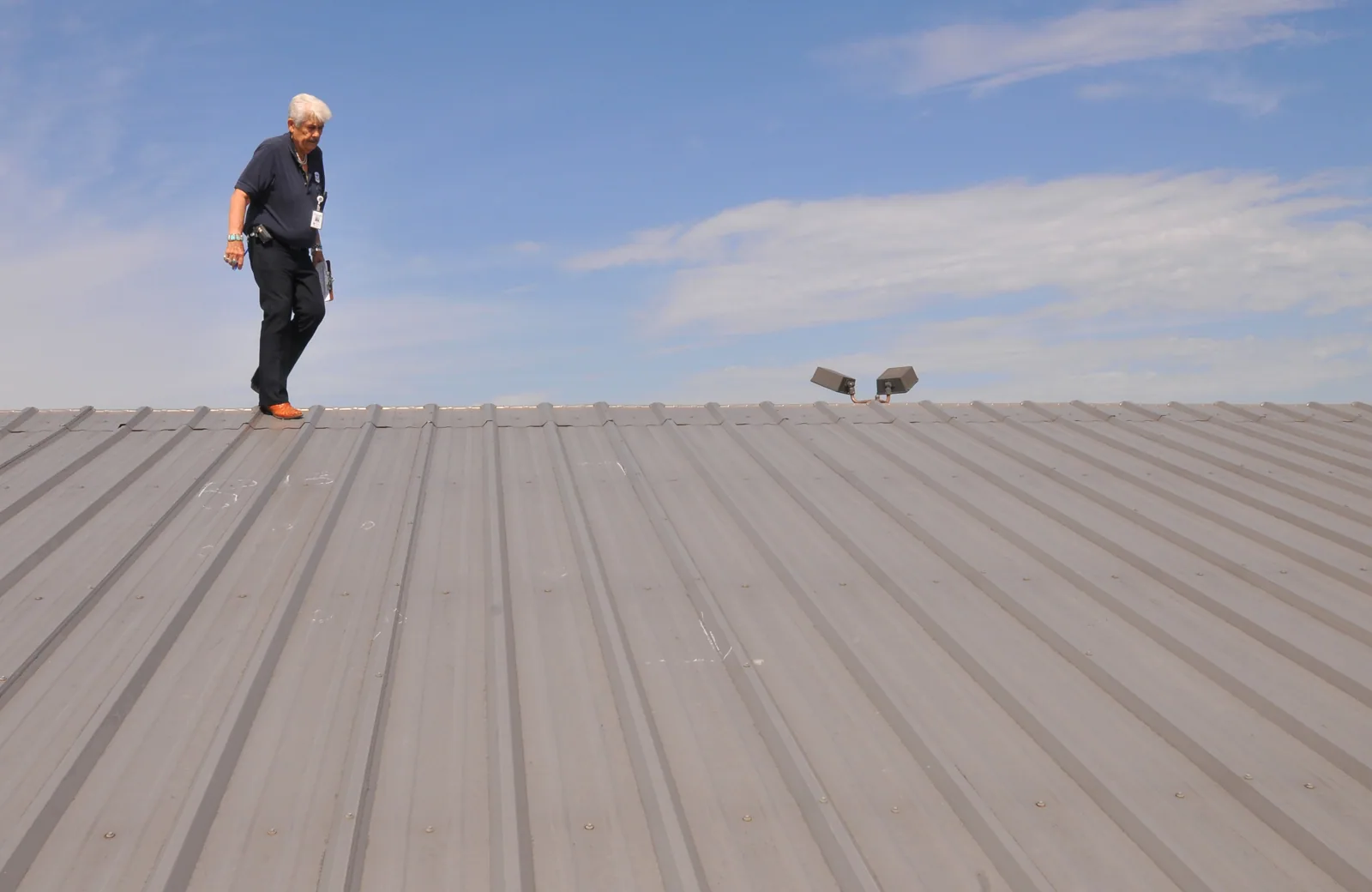
On a first walk, we identify the membrane or metal system, attachment evidence, surface condition, drainage path, and prior patches. We inspect field seams, wall transitions, curbs, pipe penetrations, and edge metal. A soft area, open lap, or loose termination is photographed and assigned to a roof zone. A ceiling stain remains a reported condition until the roof evidence supports a water path.
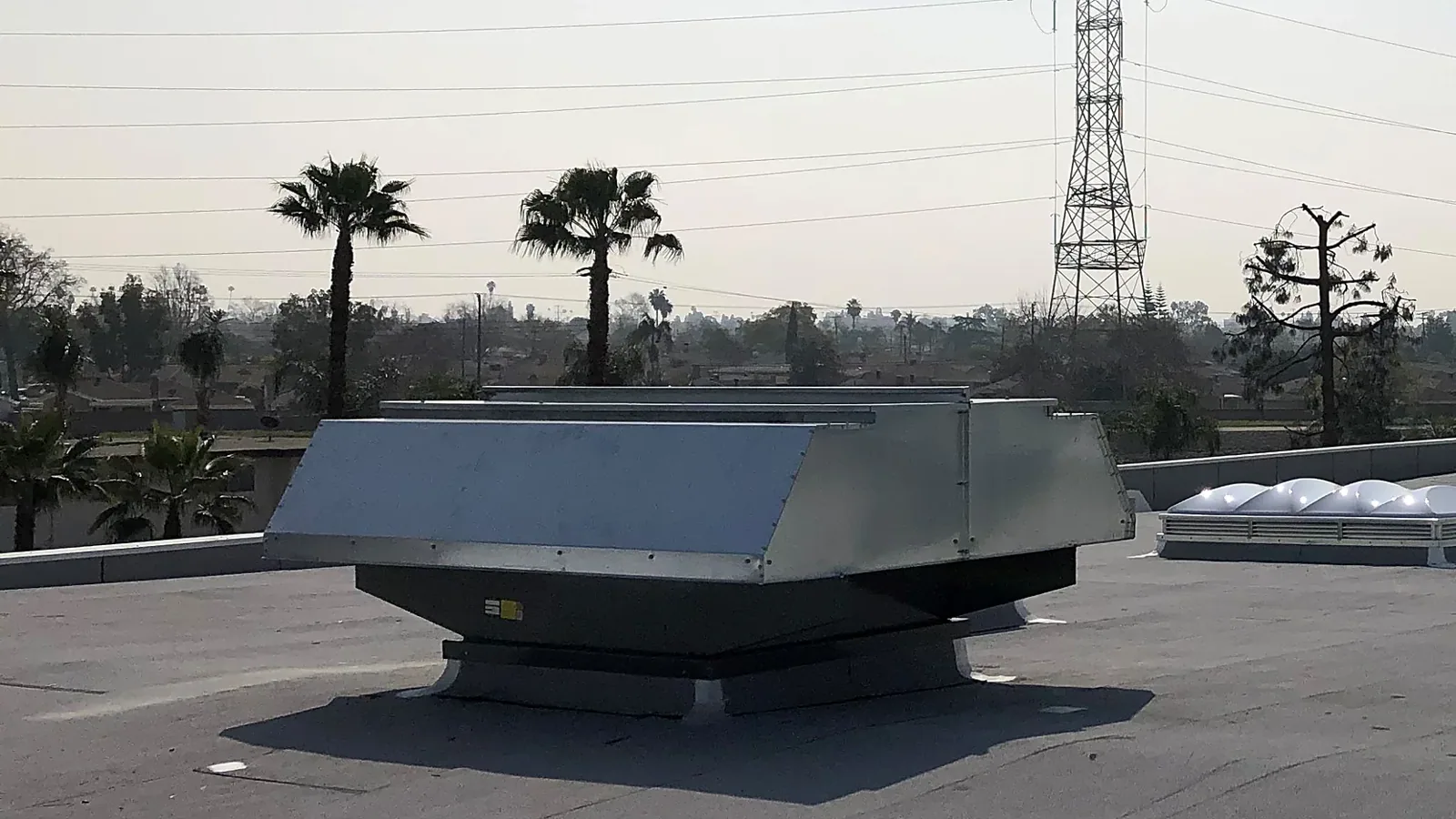
Engineering and light-industrial tenants may have rooftop equipment or service routes, but each installation must be checked individually. We look for cuts, worn paths, loose supports, and flashing that has separated from the surrounding membrane. A curb and support inspection records each penetration as a separate detail. Test results are tied to their exact location and do not stand in for untested roof areas.
Regional heat helps frame inspection timing, but roof-surface temperature and material requirements govern the workday. We record those field conditions before surface preparation and note any weather hold.
Rain can expose an open seam or interrupt a coating and repair sequence. Heat can affect access windows and the handling of some materials. We state whether a roof surface was dry enough for the planned work and note any weather hold. The maintenance schedule can revisit drains, seams, and penetrations before the wettest months. A new storm report still requires a property-specific inspection.

A small membrane opening may support a localized patch if surrounding material and substrate are sound. A long seam separation or wet insulation can require a wider repair. We define the boundary, preparation, material, and any test opening that could change the scope. If removal exposes a different condition, photographs and a revised limit are reviewed before work extends into another area.
Cost and timing depend on roof access, unit coordination, system type, repair length, concealed moisture, weather, and tenant operations. Material compatibility matters when a prior patch or coating is present. For an active leak, emergency protection can be set apart from permanent work. The round-the-clock response can document the initial condition and return plan. A puncture assessment applies when service traffic or debris may have cut the membrane.
Replacement planning begins with existing layers, deck and insulation condition, drainage, edge attachment, and roof equipment. A recover is considered only when the assembly is suitable and project requirements allow it. Wet material or a damaged substrate may require removal. We document why a method is proposed and identify the test that could change quantities or sequencing.
A suite arrangement listed at up to 14,400 square feet is not a roof measurement. We field confirm roof dimensions, penetrations, equipment, and edge conditions before preparing a scope. If several occupants share the work area, the plan assigns notice, access, and protection responsibilities. A dated condition report gives the property manager photos and open items after each phase. Another local flex listing at Agora Circle has its own address and scope, assessed separately.
Closeout lists the event date when relevant, roof zone, materials, repair boundary, photographs, and areas not inspected. We state whether the reported leak matched the roof finding and what testing remains. Each record identifies the unit or building segment and the contact who received the work. That makes a future service call easier to connect with the repair performed.
The park's engineering, defense-supplier, and light-industrial uses do not identify its roof construction. Confirm the membrane, attachment, and equipment before each recommendation. For broader roof history, a property asset record can retain the inspection and repair timeline. A separate industrial property receives its own observations and closeout.
Learn more →
Learn more →
Learn more →
Learn more →
Learn more →
Learn more →
Learn more →
Learn more →