
A wet pallet or ceiling stain can point to a roof zone several bays away. We record the reported location, inspect the roof path, and separate visible damage from conditions that need an opening. Palm Bay has warehouses and flex-industrial suites alongside office and retail properties. The roof plan must fit the actual building, stored goods, dock schedule, and access limits.
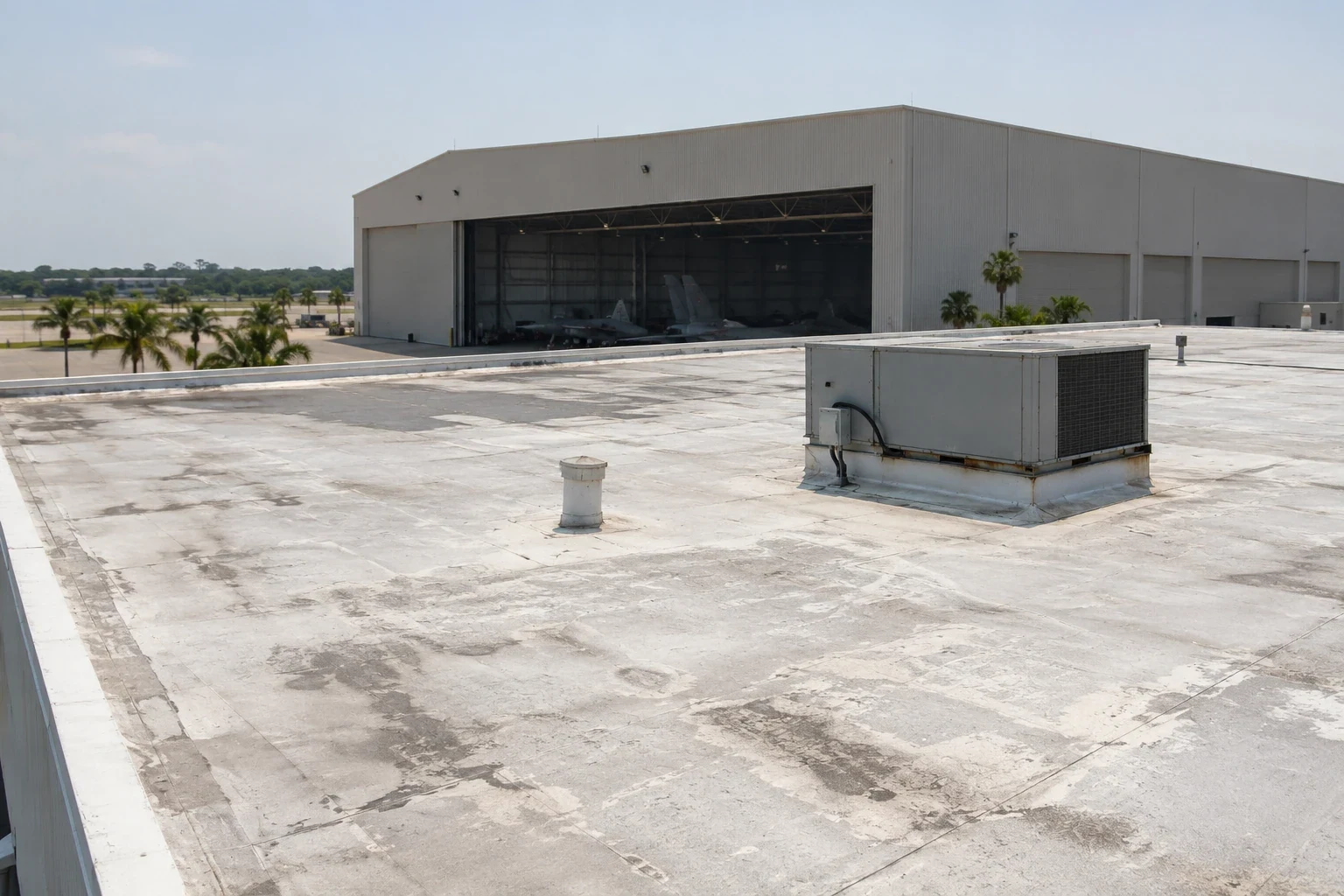
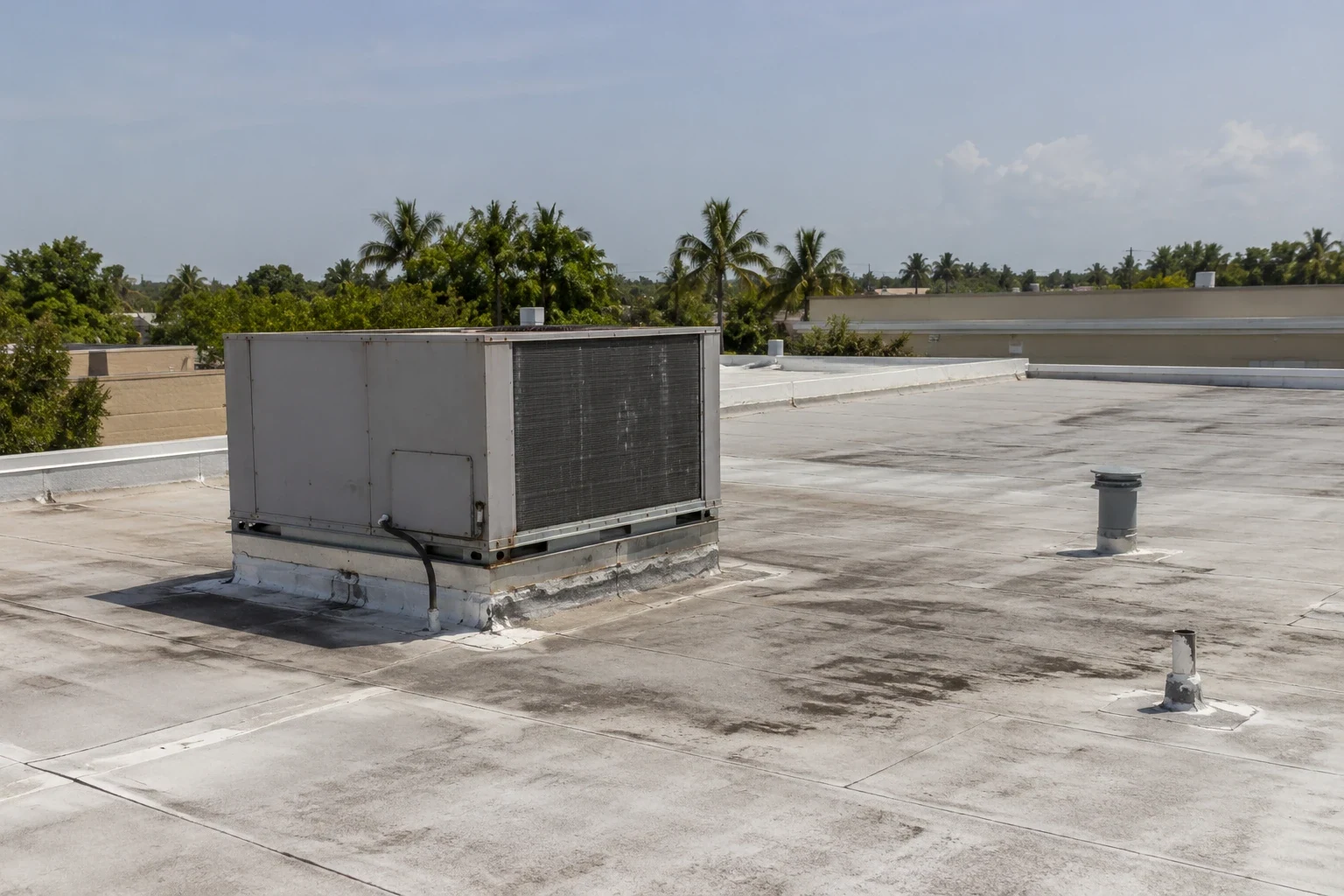
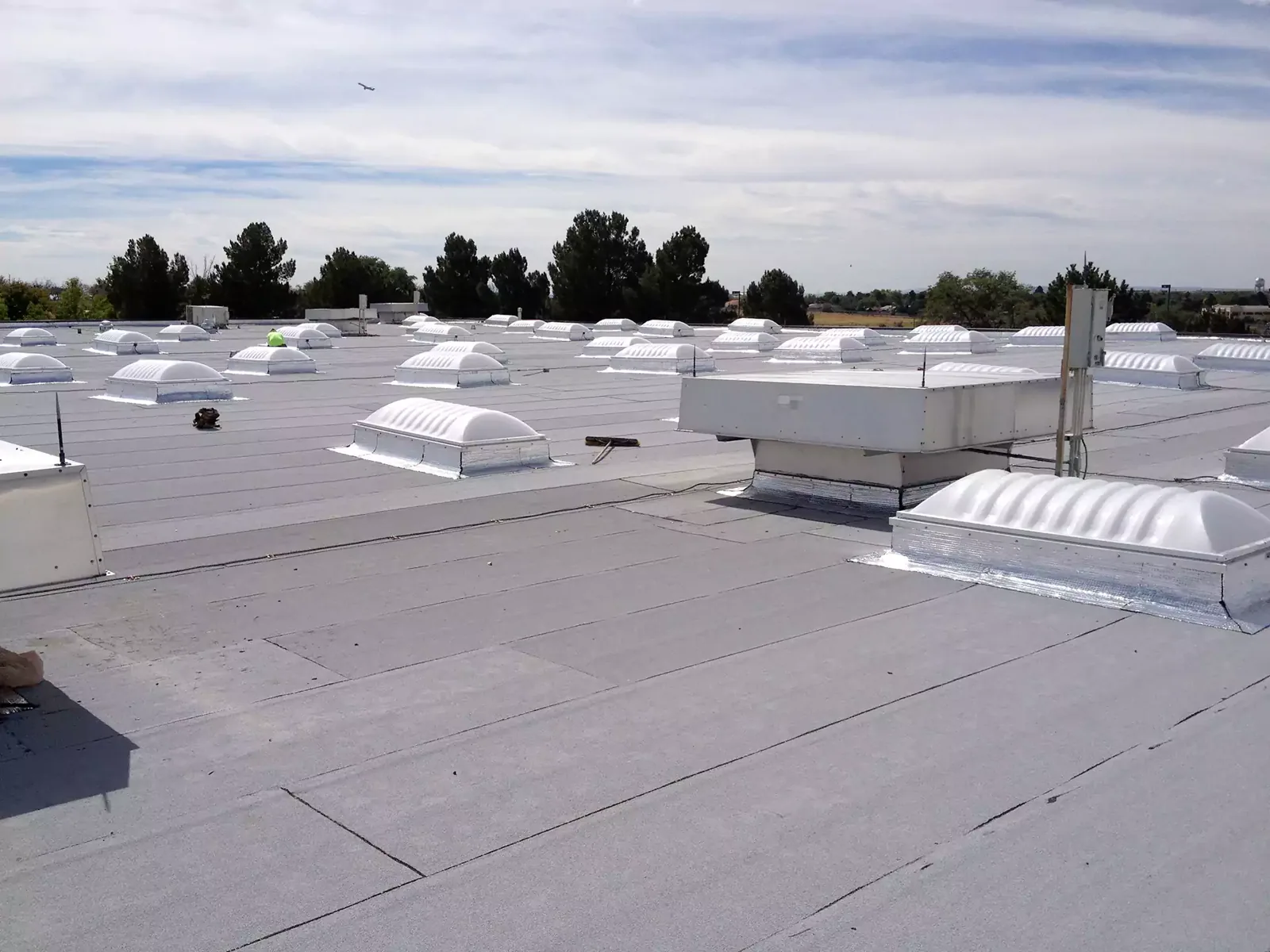
Warehouse roofs often span long runs of membrane, metal, or built-up surfacing. We map field seams, penetrations, drains, curbs, expansion joints, edges, and previous patches by section. A commercial roof inspection records what can be seen and identifies areas for closer testing. A leak report goes on the map as a starting point, not as proof of the entry point.
Roof zones should match how the owner manages the building. Mark dock areas, storage aisles, office buildouts, and equipment clusters when plans are available. Interior access can help compare stains with roof details, but insulation, deck flutes, and framing may redirect water. If the roof is unsafe or blocked, note the limit rather than infer the hidden condition.
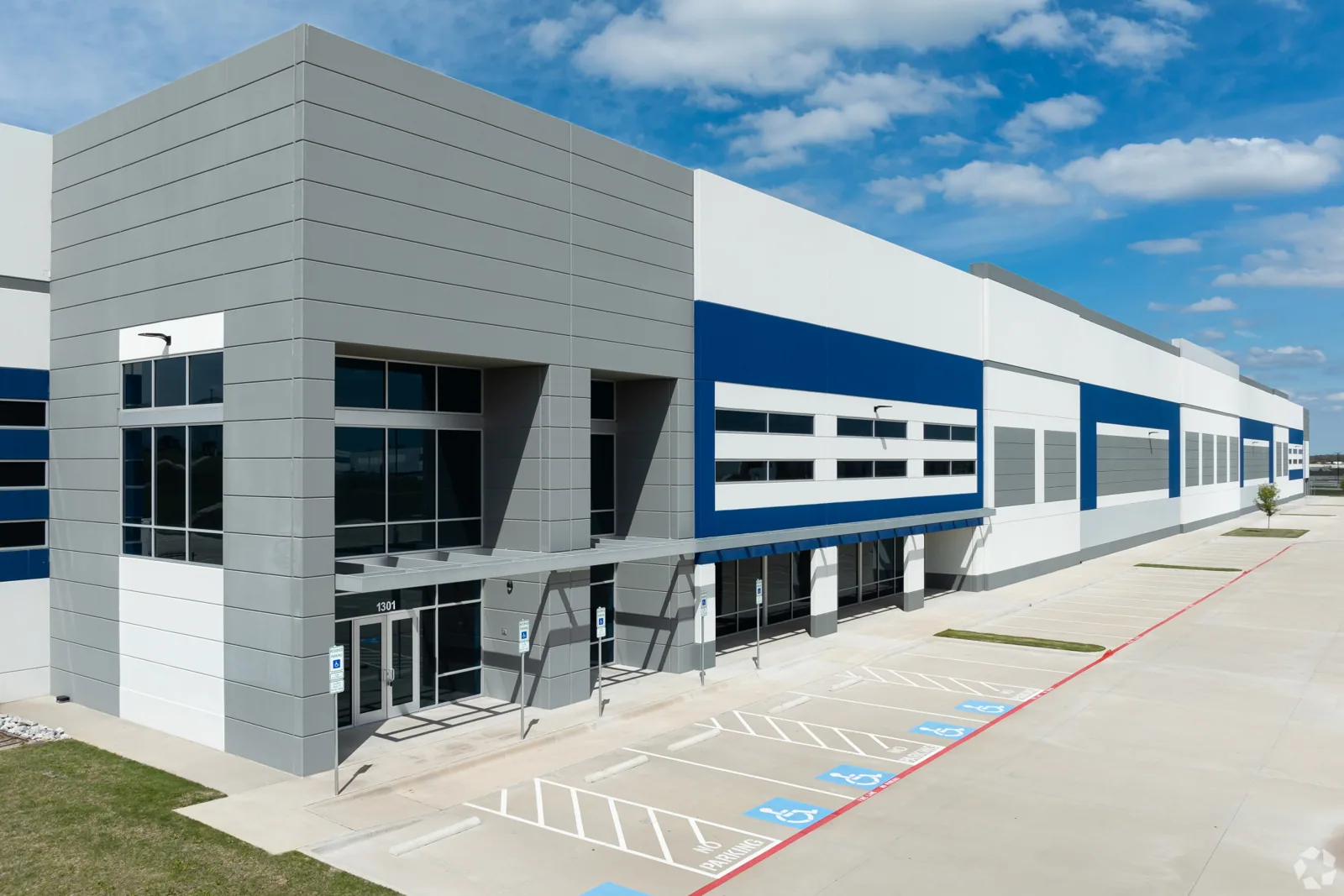
Palm Bay Industrial Center is listed at Clearmont Street, with an available industrial suite. That local listing is a useful example of the city's light-industrial inventory, not evidence about its roof. At each property, we confirm whether the assembly is single-ply, metal, modified bitumen, or another system before recommending repair.
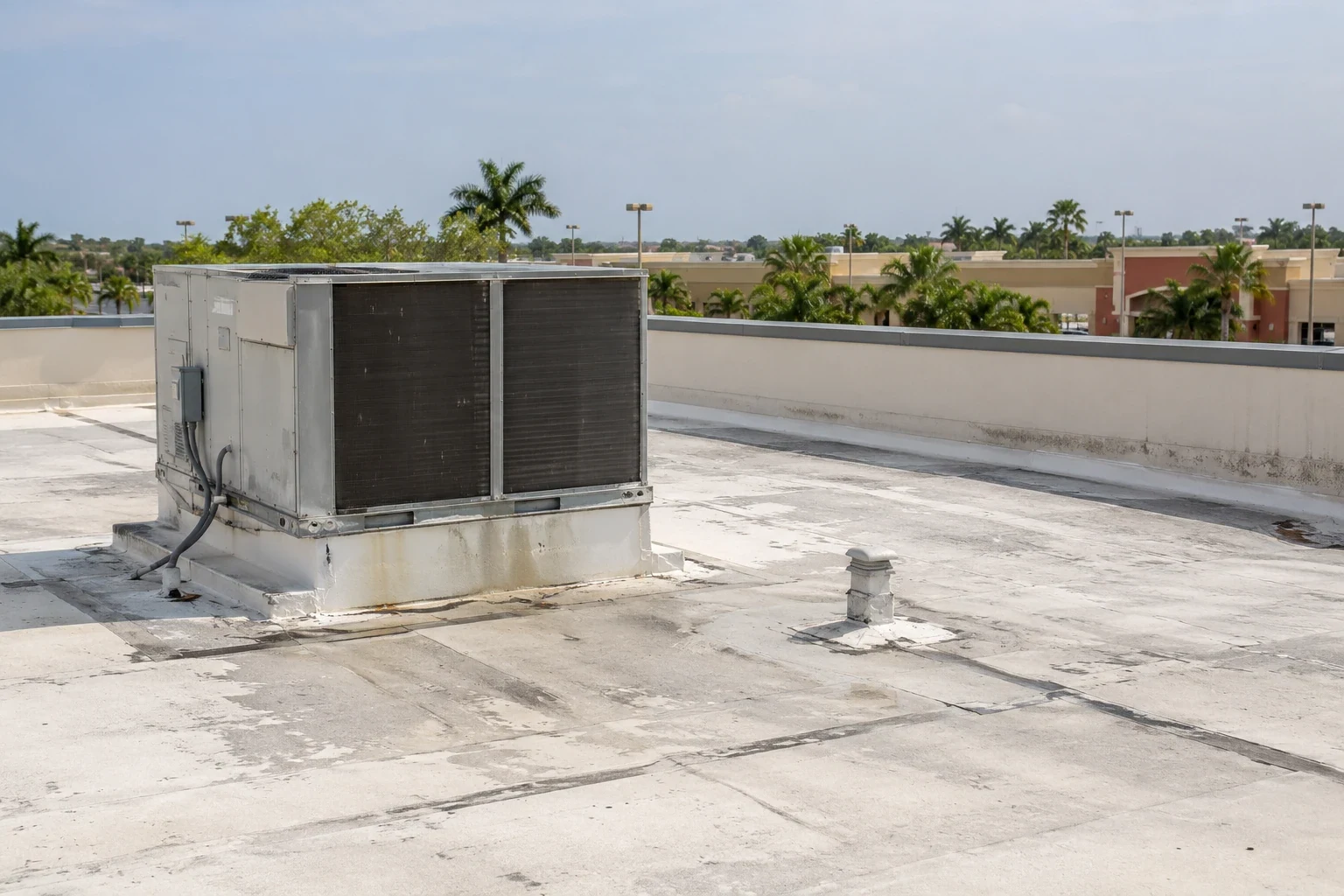
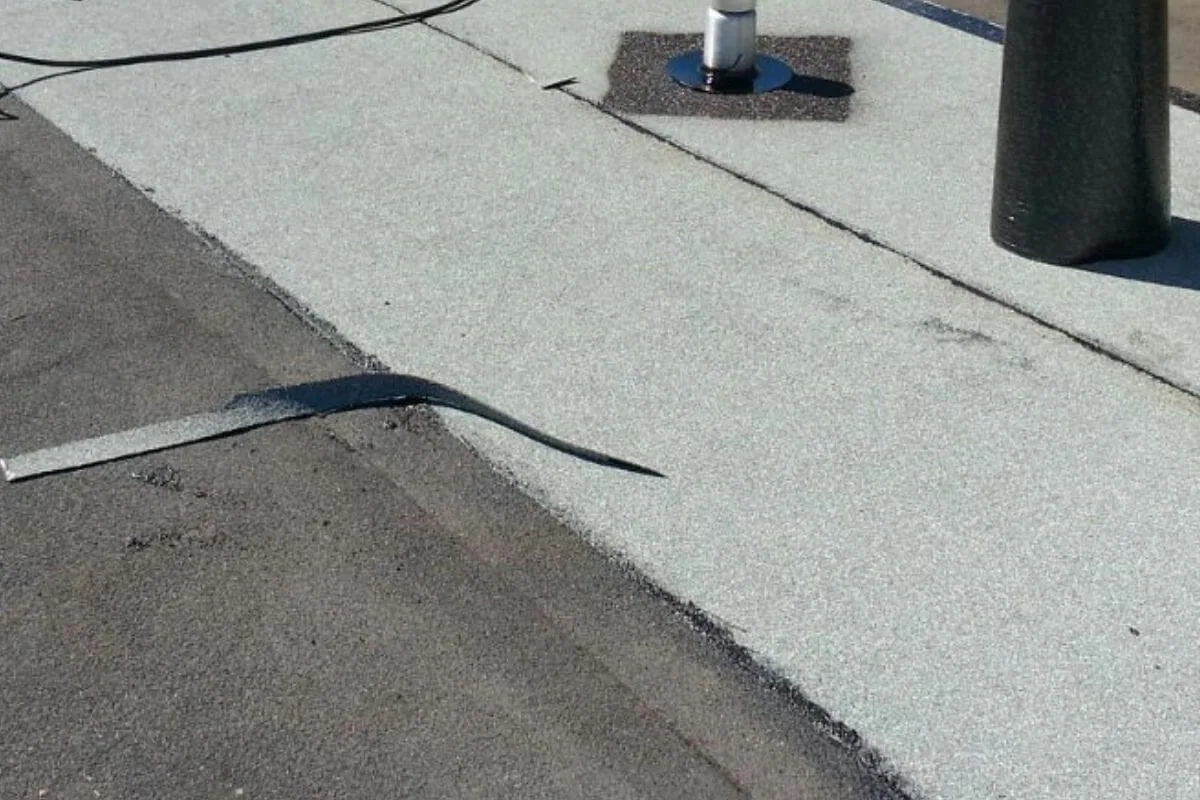
Foot traffic, service carts, dropped hardware, and later tenant work can puncture a membrane. Warehouse equipment changes may also leave abandoned curbs or unsealed fasteners. We photograph each opening, check nearby seams and flashings, and define the patch boundary. A puncture repair should identify the material and prepare the surface for a compatible repair.
Repeated leaks along a long seam or at multiple roof transitions can indicate a broader failure pattern. Inspect the attachment and substrate as well as the visible top layer. A test opening, if authorized, describes one location only. It can confirm the layers there and show whether insulation is wet. The report identifies other zones that remain untested.
For membrane roofs, seam integrity and edge details need separate checks. For metal roofs, inspect fasteners, side laps, ridge caps, and corrosion around penetrations. A distribution center roof and a manufacturing plant roof may use different details and repair materials. We verify the installed system before specifying a patch.
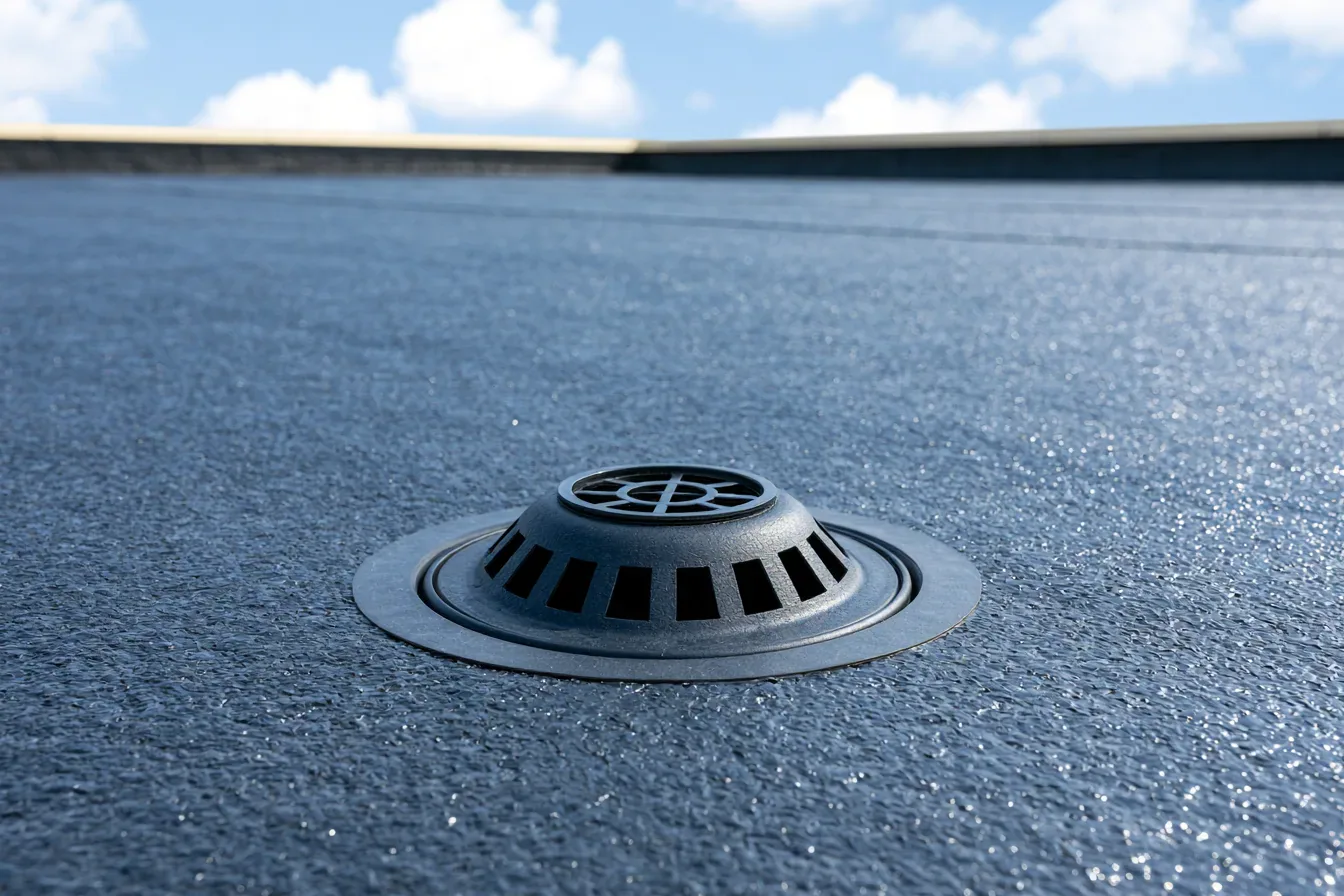
Long roof runs can hide low points behind rooftop equipment or parapets. Check drain bowls, strainers, scuppers, overflow routes, and water marks after rain. A drainage inspection records whether outlets are open and which areas hold water. A blocked drain is different from a slope problem, and the work record should keep those findings separate.
Nearby Melbourne climate normals report frequent hot days and more than 55 inches of annual precipitation. Those regional readings help plan inspections and weather windows, but they do not describe a particular warehouse leak. Hurricane Irma rainfall measurements included several Palm Bay reporting points with heavy totals. Those event readings do not establish damage at another property. We inspect the roof and document what the site shows.
Heat can accelerate surface wear, while moisture can remain at laps, fasteners, or insulation interfaces. A moisture survey can help target test locations when conditions support it. Infrared indications require confirmation. The report states the survey area, limits, and any test opening used to confirm a concern.
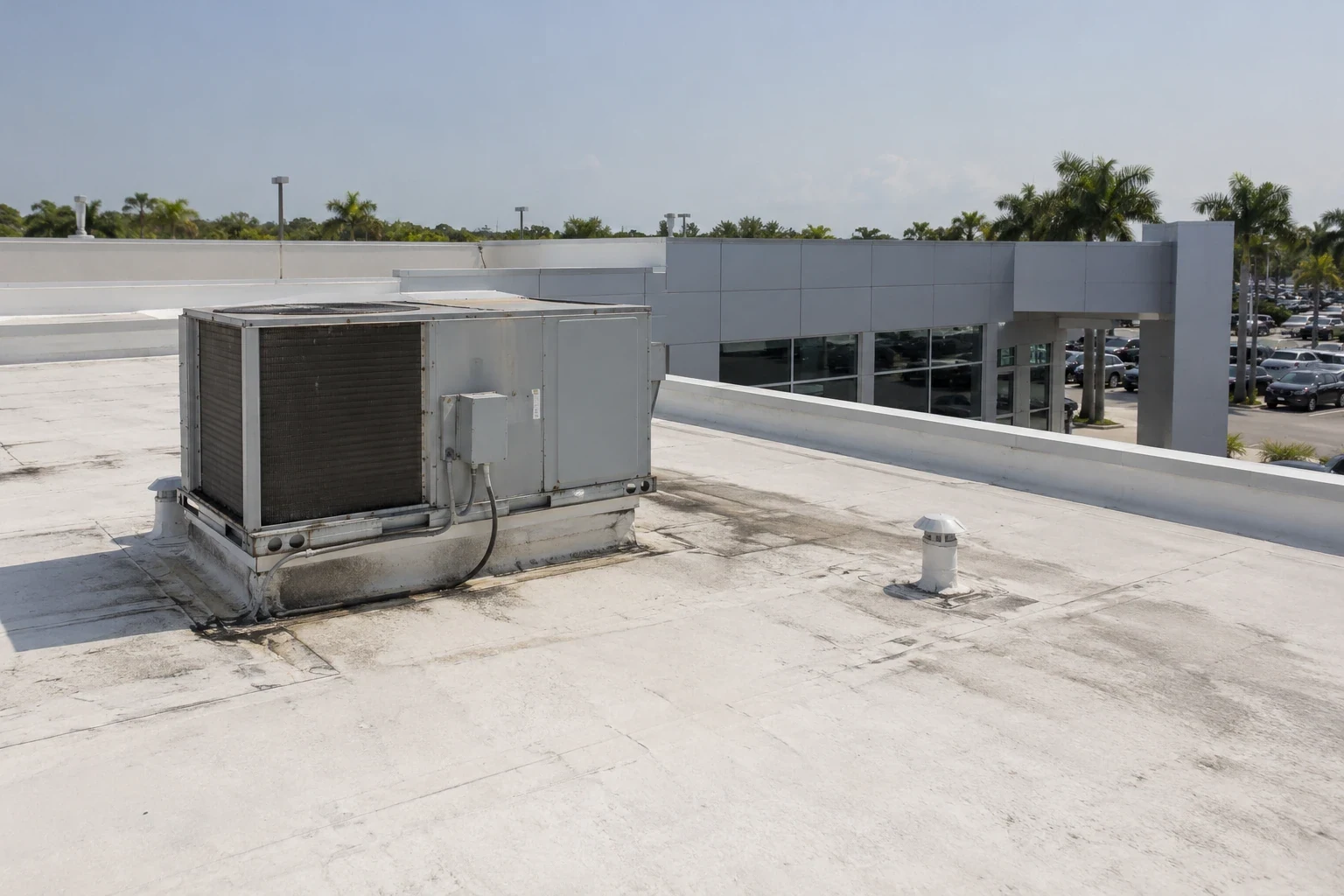
Warehouse repair planning starts with the activity below the work area. Identify receiving windows, forklift paths, high-value inventory, loading docks, and any rack locations that cannot be moved. The owner can select an interior protection zone before work starts. Mark which roof areas require notice, a temporary shutdown, or escorted access.
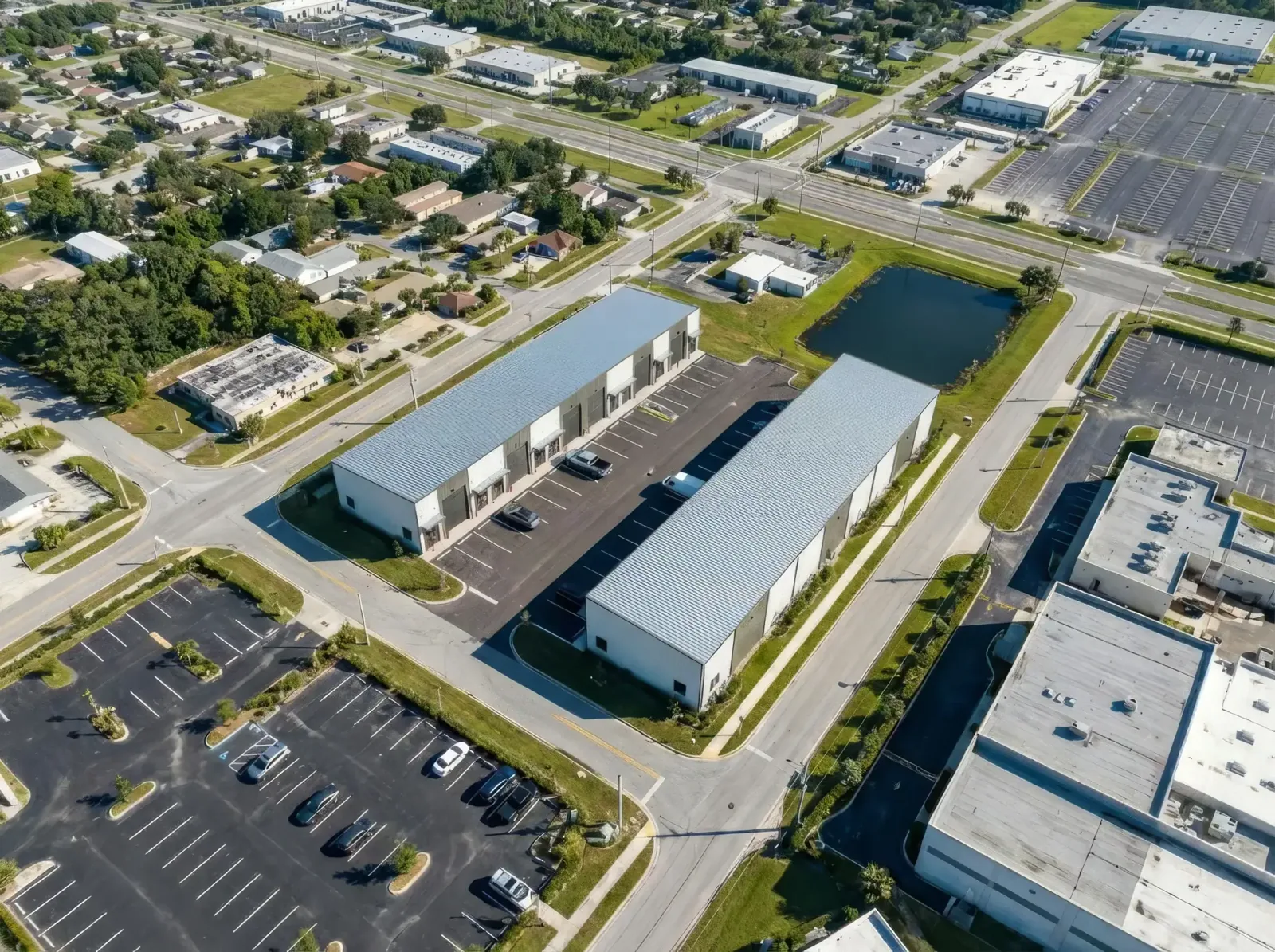
Port Malabar Industrial Park listings include new suites on Franklin Drive NE, with unit options from about 1,750 to 7,000 square feet. The range points to a mix of industrial spaces, not one standard warehouse configuration. A multi-tenant property may need separate roof maps, contacts, and work windows for each suite. Confirm those details before mobilization.
If a leak is active, temporary protection receives its own record and return plan. Permanent repair begins after the surface and weather allow the specified work. Emergency response can address immediate exposure while the final repair boundary is documented. Keep the affected aisle, equipment, or stored product tied to the event date.
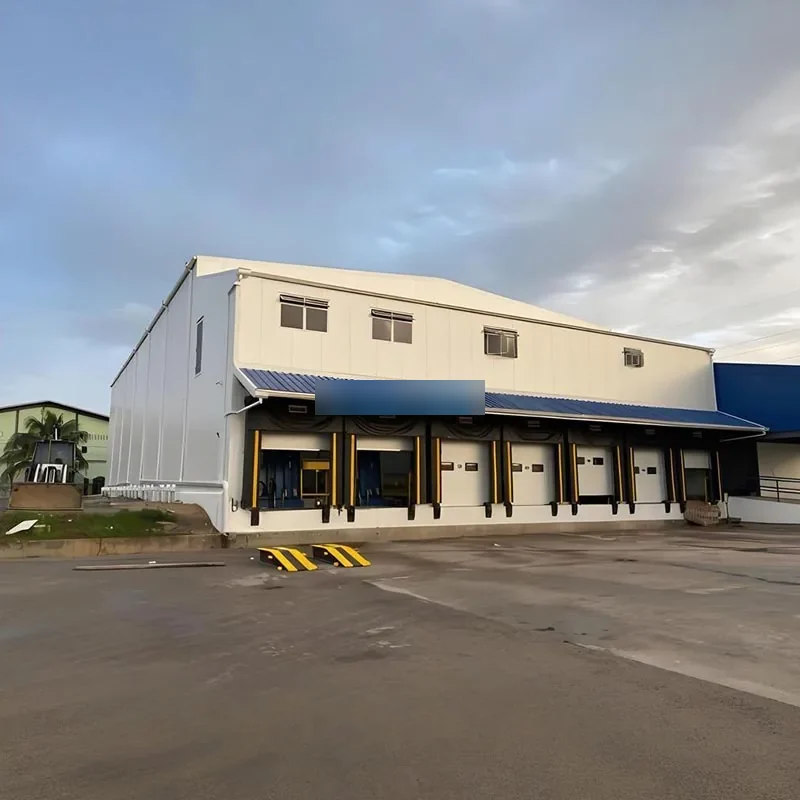
One puncture may need a local patch. A roof with recurring seam openings, wet insulation, damaged deck, or multiple prior overlays may need a broader scope. We compare repair history, assembly condition, drainage, access, and remaining project constraints before recommending the next step. A replacement assessment can define the areas that need full removal and the areas that remain serviceable.
A recover option requires review of existing layers, attachment, drainage height, structure, and code requirements. Do not cover concealed damage without an approved investigation. The proposal names preparation, materials, transition details, temporary protection, access restrictions, and exclusions. If conditions change after exposure, the owner reviews the added work before it proceeds.
Cost and timing depend on roof area, material, tear-off, occupied operations, equipment protection, and weather. A clear scope separates those drivers instead of promising a fixed outcome before the roof is opened. A condition report can preserve photos and open items by zone for budgeting.
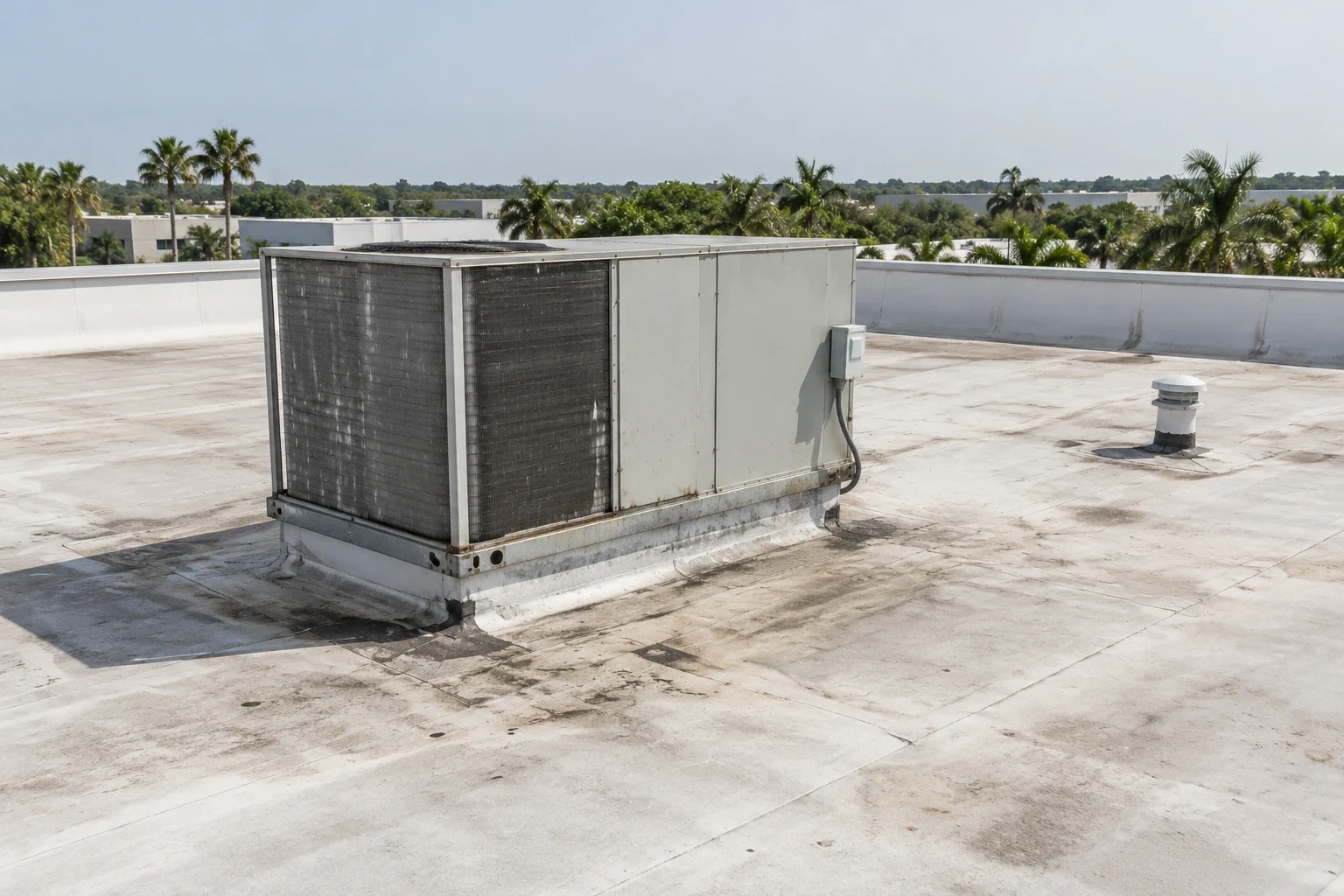
Closeout photographs should show representative repairs, seams, penetrations, drains, edges, and any test location. Record the material installed, work boundary, date, access limit, and areas not included. Tie each image to a roof zone and the matching interior report where one exists.
In Palm Bay, delivery and service routes may use Interstate 95 and nearby industrial streets. Palm Bay Flex Business Park advertises modular bays beside the L3Harris campus and access to the highway. That local context makes route coordination relevant for some operators, while each warehouse's own access plan controls staging. A Palm Bay Flex Business Park service area provides local context, not a claim about a building's roof.
Set a follow-up inspection for repaired areas and any location that could not be tested. A maintenance visit can log openings after equipment service, clear drains, and record traffic cuts for the next inspection. Keep temporary protection and permanent repairs in separate closeout entries.
Learn more →
Learn more →
Learn more →
Learn more →
Learn more →
Learn more →
Learn more →
Learn more →