
A roof leak near a conveyor or loading door can disrupt more than one shift. We map the reported area, inspect the roof zones above it, and mark any test location needed before setting a permanent repair limit. Palm Bay's industrial and airport-related activity supports varied commercial operations. The roof plan must match the actual facility layout and dispatch schedule.
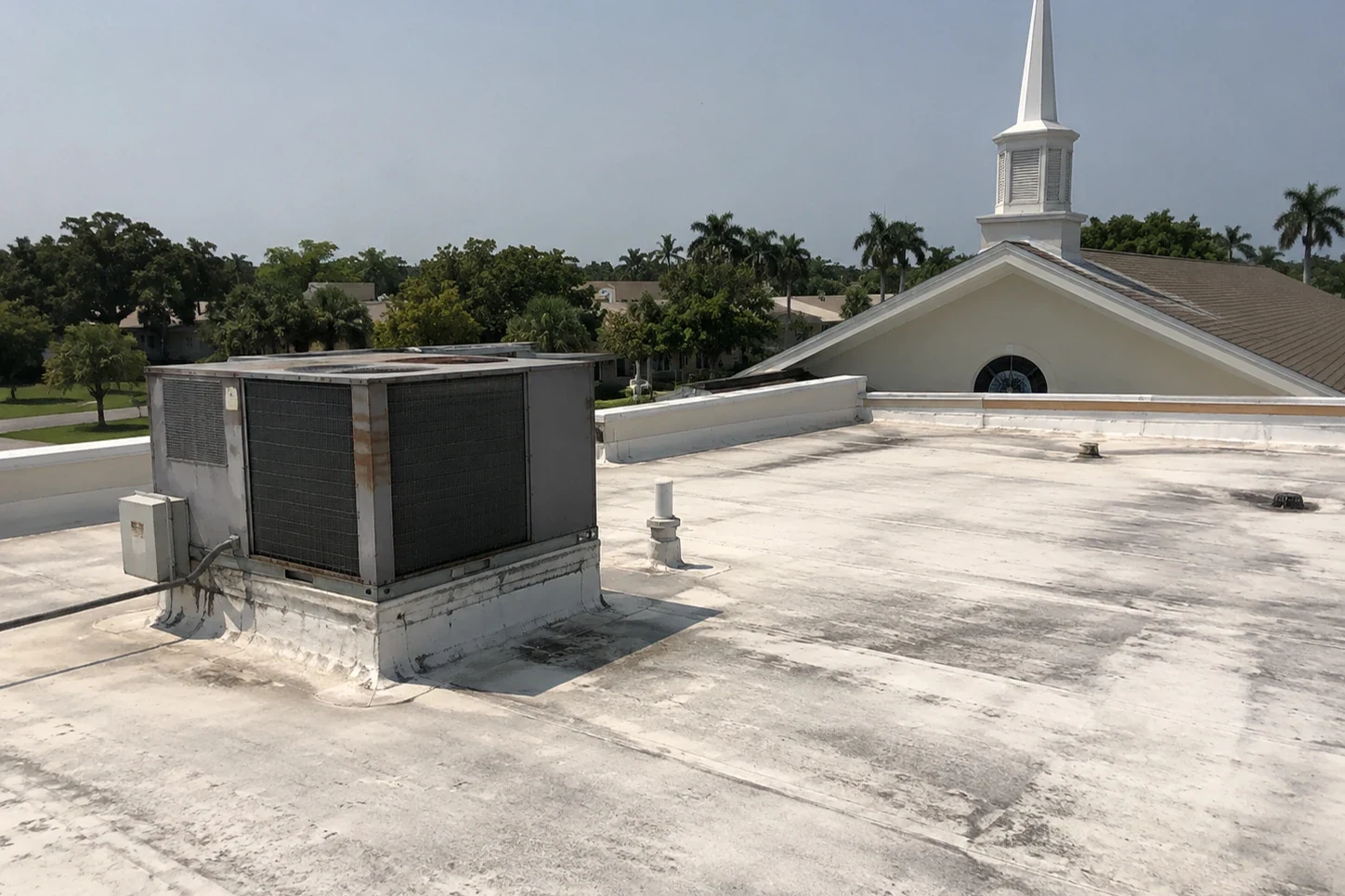
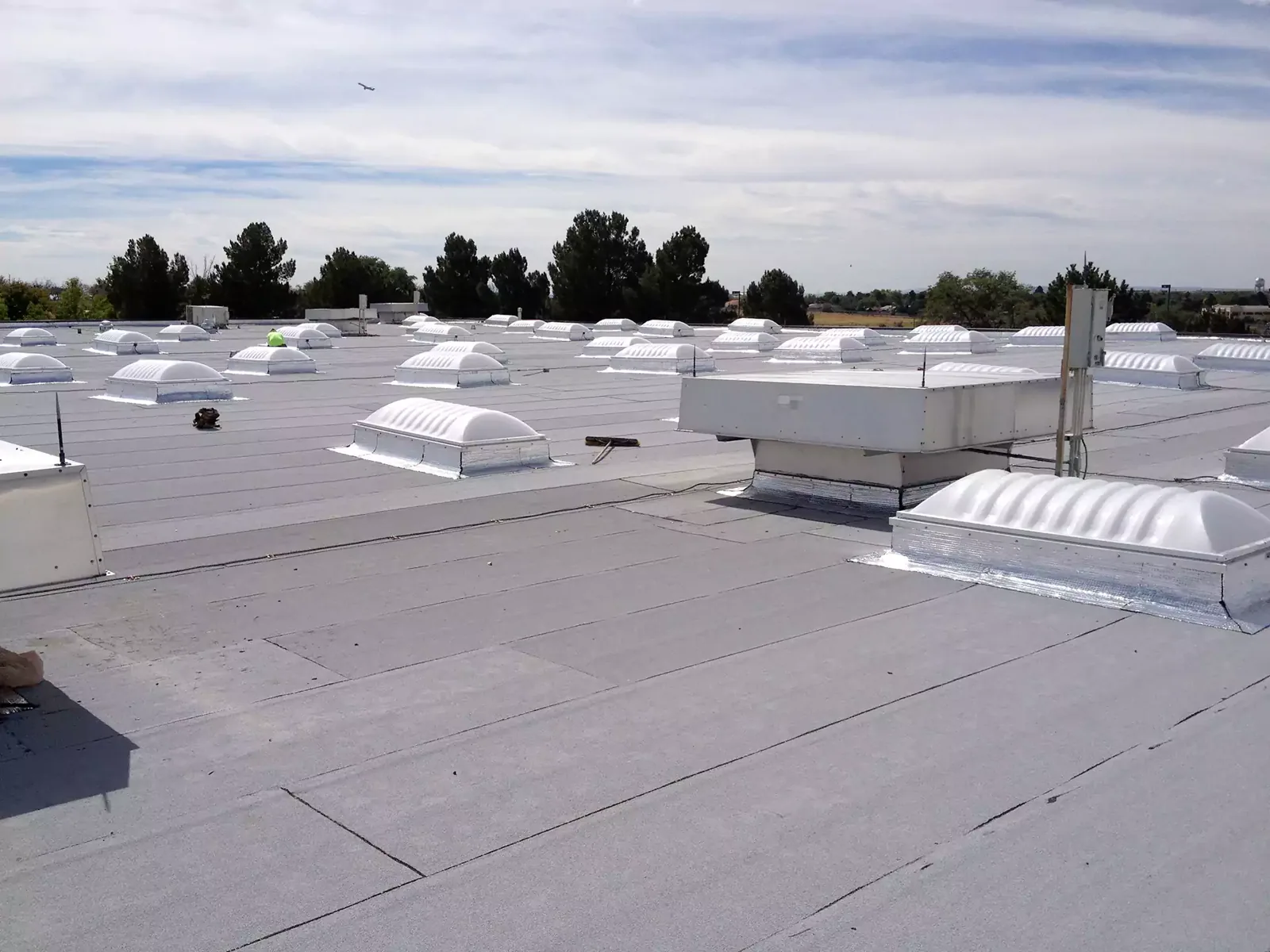
Distribution centers often have long membrane or metal fields, many penetrations, exhaust equipment, and multiple drainage points. We label roof sections so each photo, repair, and interior report has a location. A commercial roof inspection records visible conditions, roof access limits, and areas that need a closer look. A reported ceiling stain begins the investigation but does not identify the entry point on its own.
Compare the roof plan with dock doors, staging lanes, pick modules, offices, and high-value inventory. A leak near a sorter can affect access or controls even when the visible ceiling mark is small. Confirm interior protection zones and lift routes with the facility contact. If equipment or stored product blocks an inspection, record that limit and identify what could not be confirmed.
Palm Bay's Port Malabar market includes industrial properties alongside retail, office, and flex uses. That mix does not establish a particular building's tenant or roof. Confirm each facility's operations, hours, and assembly before scheduling work.
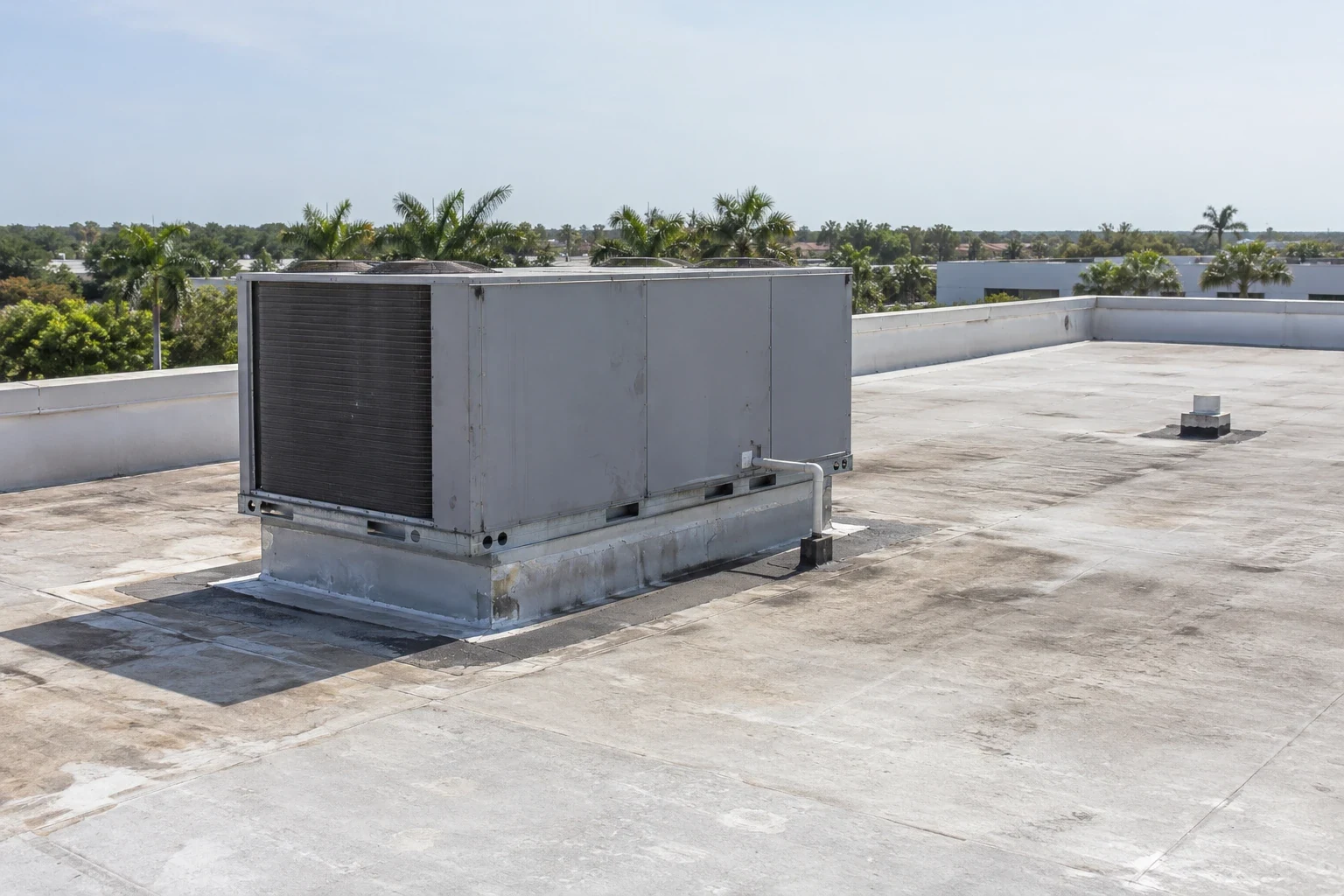
Water may travel along deck flutes, insulation joints, or framing before it reaches a ceiling. Photograph the reported interior condition and compare it with drains, seams, curbs, penetrations, and perimeter details above. A test opening, if authorized, confirms layers at one point. The report should keep that result separate from roof areas that remain concealed.
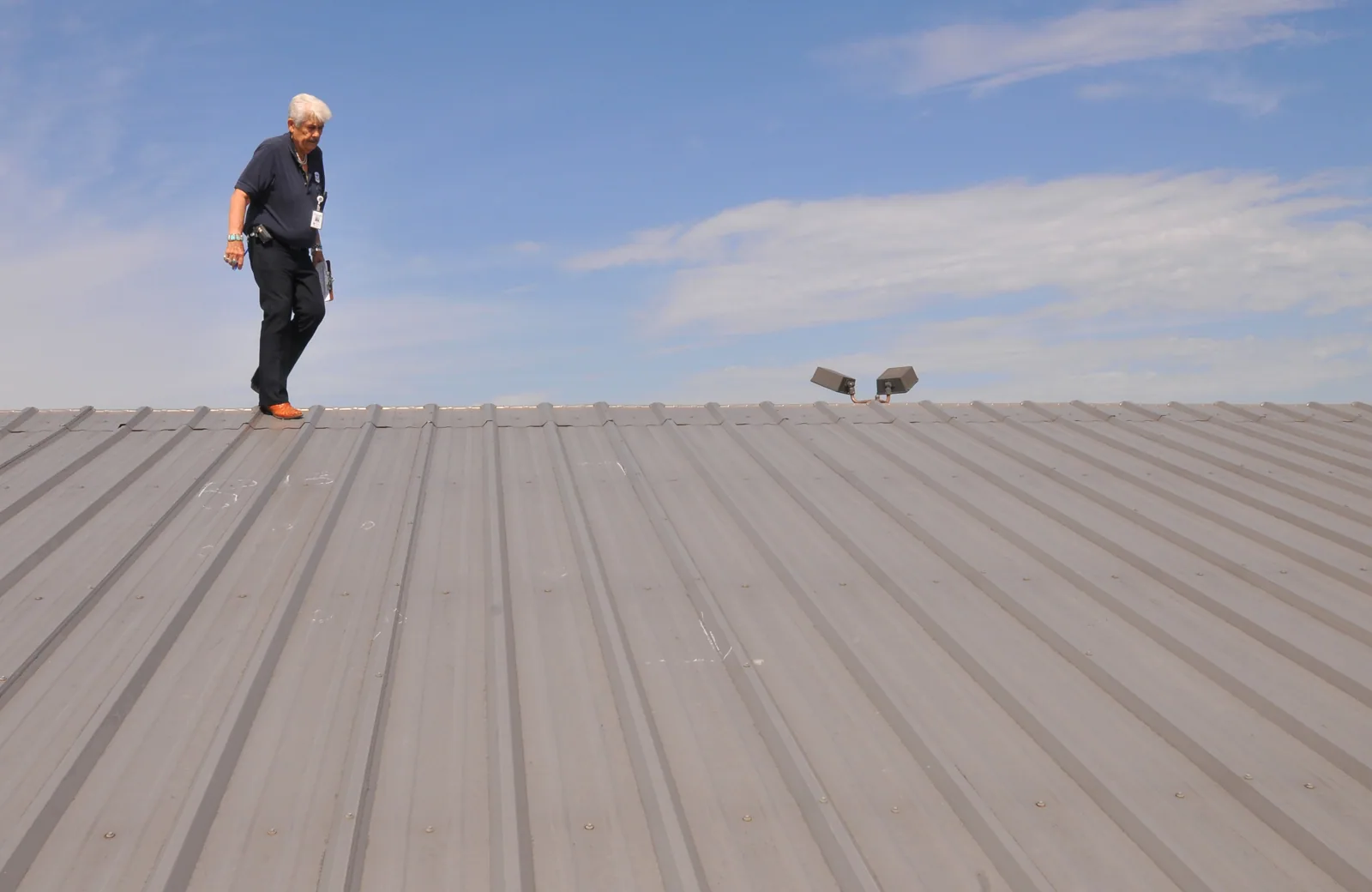
Repeated openings can come from service traffic, loose fasteners, seam separation, or an older patch that has lifted. We inspect the surrounding assembly, not only the visible cut. A seam failure repair can define a localized repair when the adjoining surface remains suitable. Broader movement, wet materials, or repeated failures may require an expanded investigation.
Industrial listings in Port Malabar include properties with varied sizes and uses. A listing does not establish a distribution building's operation or roof. We coordinate directly with the facility's dispatch lead and confirm the work window before mobilization.
Check each drain, scupper, overflow path, and low point. Debris can restrict an outlet, while a recurring pond can point to a slope or deck issue. A drainage review records the visible flow path and separates a cleaning item from a design question. Keep overflow outlets open during repair and do not coat or patch over a restricted drain.
Nearby Melbourne climate normals record more than 55 inches of annual precipitation. During Hurricane Irma, named Palm Bay reporting points received heavy rainfall. Those facts describe regional climate and a specific storm, not the leak history of a distribution center. We use them for planning and then document actual roof conditions at the property.
Heat and rain can narrow a work window. Check the surface and forecast before opening material. If rain arrives before a detail is secure, record temporary protection and the return plan separately. A TPO system and a cold storage roof have distinct seams and flashing requirements. The installed membrane determines compatible repair steps.
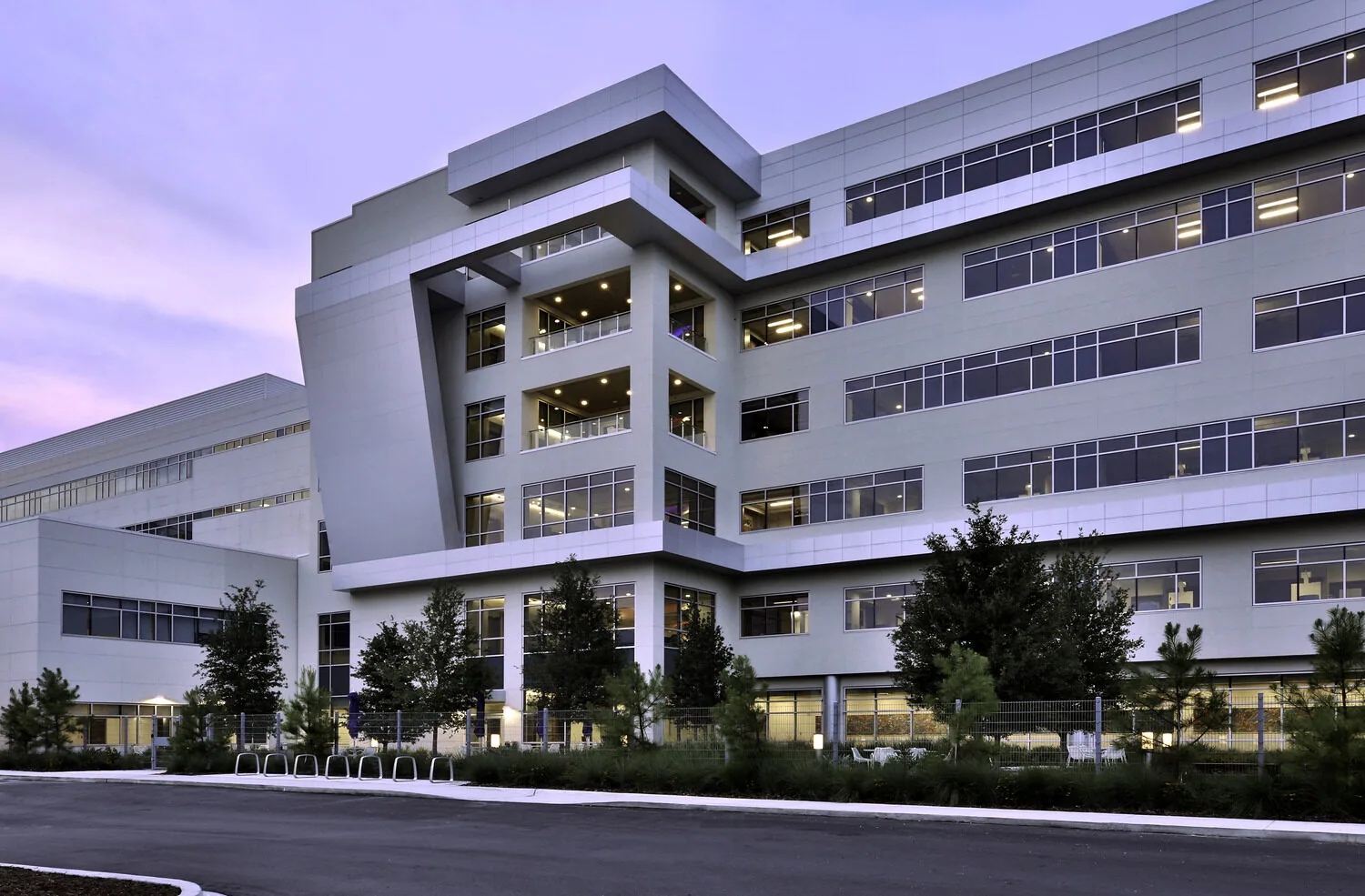
List active docks, truck circulation, receiving periods, conveyors, refrigeration equipment, and any access control requirement. Mark the roof zone that can be closed without blocking outbound flow. The owner confirms which interior aisles need protection and whether equipment can be paused. A small repair footprint can still affect operations if it lies over a critical route.
For a multi-tenant warehouse, establish a roof contact and interior contact for every affected suite. Confirm delivery staging, crane or lift position, gate access, and debris handling. If the building stays active, sequence the roof zones and keep an open path around work. A warehouse roof inspection uses a similar map for storage and dock coordination, while each distribution operation needs its own traffic plan.
Temporary protection limits immediate exposure, but it remains distinct from permanent repair. Record the material, date, protected zone, and return condition. An emergency measure should not be listed as a completed replacement or permanent seam repair. The closeout identifies what remains open and who will confirm the next access window.
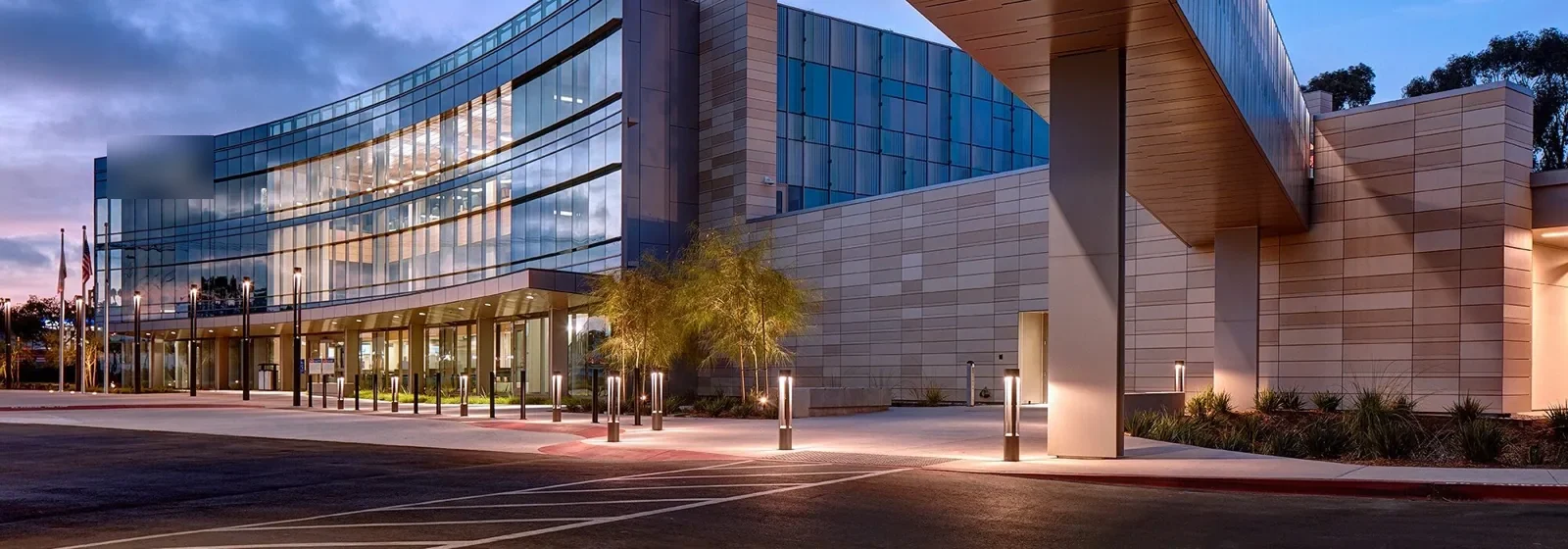
A local leak may need a patch, flashing repair, or drain correction. Multiple wet areas, loose attachment, damaged deck, or repeated seam separation can change the scope. We compare test results, repair history, assembly layers, drainage, and access before recommending recover or replacement. A replacement assessment can identify which zones require removal and which remain serviceable.
Define preparation, materials, flashing details, work hours, interior protection, access restrictions, and exclusions in the proposal. State how hidden damage will be reviewed before extra work proceeds. If the facility needs a phased project, show the zones, sequencing, and temporary protection points. A roof asset record can keep open repairs and condition updates tied to each building.
Cost and duration depend on the membrane, repair extent, tear-off, equipment, weather, and operating constraints. The scope should say which are confirmed and which remain conditional. Do not promise an uninterrupted shift until staging and work boundaries are agreed with the operator.
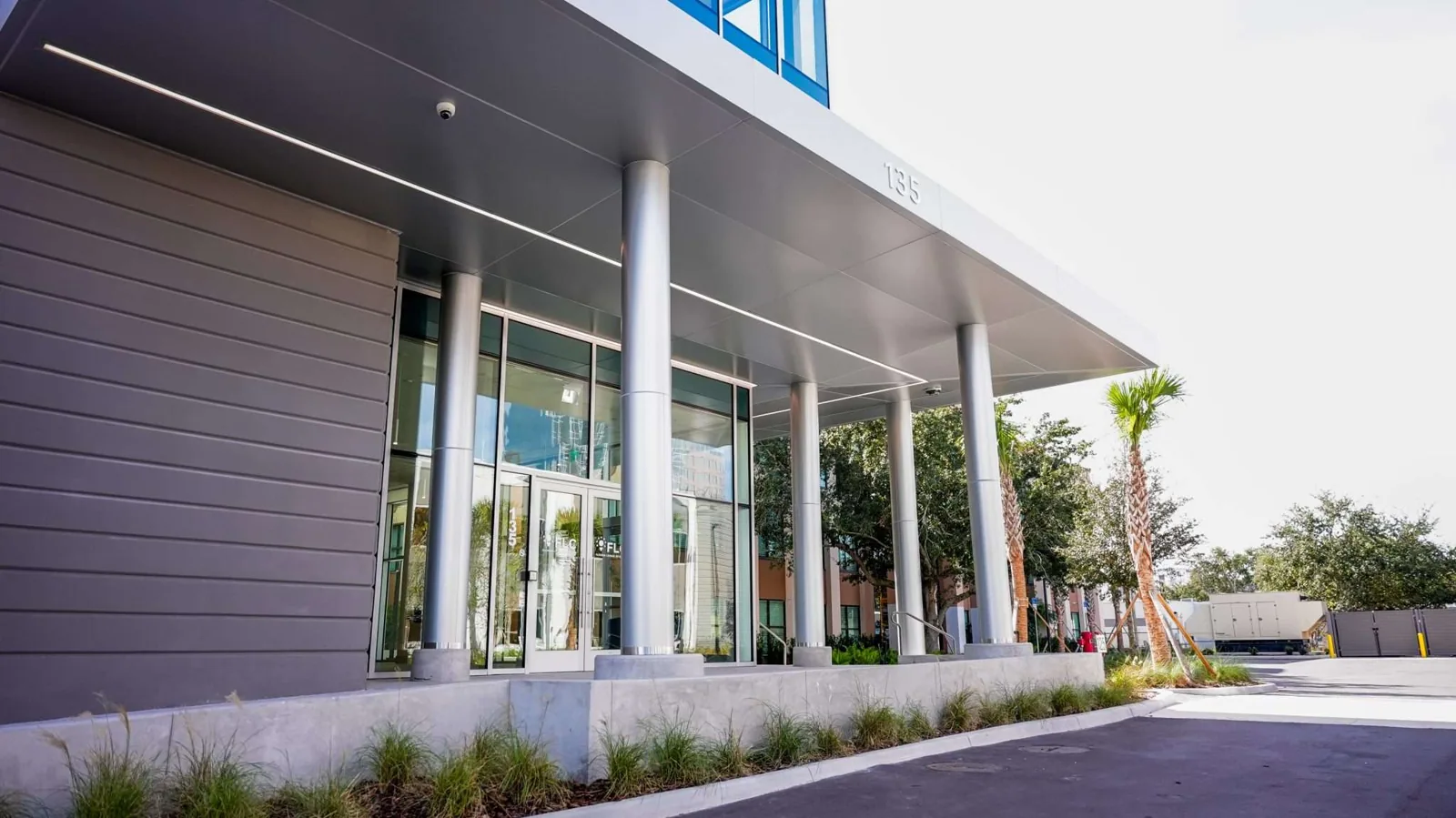
Closeout includes dated photos, roof-zone labels, repaired seam or flashing details, drain condition, materials, test results, access limits, and unresolved items. Match each interior report to the roof observation without assuming a direct line between them. Record the repair boundary and identify locations that were blocked or untested.
Palm Bay Industrial Center is an industrial property in the local market. Its address provides a nearby service-area reference, while the distribution center contact sets the actual gate, dock, and roof rules. The closeout records those project limits.
Schedule a follow-up for any test opening, temporary cover, or seam repair that needs observation. Follow-up maintenance can track new penetrations, drain debris, and traffic damage before the next reported event. Keep permanent work and temporary protection in separate entries.
Learn more →
Learn more →
Learn more →
Learn more →
Learn more →
Learn more →
Learn more →
Learn more →