A moisture alarm or ceiling mark near a server room calls for a controlled roof inspection. We record the event time, affected zone, and equipment constraints before accessing the roof. Palm Bay supports technology and manufacturing activity, but a property's facility type and roof assembly must be confirmed on site. Work planning starts with the operator's security and uptime rules.
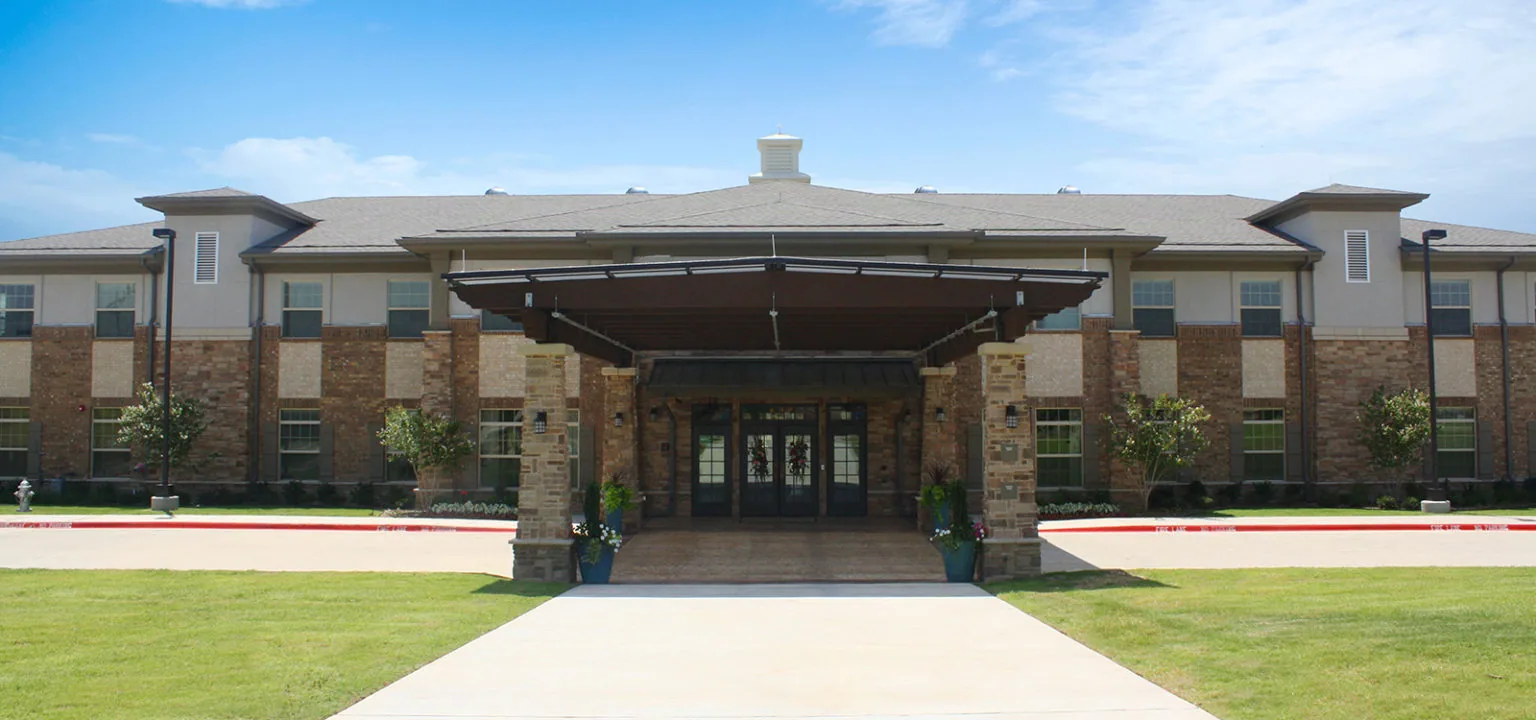
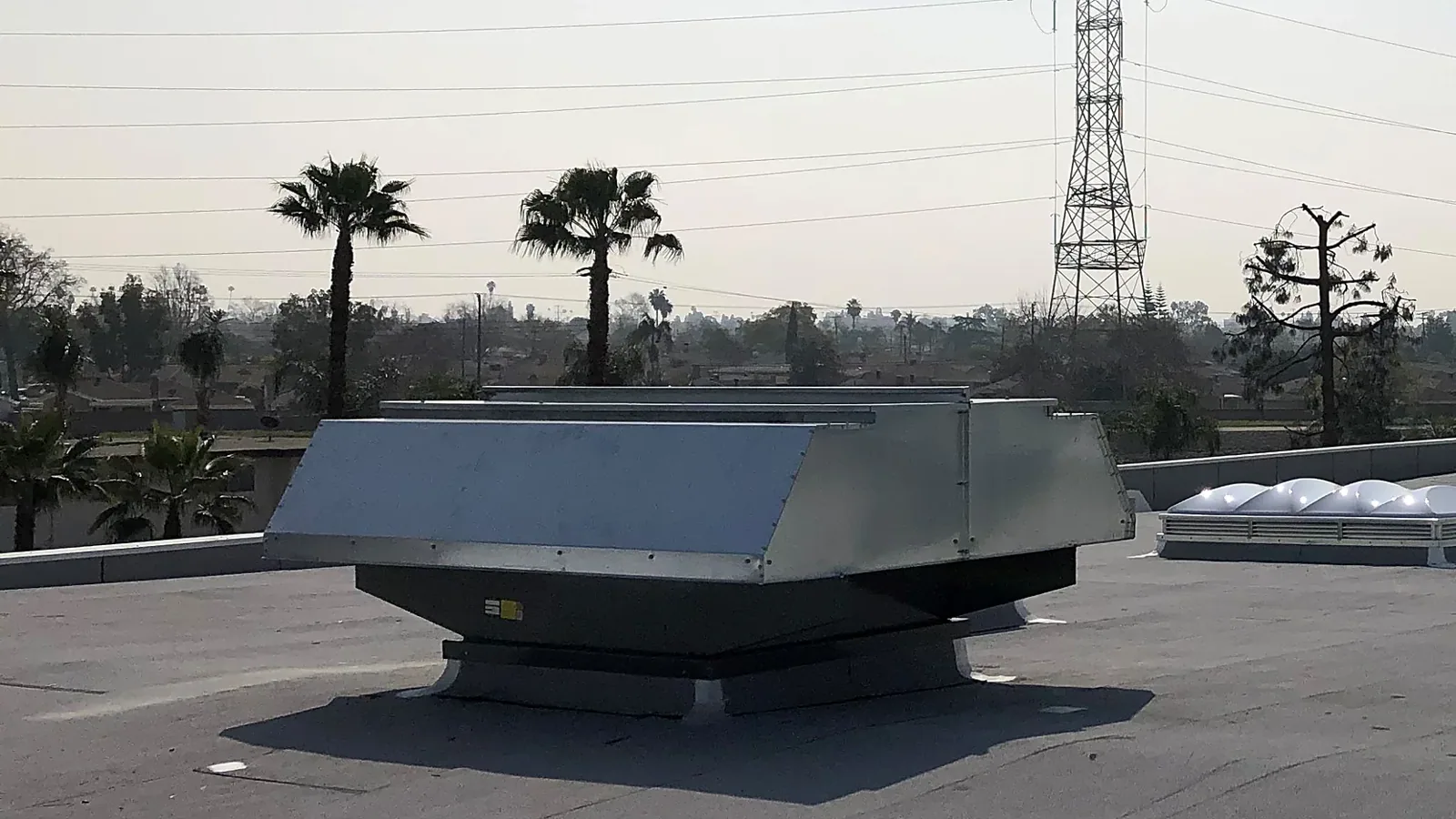
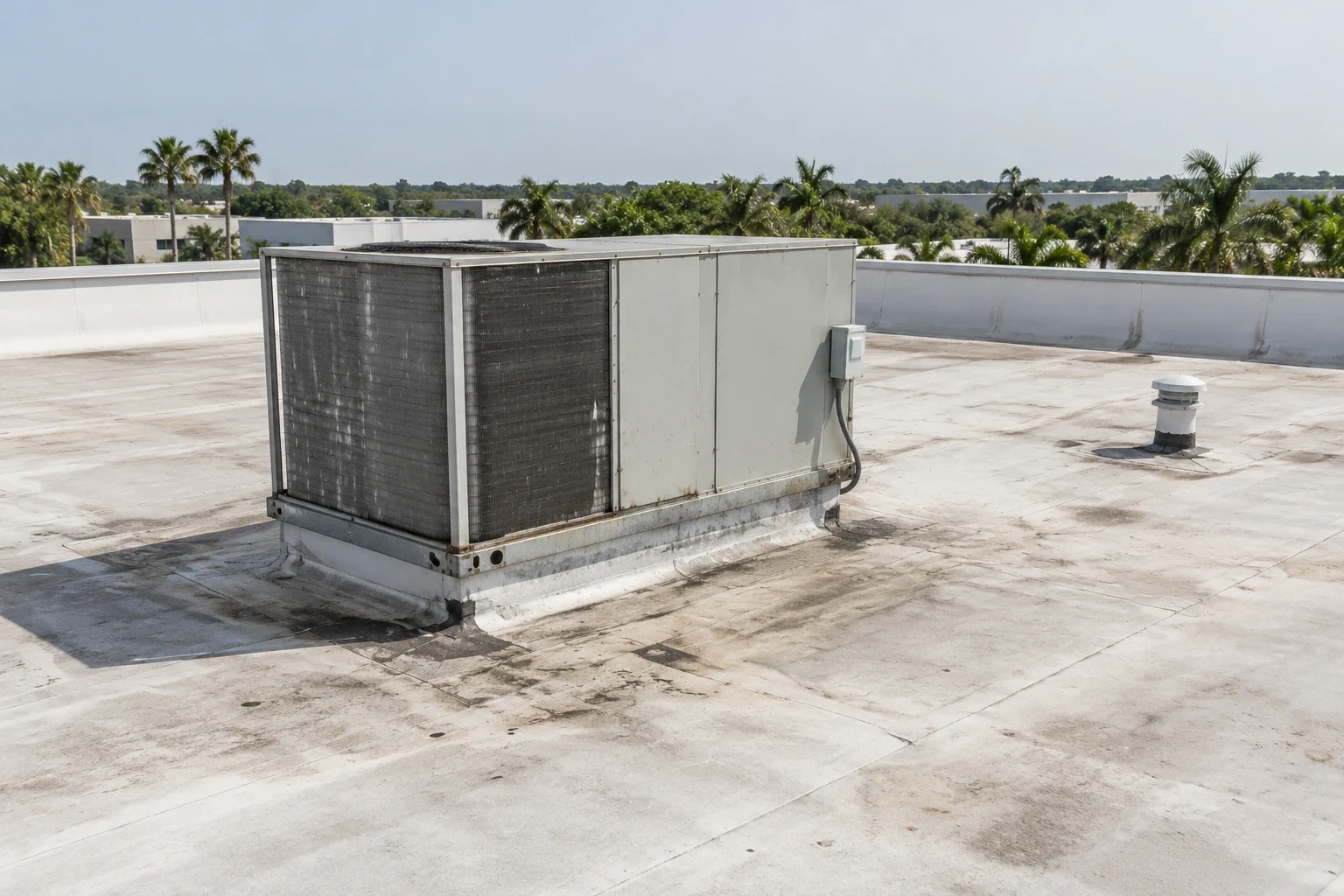
Data center roofs may carry chillers, condensers, intake and exhaust equipment, electrical supports, cable routes, and service walkways. Map each curb and penetration before tracing water. Inspect flashing, fasteners, seams, corrosion, sealant, and movement around supports. A curb and equipment support inspection can document attachment points and distinguish the unit from the roof detail around it.
Check how condensate piping, drains, and overflow routes are managed. A blocked outlet can wet the roof while a failed curb can admit rain at a separate location. Match roof photos with available plans and the operator's alarm record. A test opening requires approval and must be placed where the facility can protect equipment below.
L3Harris lists Palm Bay as a technology and manufacturing center with specialized microelectronics and maritime systems work. That local technology context makes controlled access and equipment coordination relevant to regional projects. It does not identify a particular data center. Confirm facility ownership, roof zones, and critical areas with the operating team before inspection.
Agree on badging, escort, photography, device restrictions, roof hatch access, and approved work hours before mobilization. Identify where a lift can stage and whether the roof route crosses secure equipment areas. Keep inspection personnel with the authorized escort if required. The report notes areas that were inaccessible so no one treats an uninspected zone as cleared.
Data halls, electrical rooms, battery spaces, and cooling equipment may have separate access controls. Facility staff identify which zones can be isolated and what notifications are needed. A leak above an access-controlled room may require a coordinated response before any test cut or interior protection. Record the exact approval and work boundary.
Florida Tech and the Melbourne Airport Authority established a research park collaboration with airport industrial land for research and technology development. This nearby initiative illustrates regional investment in technical facilities, not the presence or design of a specific data center. Each site's security plan and roof documentation govern the inspection.
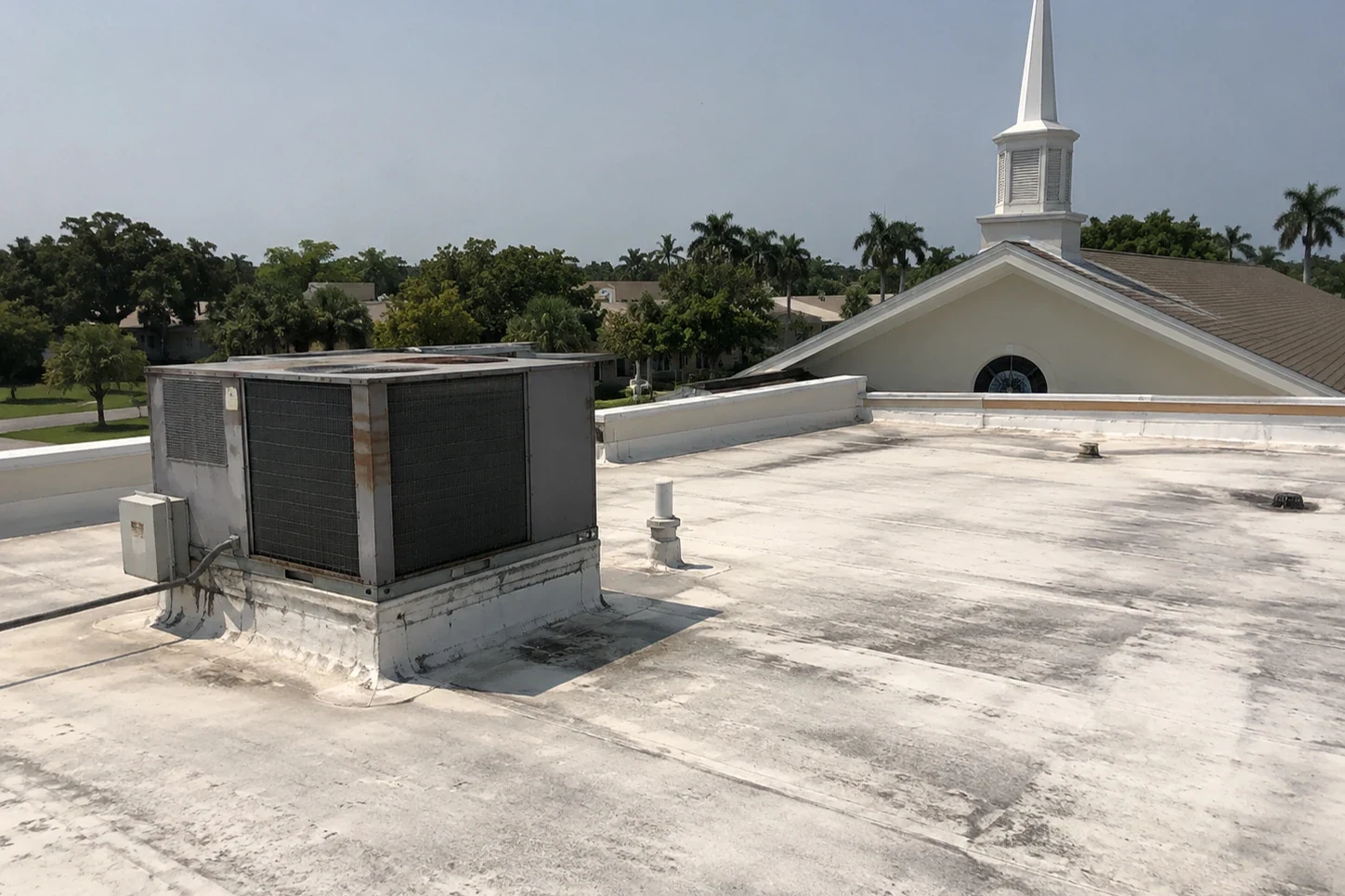
Cooling equipment can create condensate while a roof defect admits rain. Record when the water appeared, equipment status, weather, alarm location, and any change in cooling load. Inspect roof drains and the full curb perimeter before assigning a cause. A commercial roof inspection documents visible evidence and records the access limit.
Heat and humidity can complicate the picture. Nearby Melbourne climate normals show high summer temperatures and substantial rainfall, useful context for work planning. The readings do not prove condensation or rain entry at the property. Compare the event with interior sensors, equipment operation, and field observations. If conditions remain uncertain, request an approved test opening or targeted survey.
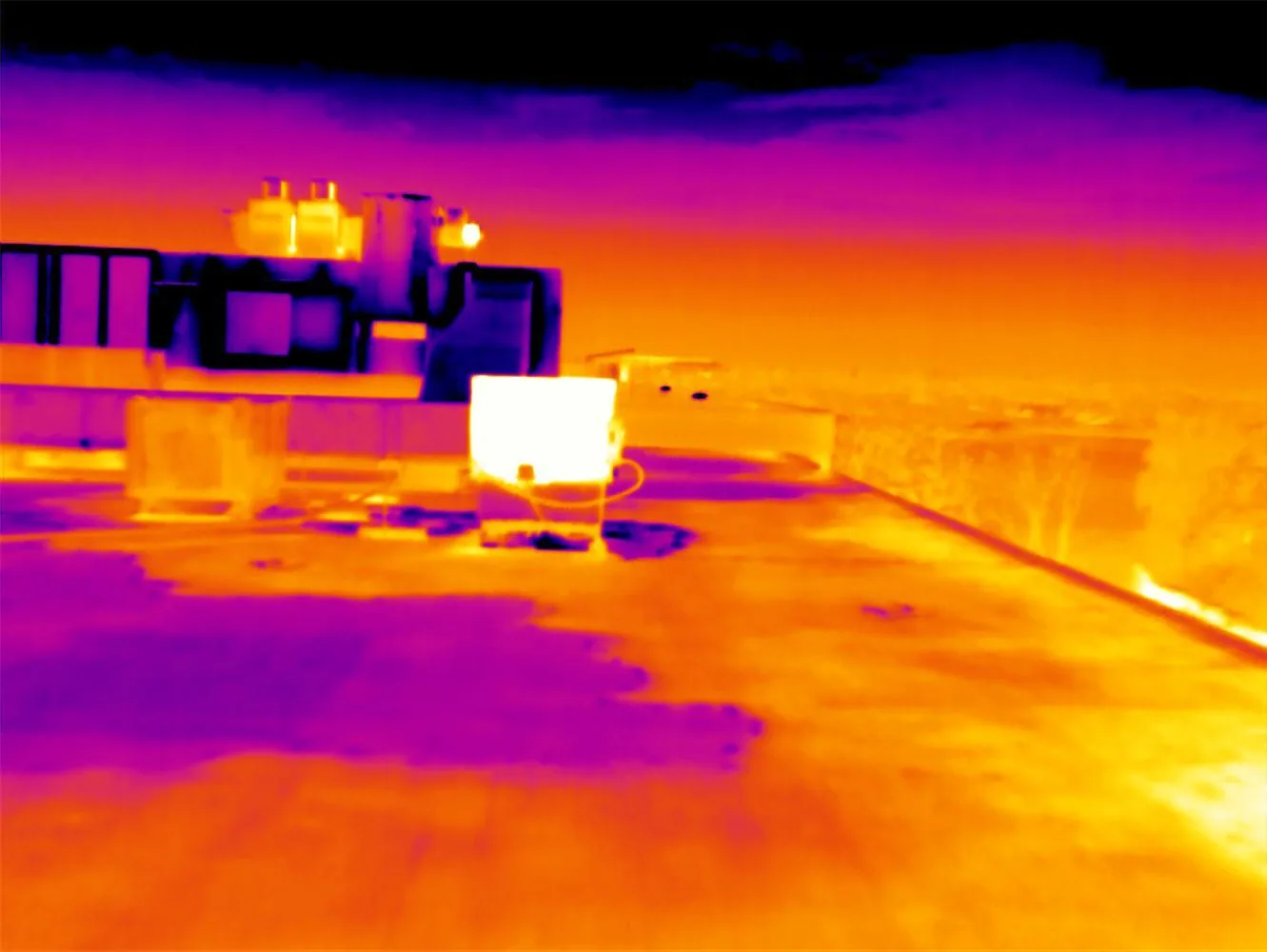
A moisture survey may help select a test area when roof construction and weather support the method. Infrared patterns are indications, not confirmation of wet insulation. State what was scanned, what could not be scanned, and how any result was validated. Do not report a dry roof outside the survey boundary.
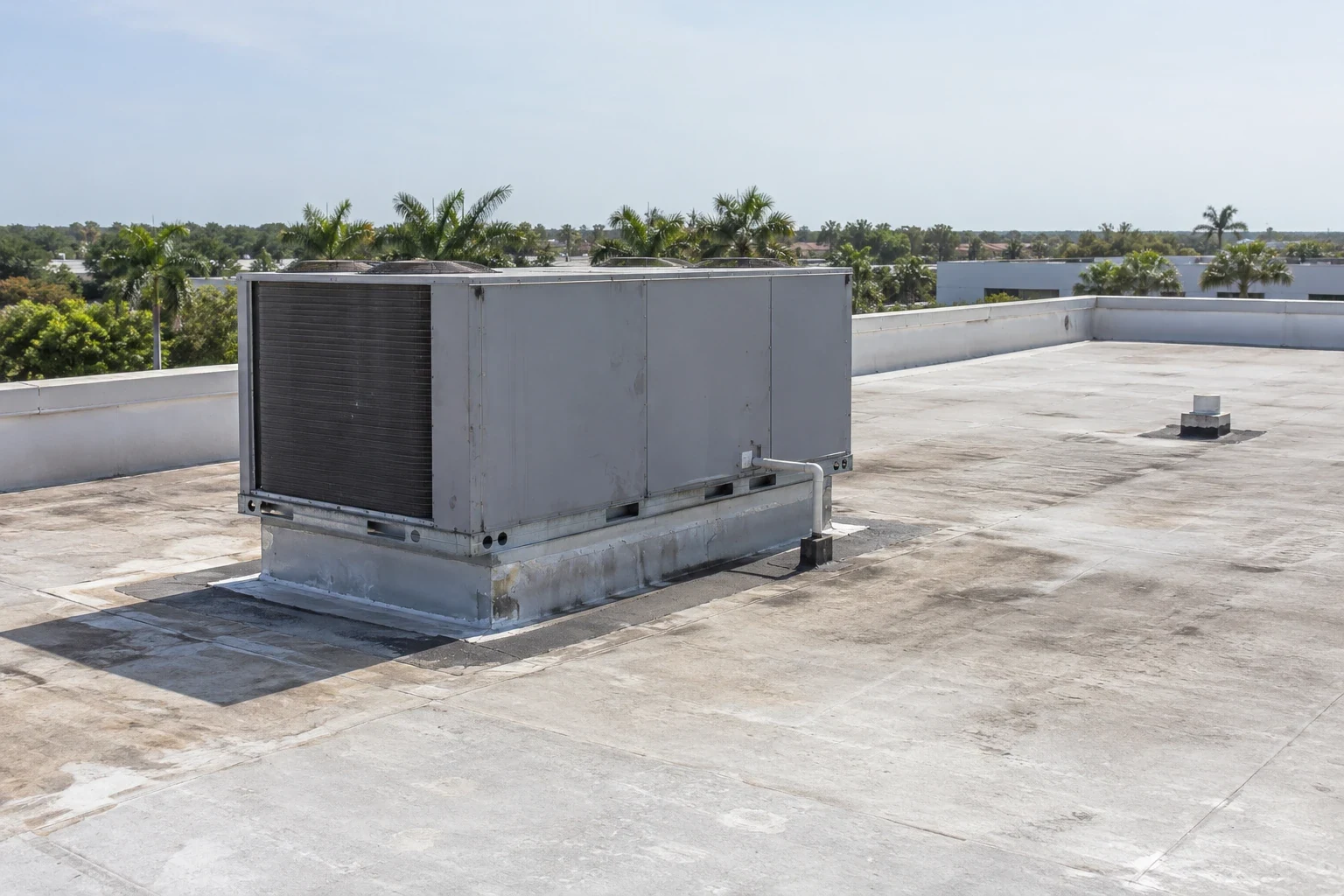
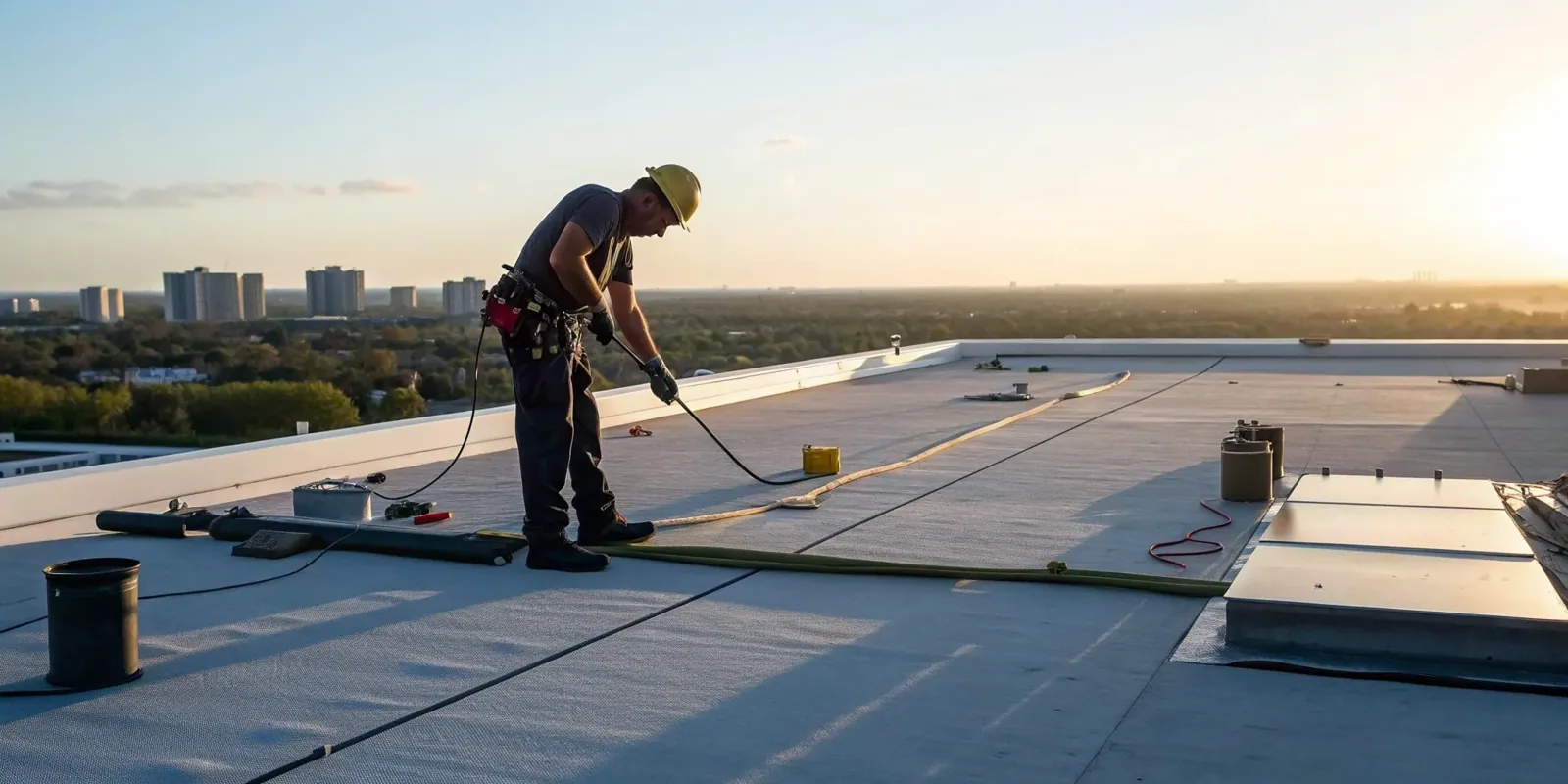
Before work, confirm whether cooling redundancy is available, which units can be isolated, and who approves roof access. Keep tools, debris, water, and temporary materials away from intakes and power routes. Define the roof zone and the stop point if weather changes. If a leak is active, temporary protection receives a separate entry and return plan.
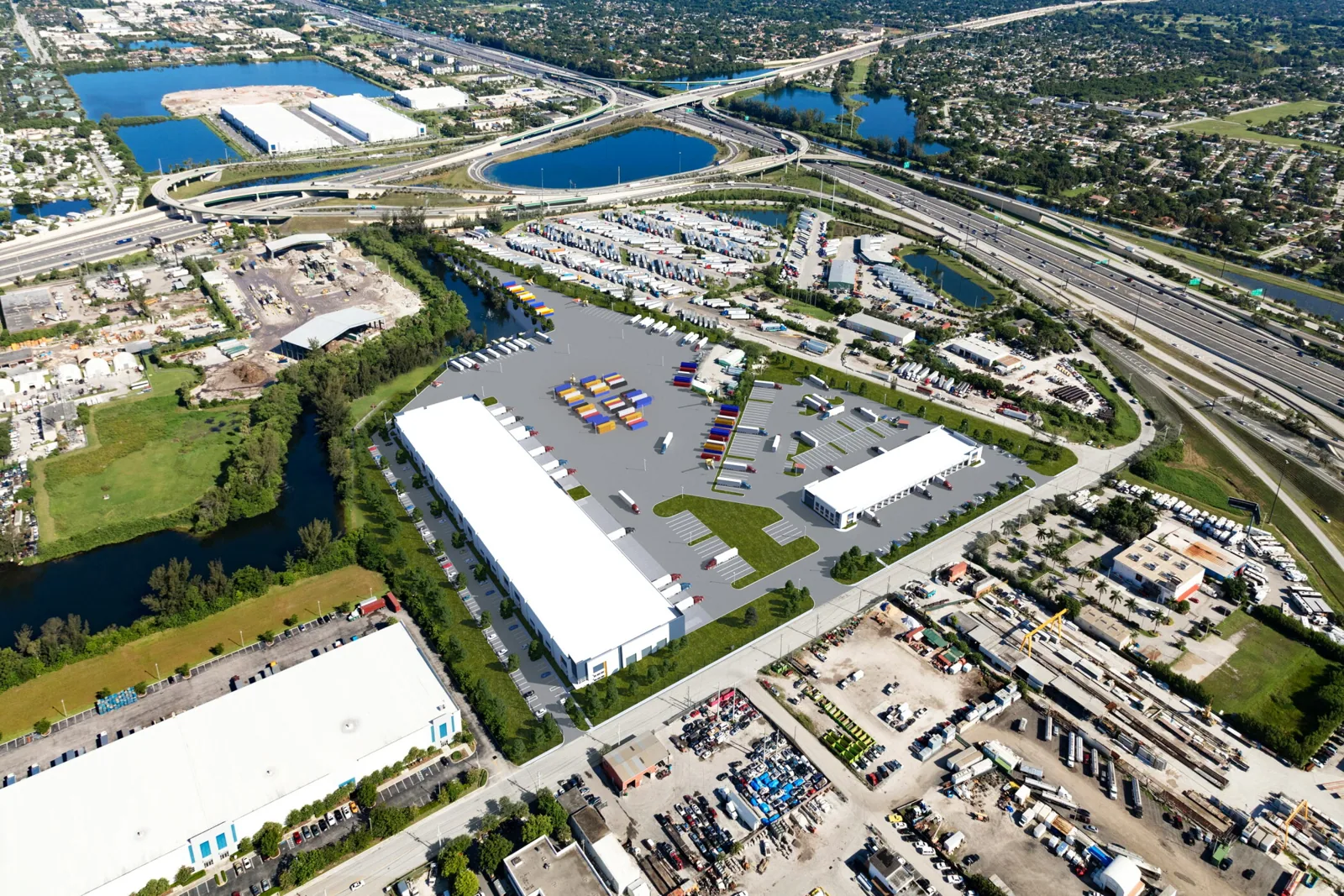
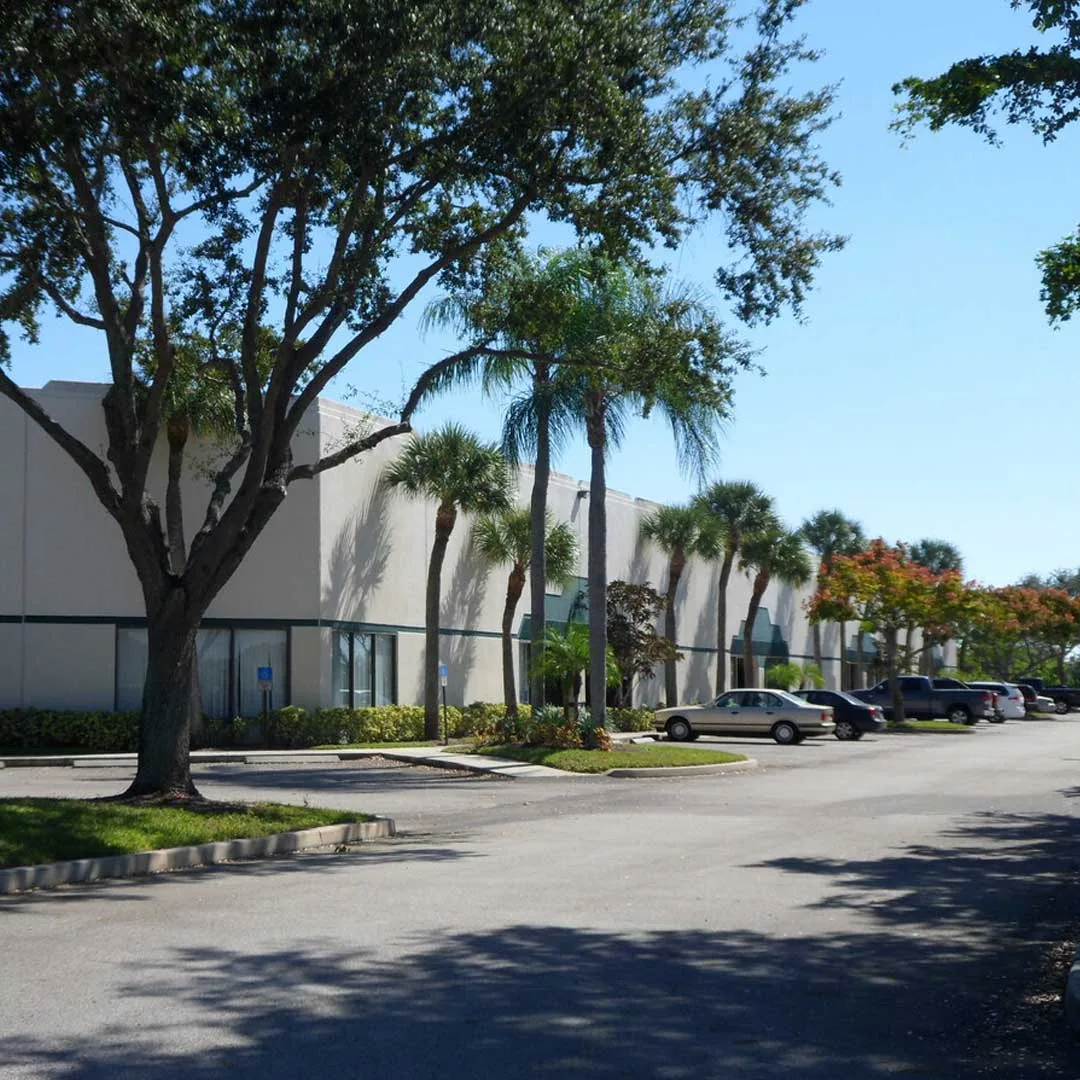
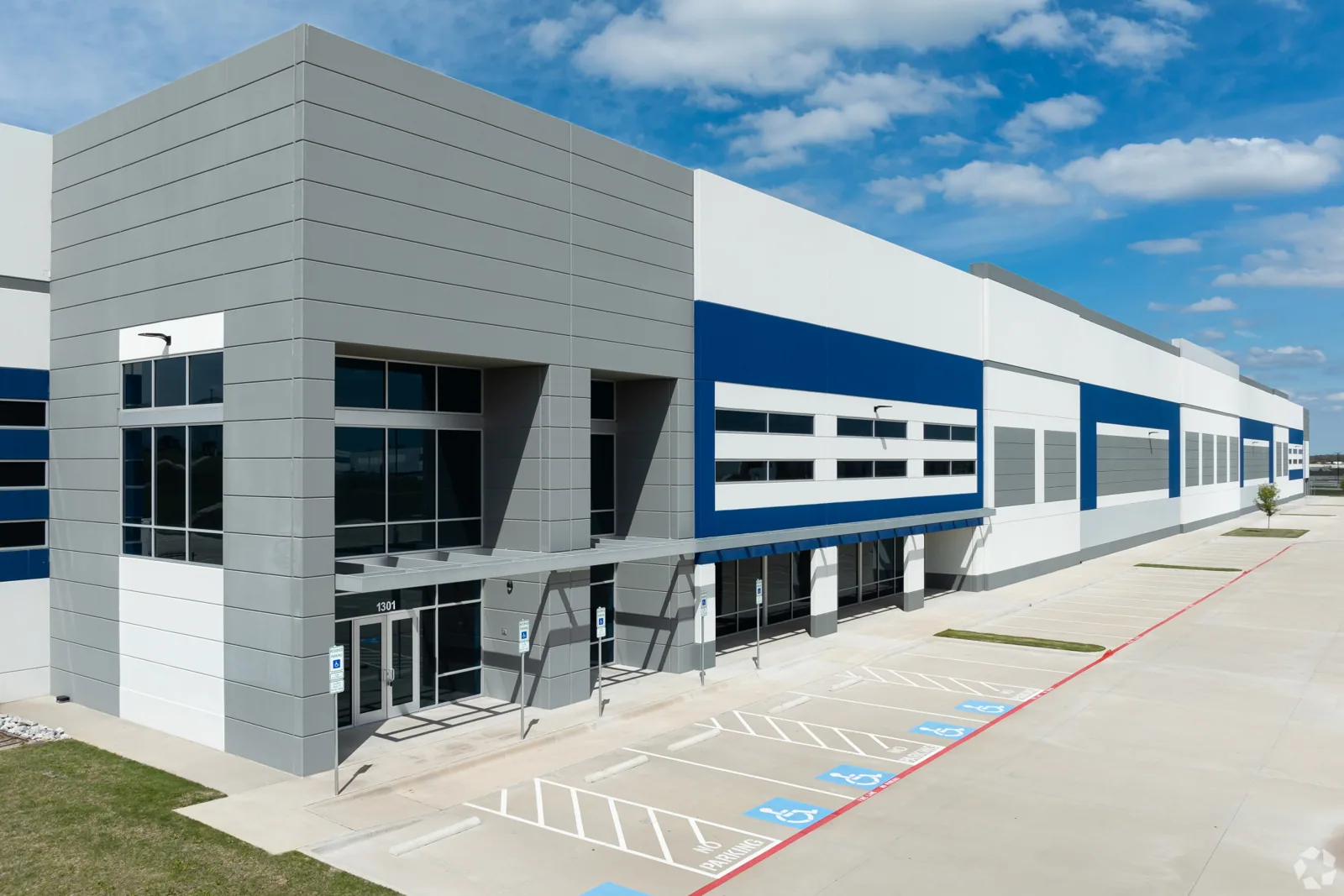
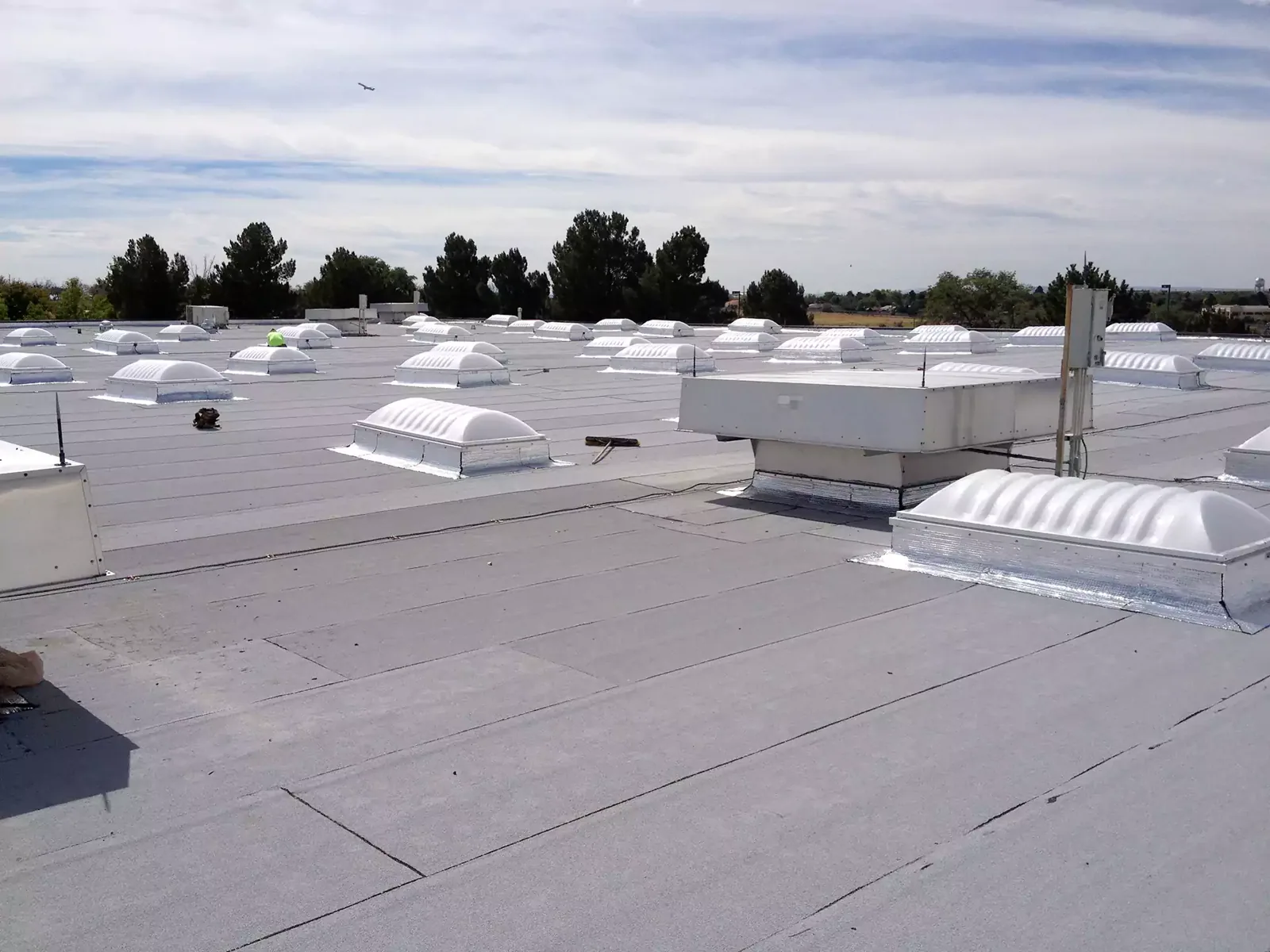
A manufacturing plant may require process shutdowns and a distribution building may need dock coordination. A manufacturing roof plan adds process controls; a distribution center roof plan aligns work with dispatch. A data center adds security and cooling constraints, so the facility's own operating lead sets the approved sequence.
Permanent work should follow diagnosis. A small flashing defect may need a local detail repair. Widespread wet insulation, loose attachment, or repeated failures can require broader removal. The proposal identifies products, protection, access controls, repair boundary, exclusions, and any condition that needs owner approval before scope expands.
Compare leak history, membrane or metal condition, curb transitions, drainage, prior patches, and any test results. One repaired opening does not establish the condition of other roof zones. A recover or replacement decision also needs review of structure, insulation, equipment clearances, access, and code requirements. The owner should see confirmed findings and remaining unknowns separately.
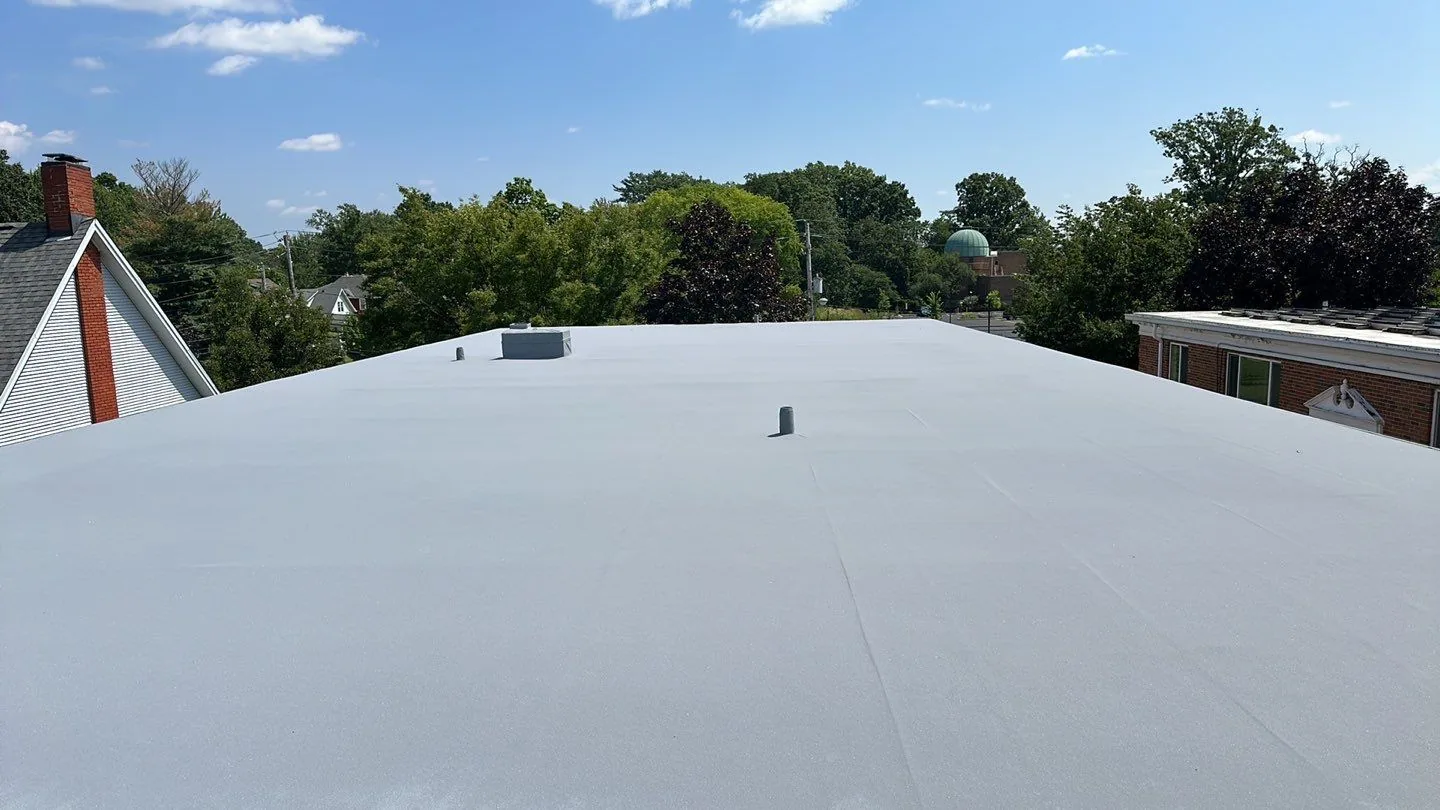
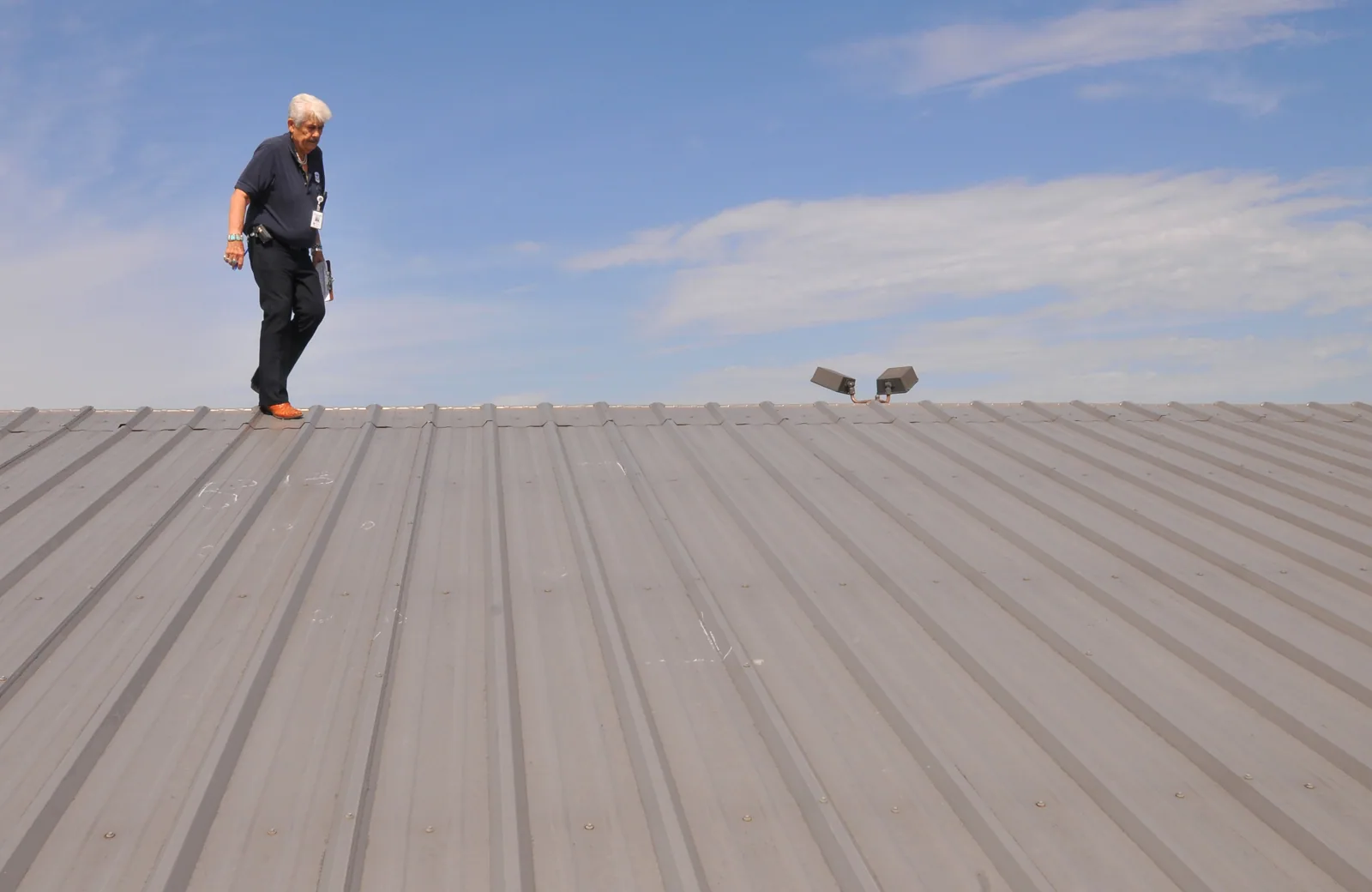
Roof systems are not interchangeable at cooling curbs and service routes. A TPO roof assembly and a metal system use different seams, attachment, and penetration details. The installed material determines compatible repair. If the existing roof is beyond a local repair, a replacement assessment can map removal limits and protect operating equipment.
Cost and schedule depend on access, material, repair extent, shutdown windows, equipment protection, and weather. State any assumptions about escorts, lift use, interior protection, or service redundancy. A roof asset record can keep repairs, inspections, and open conditions organized by building and roof zone.
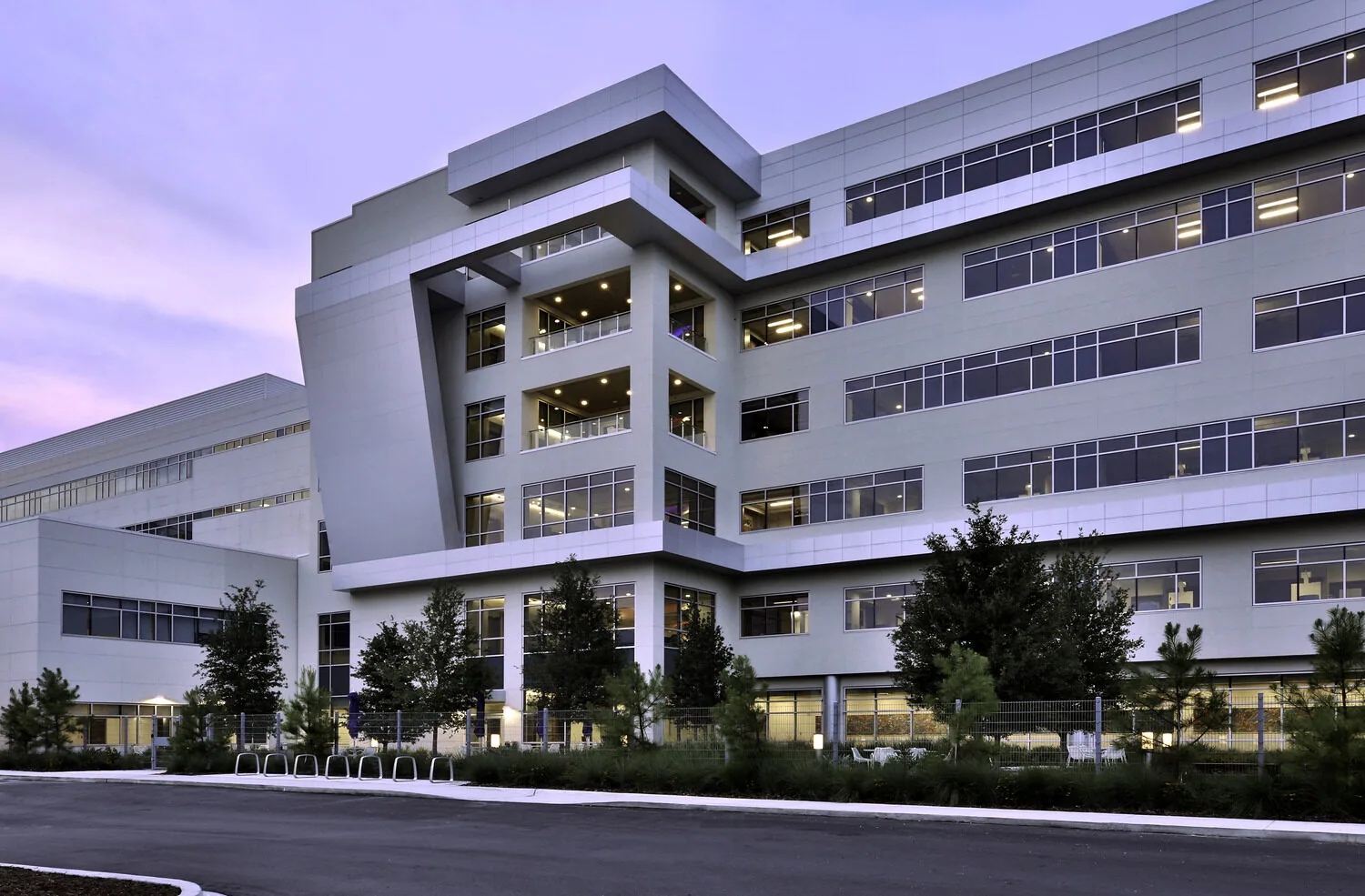
Provide dated field photos only as permitted by the facility. Tie each image to an approved roof zone and identify the detail repaired, material, work date, access limit, and open items. Note whether a test opening occurred and how it was restored. Keep security restrictions with the record so future inspections follow the same rules.
The Florida Tech Research Park near Melbourne Orlando International Airport provides a named technology location in the region. A Florida Tech Research Park service area supplies local context, not a statement that a particular building there is a data center. Confirm any site's function and access requirements directly with its contact.
Set a follow-up for test areas, temporary protection, and any roof section that could not be reached. A maintenance visit can check penetrations, drainage, and equipment changes. Keep the date and findings separate from the original event so the operating team can trace each condition.
Learn more →
Learn more →
Learn more →
Learn more →
Learn more →
Learn more →
Learn more →
Learn more →