
A split in the cap sheet may expose a lower ply, or it may mark a larger lap failure. We record the reported leak and inspect the roof layers, surfacing, and nearest transition before setting a repair boundary. Palm Bay brings heat and seasonal rain. Nearby Melbourne averages 55.28 inches of annual precipitation; the roof inspection records actual conditions at the property. The proposal identifies the observed section and any concealed layer that remains untested.
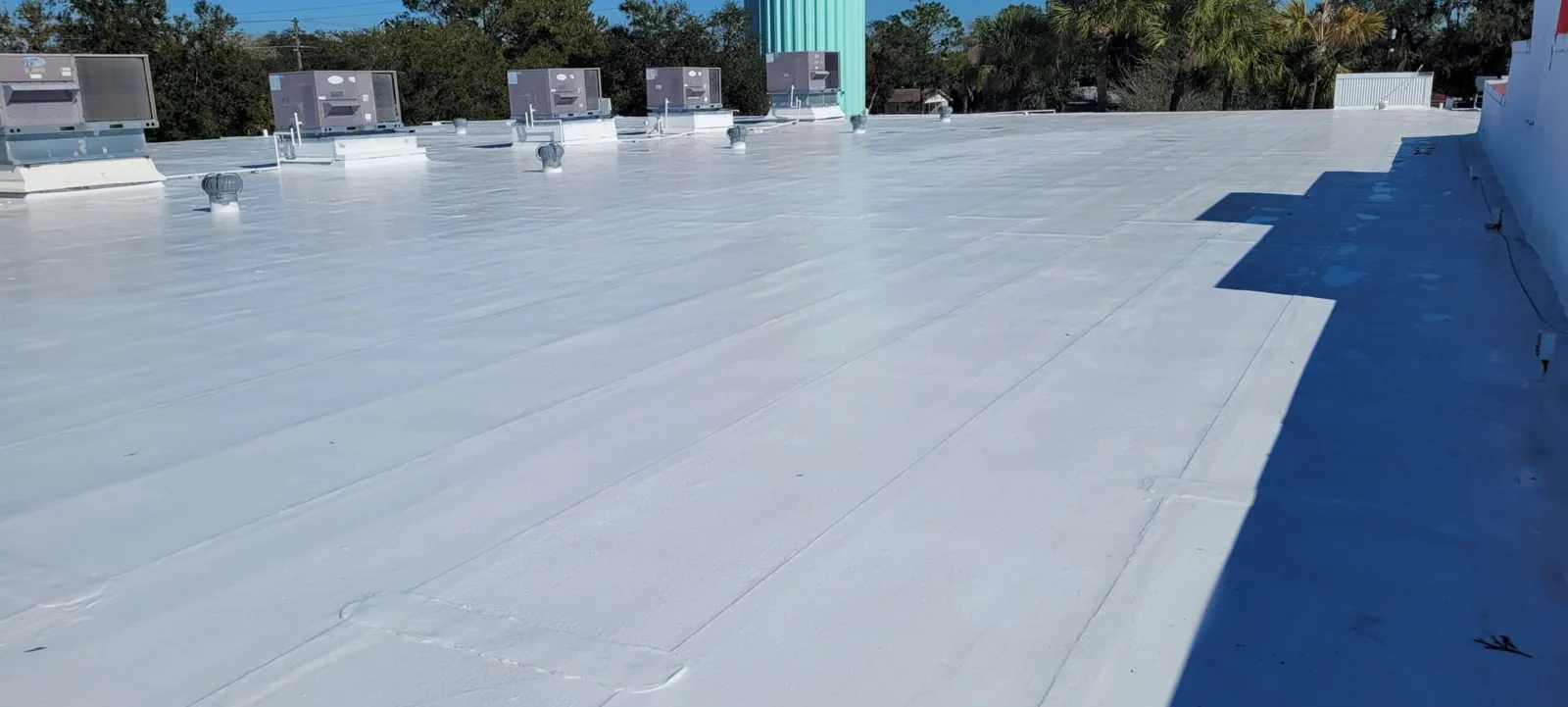
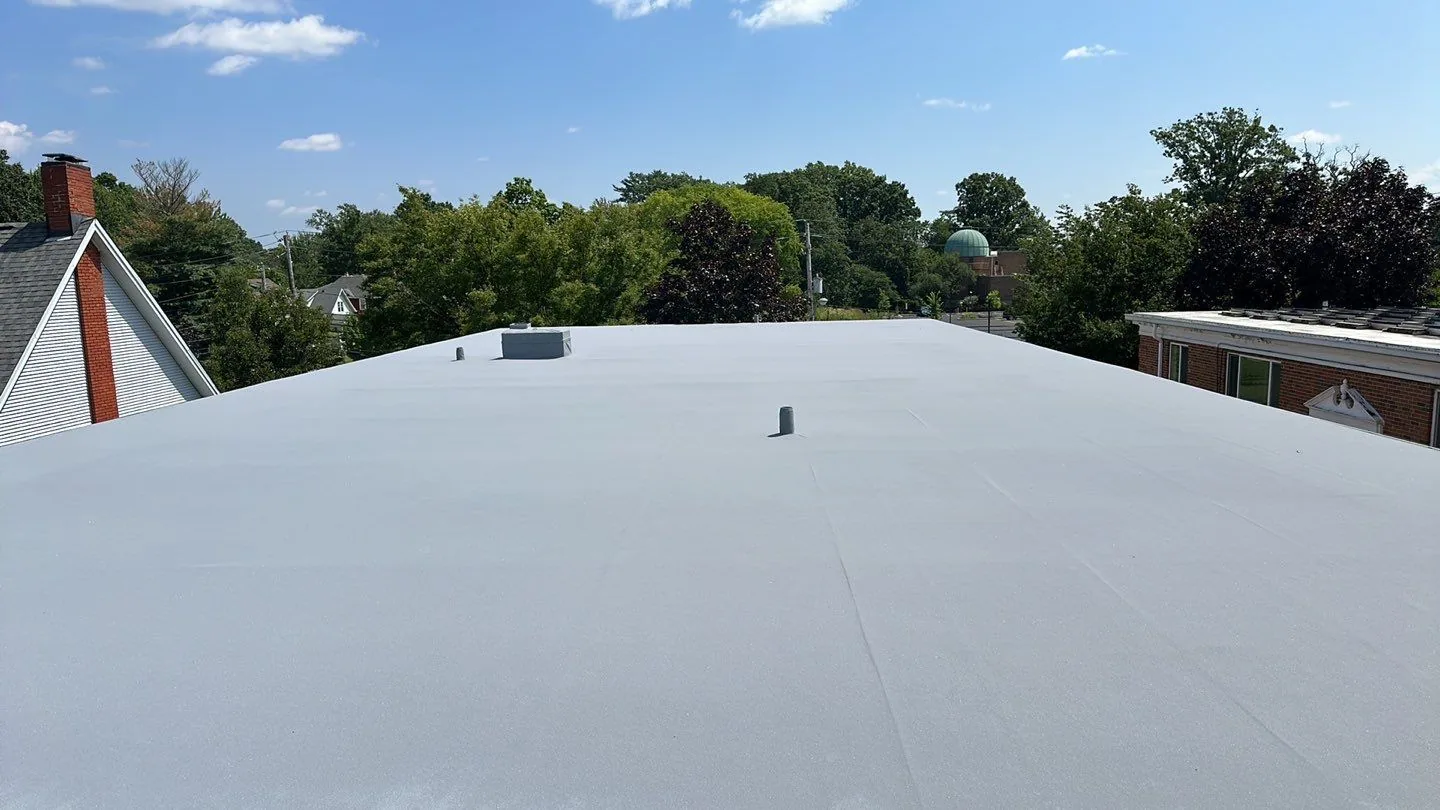
Modified bitumen systems use reinforced sheets modified with SBS or APP compounds. The assembly may include a base sheet and cap sheet, with surfacing such as granules or a coating. We check for splits, blistering, exposed reinforcement, surface loss, patch edges, and movement around drains or equipment. Records and field details help identify which layers are present.
Heat and water can age surfacing and seams, but a weather report does not diagnose a specific roof. We photograph the condition, map its roof zone, and distinguish a surface defect from a confirmed opening. A roof inspection can create a current condition record. If the owner needs a broader component history, a photo report assigns each observation to its section.
Repair material should match the existing sheet and surfacing. A coating over a loose cap sheet can conceal the defect without correcting attachment. Before patching, remove loose material and prepare a compatible substrate. Any test opening or layer exposure is recorded and restored within the approved scope.
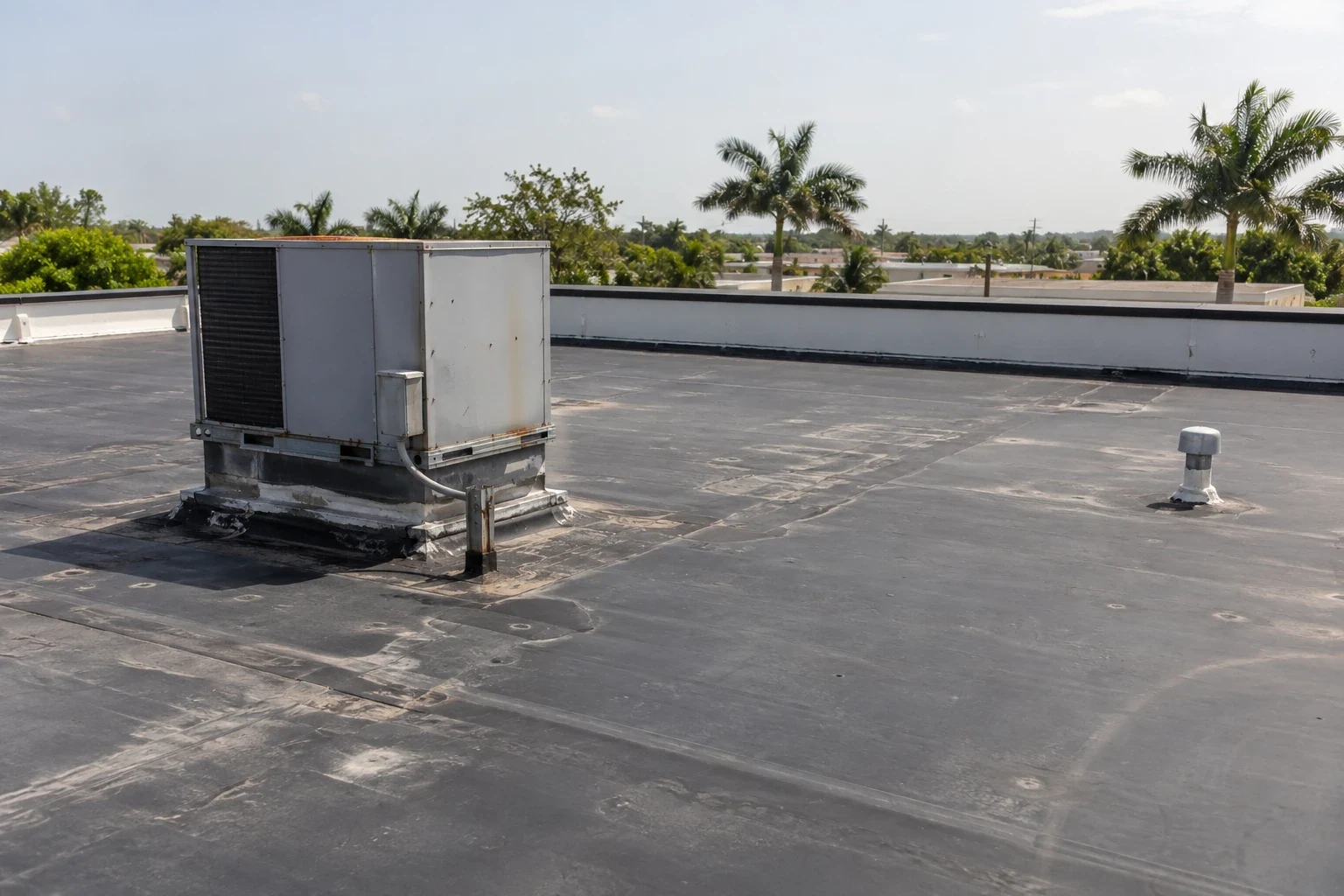
Side laps, end laps, base flashing, curb corners, and drain details carry water across changes in plane. We inspect open edges, fishmouths, wrinkles, sealant, and evidence of past repairs. A short opening can be limited if adjacent material remains sound. Repeated separation or soft areas may require a wider review.
Application method matters. Torch-applied work requires a controlled hot-work plan, suitable substrate, fire protection, and site authorization. Self-adhered or cold-applied details still need clean surfaces and system-compatible materials. The repair method is written for the actual assembly, not assumed from the roof's appearance.
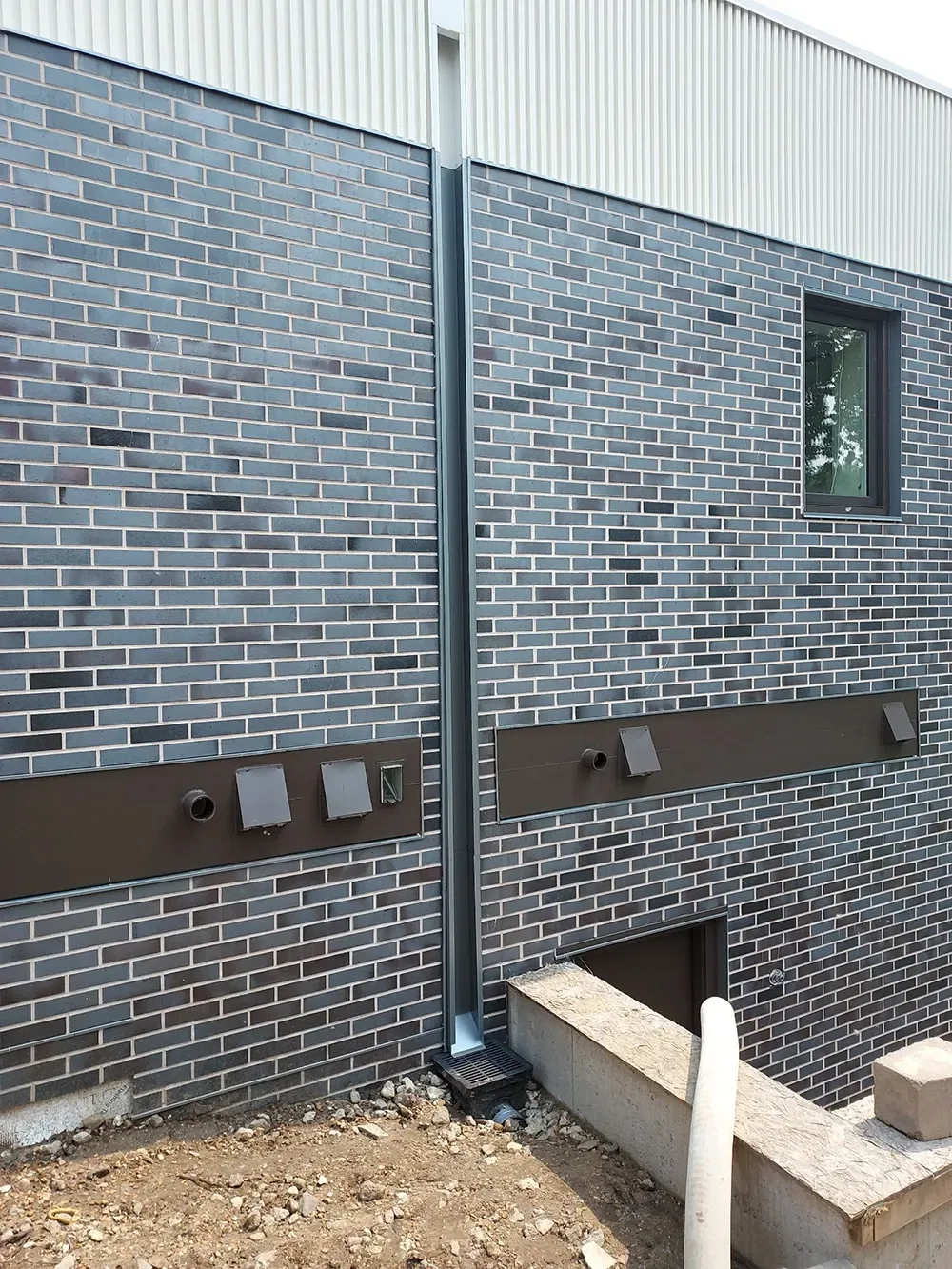
At a penetration, the membrane must connect continuously to curb or pipe flashing. A penetration inspection can document those transitions. If the opening is near metal coping or a gutter, a perimeter detail review can check the separate water path.
Modified-bitumen sheets may use different reinforcement and asphalt formulations. Identify whether the installed material is SBS or APP where records or markings allow; do not assume a patch from one type is compatible with another. Inspect the lap bond, granule loss, exposed asphalt, fishmouths, and edge securement at each transition. A repair should extend to sound material and restore the surfacing required by the selected assembly. If earlier overlays obscure the original layer, document that uncertainty and avoid cutting until the owner approves an investigation. Keep samples and photographs tied to the roof zone. This helps the next contractor distinguish an older cap sheet from the most recent repair.
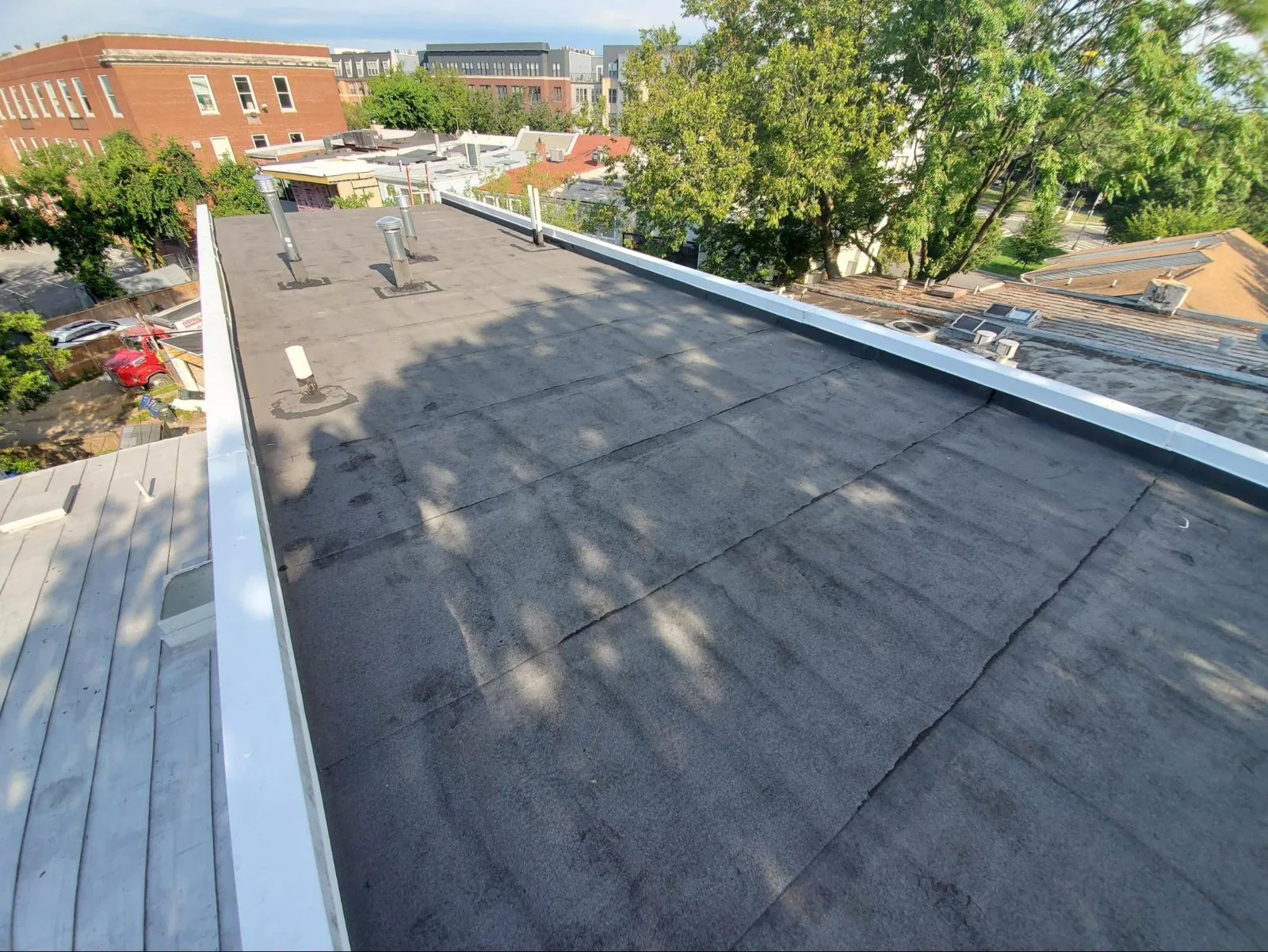
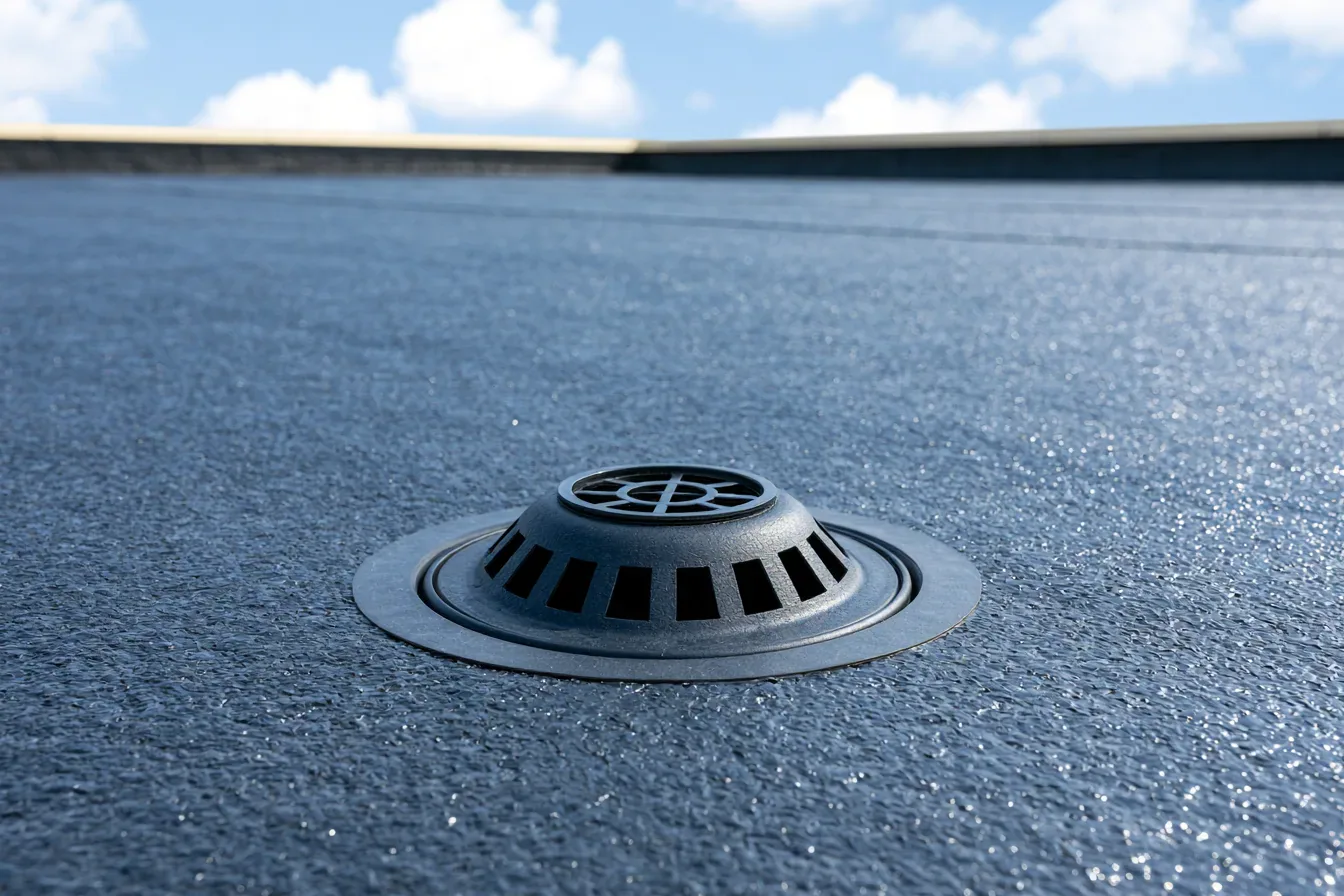
Granules, debris, and ponded water can collect around outlets. We inspect drain bowls, scuppers, overflow routes, and nearby surfacing. A blocked drain can create standing water without proving a membrane leak. If water remains after the outlet is cleared, a drainage review can map low areas and flow paths.
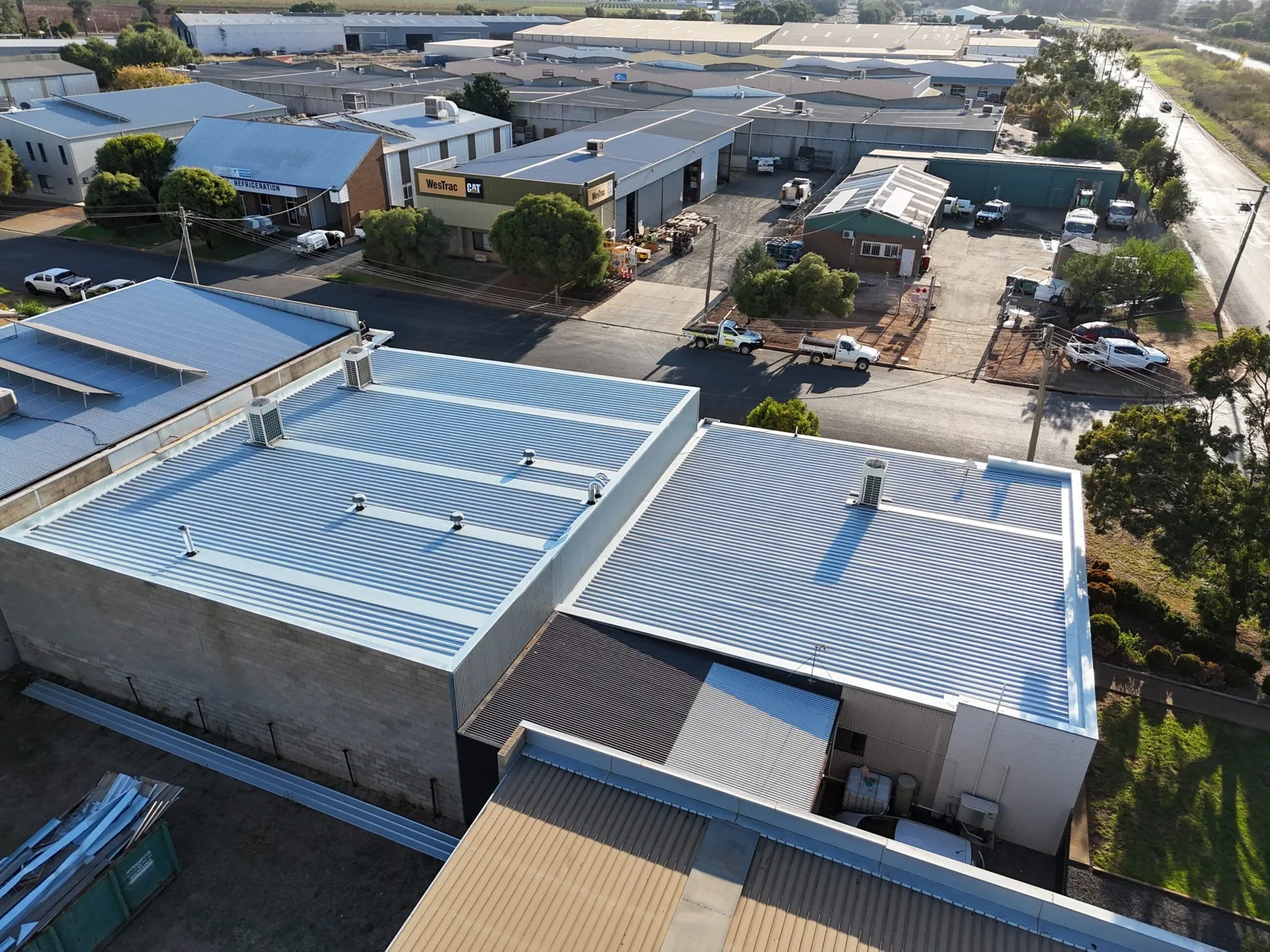
Port Malabar Industrial Park and Franklin Drive include industrial, office, and retail properties. Their access and service traffic differ by address, so the inspection identifies each roof assembly on site. We confirm actual material, walk routes, equipment positions, and loading restrictions with the site contact.
At repair, check nearby roof traffic and stored materials. A service path that crosses a patched cap sheet may call for protection or changed access. The report notes the route and any wear, but does not assume the cause without evidence. A maintenance program can schedule observation after repair.
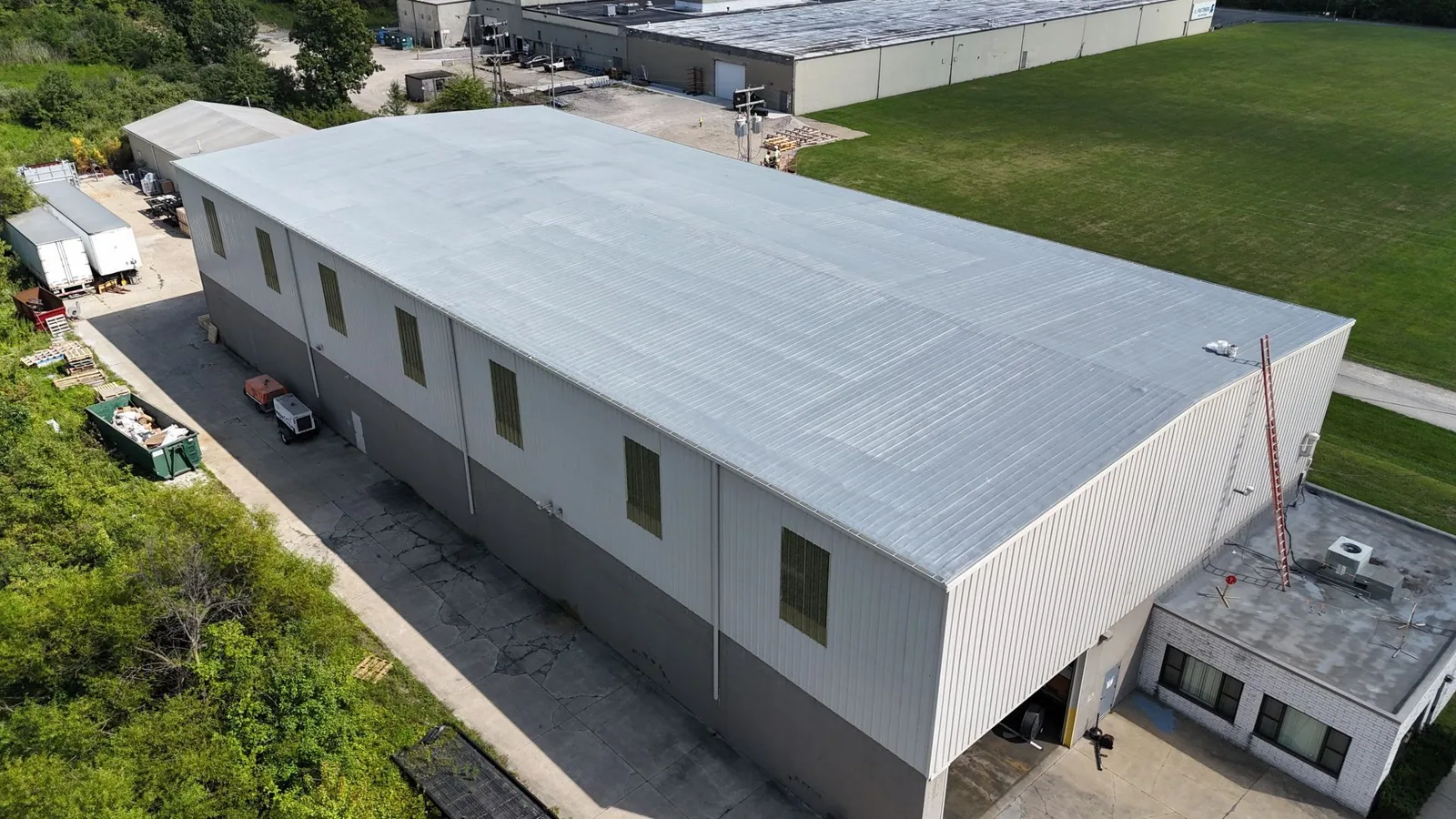
A local patch can work when the surrounding cap sheet and lower layer remain stable. The written scope lists material, surface preparation, lap dimensions, surfacing restoration, and roof zone. Surface preparation and access often control labor more than the patch itself. Multiple roof elevations or active equipment require a separate work sequence. If wet insulation, deck damage, or delamination appears below, stop at the boundary and document exposed quantity before expanding permanent work.
Repeated cap-sheet splits, widespread blistering, or multiple failed flashings can indicate broader system wear. A repair proposal can handle a confirmed local defect. A built-up roof review can compare another multi-ply assembly when replacement is considered. A single-ply system comparison can evaluate a different surface and seam approach.
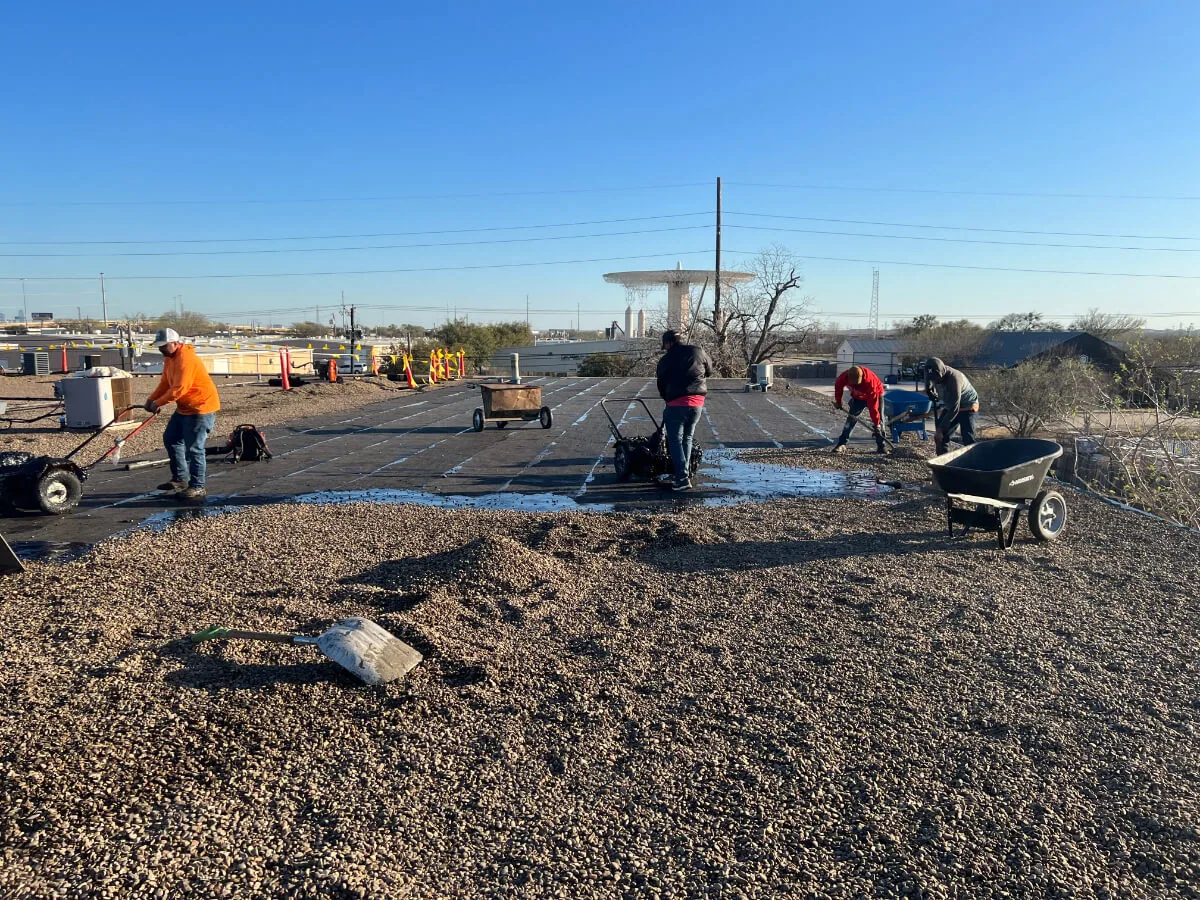
Timing depends on tear-off, hot-work restrictions, substrate, weather, and whether the building stays occupied. Palm Bay's summer rain can interrupt open-roof work. We stage by sections that can be protected before conditions change. Temporary cover is logged by zone and date, then kept distinct from the permanent repair scope.
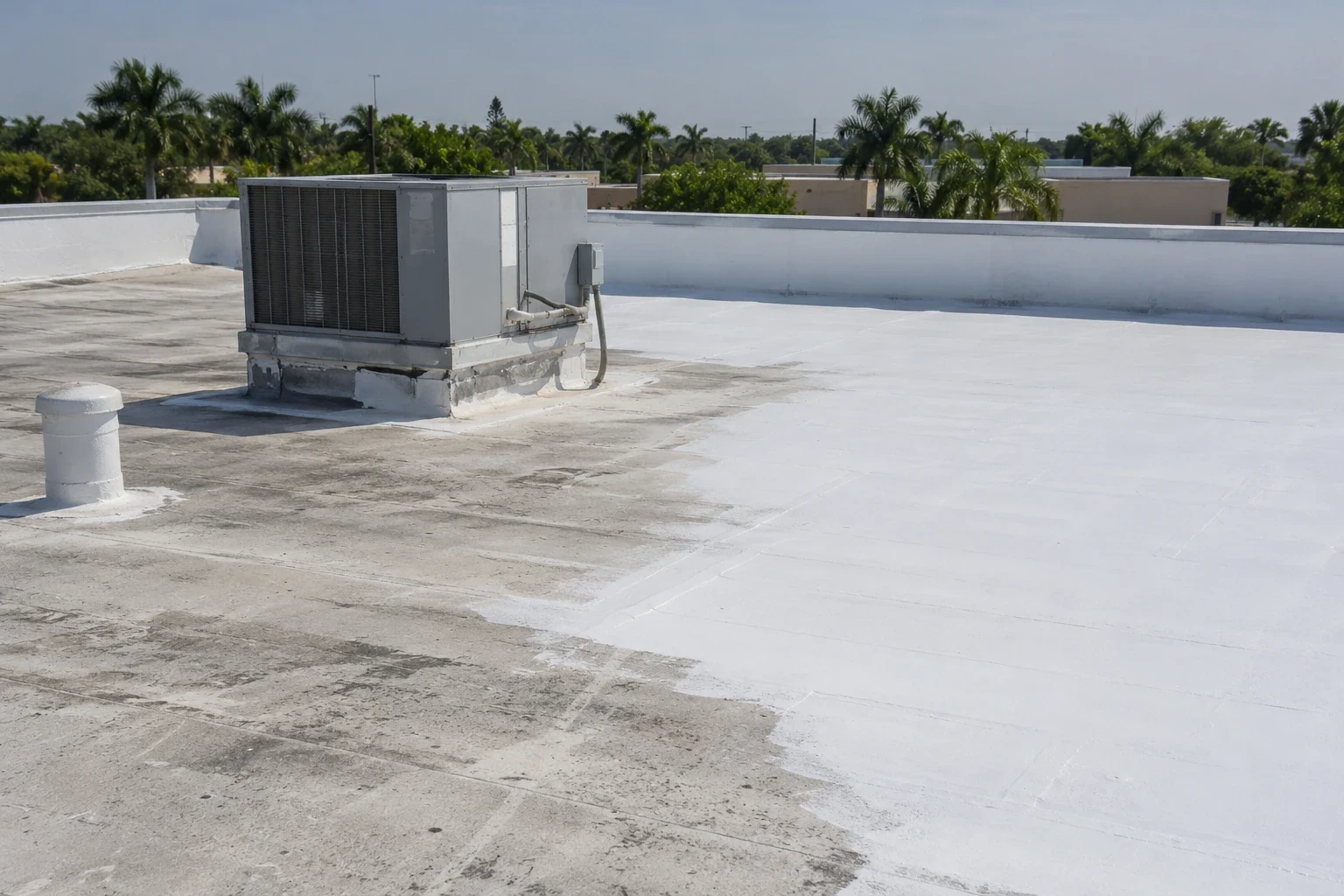
The Palm Bay Industrial Center at Clearmont Street. At an industrial property, confirm delivery access and tenant routes before setting staging for modified-bitumen work. The address identifies the property; inspection establishes its roof assembly and current condition.
Learn more →

Learn more →
Learn more →
Learn more →
Learn more →
Learn more →
Learn more →
Learn more →