
A worn aggregate surface can hide a blister, open lap, or wet layer in a built-up roof. We record the reported water path and inspect the surfacing, edges, drains, and exposed details before describing what the assembly needs. Palm Bay brings heat and frequent rain, with regional Melbourne rainfall normals highest in June and September. Those figures inform timing. They do not show whether a specific BUR roof is wet or failing.
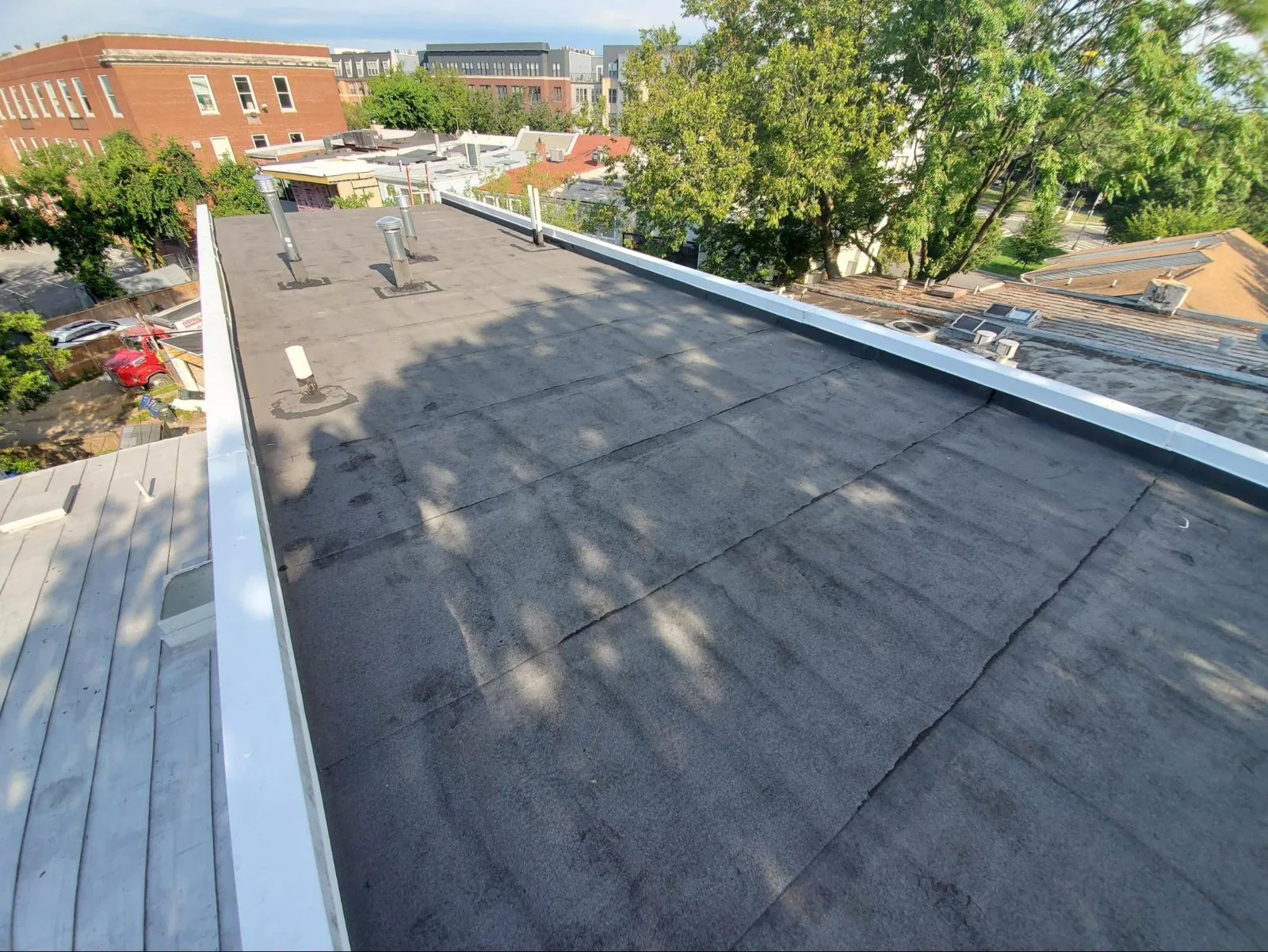
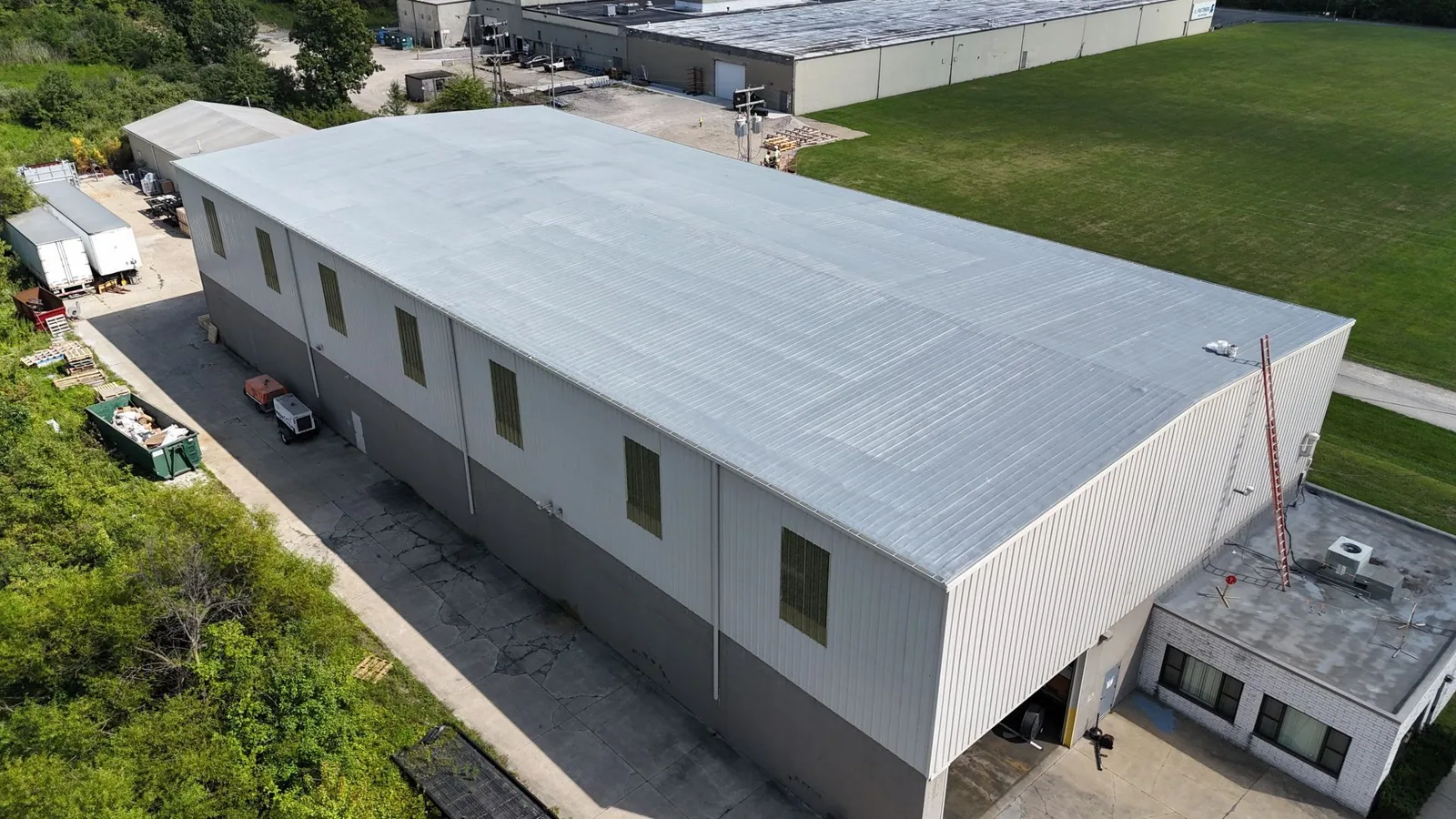
Built-up roofing uses multiple reinforcing plies embedded in bitumen, often finished with aggregate or a coating. A condition review checks exposed felts, blisters, ridges, splits, open laps, gravel displacement, and prior patches. We document the roof zone and material visible at the surface. A test opening may be needed to confirm concealed layers.
Different damage can look similar from above. A blister may indicate trapped air or moisture. A crack in coating may stop at the surface or continue into the membrane. Loose gravel can expose bitumen to sunlight, but does not automatically mean the full assembly has failed. We photograph the condition and identify what the field inspection can and cannot establish.
A roof inspection can map observed conditions before repair. A condition report ties each photo to its location. If concealed moisture could change the scope, authorize a test opening and record its result separately from other untested areas.
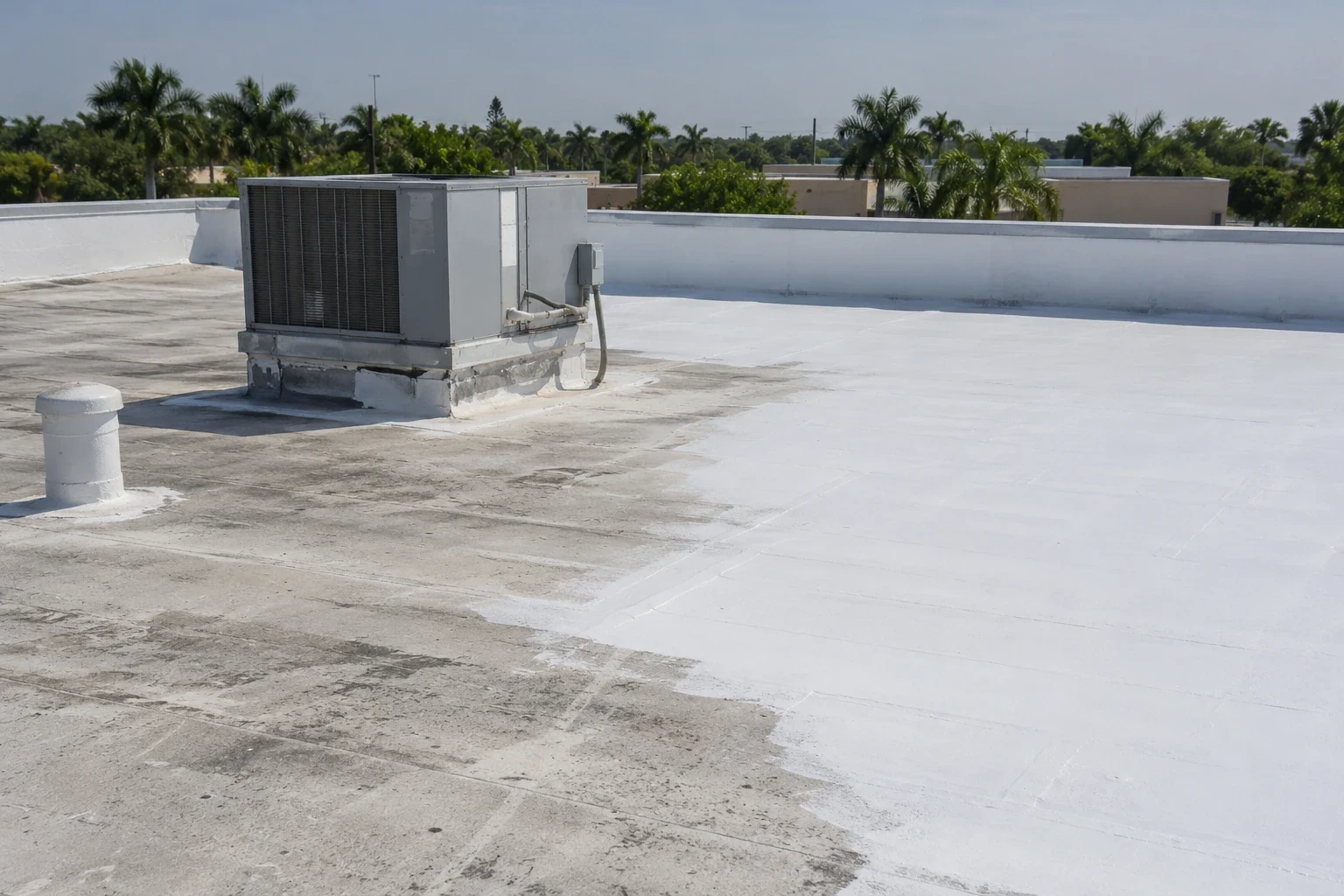
Water can enter at flashing, drain bowls, scuppers, expansion joints, curbs, and wall transitions. We inspect laps, terminations, counterflashing, and surfacing at each detail. An interior stain can be offset from the entry point. The report records the interior location and traces the accessible roof path without treating proximity as proof.
At drains, aggregate can collect near the bowl or strainers. We check whether the outlet is clear and whether water marks suggest a low area. If debris is removed, note the result. If water persists, a drainage review can examine slope and overflow paths. A clear drain does not establish that the deck or insulation is dry.
Penetrations require a compatible tie-in through the layered assembly. A flashing inspection can identify open corners or failed transitions. If movement at a curb or support is pulling the field, document both conditions rather than applying a surface patch over the symptom.
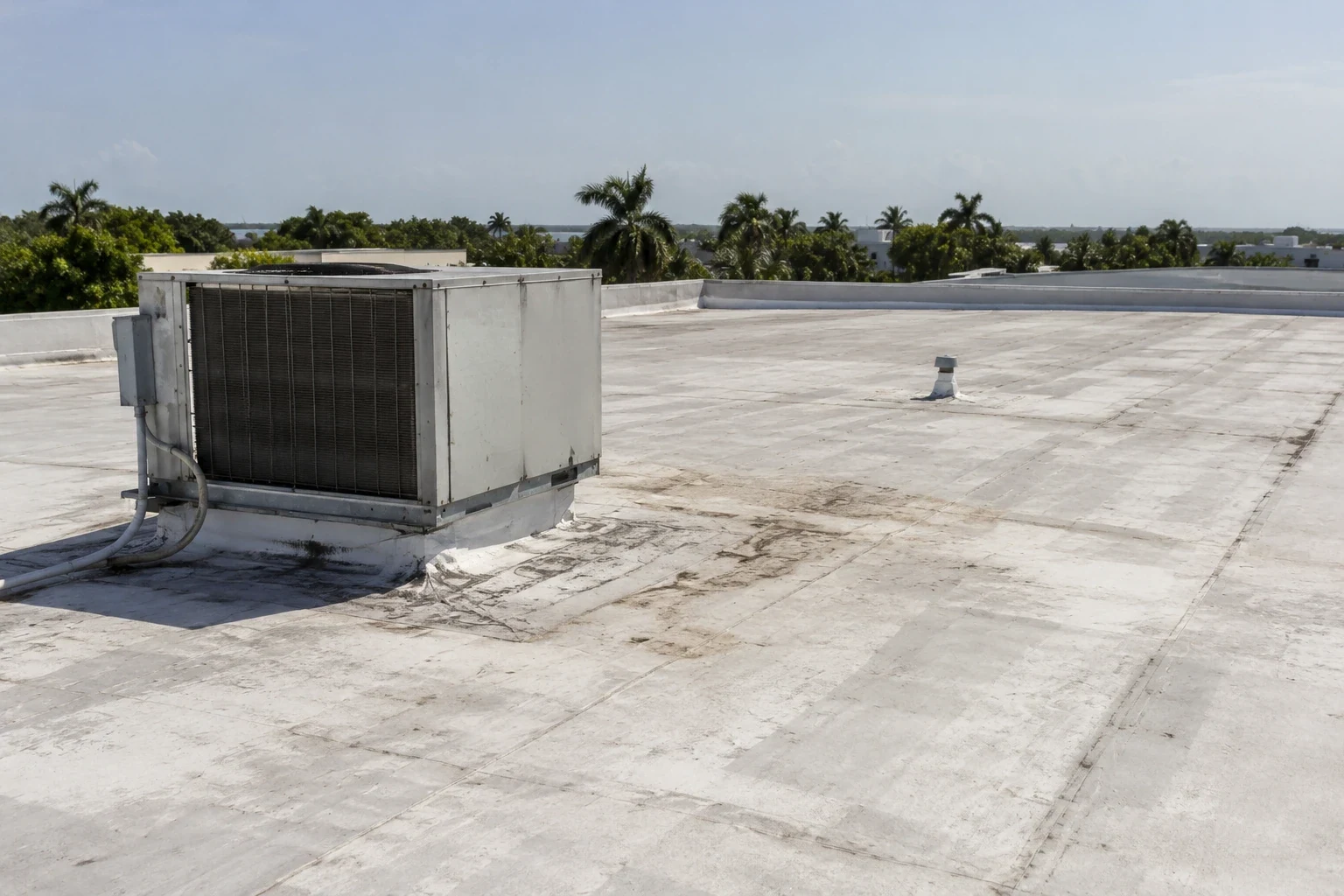
Aggregate can protect the surface and also limit direct inspection of the underlying plies. We note displaced gravel, bare areas, debris, and tracks where service traffic may have disturbed the flood coat. Removing aggregate to inspect an area requires authorization and a plan to restore the exposed surface.
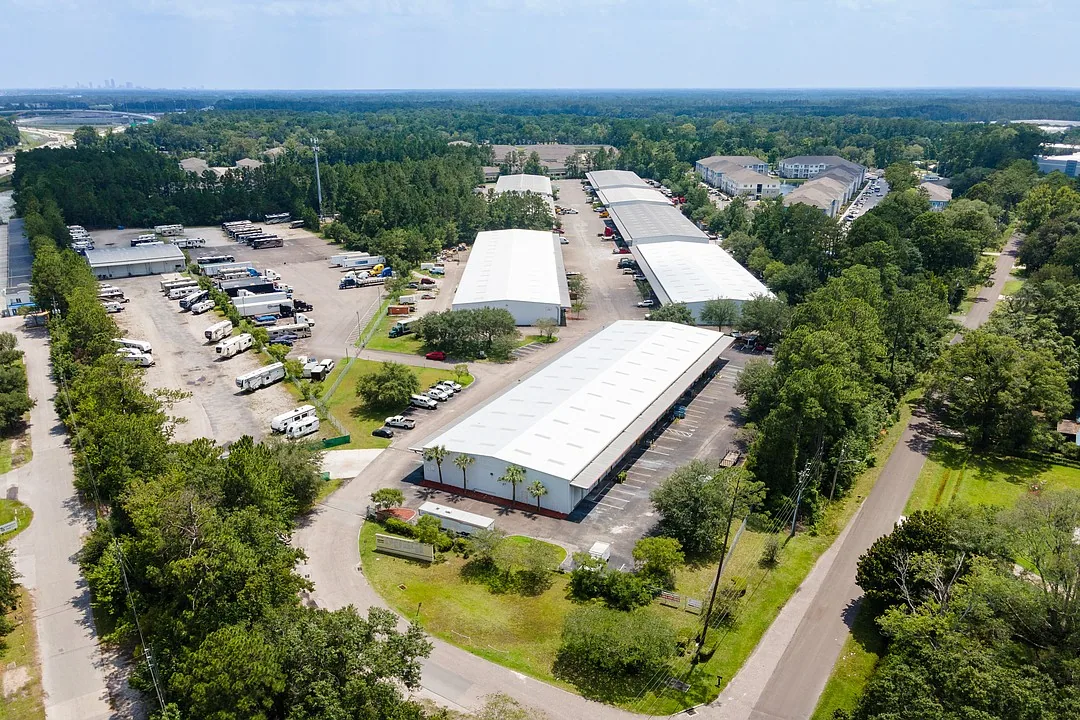
Palm Bay industrial and flex listings include sites on Franklin Drive and in Port Malabar Industrial Park. Those commercial locations can have loading and equipment activity, but listings do not establish that a property has BUR. At the job, we confirm roof material, staging space, and safe access with the building contact. A Port Malabar Industrial Park location record provides a local reference for coordinating the address, not a roof diagnosis.
Roof traffic can create cuts, displaced surfacing, or crushed areas. We identify the route and any need for walk pads or restricted access. If another trade recently worked above the leak area, include its service date. That history can guide inspection without assigning cause before evidence is visible. Aggregate depth and condition also affect how the repair is prepared. Loose stone must be moved without damaging the cap sheet, then replaced or stabilized as specified. The closeout shows whether exposed bitumen was covered and where gravel remains displaced. We mark that area.
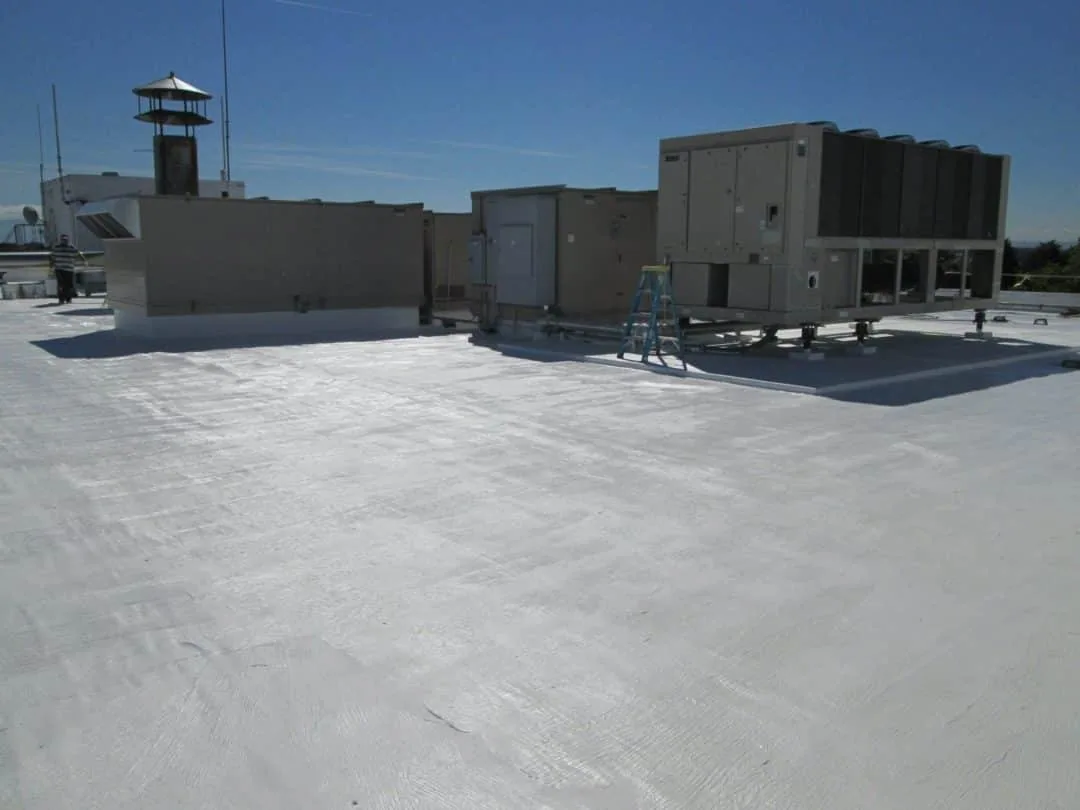
A local repair can be suitable when surrounding plies remain bonded and dry. The scope states preparation, bitumen and reinforcement materials, surfacing restoration, and the roof-zone boundary. If a test opening exposes wet insulation or damaged deck, photograph it and review the added quantity before expanding work.
Repeated blisters, wide areas of exposed felt, or failing flashing can indicate that patches will not address the full assembly. A roof repair proposal can define isolated defects. A modified bitumen comparison can assess another sheet-based asphalt system. A TPO system review can compare a single-ply assembly when replacement is considered.
Recover feasibility depends on existing layers, attachment, moisture, deck capacity, drainage, and code requirements. The proposal identifies known layers and open questions. A permitted BUR project needs review of the applicable Florida Building Code provisions, roof assembly, and scope. The design professional and authority having jurisdiction determine requirements for that property.
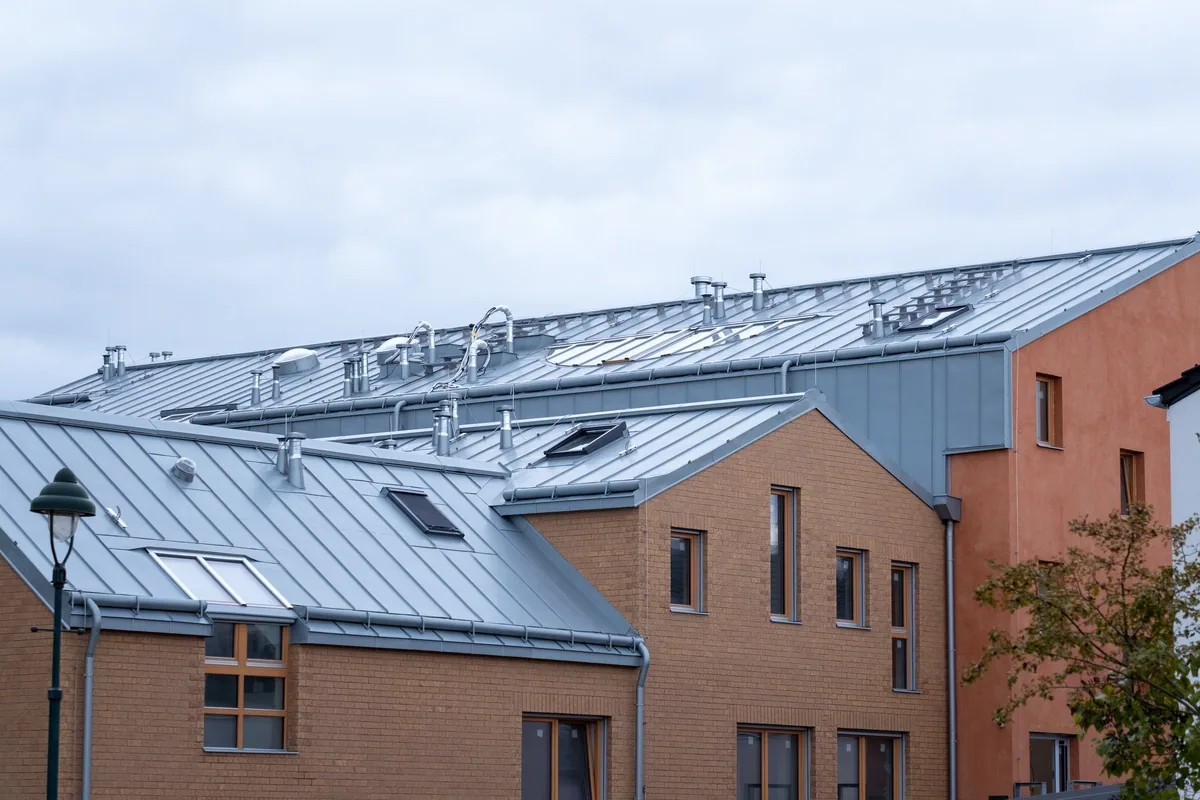
Closeout photographs show the repair, adjacent surfacing, flashing, and drain transitions. The note lists material, date, repair limit, test opening, and access restrictions. Temporary protection stays separate from completed permanent work.
The Palm Bay Hospital campus includes emergency, inpatient, surgical, imaging, and rehabilitation functions. At a medical facility, roof access, interior protection, and water response need coordination with the authorized site contact. Those functions do not identify the installed roof. We record the assembly only after inspection.
After a repair, inspect the same roof zone at the next visit. A new event date or leak location receives a separate entry. The record compares the new report with prior images and names any condition still concealed. A maintenance visit can track drains, surfacing, and repeat patches.
Learn more →

Learn more →
Learn more →
Learn more →
Learn more →
Learn more →
Learn more →
Learn more →