
A commercial roof decision starts with a building, a reported condition, and a work boundary. Our Palm Bay, FL services cover repair, replacement, inspection, maintenance, restoration, drainage, and roof details. We document what the crew can see, identify access limits, and separate temporary protection from permanent work. A leak near Malabar Road or a planned project along Babcock Street still needs an address-level inspection before the scope is set.
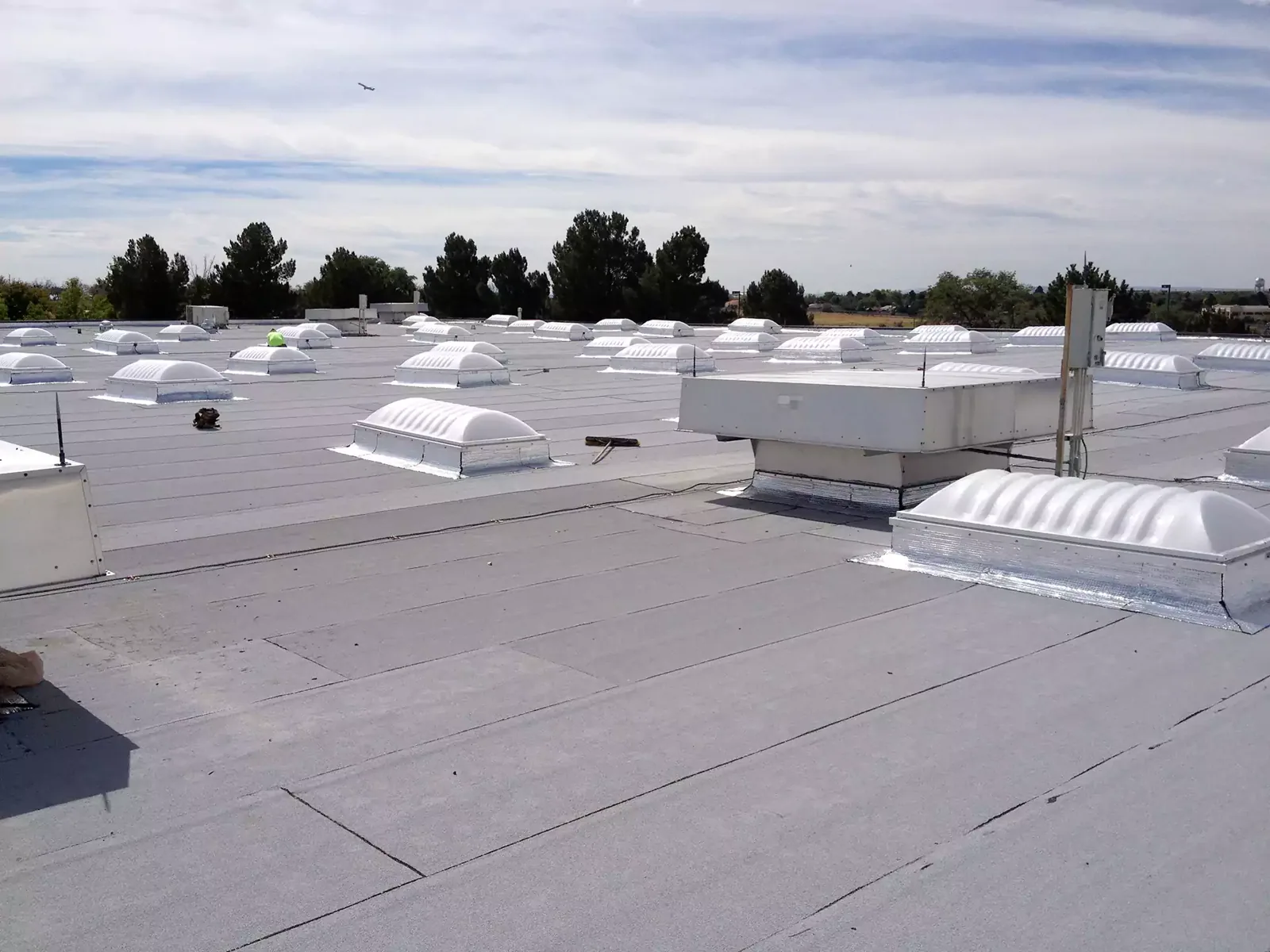
Plan commercial roof replacement in Palm Bay with a defined tear-off limit, dry-in sequence, drainage review, and dated records for each roof zone.
Learn More →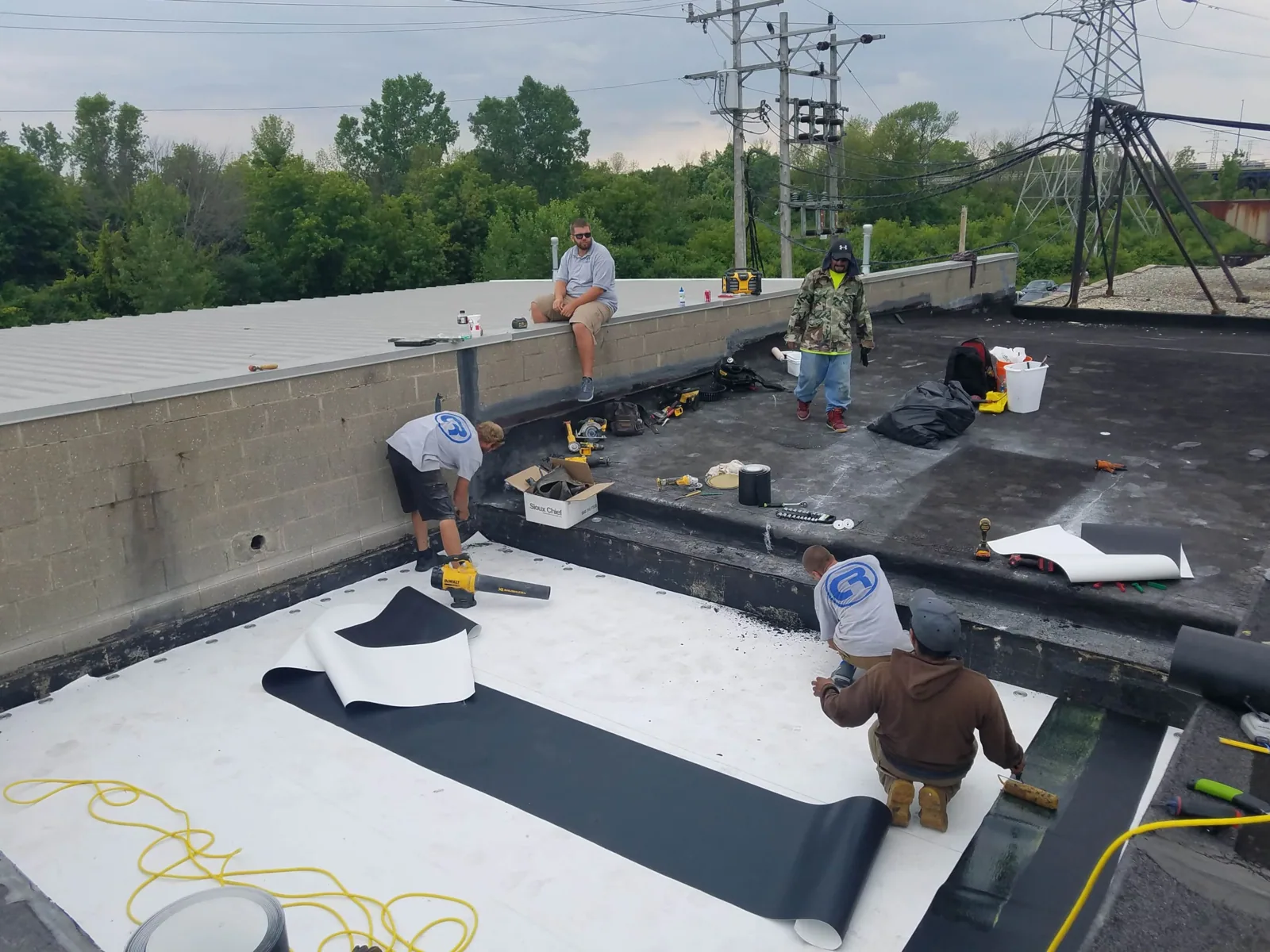
Assess whether a Palm Bay commercial roof can receive a recover by checking moisture, deck condition, existing layers, drainage, and project requirements.
Learn More →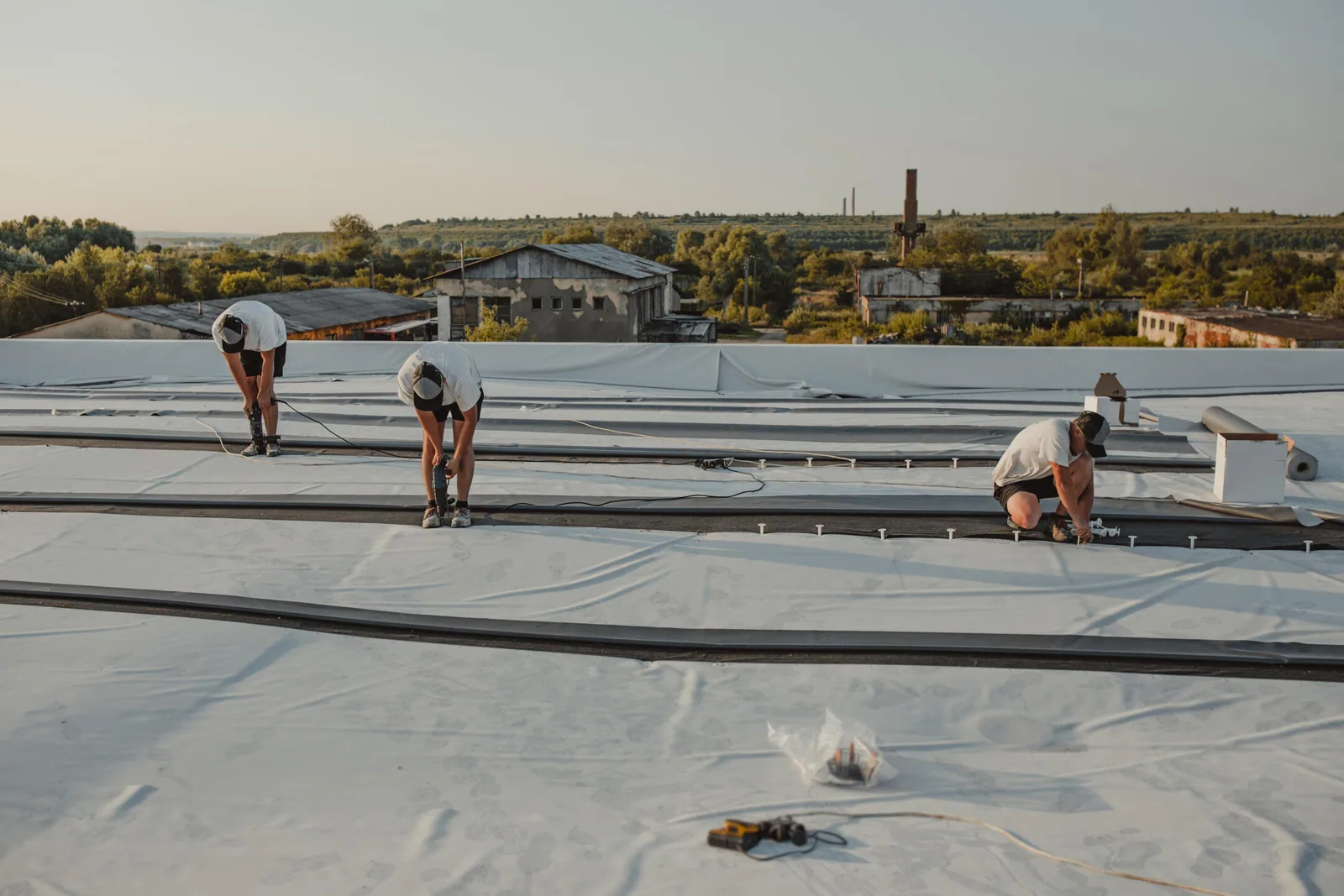
Repair commercial roof seams, flashing, punctures, and edge details in Palm Bay with a marked repair boundary and dated closeout record.
Learn More →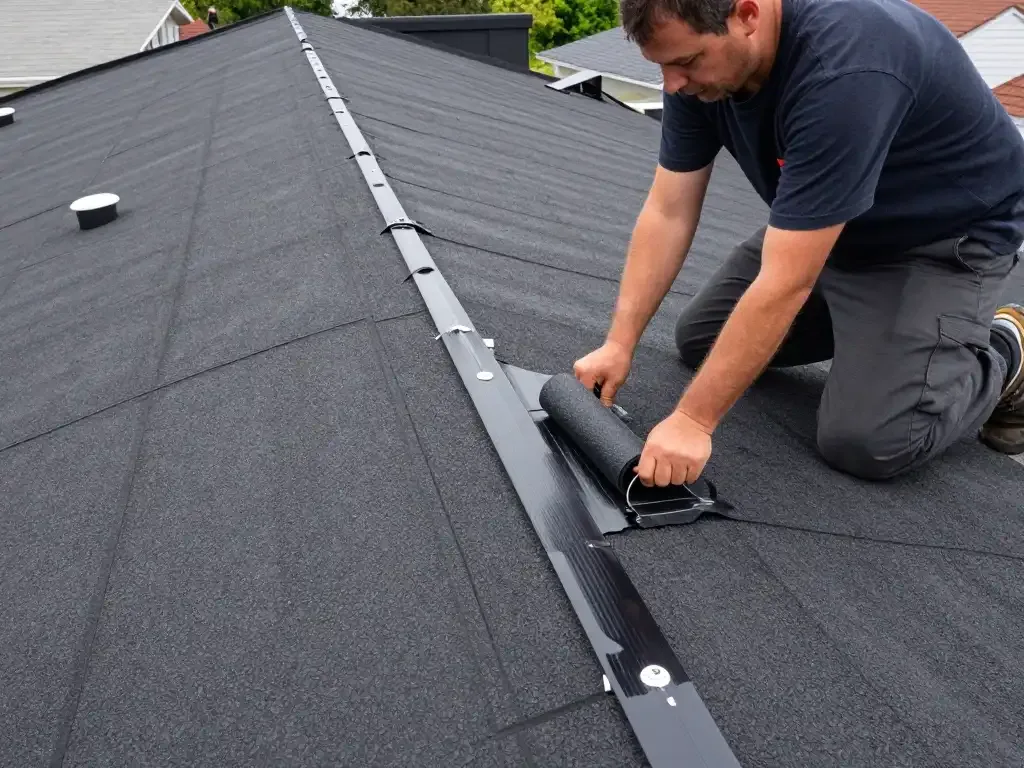
Trace commercial roof leaks in Palm Bay, protect active interiors, and document the confirmed source, temporary measures, and permanent repair boundary.
Learn More →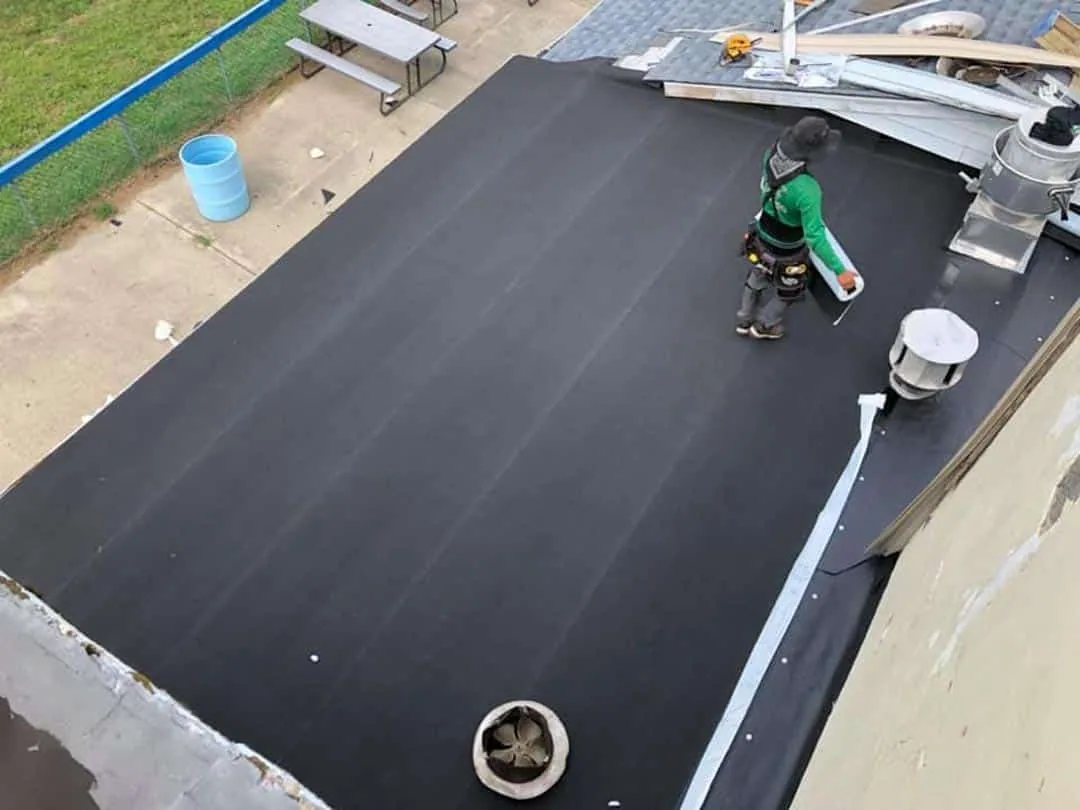
Emergency commercial roof repair in Palm Bay: document active leaks, roof zones, temporary protection, access limits, and the permanent repair boundary.
Learn More →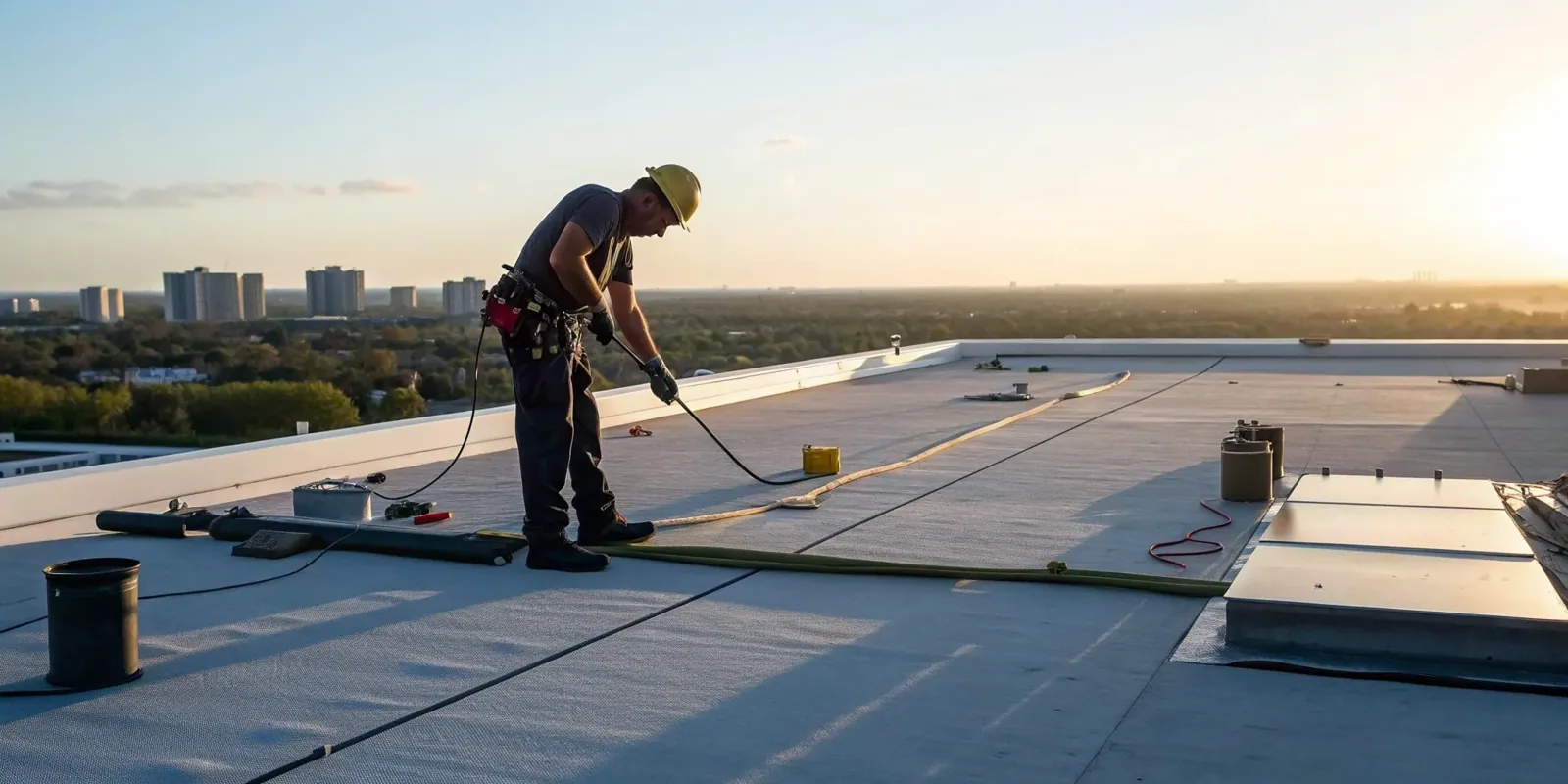
Inspect a Palm Bay commercial roof with marked zones, field photographs, moisture findings, access limits, and clear next steps for repair or planning.
Learn More →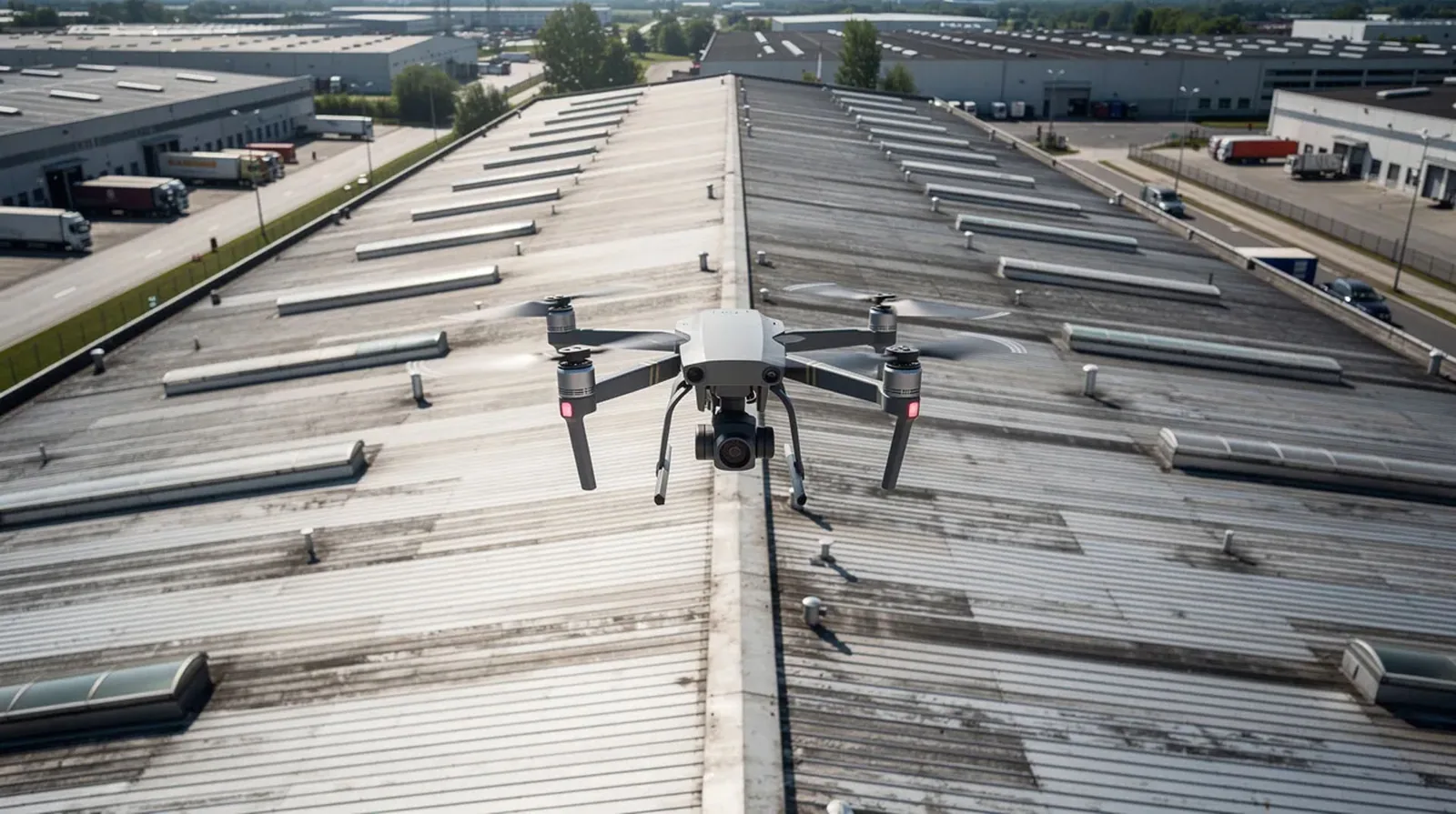
Capture Palm Bay commercial roof imagery with a planned drone survey, labeled roof zones, access limits, and a field follow-up where detail checks are needed.
Learn More →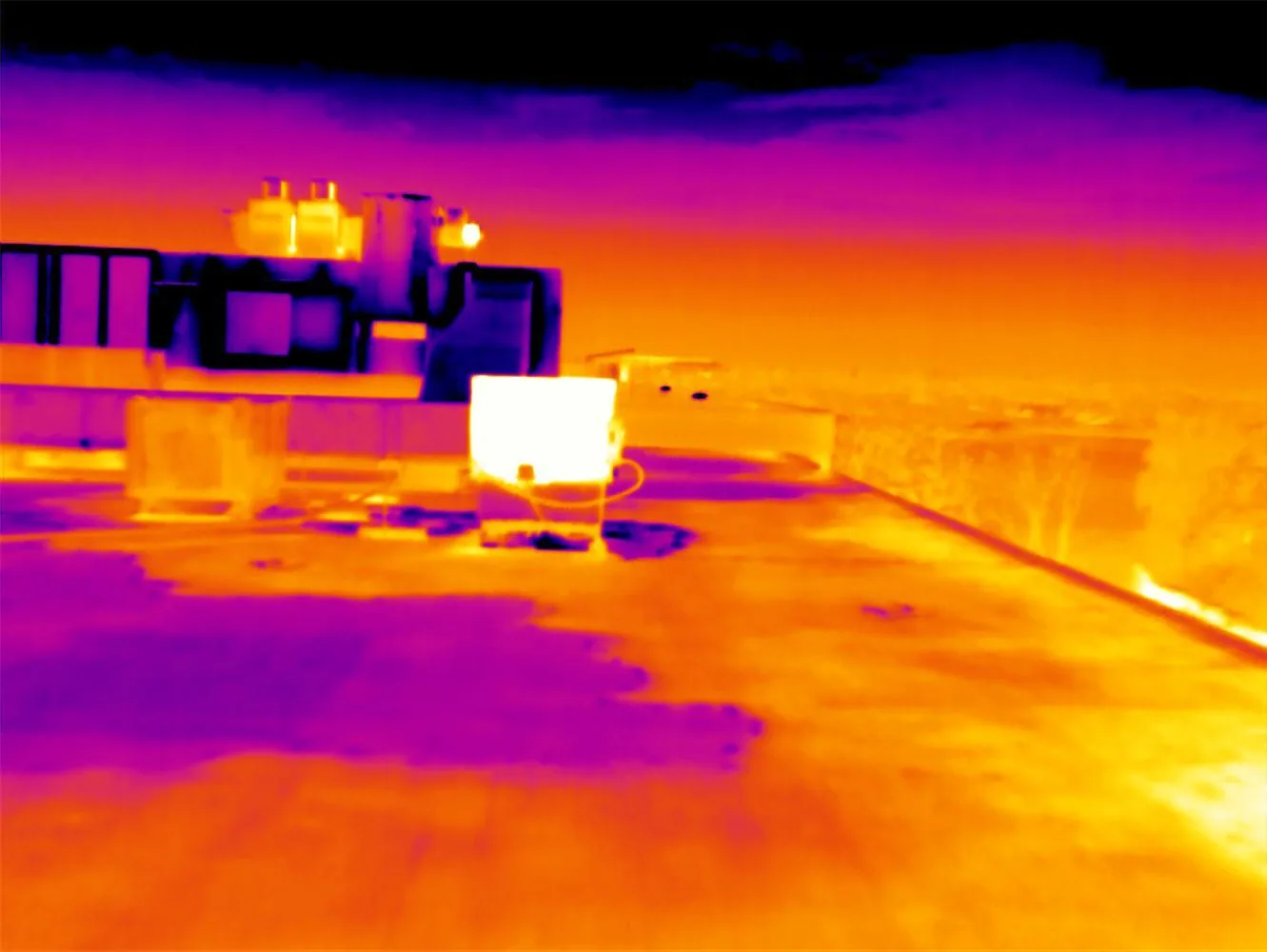
Map suspect moisture in Palm Bay commercial roofs with an infrared survey, marked scan zones, field verification, and clear limits on each finding.
Learn More →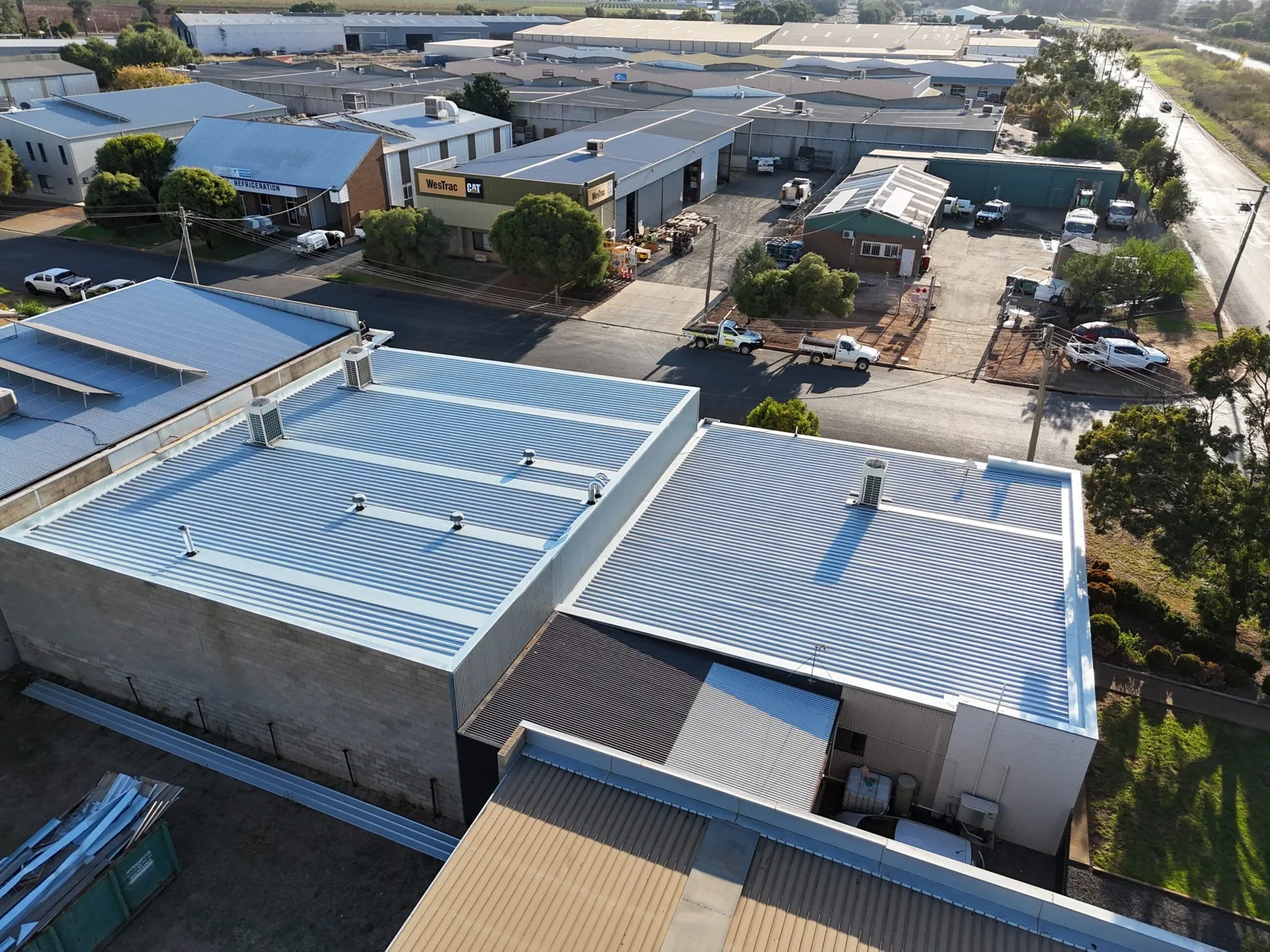
Set a Palm Bay commercial roof maintenance schedule with dated observations, access limits, drainage checks, and repair boundaries by roof zone.
Learn More →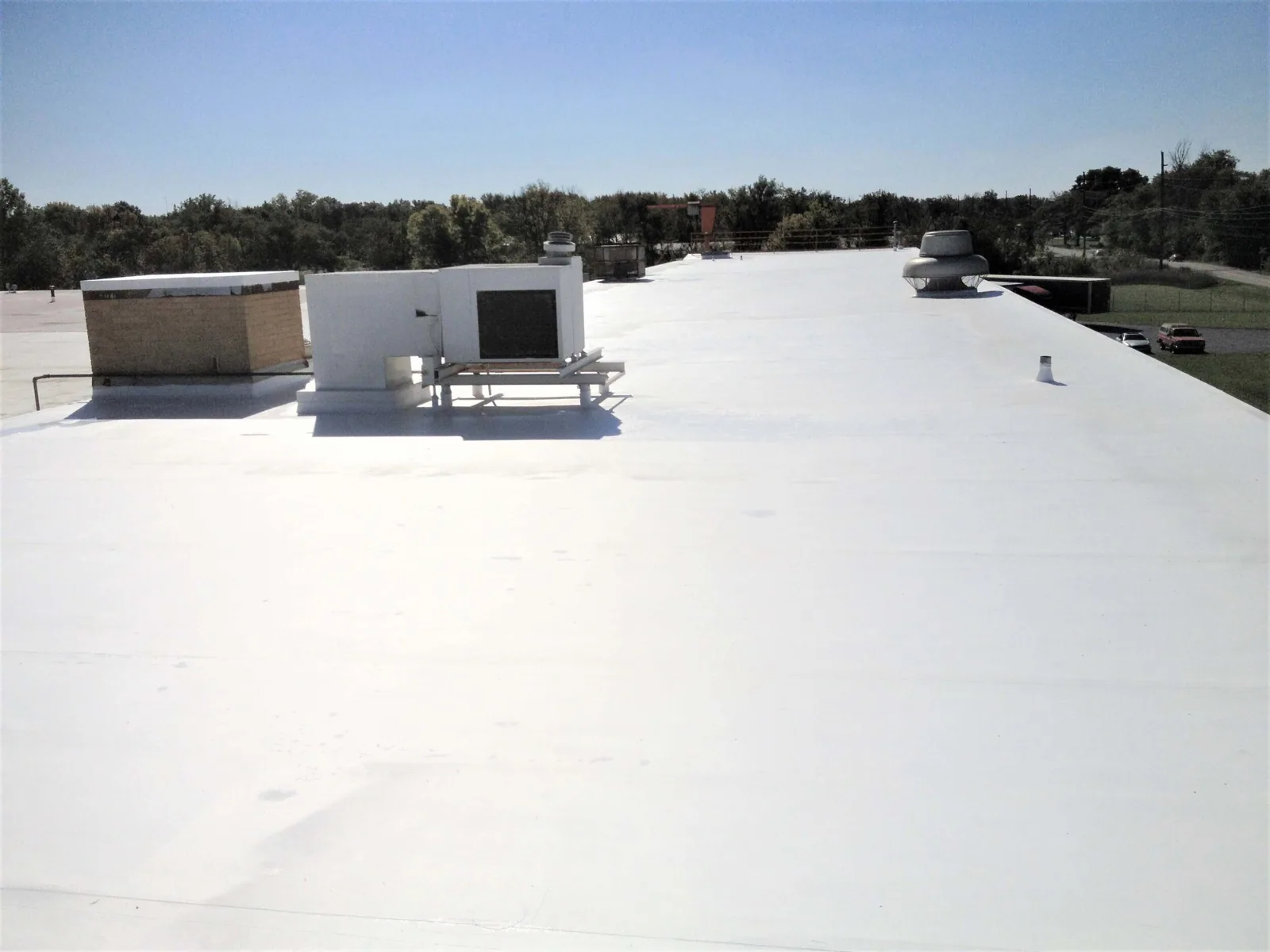
Evaluate Palm Bay roof coating restoration through substrate condition, drainage, adhesion testing, detail repairs, and a defined application boundary.
Learn More →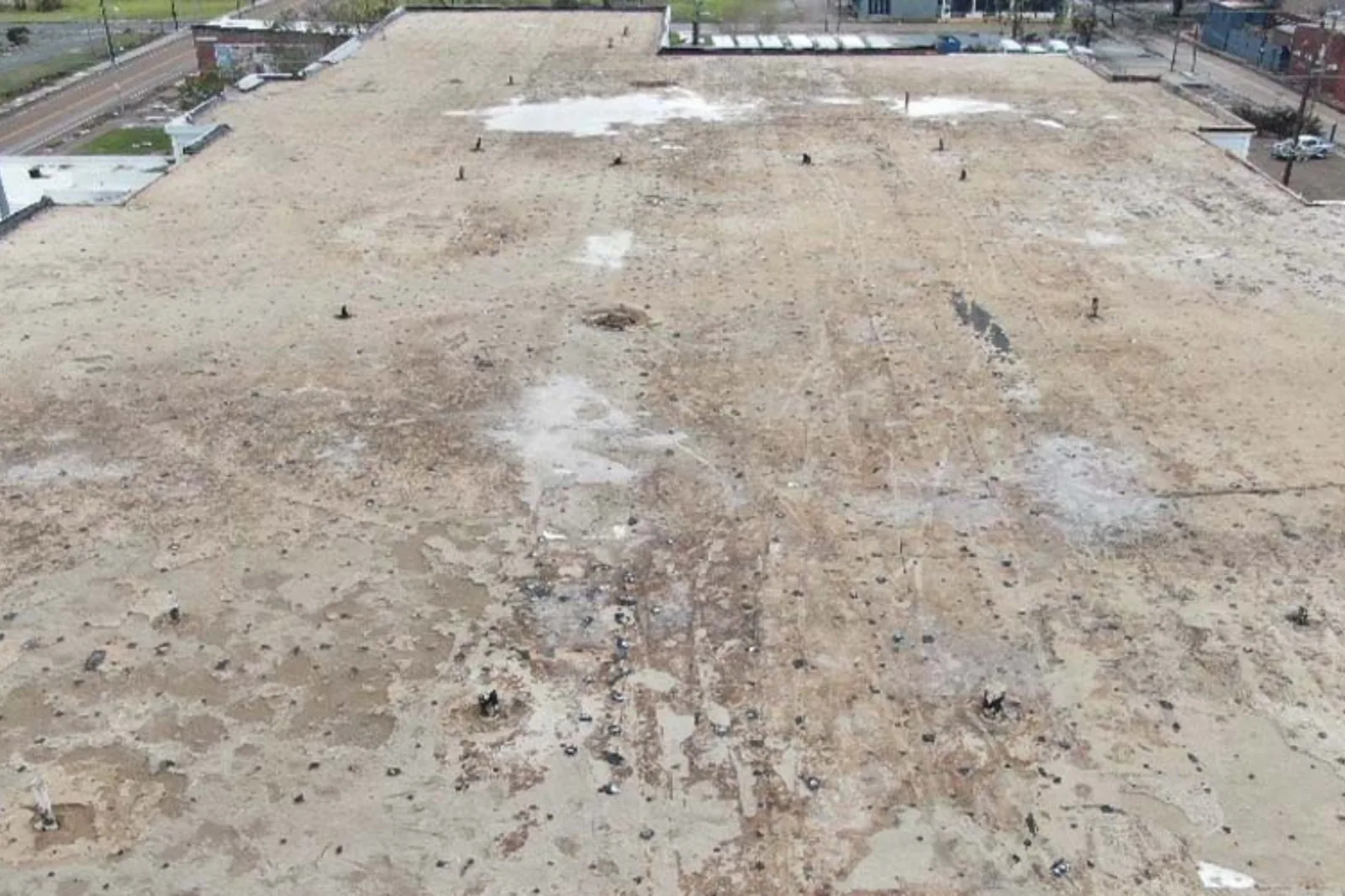
Document Palm Bay storm roof reports by event date, affected zones, observed damage, temporary protection, repair limits, and follow-up inspection.
Learn More →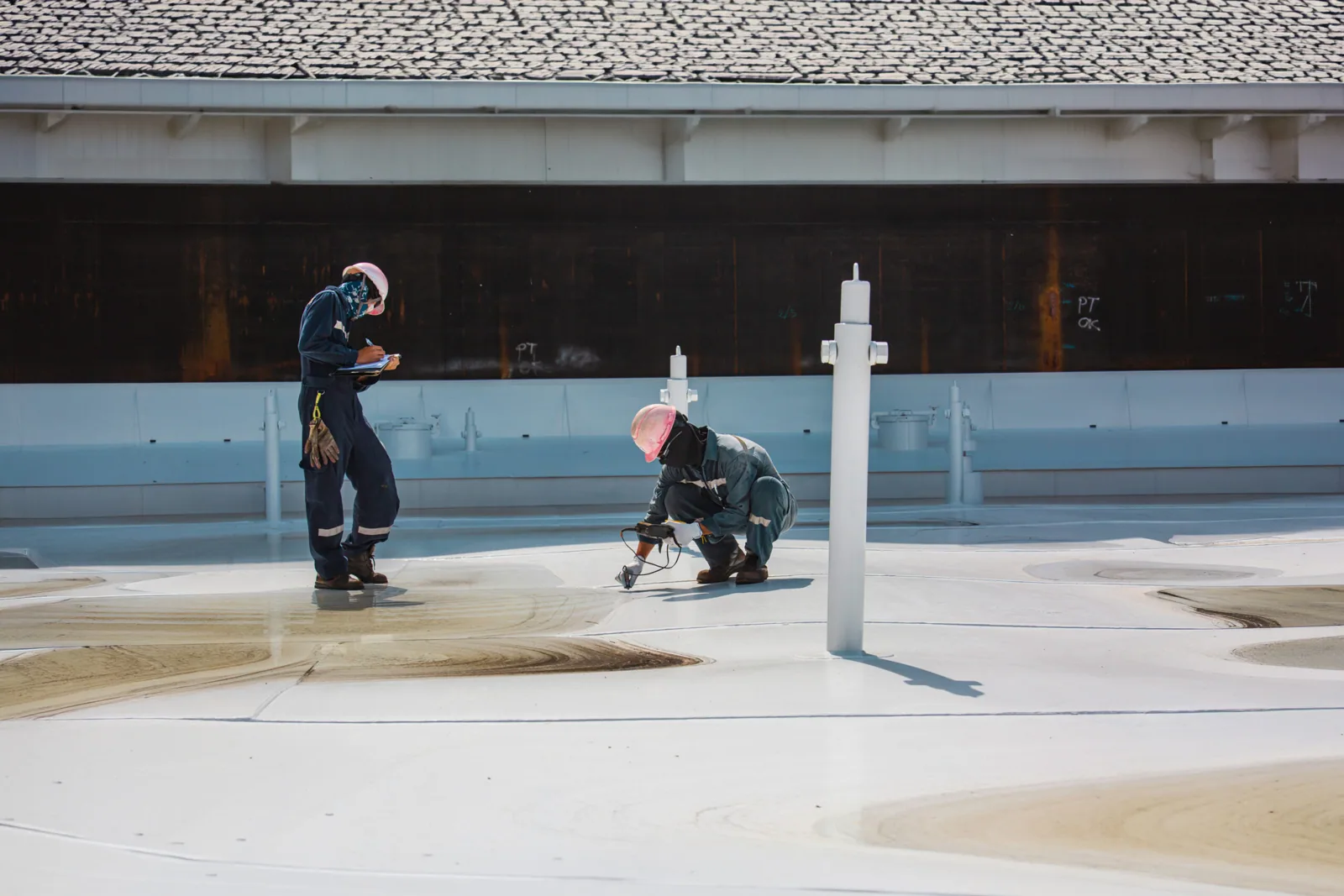
Organize Palm Bay commercial roof claim records with event dates, photographs, observed conditions, repair boundaries, and documented access limits.
Learn More →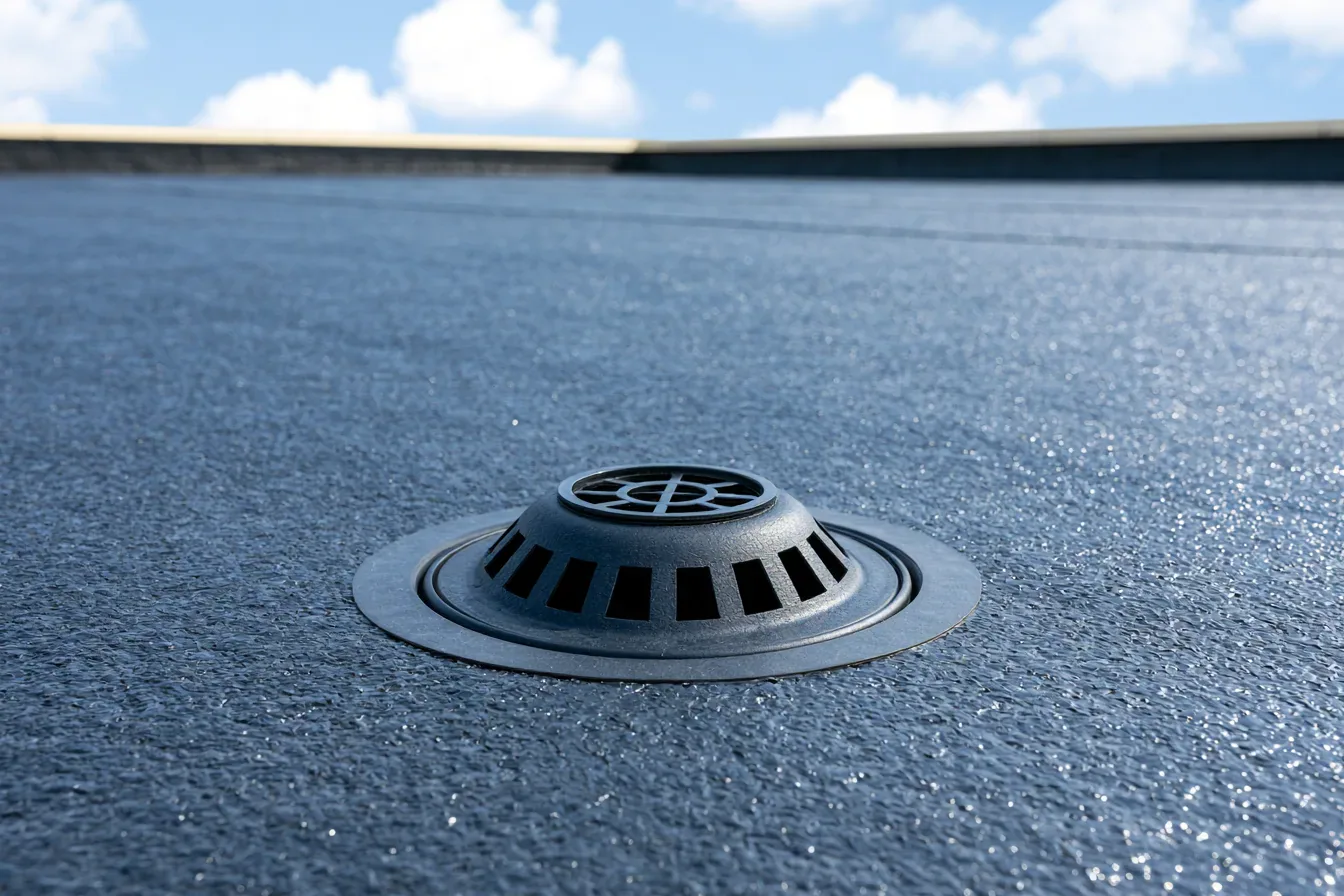
Trace Palm Bay roof ponding to drains, scuppers, overflow paths, slope transitions, and documented roof zones before correcting the source.
Learn More →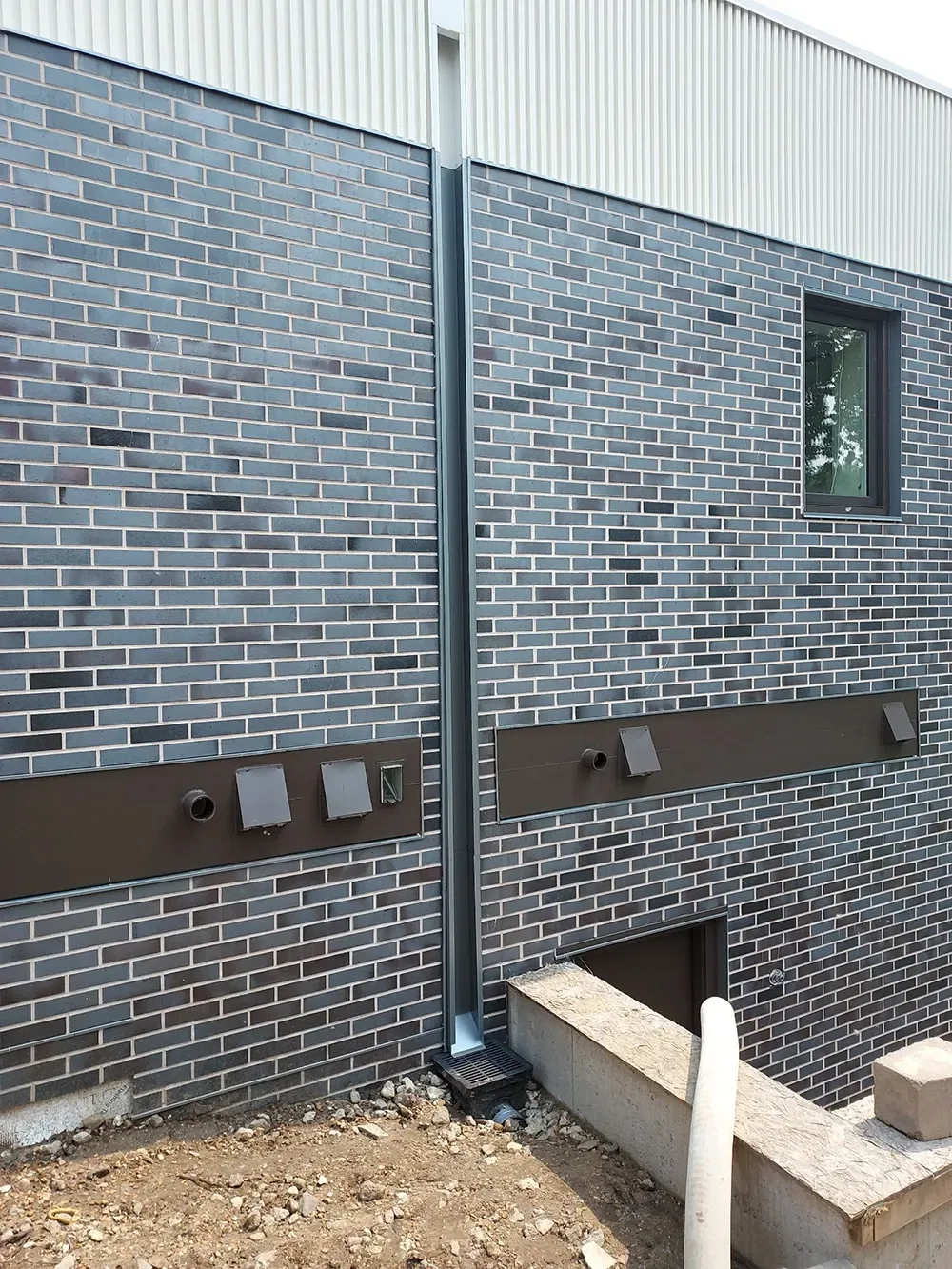
Inspect Palm Bay commercial roof edges, coping, gutters, and downspouts by attachment, water path, roof zone, and documented repair boundary.
Learn More →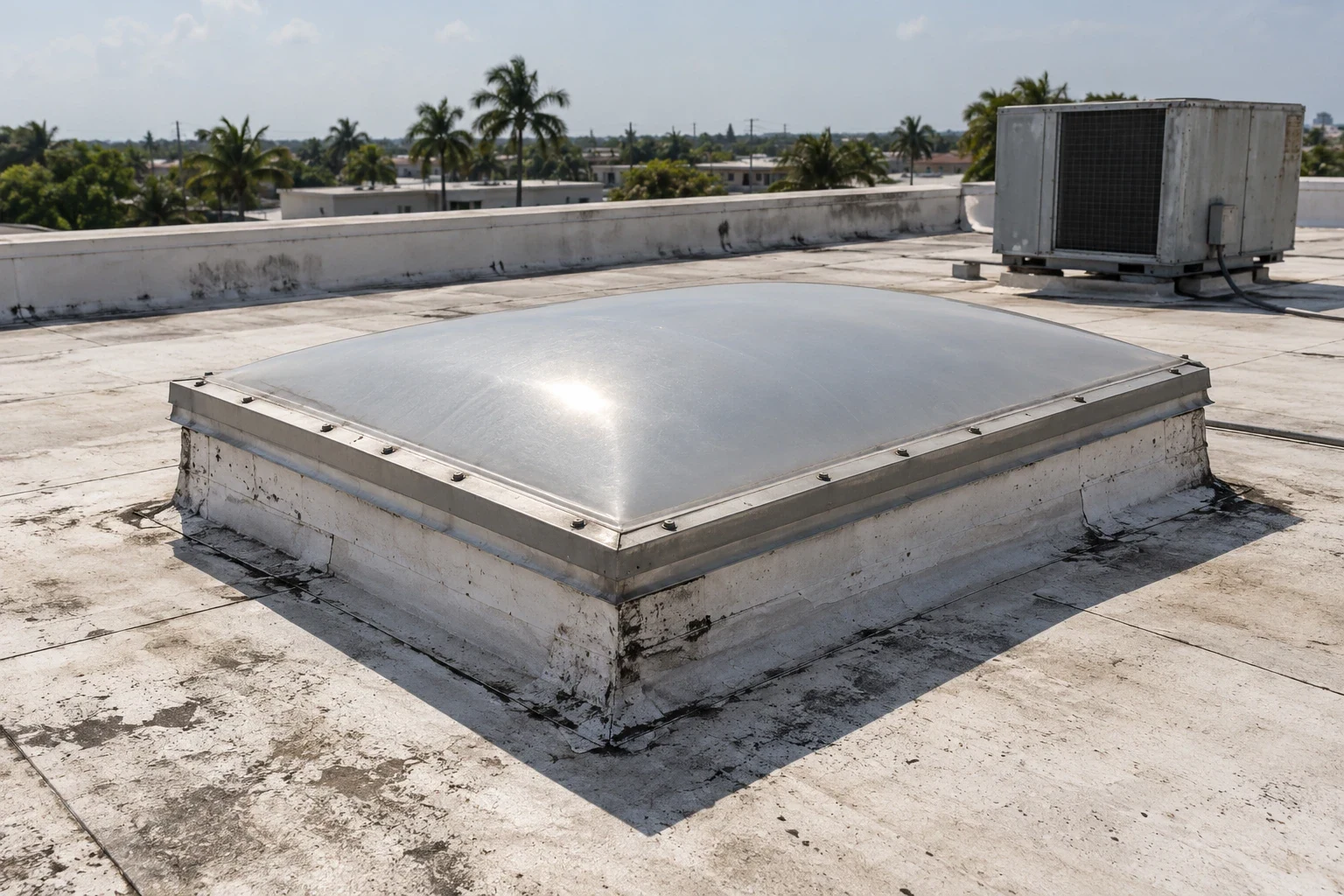
Trace Palm Bay commercial roof leaks at skylights, curbs, pipes, and equipment penetrations with dated photographs and defined flashing repairs.
Learn More →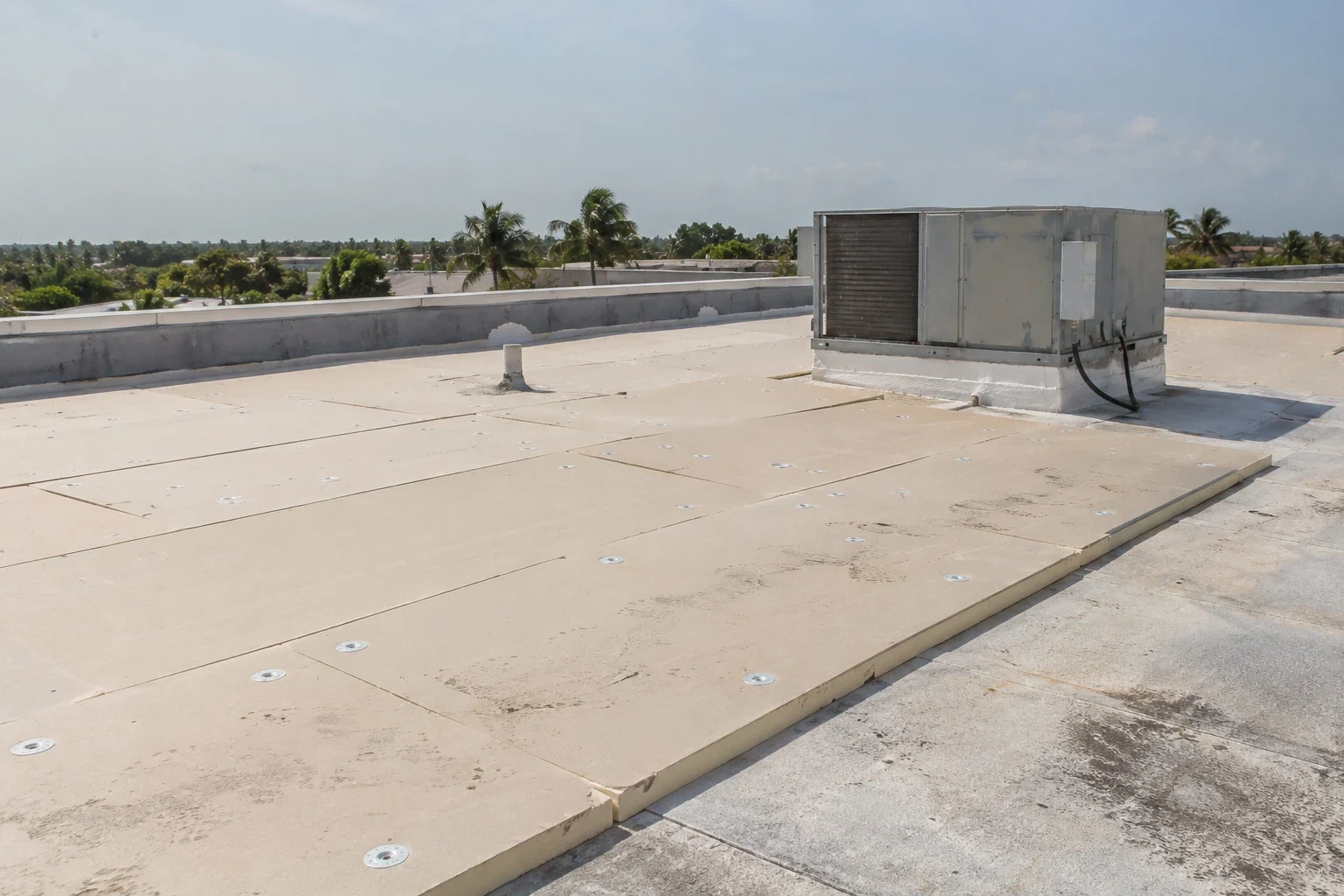
Plan Palm Bay commercial roof insulation and cover board by deck condition, moisture findings, attachment, tapered drainage, and defined test locations.
Learn More →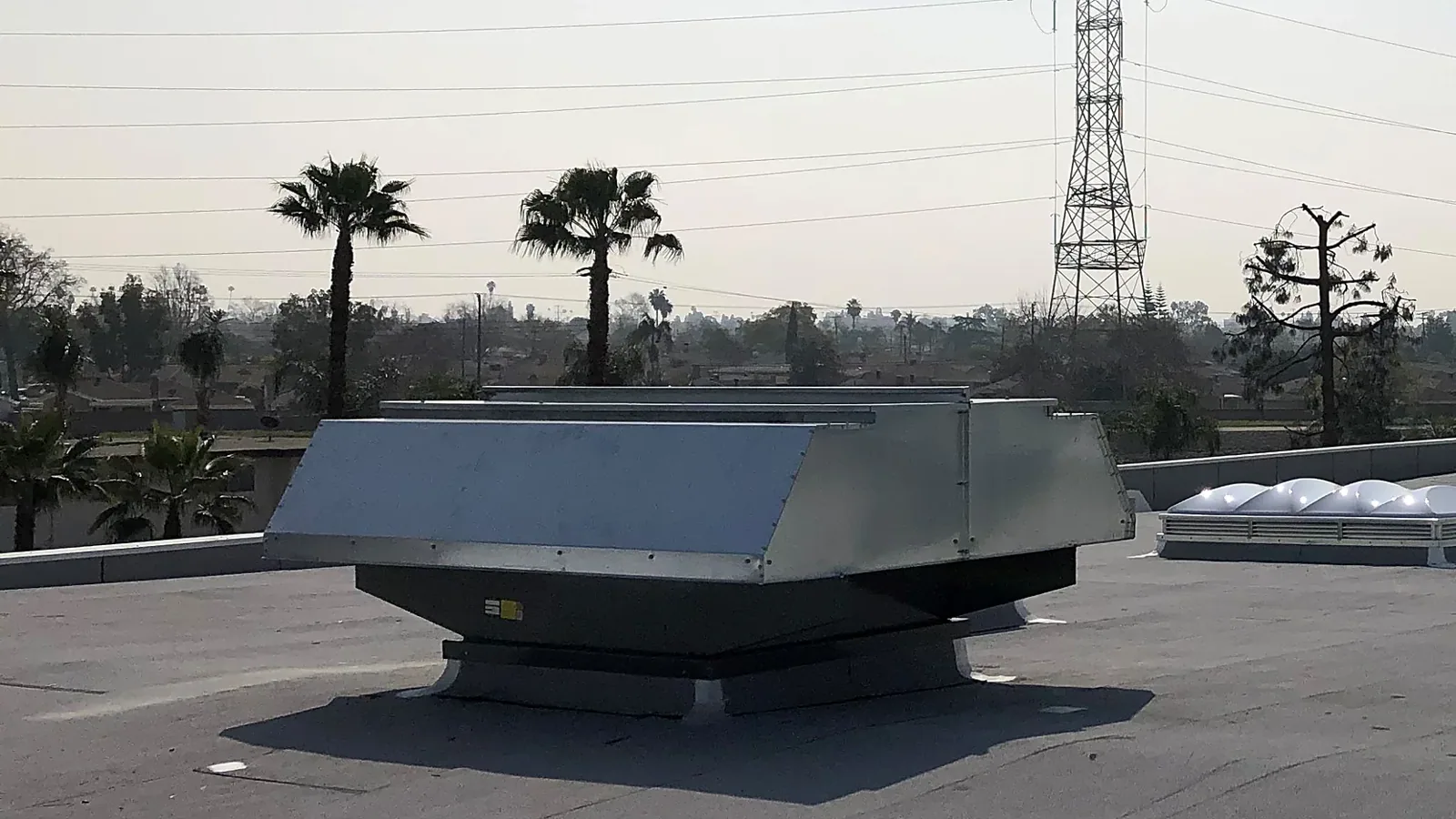
Inspect Palm Bay rooftop equipment curbs and supports for flashing, attachment, movement, service access, and documented roof-zone repair limits.
Learn More →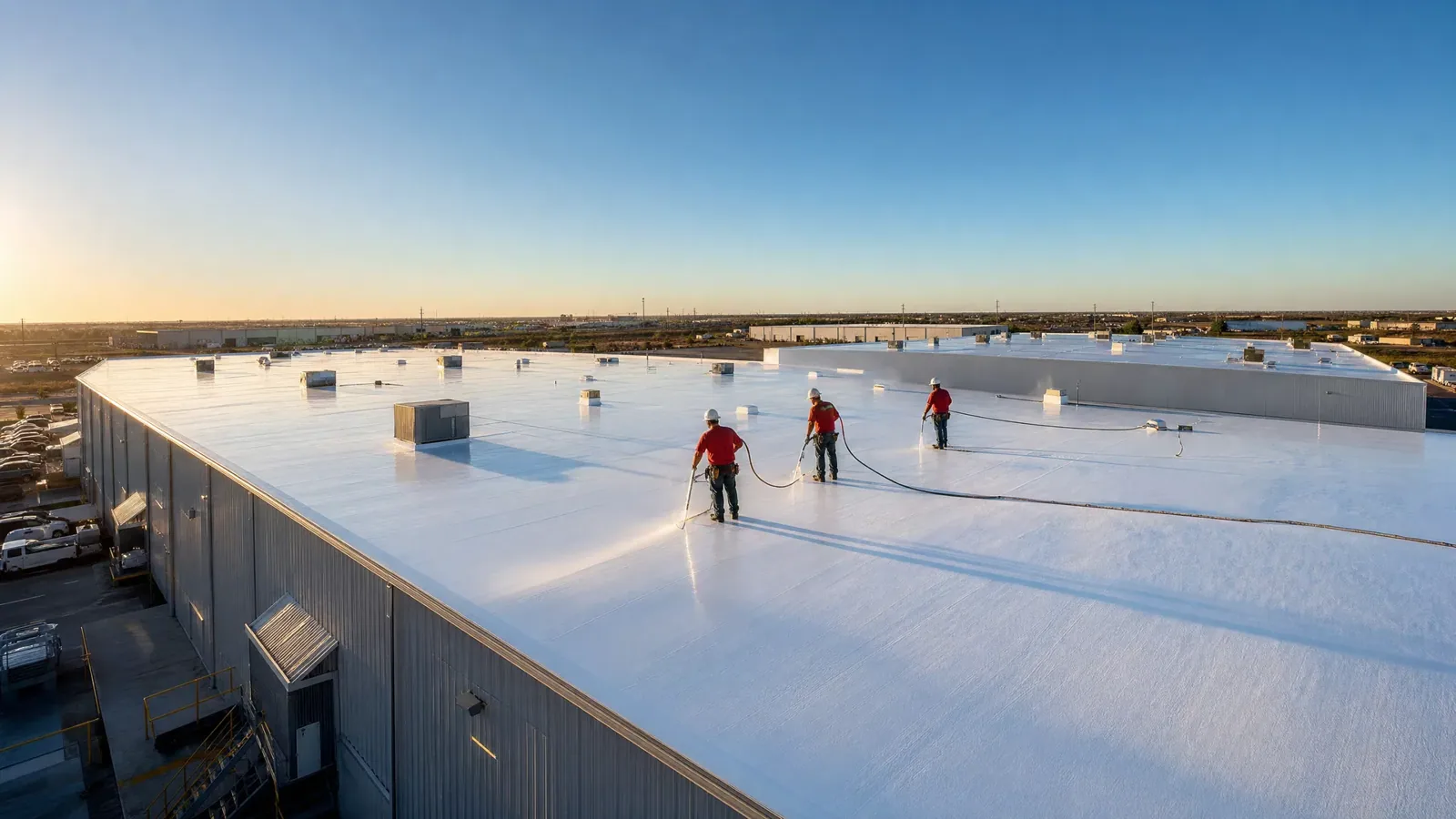
Assess Palm Bay cool-roof options through existing assembly, surface condition, solar exposure, insulation, drainage, and documented project limits.
Learn More →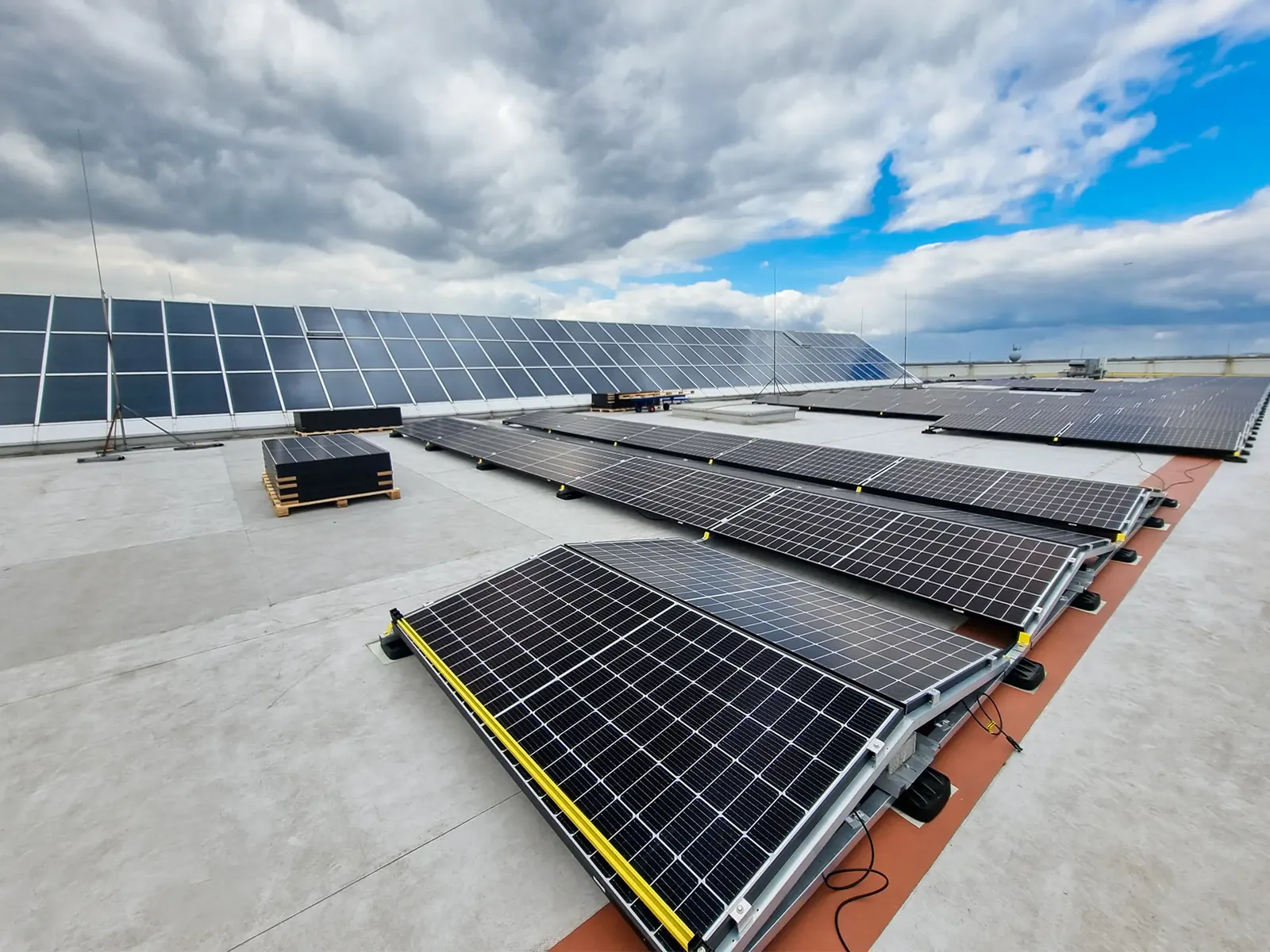
Coordinate Palm Bay commercial roofing with planned solar through roof condition, attachment design, drainage, service access, and documented scope limits.
Learn More →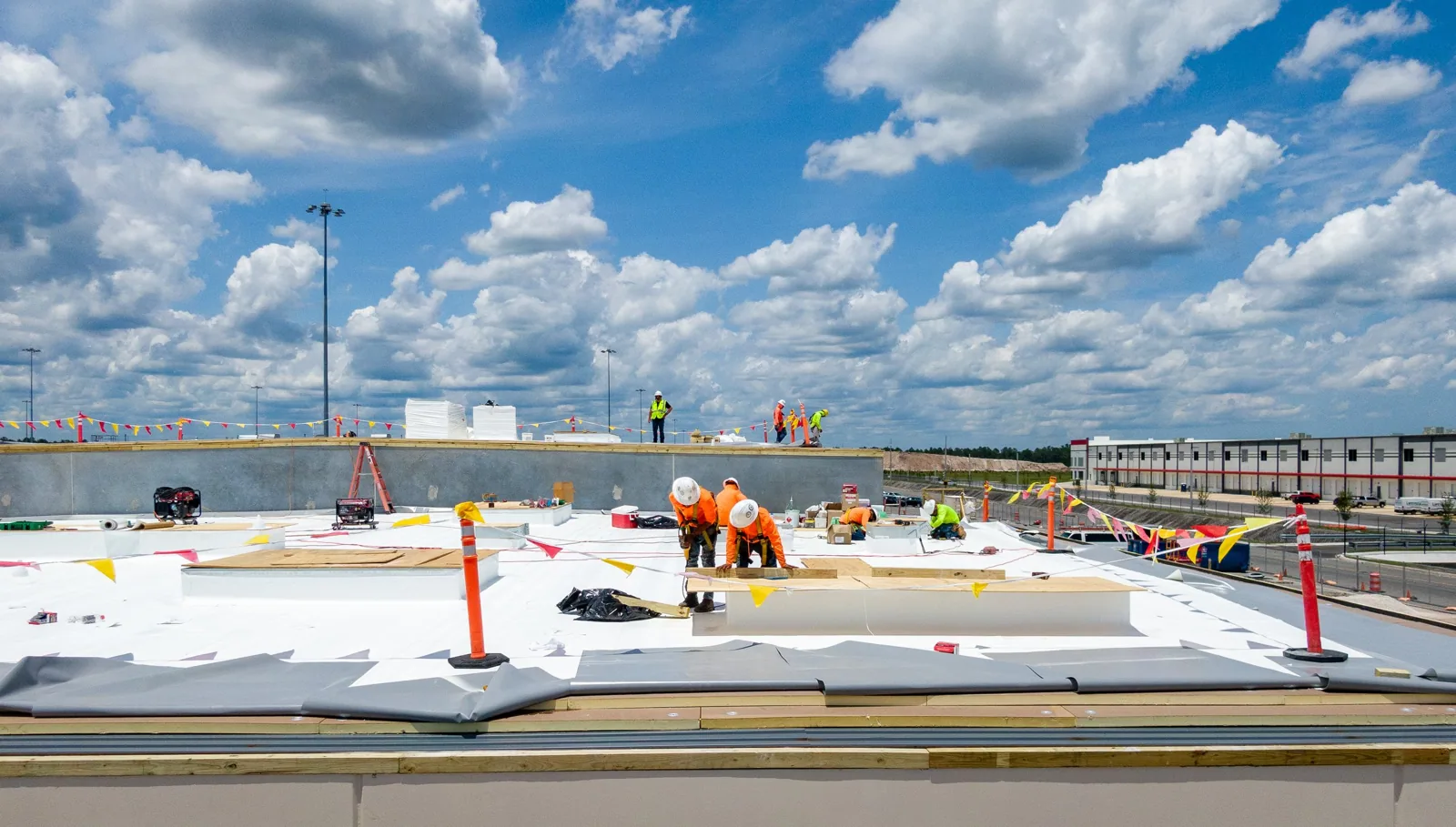
Plan Palm Bay occupied-building reroofing by roof zone, tenant access, daily dry-in, weather window, interior protection, and documented work limits.
Learn More →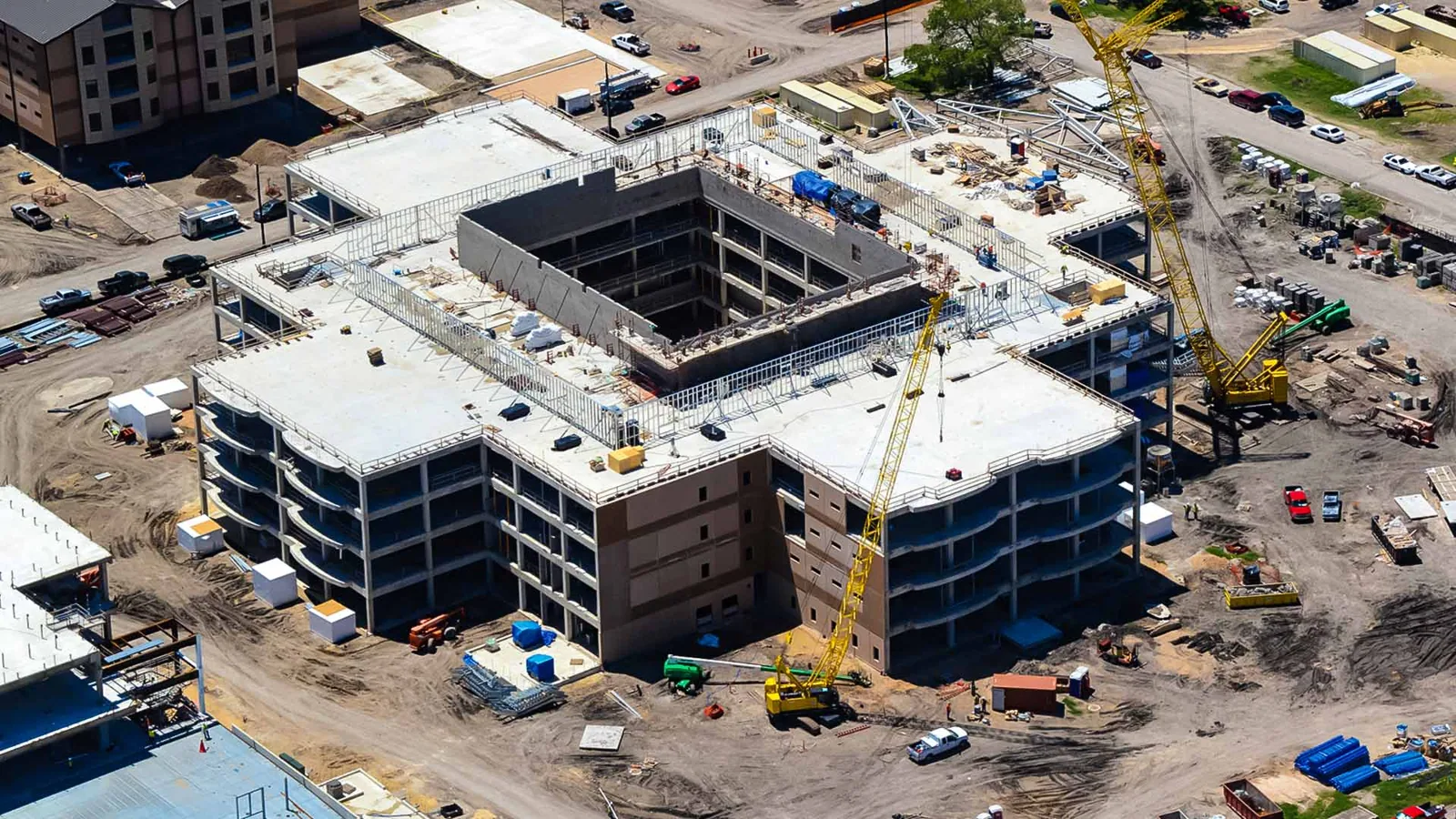
Plan military installation roofing near Palm Bay with access controls, escorts, mission schedules, UFC criteria, roof-zone records, and defined work limits.
Learn More → An interior stain can be away from the roof opening. We trace the likely water path through seams, walls, drains, curbs, and penetrations. A commercial roof inspection gives the owner a dated record. For difficult access, a drone inspection can map visible conditions before a hands-on check. An infrared moisture survey helps locate areas for further testing, with any test opening agreed in advance.
After wind or heavy rain, we compare the event date with observed damage. Palm Bay has documented rainfall during Hurricane Irma at specific reporting points. That history is regional evidence, not proof of damage at another property. The storm repair scope records what changed, while claim documentation can organize photographs and repair records for the owner.
A small puncture or failed flashing may need a targeted repair. Wet insulation, deck damage, or repeated failures can change the boundary. The leak repair service records the reported location and permanent fix. For broader renewal, replacement defines removal, assembly, and tie-ins. A recover is considered only when the existing roof is dry, attached, and suitable for another layer.
A coating can restore a compatible surface after preparation and detail work. A drain or scupper problem needs a drainage scope, not a coat over the symptom. Our coating and restoration service evaluates the assembly first. For recurring care, preventive maintenance tracks drains, seams, edges, and repaired areas before a new leak report arrives.
We coordinate roof access, tenant hours, equipment limits, staging, and protection below the work. This matters at a retail property such as Sabal Palm Square and at medical facilities along Malabar Road. A daily note identifies the roof zone opened, material installed, and temporary edge protection left in place. The closeout lists any area that could not be reached and when another visit is needed.
Timing and cost follow the actual scope. Access, tear-off, wet insulation, deck repair, flashing, disposal, weather, and work phasing all matter. We state what the inspection confirms and what remains concealed. A report should leave the owner with the next action, its basis, and the boundary of the work completed.
Temporary protection has its own work record and field photographs. Note the roof zone, installation date, water-control limit, and return trigger. The permanent repair record names its material, preparation, tie-in, inspected condition, and completed boundary. If rain or access delays leave a covered opening or test pending, identify it in closeout. The owner can then track what was controlled on the first visit and what evidence is still needed before permanent work is released.
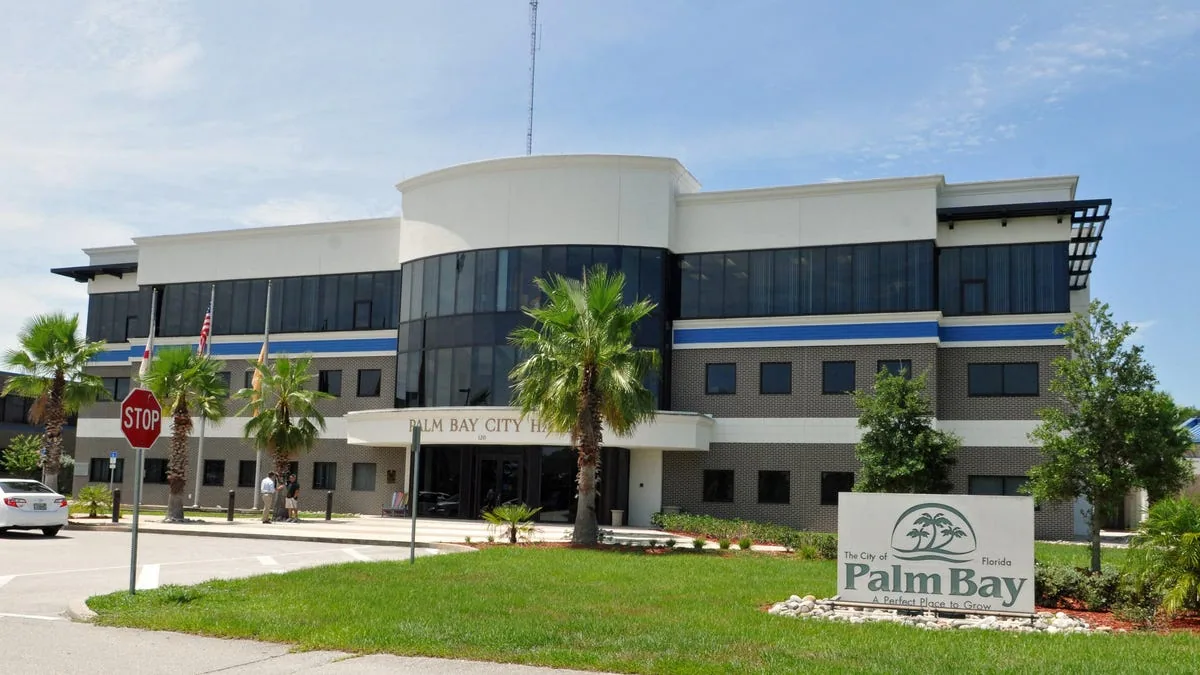
Share the building address, event date, roof zone, access contact, and any active leak. We will define the inspection and work boundary.
Request a Roof Assessment →