
A second roof layer only works when the first assembly can support it. The surface may look dry while moisture sits below the membrane, trapped against insulation or the deck. Before pricing an overlay in Palm Bay, FL, we map the existing layers, inspect the roof zones, and record where water has been reported. The decision is based on test results and project requirements, not on the age of the top surface alone. When a recover is unsuitable, the findings show why removal is needed and where the replacement boundary should fall.
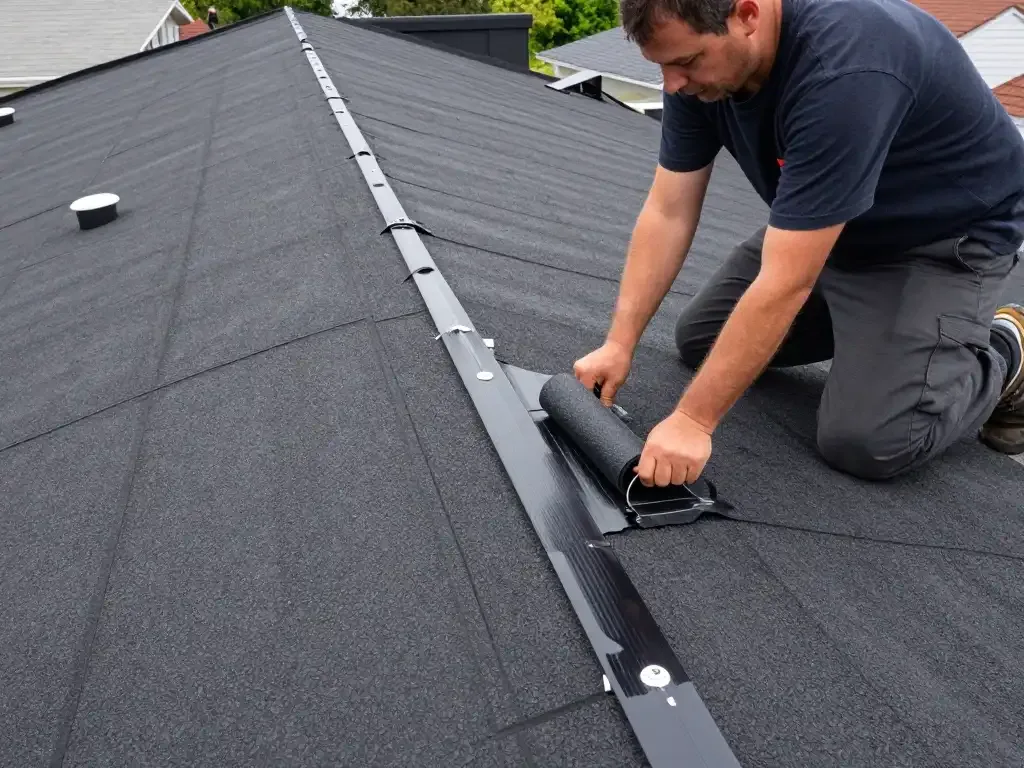
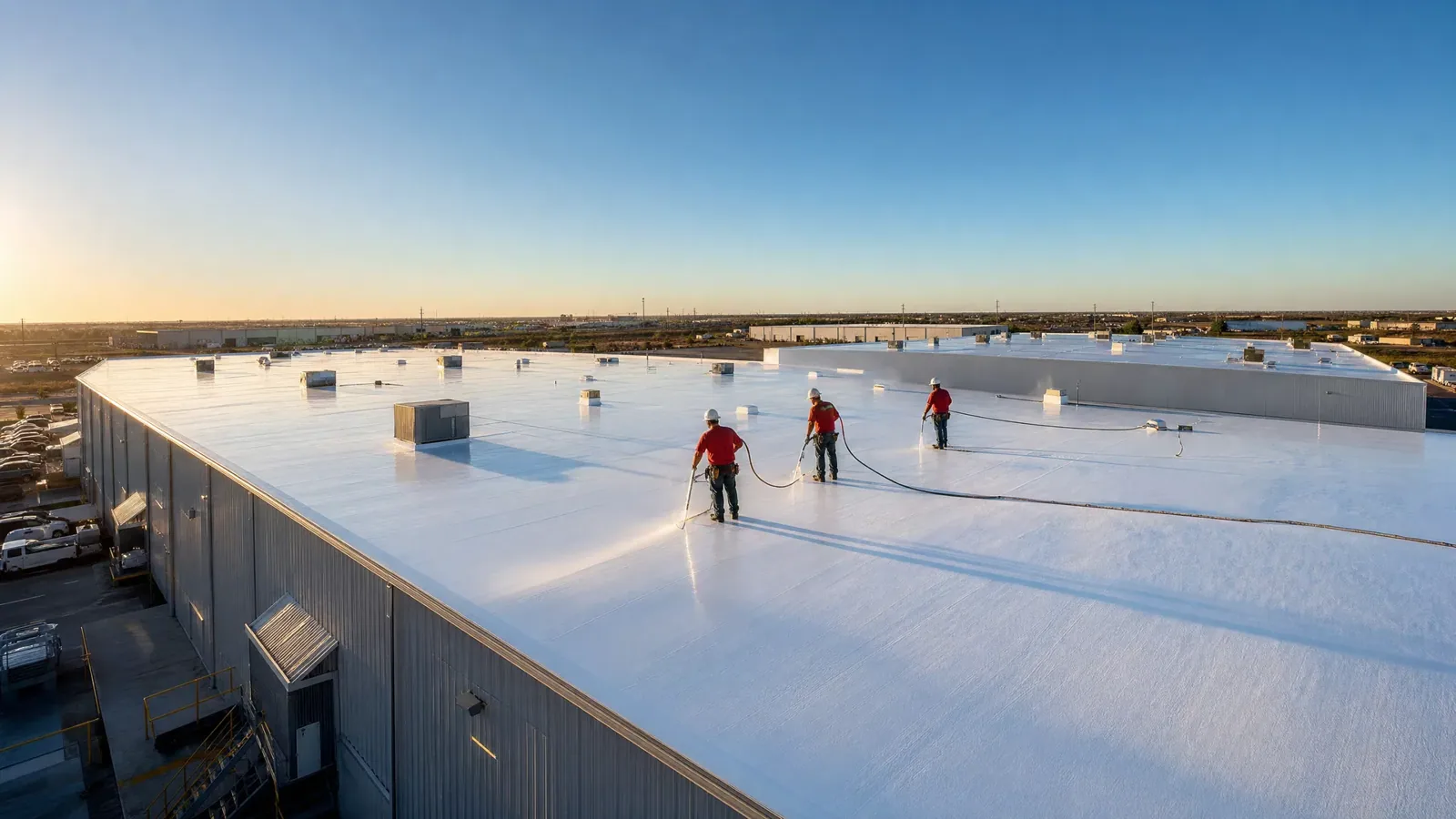
We begin by identifying the roof system, repair history, known layers, deck type, slope, and drainage arrangement. Drawings help, but past repairs can leave patches, multiple membranes, or undocumented insulation below. We compare the available records with field conditions and note any area that cannot be reached. An owner can review the information before approving a test opening or more extensive investigation.
Recover eligibility depends on the condition of the roof deck, the amount and location of moisture, attachment, system compatibility, code, and the new assembly details. A roof with isolated damage may need localized removal before recover work. Widespread wet insulation or deteriorated deck can make an overlay a poor choice. We do not cover those conditions and leave their repair for later; they are documented as scope items.
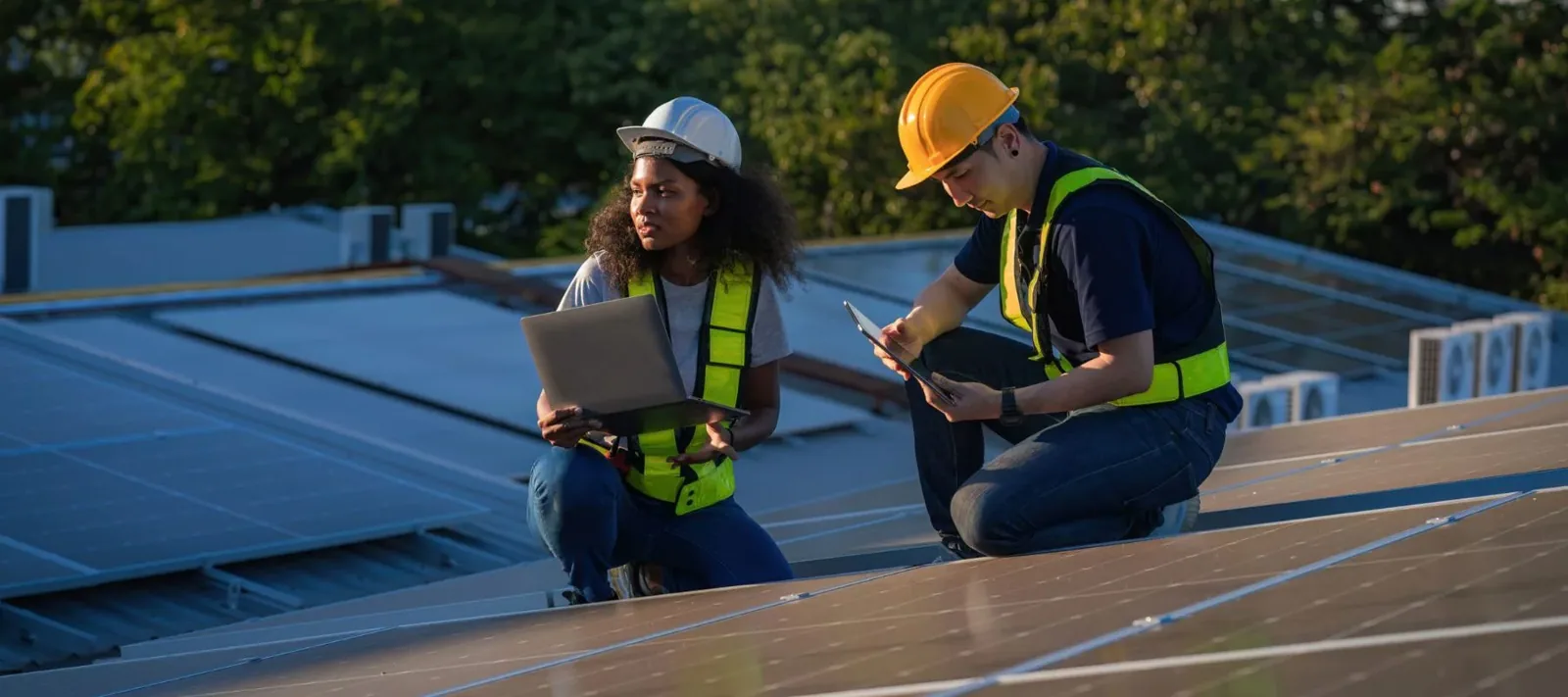
A roof inspection records seams, penetrations, edge metal, drains, and transitions. Infrared imaging or test cuts can help answer specific moisture questions, with limitations noted. The moisture survey scope identifies which roof zones were scanned, what conditions were present, and where physical confirmation is needed. Each observation has a location, photograph, and confidence boundary.
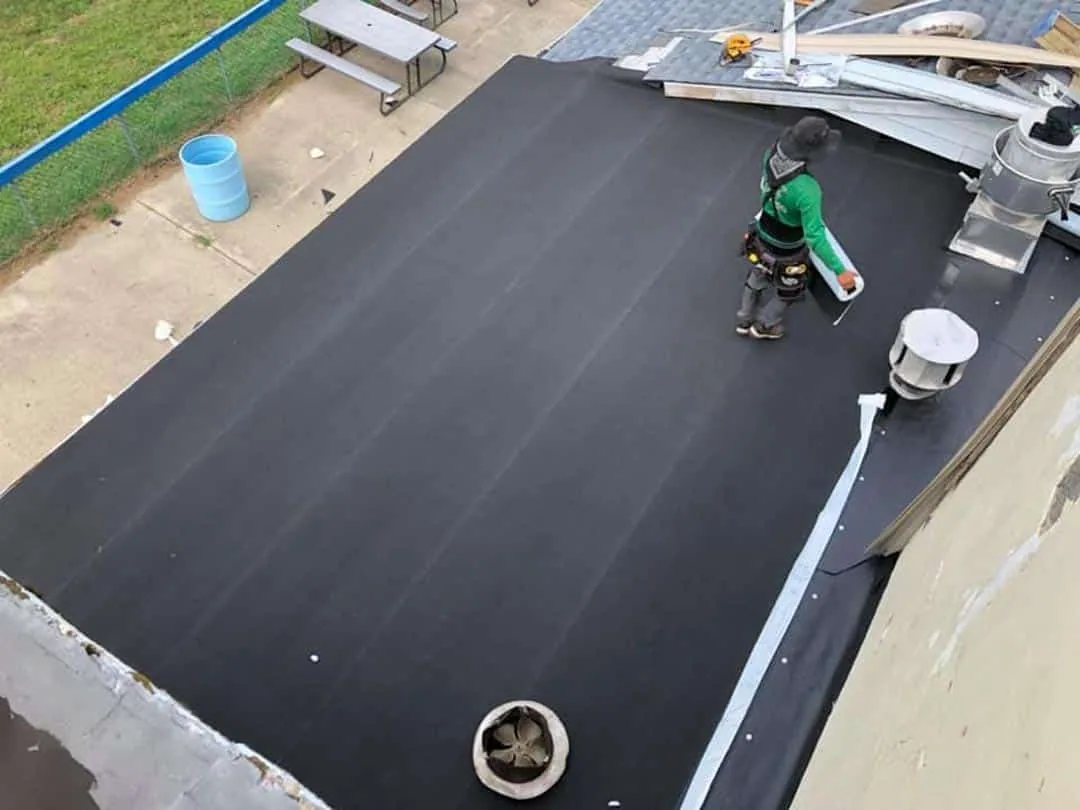
Moisture can hide below an intact-looking surface. A recover plan needs to establish whether water has entered the insulation and whether it can dry or be removed under the proposed assembly. We review drainage, interior leak reports, membrane seams, penetrations, and prior patches together. One dry sample does not prove every roof zone is dry. Sample locations should follow observed conditions and changes in the assembly.
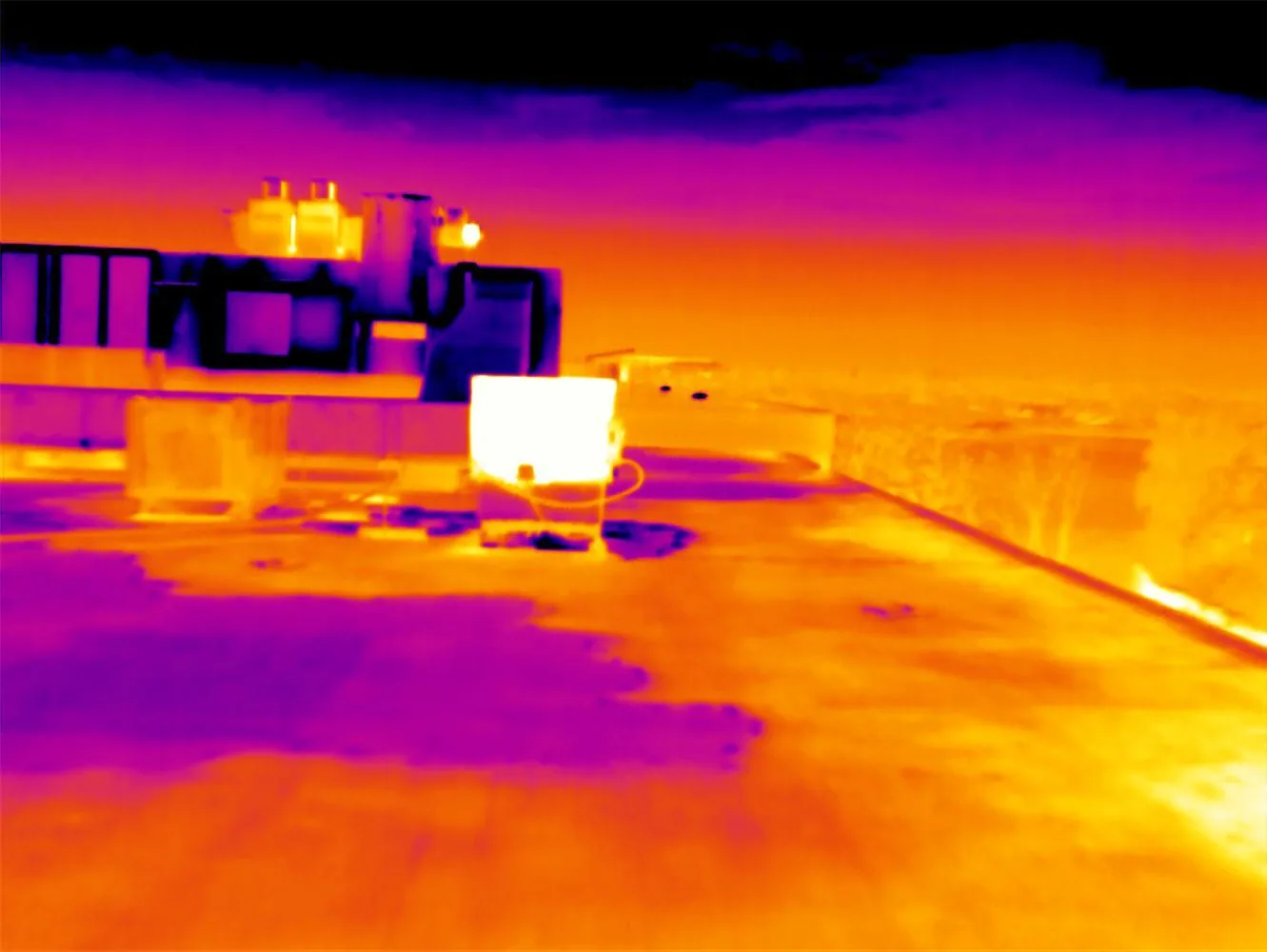
Infrared surveys are useful under suitable weather and roof conditions, but image patterns require interpretation. Equipment shadows, stored heat, ballast, and different roof materials can affect the reading. A hands-on follow-up or written condition report can tie the scan to roof details and test openings. We record survey limits so an unscanned area is not called dry.
A Palm Bay gauge recorded 13.23 inches during Hurricane Irma. That event reading does not establish water entry at a different address. A leak log and current roof observations determine where we investigate and whether wet material has spread.
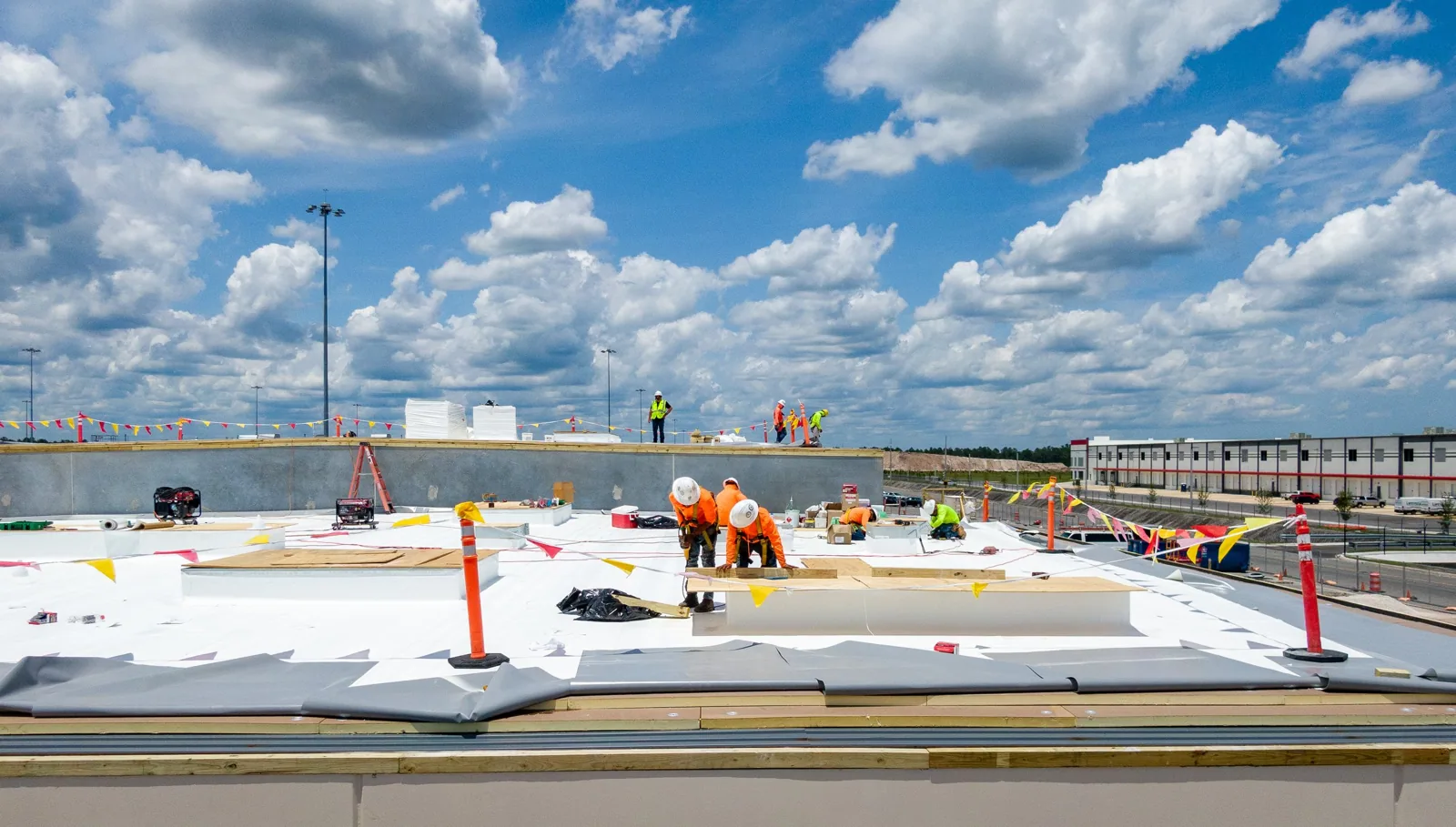
An overlay changes roof height and adds material. Existing drains, overflow scuppers, edge conditions, and equipment clearances need review before the new layer goes down. If the roof already ponds, another layer can leave water standing longer or place the finished surface above a drain bowl. We measure elevations where the plan requires it and identify corrections before pricing the recover as a complete solution.
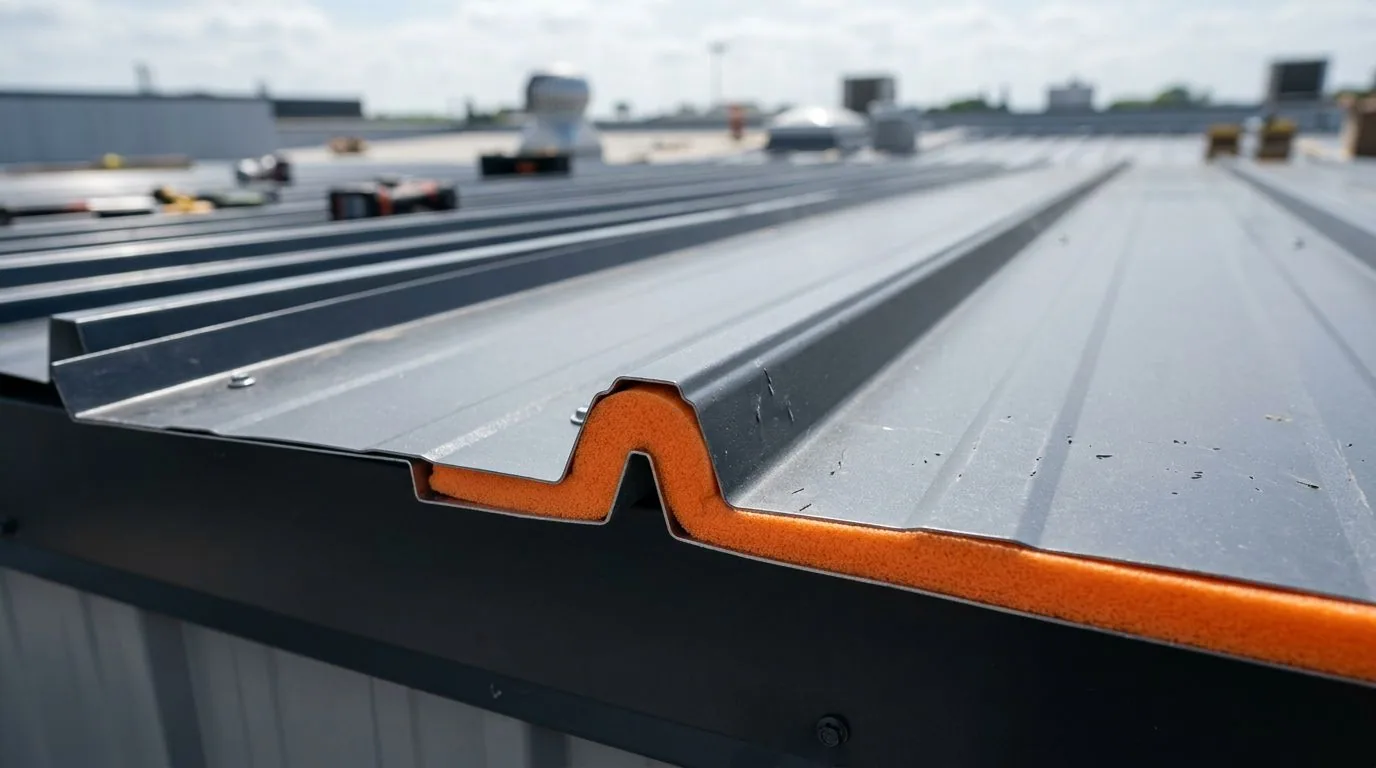
Insulation taper, cover board, and attachment must suit the existing deck and proposed membrane. Added weight and wind-uplift design follow the code and project requirements. The site-specific product approvals and tested assembly govern the installation. We do not assume that a system approved for one deck or attachment method transfers to another building.
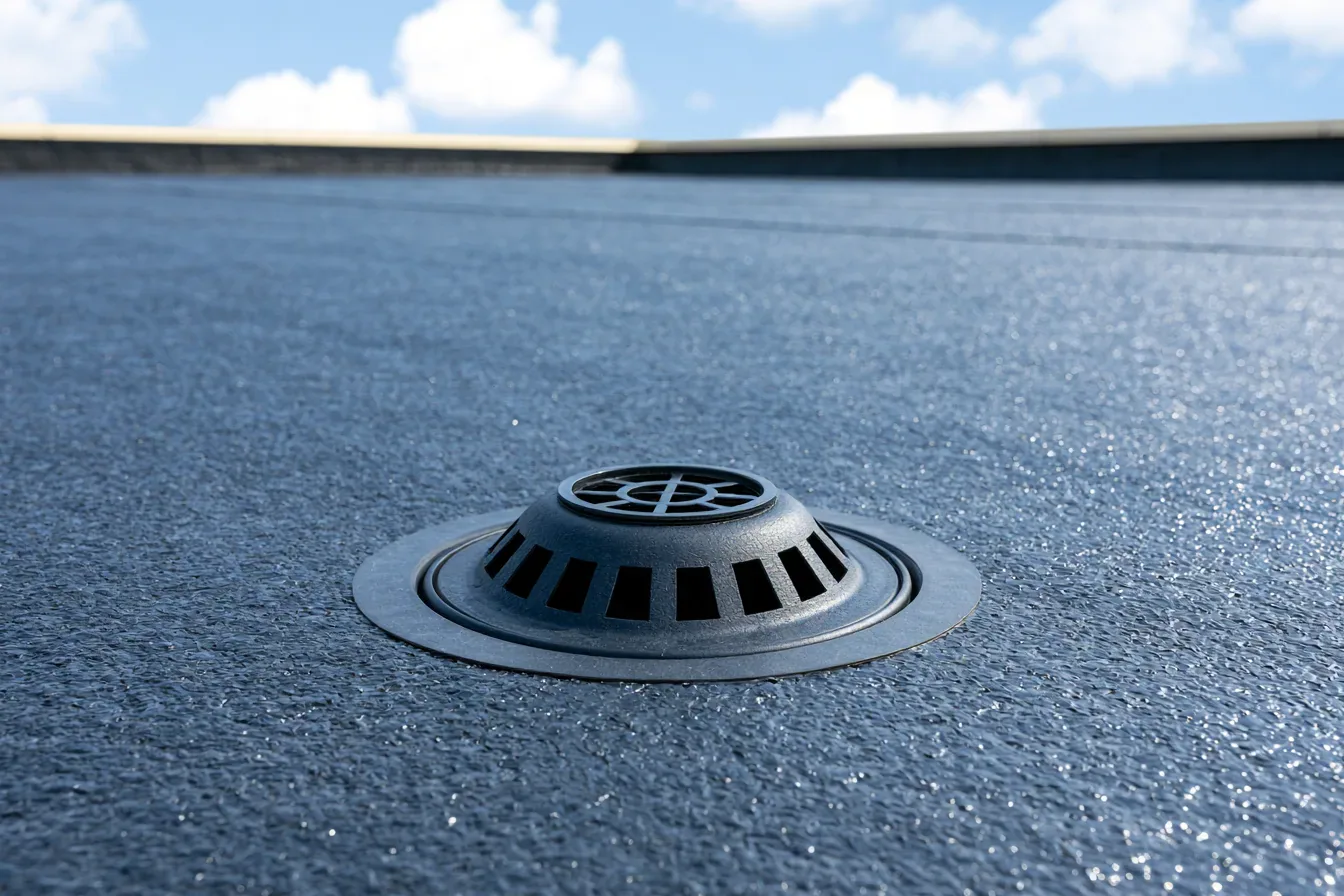
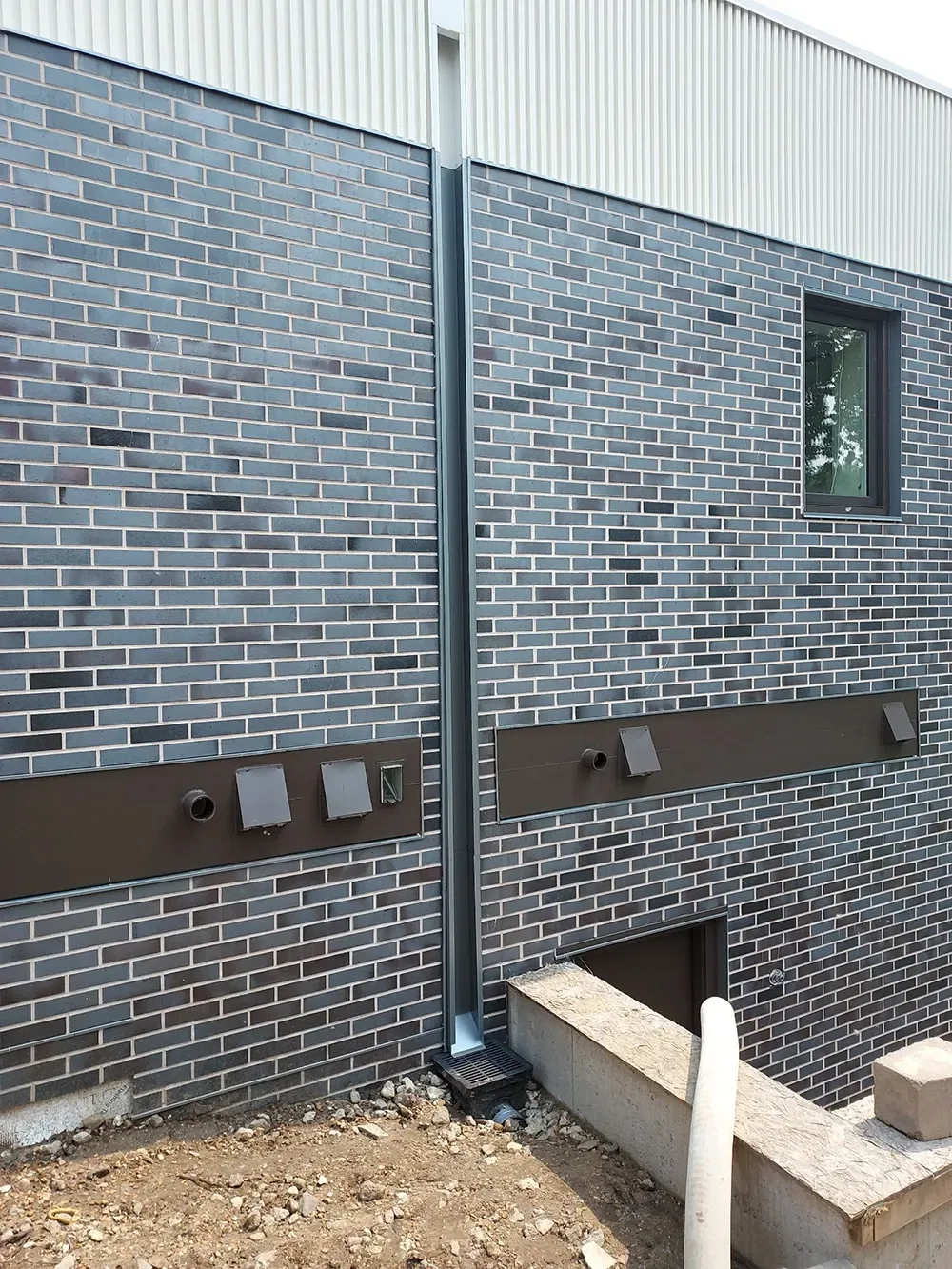
A drain and scupper review can identify clogged, undersized, or poorly coordinated outlets. Where the perimeter detail changes, edge metal and coping work needs a compatible termination. The roof surface, drainage system, and edge details work together; approving only the new membrane leaves a gap in the scope.
Recover work can reduce removal, but it still needs a defined sequence. The crew prepares the surface, removes failed material in approved areas, corrects substrate conditions, installs the selected cover board or membrane, and ties in edges and penetrations. Any exposed section is protected before a weather change. Temporary protection is listed separately from the permanent scope, with the affected zone and return plan recorded.
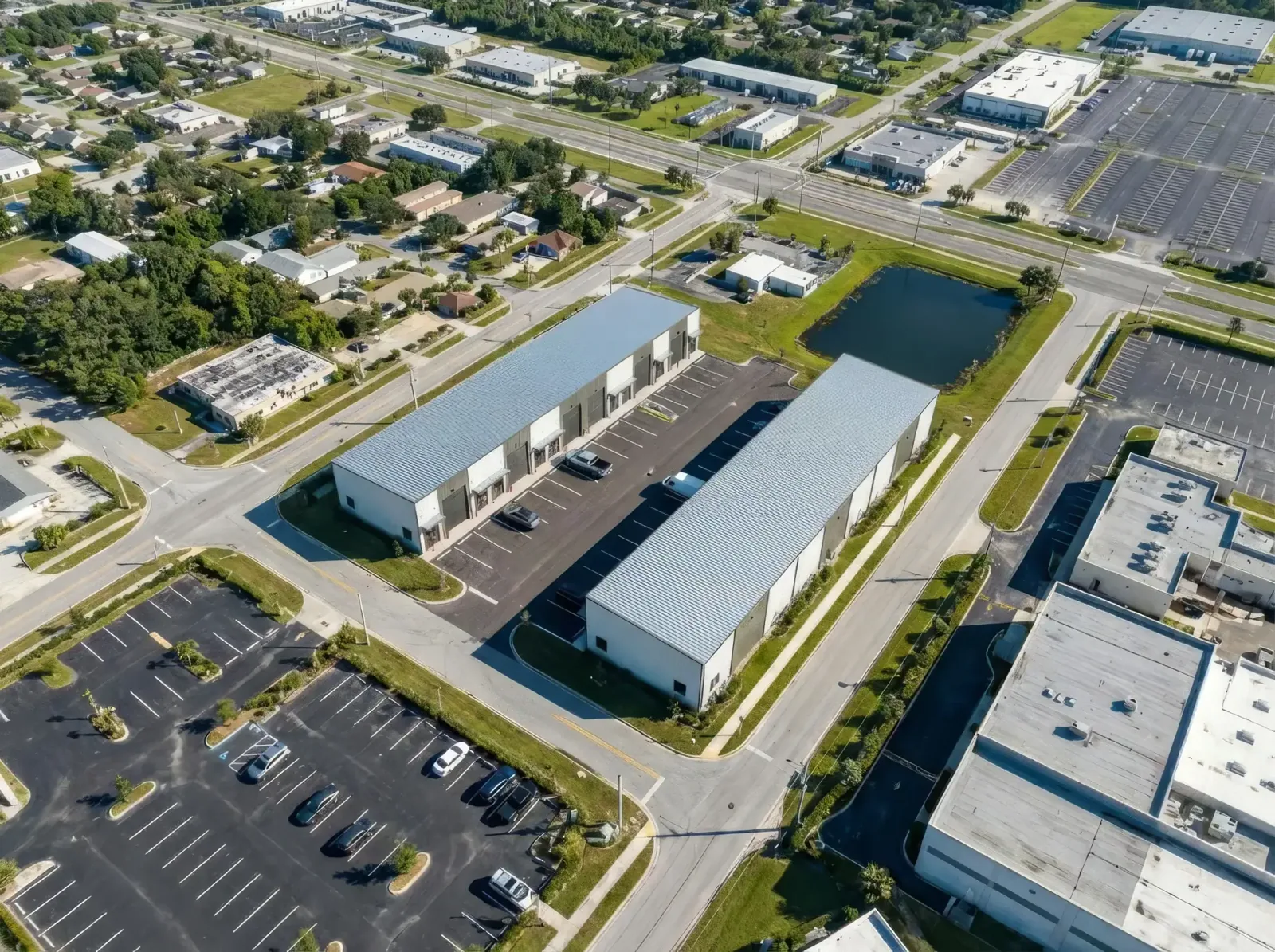
At Palm Bay Flex Business Park, unit access and tenant operations can influence staging and work order. At the Palm Bay Hospital campus, access and interior protection must follow facility requirements. Those are different properties, so we confirm the plan with each site contact instead of assuming one roof sequence fits both.
We confirm roof access, fall protection, equipment clearances, deliveries, and approval authority before mobilizing. Work records identify completed zones and open issues. If a test opening shows wet insulation or a compromised deck, we pause that area, photograph the finding, and obtain direction before covering it. The occupied-building sequence can stage work around operating areas.
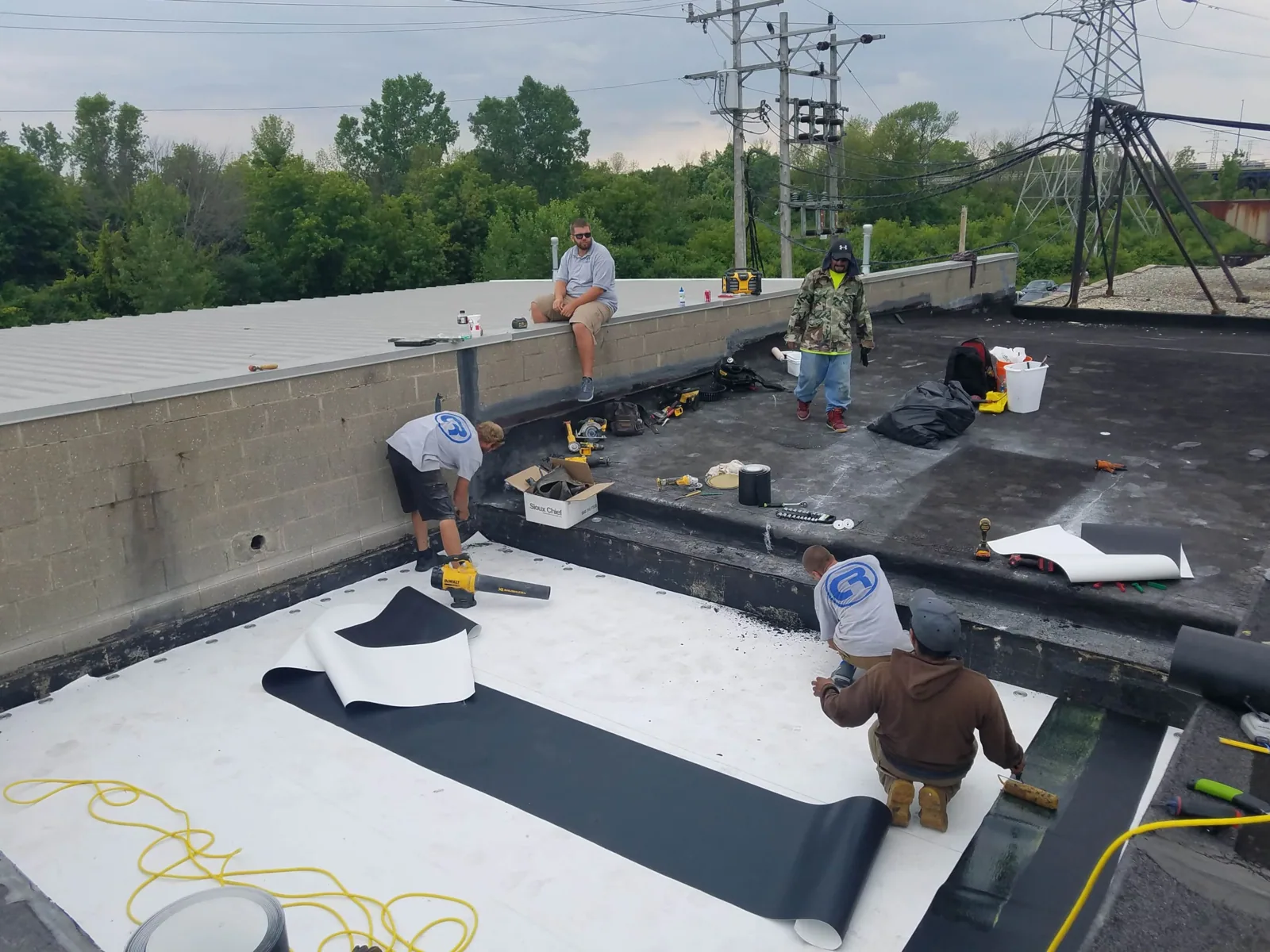
The comparison should use the same building area and detail list. A recover may be practical where the existing roof is dry, stable, compatible, and eligible under the project documents. Tear-off becomes necessary when moisture, deck damage, excess layers, failed attachment, or code limitations prevent a sound overlay. We put the reason in the written scope and show the evidence that supports it.
Cost and timing turn on the number of layers, removal quantities, repairs at drains and curbs, crane or lift access, and concealed damage. A recover may shorten removal activity, yet it cannot remove wet insulation or expose the deck for inspection. We separate recover and tear-off options and identify the conditions that would change each price.
Closeout records include the selected system, repaired zones, dated field photographs, test results, and access limits. If the recover follows a storm report, the event date is distinct from observed damage at the property. A capital plan can carry remaining risk and follow-up work into the next budget cycle.
Learn more →
Learn more →
Learn more →
Learn more →
Learn more →
Learn more →
Learn more →
Learn more →