
A seam split, loose flashing, or failed coating can point to different repairs depending on the roof system. We identify the installed assembly before choosing materials or describing a repair boundary. Our Palm Bay, FL crews work with single-ply membranes, modified bitumen, built-up roofs, standing seam metal, retrofit systems, spray foam, and fluid-applied coatings. The system names guide the inspection; the field condition decides the next step.
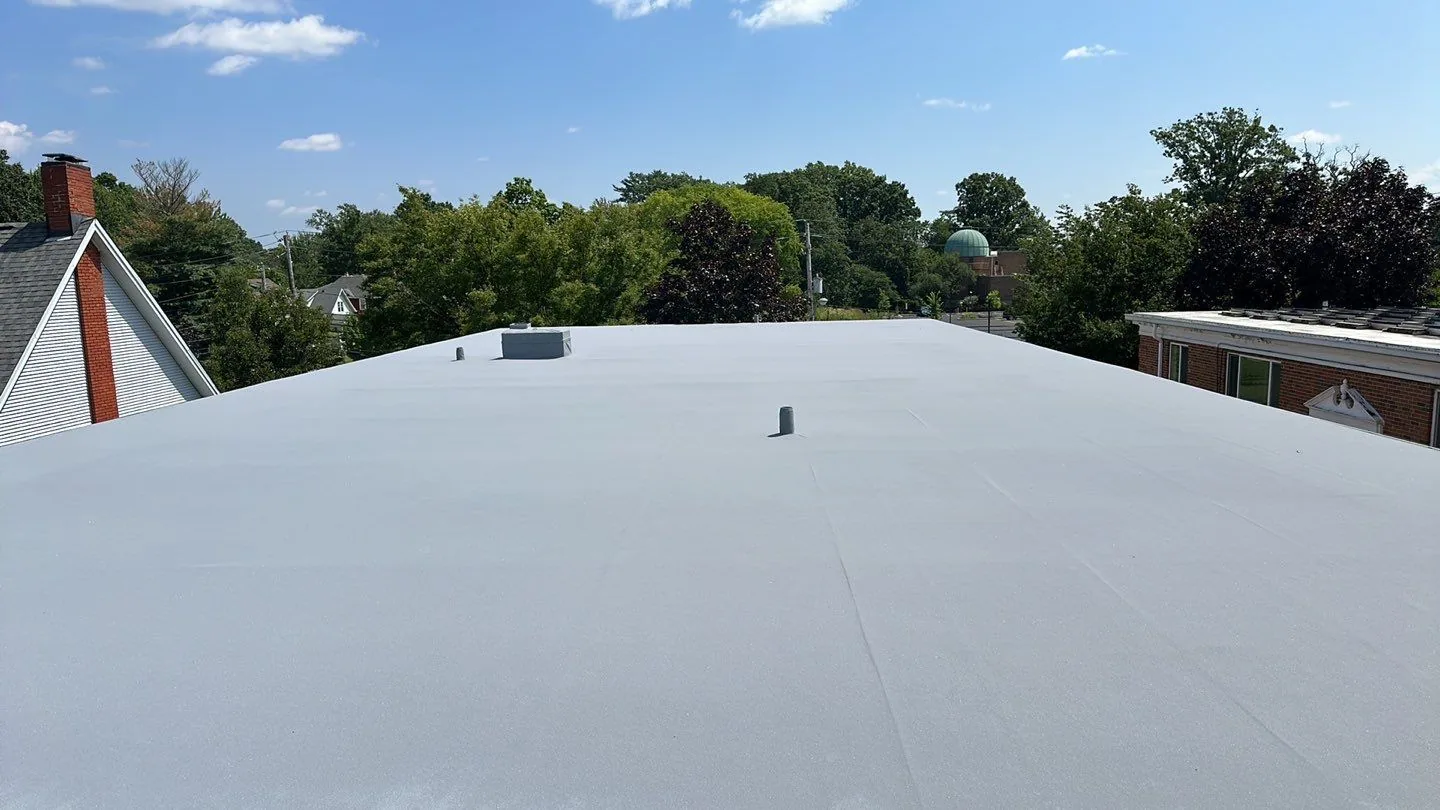
Inspect Palm Bay TPO roofs by weld condition, flashing, attachment, drainage, and documented repair limits before planning a recover or replacement.
Learn More →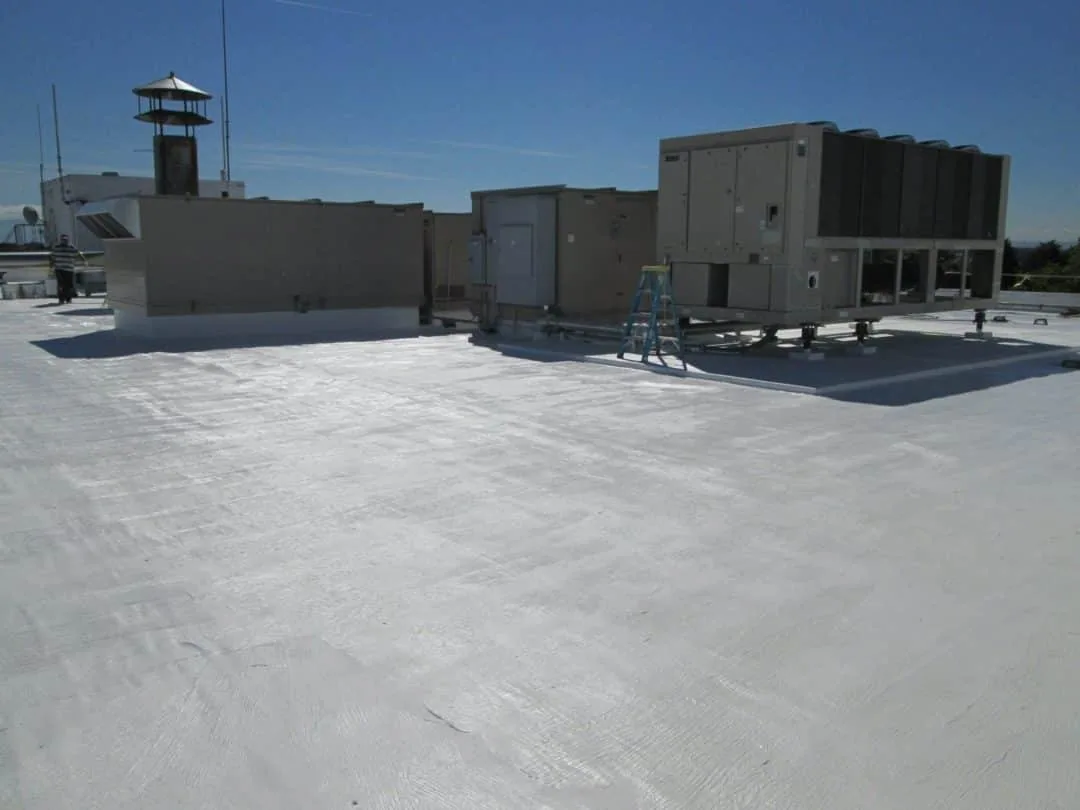
Review Palm Bay PVC roofing through welded seams, chemical exposure, flashing details, drainage, and recorded substrate condition before repair.
Learn More →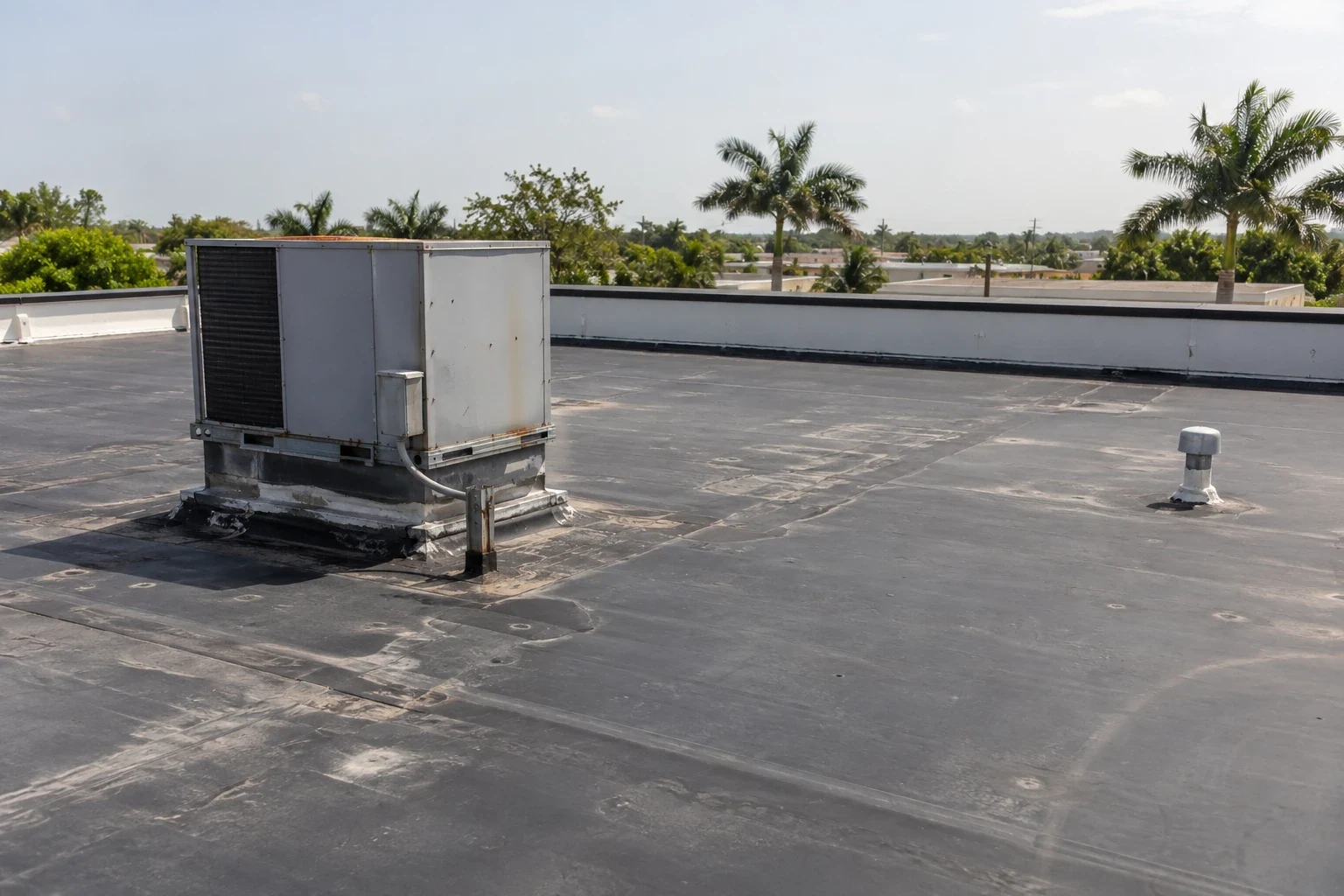
Inspect Palm Bay EPDM roofs for seam adhesion, shrinkage, flashing, punctures, drainage, and concealed moisture before setting a repair scope.
Learn More →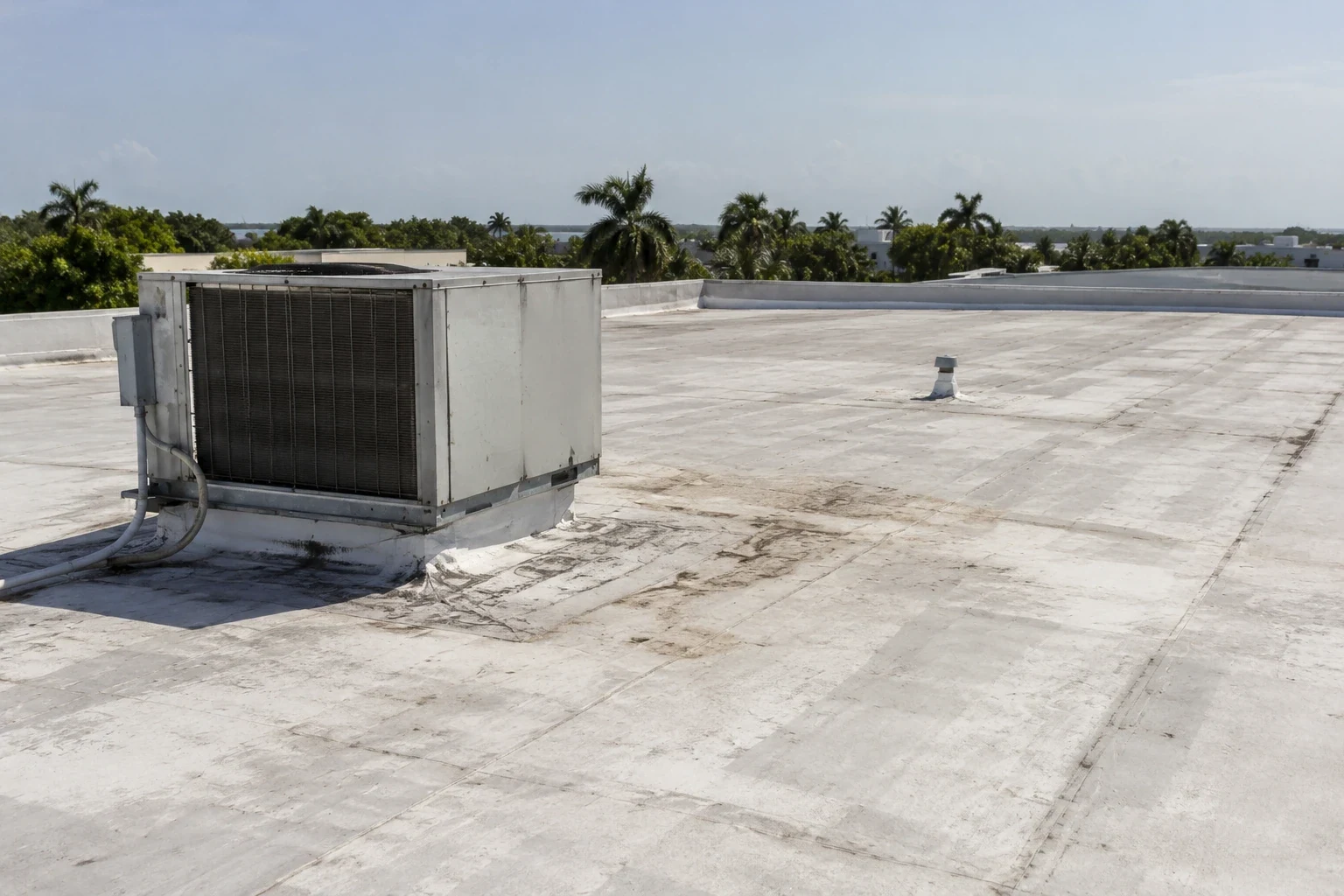
Evaluate Palm Bay KEE roofing through PVC-alloy sheet condition, welds, chemical exposure, flashing, drainage, and a documented repair boundary.
Learn More →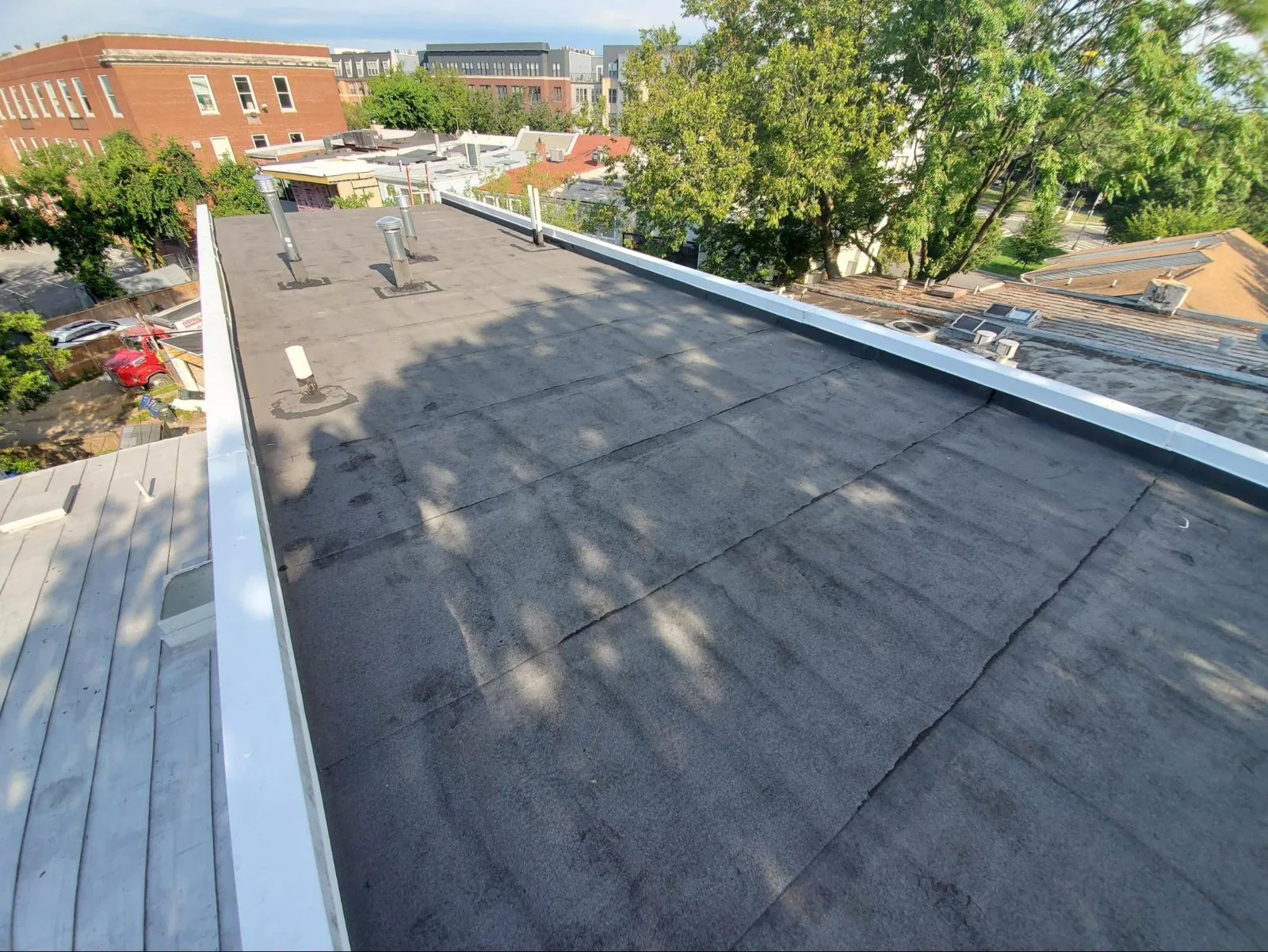
Inspect Palm Bay modified bitumen roofs by ply, lap, surfacing, flashing, drainage, and recorded substrate condition before repair or replacement.
Learn More →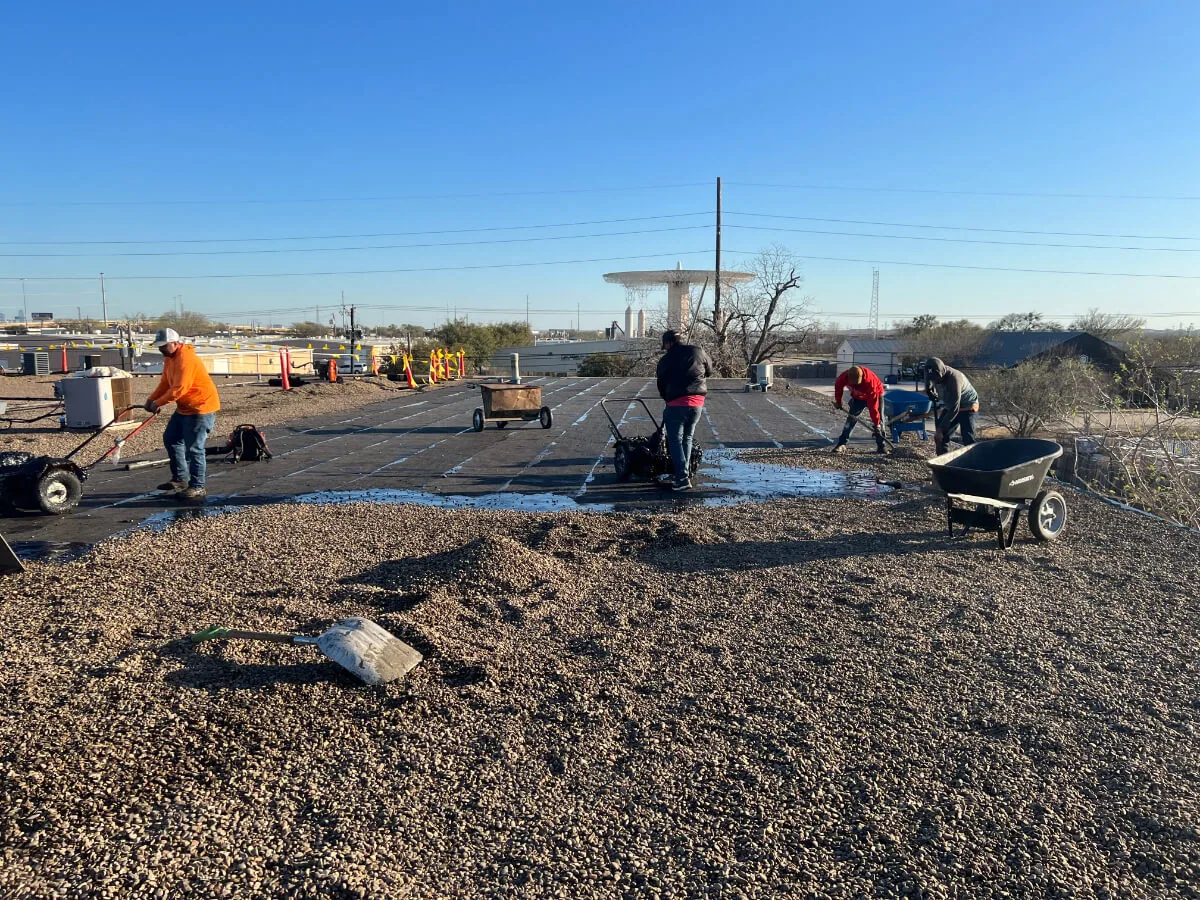
Assess Palm Bay built-up roofing by ply adhesion, surfacing, flashing, drainage, and documented test locations before defining repair or replacement.
Learn More →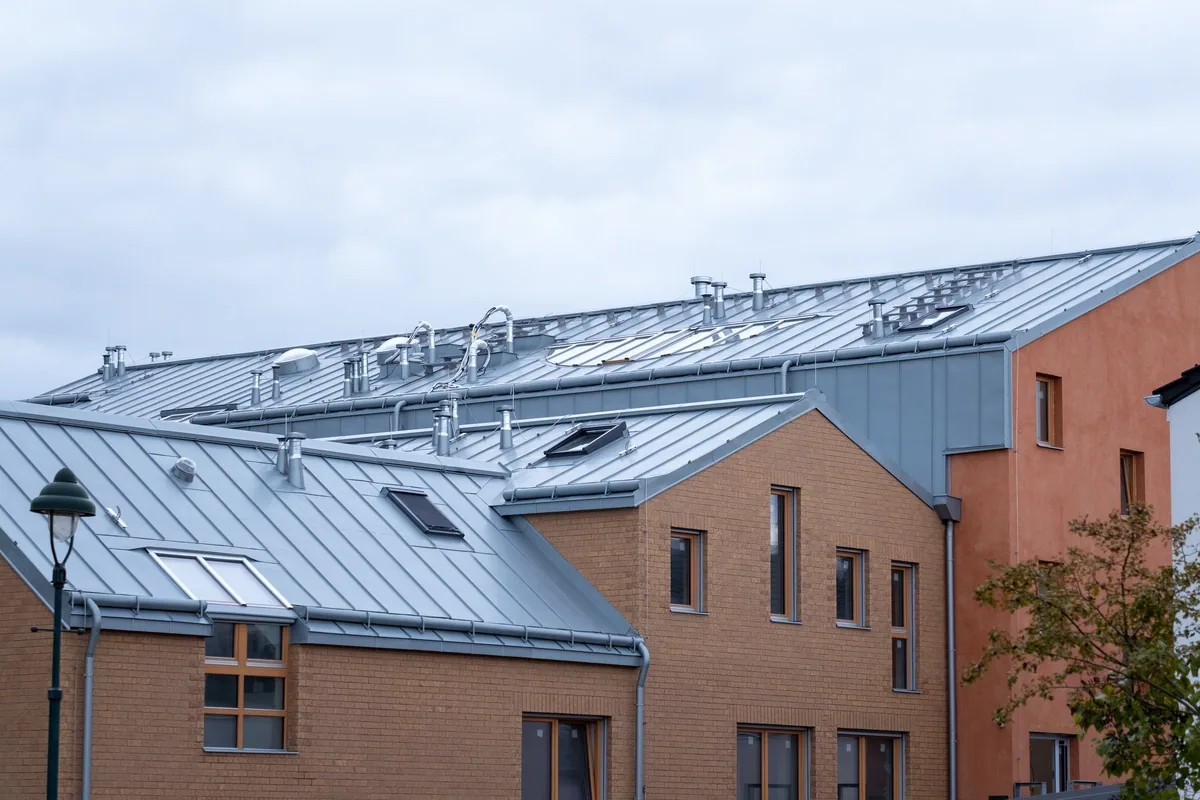
Inspect Palm Bay standing seam metal roofs for panel movement, clips, seams, fasteners, flashing, and confirmed repair limits after weather reports.
Learn More →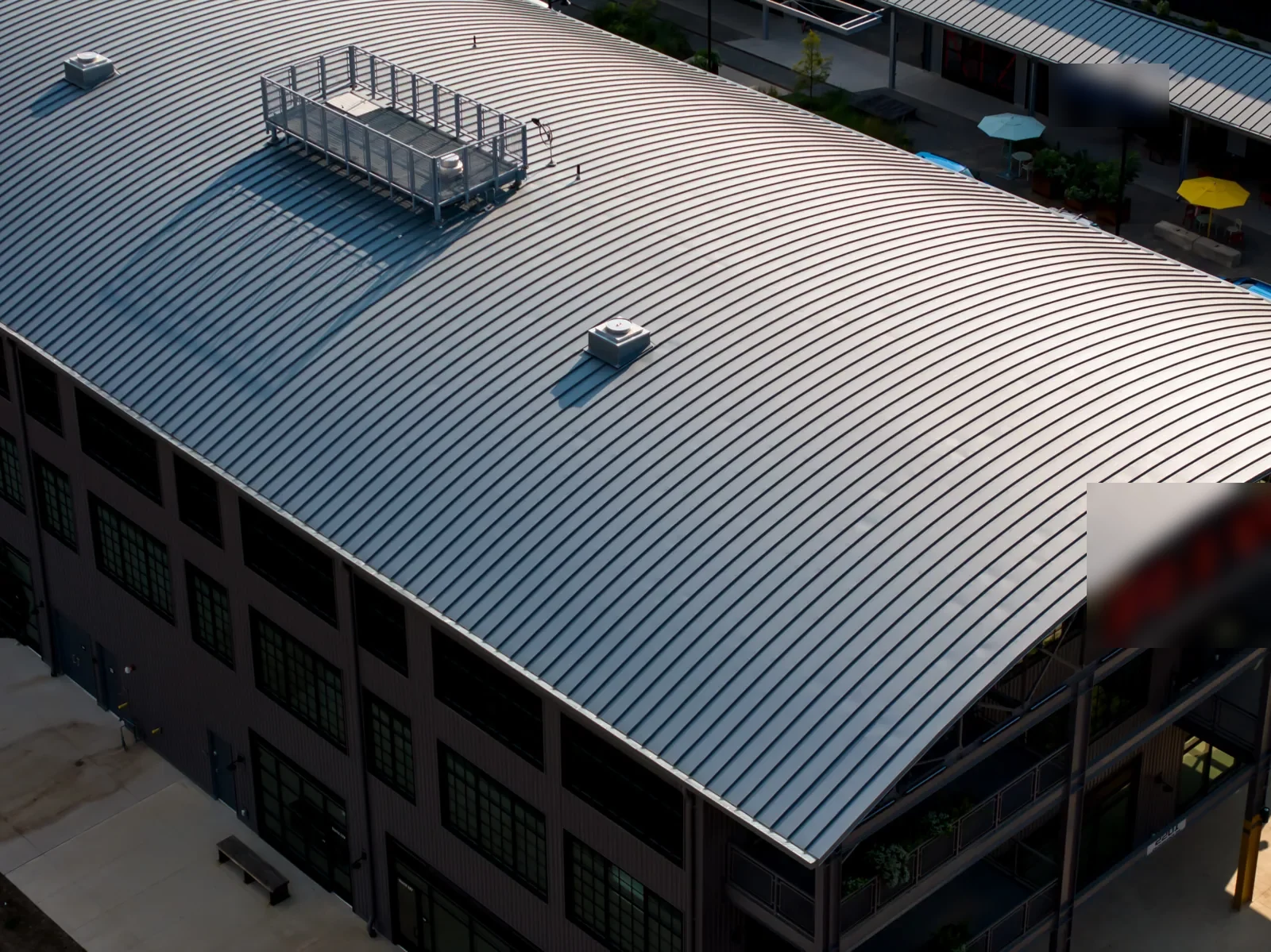
Assess Palm Bay exposed-fastener metal roofs for panel corrosion, screw failure, substrate condition, drainage, and retrofit attachment before design.
Learn More →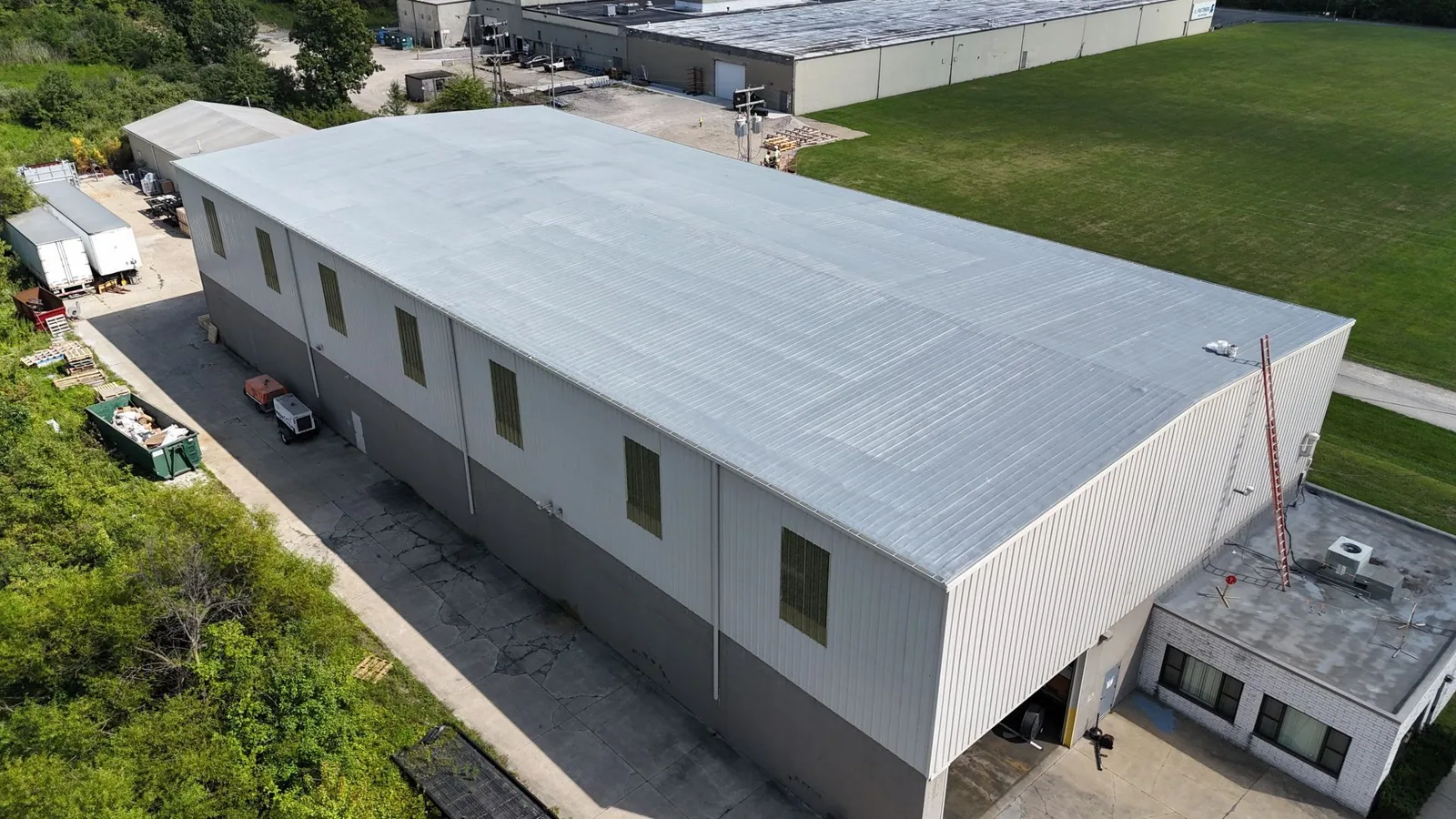
Inspect Palm Bay SPF roofs for foam adhesion, surface cuts, protective coating, drainage, penetrations, and documented test locations before repair.
Learn More →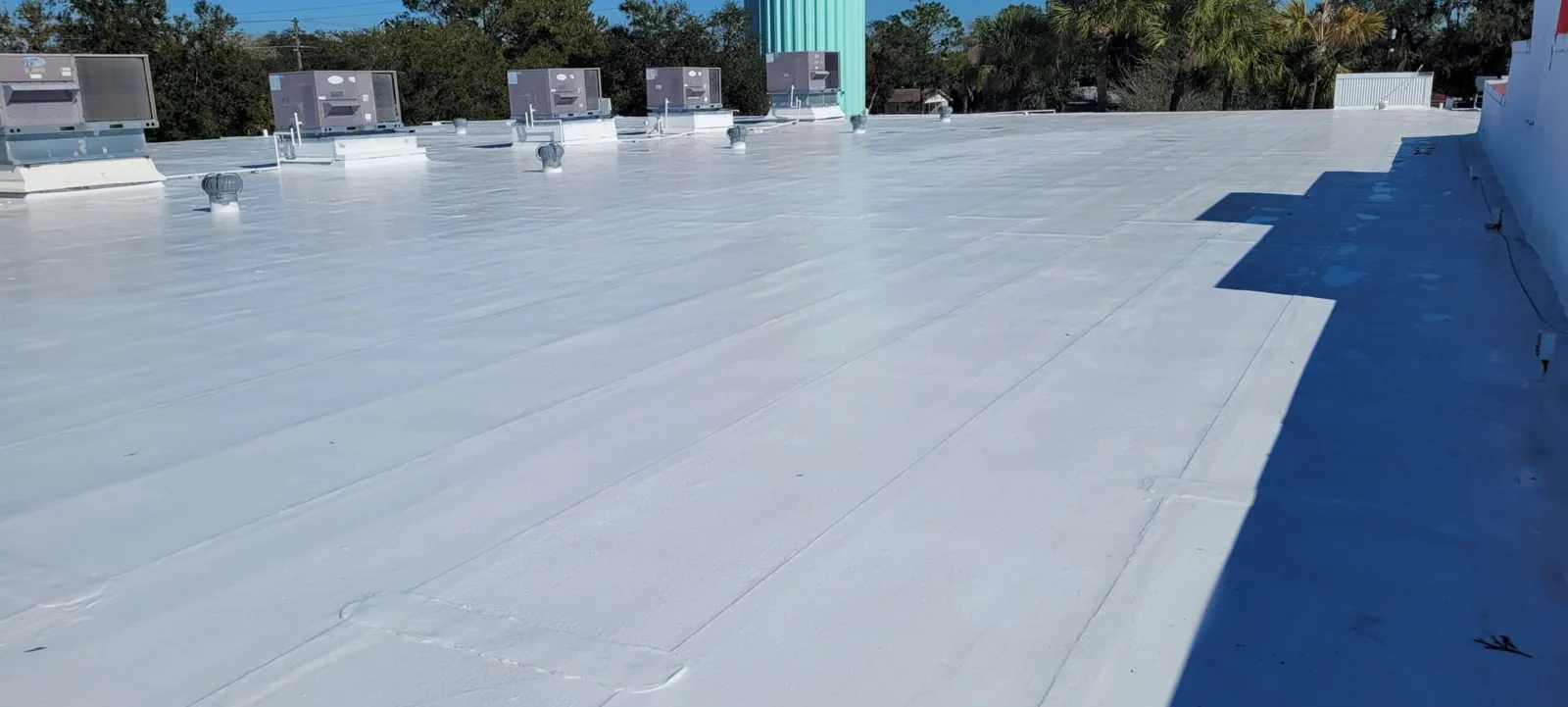
Evaluate silicone coating for a Palm Bay commercial roof with substrate checks, drainage review, adhesion testing, repair limits, and documented closeout.
Learn More →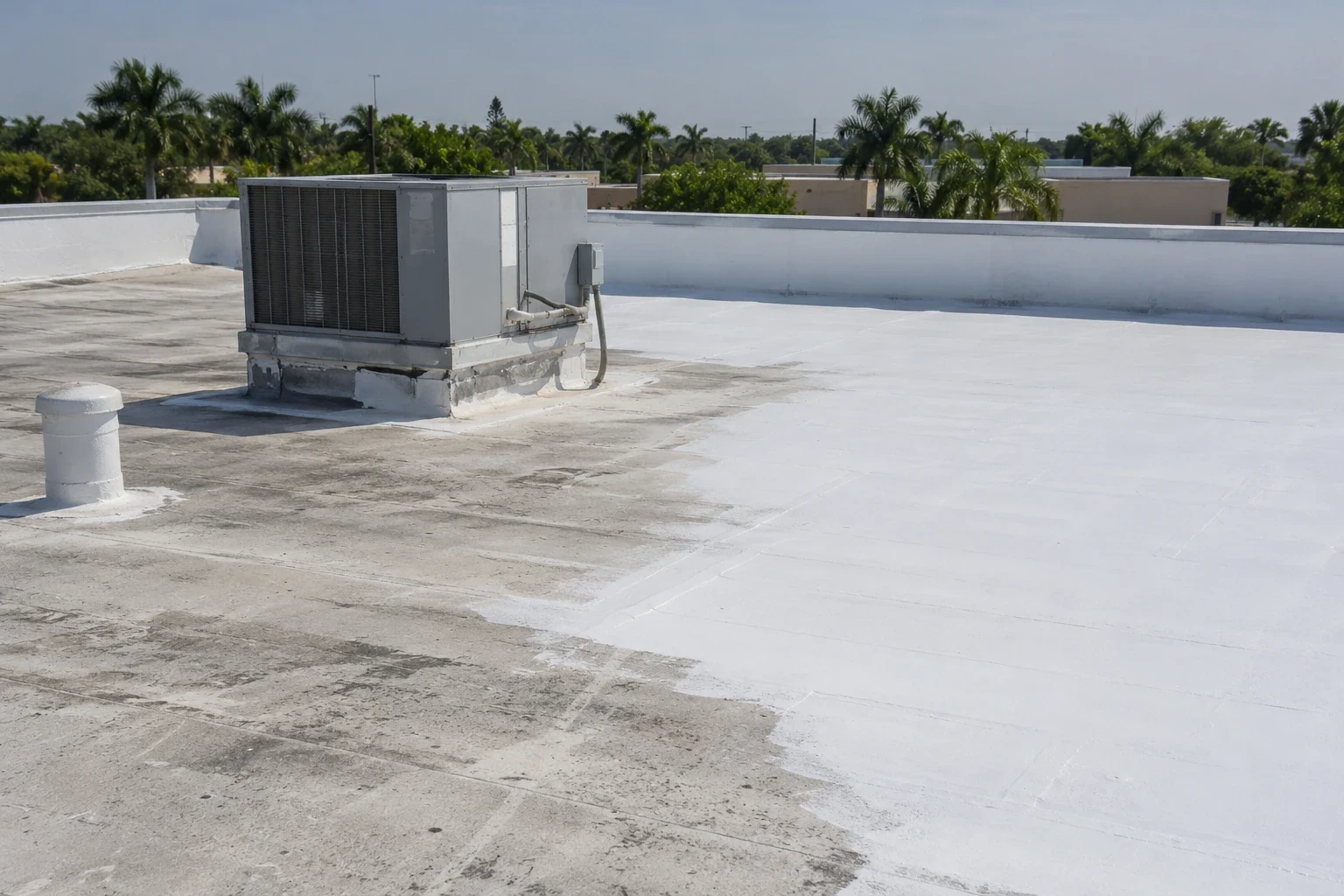
Assess acrylic coating for a Palm Bay commercial roof with substrate, slope, drainage, weather, adhesion, repair, and closeout checks.
Learn More → Thermoplastic seams need clean, compatible welds. We inspect TPO, PVC, and KEE for separation, patch quality, and flashing transitions. EPDM uses different seam and repair materials. Modified bitumen and built-up assemblies require attention to surfacing, laps, blisters, and exposed reinforcement. A repair does not cross from one system to another without confirming compatibility.
We photograph the defect, surrounding material, and nearest roof zone. If water extends below the surface, an approved test opening can show insulation and deck conditions. That evidence may support a patch, partial removal, recover, or replacement. Palm Bay's summer rain makes temporary edges important during tear-off. The report distinguishes temporary protection from completed work.
Standing seam metal and metal retrofit assemblies need checks at fasteners, laps, penetrations, and perimeter attachment. A coating cannot correct loose panels or a weak substrate. Spray foam needs sound adhesion and a protective surface layer. Silicone and acrylic coatings need compatibility, preparation, and working drainage.
Melbourne climate normals average 55.28 inches of precipitation a year, with June and September as the wettest months. Those figures provide regional context. We inspect actual drains, scuppers, low areas, and flashing details at the property. A water path on a warehouse near Palm Bay Industrial Center is evaluated at that building, not inferred from conditions along Babcock Street or another address.
System selection starts with the roof in place, not a preferred product label. We check attachment, moisture, edges, penetrations, drains, and prior repairs. For diagnosis, a hands-on inspection documents visible conditions. Infrared survey work may identify areas for verification. A local industrial roof or retail property receives its own findings and photo record.
Repair cost and timing change with access, tear-off, insulation, deck work, material availability, staging, and weather. If wind or heavy rain is reported, Hurricane Irma records provide historical context for Palm Bay, not proof of damage to a current building. The owner receives a scope tied to observed conditions and the correct membrane or metal assembly.
Edges, curbs, drains, and changes in deck height concentrate system decisions. Before applying a membrane or coating, inspect the existing layer and attachment at each transition and document which details the scope includes. A wind-driven-rain report can set inspection timing, but the repair method follows the seam, edge, and substrate visible in the roof zone. If concealed layers or attachment could change the selected assembly, stop and propose a test before installation.
Share the building address, roof plan or membrane information, event date, roof zone, and access contact. We will inspect the system before defining the repair.
Request a Roof Assessment →