
Active local weather warning
The National Weather Service has issued a coastal flood warning covering Palm Bay. Heavy rain and drainage loading can expose roof leaks, blocked drains, and ponding water. This is a weather exposure advisory; it does not establish damage to a specific roof.
Do not access a roof during hazardous weather. Protect people first, avoid water near electrical equipment, and request roofing help when conditions permit.
National Weather Service · Updated Oct 28, 2026, 6:40 AM UTC
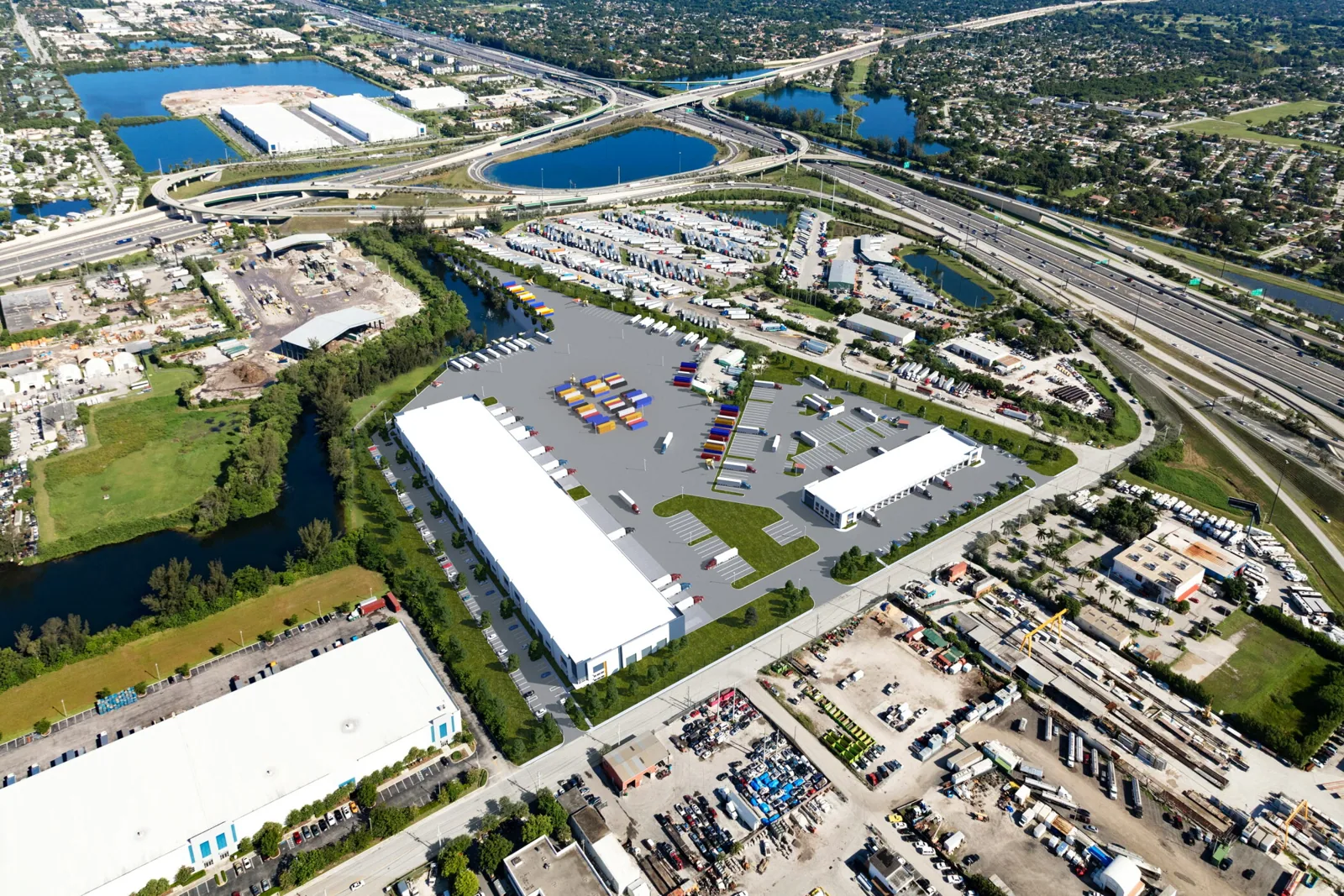
Industrial roofs need a service plan that accounts for equipment, access, tenant activity, and drainage. Port Malabar Industrial Park includes 19 properties and 29 leasable spaces in its commercial market. Uses include industrial, office, retail, restaurant, and land. Roof type and condition must be inspected at each address. We inspect the specific building, identify its assembly, and keep each repair record tied to the correct address.
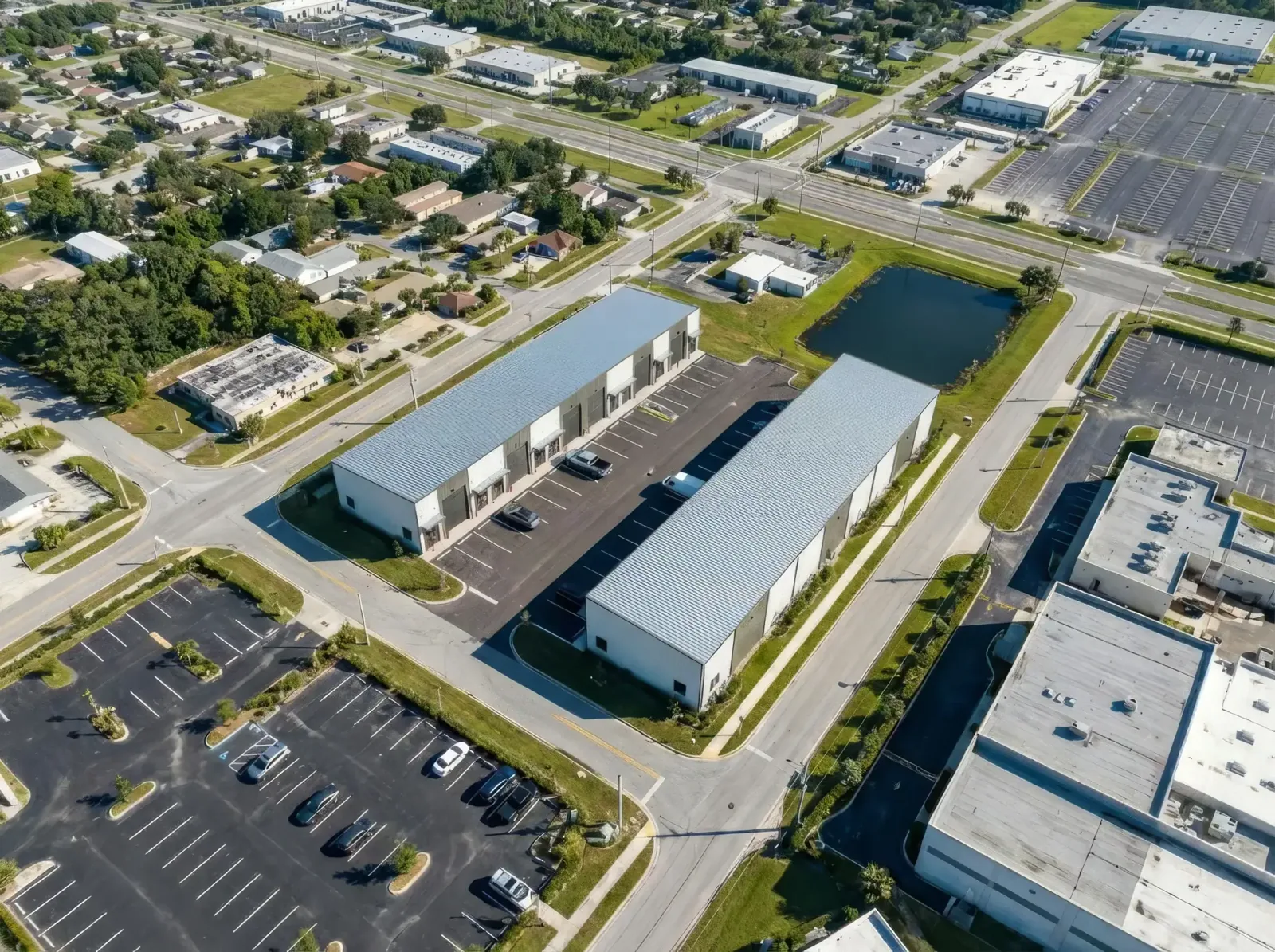
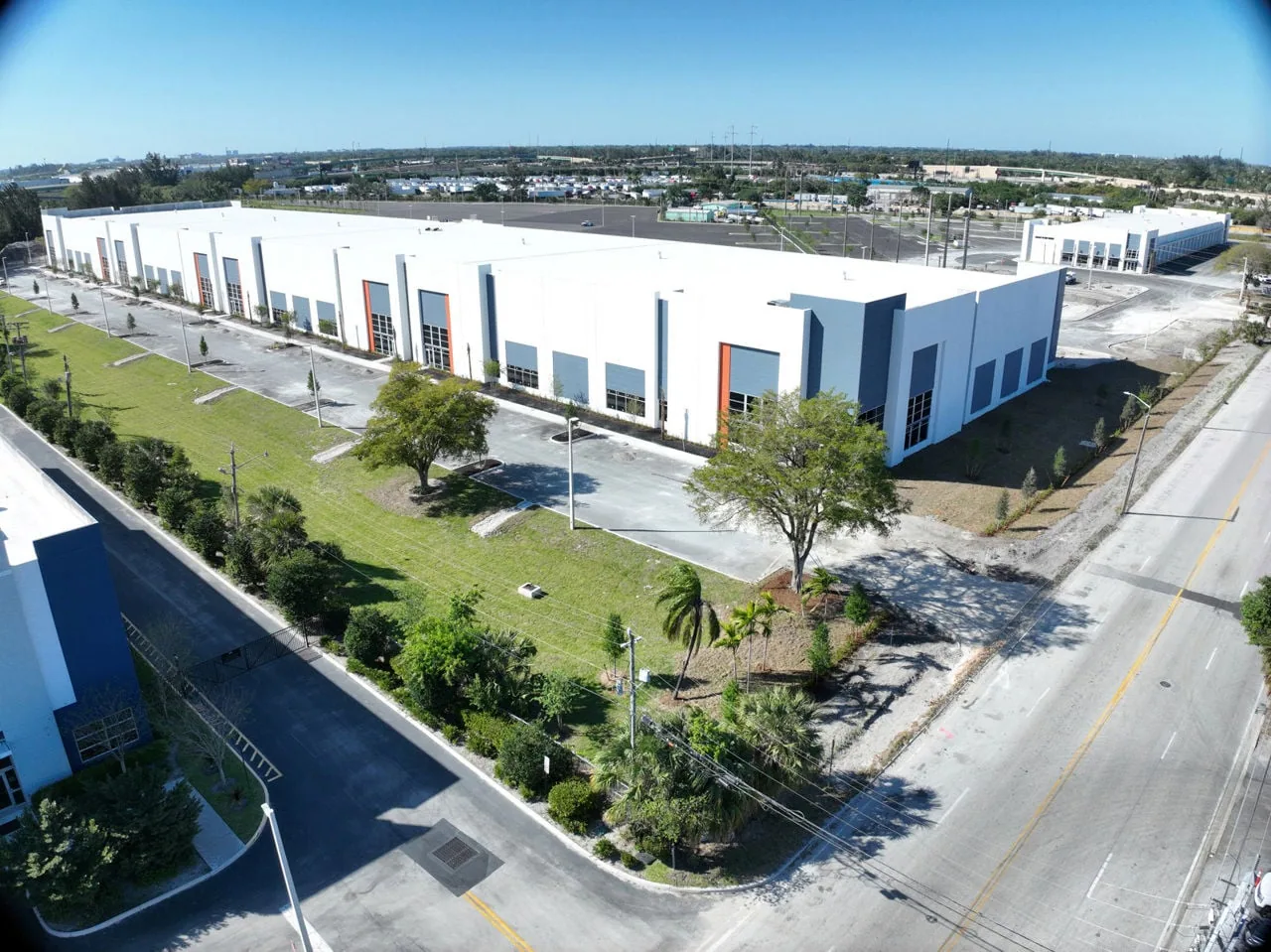
At Franklin Drive, a new industrial building offers units from roughly 1,750 to 7,000 square feet. Those are building-unit figures, not roof measurements. Before proposing work, we field check roof dimensions, penetrations, drain paths, attachment, and active leaks. Melbourne summer highs average near 89 degrees, and annual precipitation averages 55.28 inches. The local weather context informs planning; the roof survey establishes what work is needed.
A multi-property industrial park can contain different owners, tenants, systems, and access procedures. We confirm the street address, building contact, approved roof entrance, and occupied areas before a survey. If records refer to another building or earlier roof phase, we mark that mismatch. Each roof receives its own zone labels, photographs, system identification, and limitations. A park-level description cannot substitute for a field record.
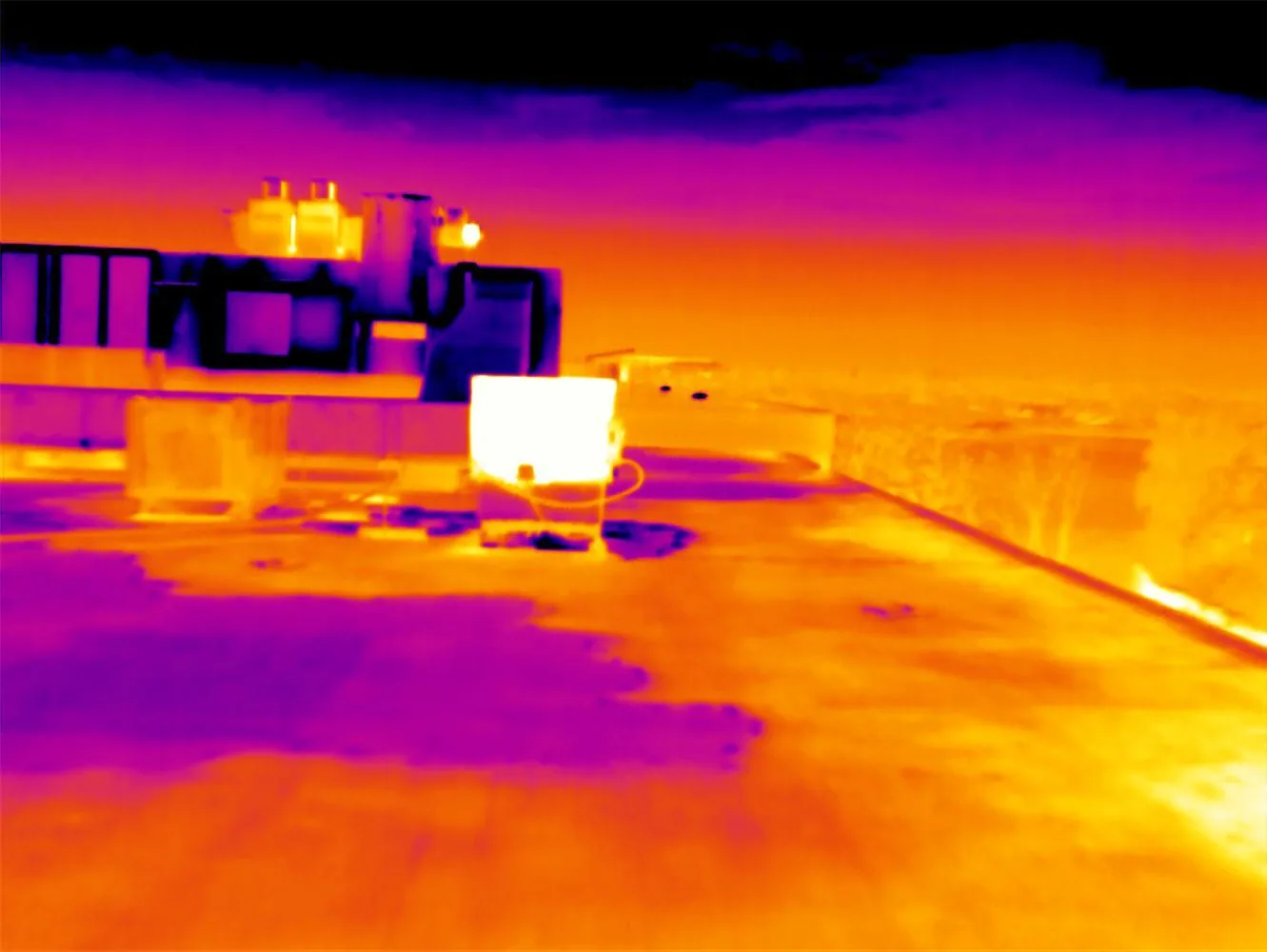
On a first walk, we look at membrane or metal condition, seams, perimeter attachment, wall transitions, drains, rooftop units, and prior patches. Interior reports are logged separately until evidence supports a roof path. A commercial roof inspection identifies the method used and zones reached. For a warehouse or production building, a warehouse roof assessment can address clear-span layouts and equipment areas without assuming every listed building shares that design.
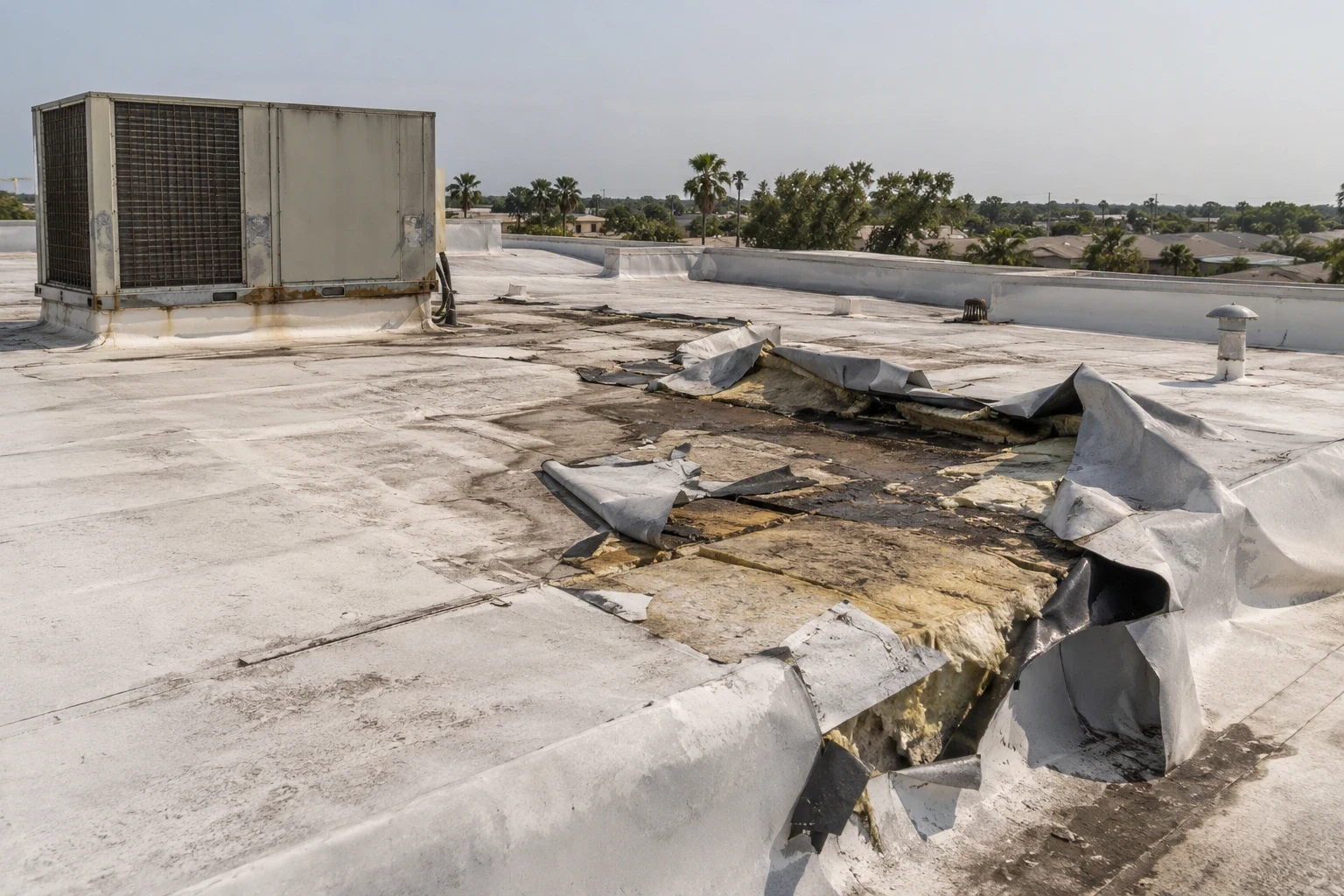
Industrial activity can create repeated service traffic around rooftop equipment. We check walk paths, support points, penetrations, seams, and exposed fasteners for cuts or movement. The inspection distinguishes a puncture from surface wear and records any loose flashing at a curb. If debris or a prior repair hides the original membrane, a test area may be needed before selecting compatible materials.
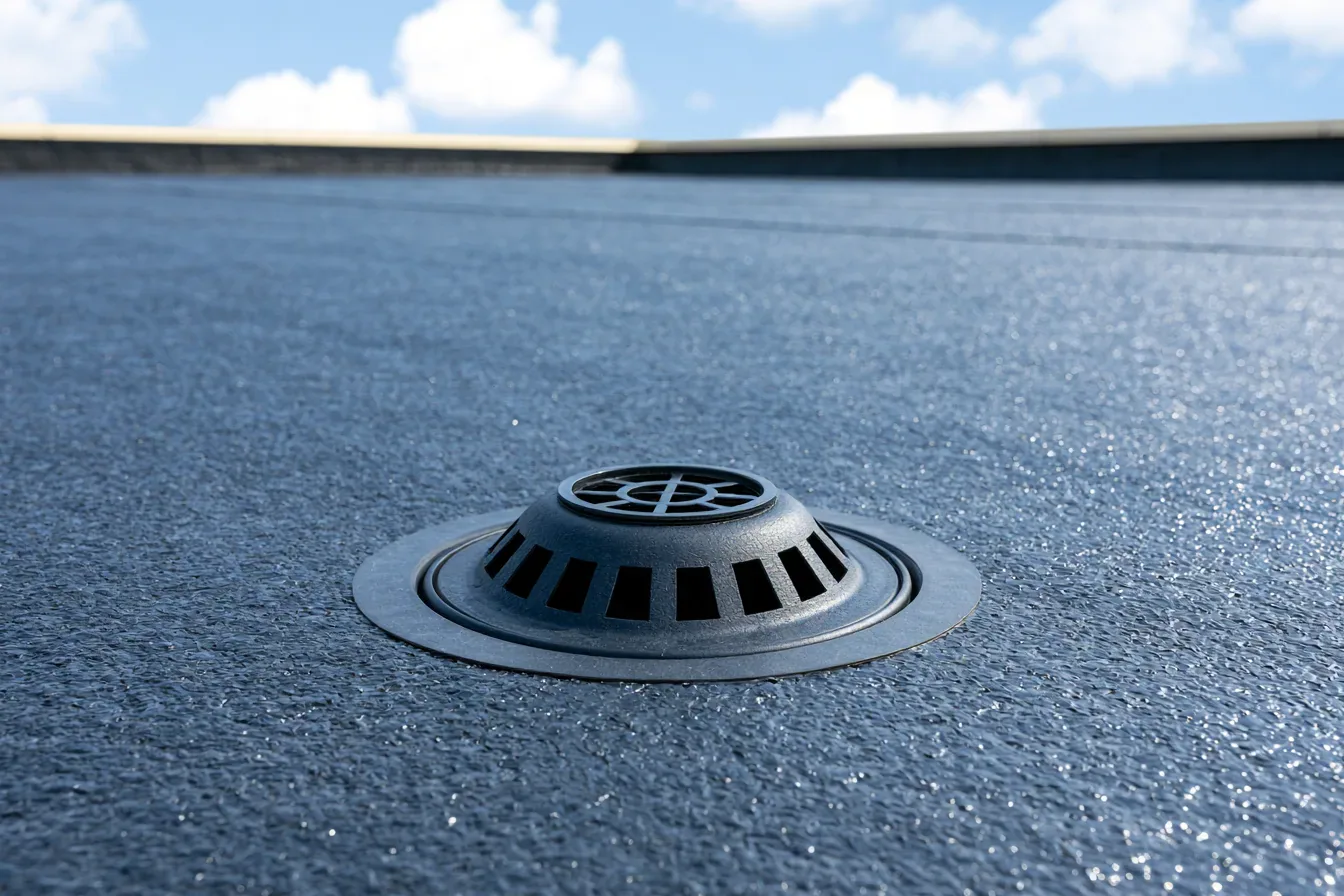
Drainage deserves a separate look. We check strainers, bowls, scuppers, low spots, and how water moves across the roof. A blocked outlet and a persistent low area are different findings. The drain and scupper review records what was cleared, what remains, and whether a follow-up after rain is needed. The report avoids converting a general rainfall pattern into a claim about how a specific roof drained.
Melbourne summer highs average near 89 degrees. Inspect the roof surface, material condition, and weather window before a repair proceeds.
During Hurricane Irma, several Palm Bay gauges measured more than ten inches of rain. At the Port Malabar address, the inspection records the event date and observed roof conditions separately. An event-focused roof inspection can document openings, access limits, temporary protection, and a defined permanent scope.
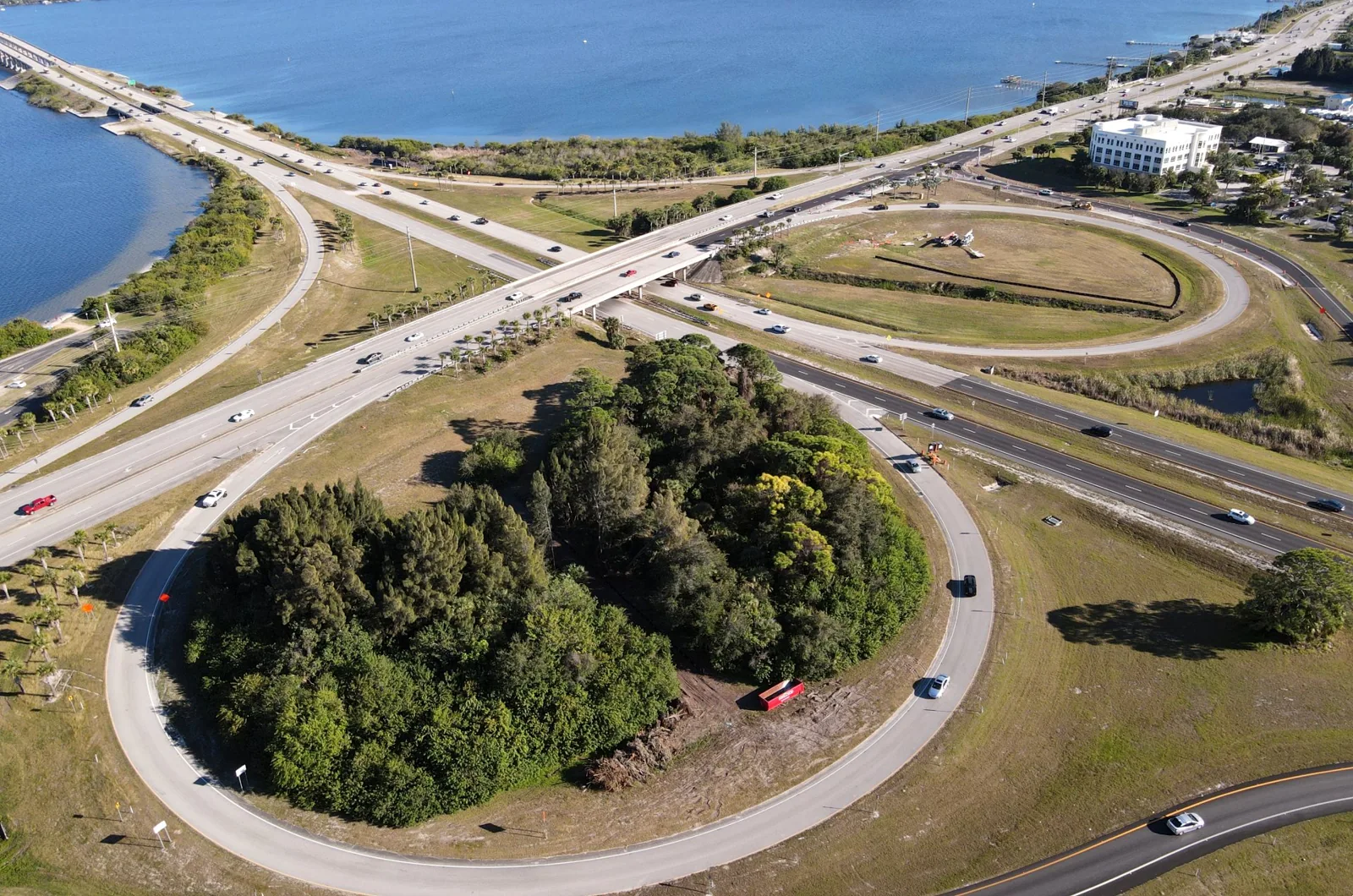
A localized repair is suitable when the opening is limited and surrounding material can accept a sound tie-in. A wider seam failure, wet insulation, or deteriorated deck may expand the scope. We photograph conditions before removal, identify a test opening if needed, and pause for scope review when hidden materials change the repair boundary. The owner receives a description of what is confirmed and what remains unknown.
Cost and timing depend on system, access, repair size, moisture, equipment protection, disposal, weather, and tenant operations. For active leaks, temporary protection is documented separately from permanent repair. For an urgent report, confirm crew timing, site access, and the affected roof zone with the property contact. The repair proposal lists included work and assumptions. A moisture survey can guide testing where surface evidence is incomplete.
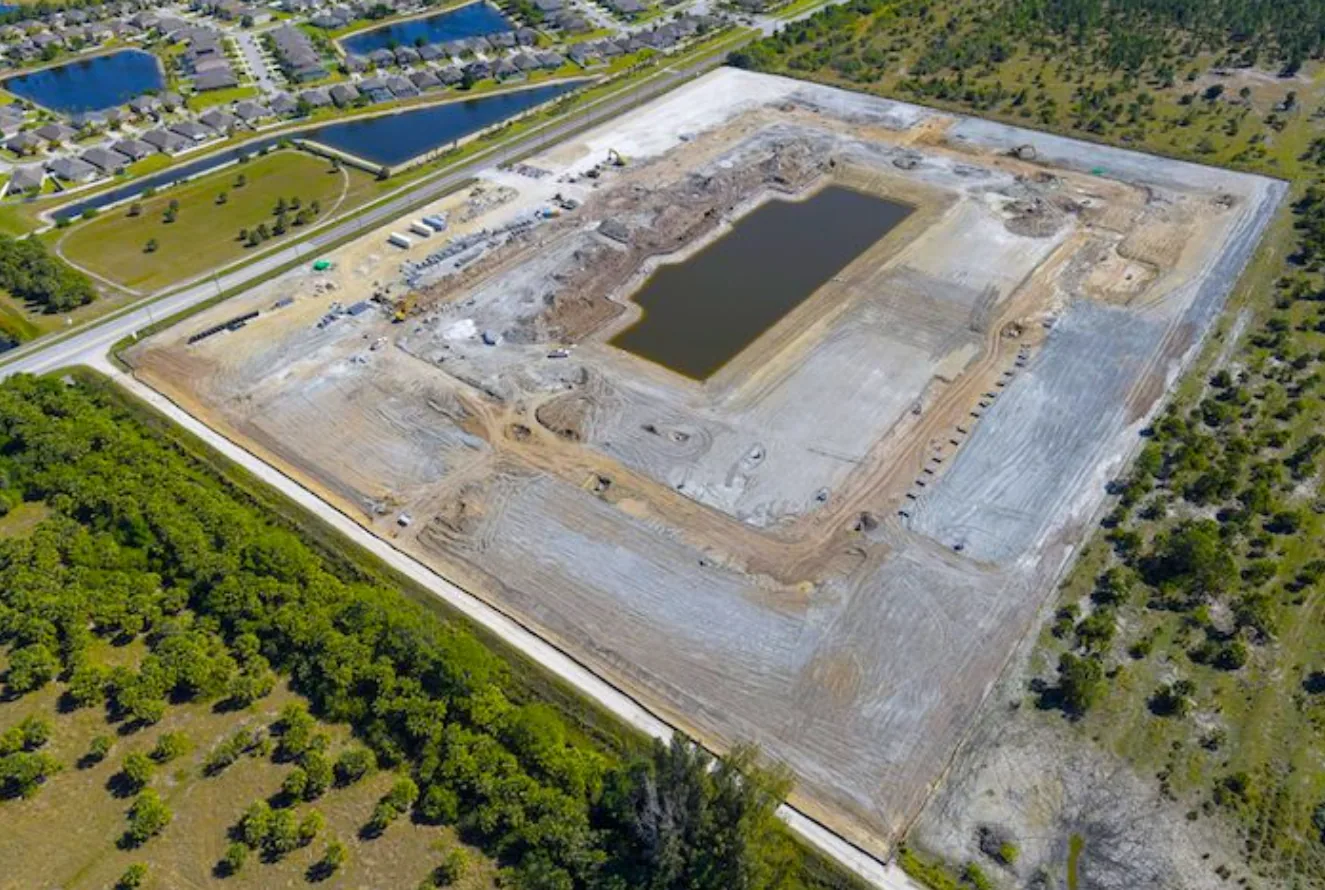
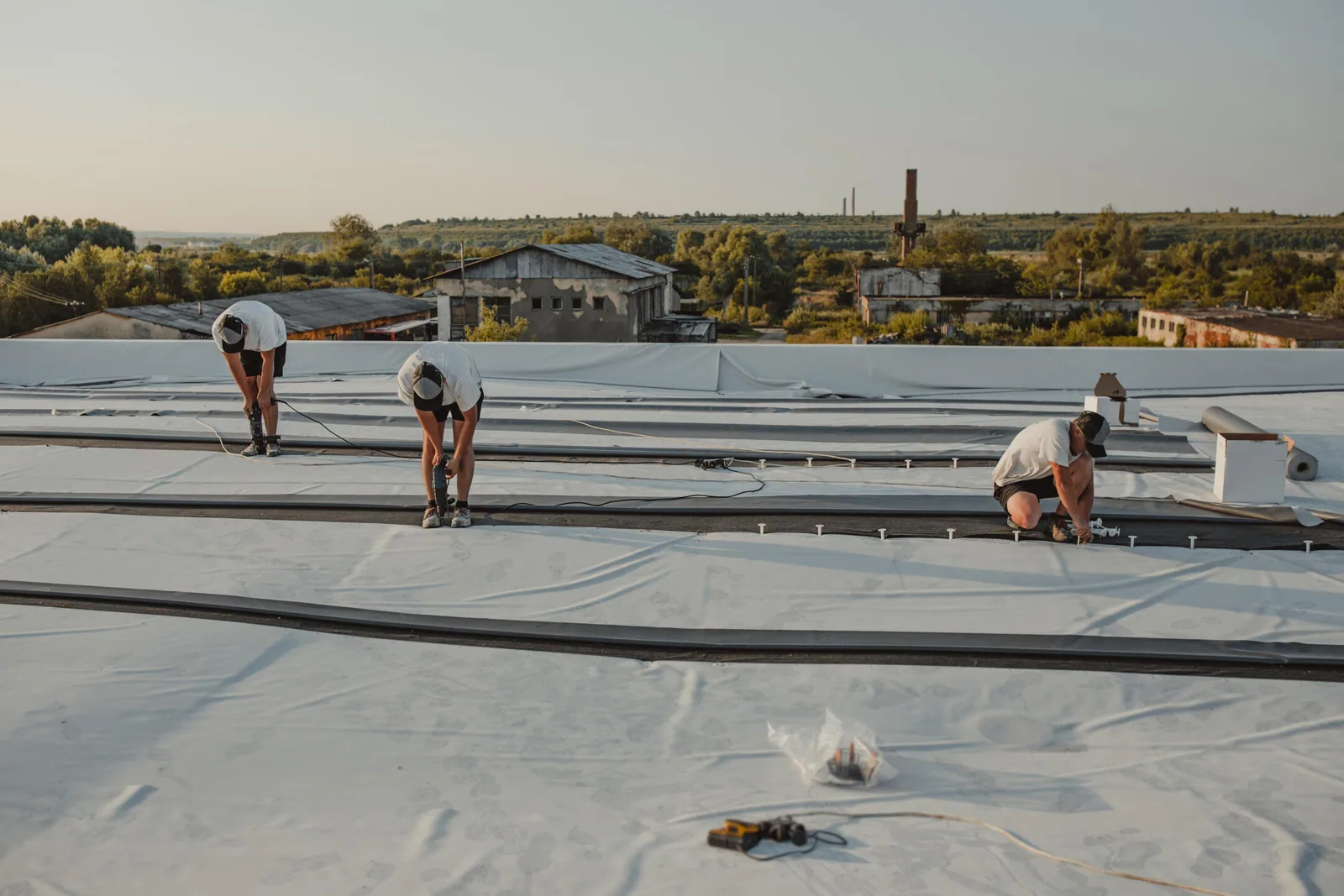
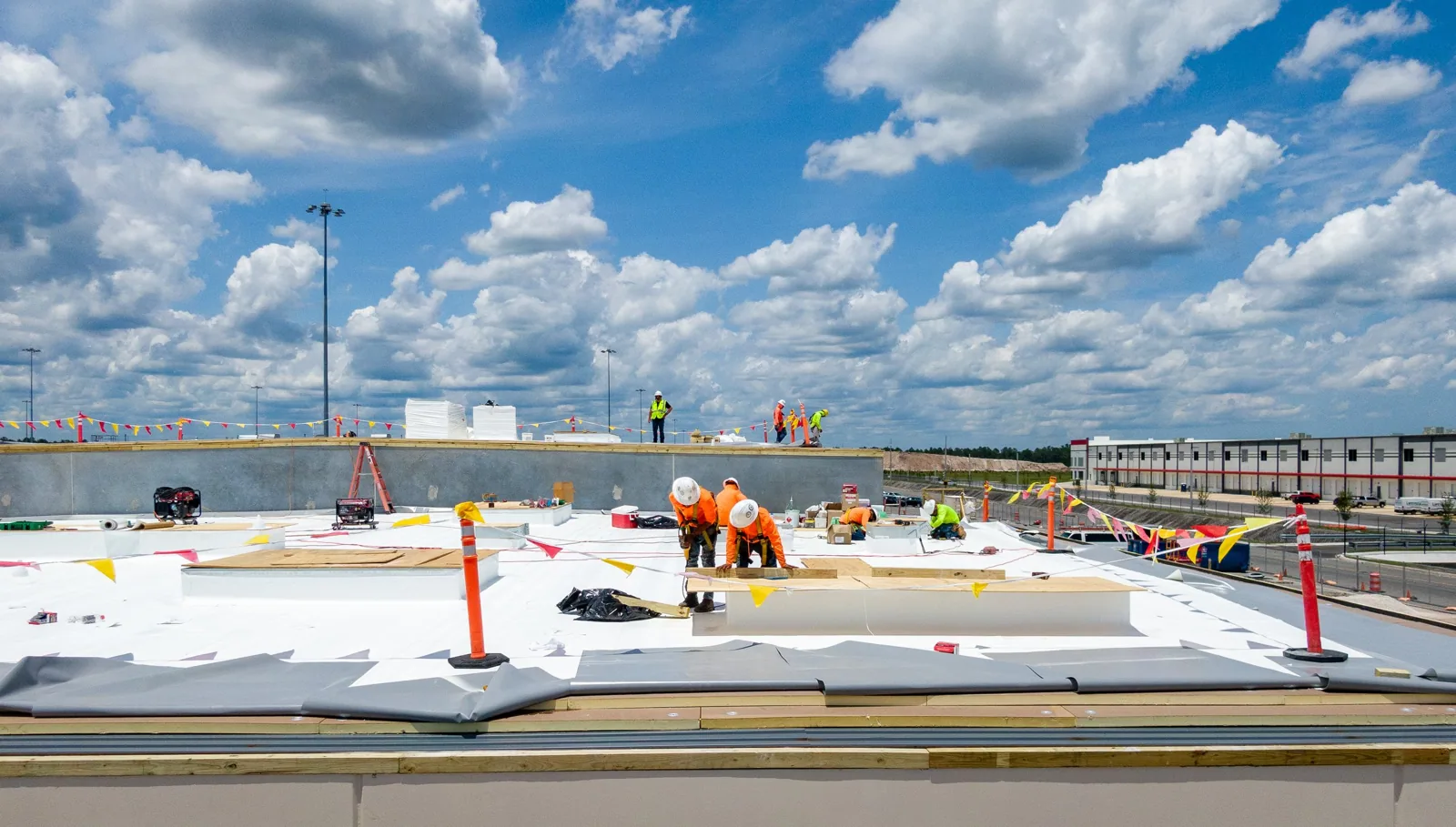
Replacement planning checks existing layers, deck, insulation, drainage, edges, penetrations, and rooftop equipment. An overlay fits only after inspection confirms a stable, compatible existing roof and project criteria permit added layers. Moisture in insulation or damage at the deck can require full removal. We confirm quantities and the work boundary before materials are ordered. A test opening may answer questions about concealed layers at its location, but does not prove every building uses the same construction.
Industrial, office, and retail tenants may have different operating schedules. We coordinate the work window with the actual property contact and identify areas that must remain accessible. A roof work sequence can set daily protection and communication. Another local industrial address, Franklin Drive Industrial, receives a separate field survey before any scope is prepared.
Closeout notes identify the building, roof zone, date, material, repair boundary, photos, and any uninspected area. We state whether the reported leak matched a visible defect and whether moisture testing remains open. If the property has multiple suites, the contact and area affected by each repair are recorded. That helps a future maintenance visit find the same location.
Port Malabar has a varied commercial market; each property has its own roof system and access authority. A dated condition report preserves the inspection evidence. A separate flex property requires its own access check and roof record. We base each recommendation on the inspected address.
Learn more →
Learn more →
Learn more →
Learn more →
Learn more →
Learn more →
Learn more →
Learn more →