
A KEE membrane can show a small split at a weld while the surrounding sheet remains sound. The inspection checks the suspected opening, adjoining material, and detail where water may enter. We record the reported event separately from observed damage. Palm Bay has electronics, aerospace, medical, and industrial operations. Heat and seasonal rain help frame access planning, but only the roof record establishes the material and condition of a specific KEE assembly.
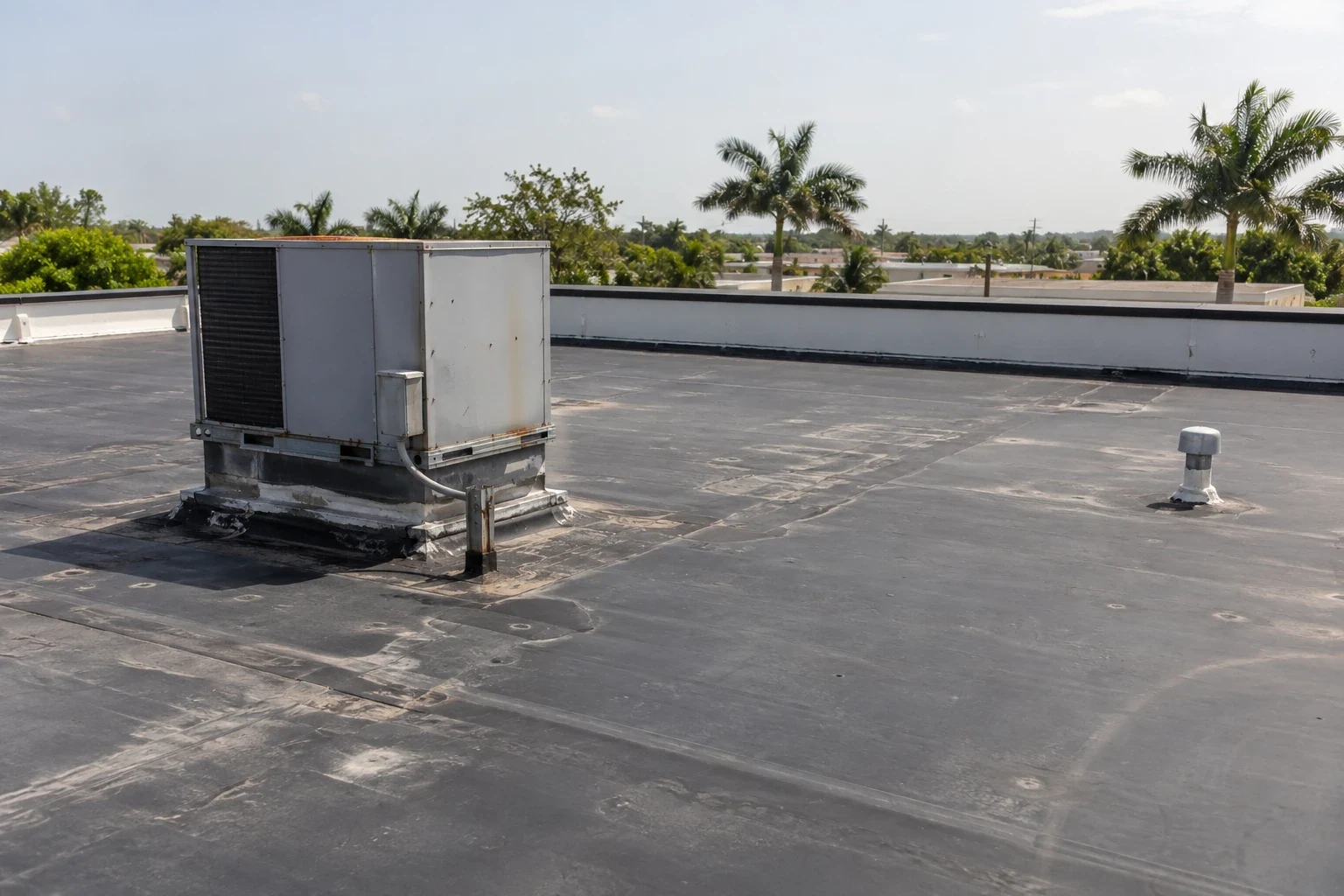
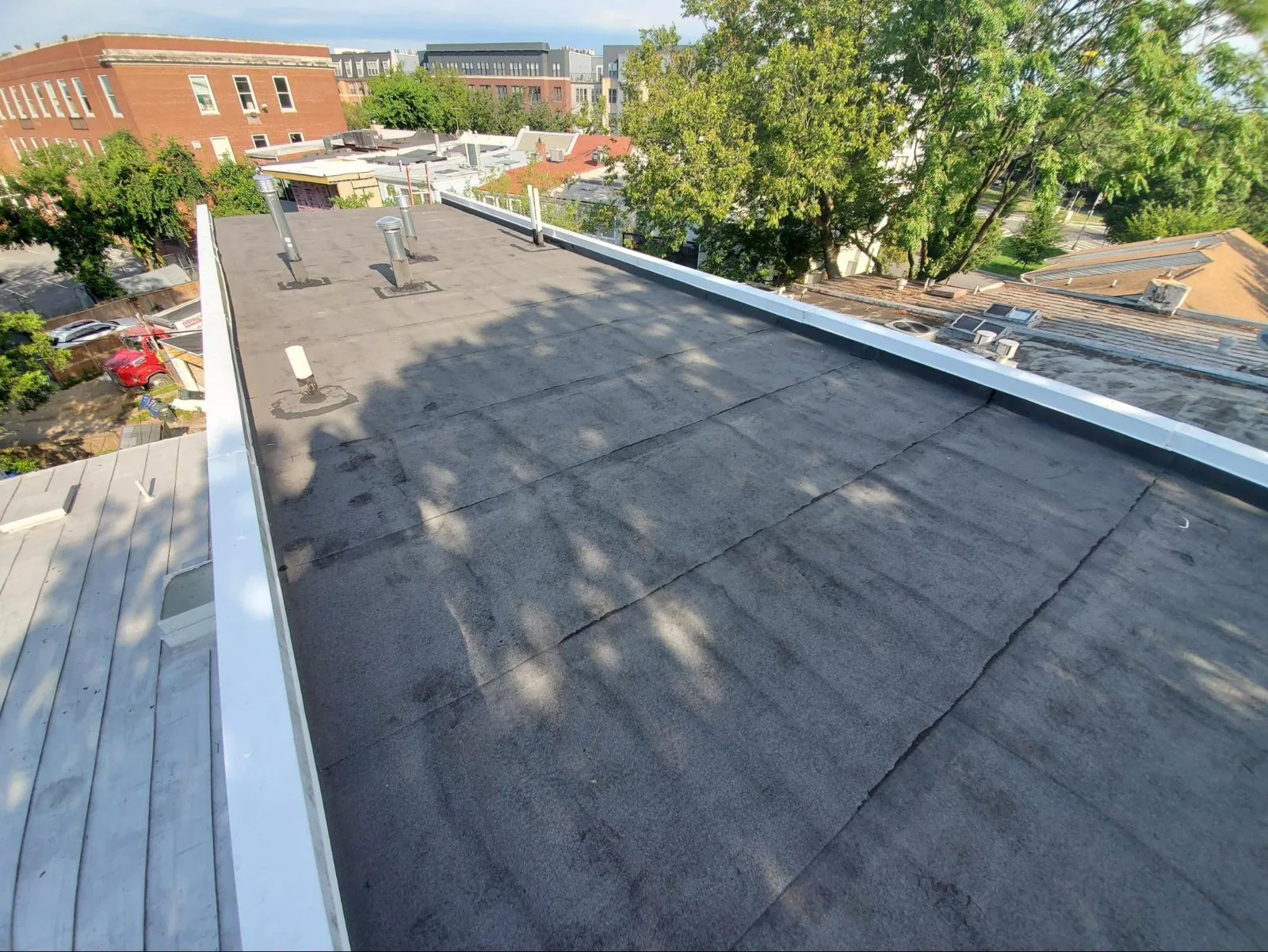
KEE is a PVC-alloy membrane. Before repair, we confirm the roof assembly from records, edge details, and visible material. A product name on an old invoice may not describe every roof section. Mixed additions and prior repairs can introduce other membranes or coatings. The report marks each zone and states where material identification remains uncertain.
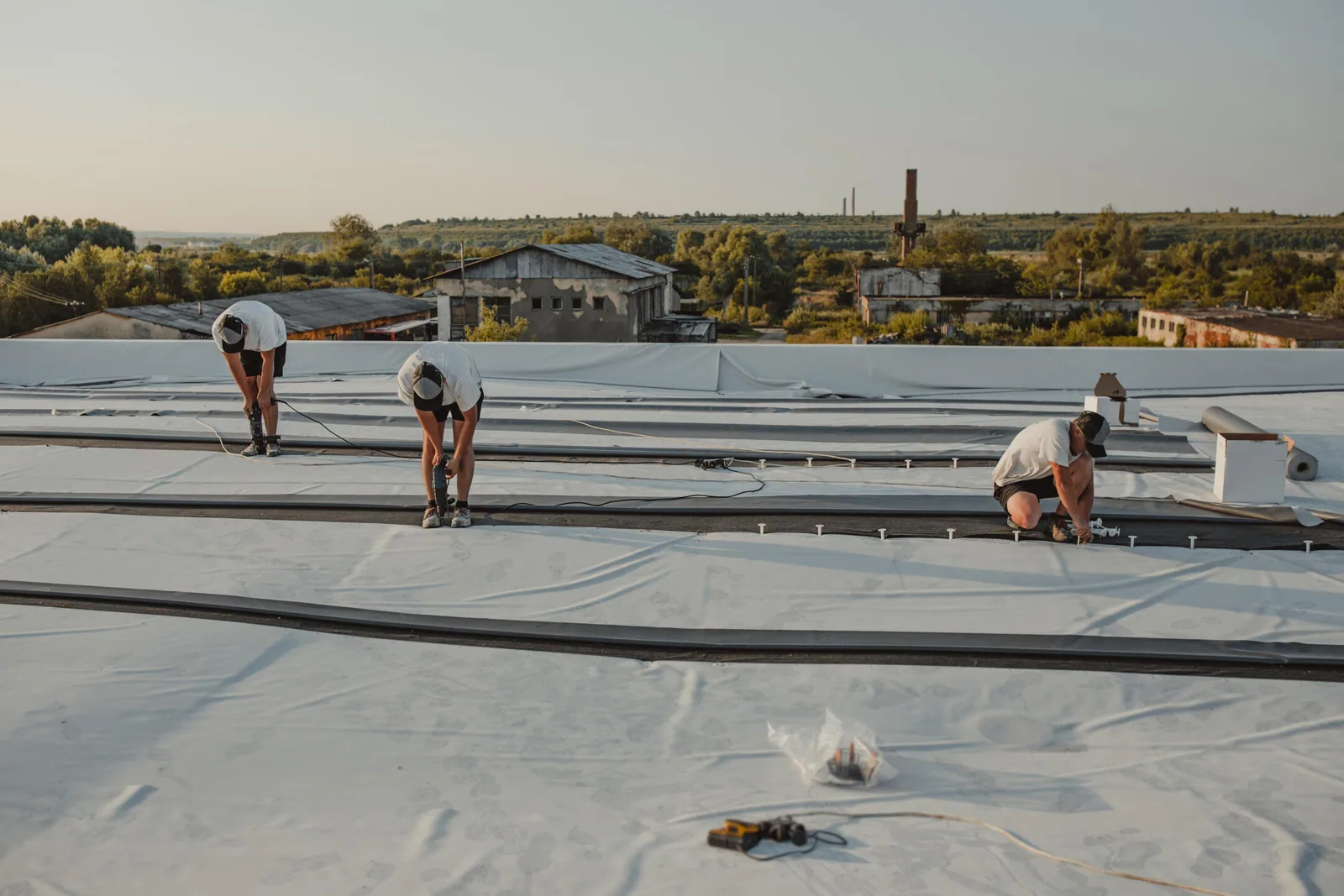
KEE systems use heat-welded seams. We inspect laps, T-joints, corners, flashing strips, and prior patches for separation, contamination, or movement. A weld defect can be local or part of a larger pattern. The crew photographs the condition before cutting or cleaning the sheet. A hands-on inspection can establish visible conditions and access limits.
System comparison should reflect exposure and building use. A PVC membrane and a TPO membrane both use hot-air welding but have different formulations. The installation documents identify the selected product and required details. We do not infer the product from sheet color alone.
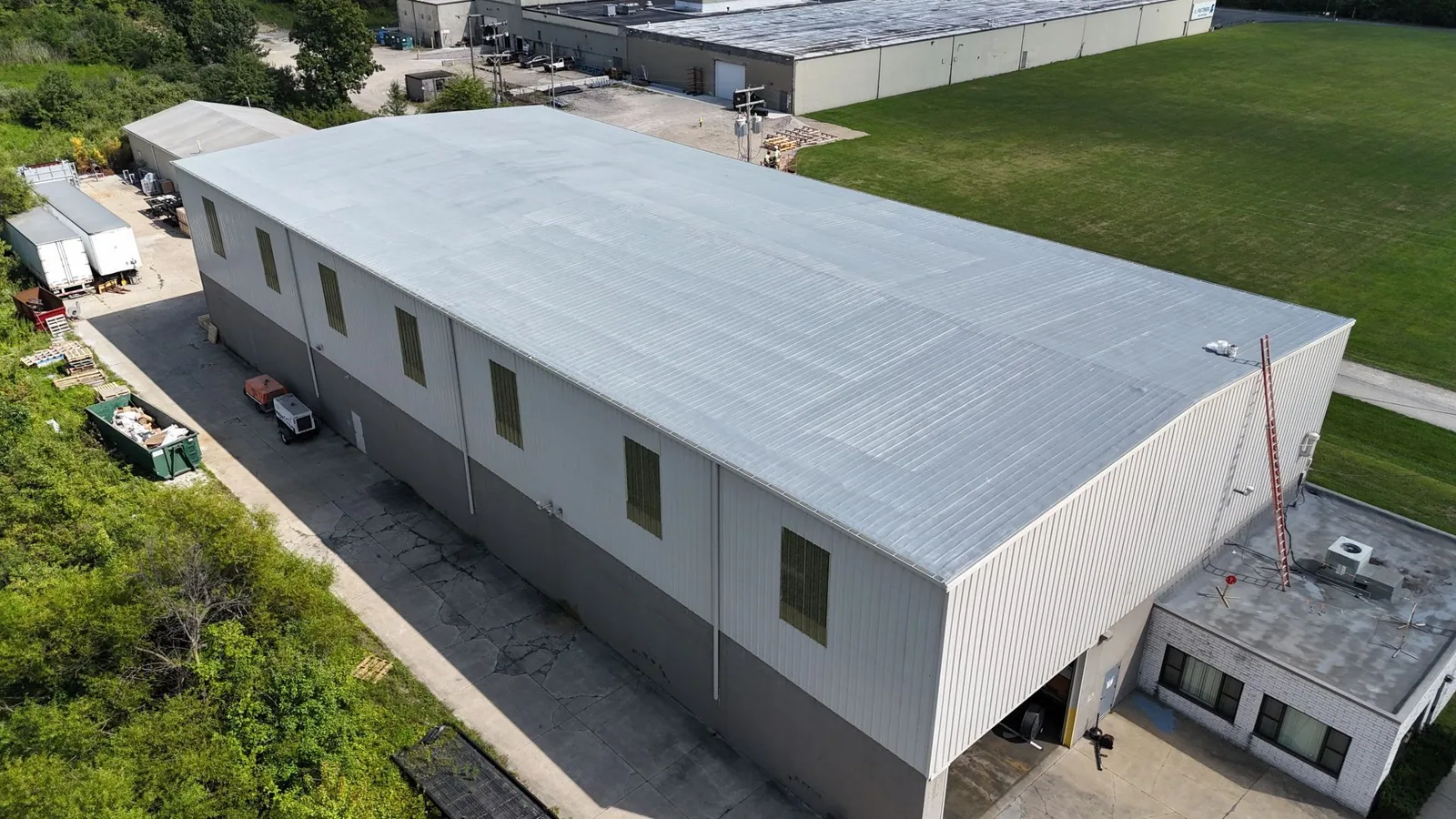
Where grease or chemical exposure is reported, identify the source, operating hours, discharge path, and affected roof zone. KEE's alloy composition can be relevant to specified exposure, but the actual product data and project conditions should guide selection. We inspect residue, surface change, seams, and nearby flashing rather than treating a general use category as proof of damage.
Palm Bay includes high-technology manufacturing and medical uses. L3Harris operates specialized maritime and microelectronics facilities in the city. That local industry mix makes equipment and roof access coordination useful, but it does not reveal the membrane at a particular facility. We confirm the equipment layout and site restrictions with the authorized contact.
Ultraviolet exposure, heat, ponding, and foot traffic can affect the surface and repair schedule. At Melbourne International Airport, mean summer highs are near 89°F, with 62.7 days per year reaching at least 90°F. These regional air temperatures are not the roof-sheet temperature. The Diligence Notes records weather at inspection and the condition observed on that date.
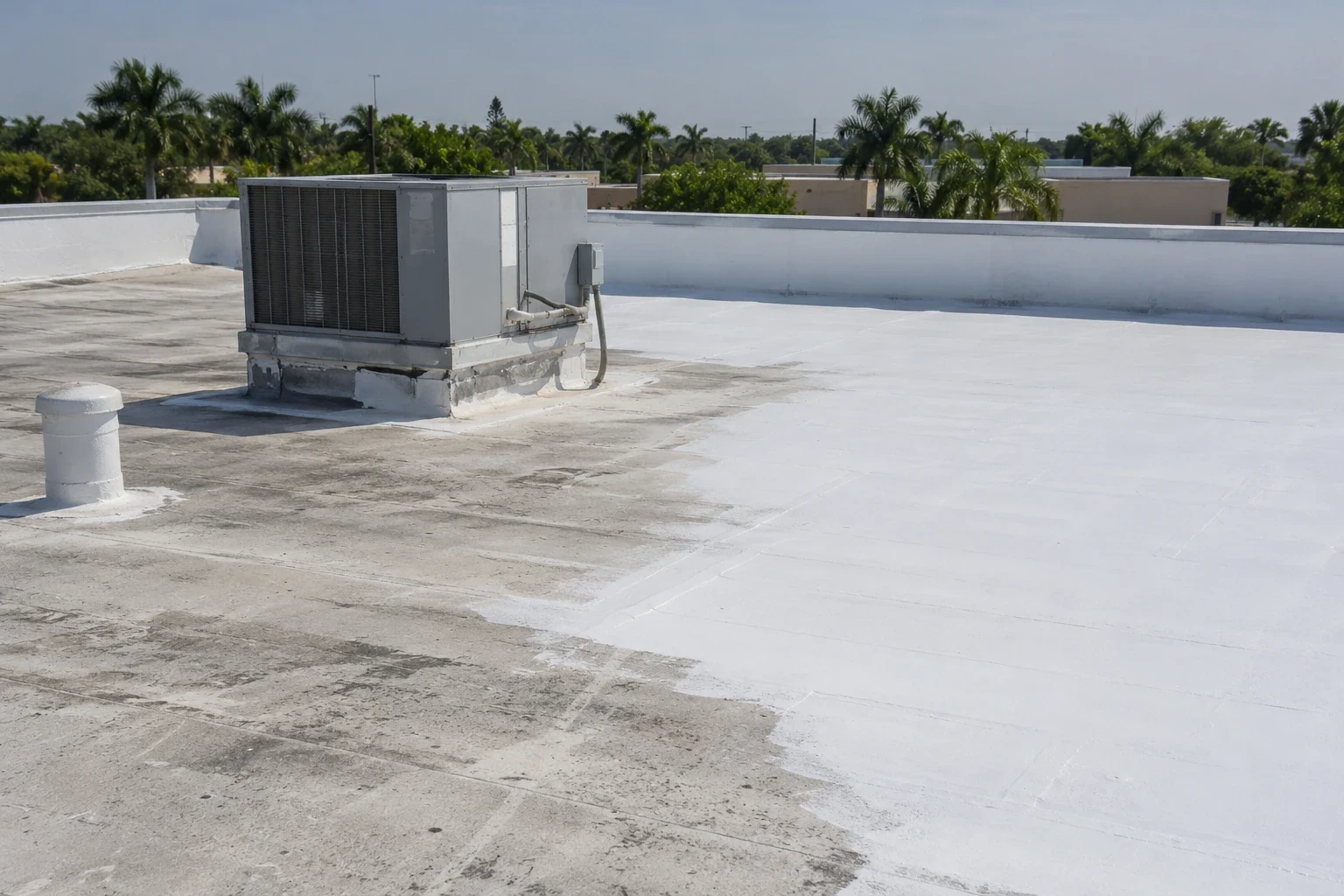
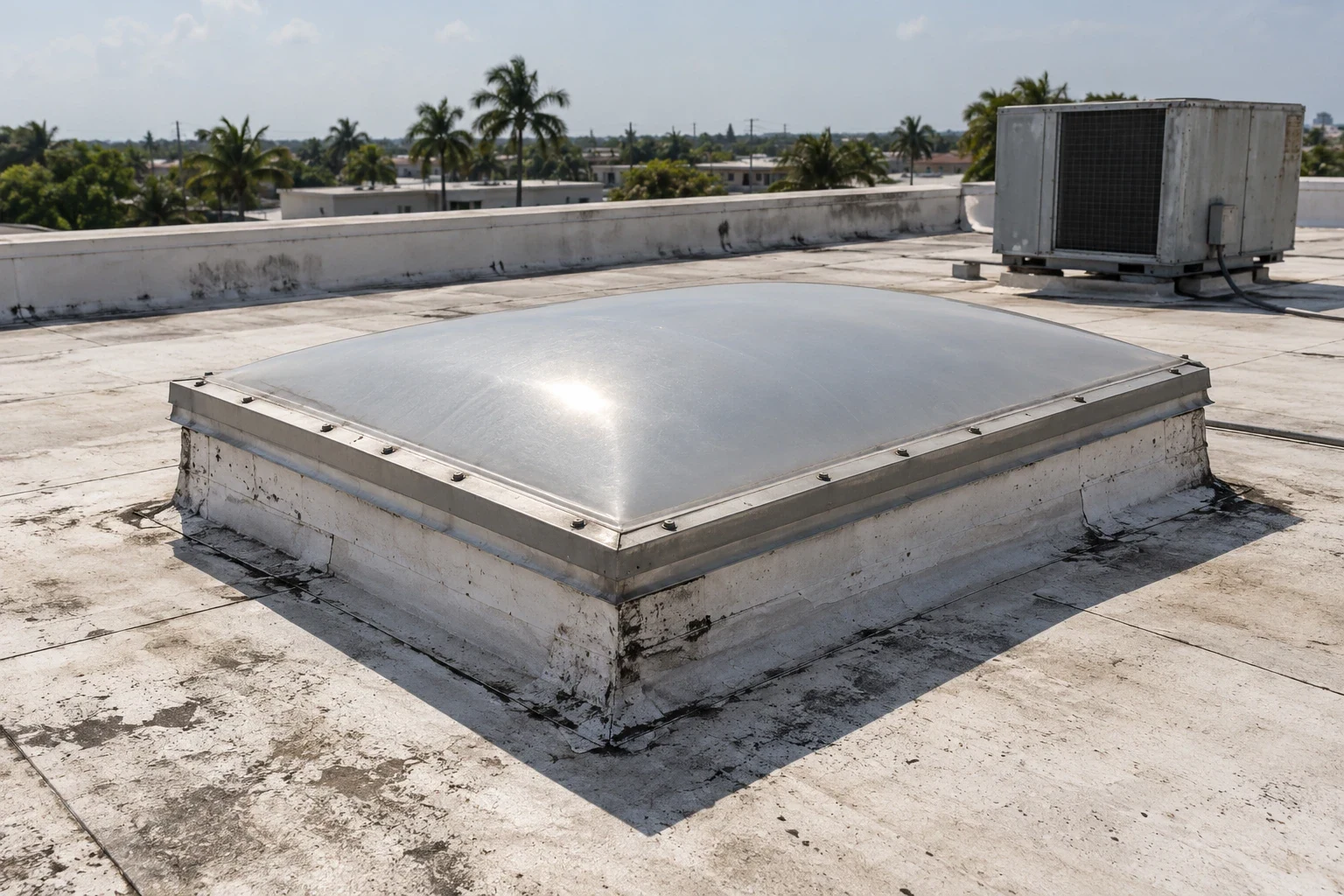
At a curb or pipe, inspect the weld, flashing height, boot, corner reinforcement, termination, and movement around the base. A penetration detail review can map pipes and skylights. For equipment, a curb inspection can document support points and service routes. The report keeps each finding tied to its roof zone.
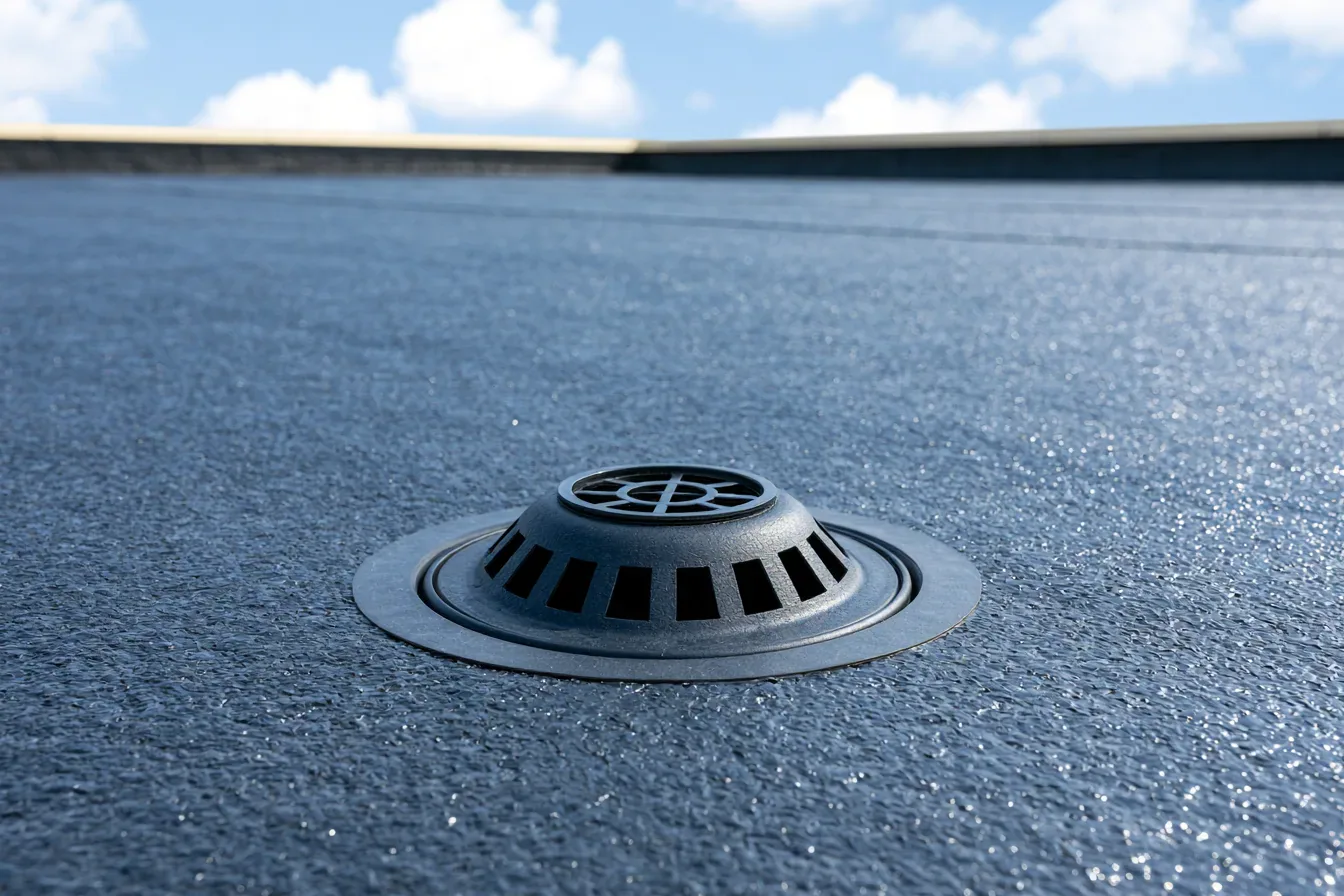
At drains, check the membrane termination, clamping ring, strainer, and surrounding field. Standing water may point to a blocked outlet or low area, not necessarily a membrane failure. A drainage assessment can record flow paths and scuppers. If a suspected leak persists, map the interior location separately before connecting it to the nearest roof opening.
Named Palm Bay locations received heavy rain during Hurricane Irma. That event provides local context but does not establish KEE damage at another property. After a storm report, inspect edges, seams, drains, and penetrations and record what the crew can reach.
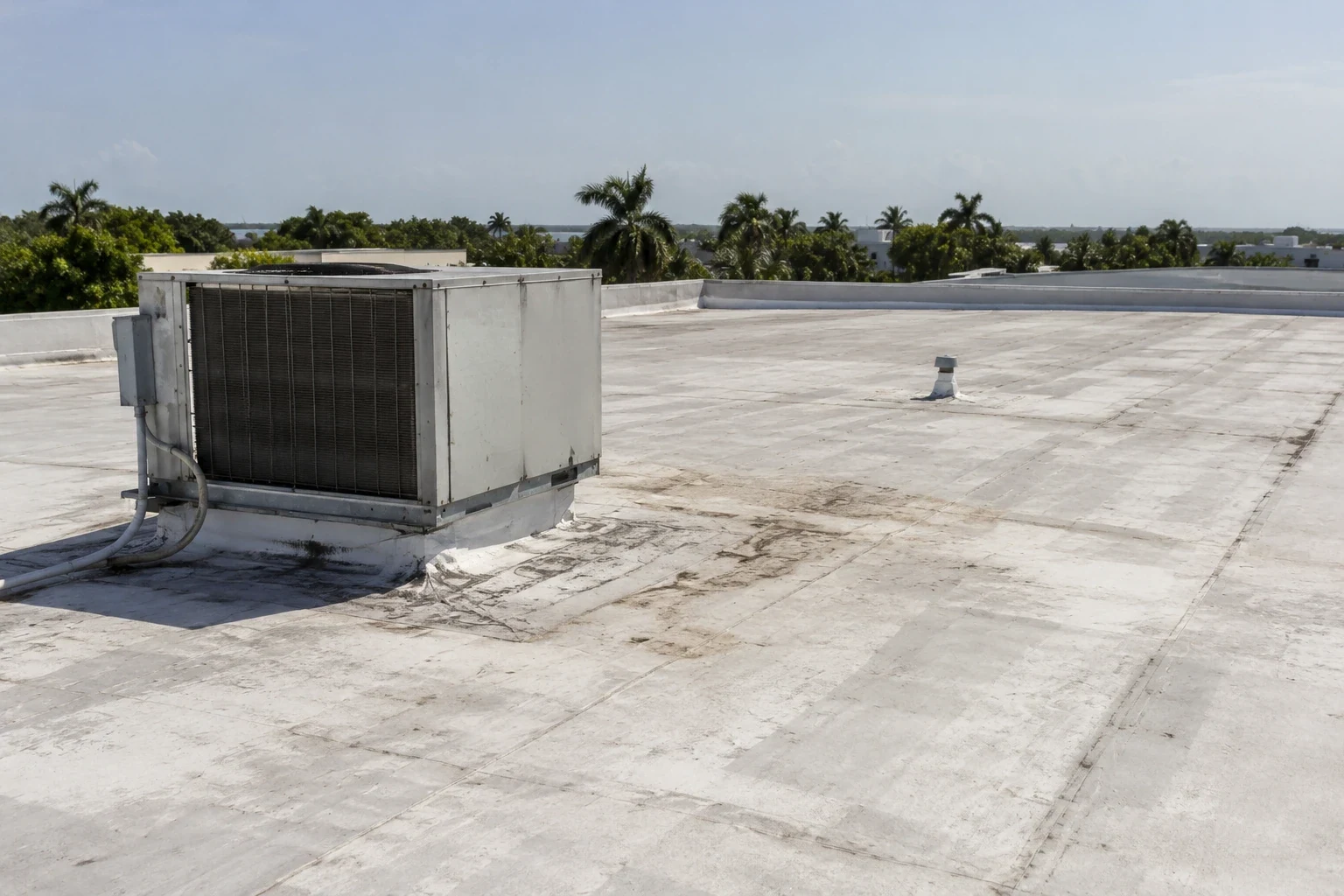
A KEE patch needs clean, compatible sheet and suitable welding conditions. The proposal names preparation, repair size, roof zone, and the seam or penetration being corrected. If the existing sheet is contaminated, brittle, or covered by incompatible coating, testing or removal may be necessary before a permanent repair is set.
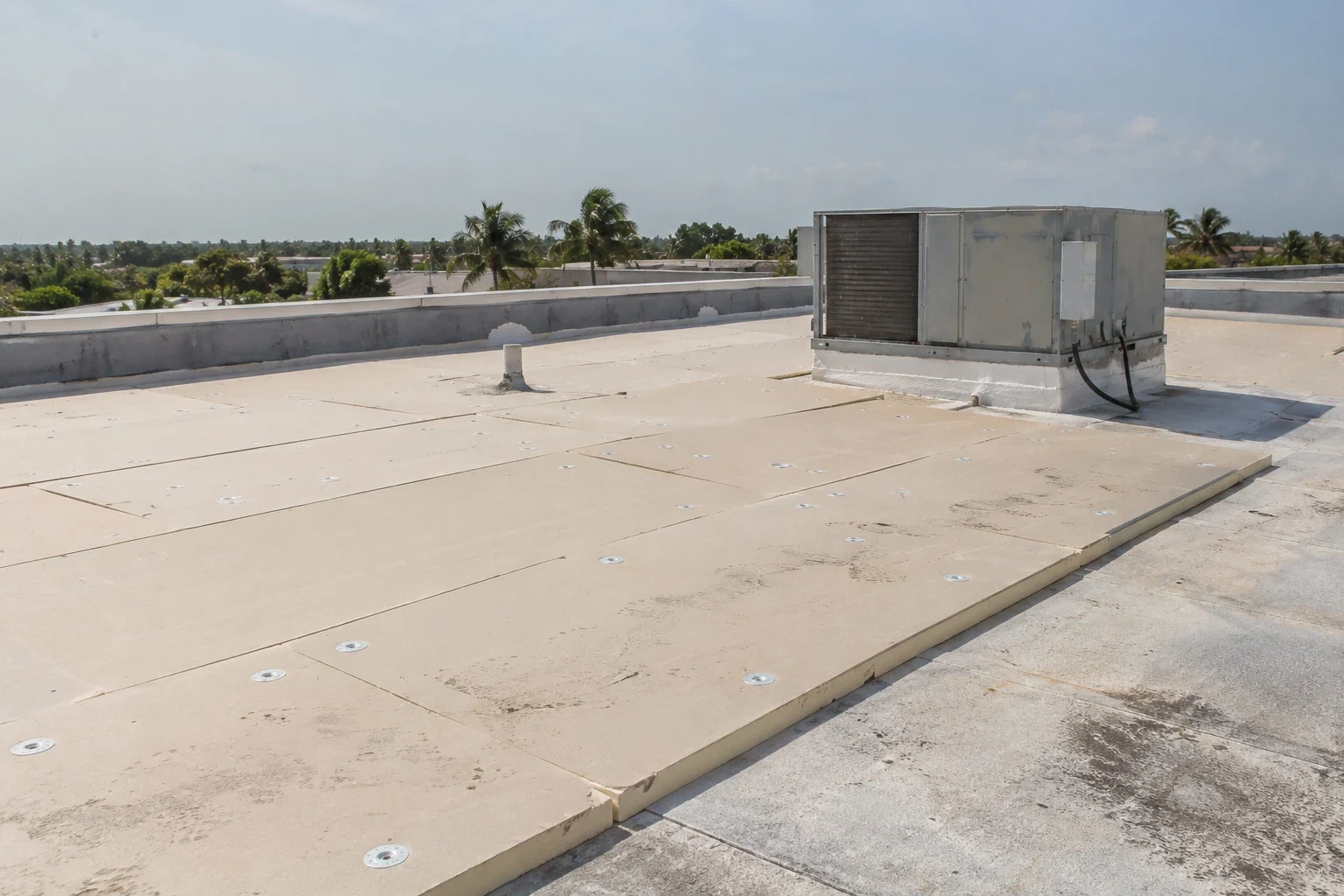
When only a small weld has opened and the surrounding sheet remains stable, a local repair may be appropriate. Multiple failing seams, wet insulation, or widespread surface changes can require broader work. A commercial repair scope can define the confirmed work. A cover-board review can document substrate and insulation where the assembly is being opened.
If moisture is suspected below the sheet, use an authorized test opening or another appropriate survey. Record its location and result. A spot test does not prove conditions across the entire roof. Added work follows the approved boundary and change process.
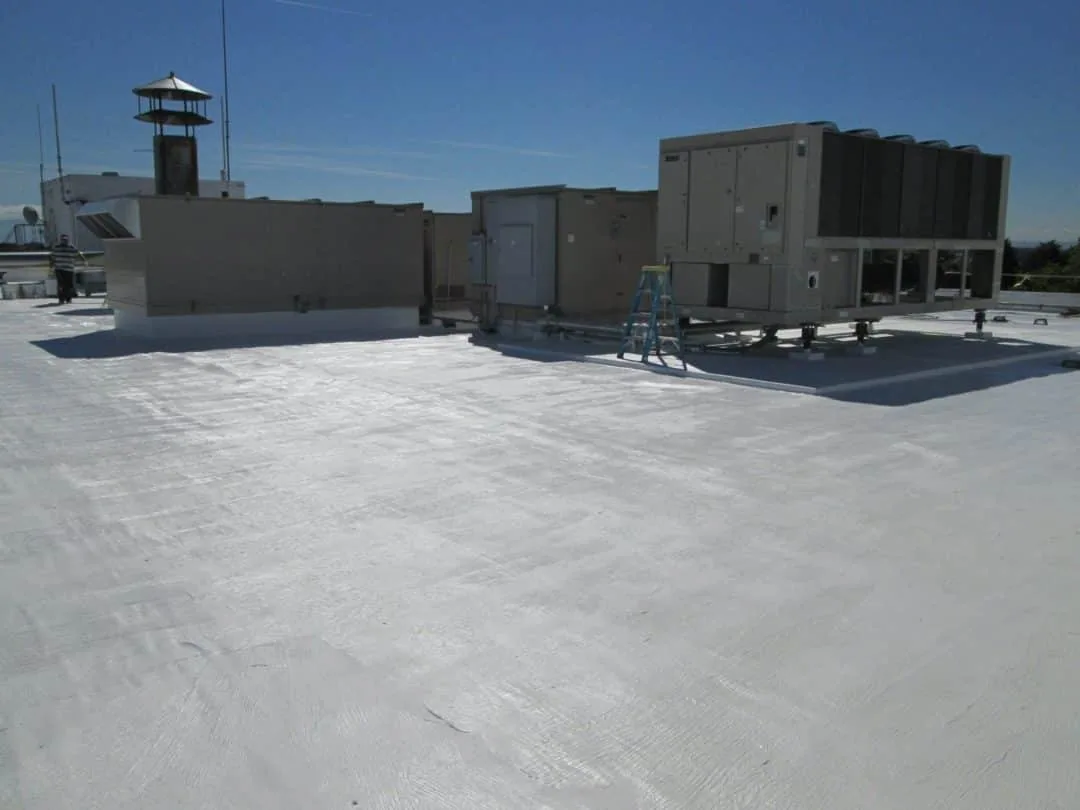
Closeout images show the repaired weld, nearby field, flashing, drains, and any surface limitation. The record lists installed material, date, access limit, and open concern. A dated condition report supports comparison at the next visit.
Palm Bay's south-side commercial development includes The Commons at Cypress Bay West near Babcock Street and St. Johns Heritage Parkway. Retail and mixed-use sites can have customer and delivery routes that affect lift placement. We confirm actual staging and access with the property contact; the corridor does not establish roof type.
After service work, check the affected seams and curbs again. A new leak report gets a new event date and interior location. We inspect the stated path and compare it with the closeout photographs. That keeps the record focused on the current condition. A later inspection can compare the next report with the dated image.
Learn more →
Learn more →
Learn more →
Learn more →
Learn more →
Learn more →
Learn more →
Learn more →