
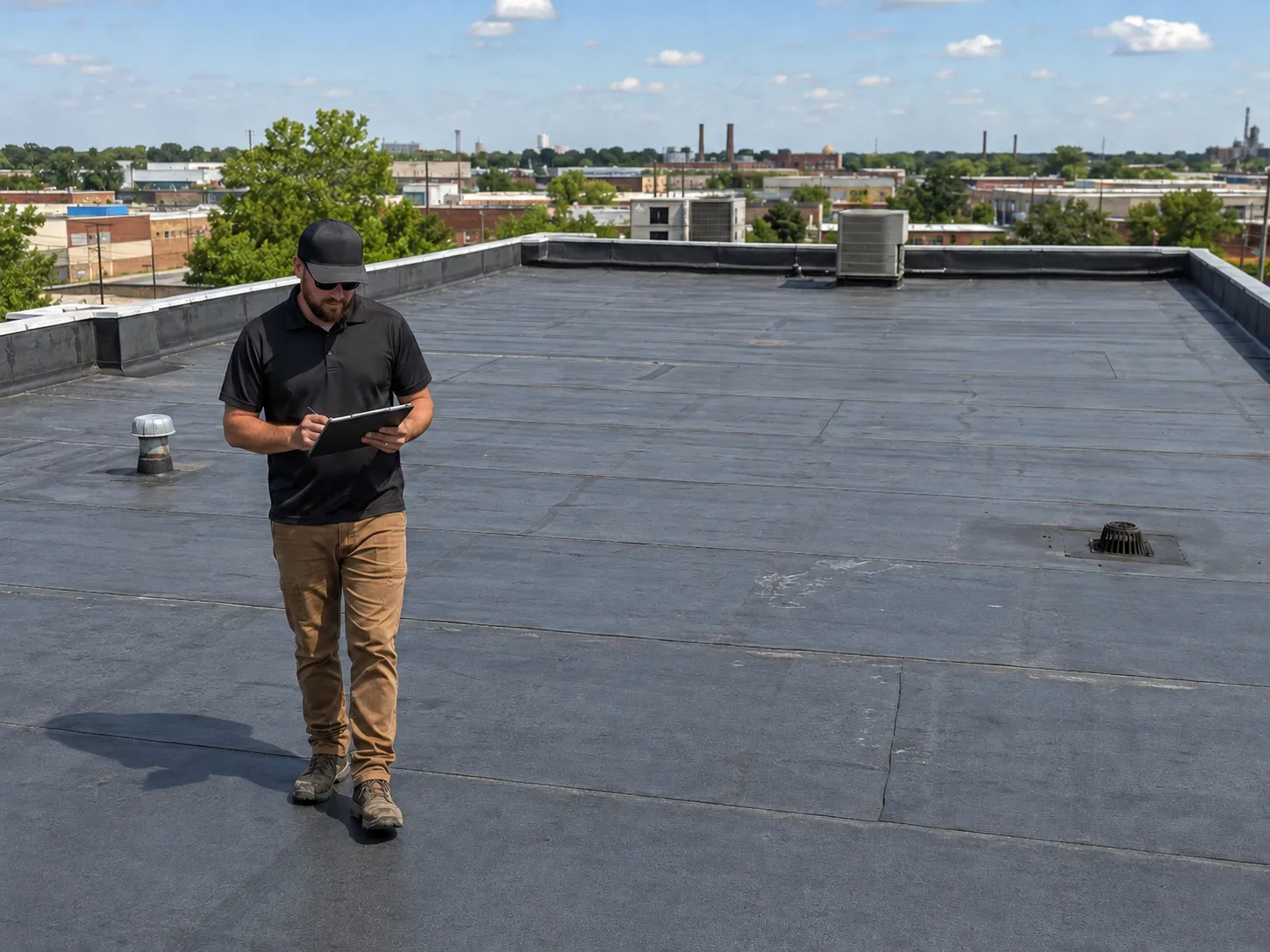
A roof report earns its place when another person can locate the same condition later. We label each observation by building, roof zone, date, and photograph. The report separates a leak report from a roof opening established by inspection, notes areas not reached, and states what testing could change the conclusion. The result gives an owner, facility manager, or project team an evidence record rather than a general condition label. The inspection date stays visible to later readers.
Palm Bay has industrial, retail, office, and healthcare properties. Port Malabar Industrial Park, Palm Bay Station on Bayside Lakes Boulevard, and the Palm Bay VA Clinic on Babcock Street each have distinct operating settings. They do not establish the roof condition at a particular address. The report records the system and use found during inspection, then ties each recommendation to the actual building and its access limits.
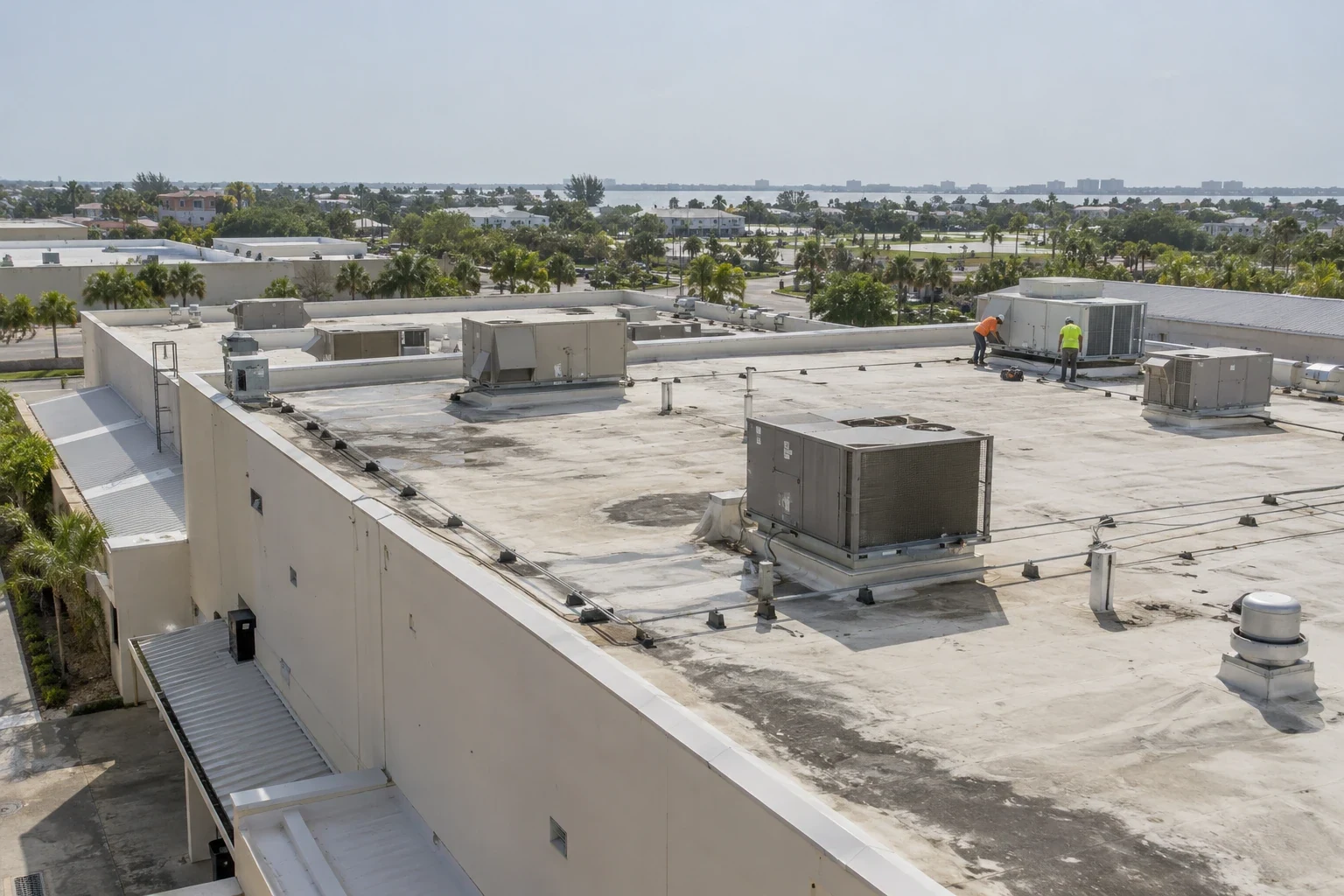
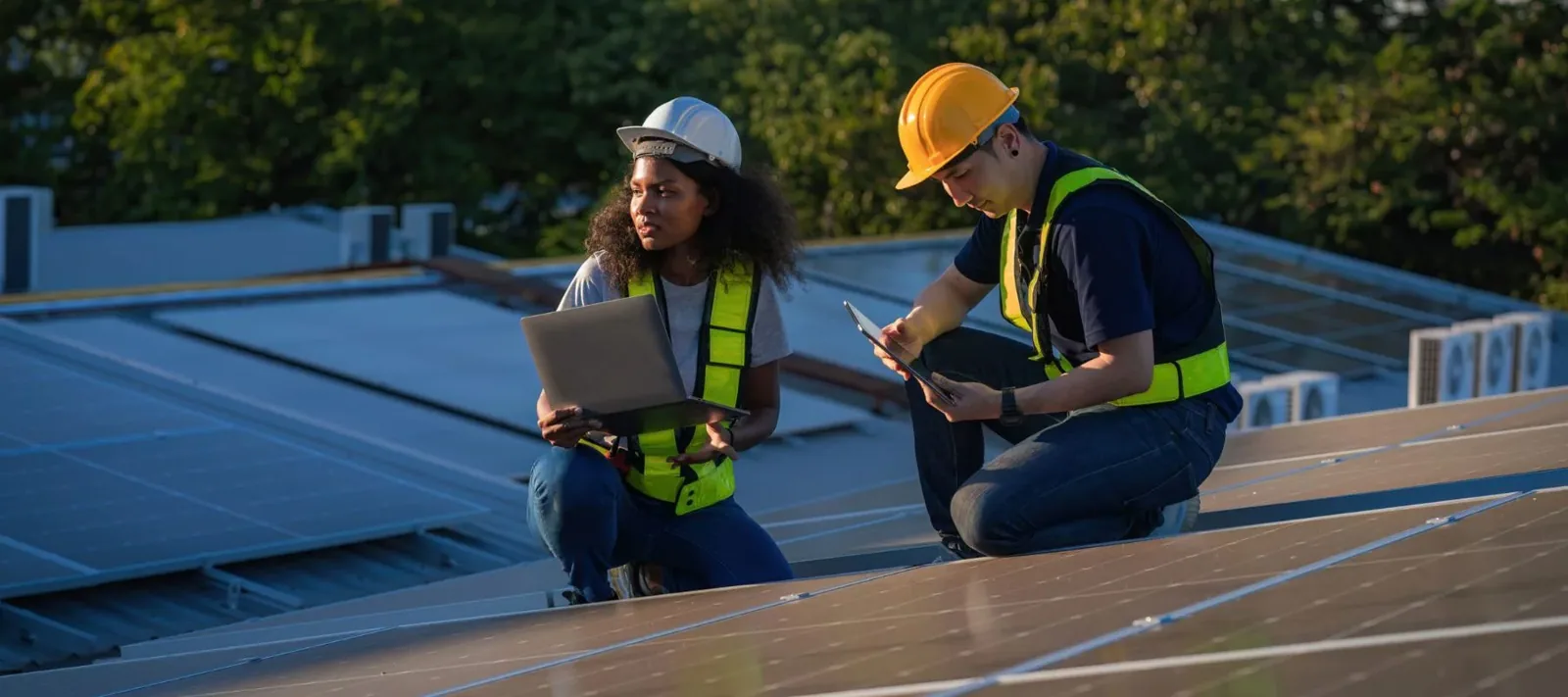
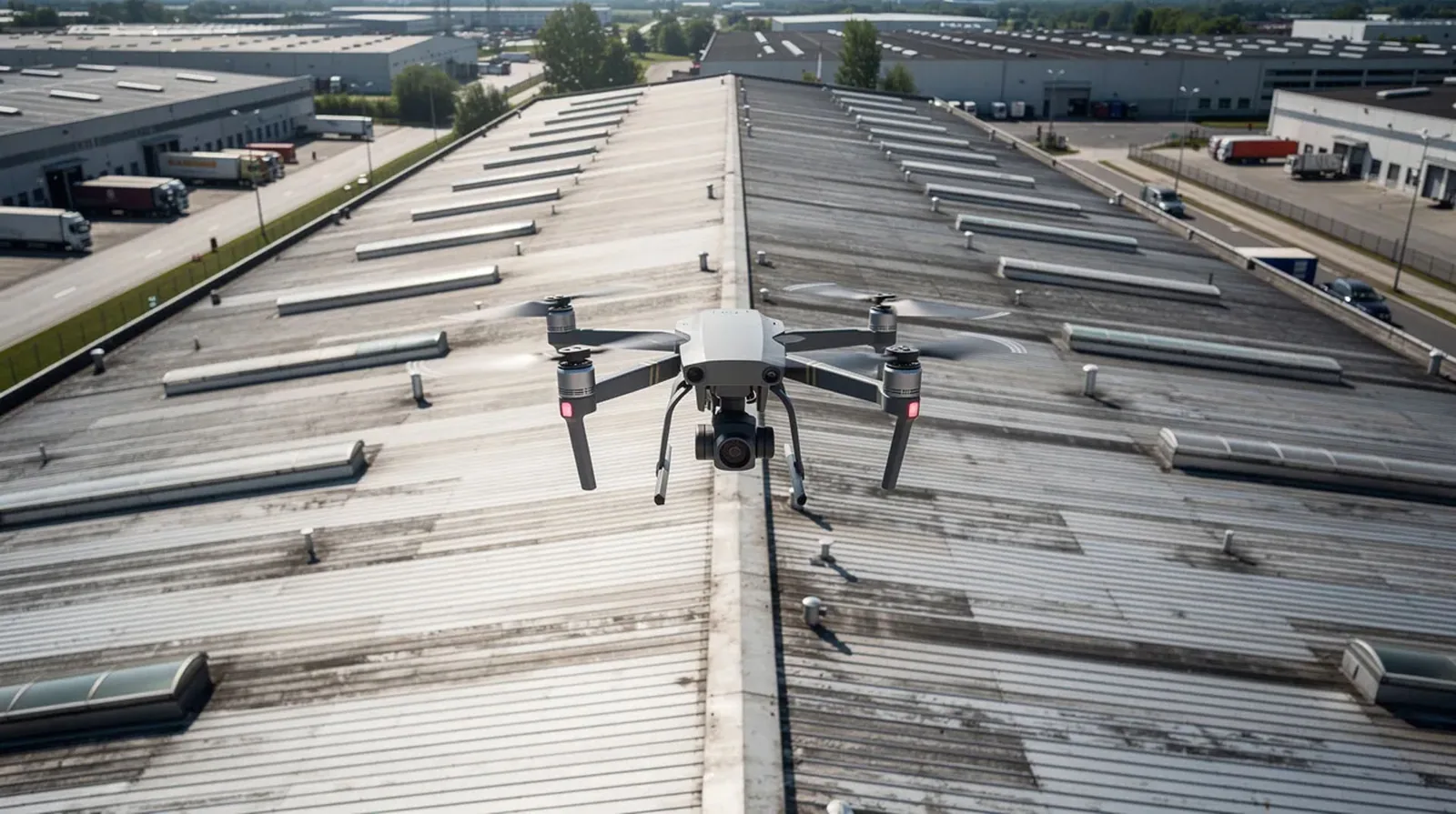
The opening record identifies the property, inspection date, roof access contact, weather or event context when relevant, and methods used. We note whether the inspection was hands-on, drone-assisted, infrared, or limited to records and accessible views. Those distinctions matter. A drone image can show broad surface conditions but may not confirm seam attachment. An infrared map points to temperature differences that may need further testing.
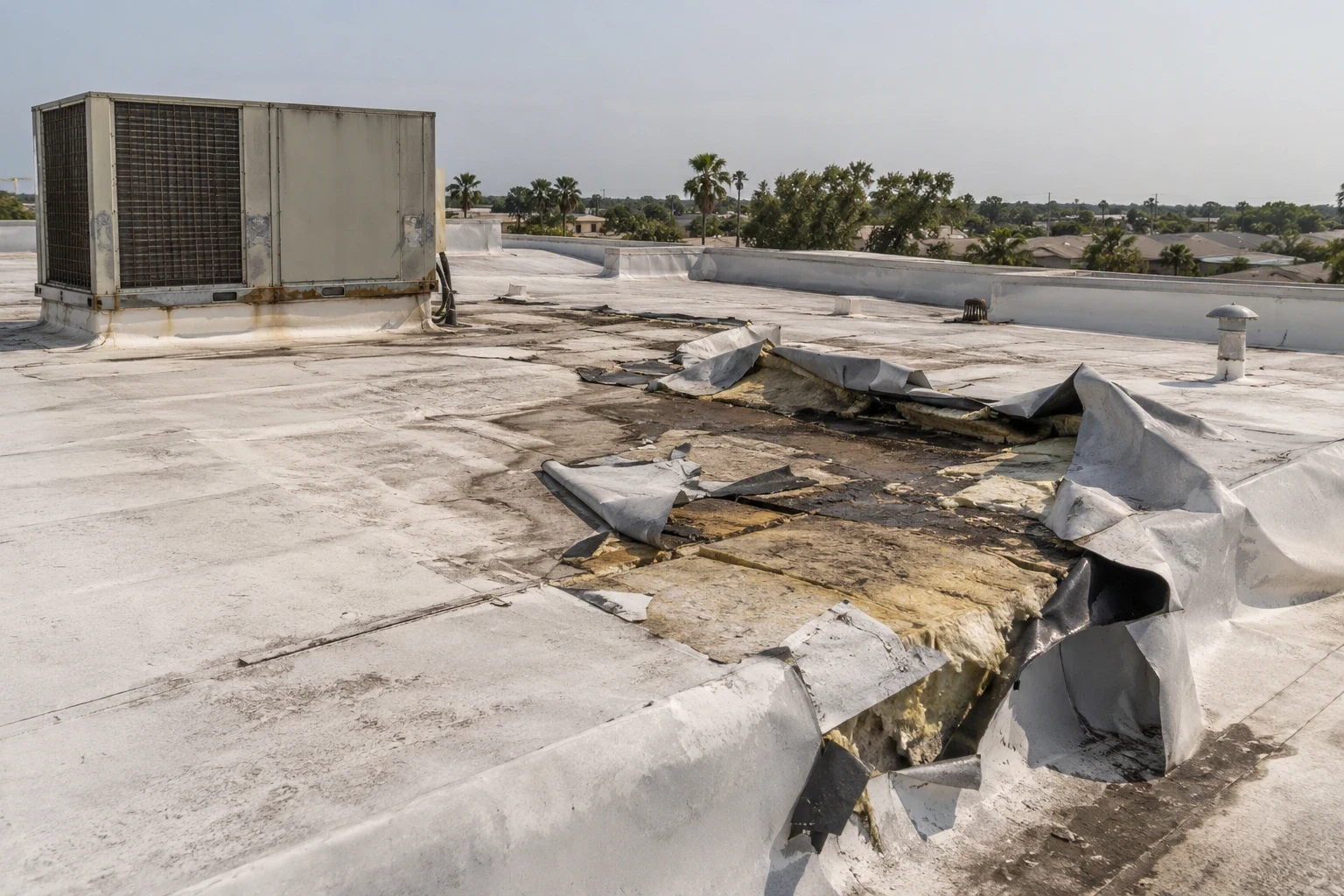
Each image receives a roof-zone label and a short caption describing what is visible. We avoid treating a photograph as proof of concealed damage. If the survey used a test opening, the report gives its exact area, exposed layers, and closure. A commercial roof inspection can supply the field observations, while the finished asset record keeps them with the correct property.
Findings describe the surface, attachment, seams, flashing, drainage, penetrations, and interior reports. We use direct language: open lap, loose edge metal, blocked outlet, soft substrate, or no visible breach at the inspected point. A reported stain is listed as a report until a roof path supports a connection. If the cause remains uncertain, the recommendation names the next survey or test rather than presenting a guess as a confirmed defect.
Local weather records belong in context. A Palm Bay reporting point measured more than 13 inches of rain during Hurricane Irma. That storm total is tied to its location and date; it does not establish what happened to another roof. The report can cite the event date supplied by the owner and keep it separate from physical findings. A post-hurricane roof review uses photographs, affected zones, and access limits to document the property itself.
Recommendations distinguish immediate exposure control, repair, further testing, maintenance, and replacement review. Each one names the affected zone, reason, and urgency basis. An active opening may require temporary protection. A surface change without moisture evidence may warrant monitoring. Where a recommendation depends on concealed conditions, the report identifies the test and how its result could change the scope.
Priority does not come from the appearance of one photograph alone. We consider the water path, material condition, occupied use, and whether the defect is worsening. Palm Bay's warm-season rain makes drainage and exposed details useful inspection points, while work timing follows the actual weather and roof condition. A maintenance program can schedule a revisit and compare repeat photographs against the baseline.
The report lists inaccessible roof zones, blocked views, unsafe conditions, and areas that were not opened. It does not imply that a hidden assembly was tested if only the surface was viewed. If more evidence is needed, we propose an infrared survey, moisture reading, core, or controlled test opening with a defined purpose. The owner can decide whether to extend the investigation before a repair is priced. We identify the question that the added test should answer, its location, and how the result could affect the proposed work. If the test finds no moisture, that finding also belongs in the record.
Access itself can shape what the report can confirm. Palm Bay Hospital on Malabar Road has healthcare operations, and a small office suite at 5200 Professional Center has a different schedule. We confirm the actual contact and permitted routes. For larger facilities, drone imagery can document hard-to-reach roof zones when safe access is limited, with its view constraints stated in the final record.
A clear report includes an executive finding, roof-zone observations, labeled photographs, repair priorities, assumptions, and open questions. The property team should be able to connect a recommendation to an image and see what evidence supports it. A proposal can then translate accepted items into materials, preparation, repair boundaries, and closeout steps. We can separate emergency work from planned capital items and show where a test would reduce uncertainty before spending. The report preserves rejected or deferred recommendations with their reasons when the owner needs that history. That leaves a decision trail for future managers, lenders, or maintenance staff. If work reveals a different condition, the change is documented before the original conclusion is replaced.
For a building in Port Malabar Industrial Park or near Palm Bay Station, tenant access and delivery hours may matter to the next action. Those details are included only when confirmed for the inspected property. An acquisition or refinance survey may need a current inspection when an older report lacks photographs, methods, or clear roof-zone locations.
Learn more →
Learn more →
Learn more →
Learn more →
Learn more →
Learn more →
Learn more →
Learn more →