
A work order that says “leak at” is a useful report, not a repair boundary. We connect the tenant note to the building, roof zone, event date, and access contact before recommending work. Palm Bay's commercial inventory includes retail, office, medical, and flex properties. The roof records should keep those assemblies distinct, even when one manager oversees the addresses.
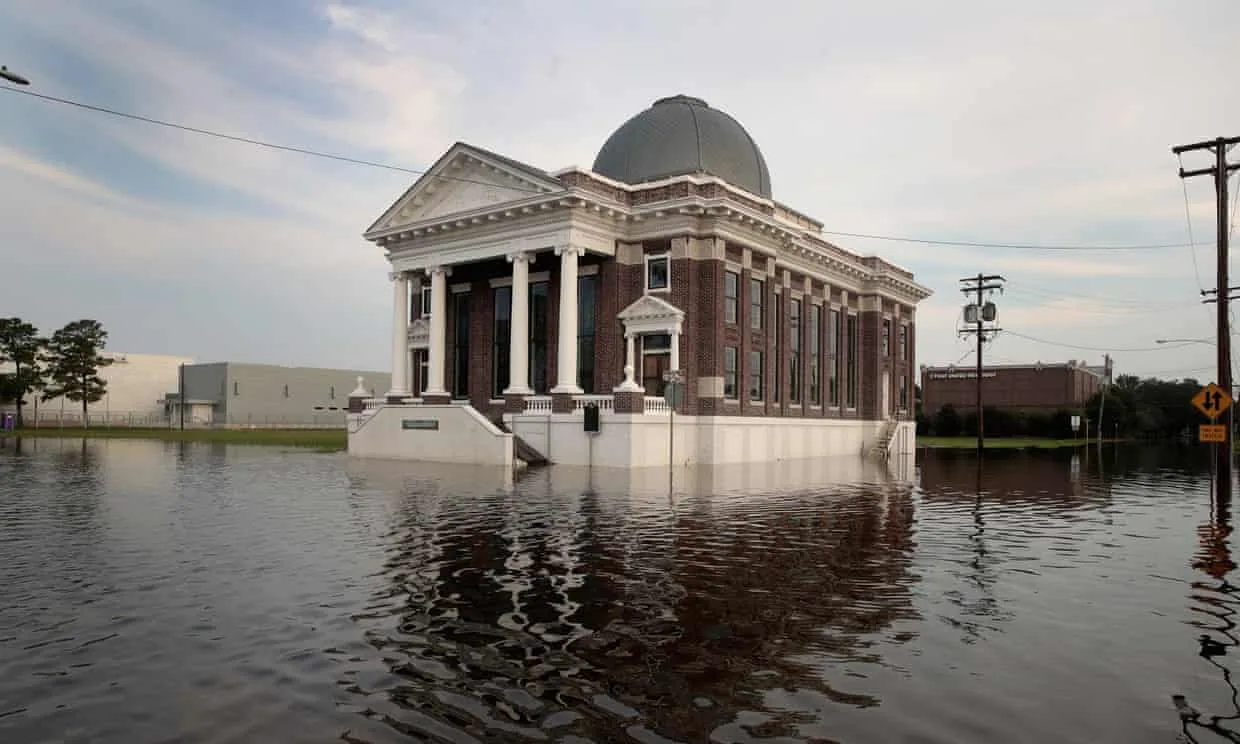
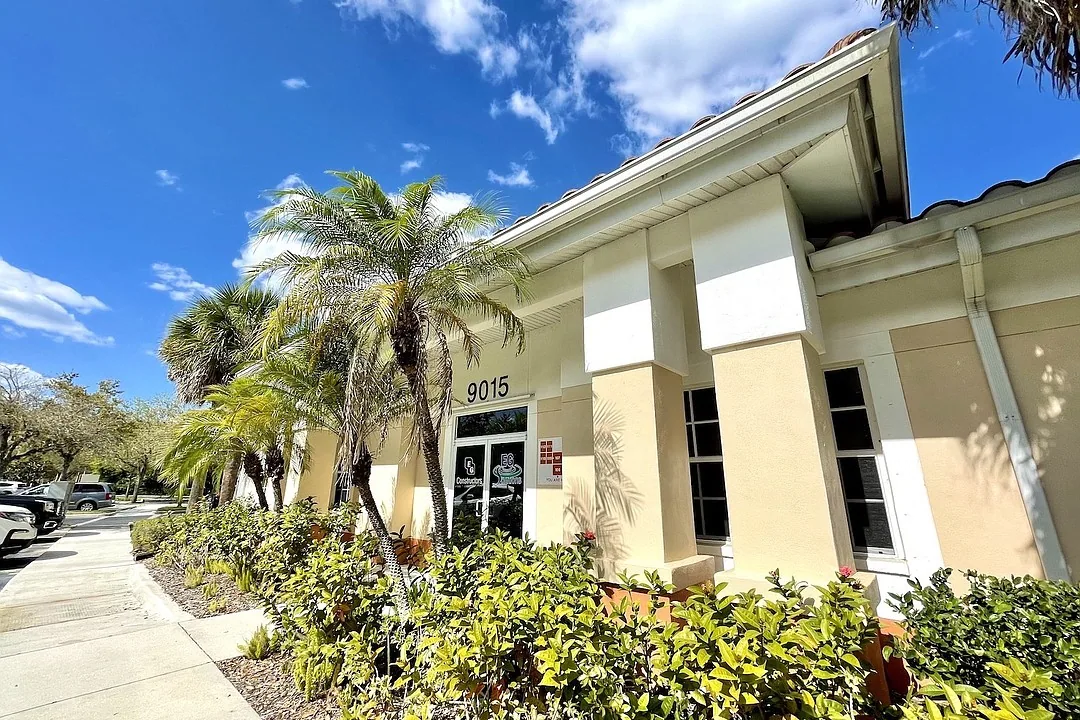
Start with a portfolio register that names each address, roof section, material if known, reported condition, and last inspection date. Add photographs with a location key, not a folder of unlabeled images. If a service ticket begins indoors, keep the tenant's room and roof observation separate. This shows what was reported, what the crew could inspect, and what remains hidden.
Port Malabar Industrial Park listings show 19 properties and 29 leasable spaces across an active mixed commercial market. That figure describes the listing set, not the number of roofs or one owner's portfolio. Managers operating nearby buildings still need a property-specific map. A roof asset register can connect inspection findings to each address and keep a closed repair from being treated as a campus-wide correction.
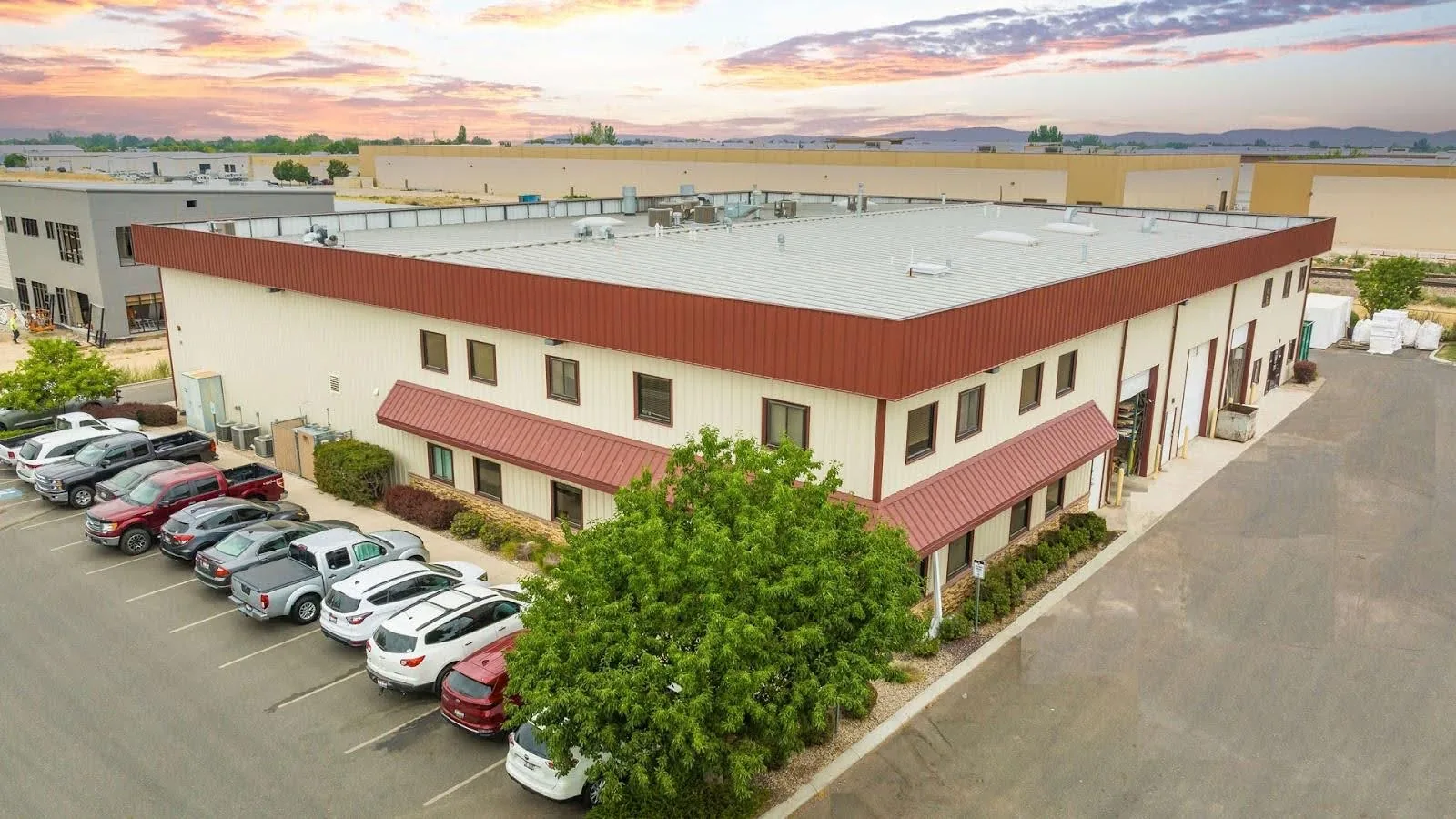
The Palm Bay Flex Business Park offers modular units near Interstate 95 and beside the L3Harris campus. A multi-tenant site may have shared drains, separate tenant interiors, and different access contacts. Confirm responsibility for common roof areas before authorizing work. A flex building assessment can help distinguish shared conditions from a single-suite report.
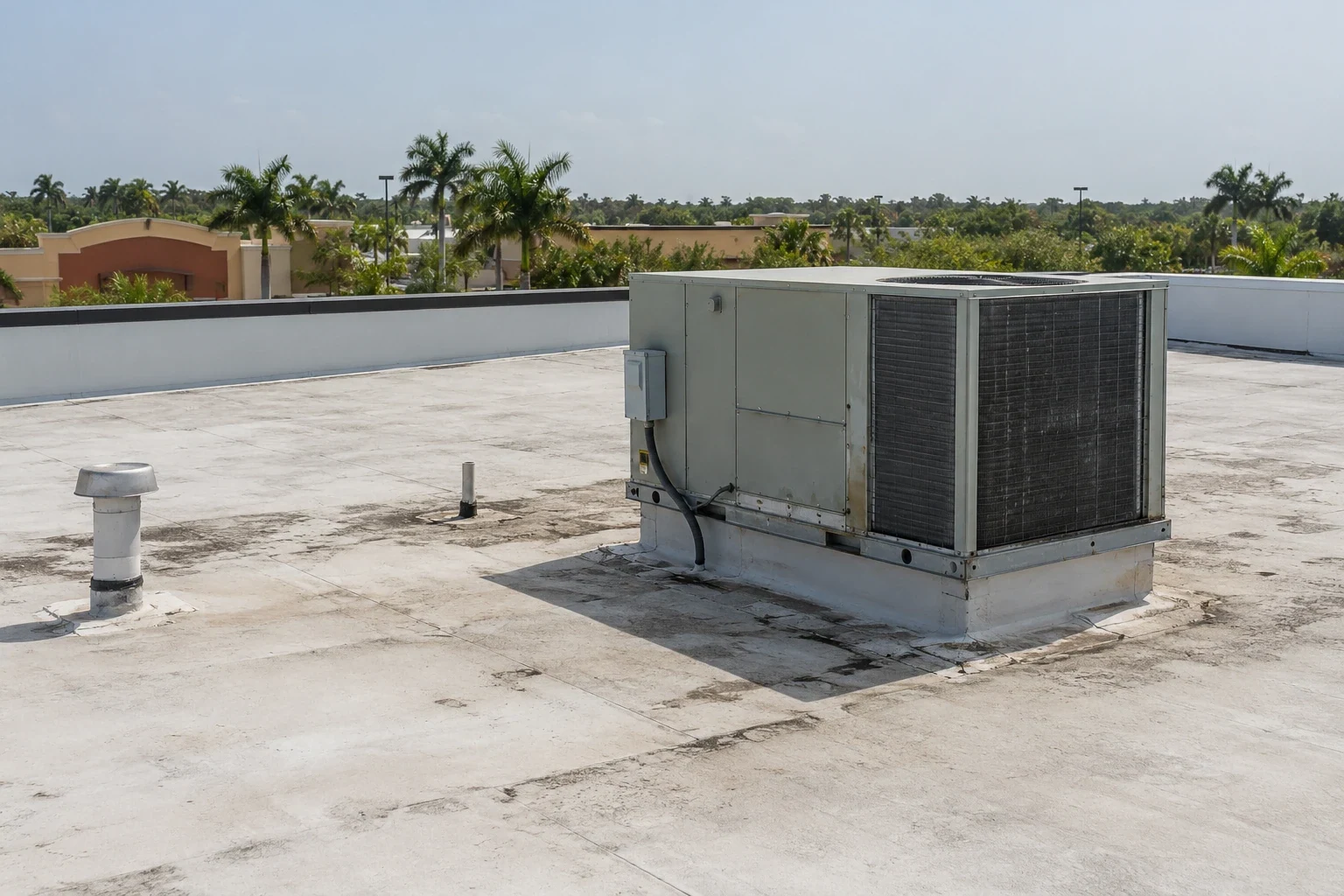
Prioritize active water, loose metal, blocked drainage, and conditions over critical rooms. A stain does not show the roof opening by itself. Ask when water appeared, whether it is still active, what interior area is affected, and who can provide roof access. If the building is occupied, document protection and tenant notice before the crew moves materials.
Melbourne climate normals show more than 55 inches of annual rainfall, with the wettest months in June and September. That regional pattern can inform review timing, but it is not a building condition. A Palm Bay inspection should check actual drains, scuppers, low areas, and overflow paths. The inspection record identifies the roof zones reached and any area that needs a second visit.
When water is entering, use temporary protection only as an interim measure. Record its location, installation time, responsible contact, and return plan. The permanent scope describes the preparation, material, and repair boundary. For conditions that may involve multiple buildings, a multi-property program can standardize reporting while leaving each repair approval tied to its own address.
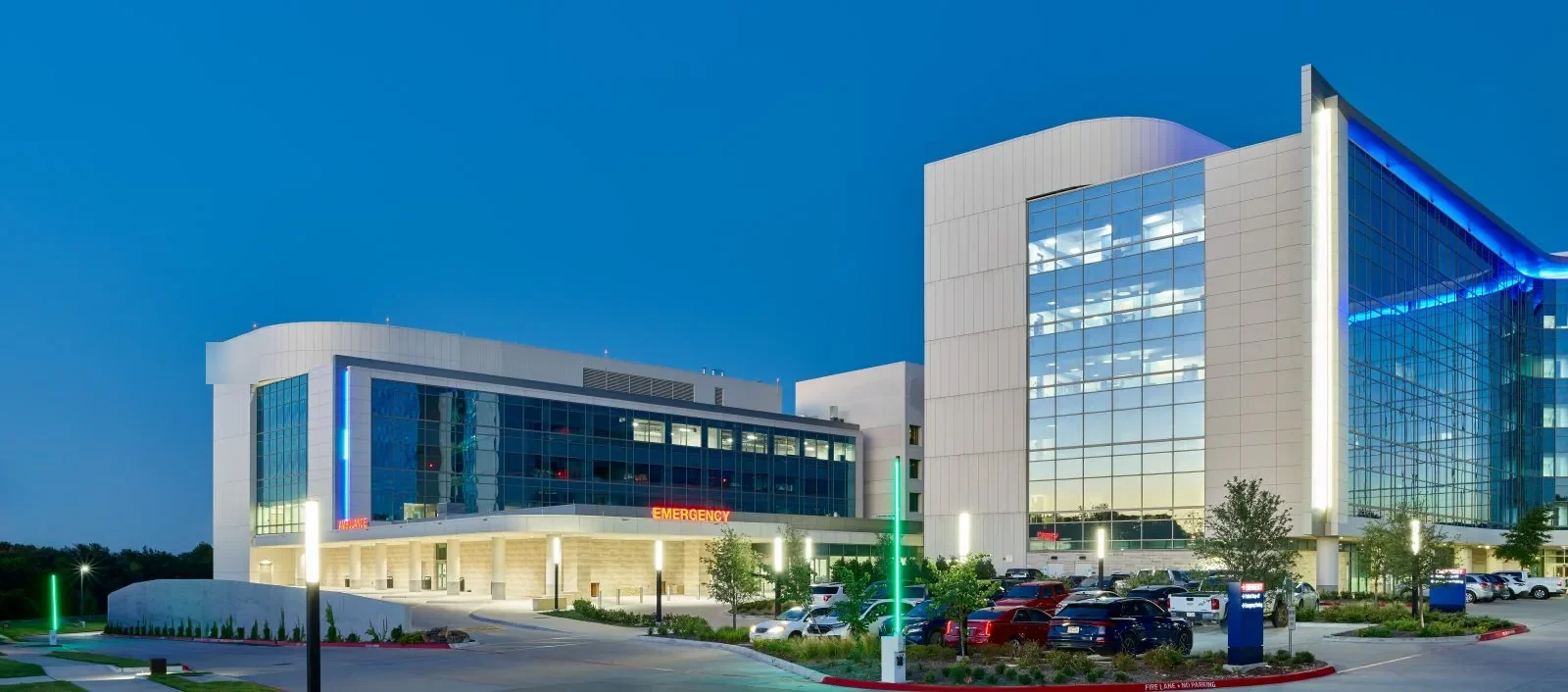
Property teams manage loading areas, offices, retail hours, medical visits, and after-hours access. Each use creates a different work window. Name the tenant contact, entrance, roof ladder, lift path, interior protection, and any area that cannot close. Keep those details with the property record so dispatch does not have to reconstruct them from an old email.
Retail listings include a multi-tenant property at Palm Bay Road and a separate parcel at Palm Bay Road. Those addresses help orient the corridor, not identify a managed building's roof or access plan. For each site, confirm gate rules, delivery, and staging with the property contact. The Palm Bay Road retail area can help with local routing.
If the repair needs tenant access to a ceiling or mechanical room, obtain approval first. Photograph the affected space only within the property rules. Do not enter a tenant area simply because a work order includes a suite number. A phased access plan can sequence noisy or exposed work around daily operations and note who accepts the area at closeout.
A local patch may be appropriate when the membrane, attachment, and materials beside the defect remain sound. Repeated leaks, wet insulation, or corrosion may point to a wider condition. State what inspection confirmed and whether a test opening is needed. Do not let an allowance turn into a blank authorization for added permanent work.
Managers can compare repair, recover, and replacement by roof zone, remaining service condition, drainage, access, and tenant impact. A replacement evaluation should list the assumed assembly, removal limits, edge details, and concealed conditions that could affect the scope. Costs vary with material, access equipment, tear-off, insulation, protection, and timing. Keep the estimate linked to the roof area inspected.
A Palm Bay portfolio may include small offices, retail suites, medical space, and industrial units. A health system property review can account for clinical access when that use is present. Do not roll every property into one average condition. A owner and REIT roof program can support capital reviews across an asset list, while the approval and closeout for each repair remain property-specific.
Closeout should list the address, roof zone, event date, reported room, findings, material, photographs, repair limit, access restriction, and open item. Mark temporary protection separately. Note whether wet materials were exposed and what remains concealed. Use a consistent naming rule for each building so future staff can compare records without mistaking one tenant's repair for another property's work.
Set a follow-up for repaired details, drains, and areas missed on the first visit. Palm Bay Hospital's announced expansion adds a five-floor tower and more clinical capacity, a local example of changing operations near commercial properties. It does not establish roof scope elsewhere. When a tenant adds equipment or the owner changes use, update the roof record before the next repair request arrives.
Learn more →
Learn more →
Learn more →
Learn more →
Learn more →
Learn more →
Learn more →
Learn more →