
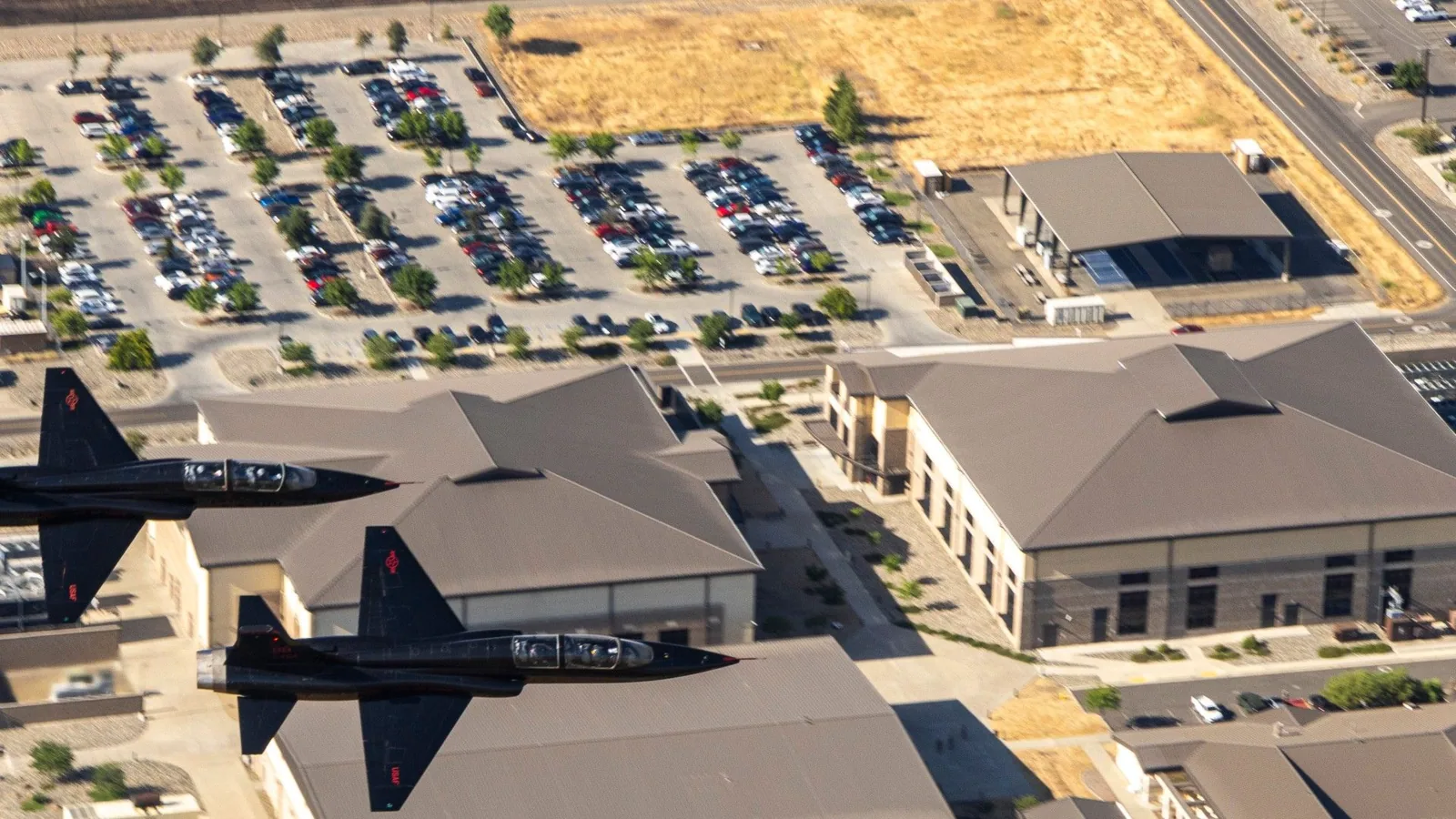
Water above a process line can threaten equipment, product, and a scheduled run. We record the event, inspect the roof zone, and identify any test opening needed before expanding the repair boundary. Palm Bay has a technology and manufacturing base that includes electronics and specialized production. Each plant's roof and operating limits still need field confirmation.
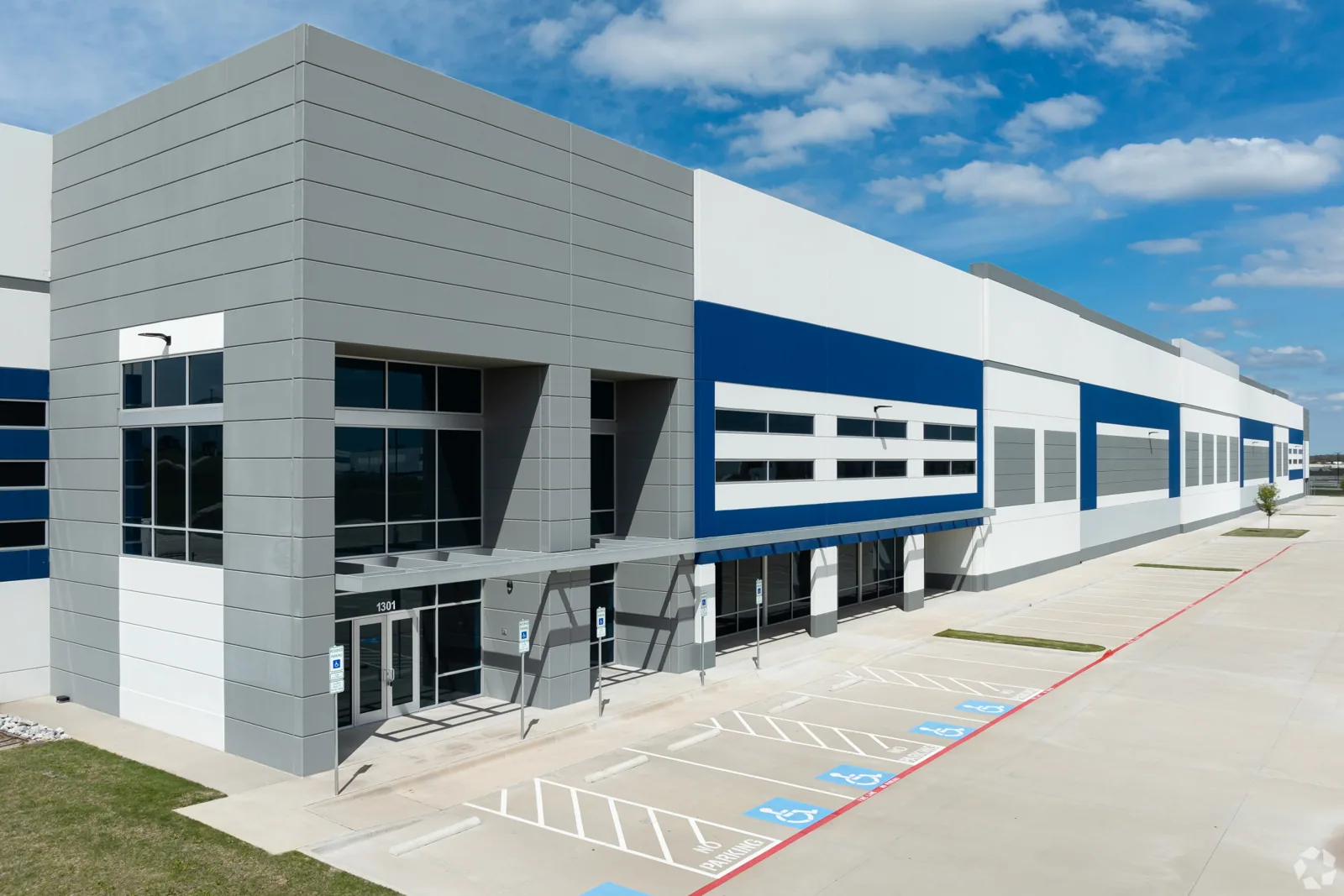
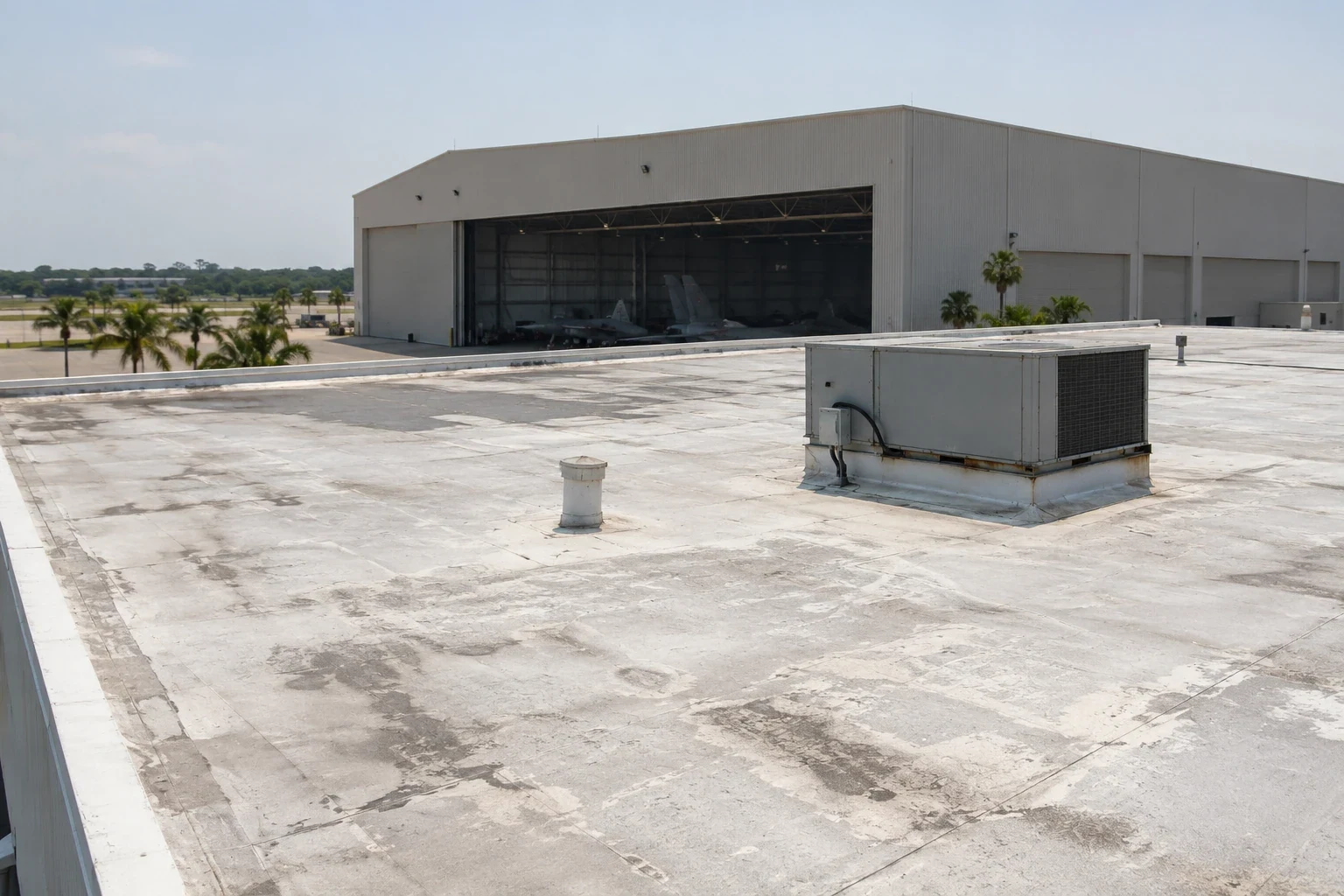
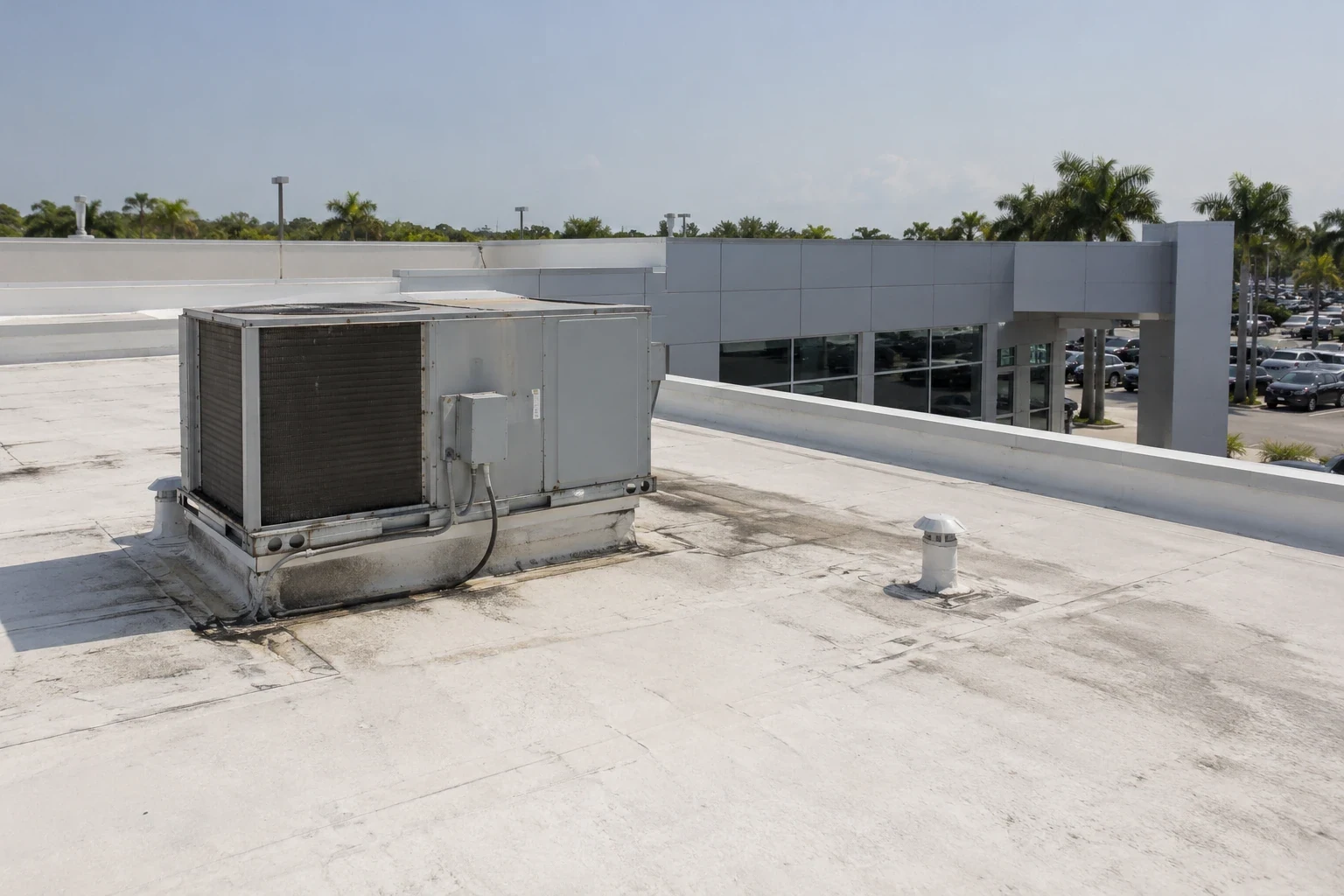
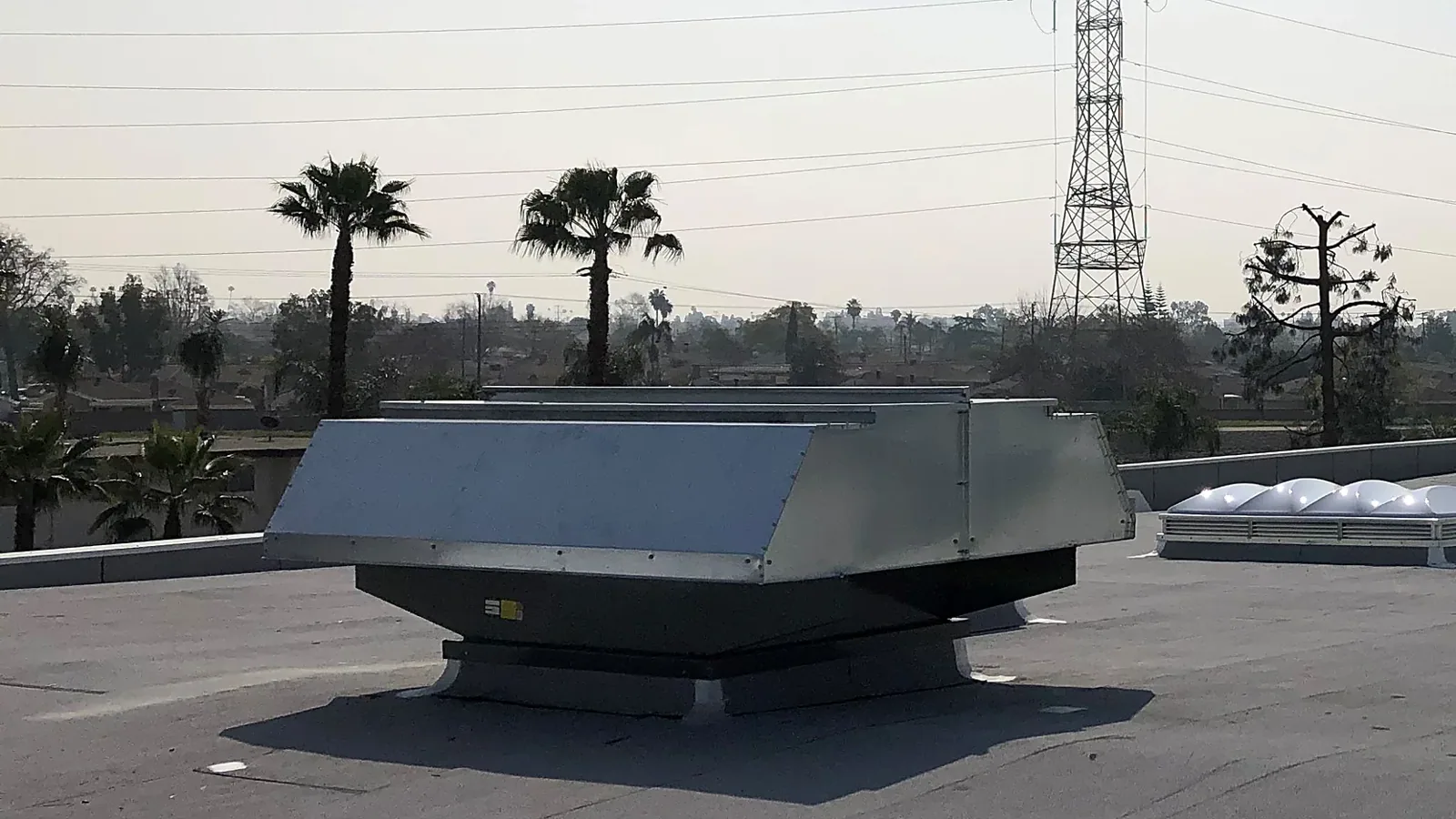
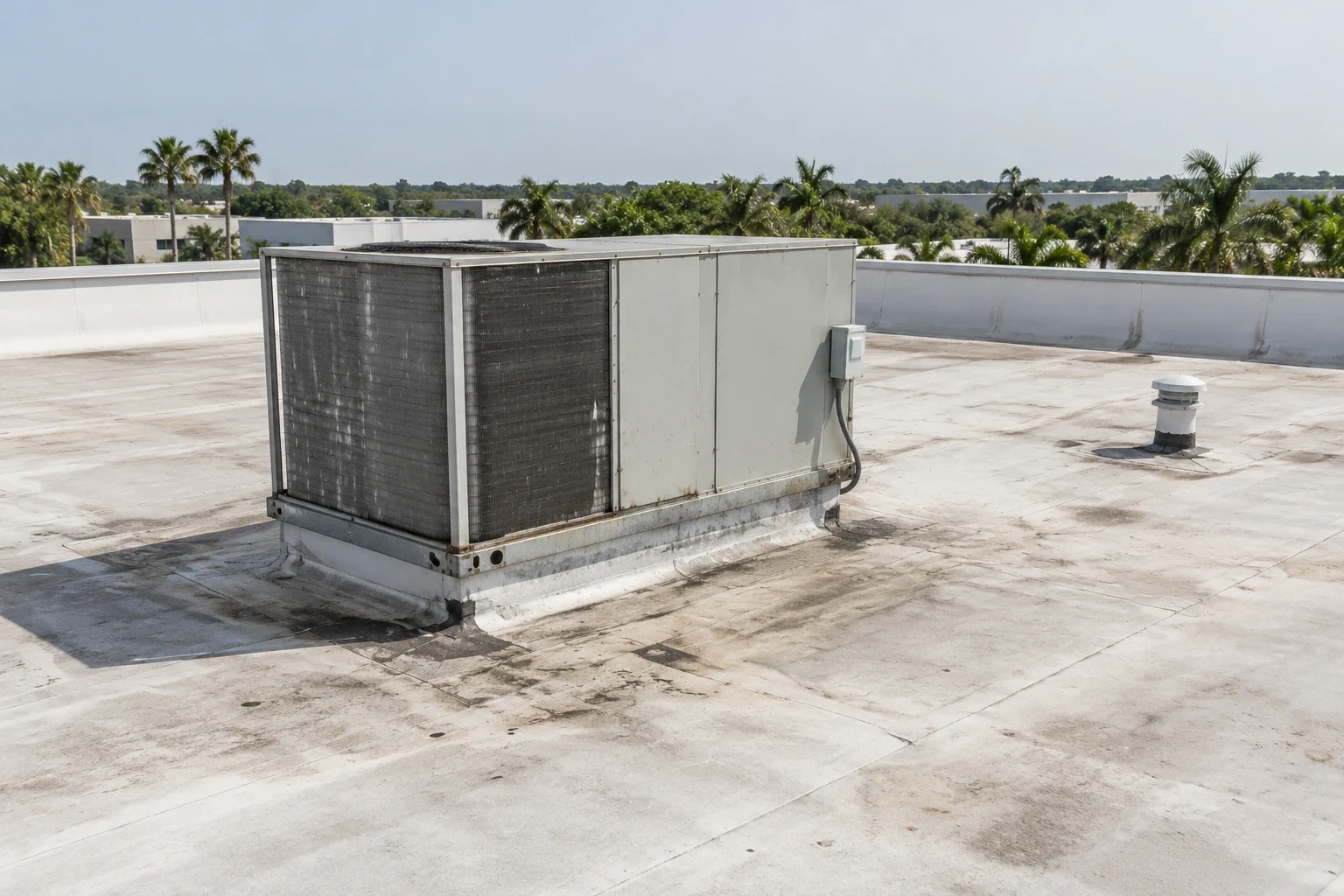
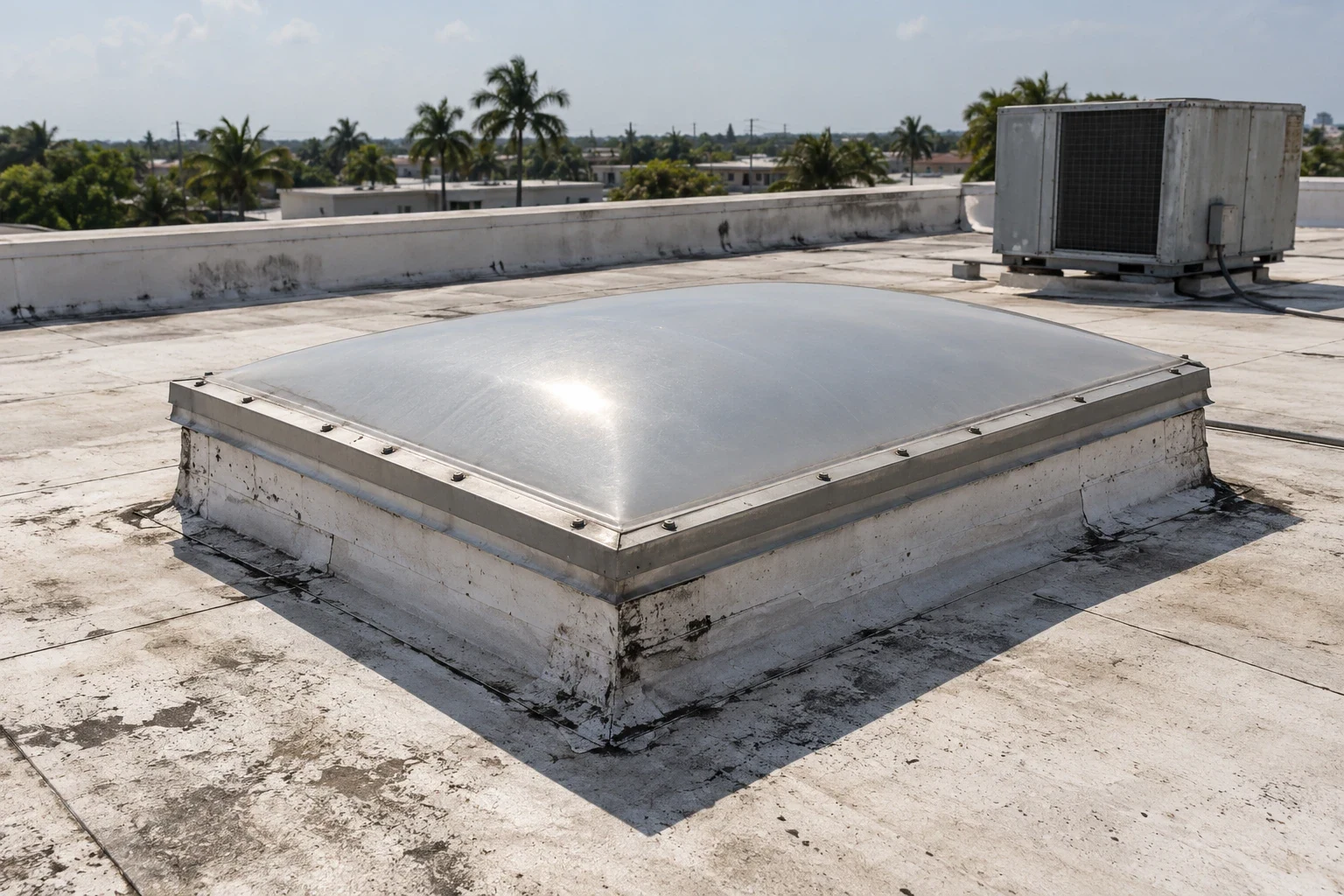
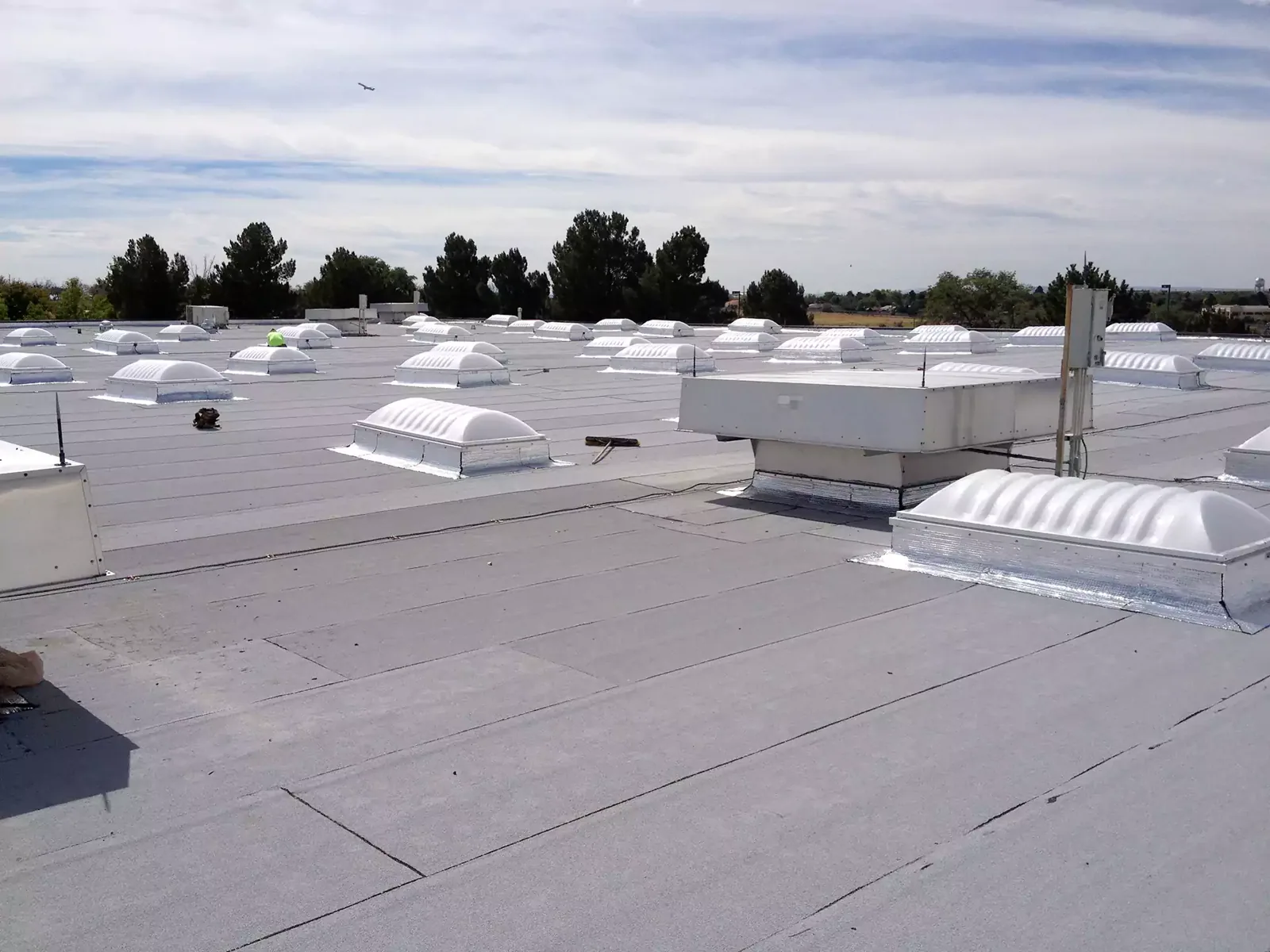
Map exhaust fans, ductwork, make-up air, conduit, pipe supports, skylights, and curbs before looking for a leak. A plant roof can have repeated penetrations added over several equipment changes. We photograph each detail and note whether flashing, membrane, or metal has moved. A curb and support review can record the condition around rooftop equipment and the attachments near it.
Production drawings and roof plans can help label zones, but they do not replace direct observation. Match the reported interior area with the roof above and the paths water may travel along. If machinery, ductwork, or access restrictions block a view, state the limit. Do not assign a leak to the closest opening without supporting evidence.
L3Harris identifies Palm Bay as a technology and manufacturing center, including facilities for maritime systems and microelectronics. That local industry context makes equipment routes and operating windows relevant to inspection planning. It does not describe any specific roof assembly. Confirm the actual property contact, process restrictions, and roof materials before scheduling work.
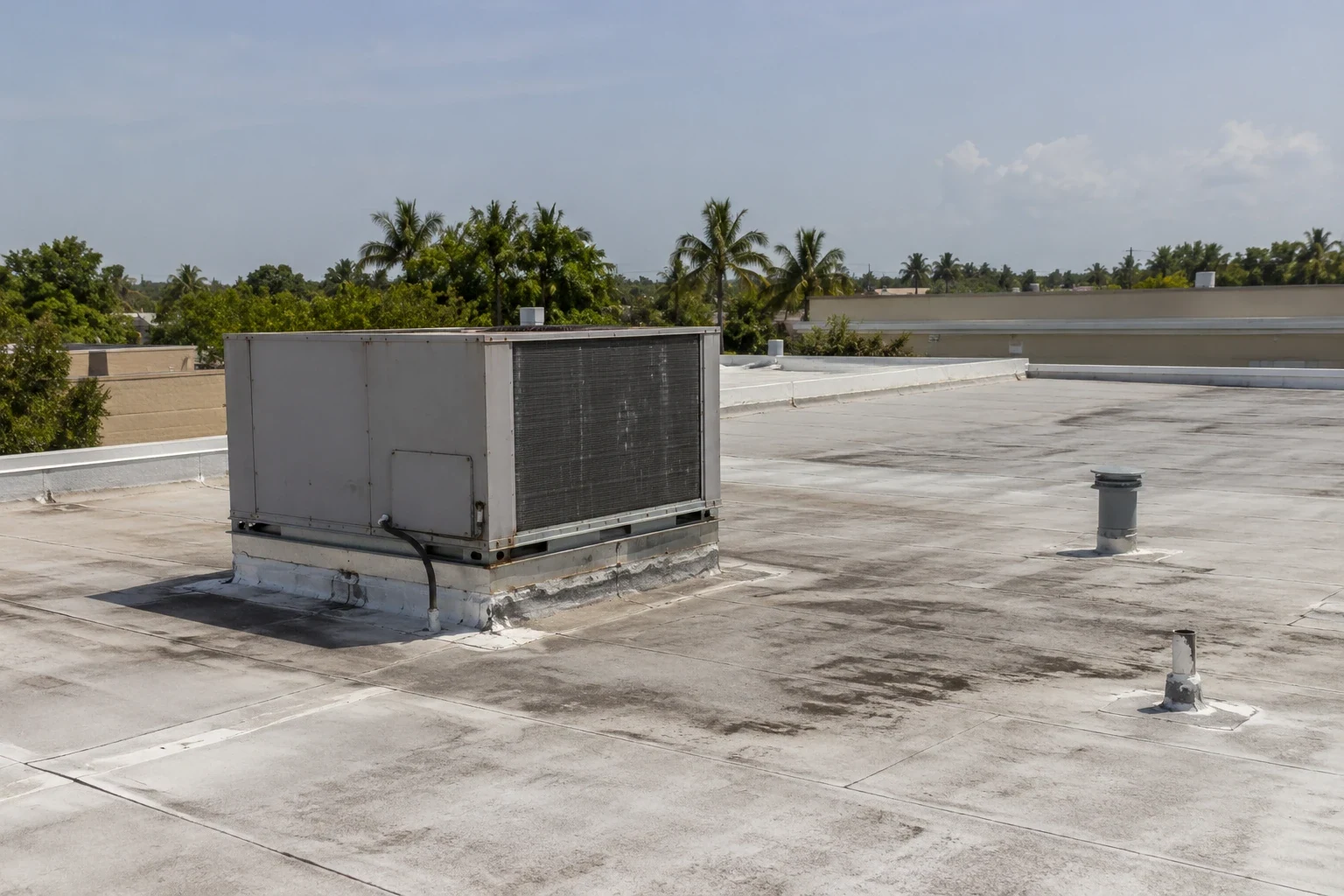
Process exhaust can carry heat, moisture, or residue to nearby roof surfaces. Inspect for discoloration, coating change, corrosion, soft membrane, open seams, and damage near discharge points. Check whether the roof system is compatible with the exposure at that location. A commercial roof inspection can map the visible condition, then flag areas that need further evaluation.
Summer highs near Melbourne average about 89°F, and the area has more than sixty days each year at or above 90°F. That heat can affect the crew's safe work window, but it does not identify a roof failure. Check surface temperature, substrate moisture, wind, and rain exposure before repair. If conditions exceed product limits, document the delay and any temporary protection.
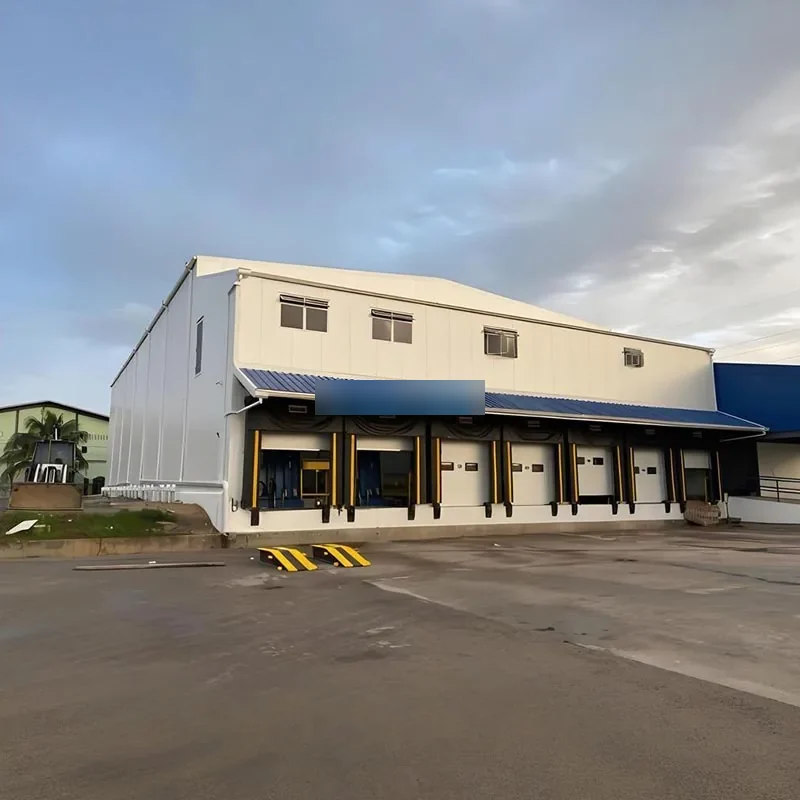
Manufacturing roofs also receive foot traffic from maintenance and equipment vendors. Mark walk paths, dropped fasteners, abandoned supports, and patches installed after prior work. A warehouse roof review may focus on inventory and loading zones. A distribution center roof review also has dispatch demands; a production plant adds coordination with process owners and safety staff.
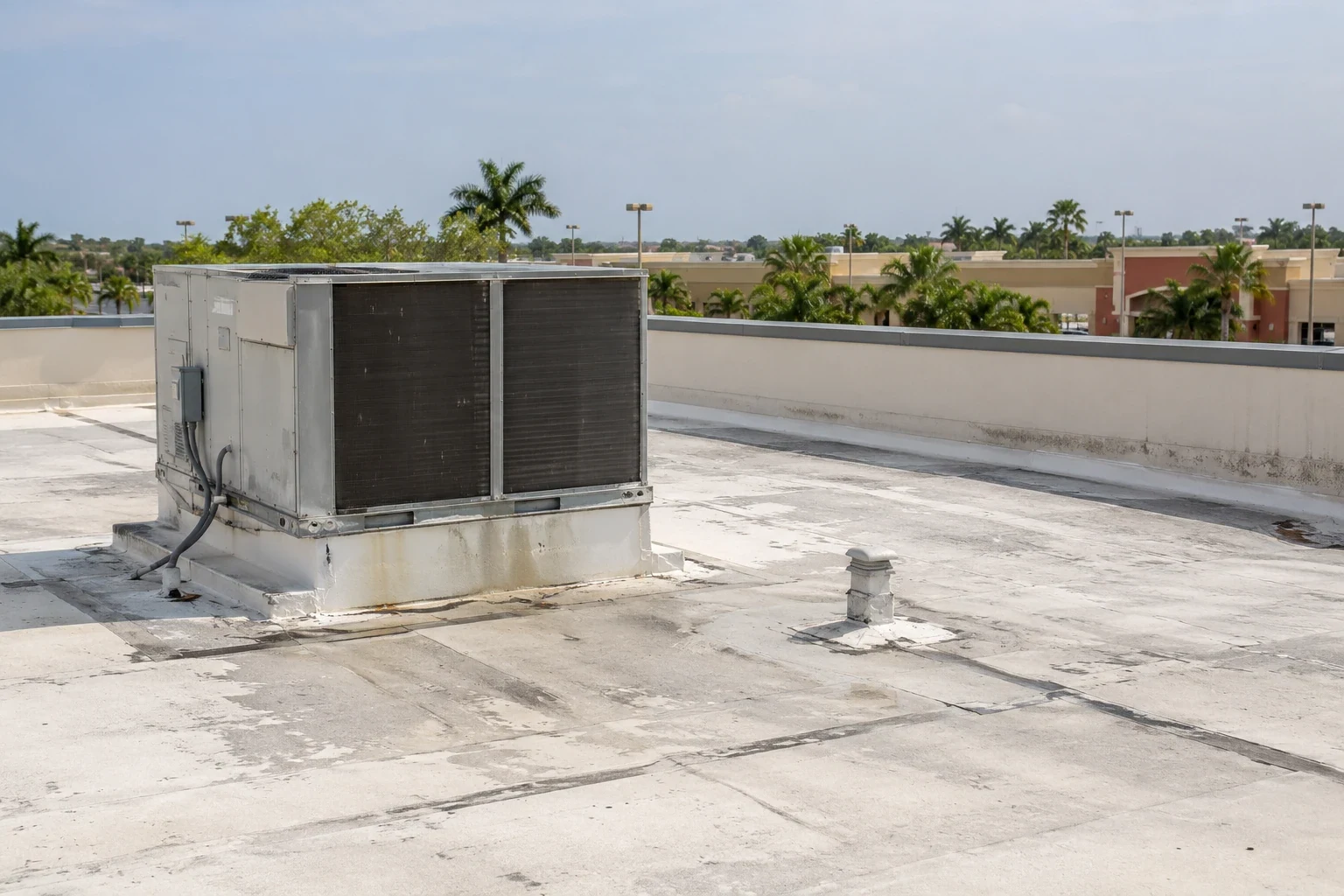
A leak beside a fan curb may begin at its counterflashing, at the membrane termination, or farther upslope. Inspect corners, seams, fasteners, sealant, and any water marks around the base. Record the visible path and the area that cannot be opened without authorization. A penetration flashing inspection can identify details that need a separate repair scope.
Repeated leaks at several locations can reflect a systemic issue or multiple isolated failures. Compare roof zones, prior patch records, moisture readings, and test openings before deciding. An infrared indication is not a confirmation by itself. If a test cut is approved, document the material and moisture at that location, then restore it using the agreed detail.
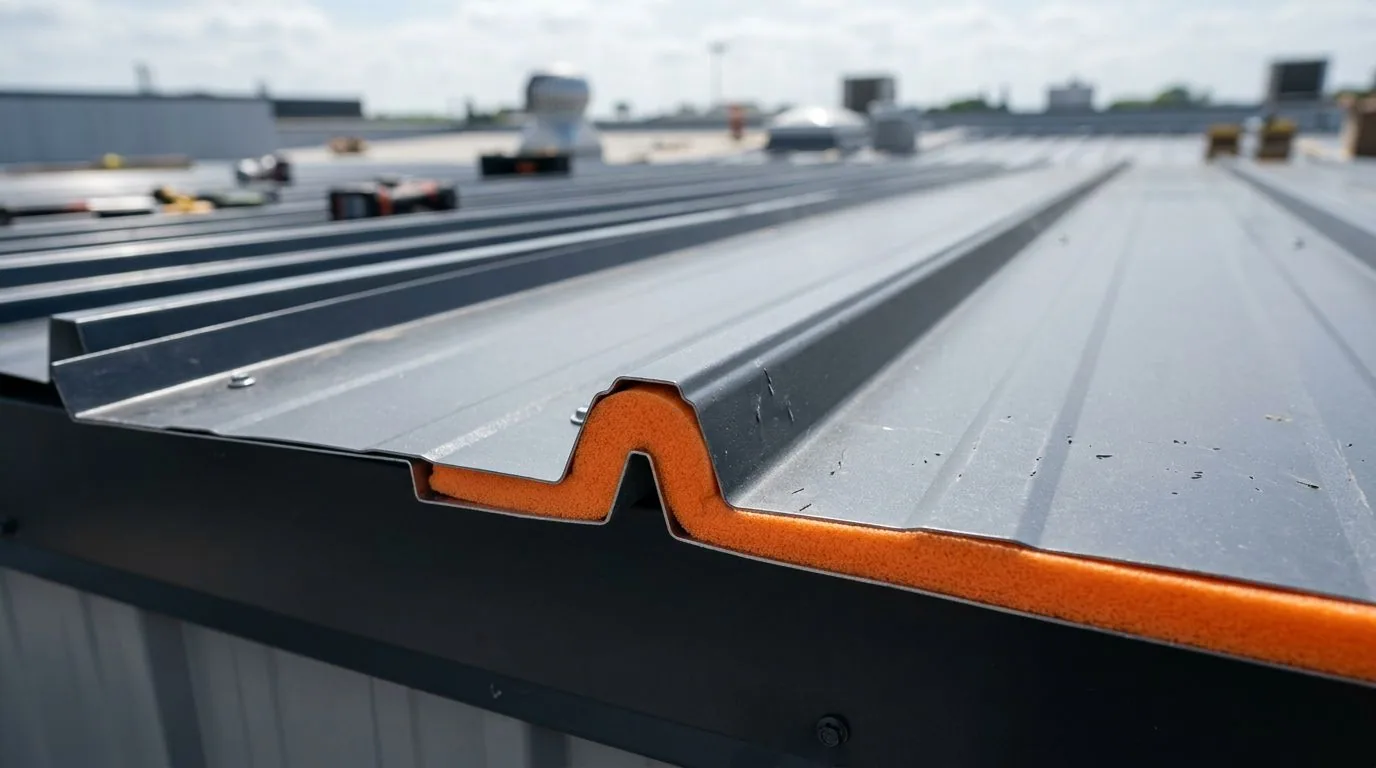
Membrane seams, metal panel laps, and coating terminations need material-specific repairs. We confirm the installed assembly before naming a patch or replacement. When damage is wider than a local repair, define which line, room, or process area needs protection while permanent work proceeds. Keep the repair boundary tied to inspection evidence.
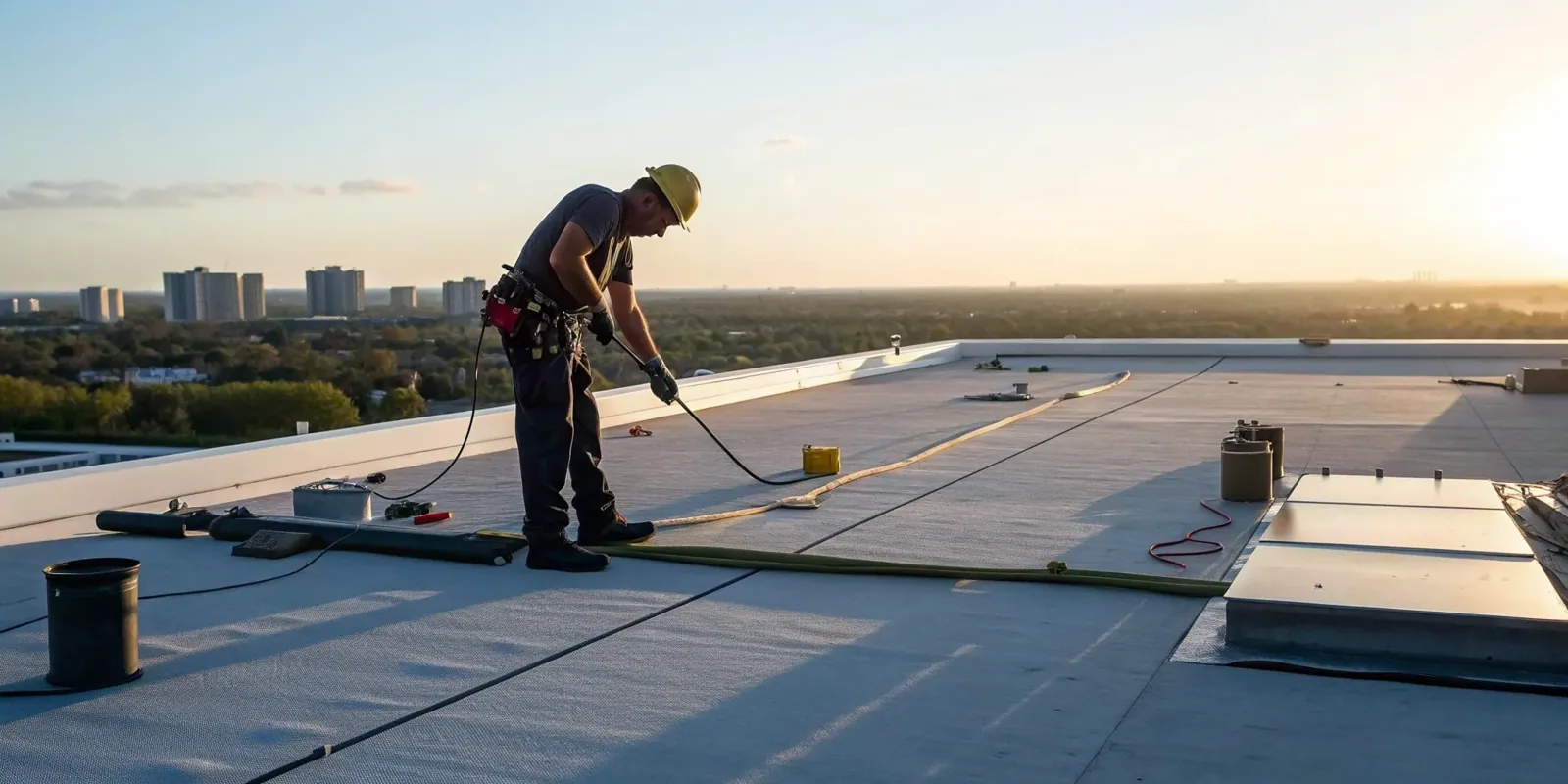
Before mobilization, identify active lines, controlled areas, exhaust shutdowns, hazardous-material rules, roof access, and any lift restrictions. The plant contact confirms which shift can pause and which equipment must remain online. Define the planned roof zone and the route from staging to the work. Keep fire exits, ventilation intakes, and service paths clear.
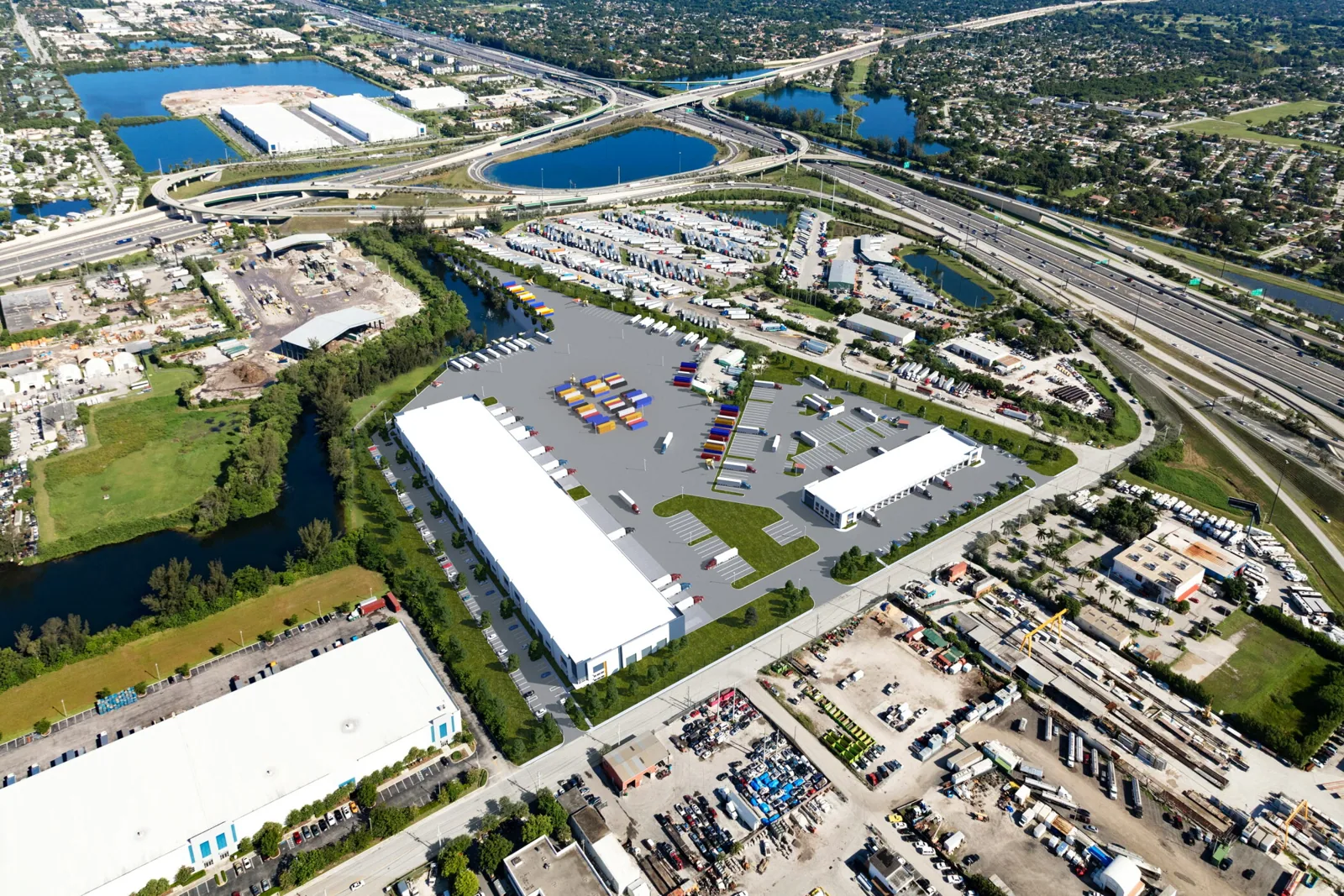
The Palm Bay Flex Business Park offers engineering and light-industrial space beside the L3Harris campus, near Interstate 95. Its advertised tenant mix makes equipment access and operating schedules relevant coordination questions. It is not evidence of any tenant's roof condition or production process. At the property under review, we confirm the operating contact and establish the allowed work period.
If production continues below the roof, choose an interior protection zone before opening the assembly. Set dust and debris controls appropriate to the work, then photograph the area before and after repair. An active leak may need temporary covering first. The permanent work begins only after the roof surface and the plant's access window are ready.
A local flashing defect may support a targeted repair. Widespread corrosion, wet insulation, loose attachment, or failures at many penetrations can call for a broader scope. Compare findings with maintenance history, drawings, equipment plans, and test results. A replacement assessment can separate sections for removal from areas that remain in service.
A recover option must account for existing layers, structural capacity, drainage heights, equipment curbs, and applicable design requirements. Do not cover concealed damage before the owner approves investigation. The written scope names products, preparation, transition details, shutdown assumptions, interior protection, exclusions, and change conditions. Any added work follows owner review.
Cost and duration depend on system type, access, process restrictions, demolition, crane needs, weather, and how much equipment can be isolated. A roof capital plan can organize known repairs and future work by zone. It should distinguish confirmed work from allowances and conditions still awaiting a test.
Closeout photos should show the repaired detail, surrounding roof, nearby equipment, drainage, and any test opening. Record dates, materials, limits, work areas, access restrictions, and open questions. Identify whether equipment stayed active and which interior areas received protection.
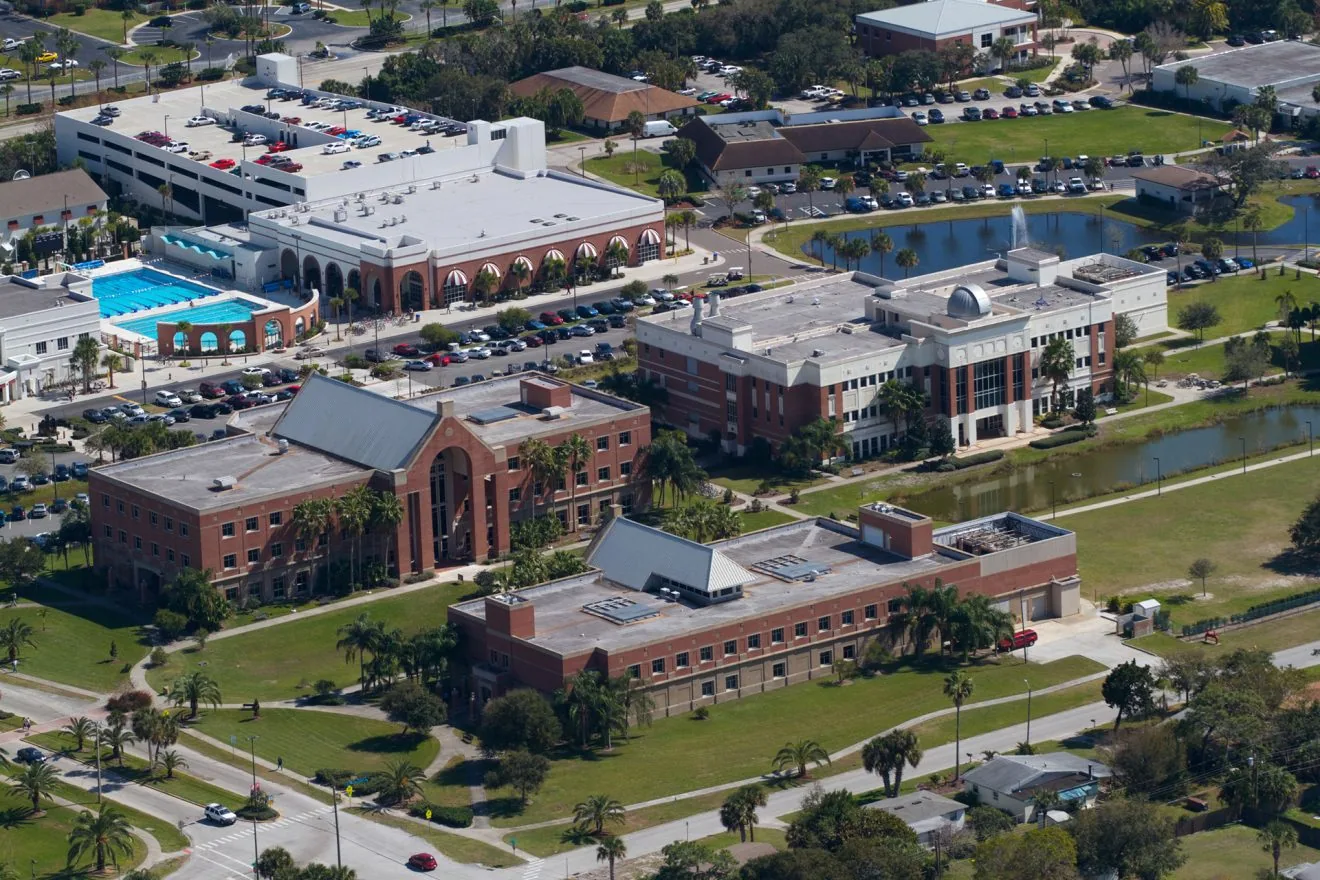
For a plant roof, the final file should connect each test point to a process area, equipment cluster, and responsible facility contact. Nearby research and technology activity in Melbourne is market context only; it does not describe the inspected assembly. The Florida Tech Research Park service area is a separate regional location, and each project keeps its own roof plan and operating rules.
Set a follow-up inspection for patched penetrations, test locations, and any zone excluded from the original scope. A maintenance visit can track equipment changes, new penetrations, and surface wear before they affect production. Keep emergency protection separate from completed permanent repairs.
Learn more →
Learn more →
Learn more →
Learn more →
Learn more →
Learn more →
Learn more →
Learn more →