A roof condition that changes a transaction needs evidence tied to the asset, not a broad allowance copied across a portfolio. Record the property, inspection boundary, observed condition, and any areas that could not be reached. Palm Bay listings cover retail, office, flex, and industrial space. Each asset needs its own roof history before an investor compares near-term repair with capital replacement.
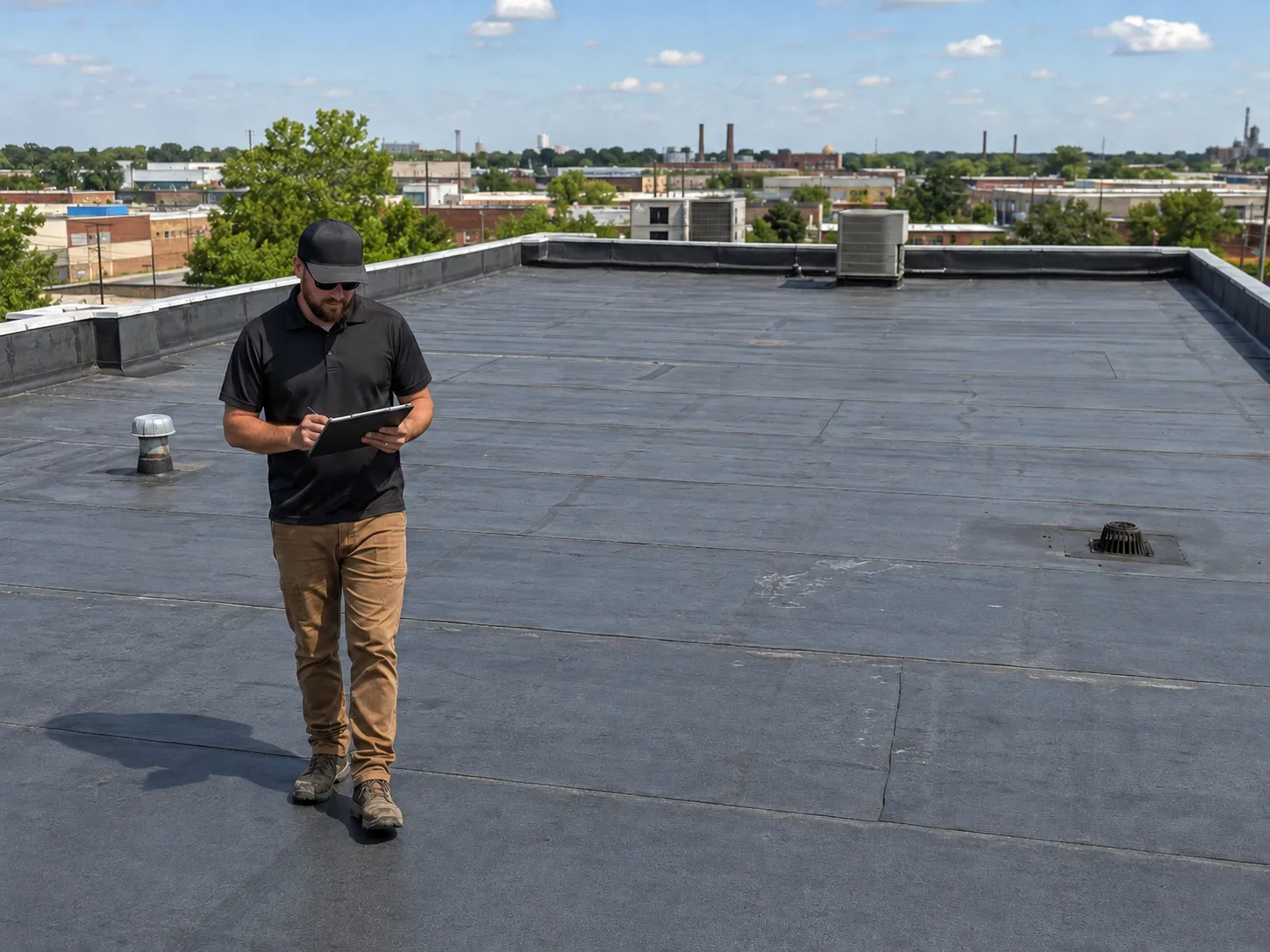
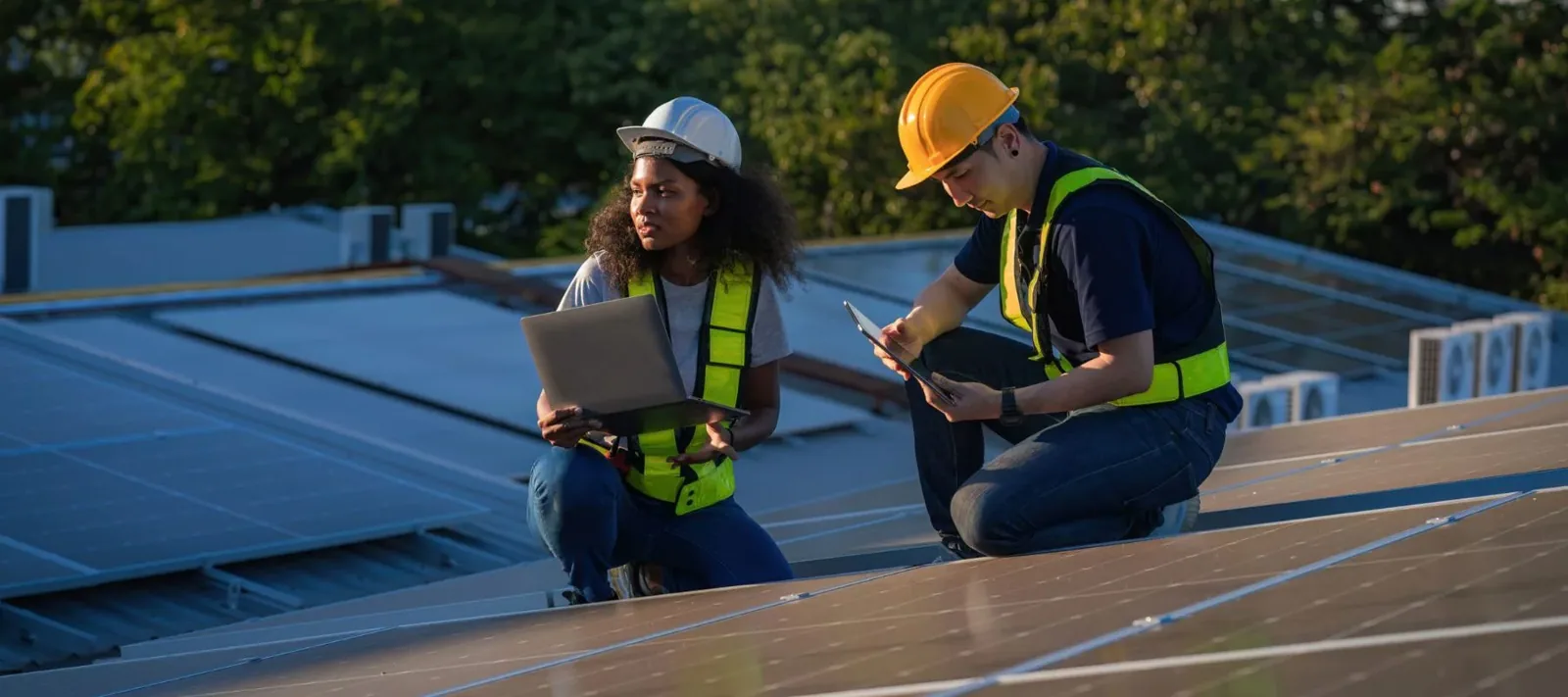
During acquisition review, inspect the assembly, visible repairs, drains, perimeter, penetrations, and interior reports. Compare maintenance files with what the site shows. A recently coated roof still needs substrate, moisture, adhesion, and detail review. A due diligence survey should define accessible areas, photographs, test limits, and assumptions, rather than imply that a visual visit established concealed layers.
The commercial market around Port Malabar lists 19 properties and 29 leasable spaces across several uses. That leasing inventory is not a count of institutional assets and does not establish roof condition. For a target purchase, use the exact address and parcel. Note roof sections, tenant boundaries, active leaks, prior overlays, and any warranty records available to the buyer.
A Palm Bay property may include small office suites alongside flex or industrial space. The appraisal area is not roof area. Measure the actual assembly and identify additions or different roof systems before estimating. Where records are thin, mark the uncertainty and price a test opening separately from a full repair plan.
Rank work by active water, safety exposure, system condition, drainage, and the consequence of delay. A stain near a tenant does not by itself prove an assembly-wide failure. The inspection should connect that room to the roof zone and show whether the probable source was reached. A capital plan can separate immediate protection, repair, and replacement candidates with the evidence for each.
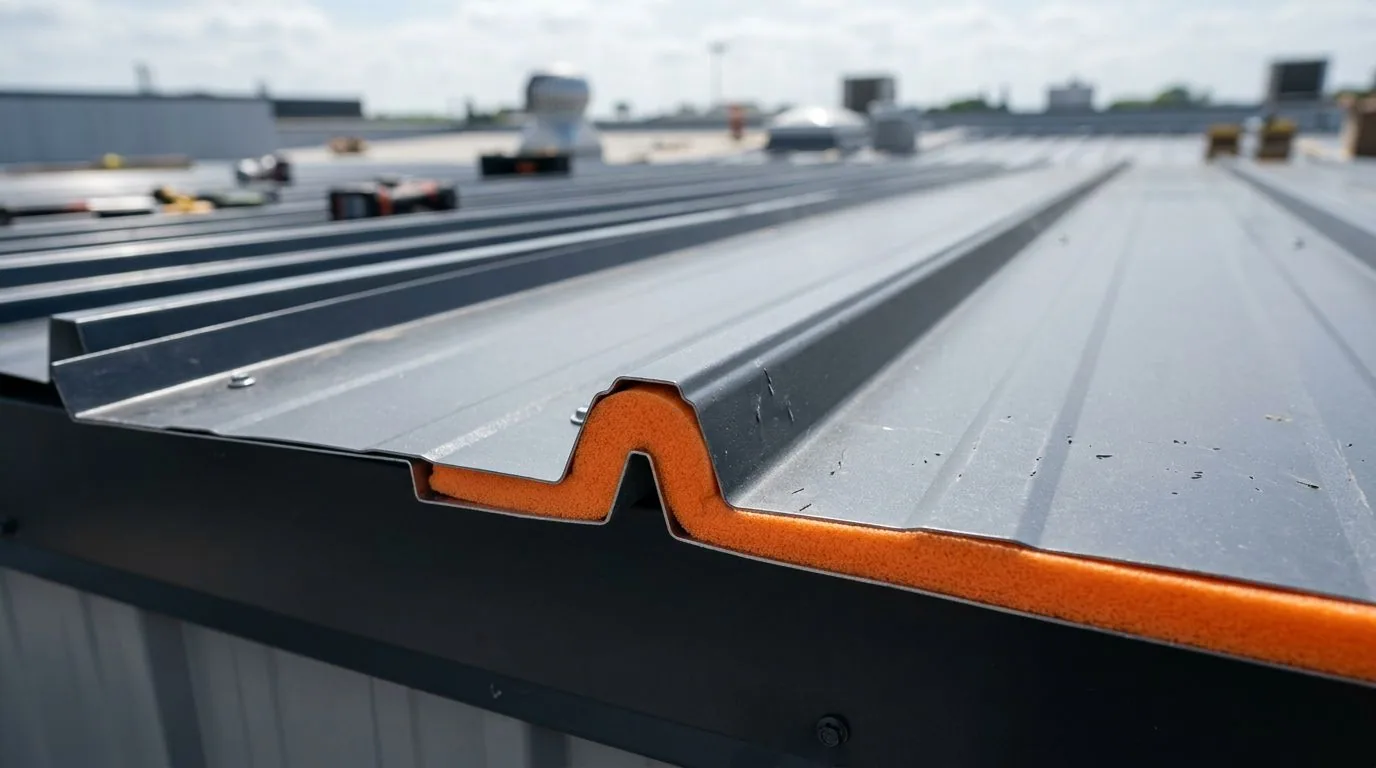
Repair is reasonable when surrounding membrane, attachment, insulation, and deck can support a durable tie-in. Repeated seam failures, saturated materials, corrosion, or movement may shift the decision toward a broader project. A replacement evaluation names removal assumptions, transitions, drainage work, and concealed conditions that could alter cost. Keep the recommendation distinct from the budget reserve until the owner approves the scope.
Costs depend on roof system, access, removal, insulation, perimeter work, tenant operations, and weather protection. A reserve should state its assumptions and inspection date. Avoid carrying one square-foot allowance across unrelated assets when the roof types or access conditions differ. Add a confidence level tied to inspection coverage and records, not a blanket percentage.
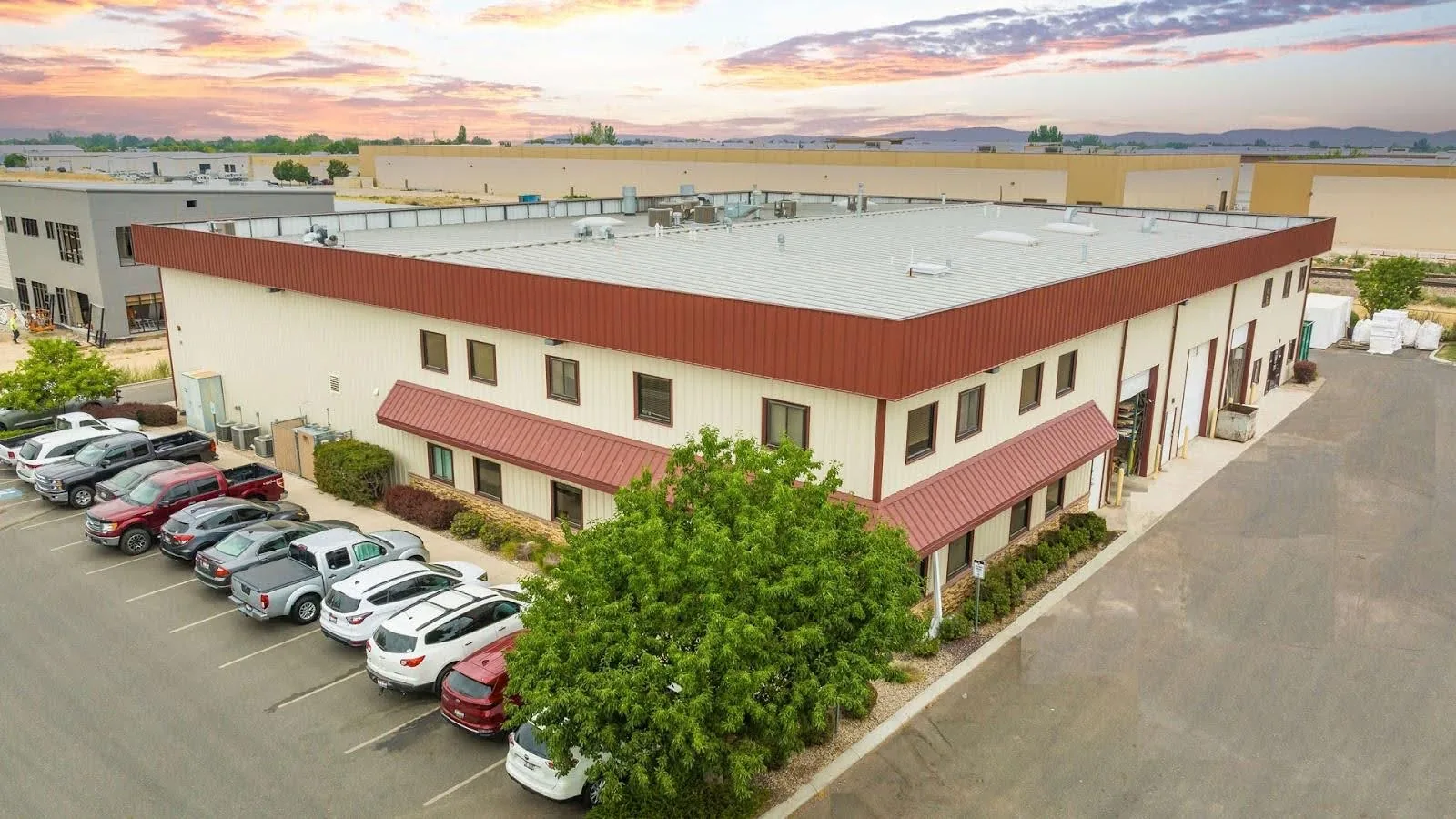
Palm Bay Hospital plans a new five-floor tower with additional beds and operating space. The project is one local sign of continuing institutional investment. It does not indicate the roof condition or budget at a separate property. Investors reviewing nearby medical or service assets should confirm active construction, access limits, and any coordination required at the specific address.
At Melbourne Orlando International Airport, the Florida Tech Research Park plan identifies about 100 acres fronting NASA Boulevard and includes an aviation training center and applied research facilities. This is an airport-adjacent development reference, not evidence about any buyer's building. A research park area review can help orient local portfolio routing; each roof assessment still needs its own entry, contact, and photo map.
At Melbourne International Airport, summer highs average near 90 degrees on many days; nearby rainfall normals exceed 55 inches annually. Those regional conditions can inform inspection timing and maintenance planning. They do not predict a leak or confirm heat damage at a specific asset. The property's condition record should separate climate context from observed failure.
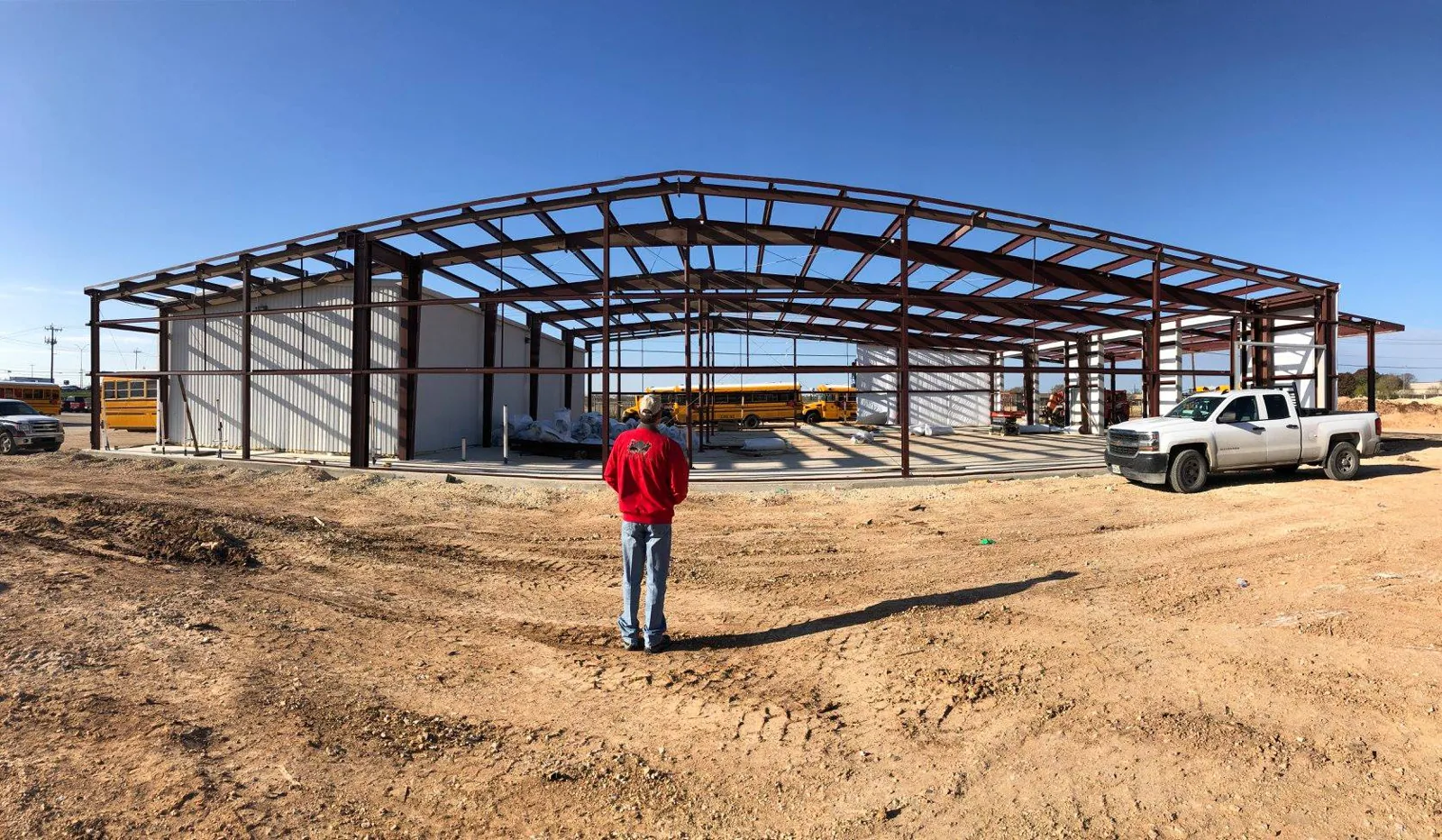
A useful investor report shows asset, roof section, assembly, condition, active issue, photo, access limit, recommended action, timing, and open question. Keep the last service date beside the finding. Separate temporary cover from approved permanent work, and show areas that were not inspected. This makes a portfolio rollup traceable to its source property.
Management staff need a clear handoff after a closing or refinancing. A dated photo report can become the baseline for recurring review. A property management work-order process can connect that baseline with tenant notices and access responsibilities. Document who controls roof decisions under the lease and who can approve added work.
For roof work during acquisition or a tenant turnover, confirm whether the buyer, seller, owner, or manager holds authorization. A general contractor may coordinate the larger capital scope; the roofing proposal should still identify its boundary and exclusions. The construction coordination plan helps align schedule and closeout records without merging approvals.
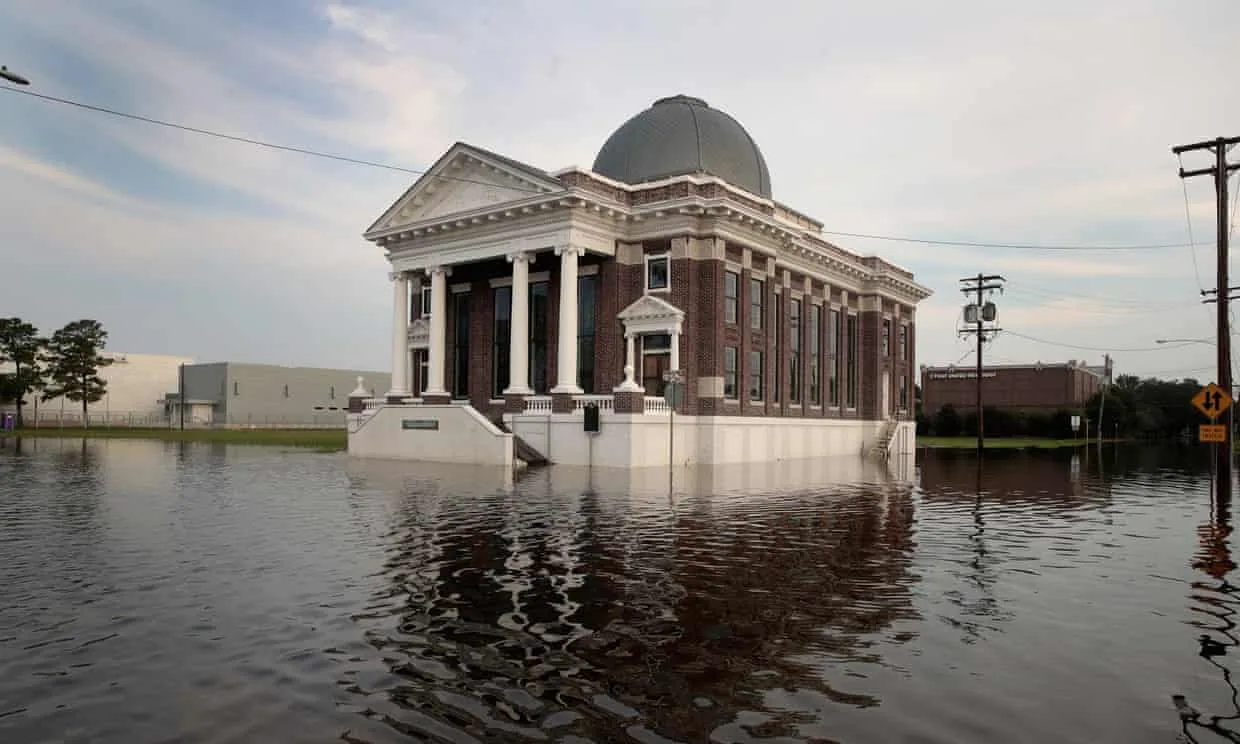
Compare the cost and disruption of ongoing repair with a planned replacement using inspection coverage and building use. A small repair can protect a sound roof. It does not correct wet insulation beyond the patch or restore failing attachment elsewhere. If a test opening is needed, state where it will occur and how the result could change the scope.
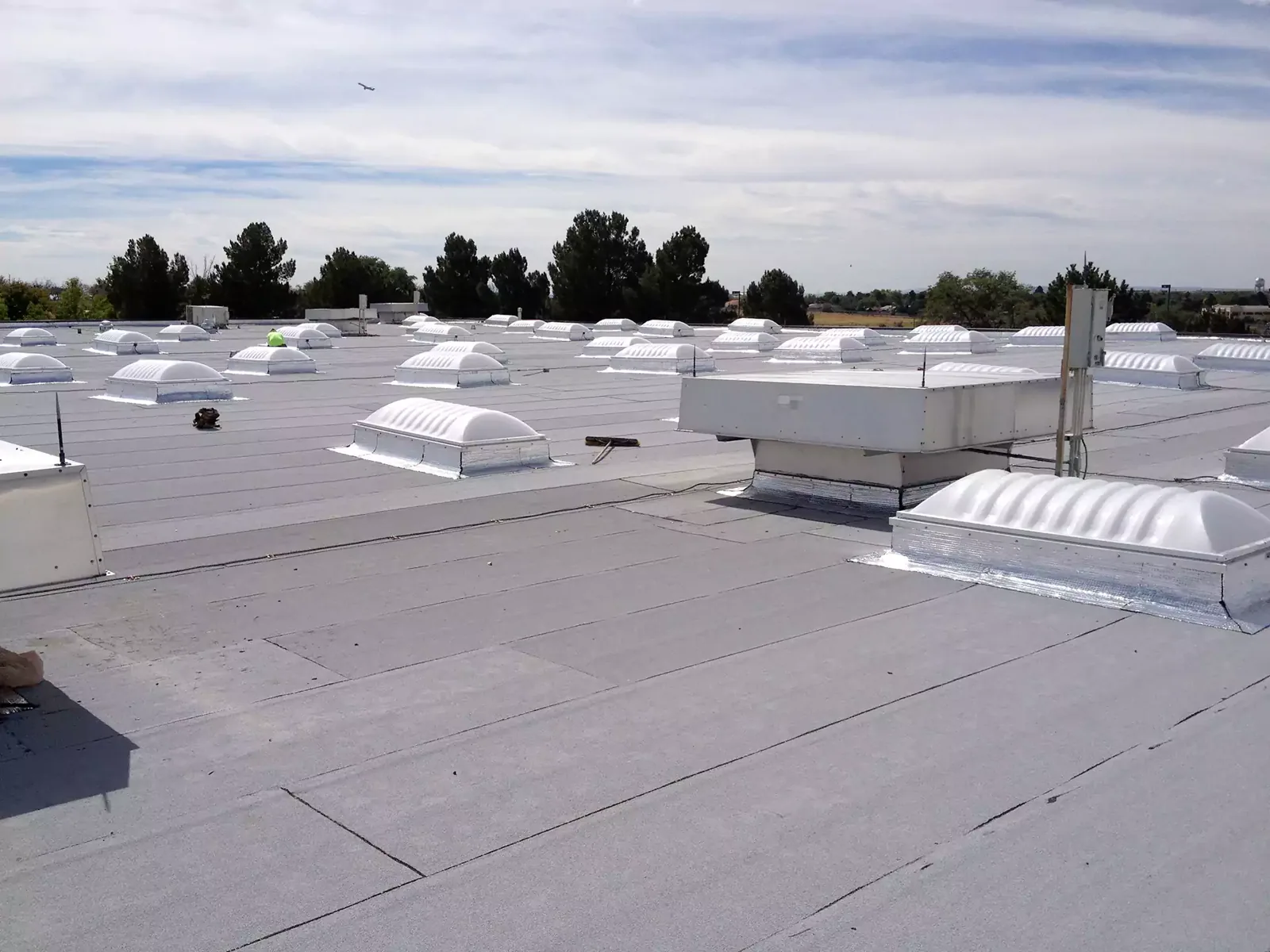
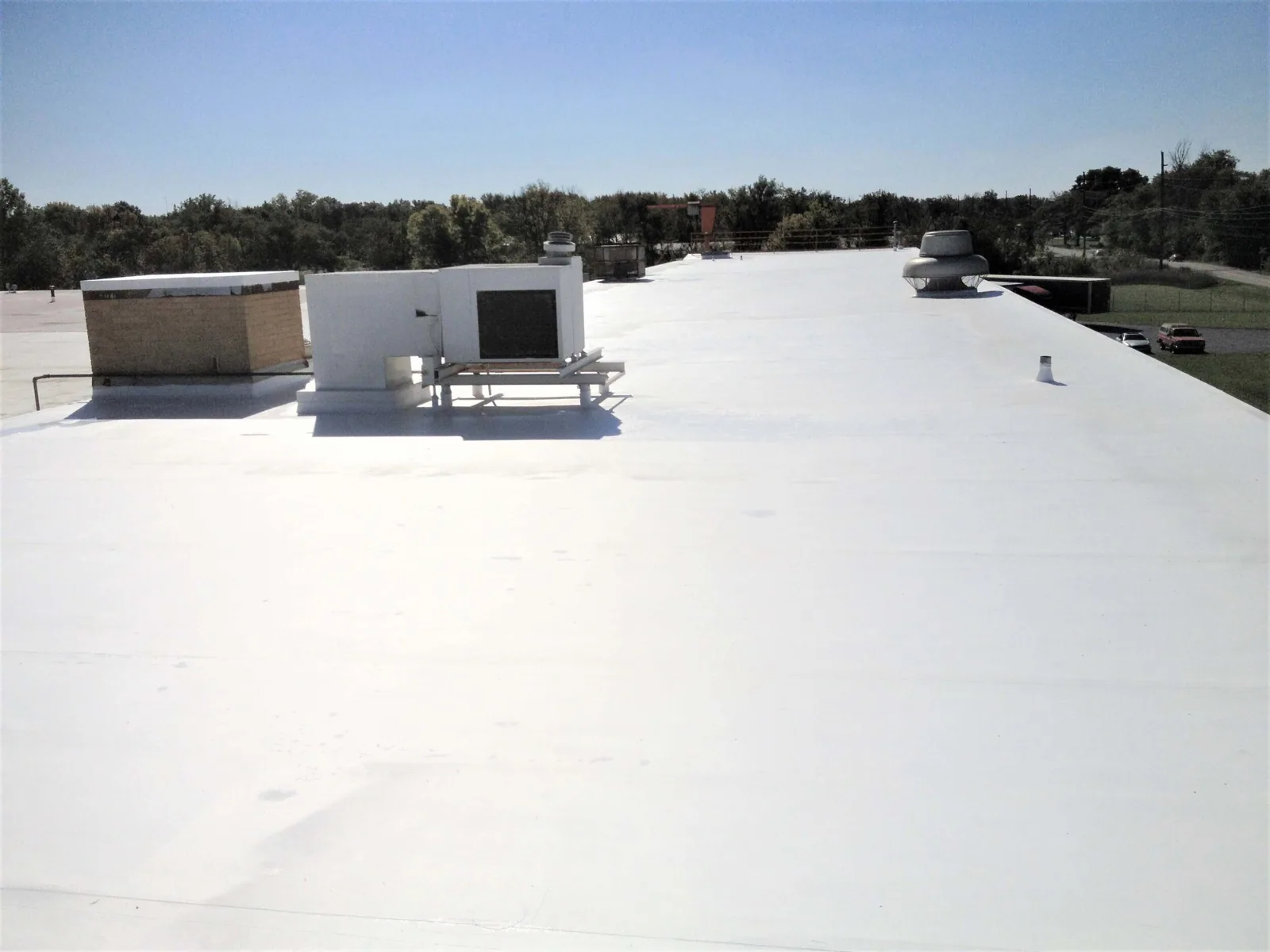
For eligible assemblies, restoration may extend service when substrate, adhesion, moisture, seams, and drainage details support it. A coating candidate review should describe preparation and areas excluded. Do not use a coating plan to hide a condition that requires repair or replacement first.
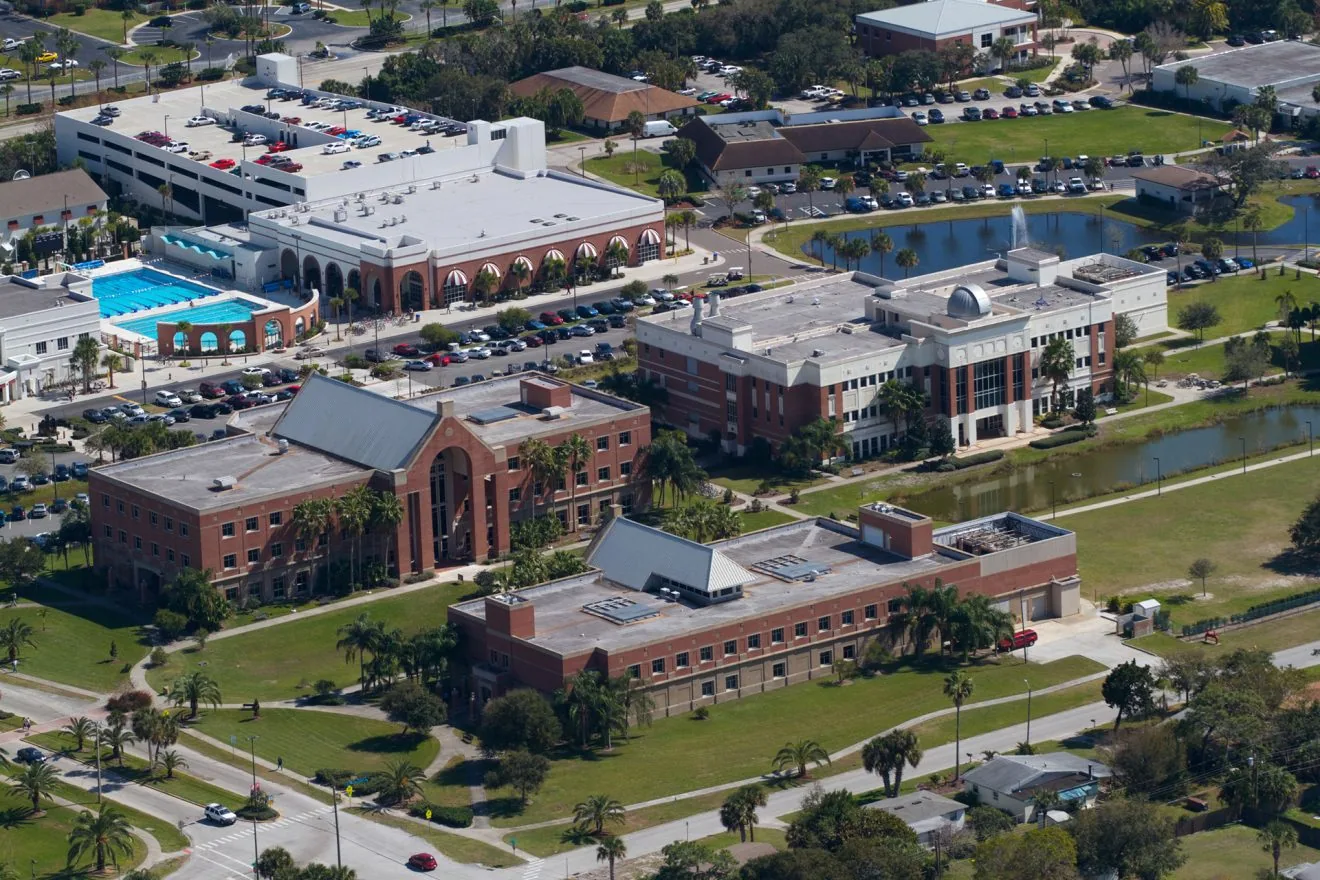
When assets are spread across the region, a multi-site inspection schedule can align visits and reporting. Scope approvals remain at the asset level. Portfolio-level planning should show the next decision date, unresolved test, and who owns it.
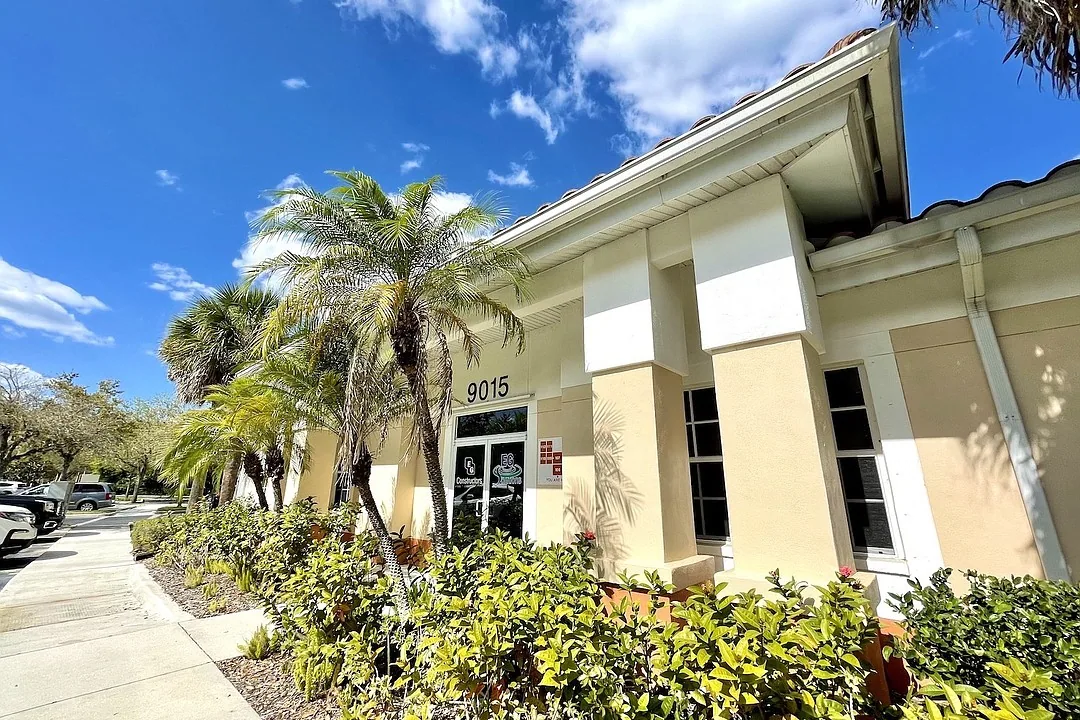
Keep the inspection date, event history, roof map, photographs, assembly notes, test results, estimate basis, and open conditions with the property file. Record what was seen and what remained inaccessible. At sale or refinancing, the next reviewer can compare work performed with the earlier condition instead of treating a proposal as completed work.
Palm Bay's mix of hospital, airport-related research, retail, and industrial development produces different operating constraints. The roof record should preserve those differences. Share the event date, affected zone, access contact, and any active leak when requesting an updated review.
Learn more →
Learn more →
Learn more →
Learn more →
Learn more →
Learn more →
Learn more →
Learn more →