
Active local weather warning
The National Weather Service has issued a coastal flood warning covering Palm Bay. Heavy rain and drainage loading can expose roof leaks, blocked drains, and ponding water. This is a weather exposure advisory; it does not establish damage to a specific roof.
Do not access a roof during hazardous weather. Protect people first, avoid water near electrical equipment, and request roofing help when conditions permit.
National Weather Service · Updated Oct 28, 2026, 6:40 AM UTC
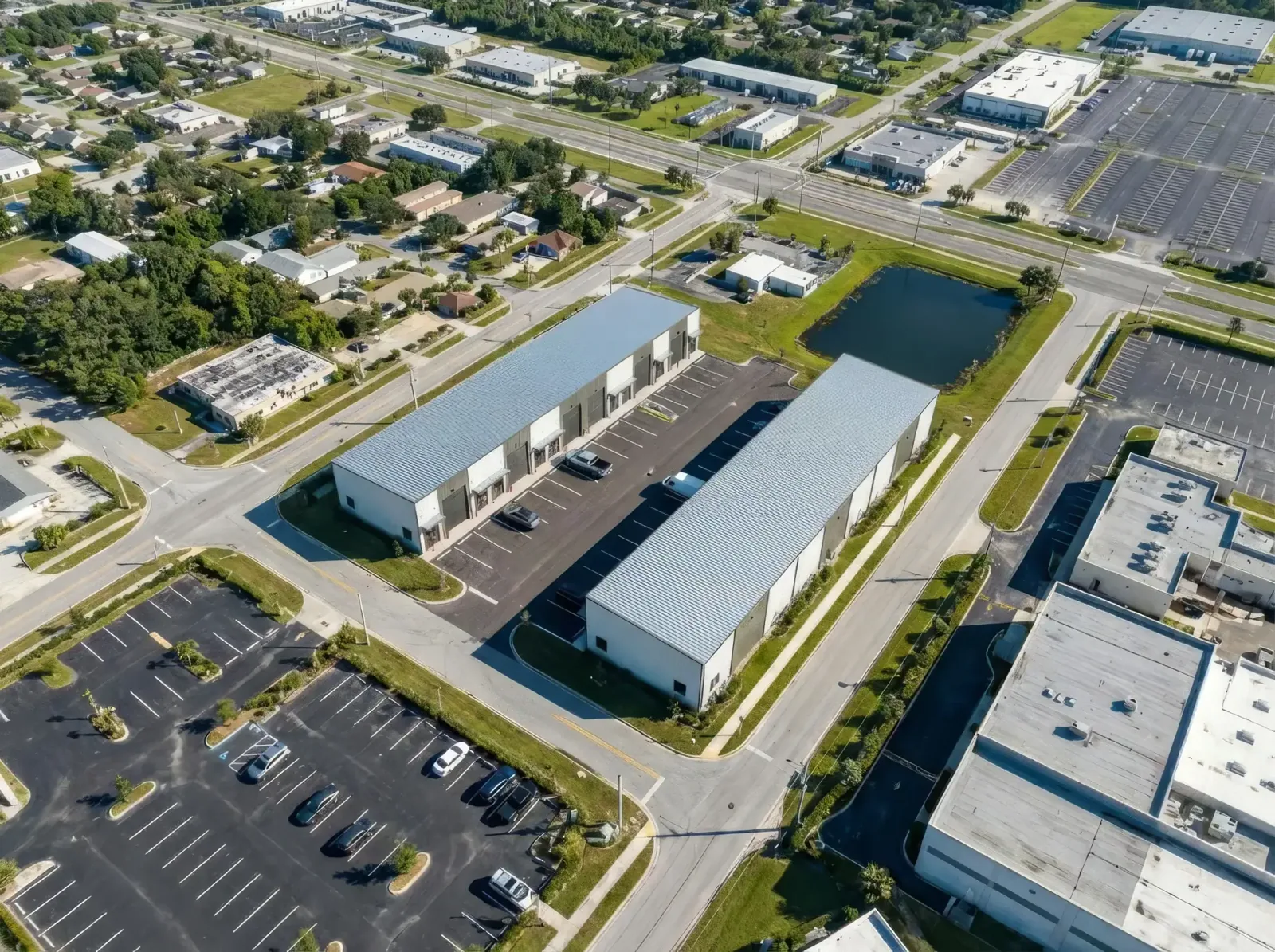
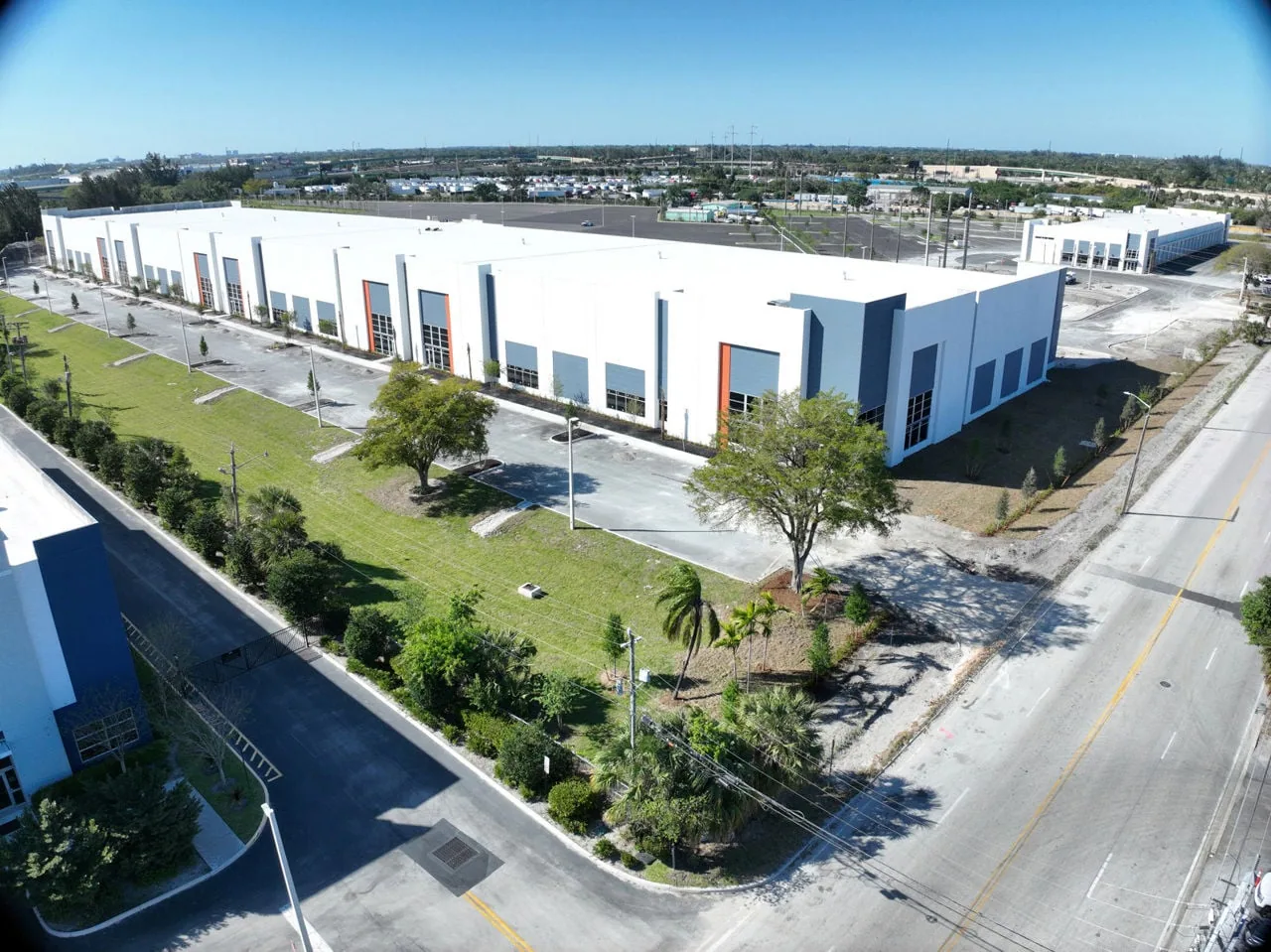
A multi-tenant flex property occupies Agora Circle near I-95. Its roof system, tenant uses, and condition are established through property records and inspection. We confirm the building, access contact, roof entry, and affected unit before inspection. The work record follows the reported water path, marks each roof zone checked, and keeps tenant reports separate when they occur in different spaces. Any section the crew cannot reach remains an access limit, not a clean finding.
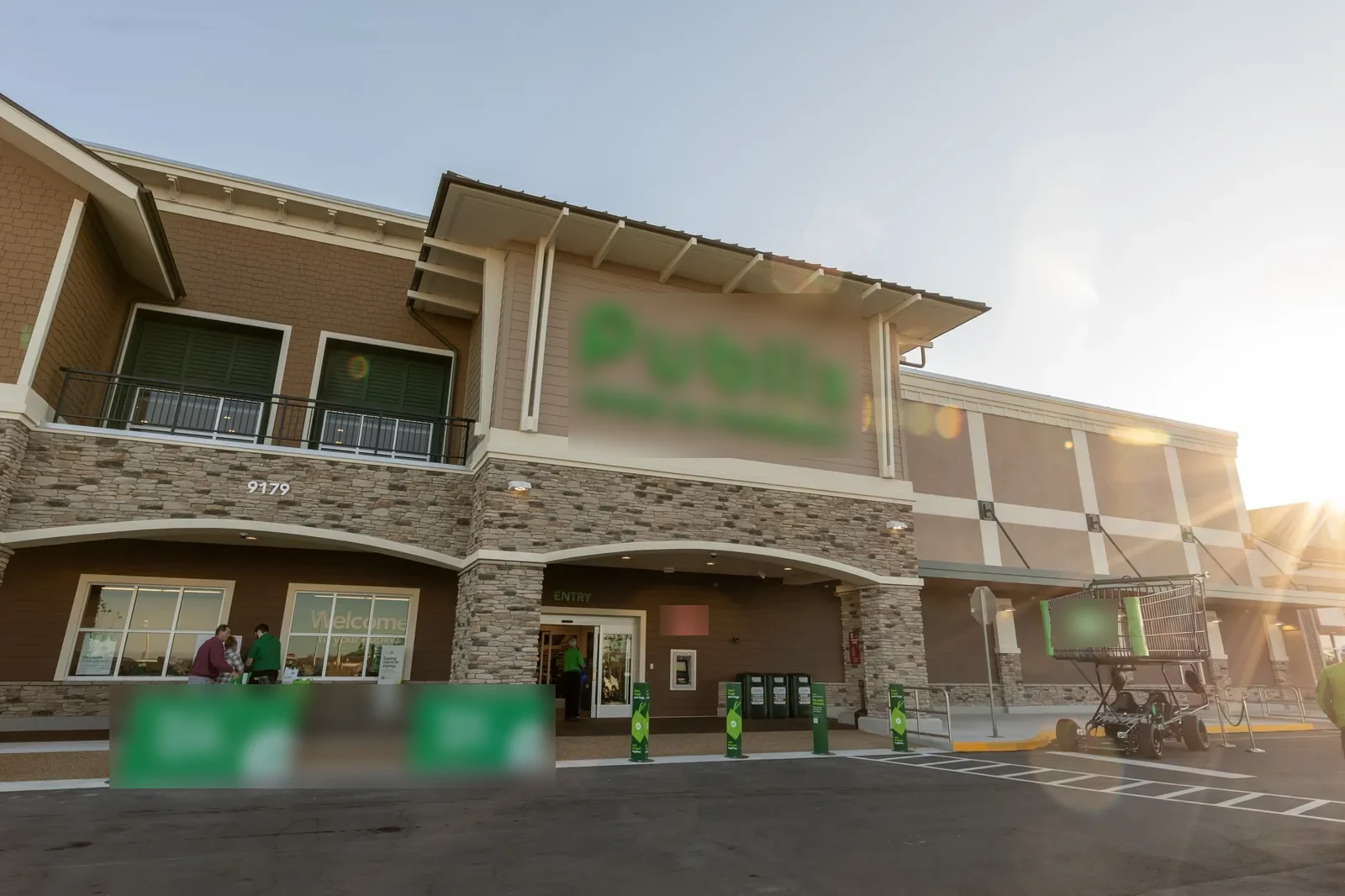
Palm Bay includes industrial, office, retail, and land properties. The contact at Agora Circle confirms this building's operations and access needs. We ask the property contact about active equipment, permitted work hours, and staging. On the roof, we check penetrations, seams, drainage, edges, curbs, and previous repairs. Findings stay tied to the actual assembly and dated inspection.
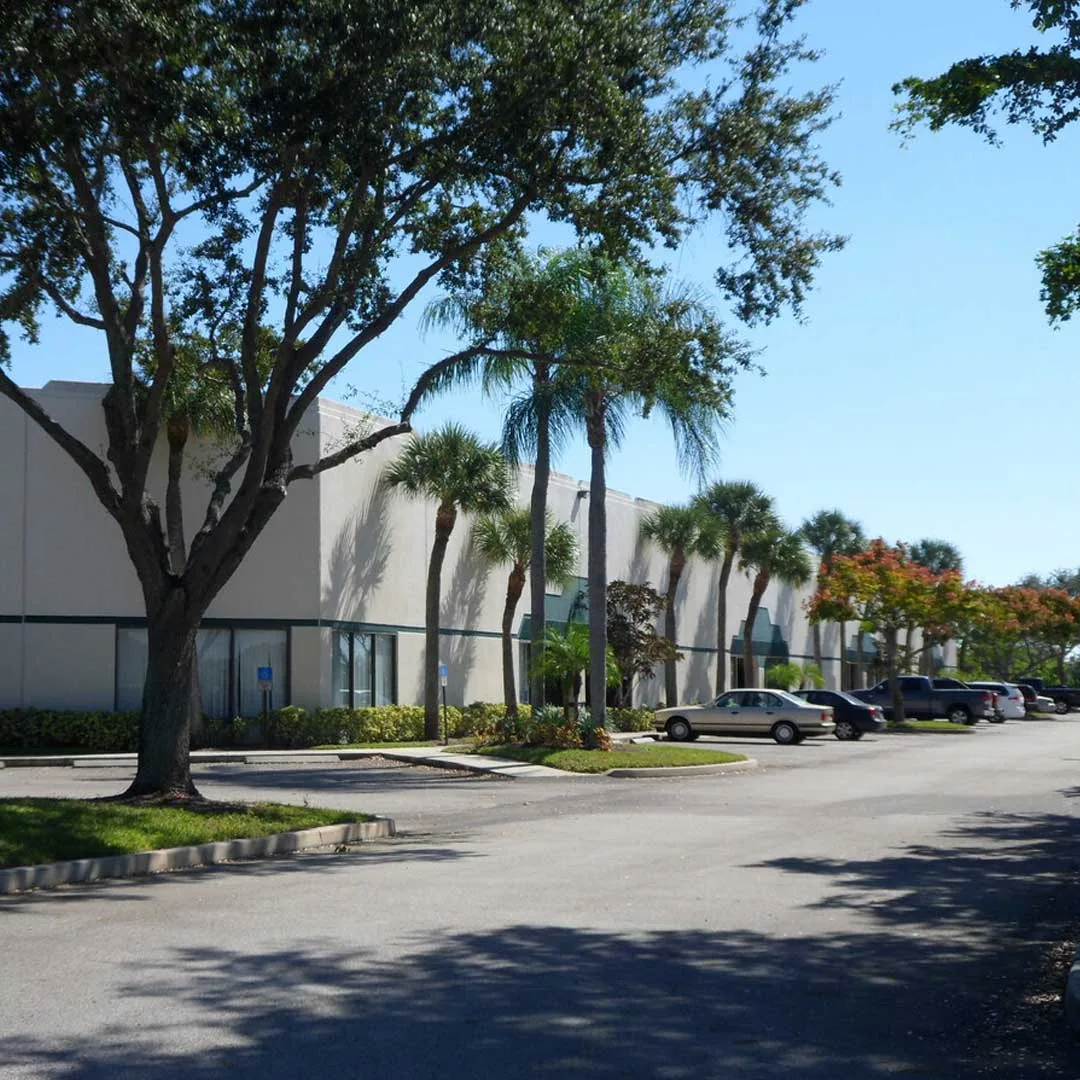
Flex space can serve different users within one building. We confirm which unit reported the problem and whether the roof area or access route is shared. A wall between suites may not divide the roof's drainage. We mark the interior location, event date, and roof zone before tracing the likely entry point. If several reports follow the same rain, each receives its own note until inspection connects the roof conditions.
The facility contact identifies operating hours, equipment restrictions, and any safety procedure for roof access. We plan where ladders, tools, and repair materials can be staged. If equipment must remain in service, that restriction changes the work sequence. We confirm it before opening a roof area. The record also notes who can authorize a test opening if the visible membrane does not explain the water report.
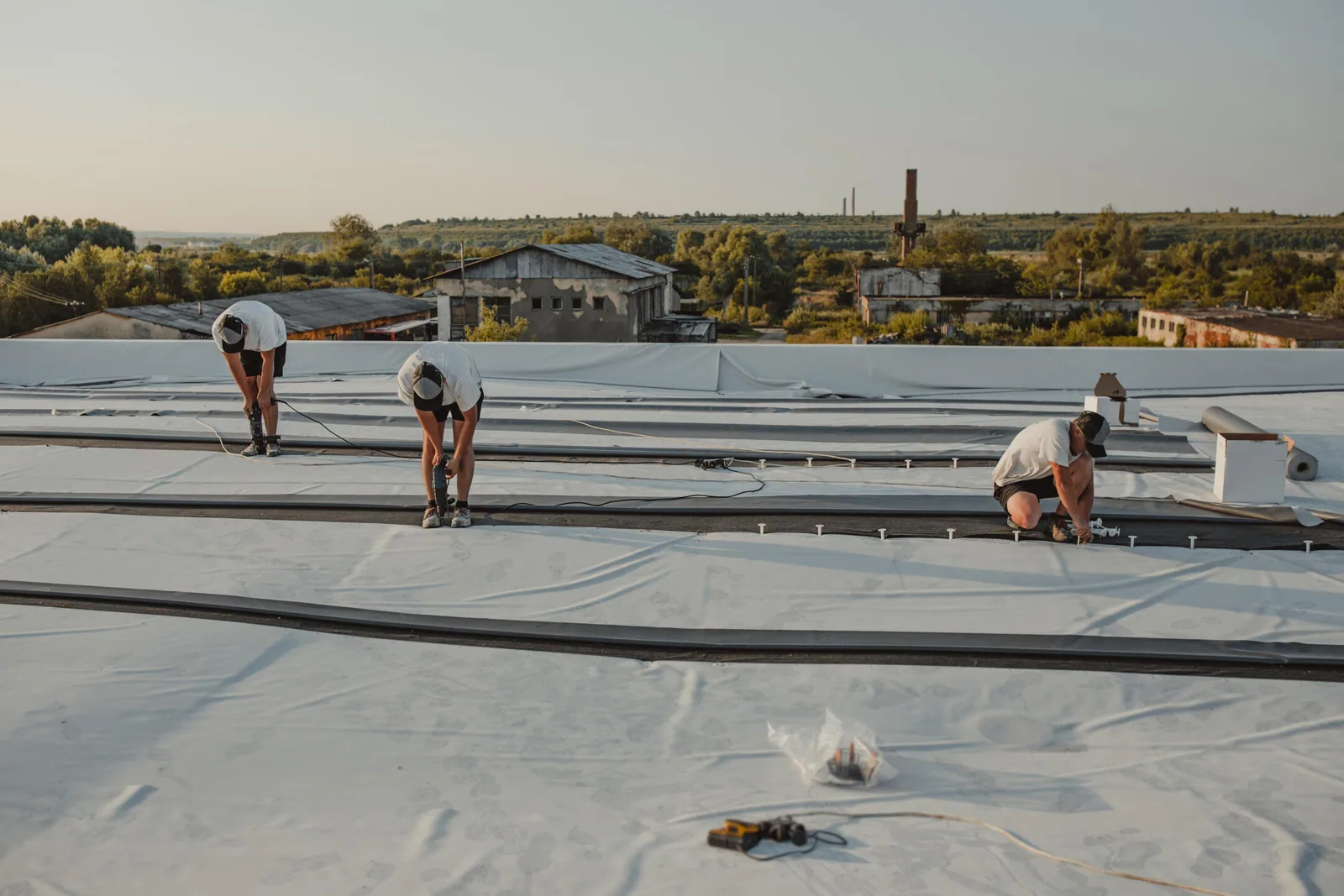
Repairs should not leave an exposed edge at the end of a shift. We close each section with permanent work or documented temporary protection. Photos identify the area, material, and boundary. If rain or another trade prevents completion, the return plan lists what remains and the next access requirement. A closeout should not describe a temporary cover as the final repair.
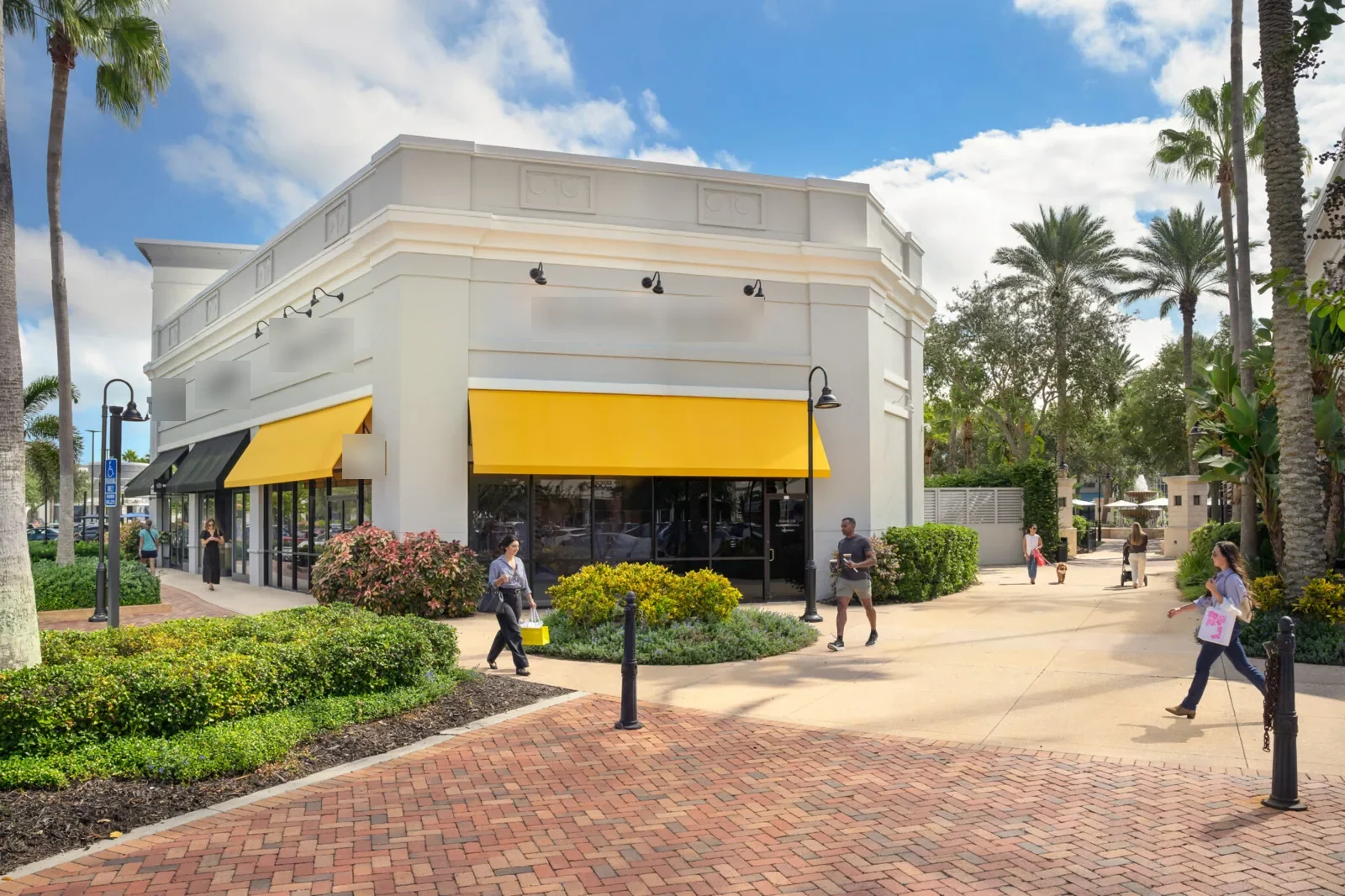
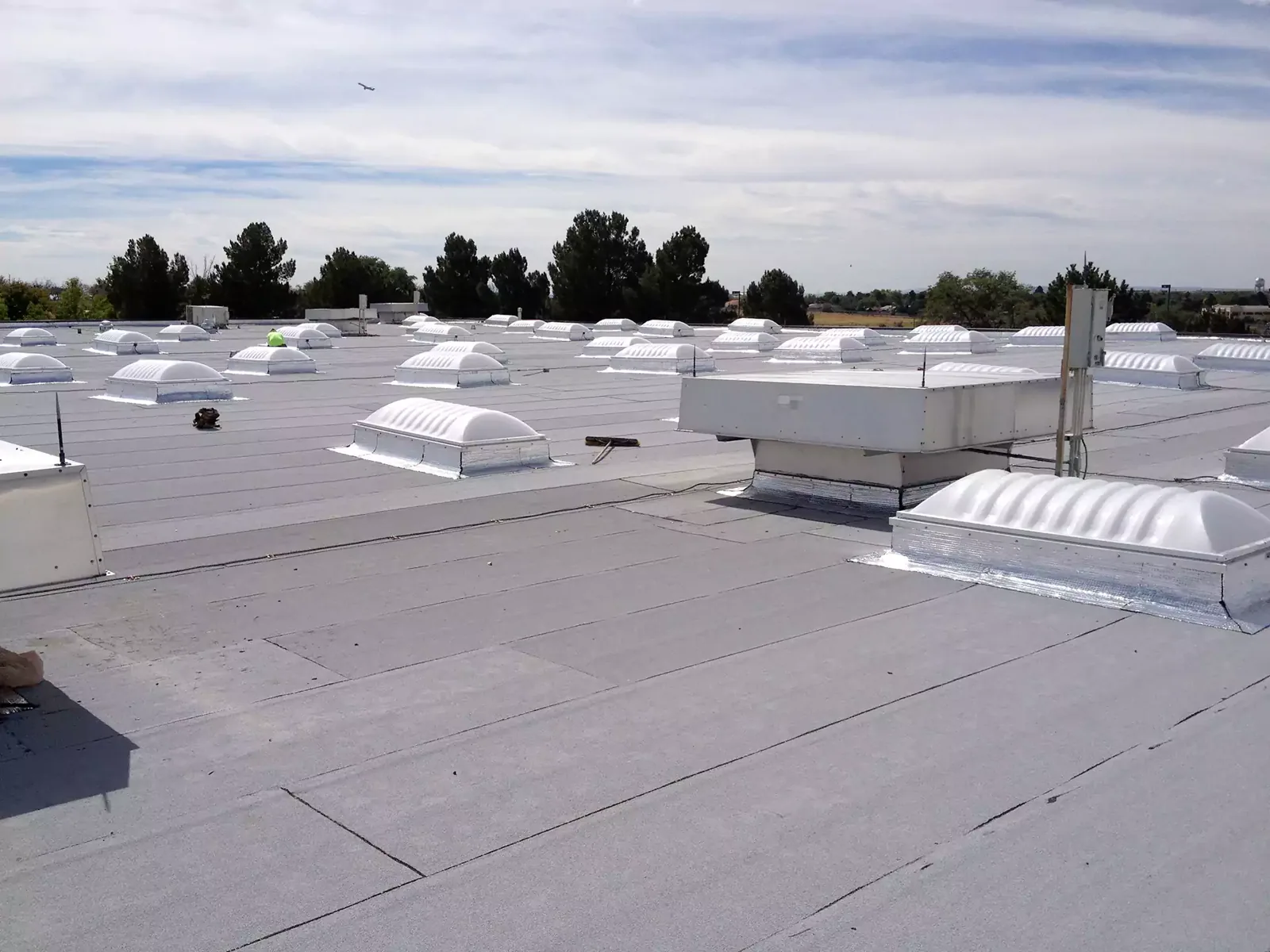
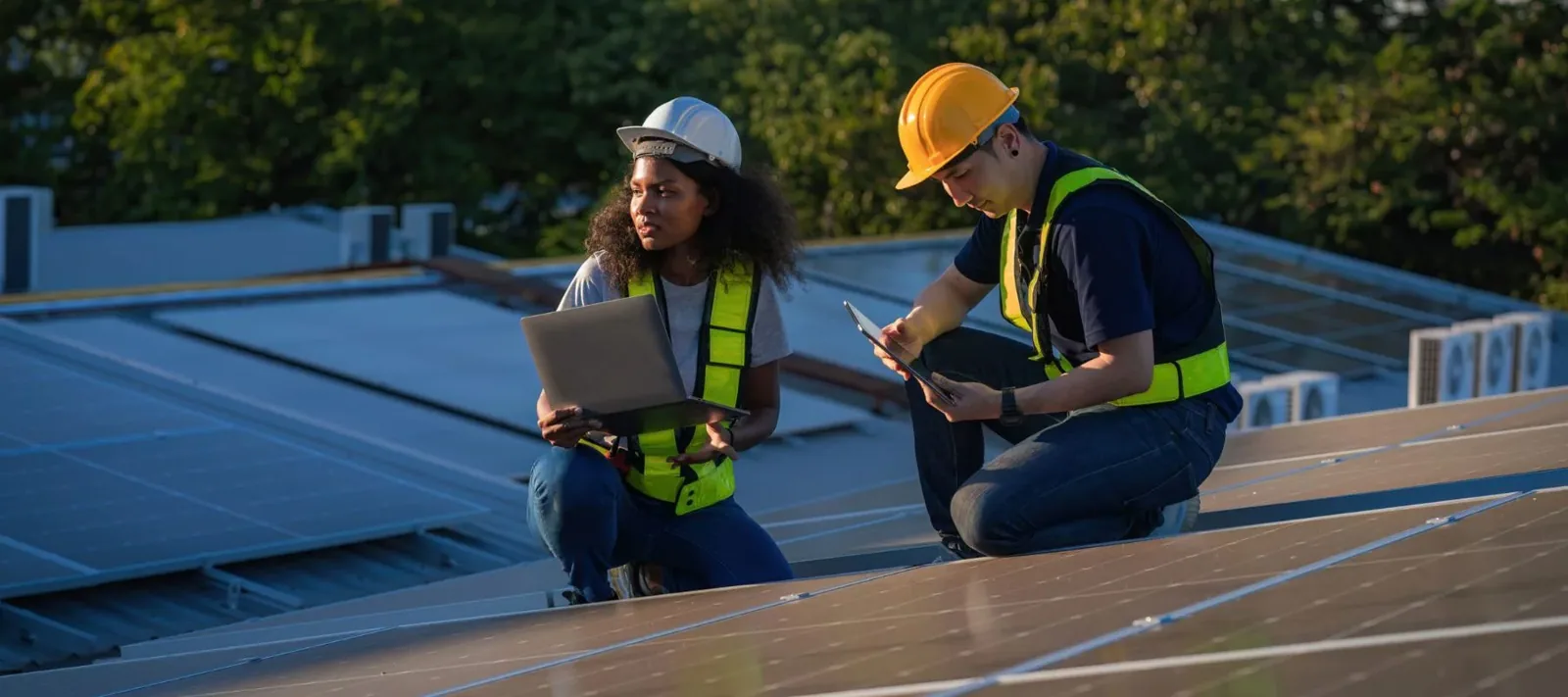
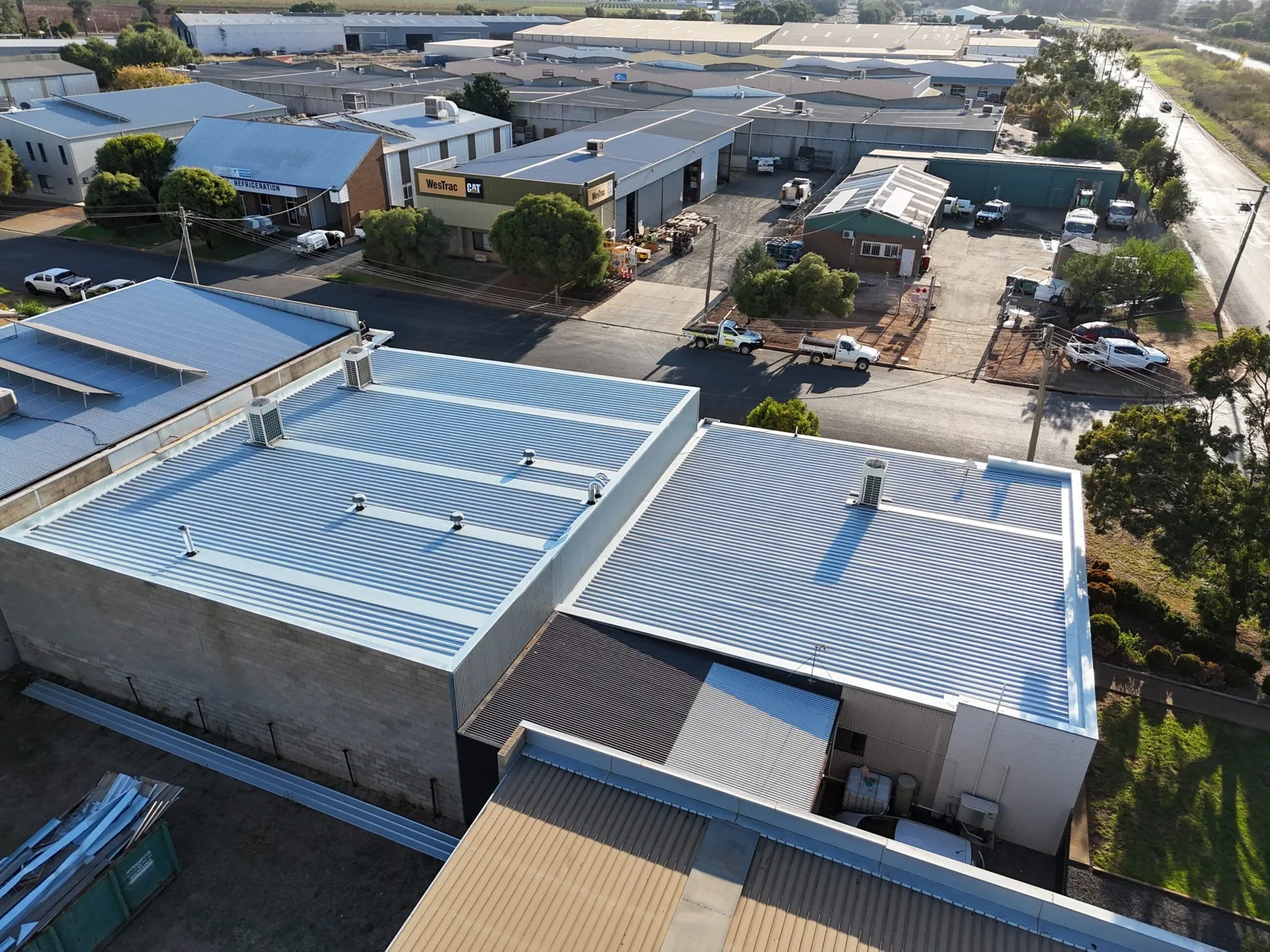
Rooftop units, vents, and utility penetrations can change after tenant work. We inspect curbs, pipe flashings, abandoned supports, conduit entries, and nearby seams. A new opening needs a flashing that suits the existing membrane. Old patches should be checked for separation and trapped water. We photograph each observed condition with enough context to locate it again during repair or follow-up.
Melbourne averages 55.28 inches of precipitation annually, with the monthly highs in June and September. At Agora Circle, the inspection checks drains and overflow routes and records whether water is present during the visit. For the roof, we inspect drains and overflow routes and note whether water is present on that visit. Repeated ponding may need a slope or deck review. Clearing a blocked outlet is not the same as correcting a low spot.
Heat and rain affect when materials can be installed. We check surface condition and product requirements before applying a patch or coating. When an active leak requires immediate control, temporary protection is recorded separately. The permanent scope waits until the substrate can be prepared. If a test opening finds wet insulation, the repair boundary expands only to the confirmed area.
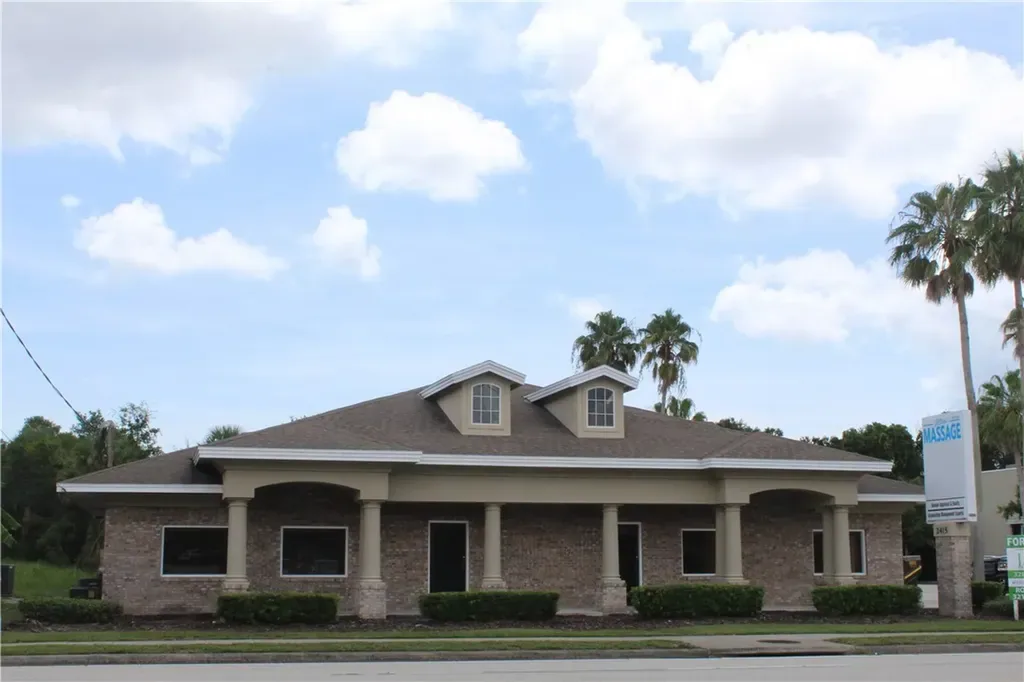
A puncture or open seam may allow a localized repair when surrounding material remains attached and dry. The crew confirms the membrane type and uses a compatible repair detail. The work note names the observed failure and boundary. If water extends below the visible surface, a test opening can confirm insulation and deck condition. We photograph the layers exposed and the final repair.
Recover is an option only when the existing roof can support a new assembly and details remain workable. We review moisture, attachment, drainage, height at edges, and current code requirements. Replacement is considered when the existing system has widespread failure or wet materials. Coating may suit a compatible, prepared surface with sound flashings and drainage. It does not fix a failed deck, poor slope, or concealed moisture.
Cost reflects roof access, equipment protection, tenant coordination, tear-off, disposal, deck and insulation work, flashing, material, and the number of zones. A flex designation does not determine roof size or complexity. We define the confirmed scope and flag concealed conditions. A repair scope can address a local defect. For a larger replacement, our renewal plan identifies removal and tie-ins.
The closeout should let each tenant and property manager identify what was inspected. We record the date, address, unit report, roof zone, field photographs, observed damage, material installed, repair boundary, and access limits. Any unresolved moisture or covered transition stays on the open-item list. That record helps the next visit return to the same area and compare conditions.
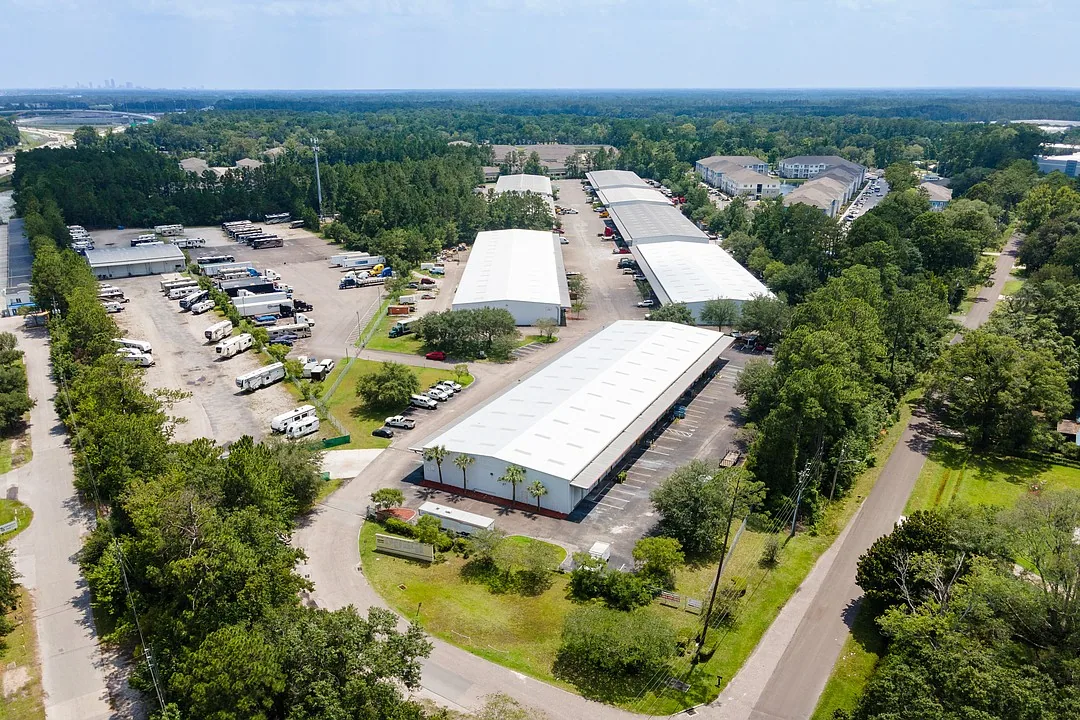
A separate flex property, Palm Bay Flex Business Park, has its own marketed details. Nearby industrial context includes Franklin Drive Industrial and the Port Malabar Industrial Park. Similar labels do not mean the buildings share roof materials, access rules, or repair history. We inspect the address named on the work order.
Follow-up can check a repaired penetration, drain, seam, or area that remained under temporary protection. Later tenant equipment changes should be added to the record. A condition report can list open risks and next actions. Recurring maintenance visits can track the observed zones. If the property contact reports an active leak, include the event date, unit, and access contact for triage.
Learn more →
Learn more →
Learn more →
Learn more →
Learn more →
Learn more →
Learn more →