
A roof can look serviceable from the parking lot while a drain collects debris or a seam begins to open. A maintenance visit records what the crew can see on that date. It does not turn a reported concern into confirmed failure without inspection. Palm Bay brings hot weather and frequent seasonal rain. Summer highs at Melbourne International Airport average near 89°F, with 62.7 days a year at 90°F or above. These are regional air temperatures, not a measurement at each roof. We identify the building, roof zone, access limit, and reported leak before recording the observed condition.
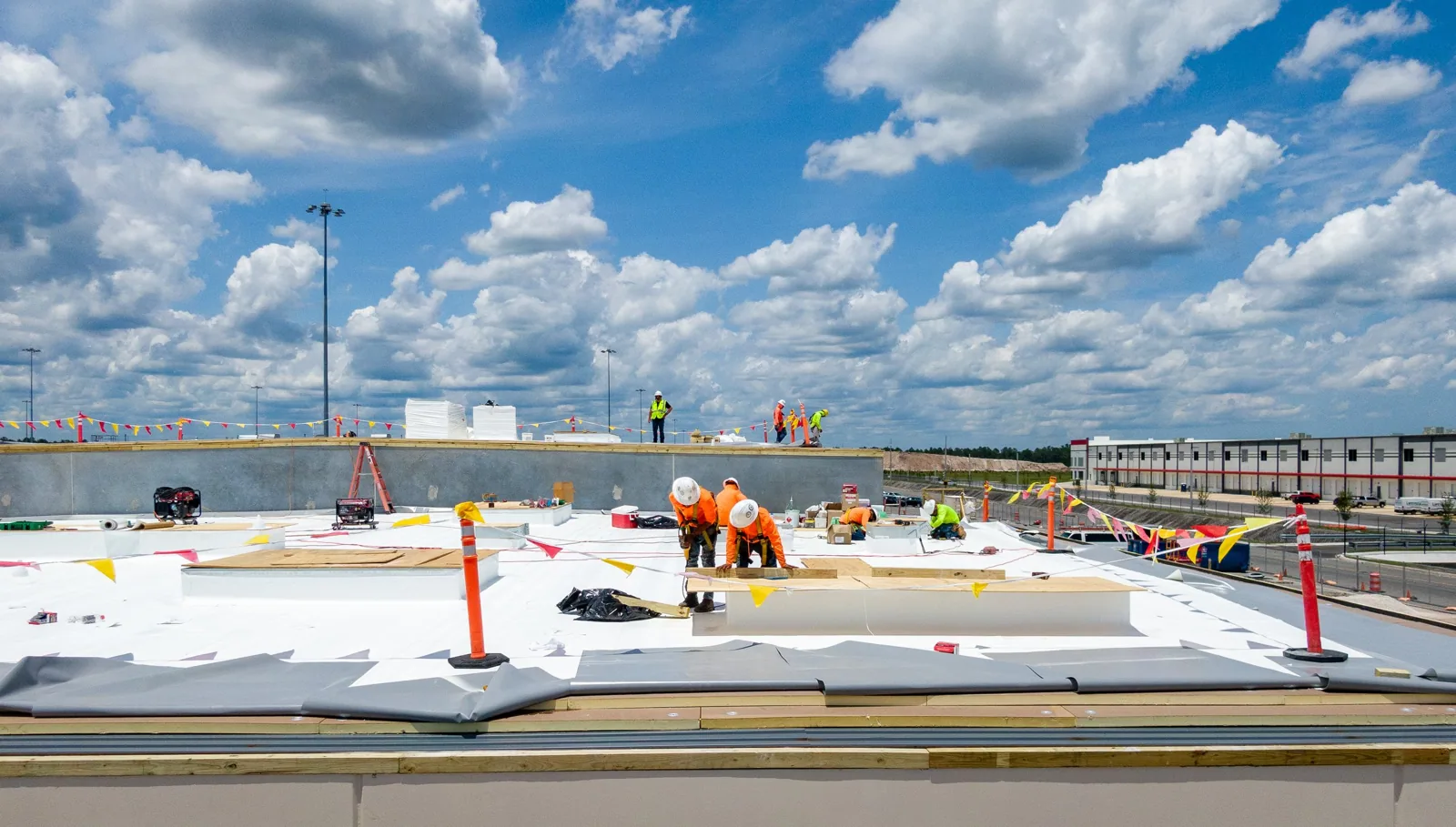
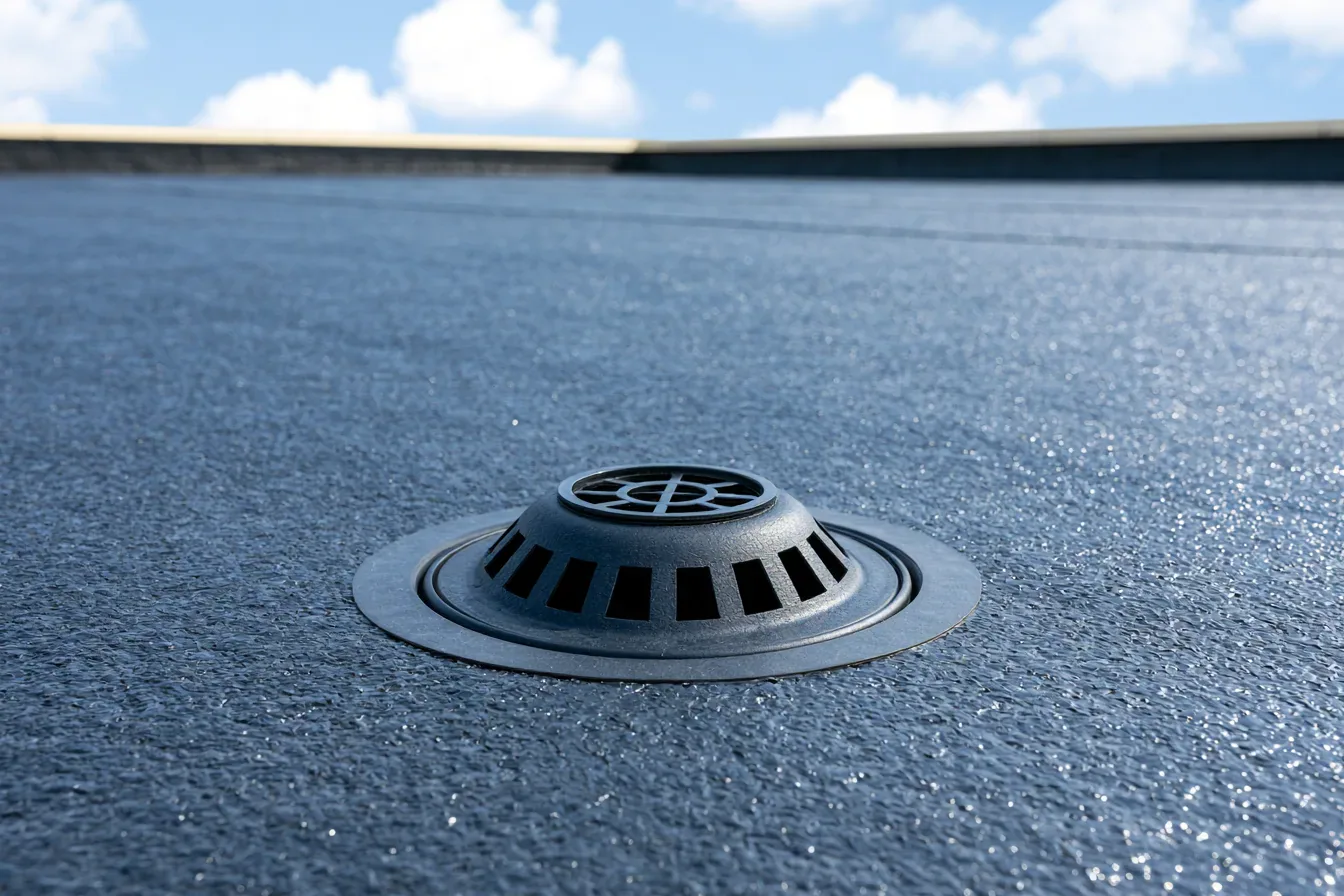
A useful program starts with the roof inventory. We note the building address, roof sections, assembly where known, access points, equipment locations, drainage details, and prior repair areas. If records disagree with field conditions, the difference stays visible. One membrane type across a portfolio should not be assumed from a prior invoice or a neighboring building.
The first visit sets a dated baseline. The inspector walks accessible areas, photographs the field and perimeter, checks visible seams and flashing, and notes surface damage, loose debris, standing water, open penetrations, and drain conditions. The report distinguishes an observed defect from a condition that needs testing. A hands-on roof inspection can define that baseline when the existing record is incomplete. A photo condition report ties each note to a roof zone and observation date.
Visit frequency follows roof condition, drainage exposure, service history, and building use. A recent repair may need an early follow-up. A roof with recurring blockage needs more attention at its water collection points. We set the schedule with the owner after reviewing the recorded condition. Calendar intervals alone cannot establish that a roof stayed unchanged between visits.
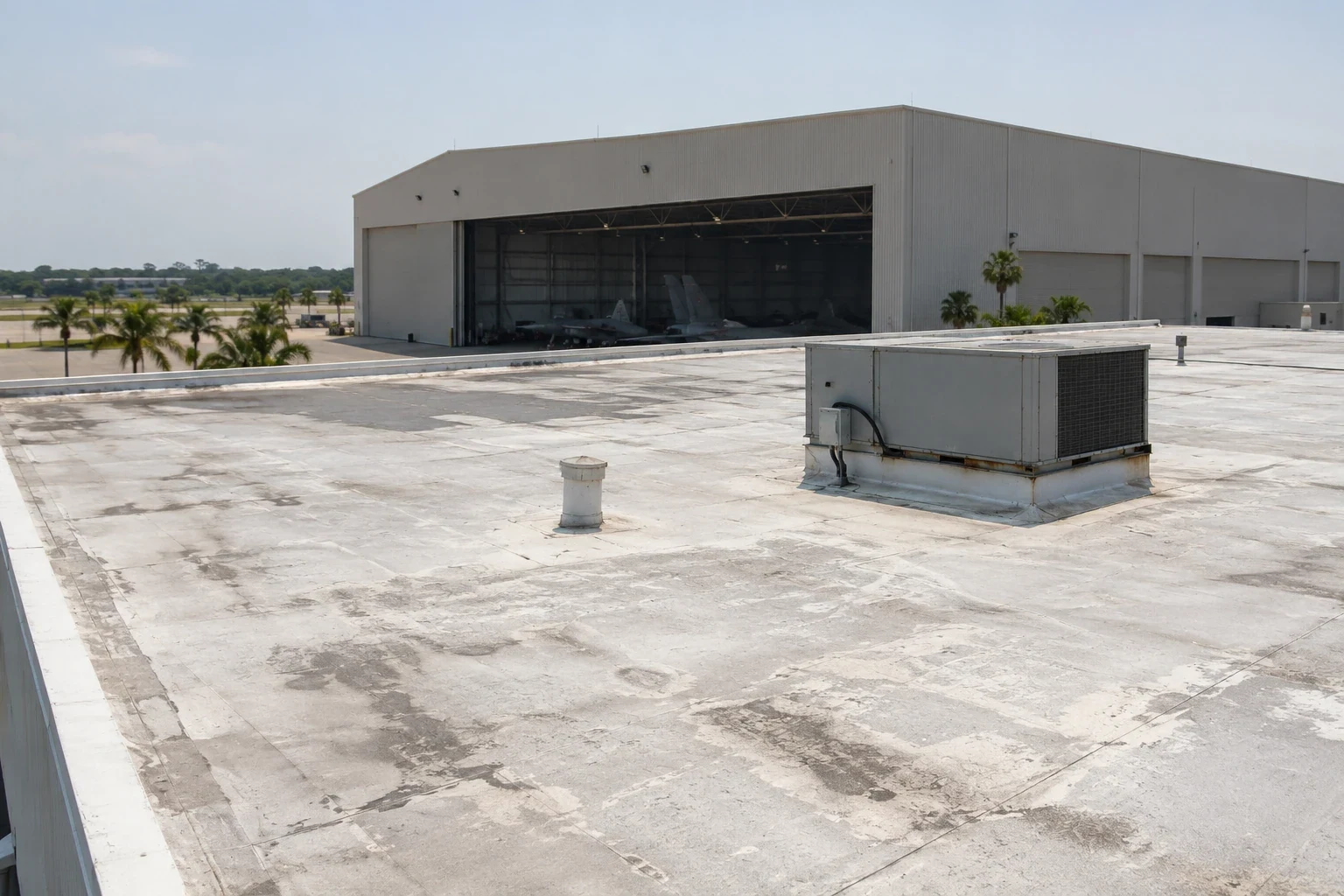
At each visit, the crew follows a repeatable path without assuming every area is accessible. The inspection includes visible membrane or metal, seams, laps, penetrations, curbs, perimeter transitions, drains, scuppers, overflow provisions, and rooftop service routes. Loose fasteners, displaced edge material, punctures, open sealant, and damaged walk pads receive a location and photograph. The report states where safe access stopped.
Drainage gets a separate note. We look for leaves, sediment, blocked strainers, deformed bowls, or water marks that show a repeated collection area. A dry roof on inspection day does not prove that ponding never occurs. We record recent reports separately and may recommend a follow-up after rain. Where drainage geometry appears to contribute, a drainage correction review can check the slope path, overflow route, and nearby membrane details.
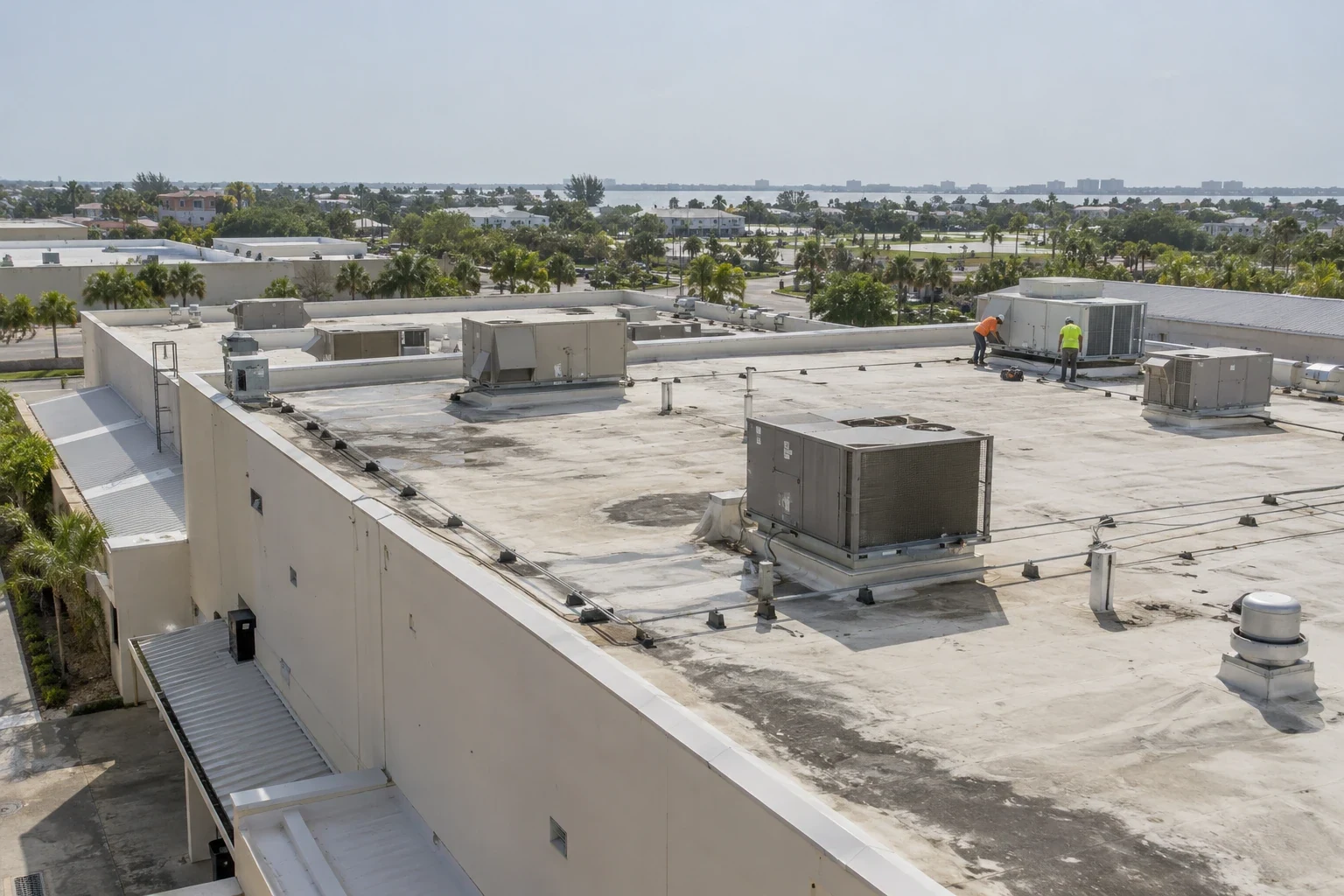
Equipment work can change a roof between planned visits. HVAC service, conduit work, antenna changes, and material movement may affect the membrane. We ask for access coordination and any recent contractor notes. A curb and support review can document flashing around equipment and service attachments. The visit record identifies the area inspected, instead of treating an unvisited section as cleared.
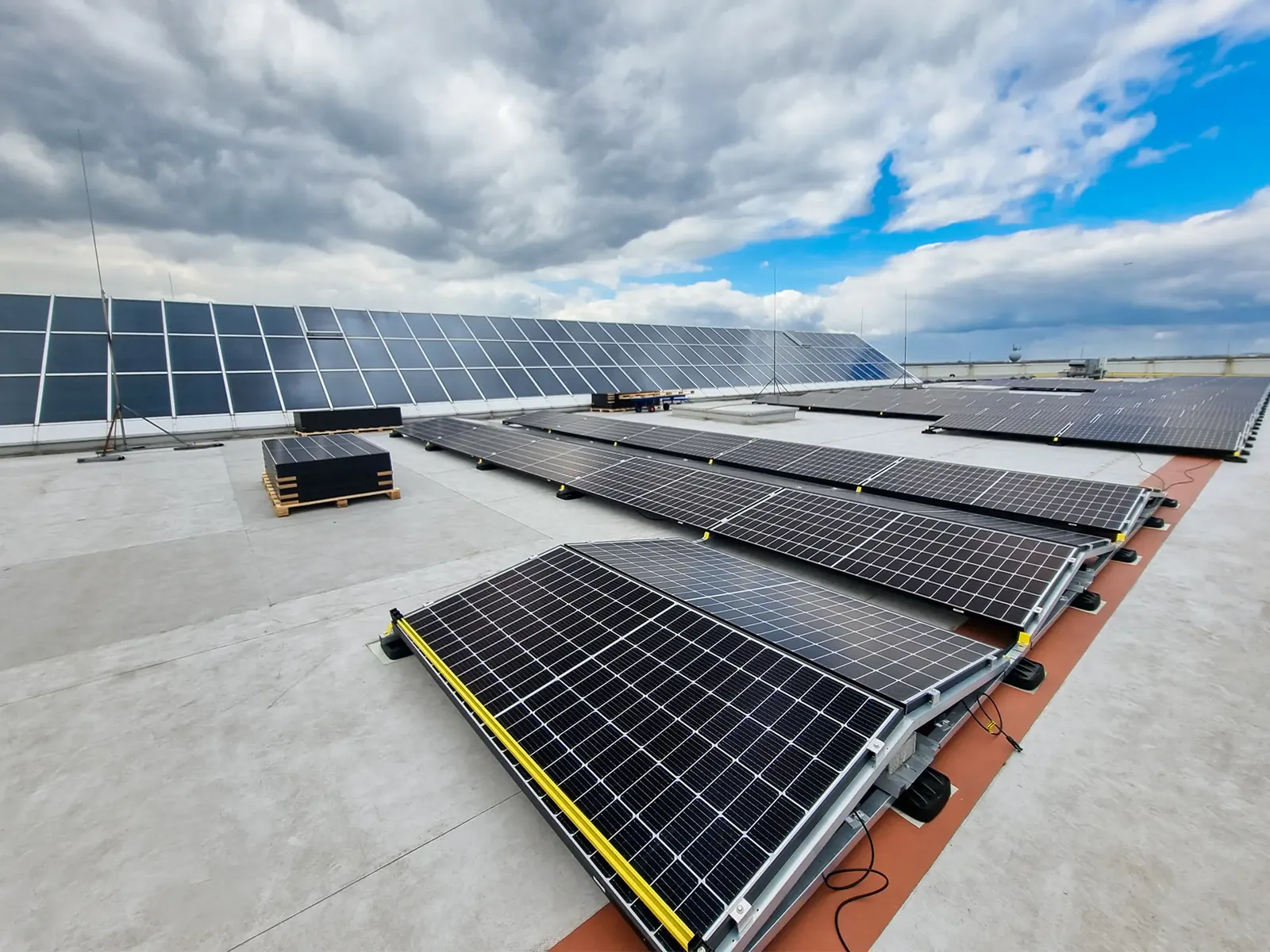
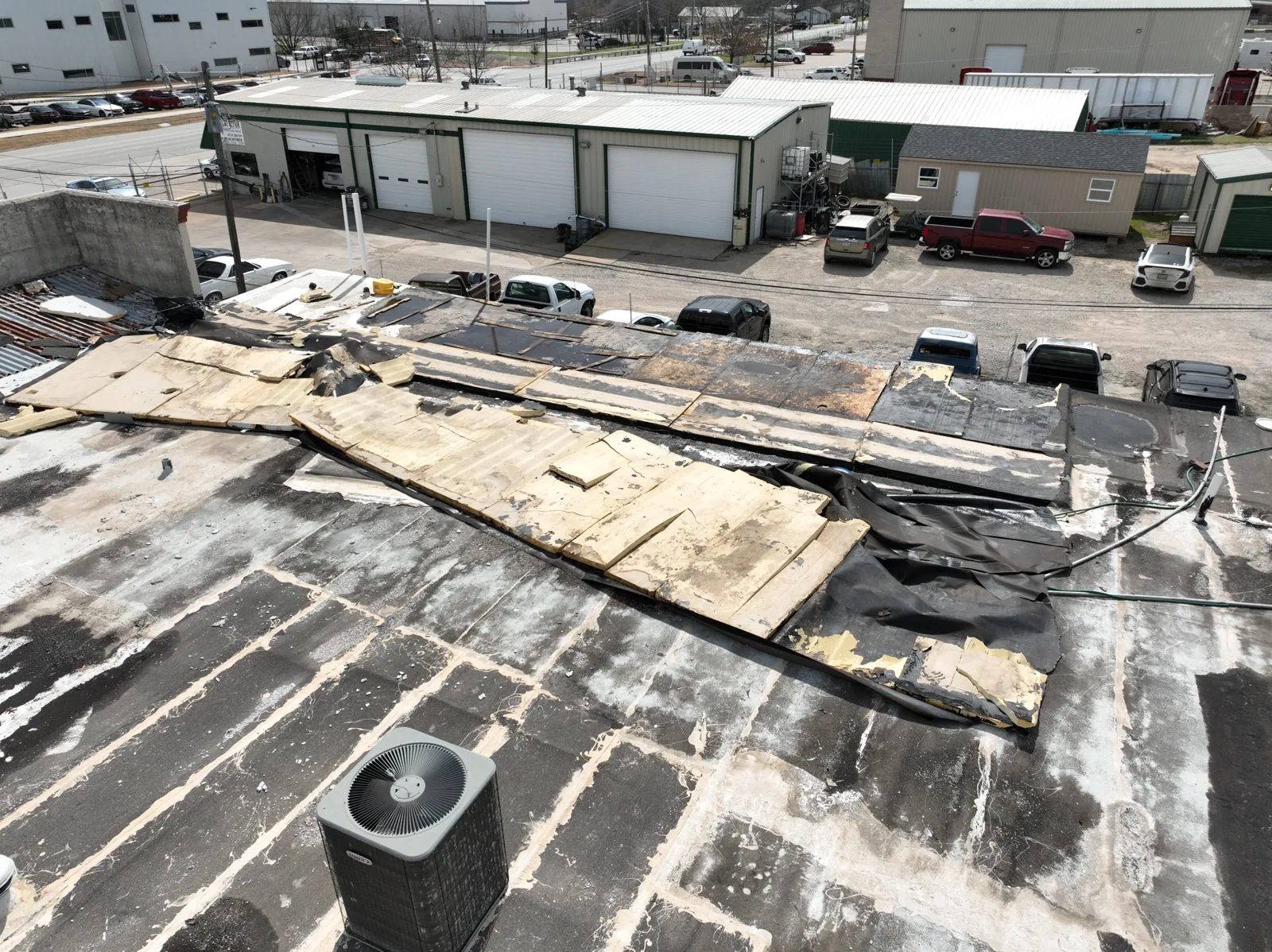
Findings need an action and a boundary. Loose debris may need removal. A lifted flashing edge may need closer inspection. A wet ceiling needs an event date and a matching roof-zone investigation. We separate housekeeping from repair work and both from testing. If an opening or moisture survey is recommended, the report states why and where.
Palm Bay's commercial inventory spans flex and industrial properties, offices, retail, and medical uses. Palm Bay Flex Business Park advertises modular units beside the L3Harris campus and near Interstate 95. That helps with access planning, but says nothing about a tenant's roof assembly or condition. The visit still needs a building contact, safe route, and roof-level observations. At a multi-tenant property, we mark the unit or roof section so a finding is not assigned to the wrong occupant.
September and June are the wettest months in nearby Melbourne's climate record. Schedule drain checks before those seasonal peaks. It does not show whether a particular drain is blocked. The field record supplies that answer. For suspected wind or storm damage, use a wind-damage inspection path and keep the reported event distinct from damage confirmed on the roof.
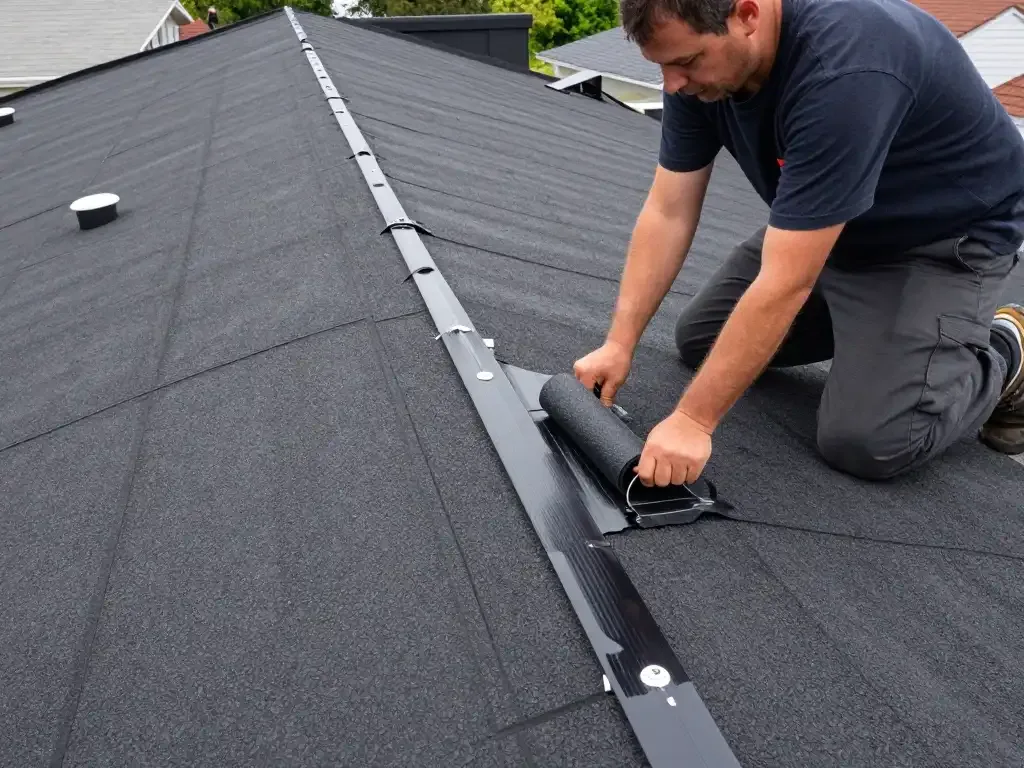
Maintenance work stays within the approved scope. It may include clearing accessible drains, removing loose debris, repairing a compatible detail, or setting a test opening. Authorization names the location and work boundary. A visit does not approve changes to every roof section.
A patch must suit the existing membrane, coating, or metal detail. Sealant can hide an opening without correcting its cause. We identify the assembly where possible and record uncertainty where it cannot be confirmed. A targeted repair scope defines the proposed material and limit. If findings extend farther, a recover feasibility review can examine the existing assembly and concealed-condition risks.
Occupied buildings need coordination. We confirm roof access, escorts, shutdowns, notices, and interior contacts. Palm Bay Hospital includes emergency, inpatient, surgical, imaging, and rehabilitation functions. Its maintenance visit must follow facility controls and the designated contact's access plan.
After work, we photograph the detail and note material, roof zone, date, and limits. Temporary protection stays labeled as temporary. A later visit can check the permanent repair.
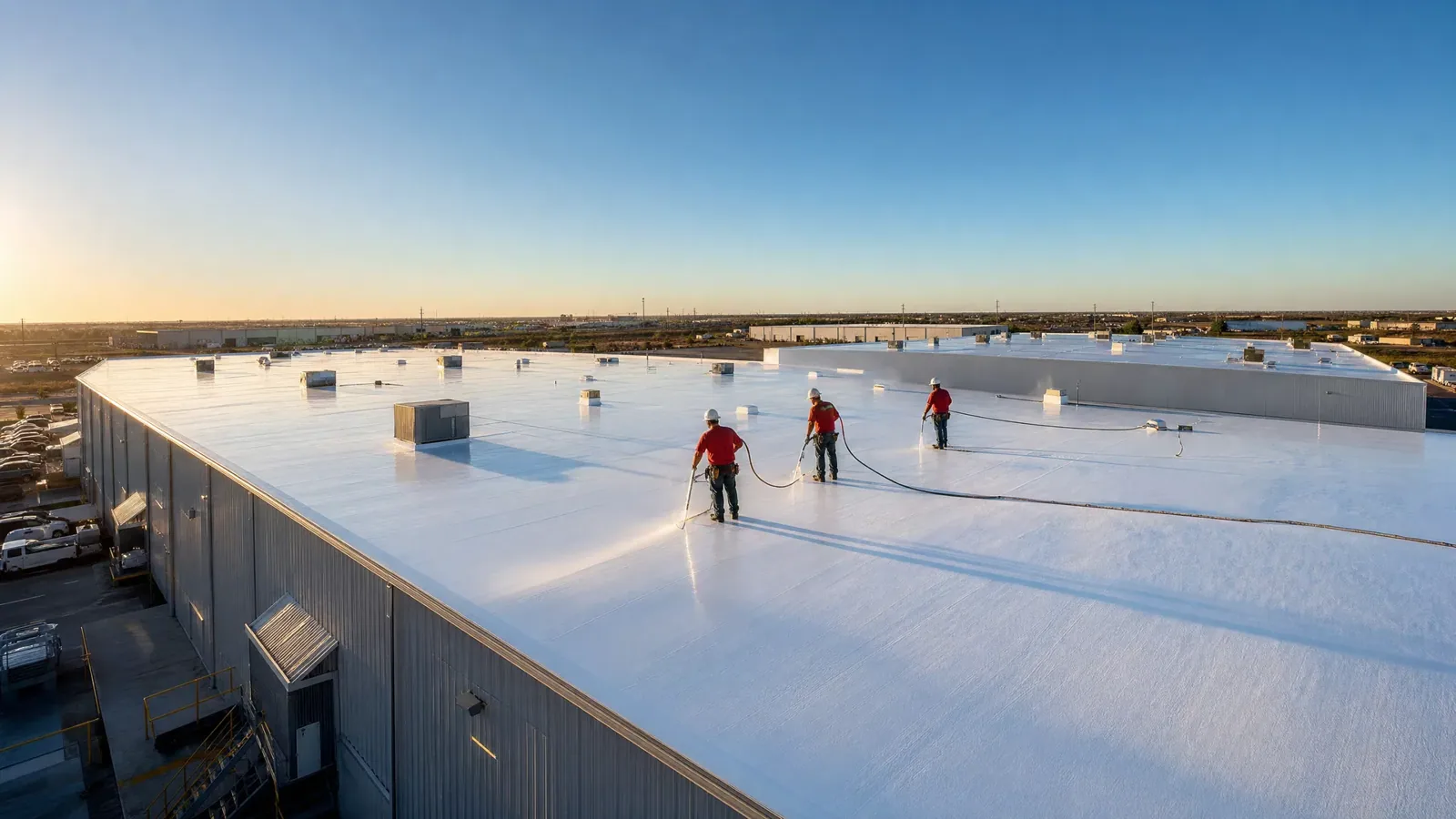
For multiple buildings, a shared record format makes conditions easier to compare without assuming roofs match. Each property keeps separate assembly notes, repair history, contacts, and open items. A multi-site roof program can organize visit dates and actions by building. It does not replace inspection or authorize work beyond the signed scope.
Seasonal timing follows drainage needs and work windows. Before summer rain, schedule drain checks and review open flashing items. Before a capital project, identify repairs to finish first. After a named storm, record the reported event, observed conditions, and inaccessible areas. Several named Palm Bay locations recorded heavy rain during Hurricane Irma. Those totals describe specific locations, not impact at an individual property.
Florida's 2023 Building Code took effect statewide on December 31, 2023. If maintenance leads to permitted alteration or a reroof, review the requirements for that work. A routine roof walk is not a code determination.
Learn more →

Learn more →
Learn more →
Learn more →
Learn more →
Learn more →
Learn more →
Learn more →