Active local weather warning
The National Weather Service has issued a coastal flood warning covering Palm Bay. Heavy rain and drainage loading can expose roof leaks, blocked drains, and ponding water. This is a weather exposure advisory; it does not establish damage to a specific roof.
Do not access a roof during hazardous weather. Protect people first, avoid water near electrical equipment, and request roofing help when conditions permit.
National Weather Service · Updated Oct 28, 2026, 6:40 AM UTC
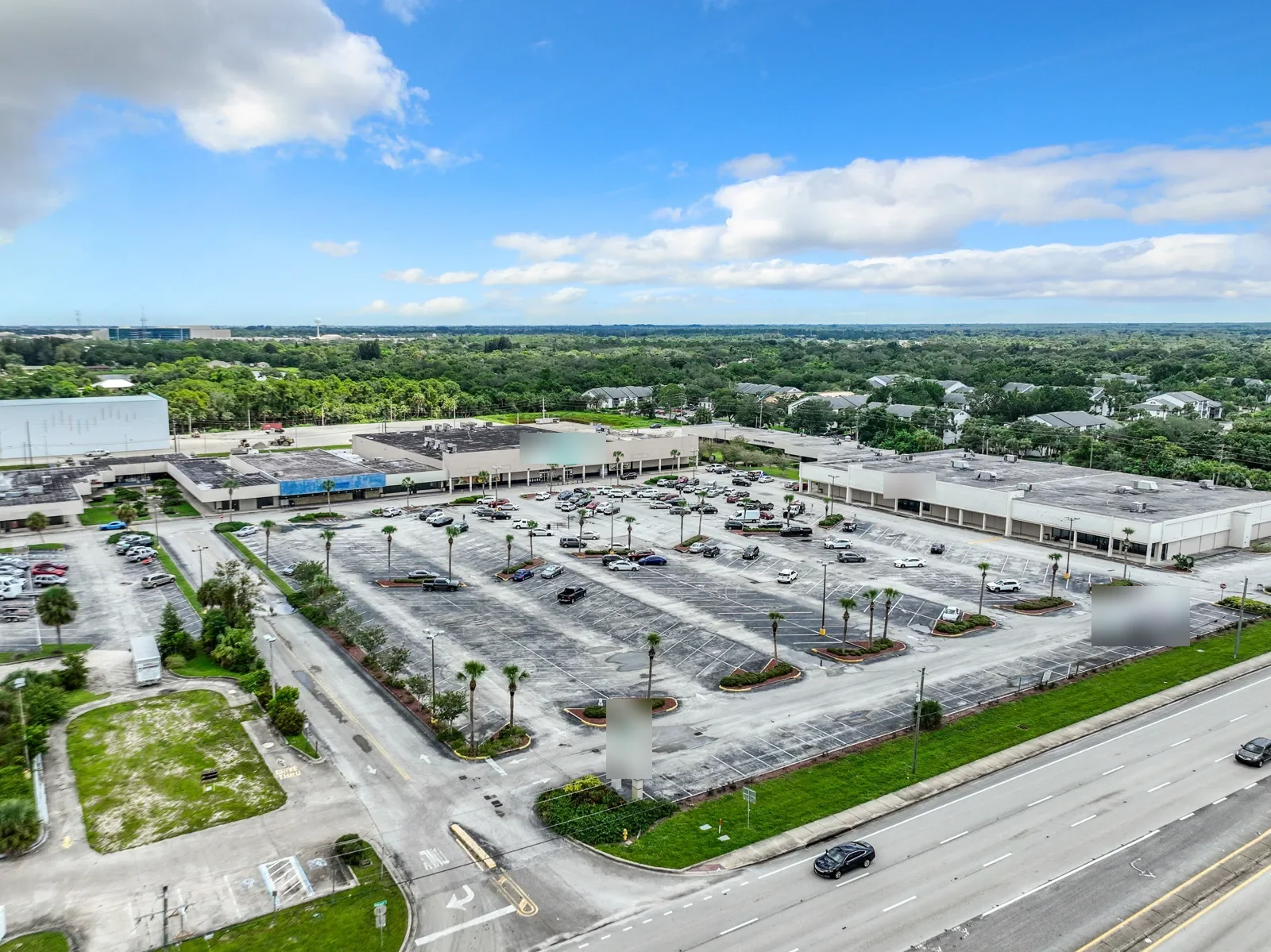
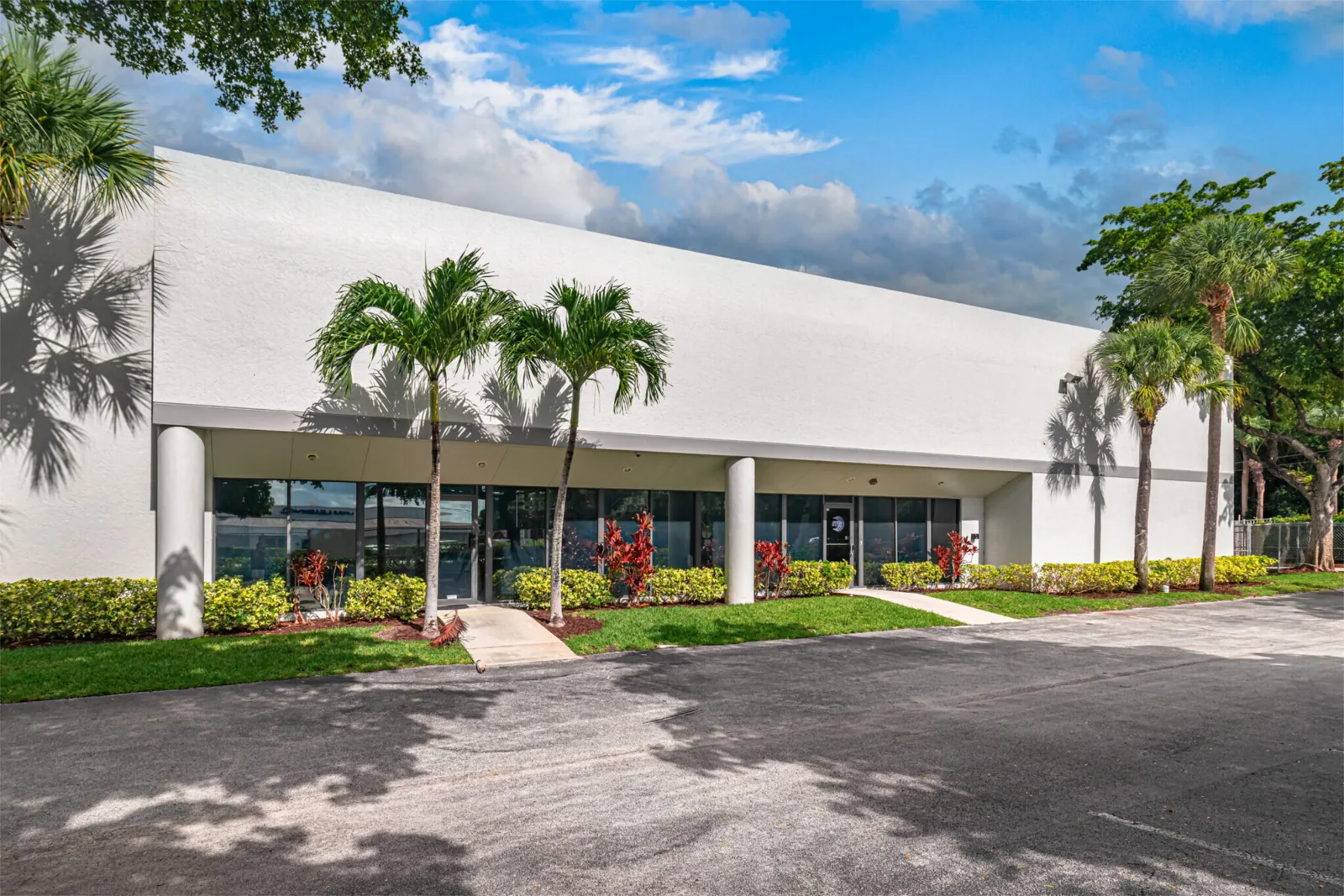
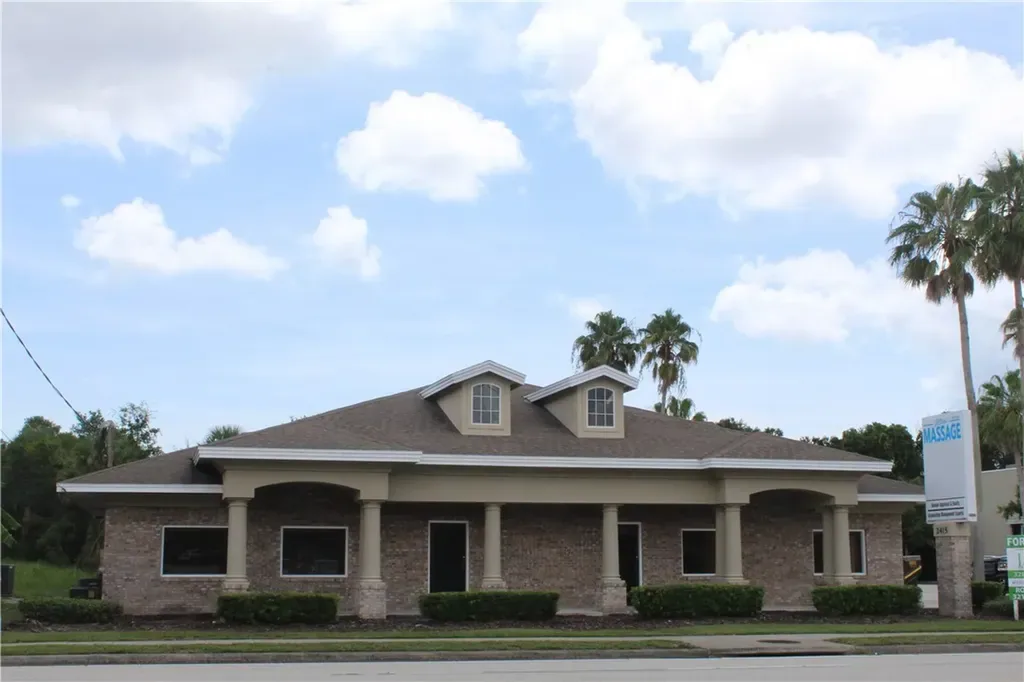
Sabal Palm Square is listed at Babcock Street in Palm Bay, with three retail spaces ranging from about 1,300 to 15,645 square feet. Those are leasing figures. They do not establish the size, age, or system of the roof. Retail roof work starts with the exact building and tenant boundary. We verify access, identify the roof zone over the affected space, and record the reported condition separately from observed damage. That is especially useful when a tenant report and the property manager's roof record describe different locations.
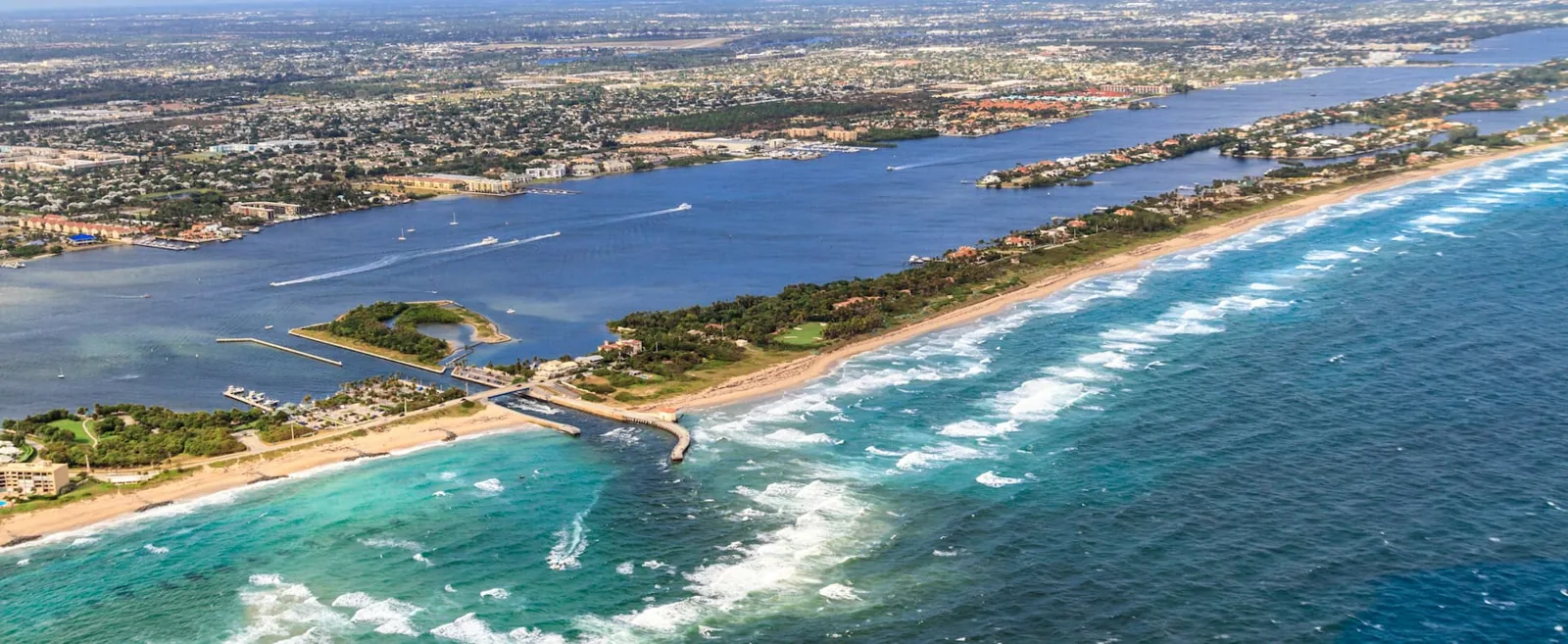
The listing places Sabal Palm Square within a commercial-property market that includes office, industrial, retail, and land assets. Babcock Street also includes other commercial listings. The Babcock Street commercial corridor provides broader area context. The surrounding mix does not tell us what materials or roof conditions this property has. We inspect the assembly in place, follow reported water paths, and mark any shared walls, drains, or penetrations that affect the work boundary. Palm Bay’s rain and heat make drainage review relevant, but the field record determines the repair.
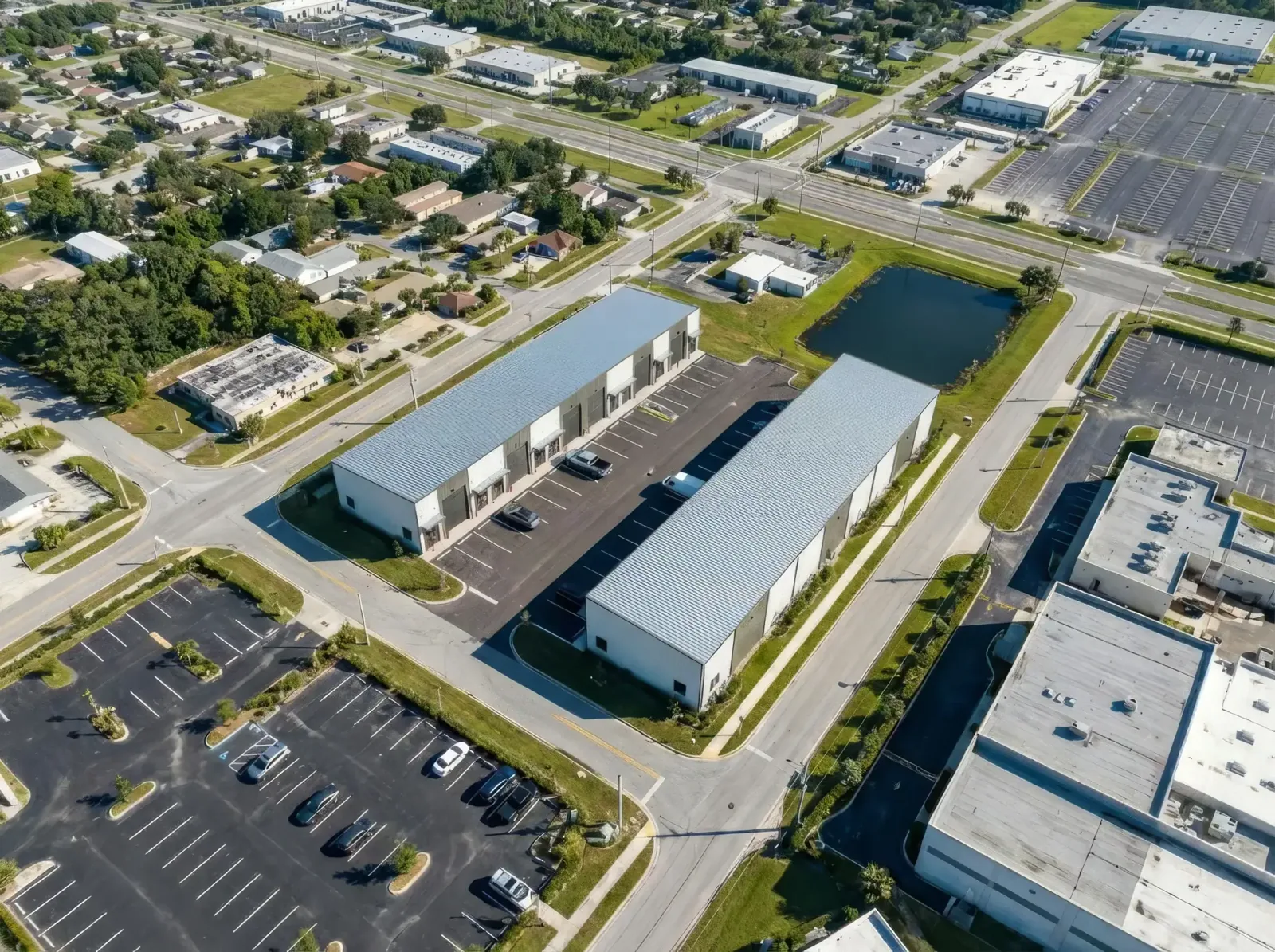
A retail repair needs a contact who can reach both the roof and the space below. Before mobilizing, we confirm operating hours, service doors, ladder placement, delivery routes, and any customer area beneath the work. The tenant may know when a leak appeared or which equipment stopped working. Those details help locate the report, but roof access determines what can be confirmed.
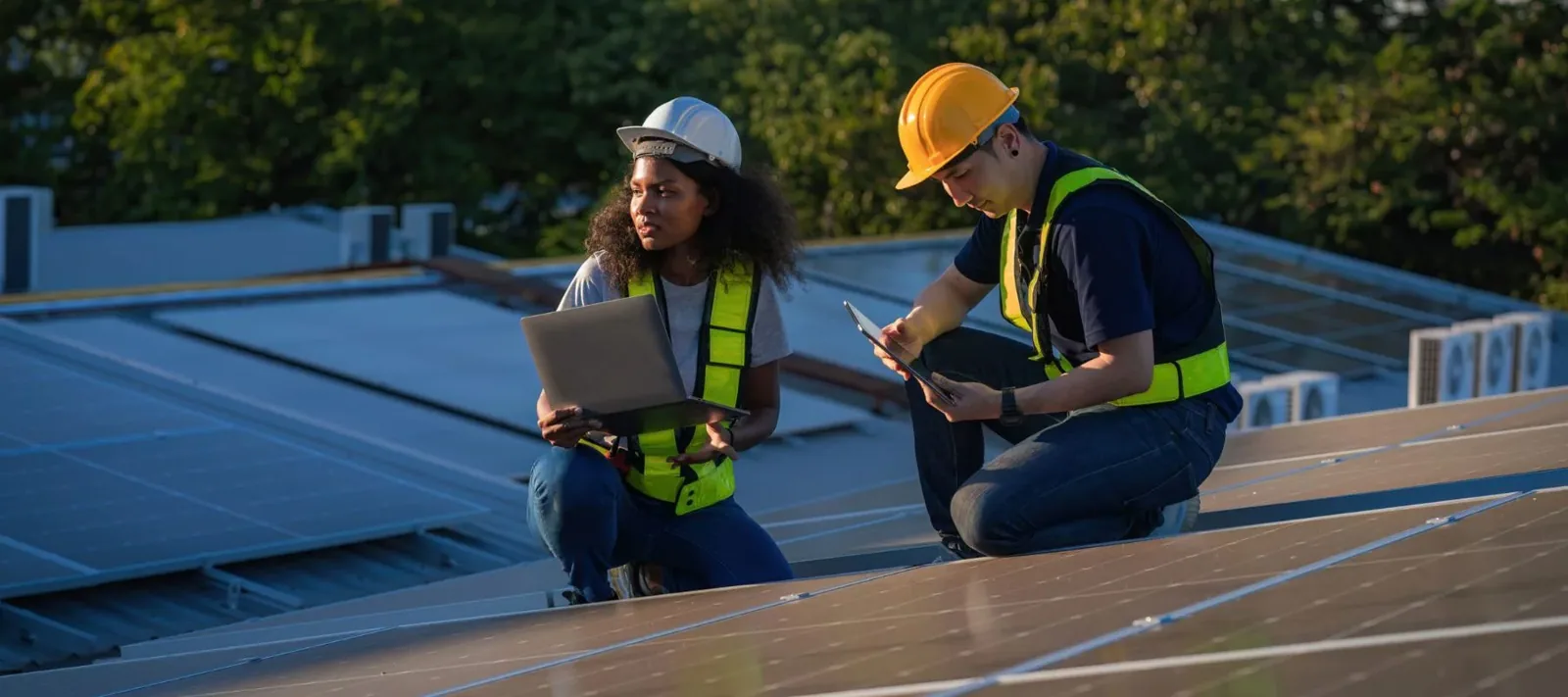
We label findings by roof zone and tenant area when the two boundaries differ. A shared wall or roof drain can carry water beyond one leased space. The inspection follows the transition and records where access stopped. Photographs show the visible seam, flashing, drain, curb, or edge. If the cause remains concealed, a test opening is proposed at a defined point. We do not extend a patch to an entire suite because one interior area has a stain.
Work can often be staged by roof section, subject to weather and the repair material. We protect merchandise, equipment, and occupied areas below the work when the scope requires it. An open section receives temporary protection before the crew leaves. The closeout records the material used, the boundary repaired, and any return visit required. If another trade controls the roof area, we document that access limit rather than work beyond permission.
Nearby Melbourne’s 1991 to 2020 rainfall normal is 55.28 inches per year. It is regional climate context, not a measurement at Sabal Palm Square. On the roof, we check outlet capacity, strainers, scuppers, overflow routes, and low areas. A blocked drain can be cleared, but recurring water may point to slope, insulation, or deck issues. The report separates an observed obstruction from a suspected design problem.
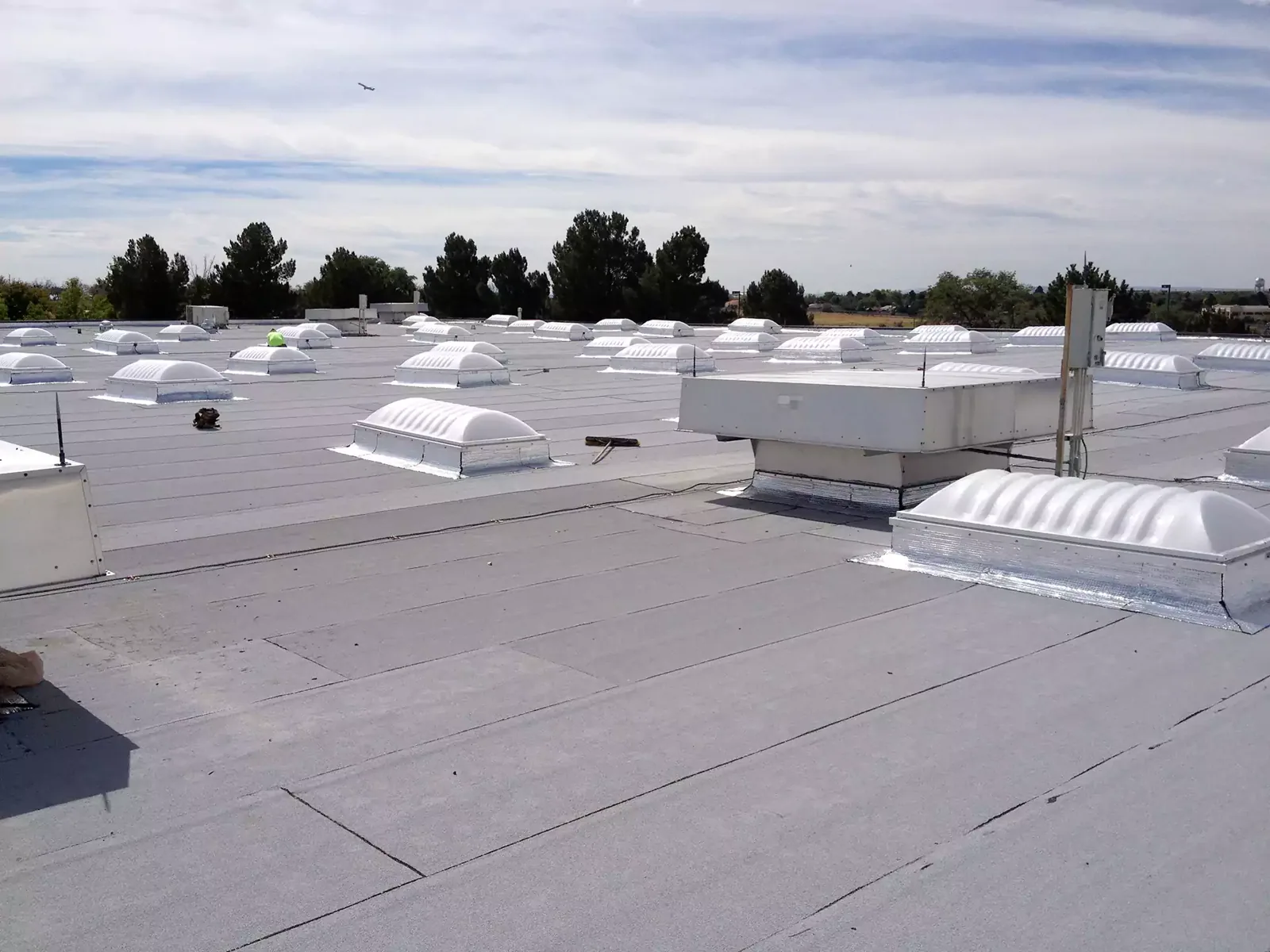
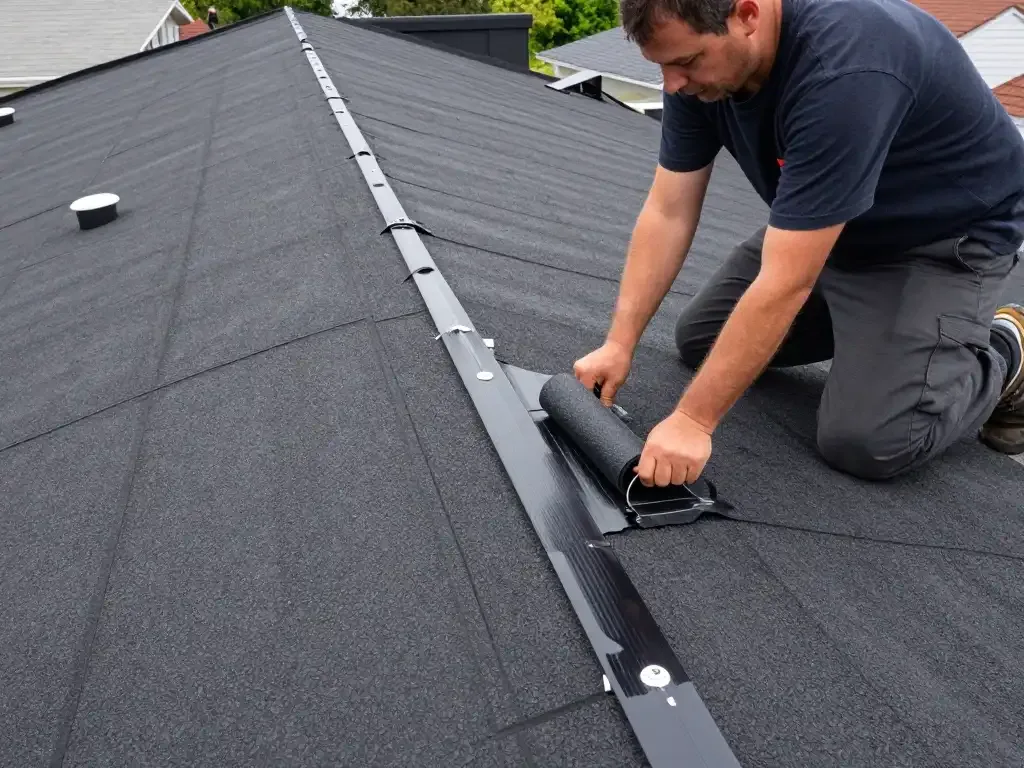
Retail roofs also contain penetrations for exhaust, plumbing, communications, and later tenant equipment. Each opening needs a compatible flashing and sound tie-in. We look for split sealant, loose counterflashing, open seams, damaged membrane, or movement around a curb. A repair should reach sound material and show its limit in photographs. If moisture extends beneath the surface, a test opening can confirm whether insulation or deck repair belongs in the scope.
Heat and rain affect scheduling for some repair materials. The substrate must meet product requirements for dryness and preparation. If rain interrupts the work, the team protects the exposed boundary and notes the next step. Permanent material is installed when conditions allow the required bond or cure. A dated photo record helps the property manager distinguish a completed repair from temporary protection.
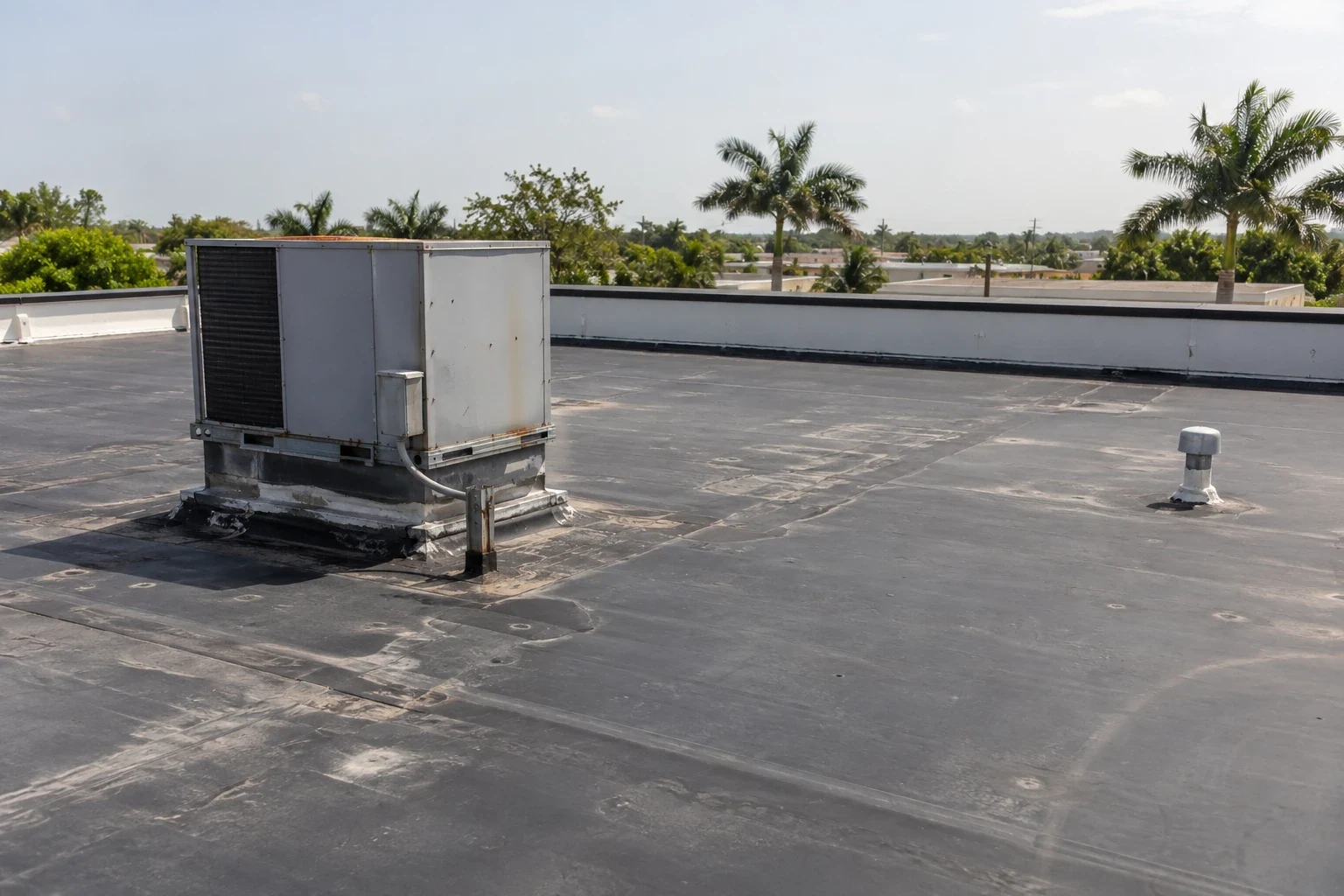
A small puncture or failed flashing may be repaired locally when the surrounding field is dry and stable. We identify membrane type before choosing a patch. A repair on EPDM membrane uses different materials and preparation than a thermoplastic system. If the roof contains several repair layers, we record what is visible and flag unknown concealed work.
Replacement becomes a stronger option when moisture is widespread, the deck has deteriorated, or repeated repairs no longer address the same failure pattern. A recover may be suitable if the assembly is dry, attached, and compatible with another layer. We check edge height, penetrations, drains, and current code requirements first. Coating is considered only on a prepared, compatible assembly with sound details. It will not cure a blocked drain or hidden wet insulation.
The proposal reflects access, tenant protections, tear-off, material disposal, insulation, deck work, edge metal, and the number of work zones. The listed suite area does not set roof cost by itself. We identify what the inspection confirmed and any concealed condition that could change the price. For a broader renewal, the replacement plan names the removal and tie-in limits. Leak response can begin with targeted leak repair when the roof condition supports that approach.
Retail property records need to connect a tenant report to the roof location and the work completed. Our closeout includes the event date, affected suite or area, roof zone, observed damage, repair material, and field photographs. If the visit could not reach a section, the report keeps that access limit visible. That supports future maintenance and helps avoid reopening an old issue without its context.
Owners can use the record to track open conditions across office, retail, and industrial assets in the Port Malabar listing market. Each property still needs a separate scope. Palm Bay Industrial Center is a separate property; the Palm Bay service area covers the broader city and its distinct operating conditions. We do not transfer one site's roof observations to another.
Follow-up visits can recheck repaired flashings, drains, seams, and areas affected by later tenant work. If a storm report prompts an inspection, we record what changed at Sabal Palm Square and what was not reachable. Regional rainfall data can guide maintenance timing, but it cannot replace a dated inspection. Our condition report leaves the property manager with the next action and its basis.
Learn more →
Learn more →
Learn more →
Learn more →
Learn more →
Learn more →
Learn more →