
Active local weather warning
The National Weather Service has issued a coastal flood warning covering Palm Bay. Heavy rain and drainage loading can expose roof leaks, blocked drains, and ponding water. This is a weather exposure advisory; it does not establish damage to a specific roof.
Do not access a roof during hazardous weather. Protect people first, avoid water near electrical equipment, and request roofing help when conditions permit.
National Weather Service · Updated Oct 28, 2026, 6:40 AM UTC
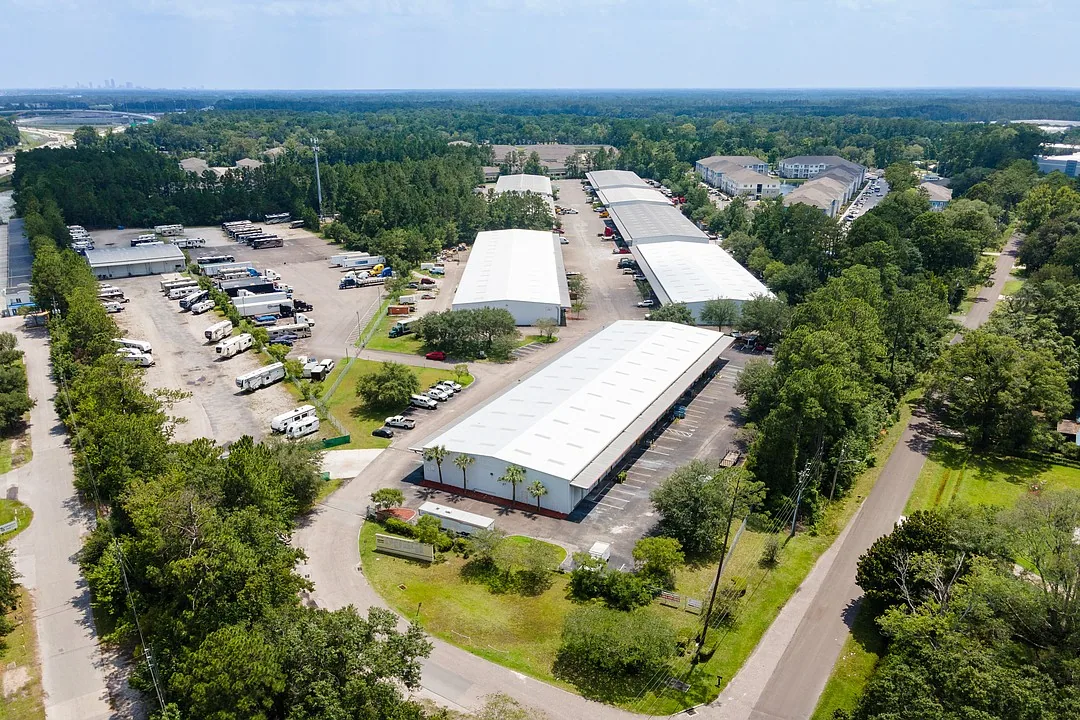
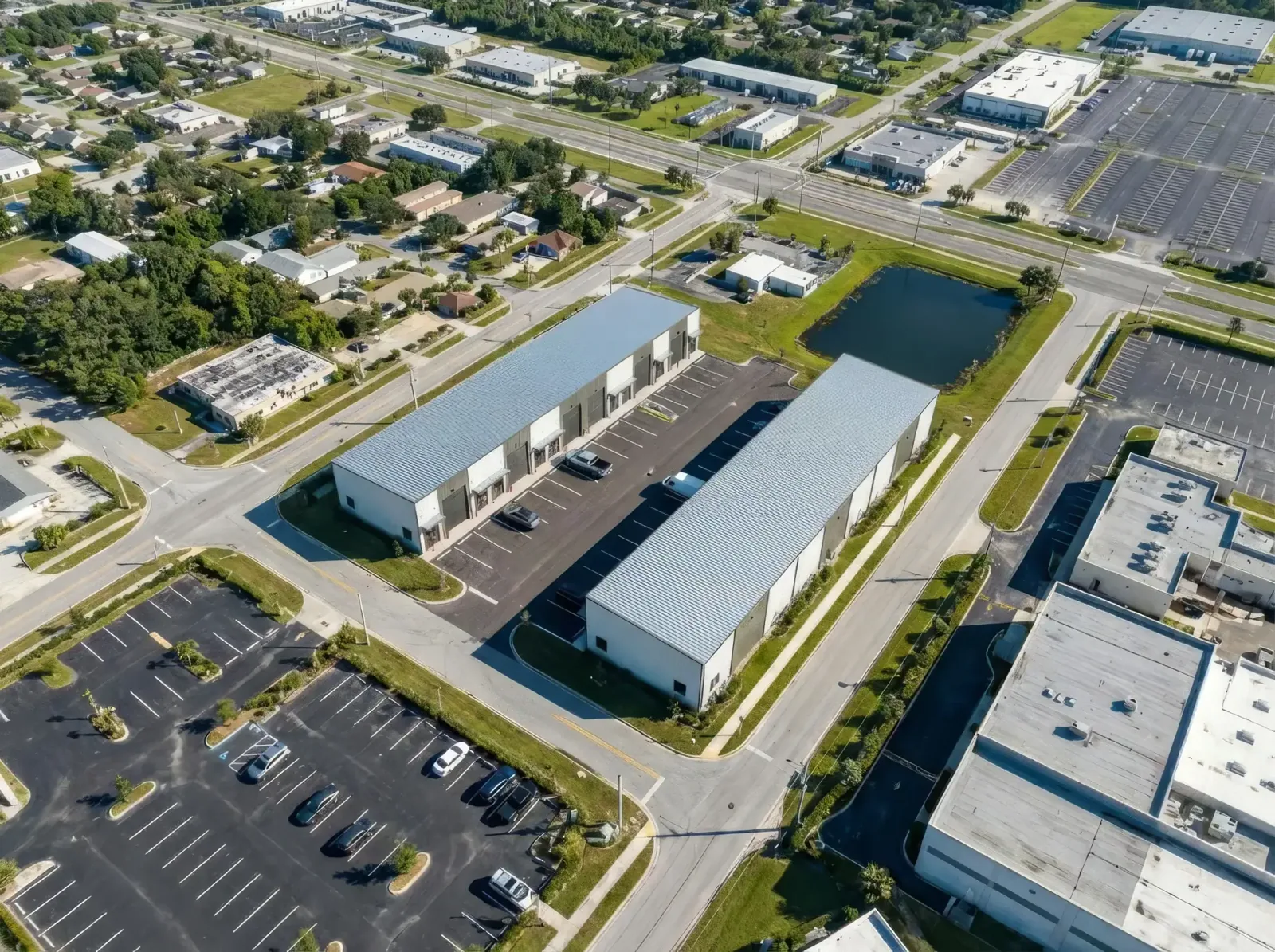
An industrial suite of about 2,860 square feet is available at Clearmont Street in Palm Bay Industrial Center. The figure describes leasable interior space, not roof area or condition. We begin with the actual building and access contact, then identify the roof zone connected to the reported issue. A field record distinguishes a tenant complaint from an observed defect. It also names the area the inspection could not reach.
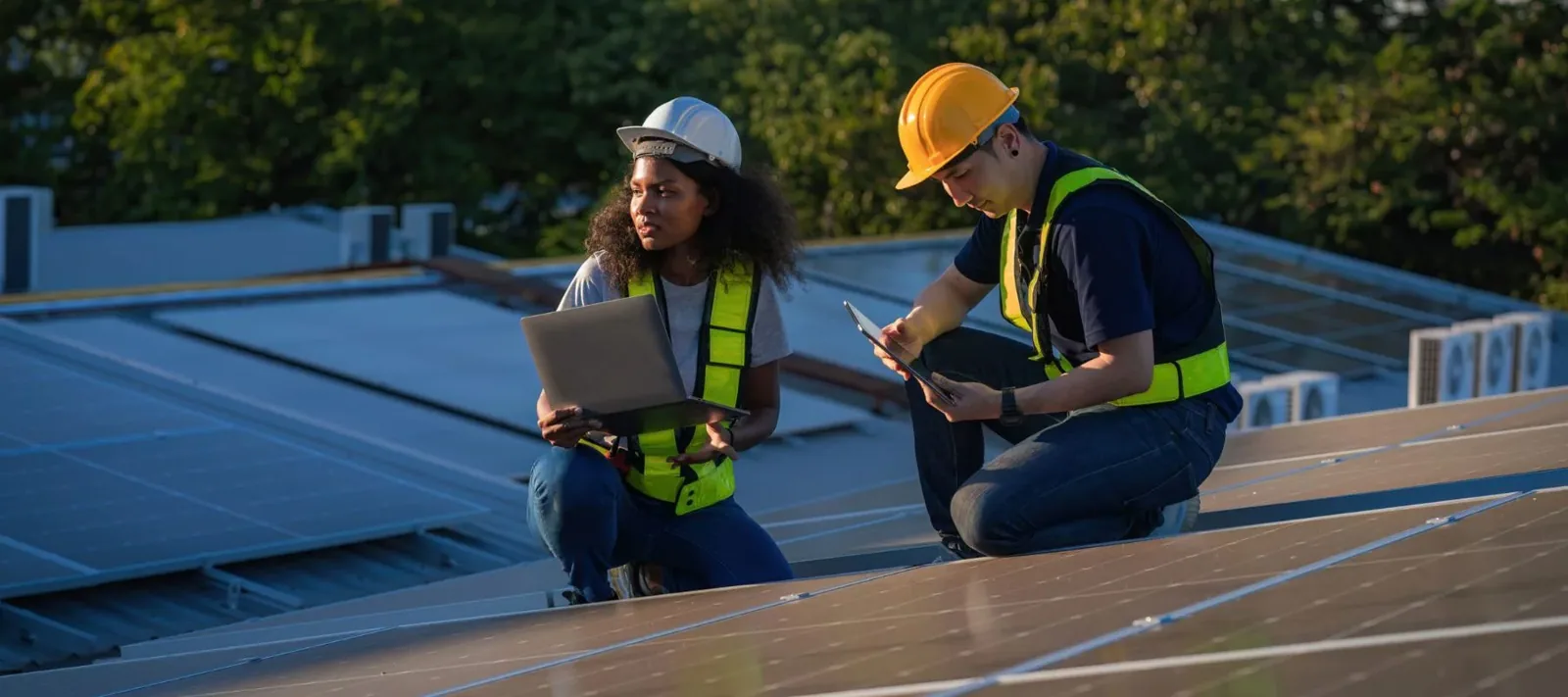
The nearby Port Malabar area includes industrial, office, and retail suites. Their work schedules vary, so confirm current operations and access at this address. We confirm vehicle routes, roof access, equipment restrictions, and hours before mobilizing. On the roof, we inspect the membrane, seams, penetrations, drains, edges, and visible transitions. Palm Bay heat and seasonal rain affect work windows; the installed assembly sets the repair method.
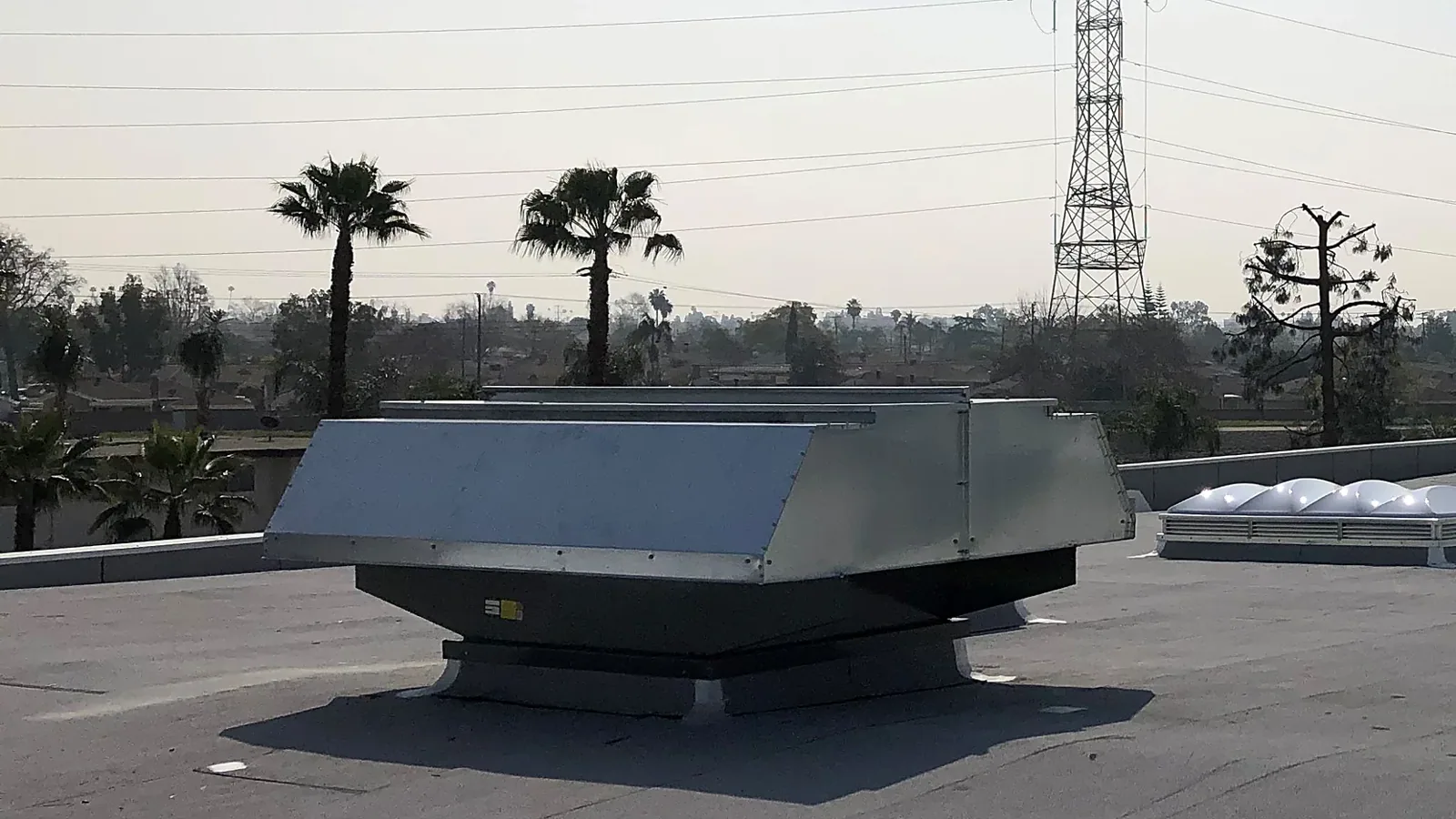
Industrial and service spaces can have rooftop equipment, exhaust, and later trade penetrations. We inspect each curb and flashing for loose metal, open corners, failed sealant, and membrane movement. If a unit has been replaced, the new support should not leave an abandoned opening or a narrow drainage pocket. We photograph what is visible and compare it with available maintenance records. Concealed layers remain unknown until an approved opening exposes them.
Melbourne has an annual precipitation average of 55.28 inches; its monthly totals peak in June and September. The inspection records conditions at Palm Bay Industrial Center on the visit date. They support a careful check of water paths, including drain strainers, scuppers, overflow routes, and low areas. We note whether ponding remains at inspection or follows a recent shower. A persistent condition may require slope or deck review rather than a surface patch.
Wind-driven rain can enter at an edge, flashing, or open seam. The interior wet spot may be several bays away from the entry. We trace the roof zone and mark each transition checked. If active water requires an immediate response, temporary protection gets a separate photo and work note. Permanent repair follows after the substrate and material conditions are suitable. The return plan names the next access need and any test opening.
We coordinate with the property or tenant contact before staging ladders, lifts, materials, and debris containers. The property contact confirms current occupancy and operating hours. We confirm them at scheduling. If equipment must remain online, the facility representative identifies shutdown restrictions. We keep walk paths, doors, and service lanes clear as required by the site plan.
For occupied work, repairs can be divided into zones where the roof layout and weather allow. A daily closeout records which area was opened, what material was installed, and how the exposed edge was secured. If operations prevent access to one section, the report lists it. We do not infer a clean result from adjacent roof areas. Any leak report beneath a restricted zone remains open until the roof entry point can be inspected.
Construction or equipment upgrades can change a roof after an initial review. We record new penetrations, abandoned supports, and modifications that need flashing attention. Before the next trade closes a transition, the responsible contact receives the observed issue and boundary. A curb and support repair should preserve the flashing and a clear path for drainage.
A puncture, separated seam, or failed curb can be repaired if the surrounding field remains sound. The material must be identified before a compatible patch is chosen. A local repair records the original defect, prepared surface, patch edge, and final photographs. If a probe or test opening finds wet insulation, we mark the added removal area and revise the scope with that evidence.
Recover work is possible when the existing assembly is dry, attached, and suitable for another layer. We review membrane compatibility, roof height, edges, drains, deck condition, and code requirements. Replacement may be the better route when moisture is widespread or multiple details have failed. A coating can restore a compatible surface after cleaning and adhesion checks. It cannot correct a weak deck, failed attachment, or standing water caused by poor slope.
Estimate drivers include roof access, equipment protection, tear-off, disposal, insulation, deck repair, edge metal, staging, and hours available for noisy work. We measure roof quantities in the field; the 2,860-square-foot figure describes the available interior suite. For full renewal, our replacement scope defines the removal boundary. A preventive plan can then track drains, curbs, seams, and repairs through scheduled maintenance.
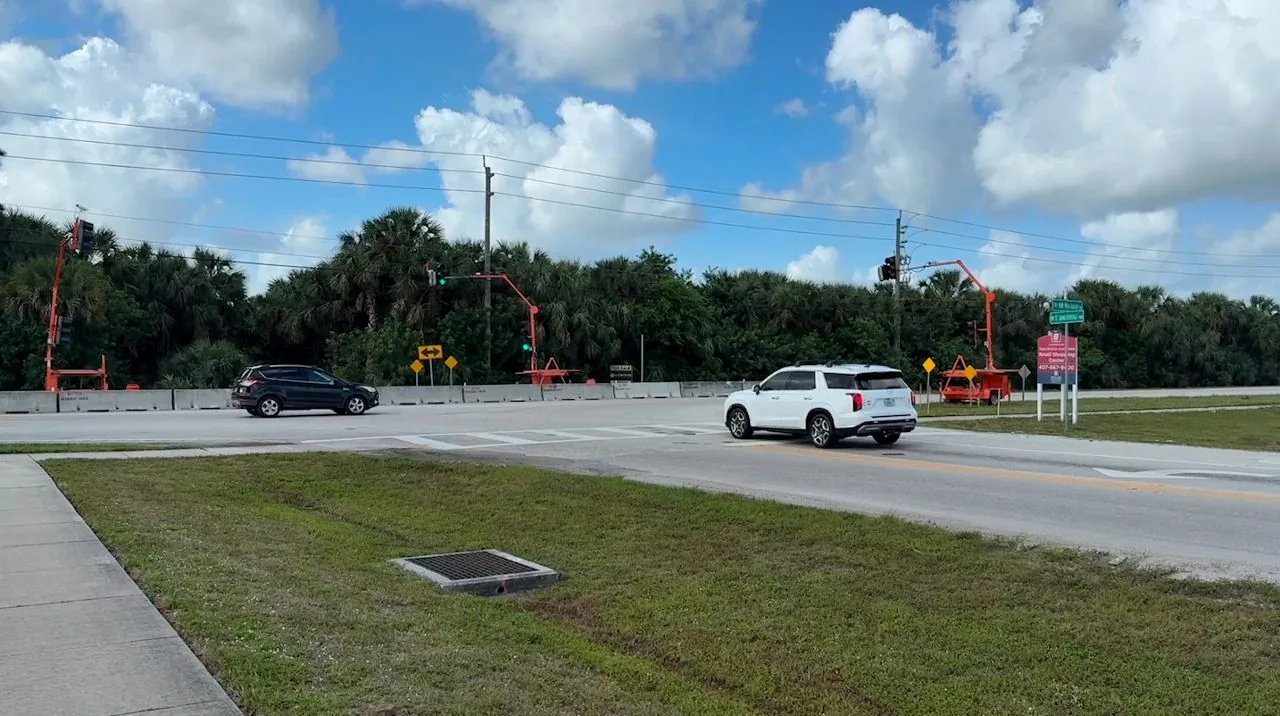
The closeout should help the next manager locate the same roof zone. We record the event date, reported condition, visible damage, material, repair boundary, photographs, and access limits. If a repair stops at a roof division or tenant boundary, that limit remains clear. Any area that needs another visit receives a date or trigger for follow-up.
Other nearby commercial properties include Port Malabar Industrial Park and Palm Bay Flex Business Park. Their roof records remain separate from this property's inspection. It does reinforce why address-level records matter when one manager oversees multiple building types. We keep each inspection and repair tied to the correct asset and date.
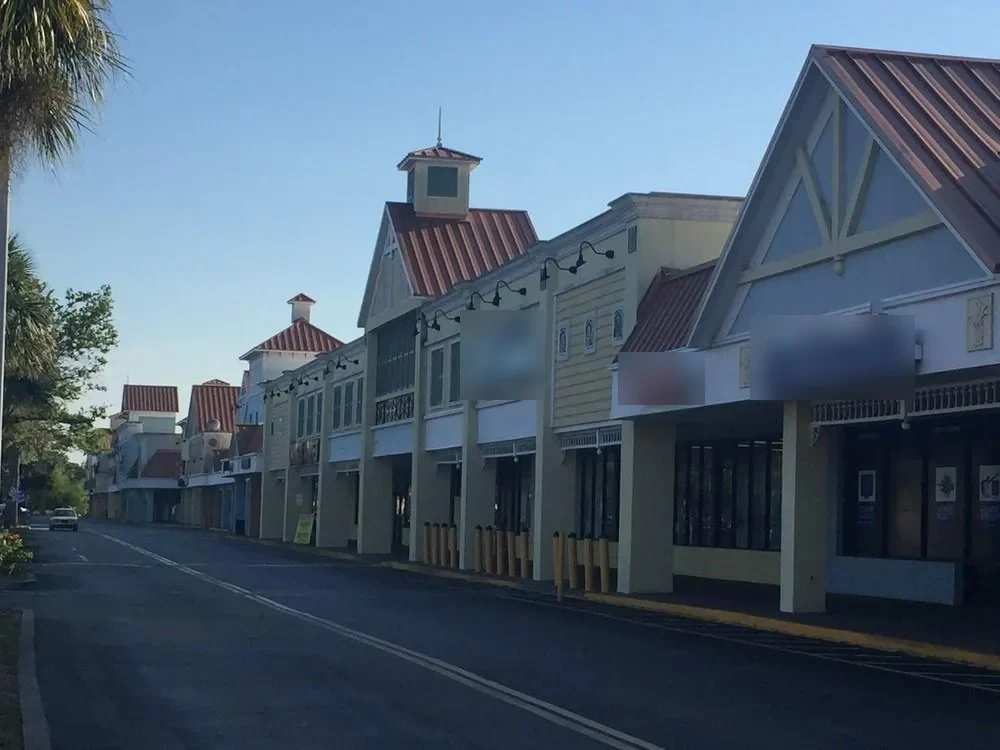
After major weather or rooftop work, a follow-up visit can inspect disturbed areas and repaired details. It should not treat a storm report as proof of failure. The record compares current observations with earlier photos and identifies any change. A condition report can set the next maintenance task, budget item, or test opening. For a separate retail access example, Sabal Palm Square has its own tenant and roof-zone boundaries.
Learn more →
Learn more →
Learn more →
Learn more →
Learn more →
Learn more →
Learn more →