
Active local weather warning
The National Weather Service has issued a coastal flood warning covering Palm Bay. Heavy rain and drainage loading can expose roof leaks, blocked drains, and ponding water. This is a weather exposure advisory; it does not establish damage to a specific roof.
Do not access a roof during hazardous weather. Protect people first, avoid water near electrical equipment, and request roofing help when conditions permit.
National Weather Service · Updated Oct 28, 2026, 6:40 AM UTC
A localized roof opening after a tornado report needs a mapped inspection. Palm Bay has documented surveys for a 2005 F-1 tornado and later tropical cyclones. The inspection records the event date separately from conditions found at a property. We start with the reported date and location, then photograph confirmed damage by roof zone. Tornado paths can be narrow, so findings on one building do not establish the condition of another nearby roof.
At a flex building near Clearmont Street, a retail property on Bayside Lakes Boulevard, or a shop in Port Malabar Industrial Park, the roof and access plan differ. We record loose or missing components, impact marks, punctures, open seams, and interior water reports. A piece of metal on the ground may relate to the roof, but the connection needs evidence. The inspection also lists unsafe or inaccessible zones and any temporary protection installed while a permanent scope is prepared.
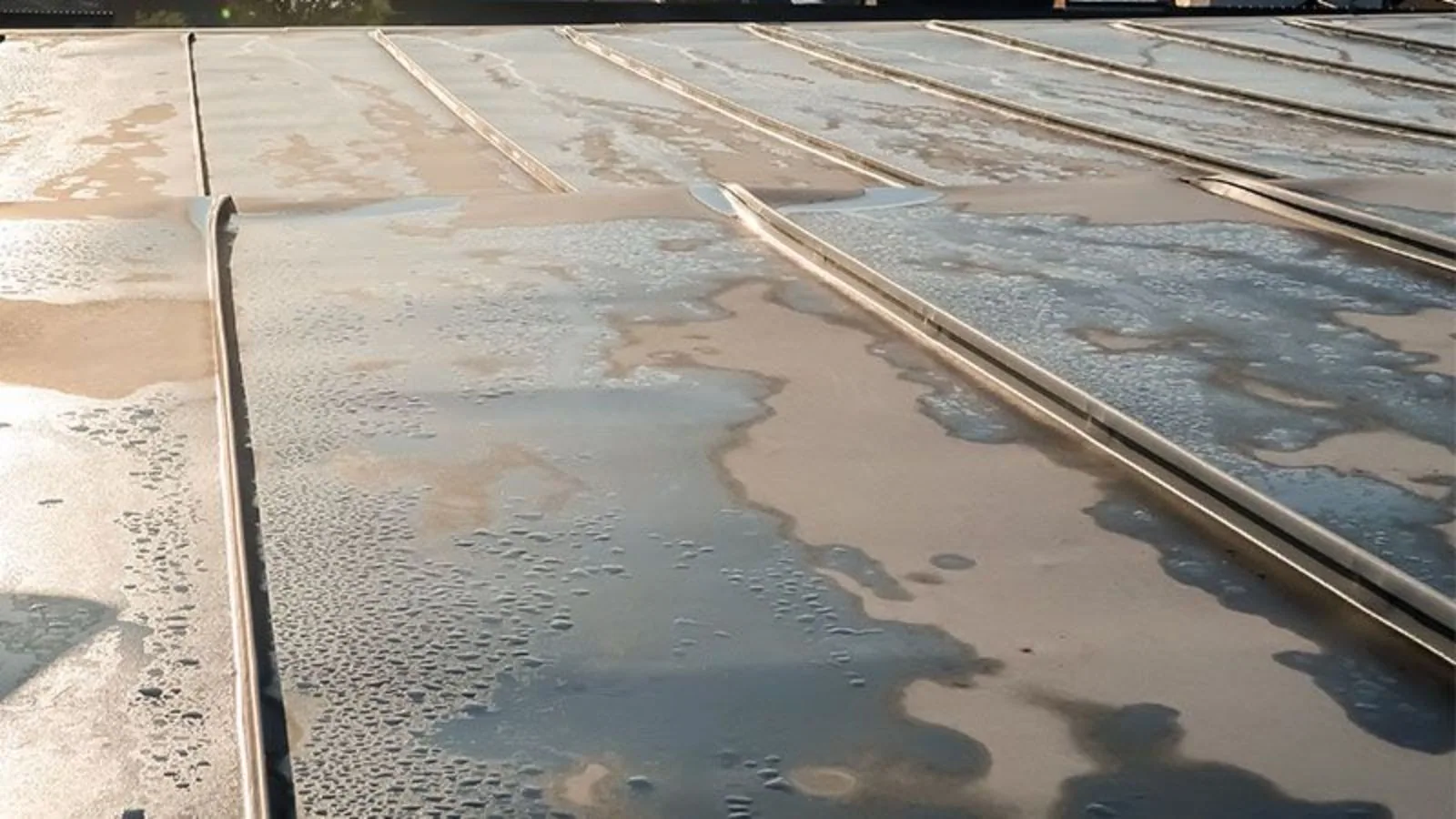
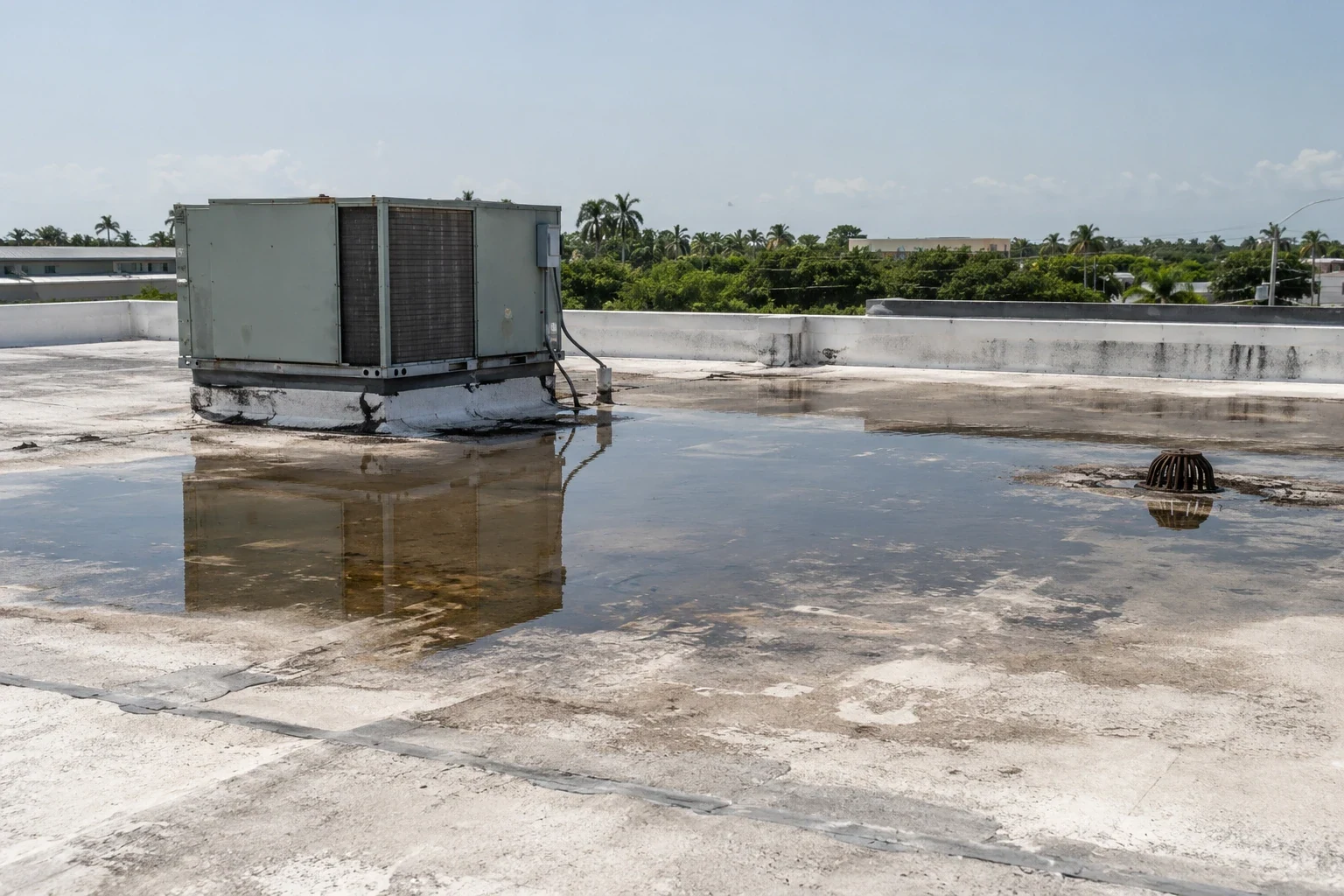
We identify the building, roof section, edge, and direction of each confirmed finding. Photographs show the close condition and enough surrounding context to locate it again. Damage can include displaced edge metal, a torn membrane, puncture from debris, broken rooftop equipment, or an opened flashing transition. These are recorded as separate items because each repair uses different materials and may follow a different path through the assembly.
Palm Bay recorded an F-1 tornado in 2005. The field inspection identifies which roof zones at the current site show damage. We compare the owner’s account, available event information, and physical evidence. If wind or cyclone impacts also appear, a wind-damage inspection or a separate hurricane assessment can keep the records focused on the reported event.
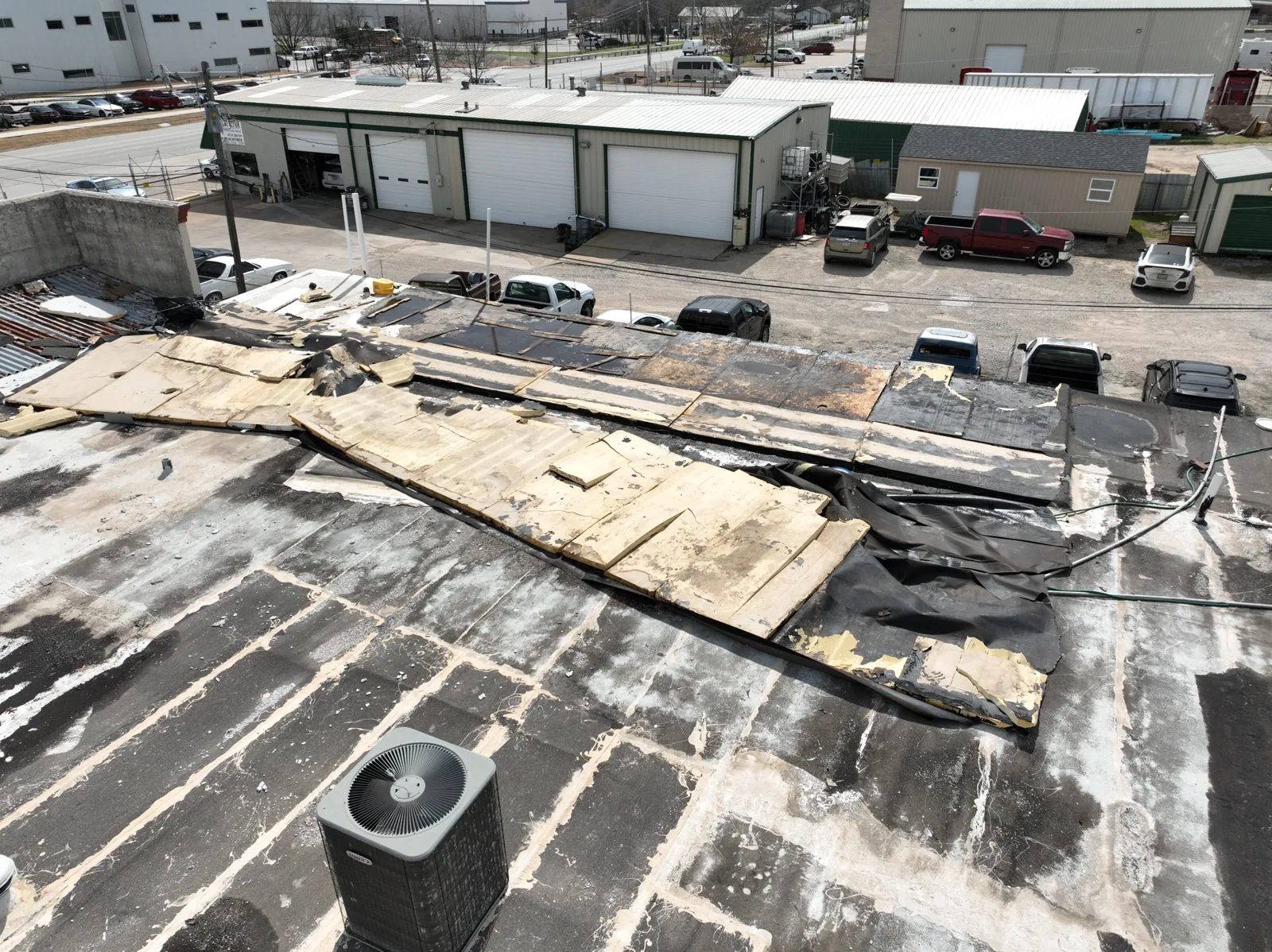
After access is safe, we inspect perimeter attachment, panel or membrane movement, seams, penetrations, and rooftop equipment supports. We look for fresh breaks and compare them with weathering or prior repairs in the same area. A displaced component may expose insulation or deck. We document the opening before covering it and note whether water has reached the interior. A roof photo records condition at that time; it cannot show what was concealed beneath an intact surface.
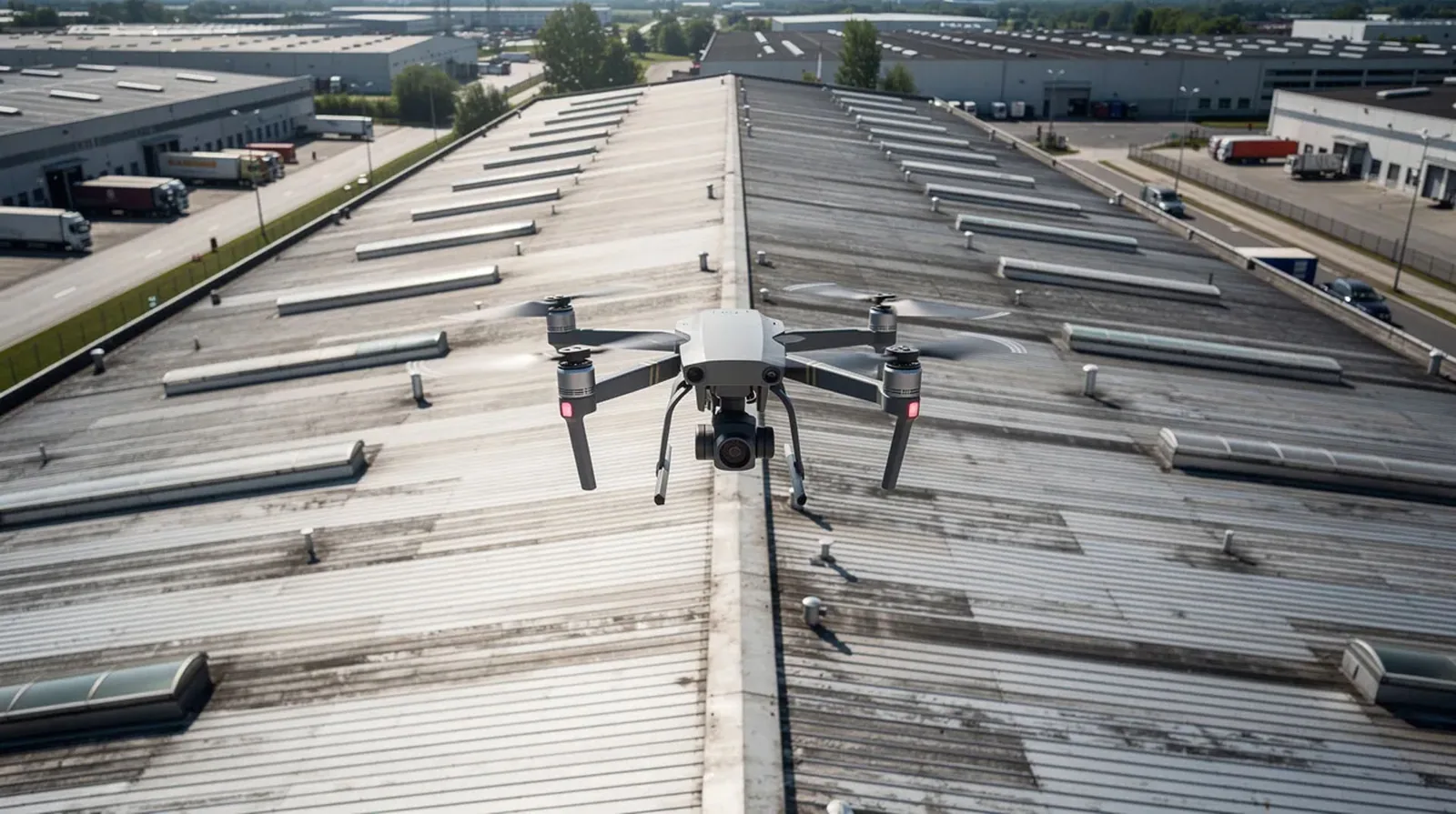
If the building remains closed or debris blocks access, the first report states that limit. A drone view can help map larger areas, while hands-on inspection is needed to test a suspected seam or attachment. The drone survey record identifies image coverage and any blind spots. An infrared survey or test opening can investigate moisture that is not visible from above.
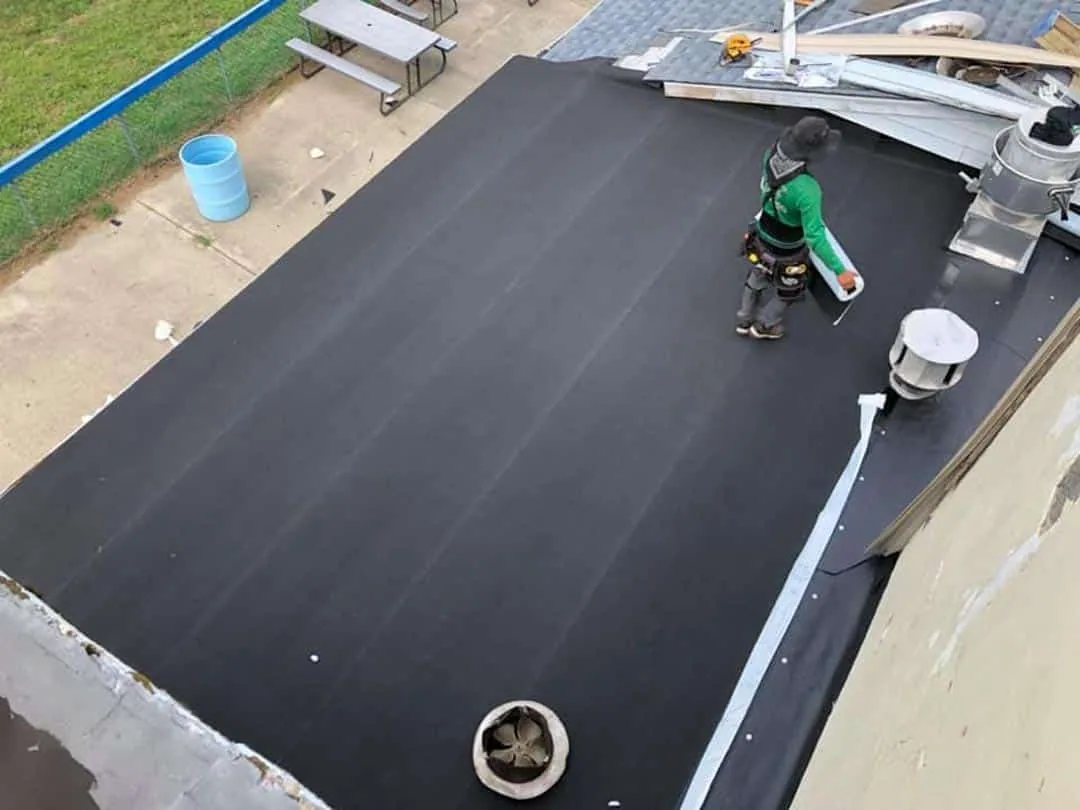
Temporary protection covers immediate exposure while permanent repair details are confirmed. We document where the cover begins and ends, how it is secured, and what condition requires a return. If rain is forecast, roof protection and interior containment may need coordination. Temporary protection limits exposure while insulation moisture and the larger assembly remain inspection questions. The closeout keeps temporary and permanent work in separate entries.
After safe access is approved, document the opening, affected interior area, temporary protection, and return step. For occupied buildings near Palm Bay Hospital on Malabar Road or the Palm Bay VA Clinic on Babcock Street, access contacts and interior operations should be identified before roof work. The property contact identifies the affected building and access route before inspection. An urgent roof response can document an active opening and arrange a follow-up when conditions allow.
A small puncture may take a localized patch when the membrane and substrate around it remain sound. A long open edge or multiple detached seams can require a larger section. Damage to a curb, support, or flashing needs its own detail and material. We define each repair boundary, state assumptions about hidden layers, and identify test openings that could change the work. The scope does not treat every surface in the reported path as damaged without inspection evidence.
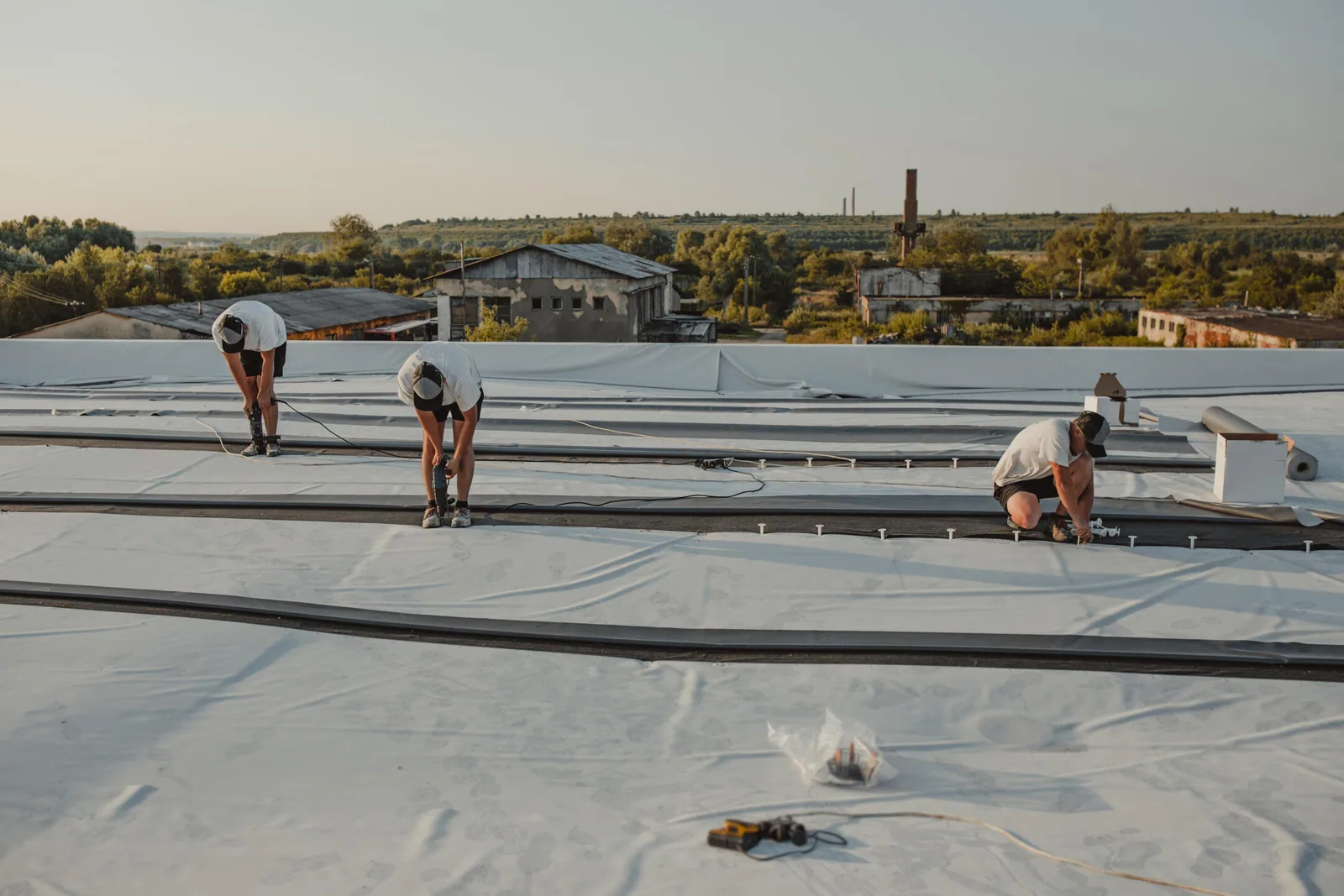
Cost and timing reflect roof height, material type, access, debris removal, wet insulation, weather, and building operations. Emergency protection can happen before the full repair proposal if exposure is active. A commercial roof repair scope lists the confirmed tasks and exclusions. If removal reveals concealed damage, photographs and a revised boundary are reviewed before added work proceeds.
The closeout pairs the event date with photographs, roof zones reached, observed damage, temporary protection, and completed repairs. It notes any areas that could not be inspected and identifies follow-up testing. If an interior leak was reported, the record states whether the roof findings fit that location. This supports maintenance and claim documentation without turning a nearby tornado report into proof for a particular building.
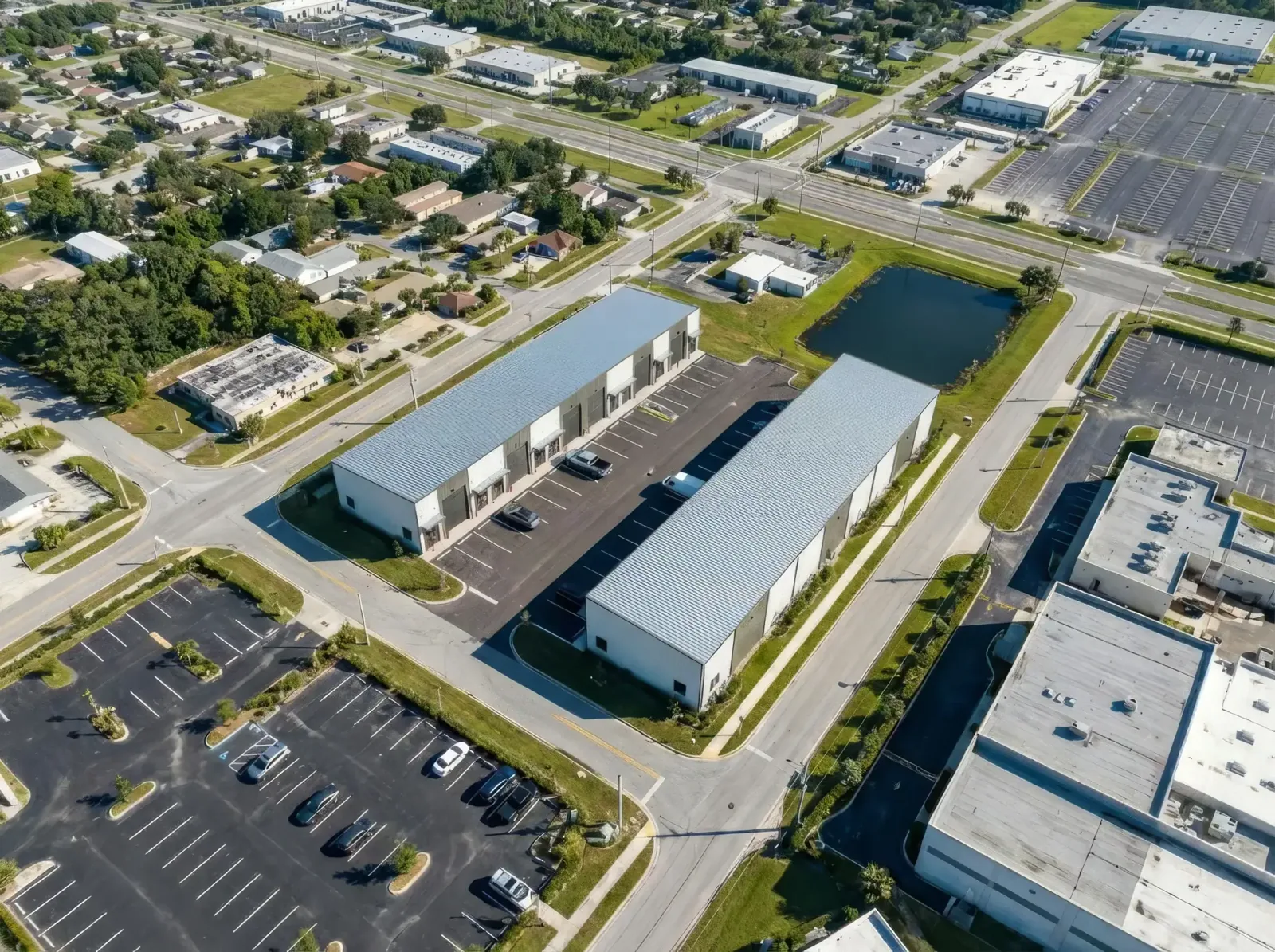
Port Malabar Industrial Park includes industrial, office, retail, and other commercial spaces. Near Palm Bay Flex Business Park, modular units and light industrial activity can create different access arrangements. We confirm the actual property contact, roof plan, permitted entry point, and any tenant restrictions before the crew carries materials onto the roof. A dated roof condition report can preserve unresolved findings for a later inspection and show which work closed the documented boundary.
Learn more →
Learn more →
Learn more →
Learn more →
Learn more →
Learn more →
Learn more →