
Active local weather warning
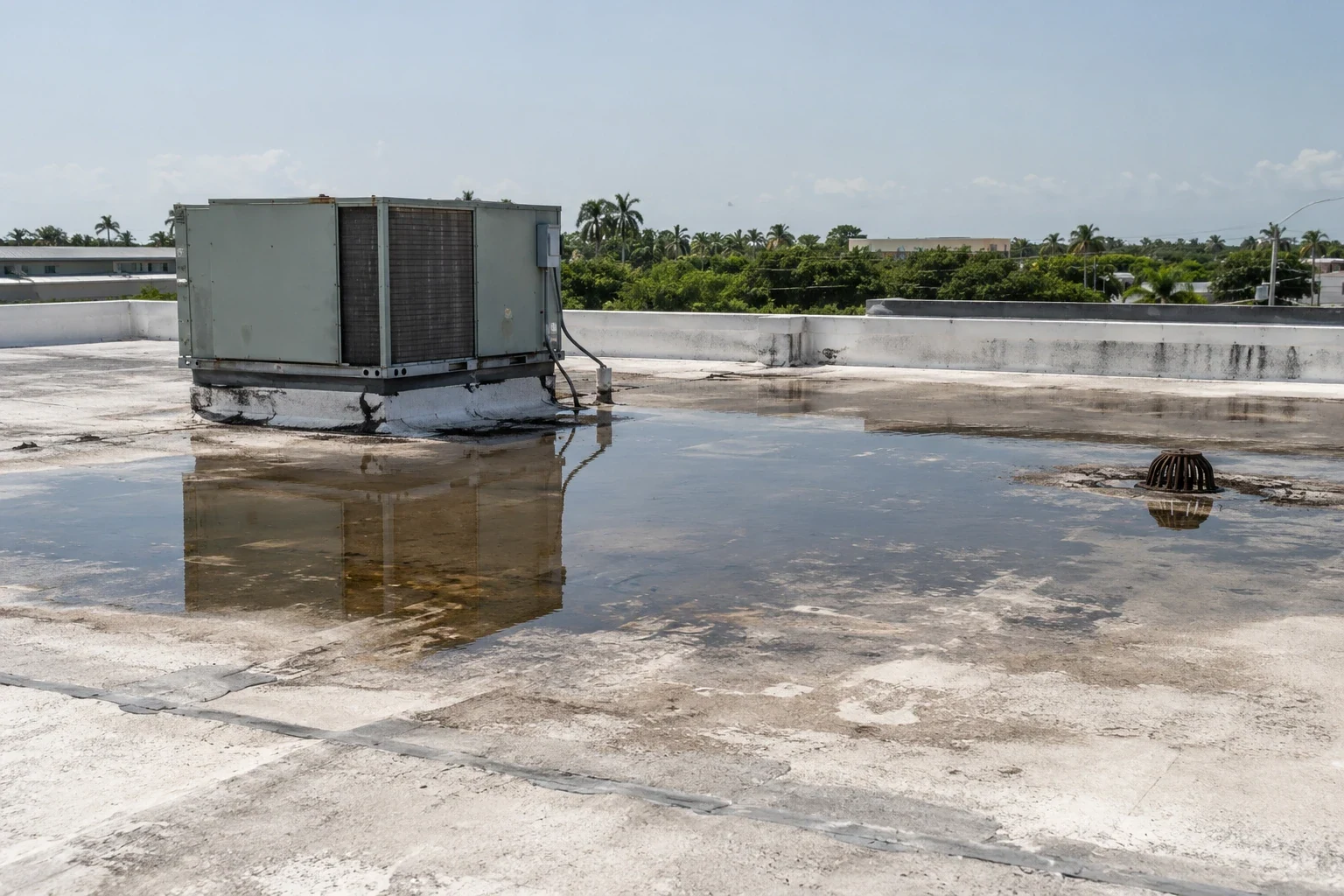
The National Weather Service has issued a coastal flood warning covering Palm Bay. Heavy rain and drainage loading can expose roof leaks, blocked drains, and ponding water. This is a weather exposure advisory; it does not establish damage to a specific roof.
Do not access a roof during hazardous weather. Protect people first, avoid water near electrical equipment, and request roofing help when conditions permit.
National Weather Service · Updated Oct 28, 2026, 6:40 AM UTC
After a hurricane, the first roof question is where exposure changed. We record the reported event, access conditions, active water, and roof zones that can be safely reached. Palm Bay weather records include Hurricane Irma, Hurricane Ian, and Hurricane Nicole. Those events give regional context. It does not confirm that a specific building lost membrane attachment or that every roof area was affected.
During Irma, one Palm Bay reporting point about 2.7 miles south-southeast recorded 13.23 inches of rain. Another location recorded 11.10 inches. Those measurements are tied to the named event and reporting points. For a building near The Crossings at Babcock or the Palm Bay Industrial Center, the inspection still needs direct evidence: displaced metal, open seams, punctures, interior staining, or compromised drainage at that property.
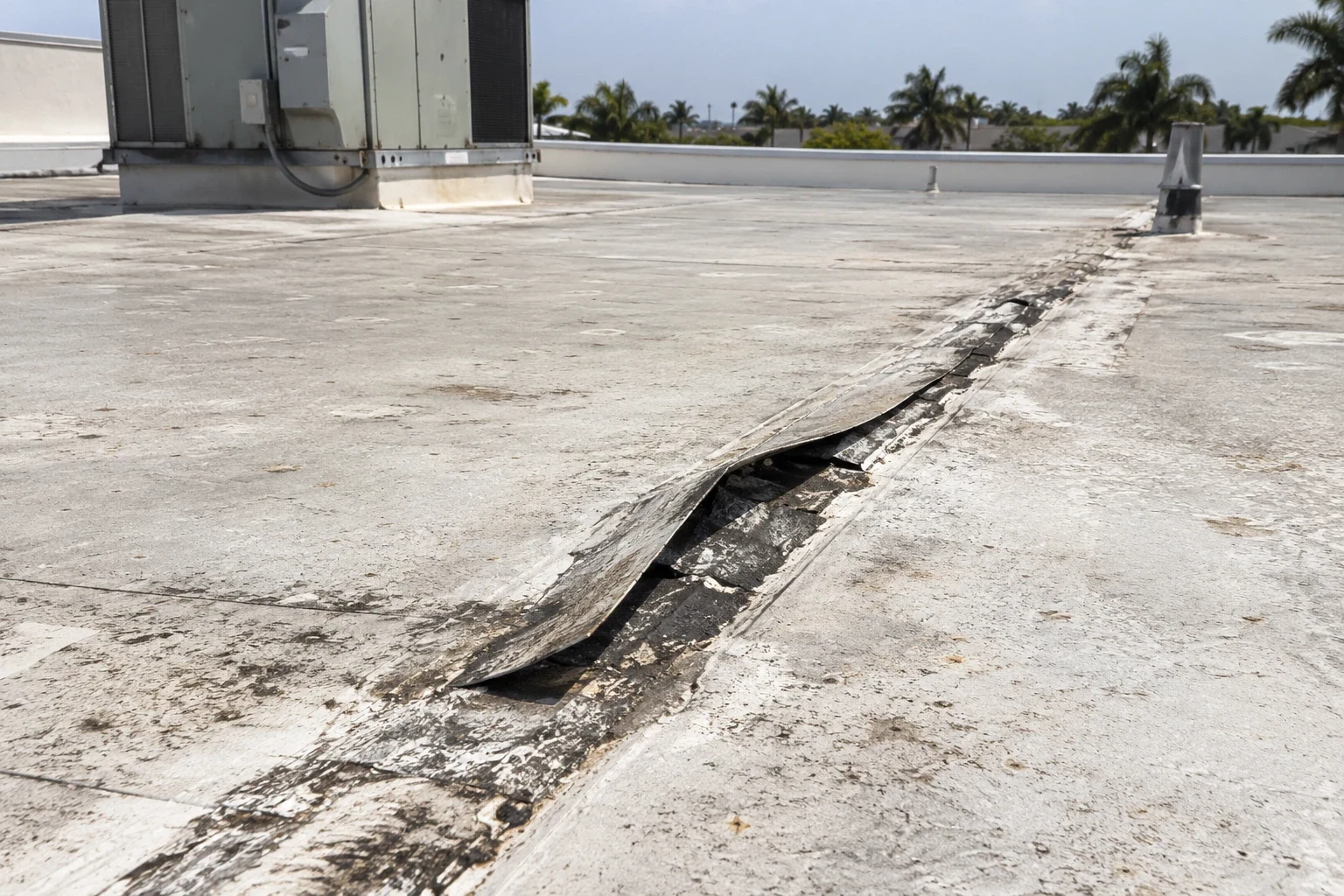
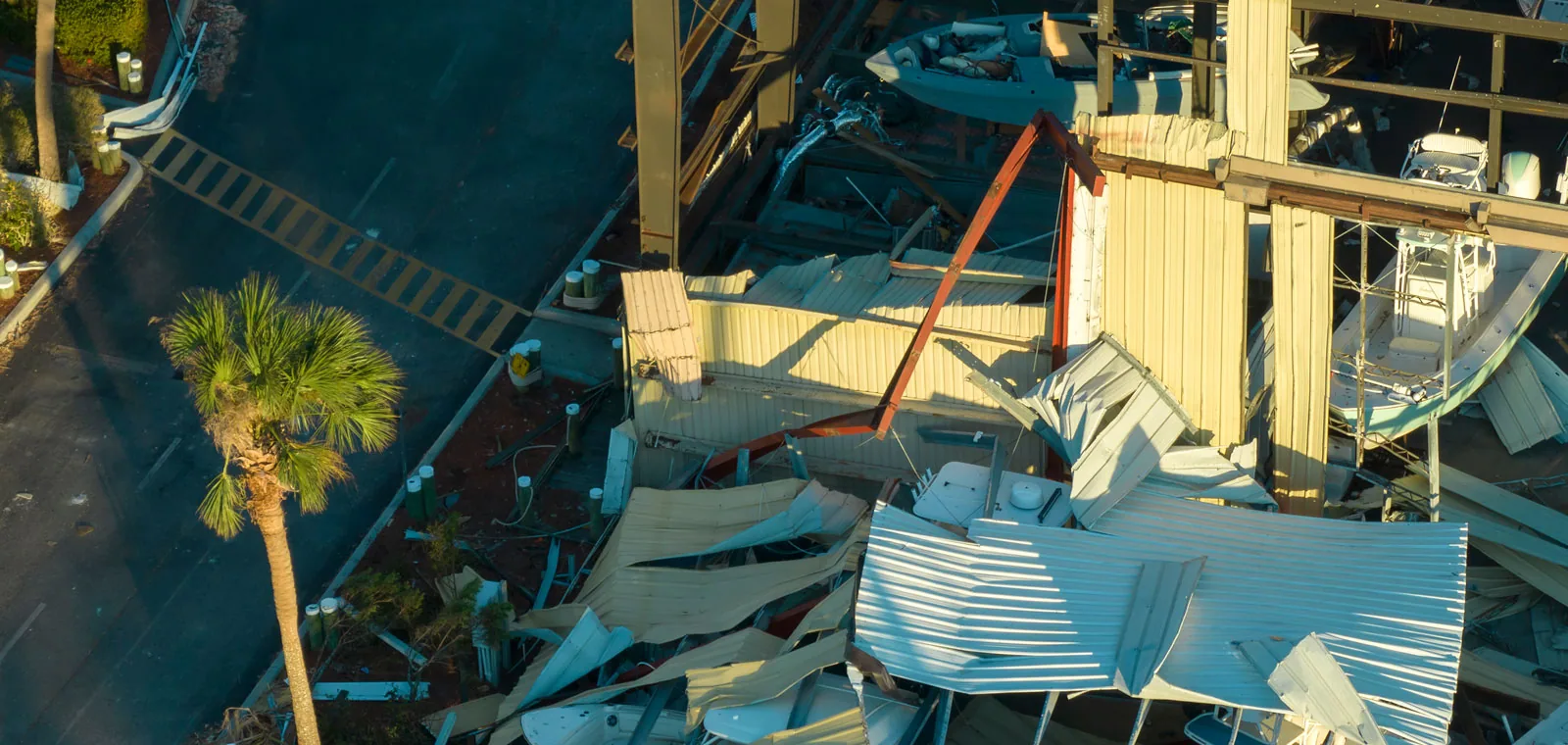
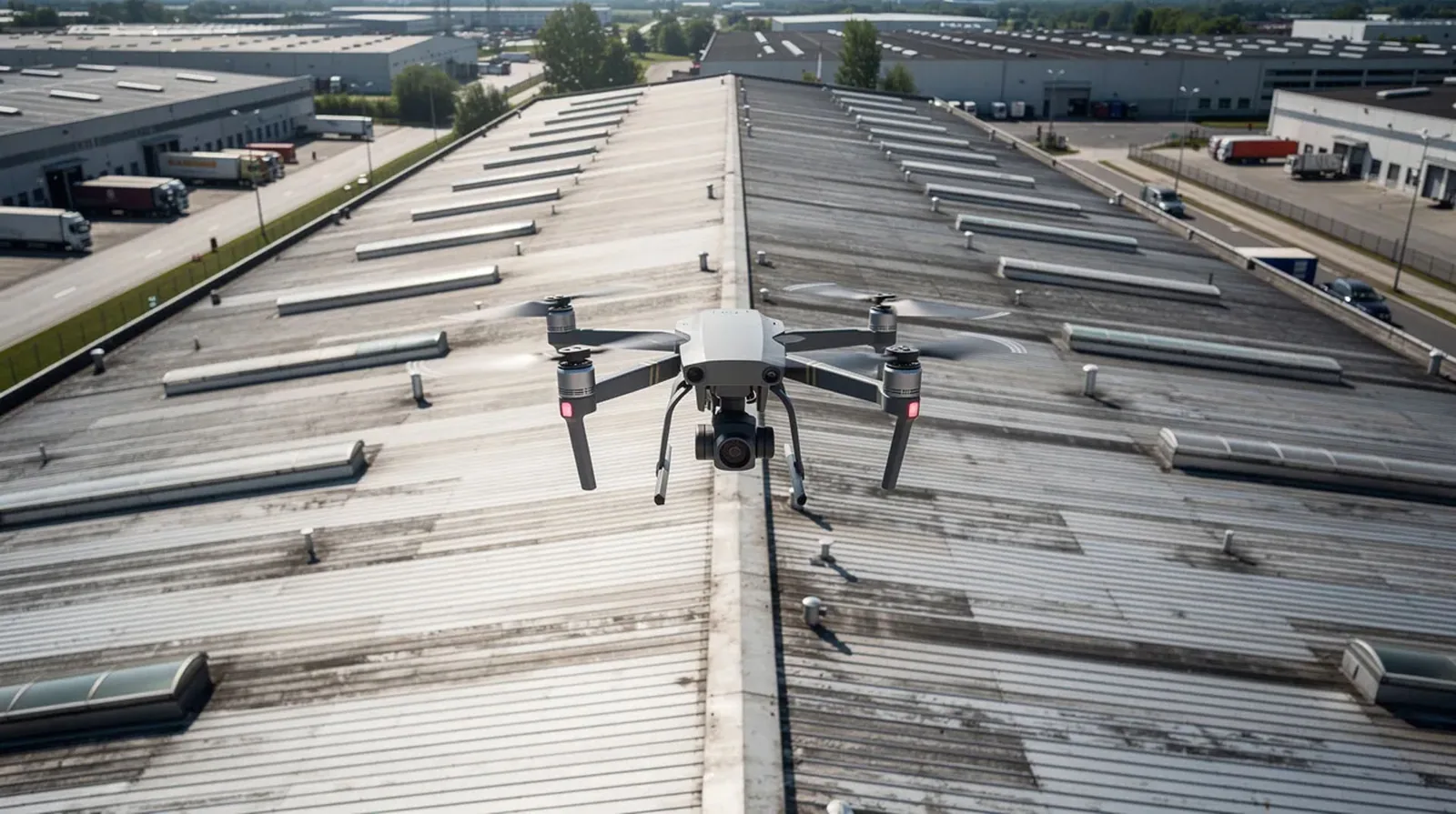
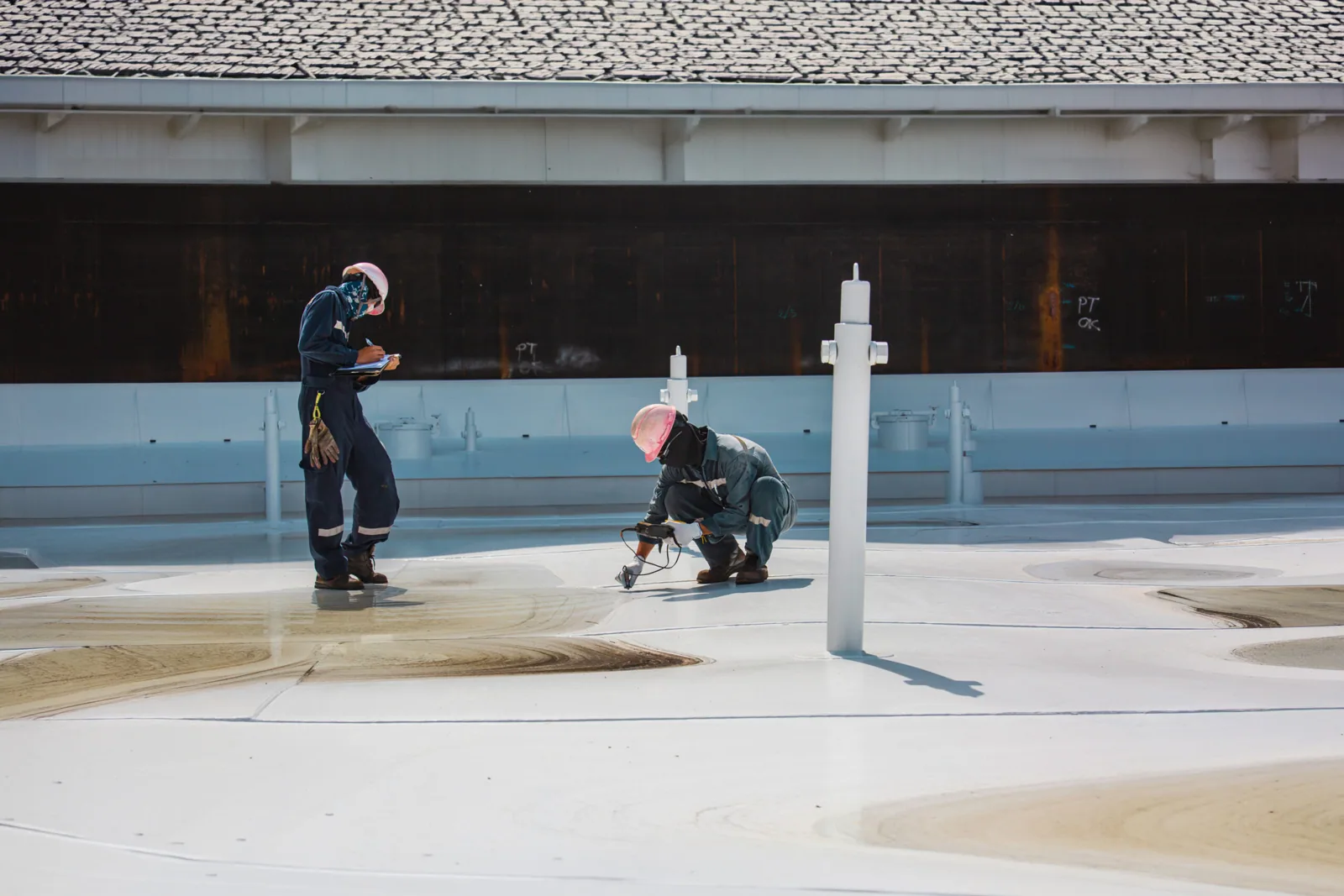
We start with the event date, property contact, reported condition, and any changes since the storm. Roof access may be limited by debris, standing water, damaged ladders, or ongoing building operations. The report lists zones inspected and areas not reached. A drone view can help document broad surface conditions, while close inspection is needed to test a seam or attachment. Each method is named so the reader can tell what the evidence does and does not show.
Photographs capture roof-zone context and a close view of the finding. We record whether a component is lifted, bent, detached, split, or wet. Pre-existing deterioration is noted separately when visible. The owner can compare an event-related wind inspection with a drainage assessment when both concerns appear. One condition should not be used as proof of the other.
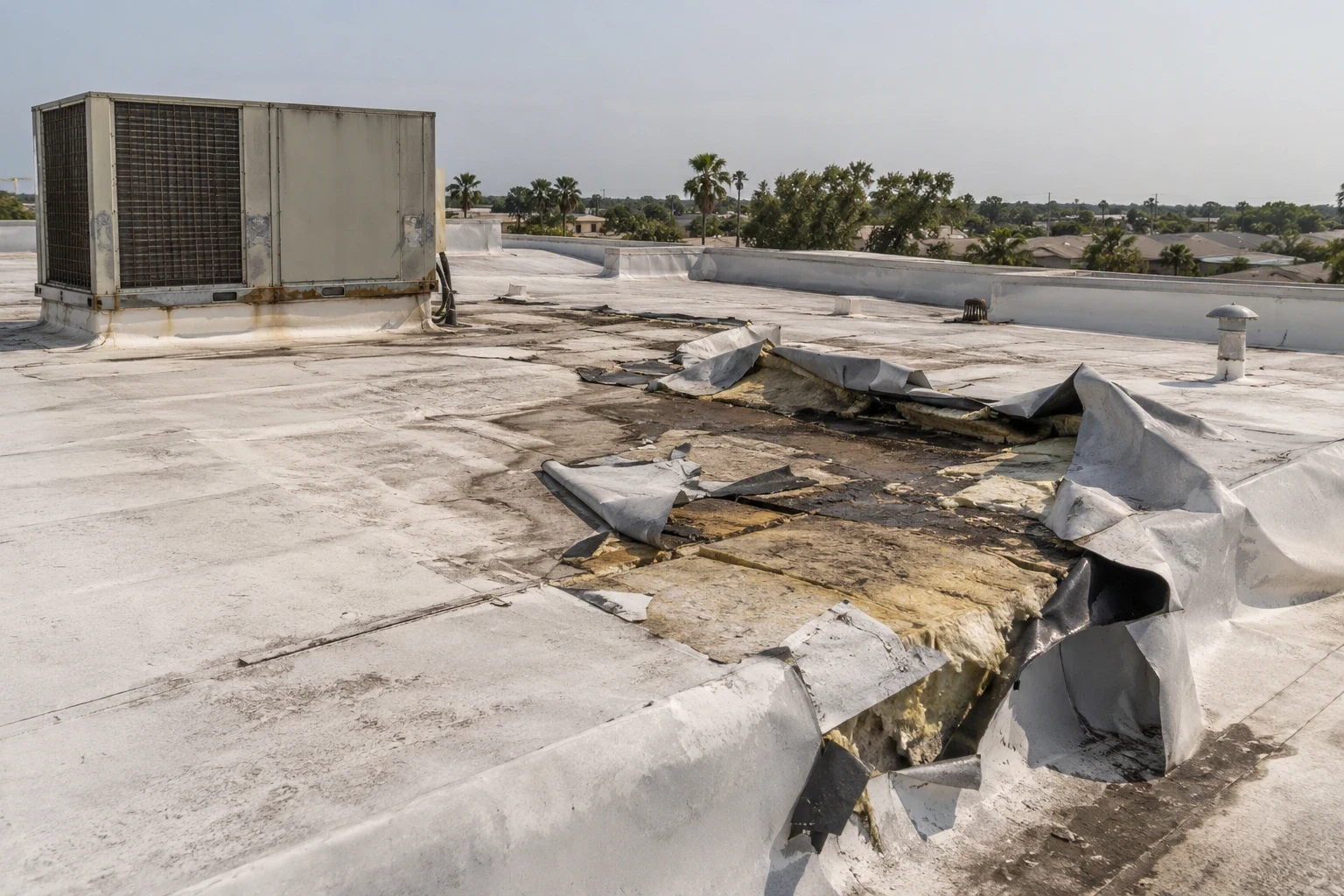
Hurricane wind and rain can affect edges, corners, rooftop equipment, wall transitions, seams, and drains. We check attachment at perimeter metal and inspect membrane laps for openings. Curbs and penetrations are reviewed for movement, failed sealant, or torn flashing. We also look for debris impact and puncture. The inspection traces a visible water path toward the reported interior location without assuming that the nearest roof defect caused the stain.
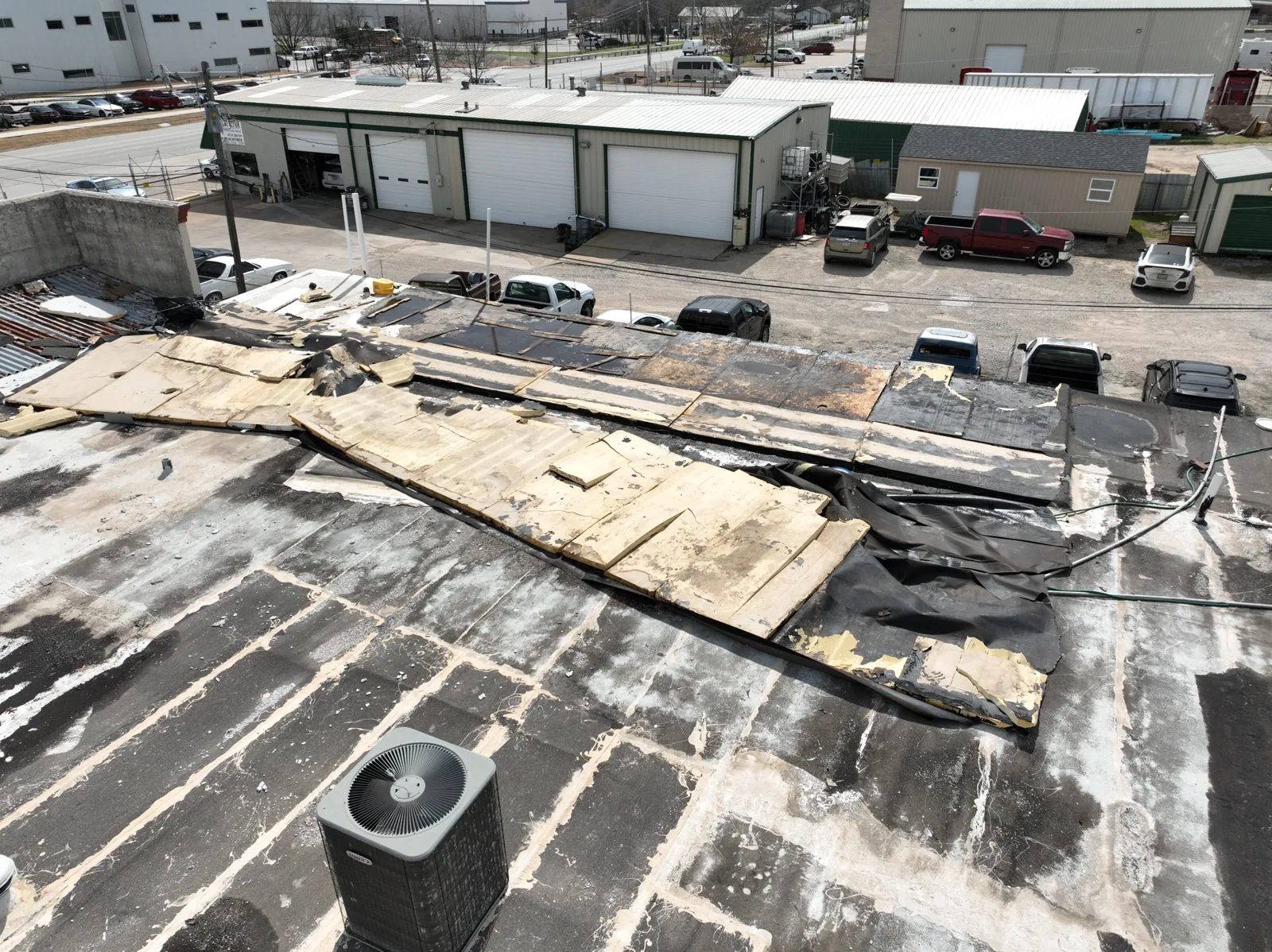
Moisture can travel below the membrane before it becomes visible inside. If surface findings cannot resolve the question, an infrared survey or controlled test opening may be appropriate. A drone inspection can document areas where walking is restricted, but it does not replace hands-on checks at suspect details. We state any limitation plainly and list the next test needed to confirm a concealed condition.
An active opening can need temporary coverage before a permanent repair is ready. The protection record names the affected zone, material used, limits, and return plan. It is distinct from the permanent scope. If water is entering an occupied area, we coordinate access and containment with the property contact. A rapid cover should not conceal a second opening or imply that wet insulation has been removed.
For an urgent roof report, record active water, address, access contact, safety limits, and the next inspection window. The Palm Bay Hospital campus on Malabar Road and the VA Clinic on Babcock Street serve ongoing operations. Their presence does not tell us what happened to any roof during a storm, but it makes access planning and work sequencing important at occupied properties. The emergency response record captures the initial condition and any temporary measure.
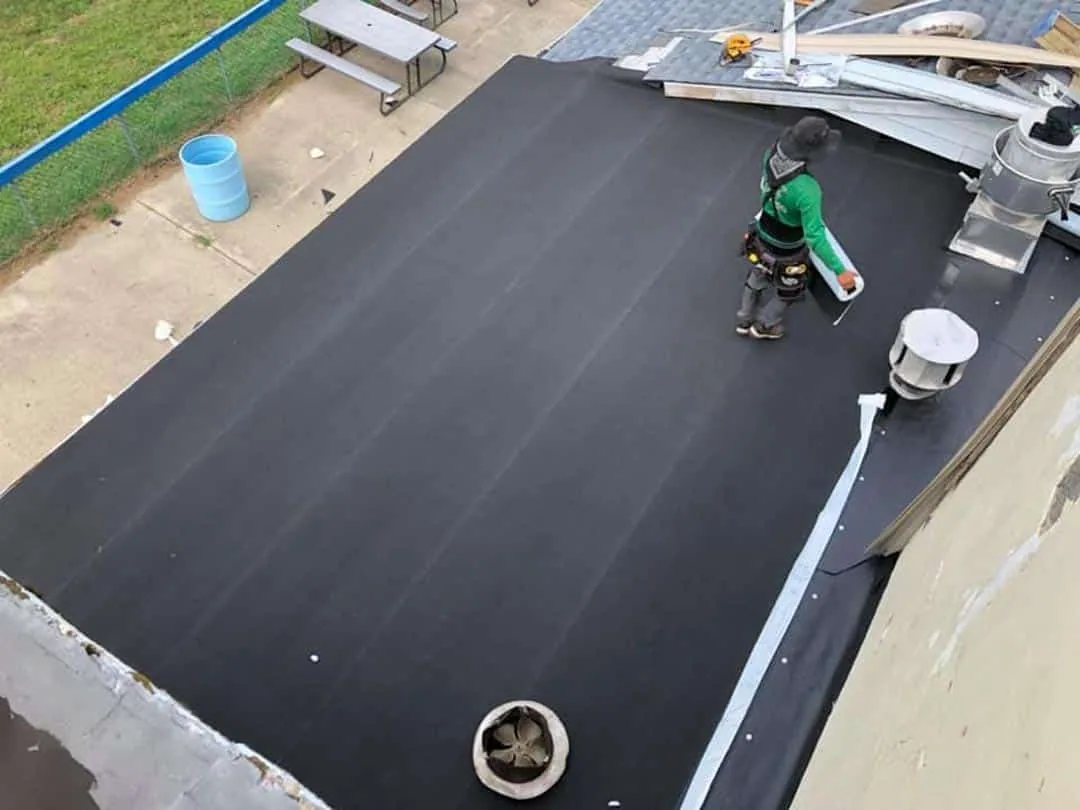
Permanent repair depends on what inspection confirms. A local edge repair, seam restoration, flashing replacement, or membrane patch may work when adjacent material is sound and dry. Broader removal can be necessary where attachment released along a run or moisture is present below the surface. We define the repair boundary and identify assumptions about concealed layers. If the boundary changes during removal, photographs and owner review come before added work.
Timing and cost depend on material, access, weather, substrate, disposal, and the area that needs protection. Palm Bay's warm-season rain can constrain surface preparation, while actual conditions on the work date determine installation. A claim documentation package can include dated observations and photographs. It records inspection evidence without representing what an insurer will decide. Repair recommendations remain tied to inspected conditions and the roof assembly at the building. We list the material, quantity or area, preparation, and expected access sequence. If hidden damage appears during removal, work pauses for photographs and scope review before the repair boundary changes.
The closeout lists event date, roof zones inspected, observed damage, temporary protection, permanent repair boundary, and areas left unresolved. Before-and-after photographs show the work. We note whether water entry was checked after repair and whether follow-up is pending. If a roof was wet or inaccessible during the first visit, a later inspection can complete the record when conditions allow.
Commercial buildings in the Palm Bay Industrial Center and retail properties at The Crossings at Babcock may have different roof access and operating schedules. We verify those details with the property contact. A later condition report can retain unresolved findings and maintenance needs. The next storm review then has a dated baseline instead of a broad, unverified claim about the whole roof.
Learn more →
Learn more →
Learn more →
Learn more →
Learn more →
Learn more →

Learn more →
Learn more →