
Active local weather warning
The National Weather Service has issued a coastal flood warning covering Palm Bay. Heavy rain and drainage loading can expose roof leaks, blocked drains, and ponding water. This is a weather exposure advisory; it does not establish damage to a specific roof.
Do not access a roof during hazardous weather. Protect people first, avoid water near electrical equipment, and request roofing help when conditions permit.
National Weather Service · Updated Oct 28, 2026, 6:40 AM UTC
A wind report starts the inspection record. It does not establish which roof zones lost attachment, opened at a seam, or admitted water. Hurricane Irma rainfall reached 13.23 inches at a Palm Bay gauge south-southeast of the city. That dated measurement describes regional weather, not the condition of a specific roof. At a specific property, we document the event date, reported condition, access limits, and visible evidence before defining a repair boundary.
We photograph displaced edge metal, lifted membrane, damaged rooftop items, and interior staining as separate observations. A loose piece on the ground may connect to a roof opening, or it may not. Port Malabar listings include industrial, office, and retail properties; the 5200 Professional Center has office suites on Babcock Street; and Bayside Lakes Shopping Center has a Publix grocery store. Access and roof layout vary by building. The record should name the building and roof zone, not assume one event affected every surface. If water is active, temporary protection is documented apart from permanent work.
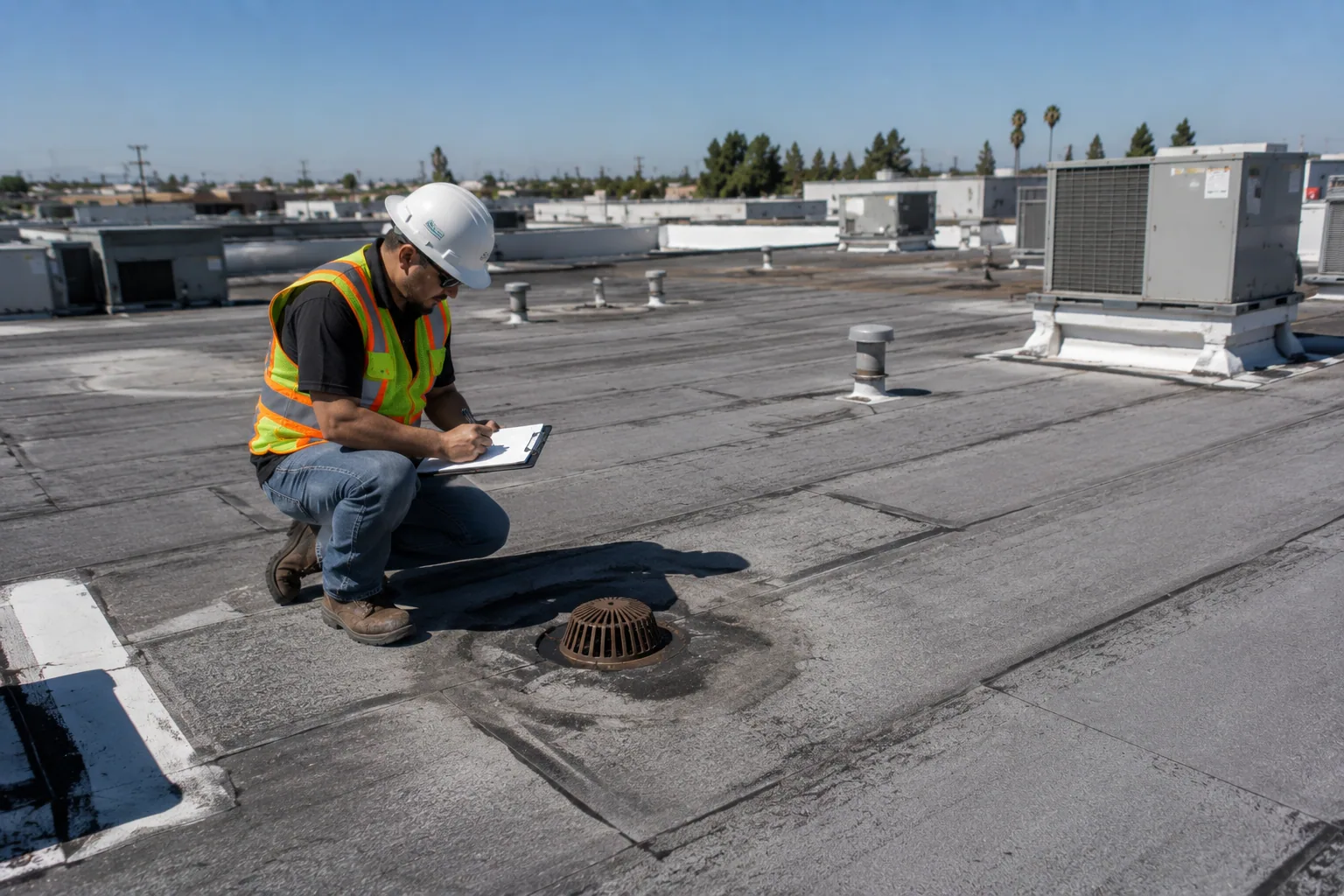
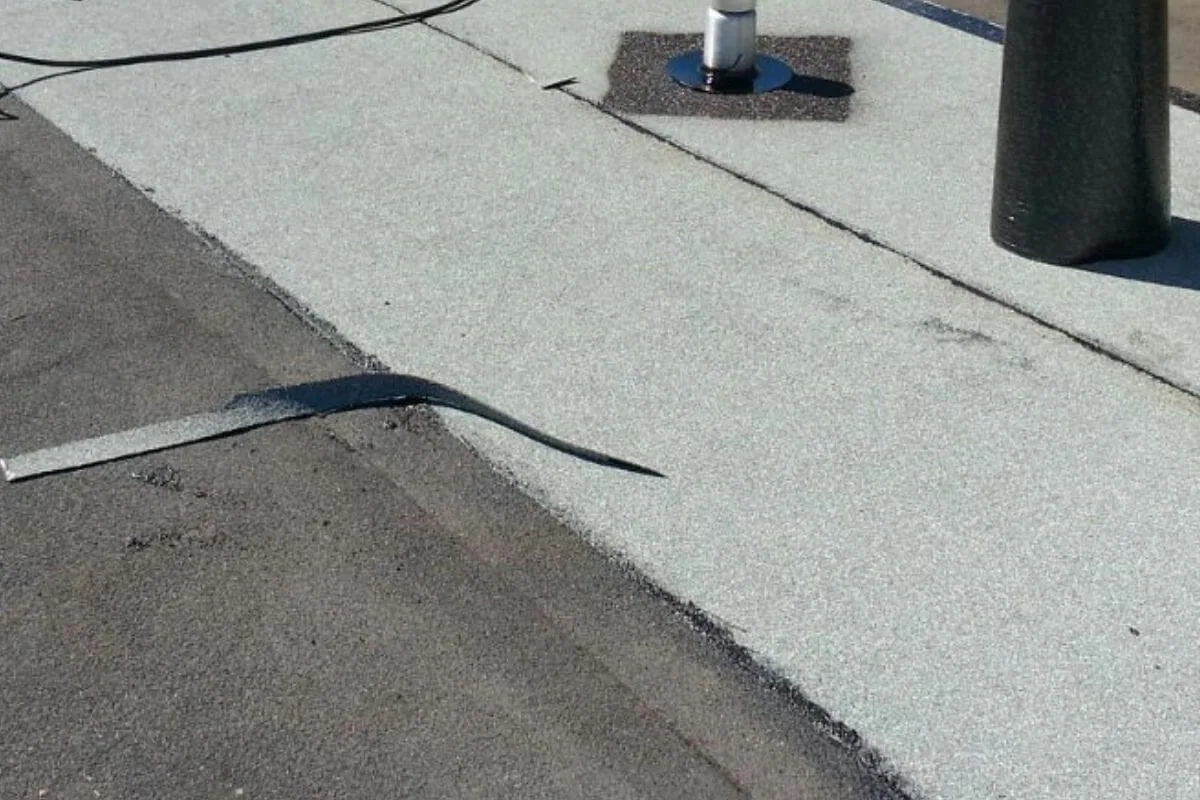
A wind-damage assessment begins with the reported event and the evidence still present. We check perimeter metal, corners, roof-to-wall transitions, penetrations, seams, and rooftop equipment supports. The inspection notes whether a component is displaced, split, loosened, or simply aged. Photographs show the view and roof zone. We also record areas that could not be reached safely, so the closeout does not imply complete coverage where access was limited.
Melbourne climate normals show hot summer conditions, while Palm Bay records include surveys for Irma, Ian, Nicole, and a 2005 F-1 tornado. Neither regional climate nor a storm name proves damage at a particular address. A hurricane-related inspection uses the same evidence boundary. The finding comes from the roof itself: attachment, membrane condition, water path, and any interior report connected to the observed opening.
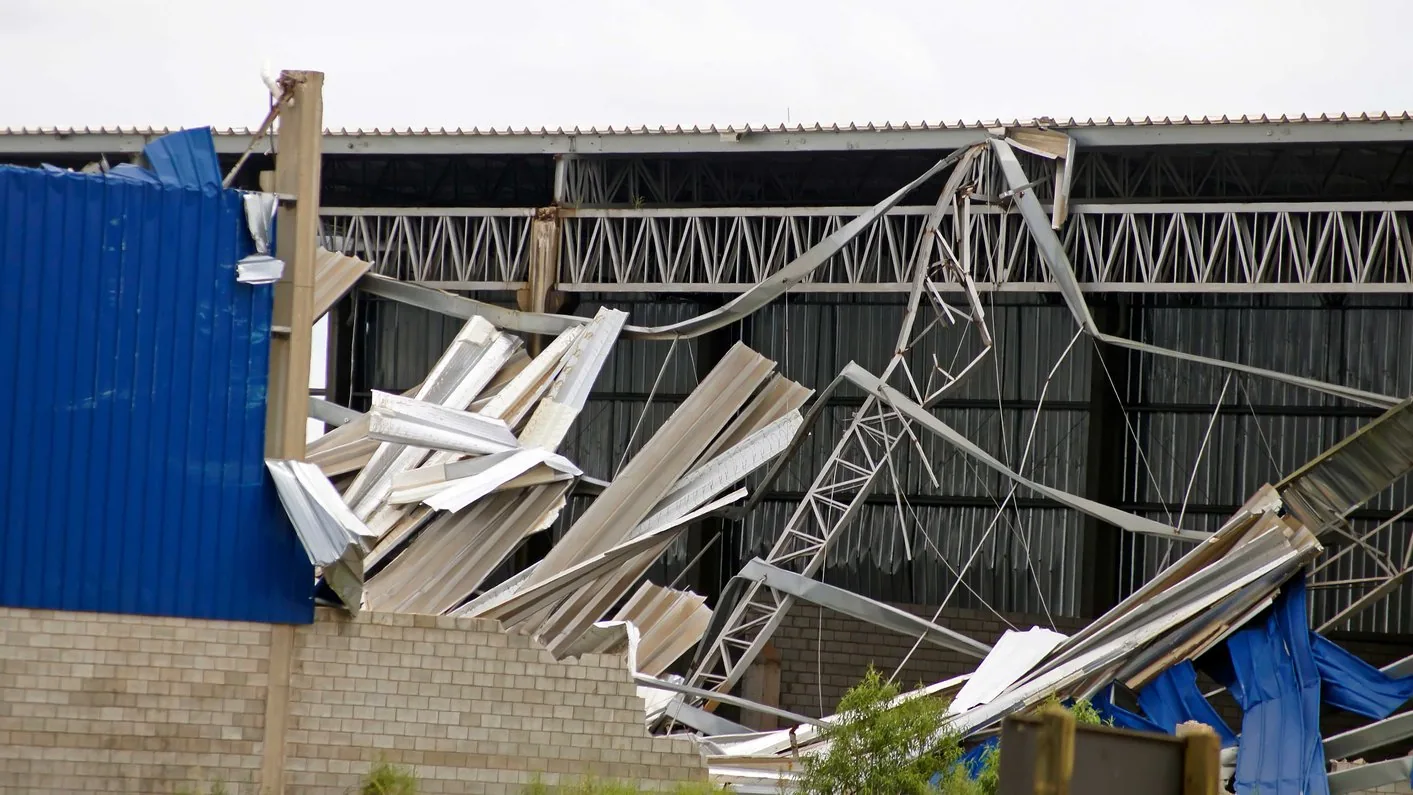
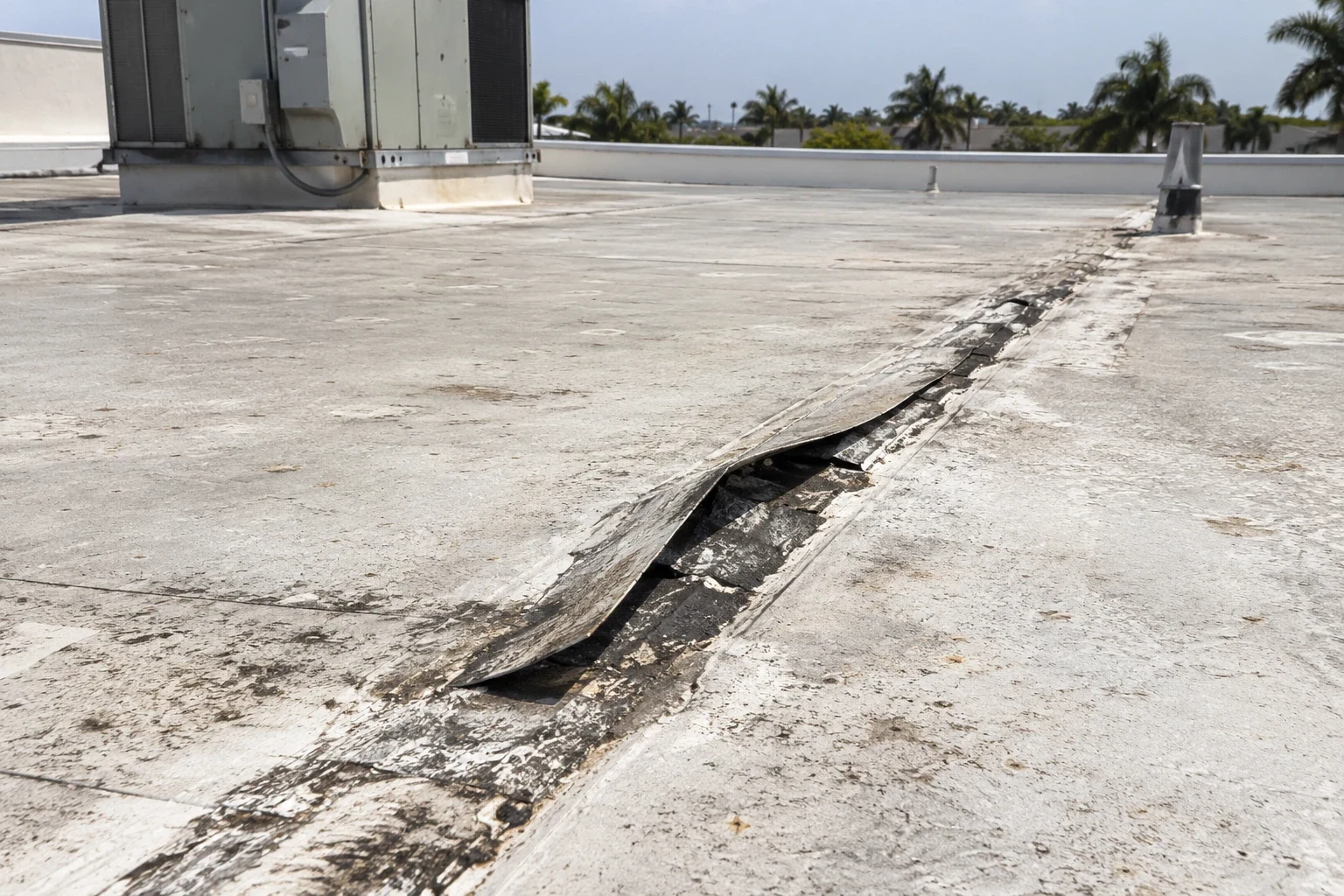
Wind can expose weak attachment at roof edges, but the inspection must identify the actual failure. We check coping and edge metal for movement, fasteners for pullout, and membrane for separation from the termination. At field seams, we look for an open lap or a break that continues beyond the visible surface. Curbs, conduit supports, and other penetrations get their own notes because movement around one item can create a small but active water path.
The repair boundary may cover one detail, a connected run, or several roof zones. We explain the basis for that boundary in the written scope. A split seam repair can require different materials and preparation from a loose edge termination. Where the roof system changes, the assessment records each material and transition instead of treating the whole assembly as one surface. Hidden wet insulation remains an unresolved condition until testing or an opening confirms it.
Wind-driven rain can enter through a small opening and travel before it appears indoors. We compare the interior report with the roof zone above it, then trace visible paths across seams, penetrations, and drainage routes. The Palm Bay Hospital campus on Malabar Road and the retail uses at Palm Bay Station have different interior schedules and access needs. Those facts do not establish roof conditions. They do show why a repair plan must identify occupied areas, access contacts, and any operation that cannot pause.
Temporary protection addresses active exposure while the permanent scope is prepared. The note states what was covered, the limits of that protection, and when a return inspection is needed. It does not substitute for a durable repair. A round-the-clock emergency response can address an active opening on weekends or holidays. The follow-up checks whether the temporary measure held and whether further water reached the assembly.
A localized repair may be suitable when the damaged area is accessible, the surrounding material can accept a compatible repair, and inspection finds no broader failure. Replacement of a detail or a larger section may be needed when attachment has released along a run, substrate is compromised, or repeated patching cannot produce a sound boundary. We distinguish observed damage from an allowance for concealed conditions. A test opening can confirm what lies below the membrane when surface evidence is not enough.
Timing depends on safe access, rain exposure, material compatibility, roof condition, and the need to protect occupied space. Palm Bay receives substantial annual rainfall in nearby Melbourne station normals, with higher monthly normals in June and September. That regional pattern is a scheduling consideration, not a forecast for the work date. We coordinate the sequence, surface preparation, and any dry-time requirements with the actual roof system. The repair scope identifies what is included and what observation could change it.
The closeout record pairs dated photographs with the event date, reported condition, roof zones inspected, repair boundary, and work completed. It lists areas not reached and conditions that remain unresolved. If interior staining was reported, the record states whether the roof observation connected to that report or whether more investigation remains. A photo-based condition report can support maintenance planning after the immediate repair is complete.
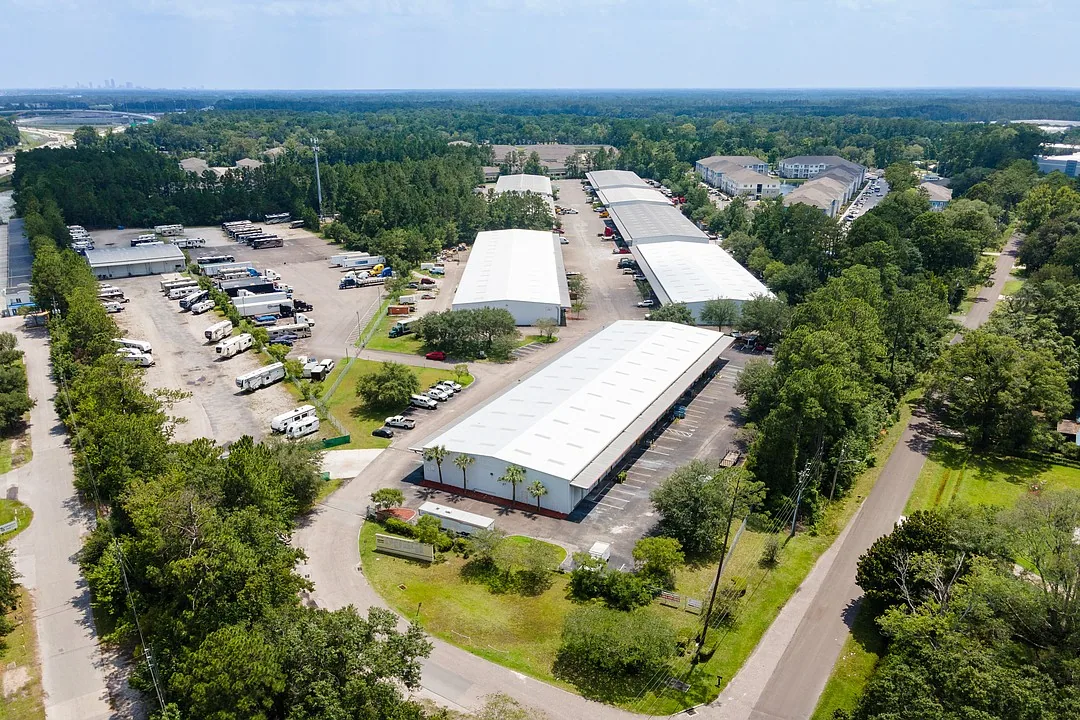
For a property near the Port Malabar Industrial Park, the access route and tenant schedule may shape how inspection proceeds. Other properties along Babcock Street or the Bayside Lakes trade area have different constraints. We ask for the event date, affected zone, access contact, and any active leak. That information lets the inspection begin with a defined scope and end with a record that can be checked later.
Learn more →
Learn more →
Learn more →
Learn more →
Learn more →
Learn more →