
A temperature pattern can direct attention to a roof area, but it does not identify the layer that is wet. Our infrared moisture survey in Palm Bay, FL maps suspect zones under suitable conditions, then checks selected locations with physical testing when the project calls for it. The report separates the thermal reading, visible roof condition, and confirmed material condition. That distinction matters before a contractor removes insulation or prices a recovery. Every scan has a date, boundary, and limit tied to the roof surface and weather at the time.
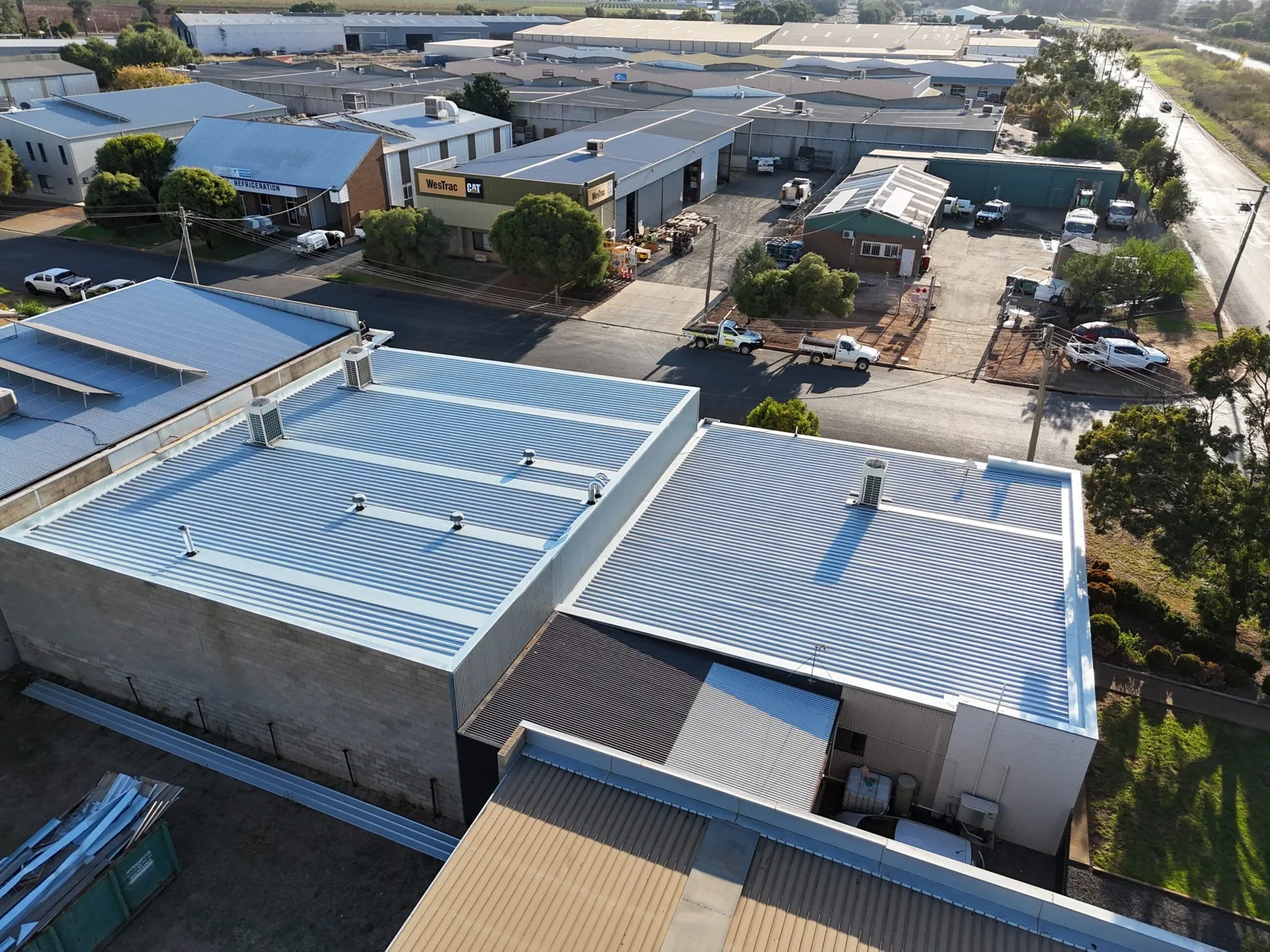
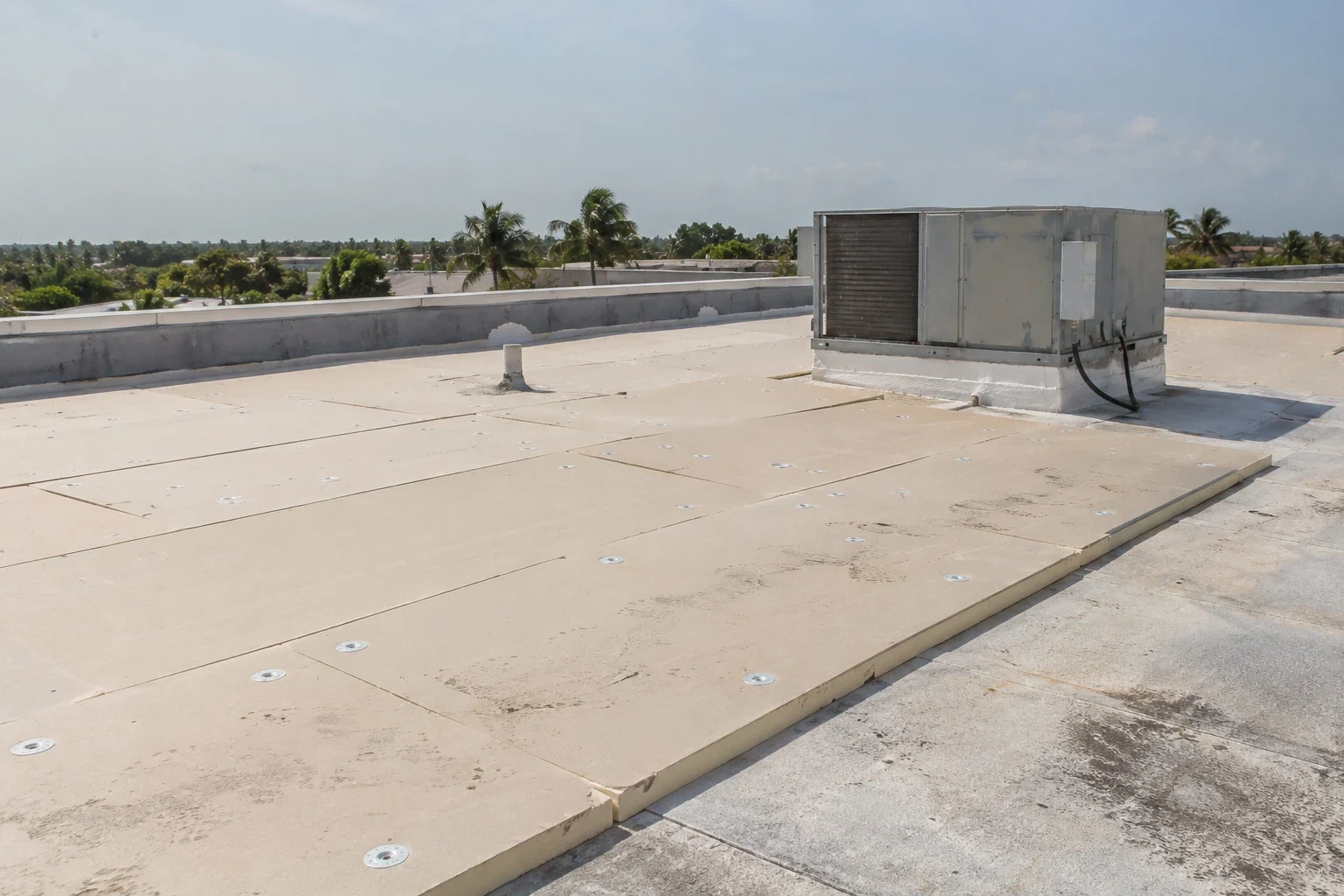
Infrared work depends on a useful temperature difference between the roof assembly and the surrounding air. Recent rain, cloud cover, wind, surface material, ballast, shadows, and heat from rooftop equipment can change the pattern. We review the roof type, recent weather, and survey window before mobilizing. If conditions do not support a reliable scan, the report states that and we adjust timing or use another method.
Nearby Melbourne climate normals show high summer temperatures and frequent seasonal rainfall. During Hurricane Irma, one Palm Bay gauge south-southeast of the city recorded 13.23 inches of rain. This is a nearby, event-specific measurement. The survey still relies on conditions at this roof and the timing of the scan. A rainfall total does not prove moisture below the membrane.
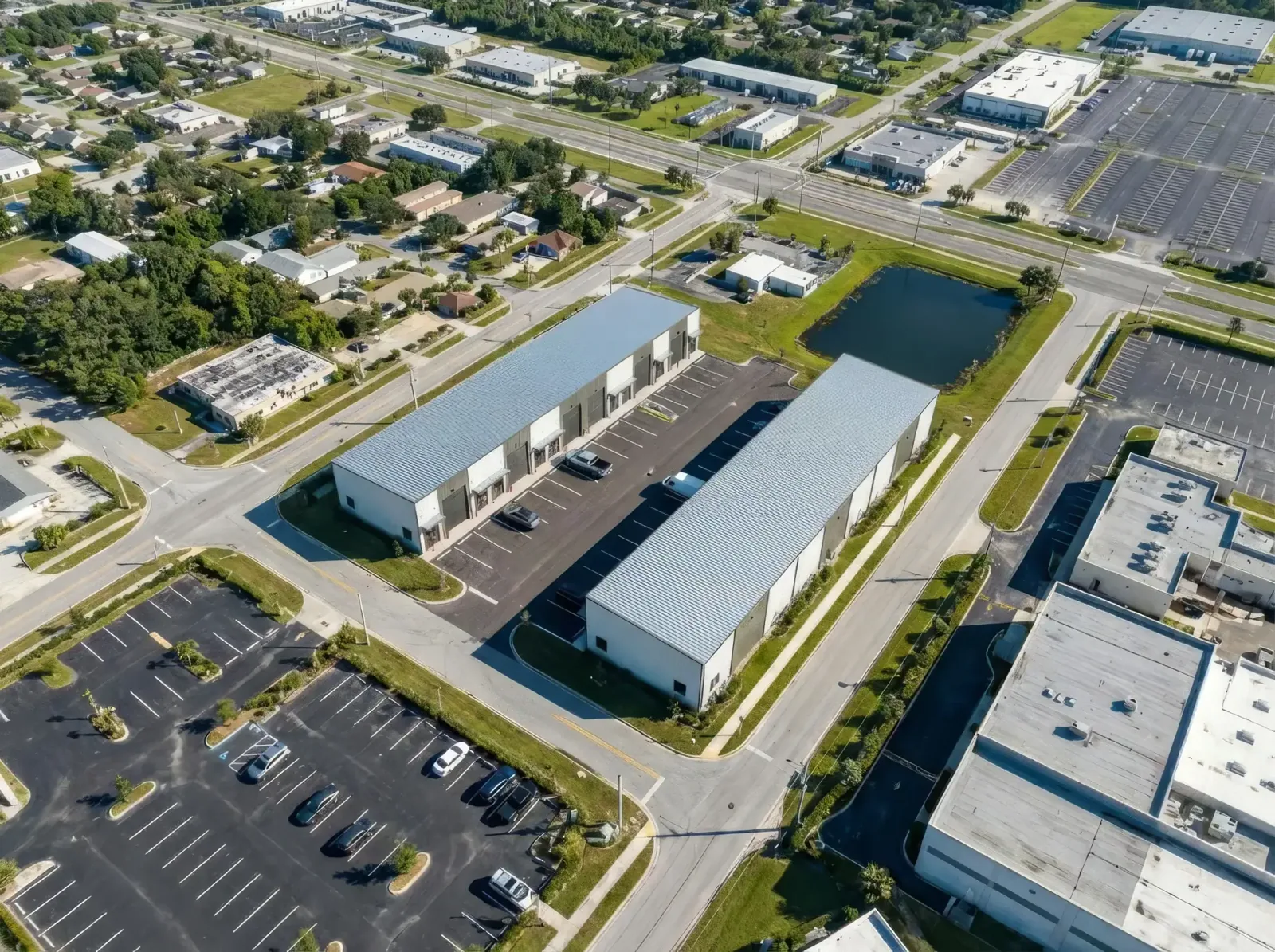
We confirm the building address, roof access, safe travel path, areas of concern, and available roof drawings. The plan notes HVAC schedules or equipment that could affect thermal readings. A flex business park survey may cover several tenant units. At the Palm Bay Hospital Campus, access and operating areas require coordination with the facility contact. We label buildings and zones before scanning to keep readings from adjacent roof sections separate.
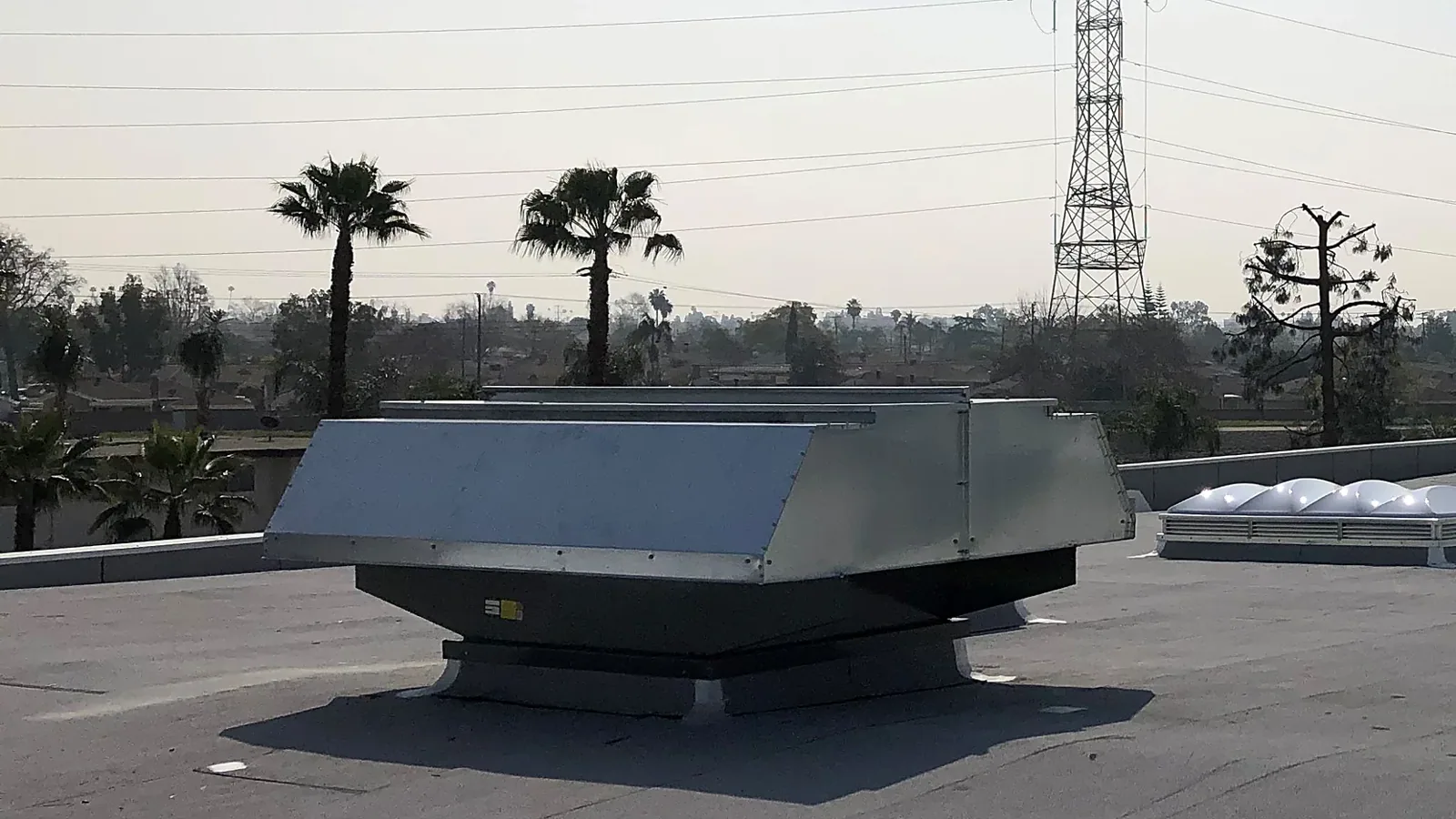
The survey follows a planned path across the roof and records temperature variations that may indicate a difference below the surface. The operator compares patterns with roof transitions, drains, equipment, patches, and known leak reports. We do not interpret every warm or cool area as wet insulation. A reading that does not align with the roof layout may come from a different material, a shadow, or heat released by equipment.
Results are plotted or photographed with the roof zones identified. We compare the pattern with visual conditions and the owner’s reported leak history. Selected areas can receive test cuts or other approved physical checks. A test cut confirms only the sample location and layers exposed there. If testing is not included, the report keeps the finding labeled as suspect rather than confirmed moisture.
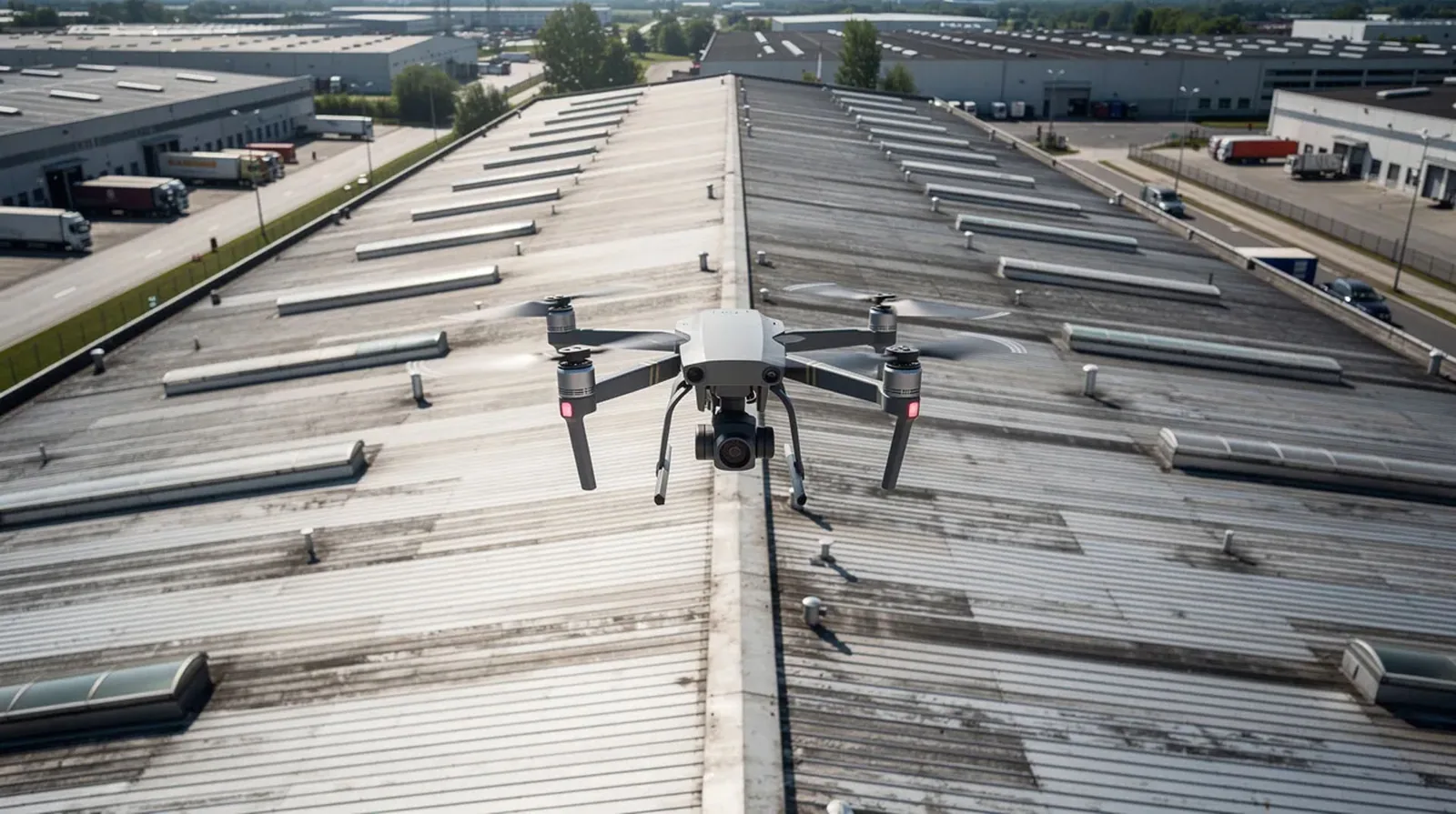
A hands-on roof inspection looks at seams, flashing, edge details, drains, and penetrations that thermal images cannot evaluate. A drone survey can add a broader visible map for large or hard-to-reach roofs, but it does not replace thermal scanning or test openings. Each method answers a different question.
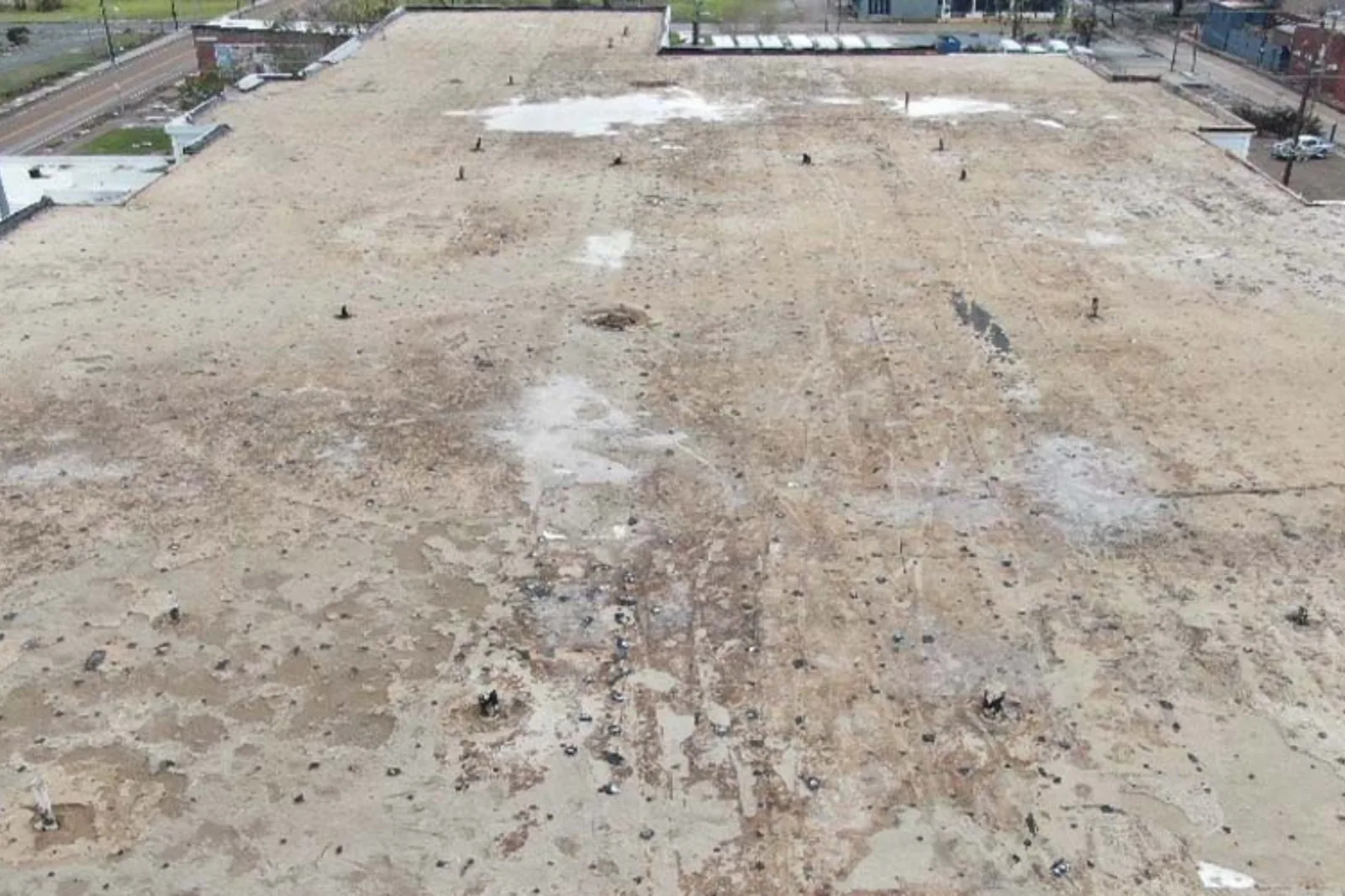
The deliverable marks scan boundaries, suspect patterns, test locations, and areas that could not be scanned. It identifies date, roof system if known, relevant weather conditions, and the inspection limits. A thermal anomaly becomes a stronger repair lead when it aligns with a leak report, wet ceiling, visible membrane damage, or positive test result. The report keeps those evidence types distinct.
Moisture distribution can cross an apparent patch boundary. A few sample points may not represent an entire roof field. We identify why each test location was selected and whether additional testing could change the scope. The condition report can combine these results with photographs and prior service records so a general contractor can see what is confirmed and what remains open.
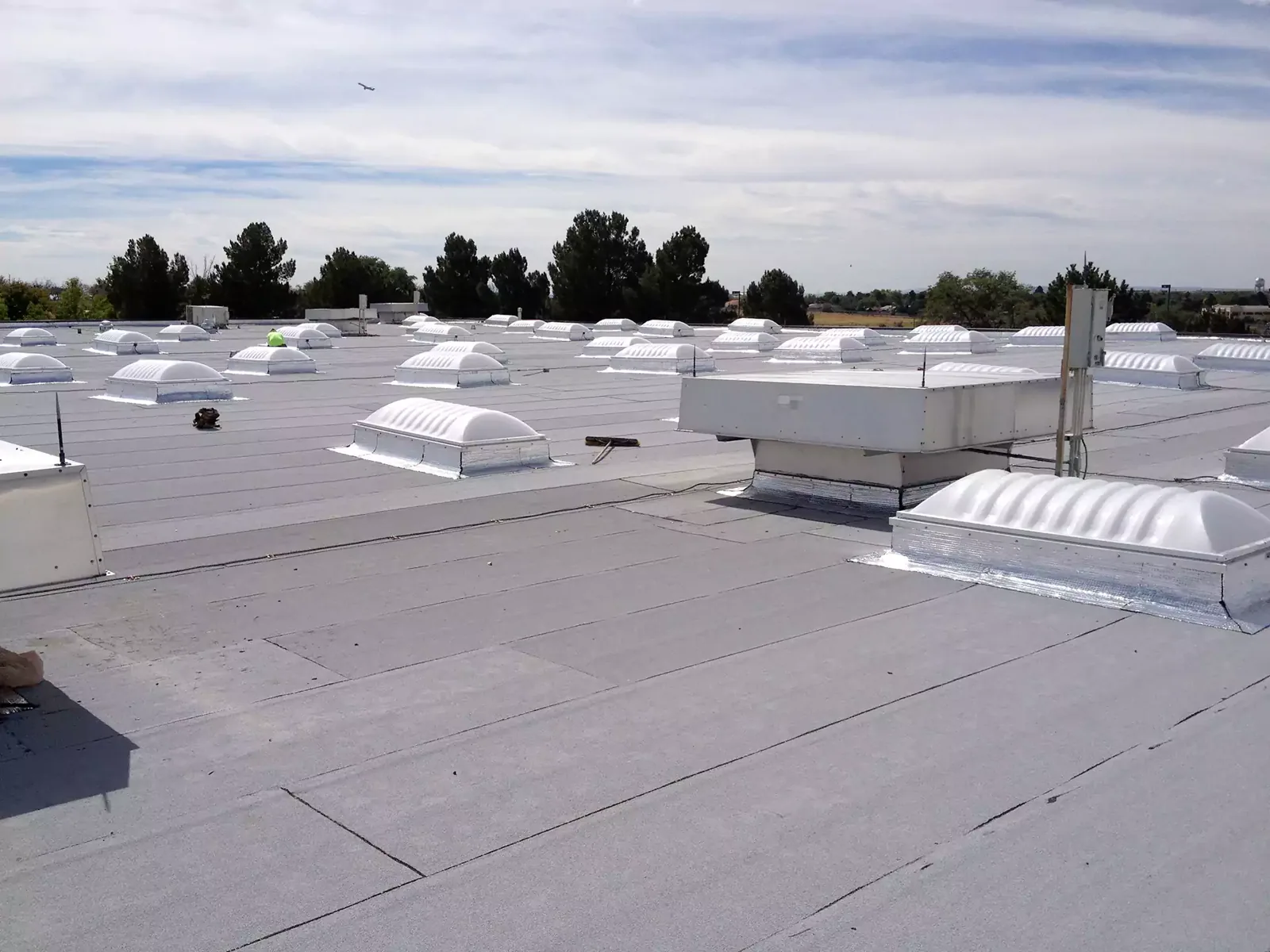
Industrial and technology properties near the Palm Bay employment corridor may have rooftop equipment that creates warm zones. We account for equipment locations in the scan map. We do not conclude that the equipment caused moisture or membrane failure without supporting evidence. The final interpretation is specific to the roof section and data collected.
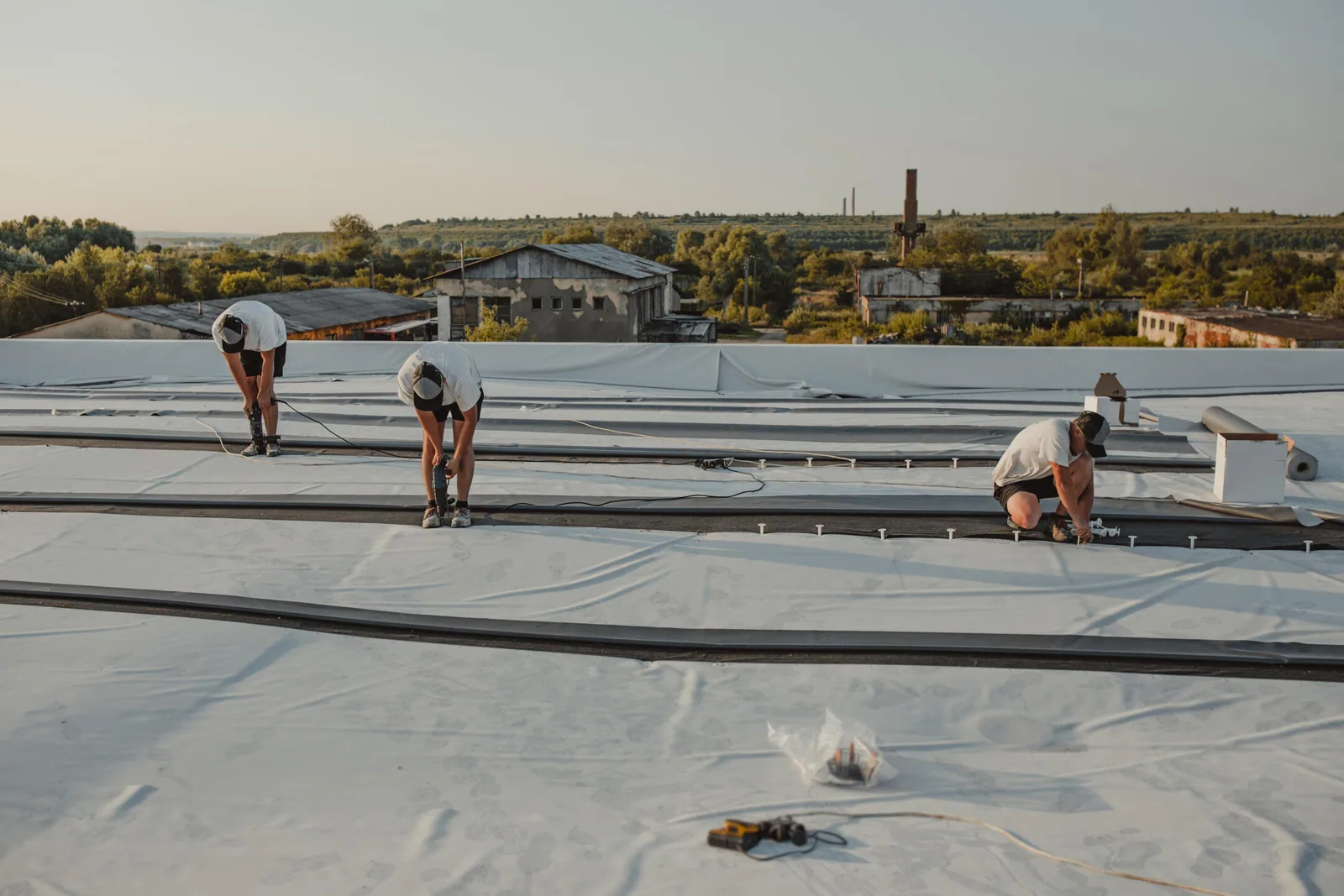
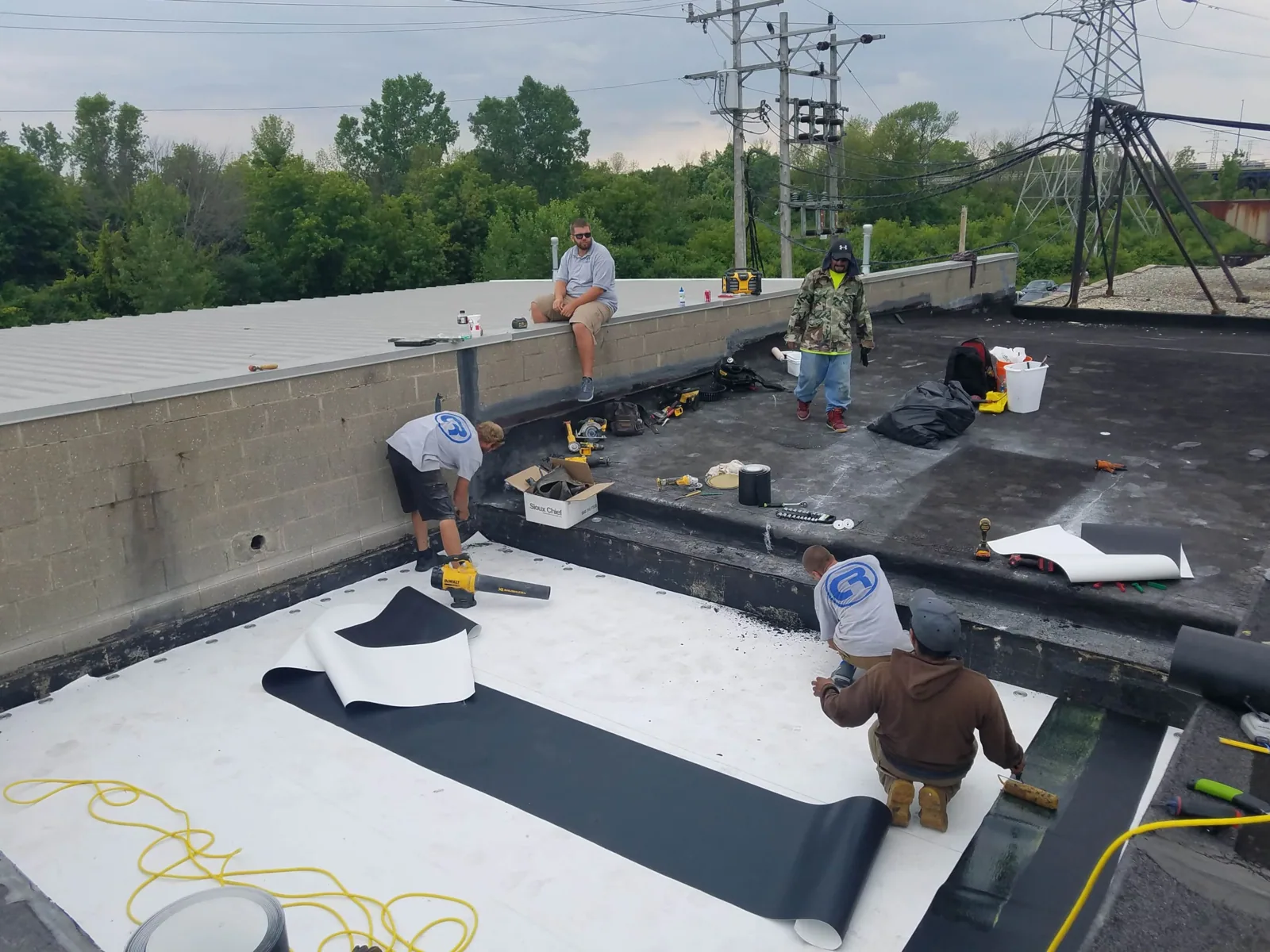
Moisture findings affect whether a roof can be recovered, repaired, or needs selective removal. Wet insulation may require removal before a new membrane covers it. A limited anomaly might call for one test opening. A broad pattern may justify more samples before the owner chooses a capital scope. We show where evidence supports each option and how a concealed condition could change quantity.
The owner and contractor can use the map to mark a repair boundary and sequence testing. We identify any temporary protection needed while results are reviewed. If the roof is part of a planned replacement, recover eligibility depends on assembly, deck, code, and moisture evidence. An open-roof replacement scope may be needed where wet layers or deck damage rule out an overlay.
Cost and schedule depend on access, scan area, number of test points, roof layers, and restoration of test openings. We state the included survey area and the tests priced. Added sampling is discussed before it becomes additional work. This keeps the report useful for budgeting without presenting a temperature image as a complete roof diagnosis.
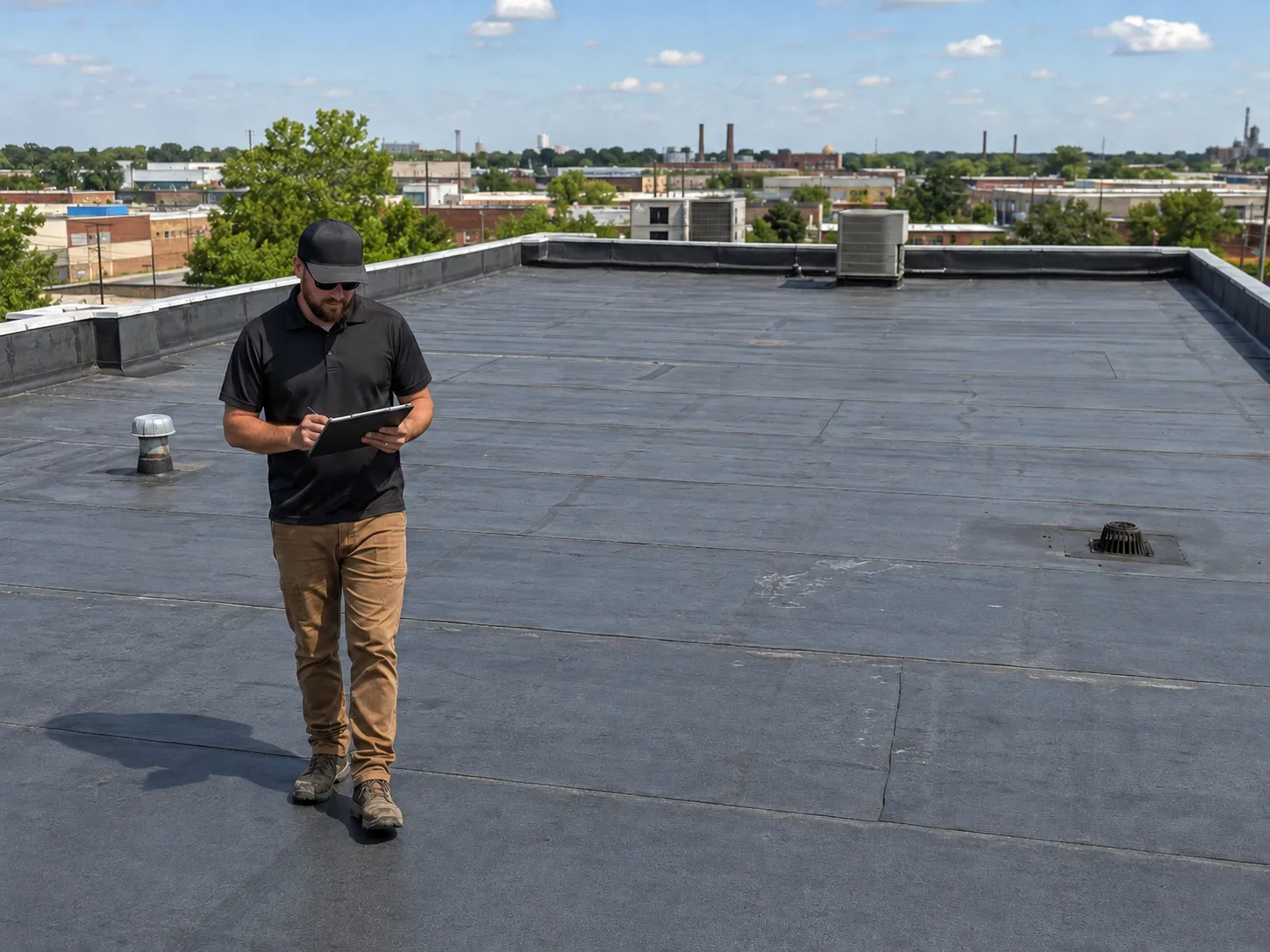
Closeout includes a dated map or image set, survey area, conditions, suspect zones, test results if performed, and any inaccessible areas. We note the difference between an infrared pattern and moisture confirmed at a sample. The document also lists the next recommended action and what evidence would change the recommendation.
A later scan can be compared with the initial map when timing and conditions are similar. If the roof is repaired, the follow-up can focus on the repaired zone and known areas of concern. We keep the original and updated records so the owner can see which findings changed. A capital planning record can carry the remaining risk and sampling needs into a budget.
For multiple buildings, portfolio tracking keeps each roof, report date, and open test separate. A closeout should let the next reviewer find the suspect area and understand why it was flagged. If the scan could not answer the question, that is a result worth preserving too.
Learn more →
Learn more →
Learn more →
Learn more →
Learn more →
Learn more →
Learn more →
Learn more →