
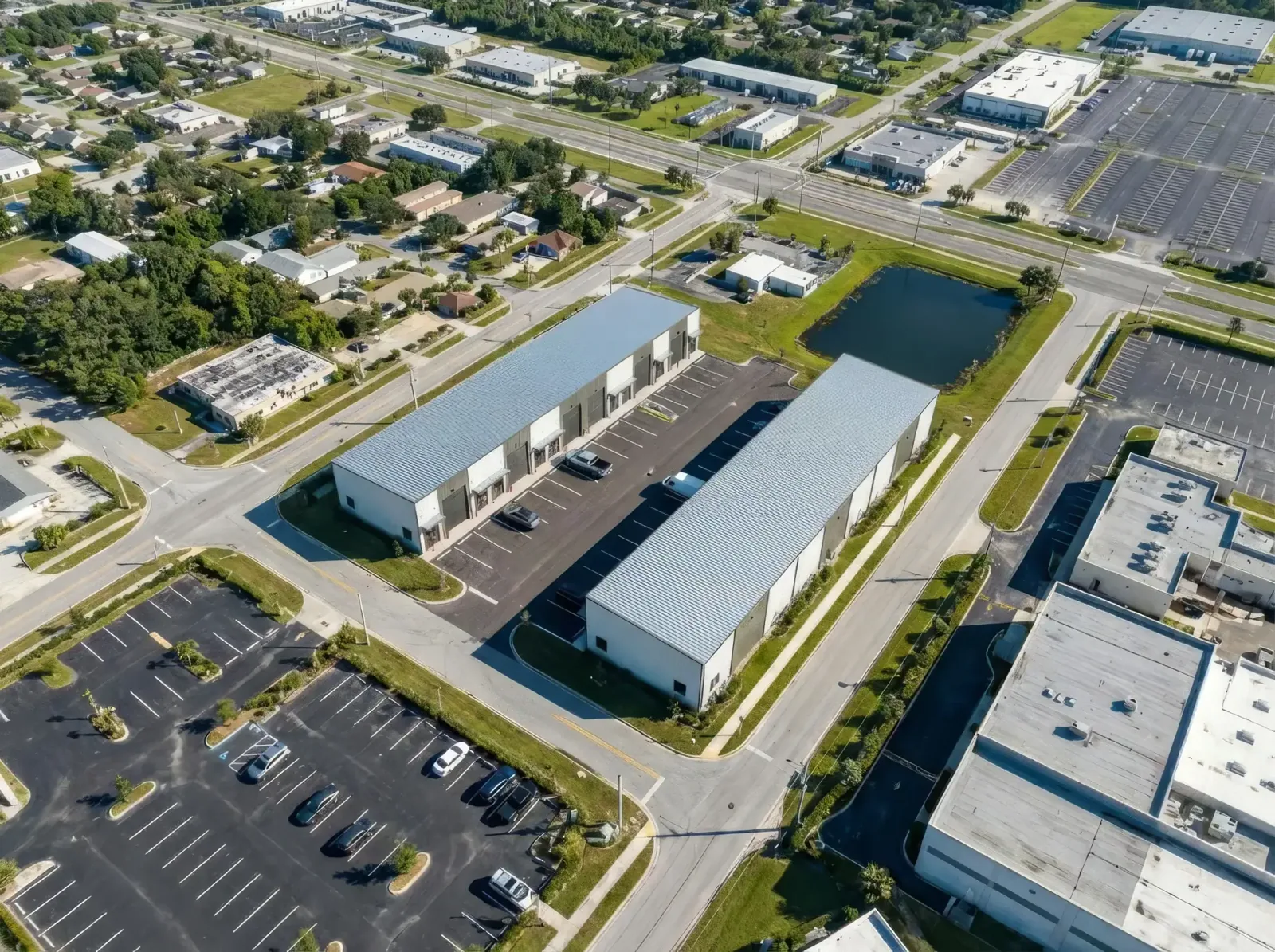
Several properties can share an inspection calendar without sharing one roof condition. We coordinate access, field visits, repair priorities, and closeout records across addresses. Each building keeps its own roof-zone findings, system identification, photographs, and limits. A portfolio program can reduce missed follow-up, but a warehouse finding does not become a finding at the next property.
Palm Bay operators may oversee flex units near Clearmont Street, retail space at Palm Bay Station, and industrial listings in Port Malabar Industrial Park. A portfolio can also include a clinic or office with separate access rules. We confirm the contact and operating window for every address. The roof asset record preserves building-level history while a shared schedule makes recurring work easier to track.
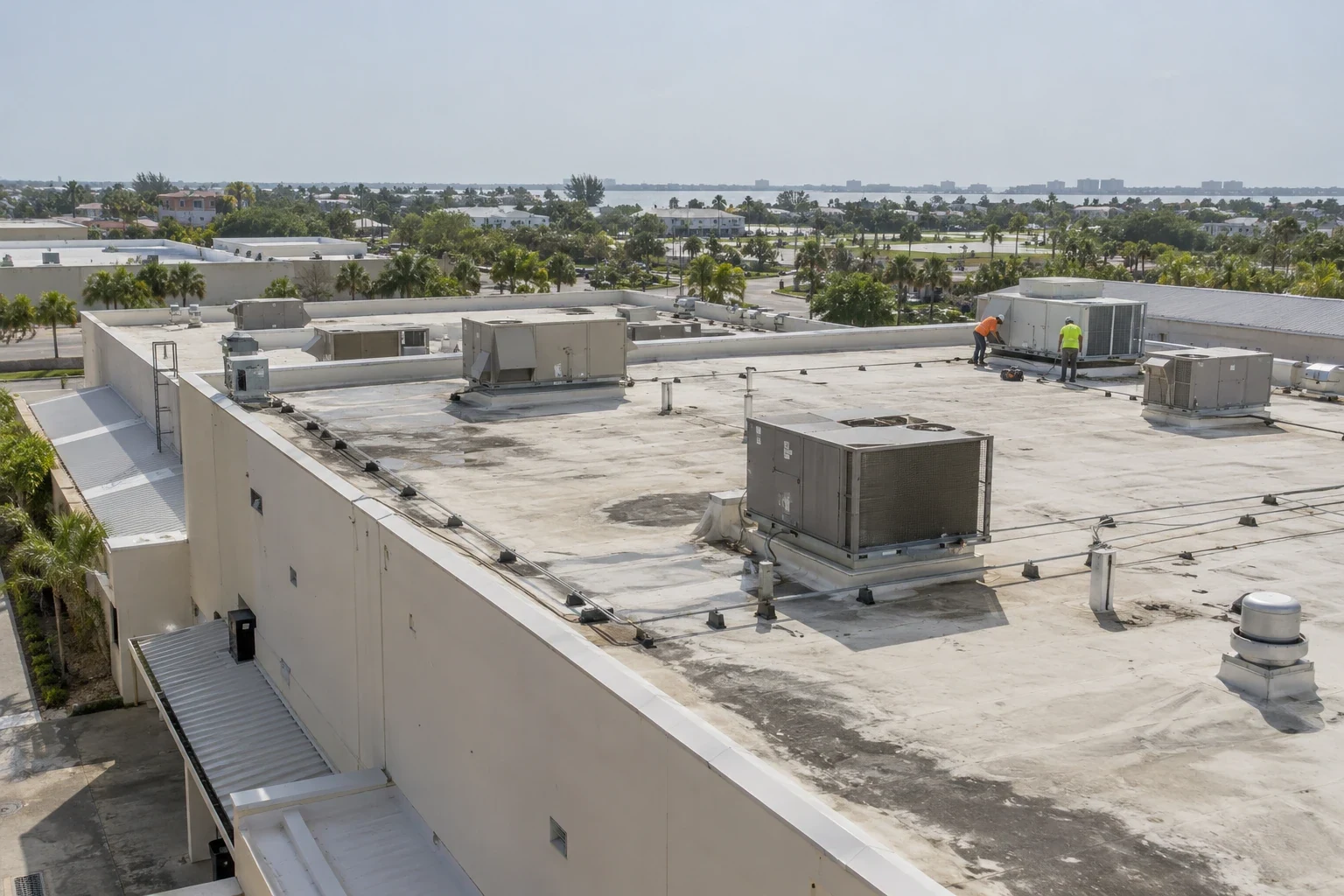

The first step is a property list with addresses, known roof systems, active issues, access contacts, and available maintenance records. We mark unknown materials and missing files for field verification. The owner can identify sites with current leaks, upcoming transactions, or access restrictions. That intake separates urgent response from planned inspections and avoids assuming that every roof has the same system or condition.
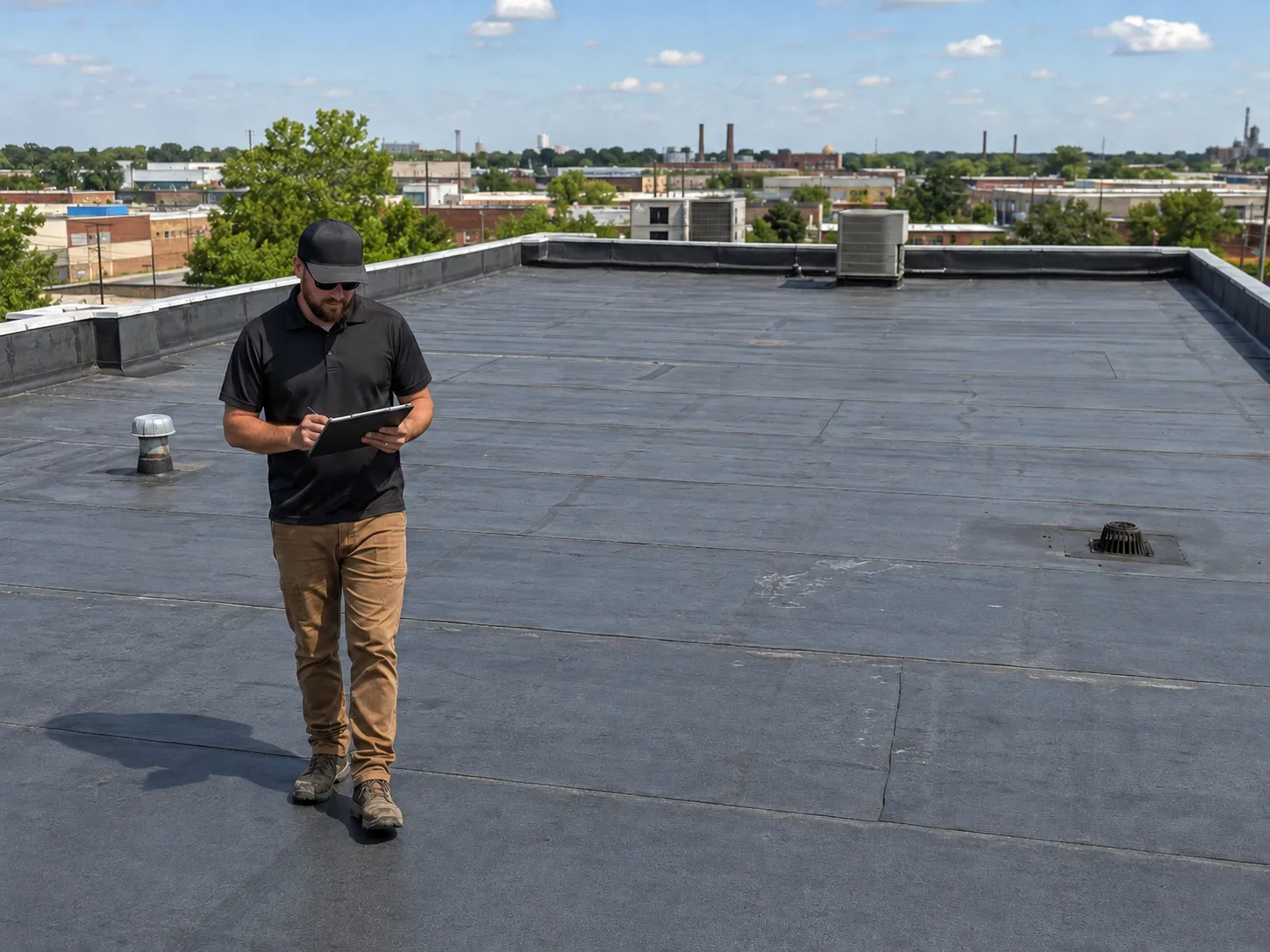
We agree on the output for each visit: inspection notes, photographs, repair recommendations, or a larger condition report. If roof access requires a tenant notice or escort, the calendar includes that step. A standard report format can make findings easier to compare, while each report keeps its actual inspection method and limits.
Work can be grouped by geography, roof type, or site availability. Palm Bay's wet-season rainfall patterns make timely drainage checks useful, but the forecast and surface condition govern each work date. We schedule around site contact hours, delivery activity, roof access, and active operations. A missed appointment at one property should not make a visit record appear complete for the entire portfolio. The program lead can review weekly status and assign a new date for blocked access, keeping open tasks visible to each building contact.
For a multi-tenant listing in Port Malabar Industrial Park, access may depend on the individual building. Palm Bay Station offers shop, build-to-suit, and ground-lease opportunities with access from Bayside Lakes Boulevard. Those local descriptions do not set actual roof access. The job coordinator verifies the address-specific route and contact. A maintenance program can set repeat checks for drains, seams, edges, and penetrations.
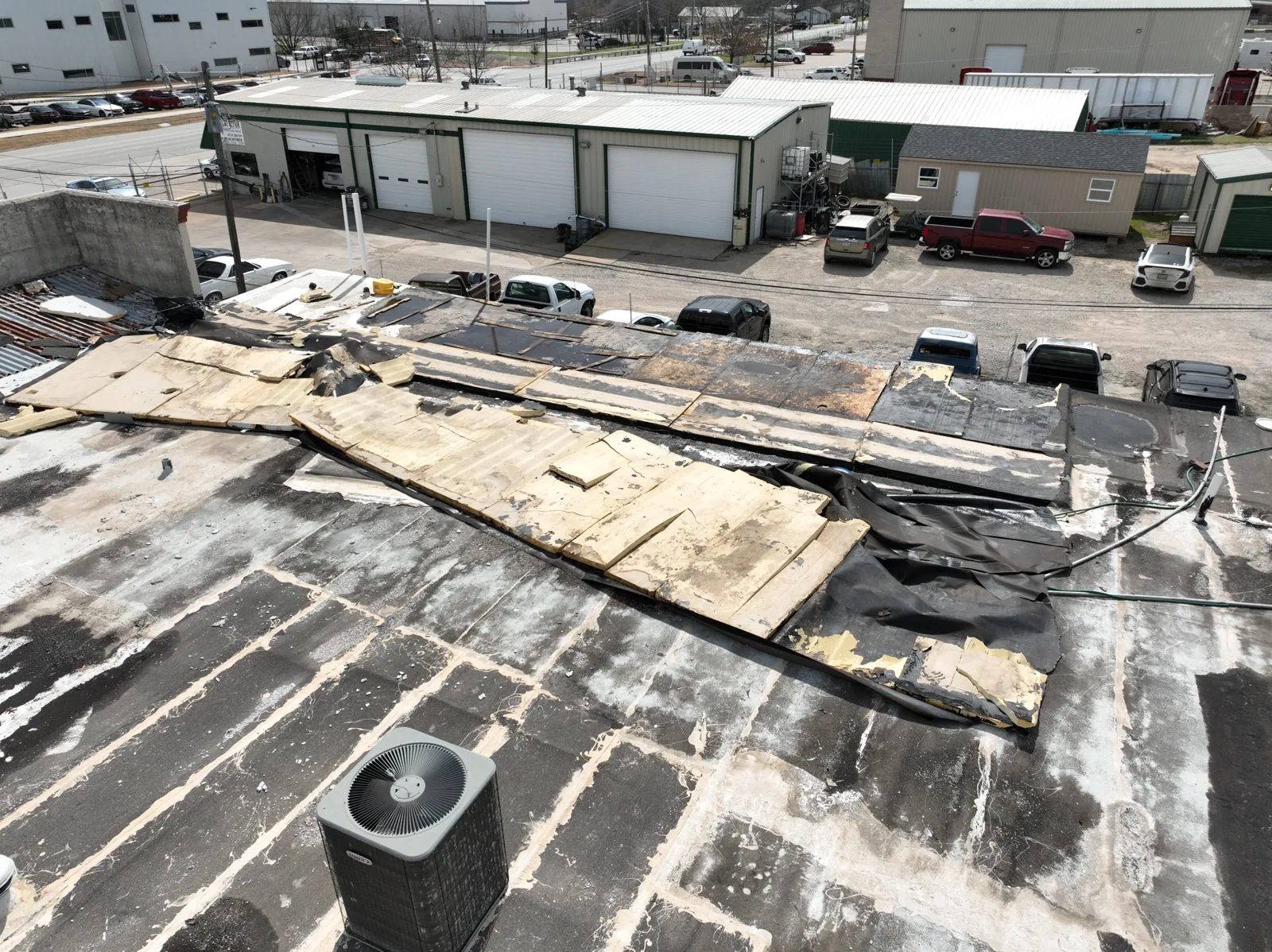
When a leak or opening is reported, the program flags that address for triage. We record the event date, affected zone, temporary protection, and permanent repair boundary. Other visits continue only if access and operations allow. Each closeout states which work is complete and what remains open. A portfolio dashboard should never turn one urgent response into a blanket statement about all properties.
For each urgent report, record the address, active water status, access contact, and next step. Confirm the crew window with that property before scheduling. For a clinic or hospital property, access and interior operations can affect when a crew enters the roof. A small leak in an industrial tenant space has another schedule. The emergency service can document the initial condition; a subsequent wind-damage inspection can record event-related findings if a storm is involved.
Portfolio comparison works when records share basic fields: asset identifier, inspection date, roof-zone label, system, observation, photograph, priority, access limit, repair boundary, and next action. Local conditions and event details stay attached to the property and date they describe. A Melbourne climate normal can help schedule recurring inspection windows, but it cannot establish the condition of one roof. A storm measurement in Palm Bay belongs to its named reporting location and event.
Health First’s Palm Bay Hospital has a five-floor expansion planned, while Patrick Space Force Base supports launch and range operations. These operating contexts differ from retail and flex tenants. Each facility contact sets access instructions, and an inspection must establish the roof condition at the specific building.
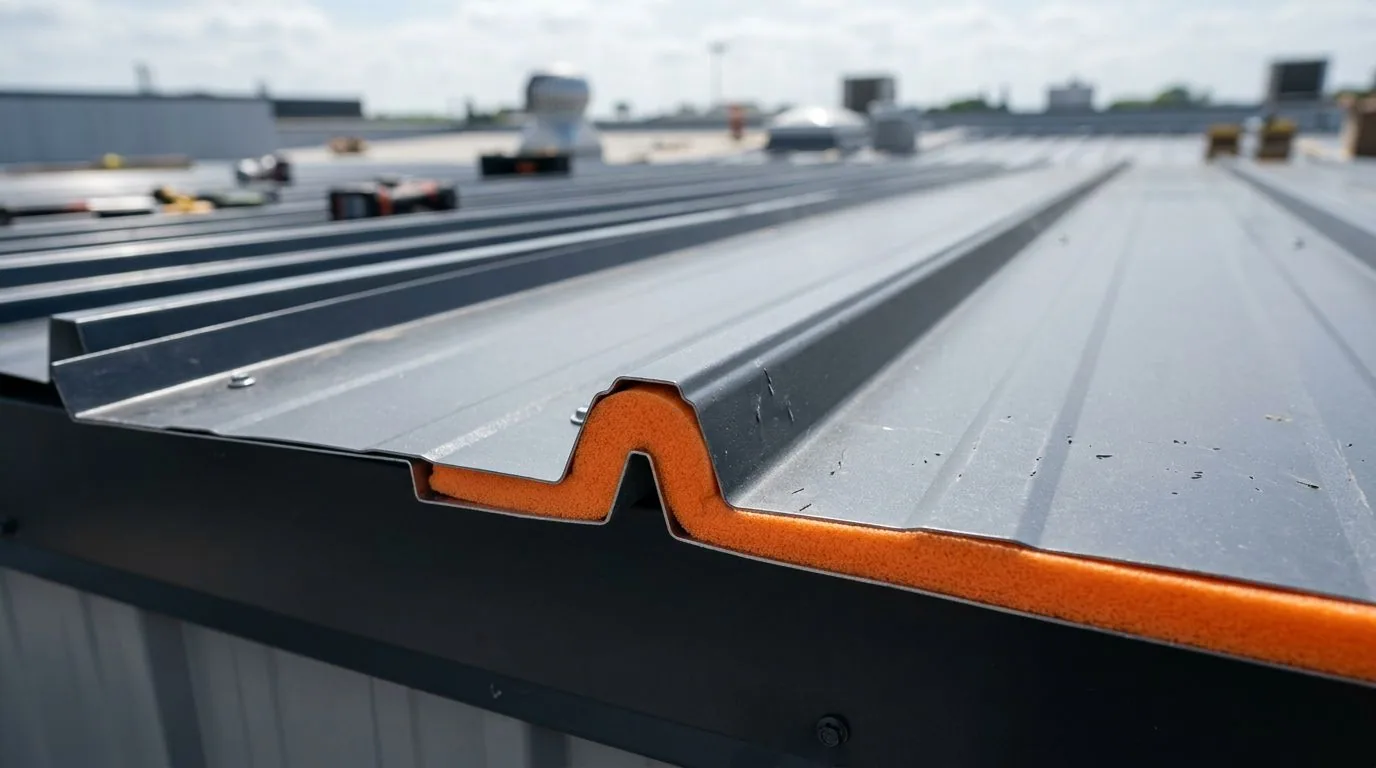
A multi-site program can group repair packages, compare similar systems, and schedule work around capital approval. Each estimate still lists its own boundary, material, access assumptions, and exclusions. If one building needs a test opening and another only needs drain cleaning, those scopes remain separate. A portfolio summary can show planned spending categories without implying that the roofs have matching needs.
The schedule can track immediate protection, confirmed repairs, maintenance, testing, and replacement review. For each item, we name the evidence date and trigger for reconsideration. A capital planning record can show options and decision timing. For acquisition or refinancing, a transaction survey may need a separate defined scope and deadline.
After work, we provide a building-specific closeout with photographs, materials, completed boundary, access limits, and unresolved items. The portfolio coordinator can confirm that every address has a disposition: inspected, rescheduled, repaired, or waiting on access. If a building was skipped, that status remains open until the visit occurs. This keeps the program useful through staff changes and future budgeting.
For flex units at Palm Bay Flex Business Park and mixed uses in Port Malabar Industrial Park, the actual contact and roof must be confirmed before work. A central record can retain the itinerary, but photos and findings stay with the correct property. The next program cycle then starts from current documents rather than a list of assumed conditions.
Learn more →
Learn more →
Learn more →
Learn more →
Learn more →
Learn more →
Learn more →
Learn more →