
A capital request needs a condition behind the number. We inspect the roof, record observed failures, identify unresolved areas, and present repair and replacement options with their assumptions. The plan separates urgent protection from work that can be scheduled. It does not assign a replacement year from age alone. The owner receives a dated basis for comparing scope, operations, and budget timing.
Palm Bay's building mix includes industrial listings in Port Malabar Industrial Park, retail development at Palm Bay Station, and healthcare facilities along Malabar Road. Those uses have different access windows and business constraints. A budget schedule must reflect the actual building and roof record. We connect each proposed expense to a roof zone, condition, photograph, and next action so facilities and finance teams can review the same evidence.
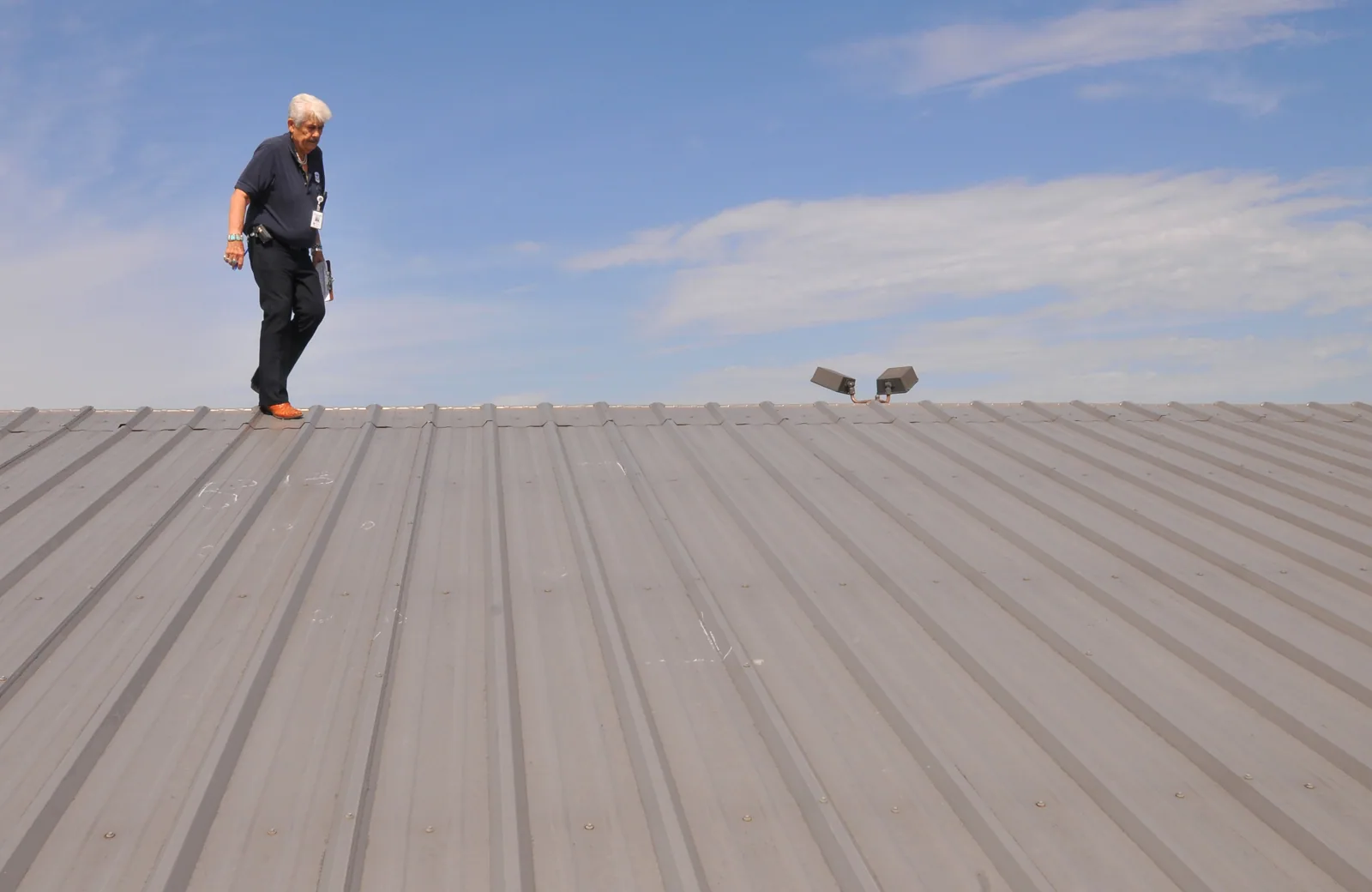
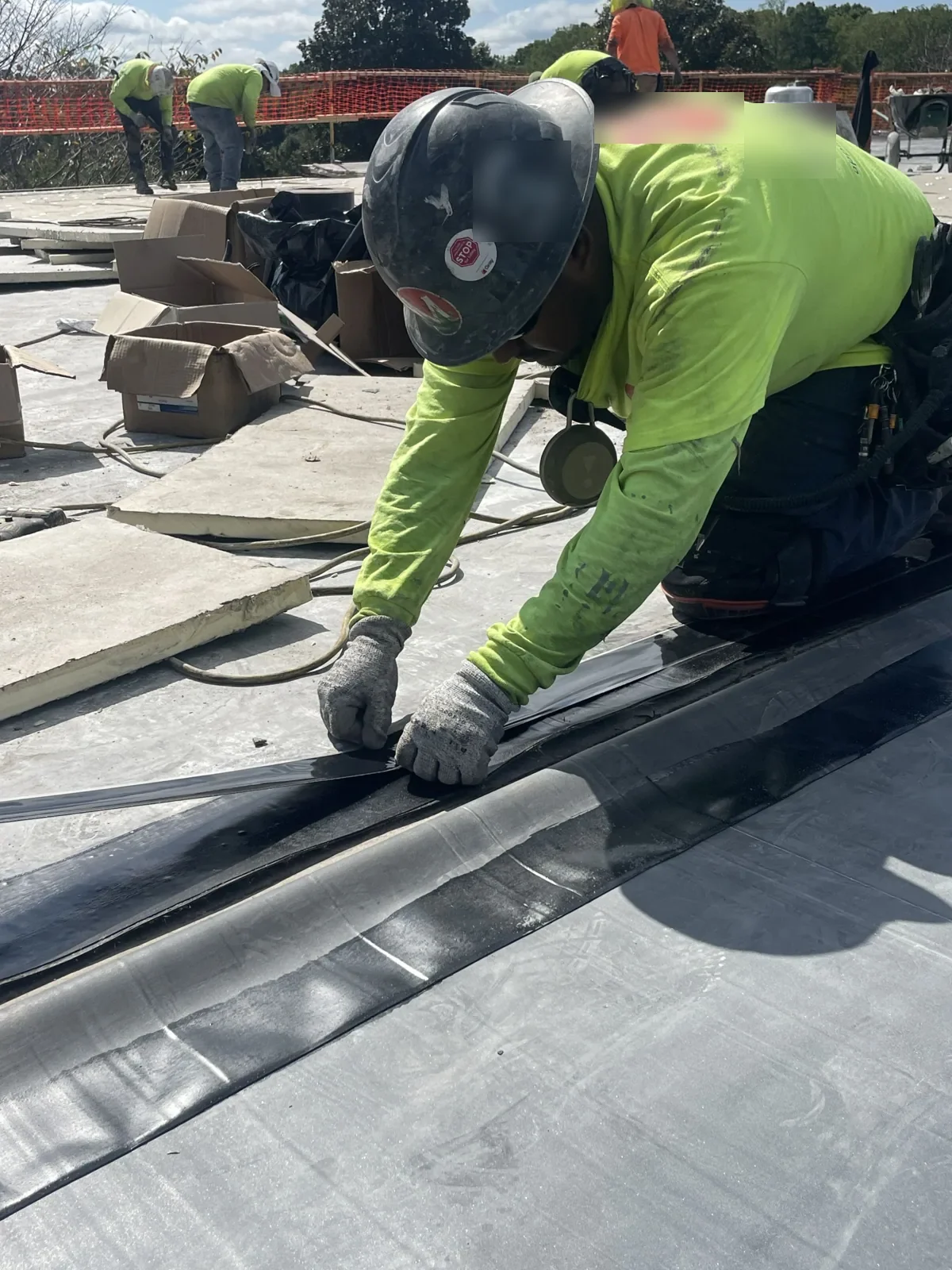
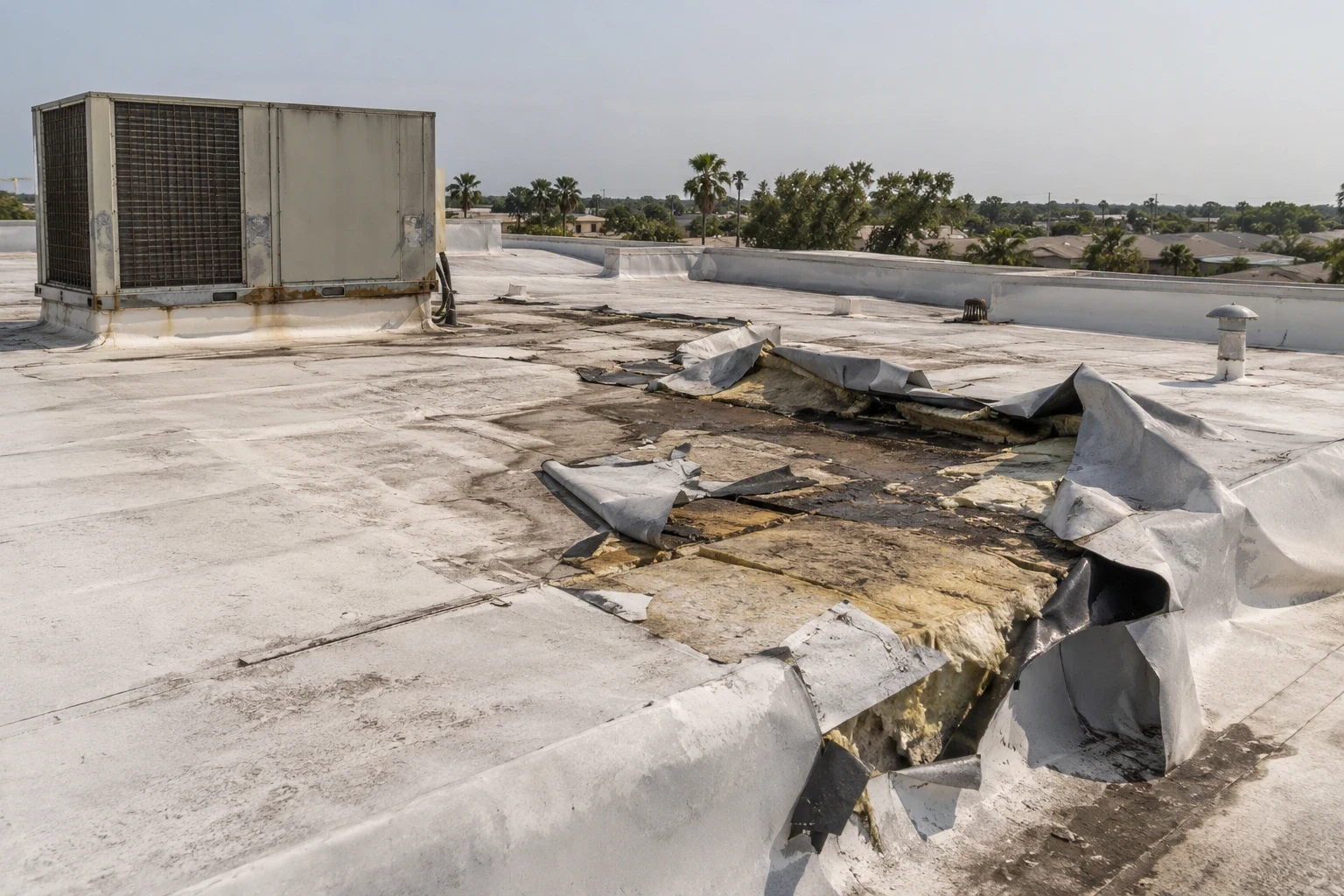
The planning file starts with system type, current condition, repair history, known leak locations, drainage, access limits, and any available warranty or installation documents. We label unknown information rather than filling it with an estimate that looks certain. If a leak is active, that scope is shown separately from a forecast for future work. A moisture survey or test opening may change the recommended timing, so its cost and decision value should be stated.
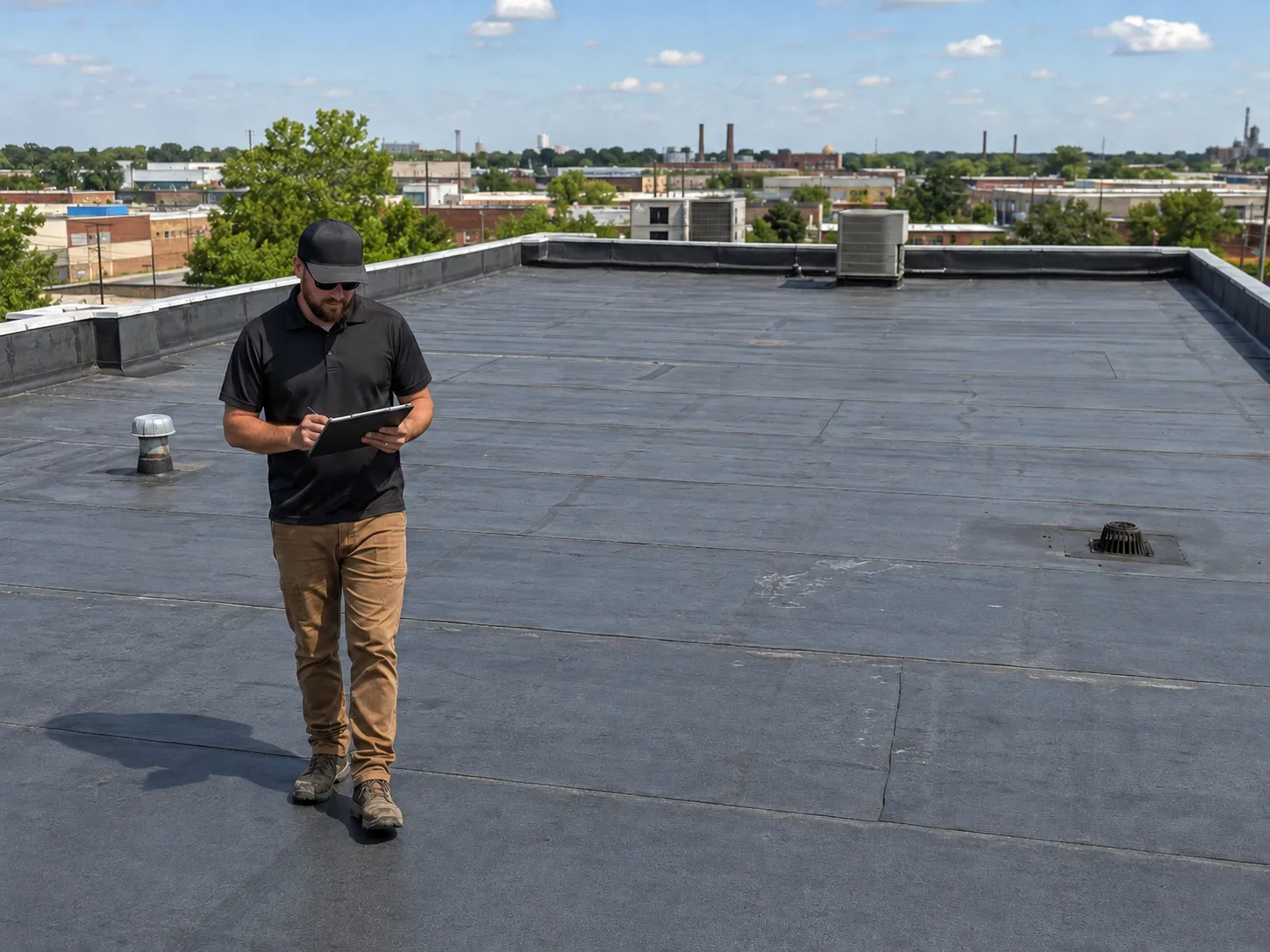
A condition report with photographs creates a dated starting point. Where records conflict, a field inspection determines which materials and details are present. The roof asset record can retain the findings and keep future proposals tied to the same location. Every estimate names its basis, exclusions, and assumptions about concealed conditions.
Capital options should show what each scope resolves. A localized repair may address a confirmed opening while leaving other aging areas for monitoring. A larger restoration may require cleaning, repairs, moisture checks, and compatible coating. Replacement includes removal or approved recovery work, insulation decisions, edge details, and occupied-building sequencing. The proposal lists these choices separately rather than combining them into one recommendation without evidence.
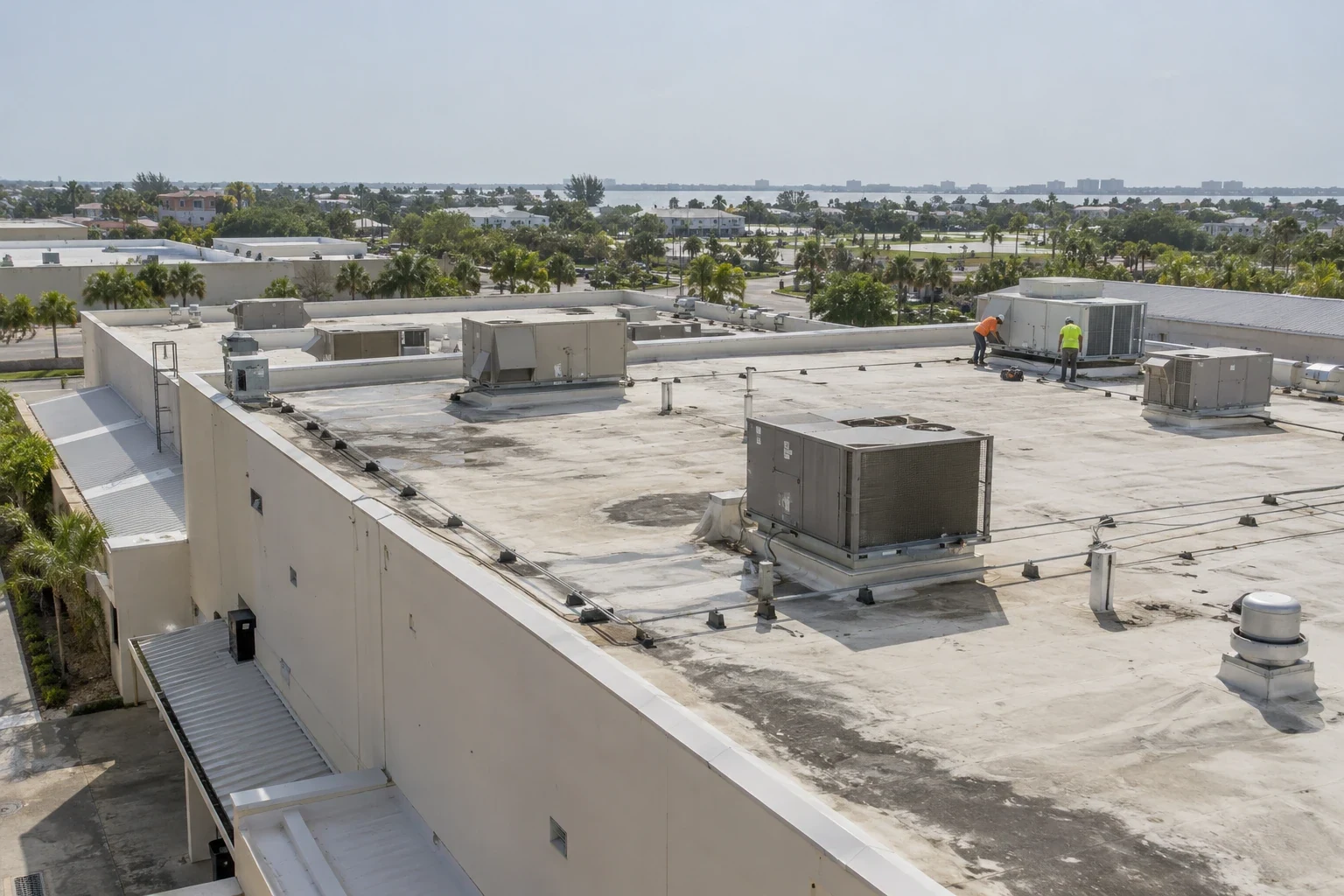
Cost drivers include roof access, existing material, wet insulation, deck condition, disposal, equipment movement, weather, and the work area that must remain protected. A new condition uncovered during removal can change the boundary. For occupied sites, work sequencing may affect the order and length of each phase. The scope notes when that operational plan affects timing or budget.
A capital schedule can sort items into immediate, near-term, and later review periods, but each date should be tied to a condition or planning assumption. A leak, open seam, or wet substrate calls for direct action. A surface change without a confirmed breach may need monitoring or testing. We state what event triggers the next decision, such as a follow-up inspection, test opening, or budget approval.
Nearby Melbourne climate normals show hot summer days, including many days with highs at or above 90 degrees. That regional pattern can inform seasonal planning, while the actual roof and work forecast govern a project schedule. The same logic applies after a documented storm: event history may warrant inspection, but property-specific findings set the repair scope. A hurricane roof review can provide evidence after a named event.
For several buildings, the capital schedule can group surveys by geography, access, or similar system type. The report still preserves a separate condition and recommendation for each roof. Port Malabar Industrial Park has a mixed commercial listing market, while Palm Bay Station is a retail project with shop, build-to-suit, and ground-lease options. One project calendar may help coordinate visits, but it cannot carry one property's finding to another property.
Before work is budgeted, confirm who approves access, whether the building will remain occupied, and what tenant activities constrain staging. Multi-site program planning can coordinate inspections and closeouts across addresses. Each estimate retains its own repair quantities, exclusions, and evidence date. This gives finance a portfolio view while keeping scope decisions building-specific.
A useful capital package includes the inspection date, roof-zone photographs, observed condition, work alternatives, assumptions, exclusions, and the event that triggers the next decision. The owner can see whether the recommendation is based on a field observation, a record supplied by the property, or an untested assumption. If hidden materials could change the estimate, we say which test would reduce that uncertainty.
Health First announced the Palm Bay Hospital tower project in May 2025 and projected a summer 2026 construction start. The forecast is historical planning context, not evidence about current roof work at the hospital. Our roof capital plan focuses on the inspected assembly and identifies the access or operation details that could affect delivery.
After repair or replacement, the capital record should show the completed boundary, material, photographs, cost basis supplied in the proposal, and remaining open items. A scope change is noted with its reason and approval record. If part of the roof was not included, the plan keeps it visible for later review. This prevents completed work from being confused with a full-roof renewal.
At Palm Bay Station or a property in Port Malabar, current access contacts and tenant conditions should accompany the closeout. A later transaction survey or refinance review may need a fresh inspection if material conditions changed. We use the dated record as a reference, then confirm the current roof before making a new recommendation.
Learn more →
Learn more →
Learn more →
Learn more →
Learn more →
Learn more →
Learn more →