
A portfolio list can hide the roof that needs attention first. One building may have an open leak, another an aging coating, and a third no current condition record. We organize each asset by address, roof zone, system, observed condition, completed work, and next inspection. The record distinguishes a reported problem from a field finding. Owners can see which issue needs action and which remains unverified.
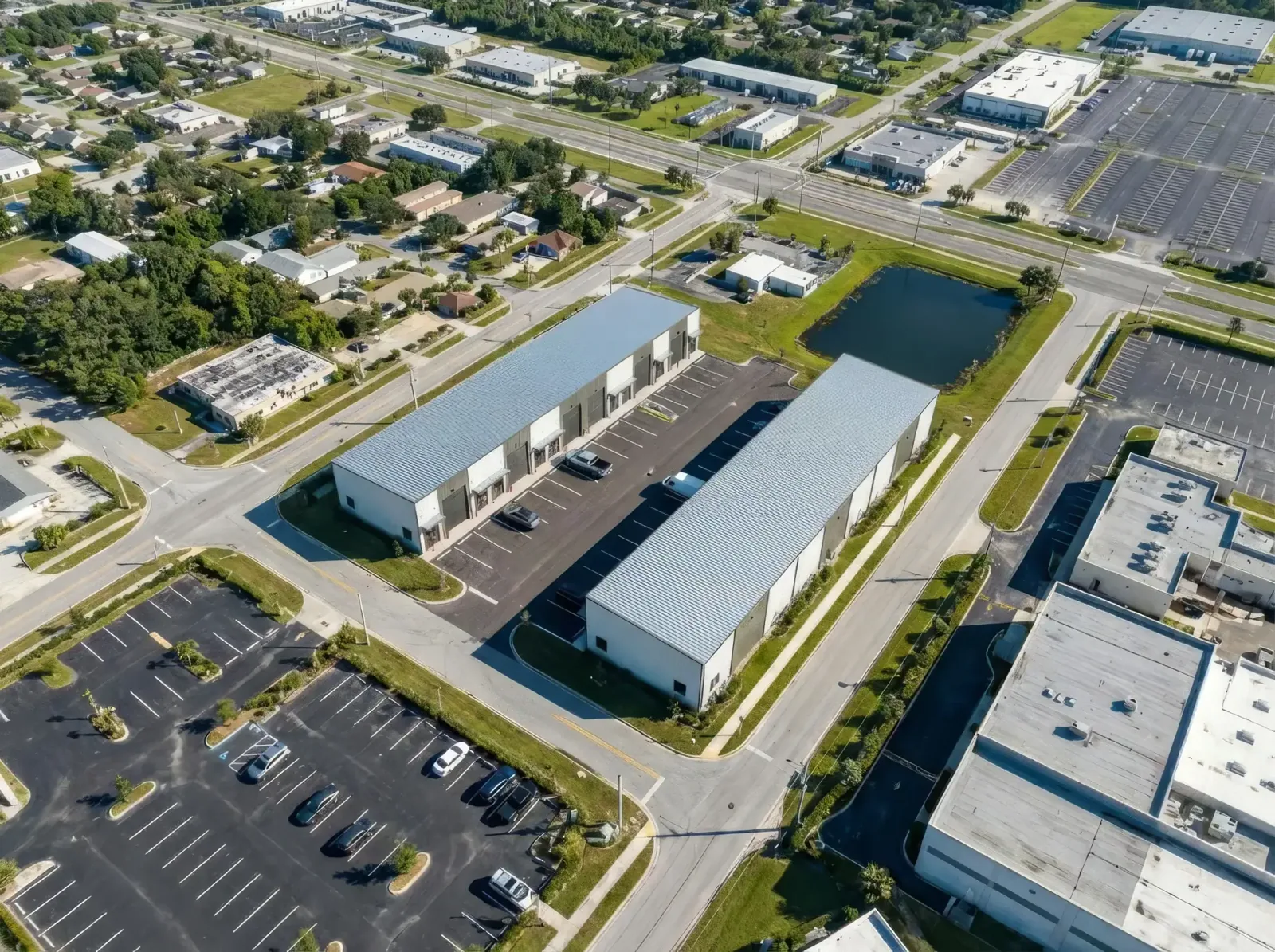
Palm Bay properties range from flex units at Palm Bay Flex Business Park to industrial, office, and retail listings in Port Malabar Industrial Park. A portfolio may also include occupied institutional space near the Palm Bay VA Clinic. These locations have different access patterns, but each asset record uses the same accountable fields: event date when relevant, photographs, access limits, repair boundary, and follow-up. A written condition report gives each property a dated baseline.
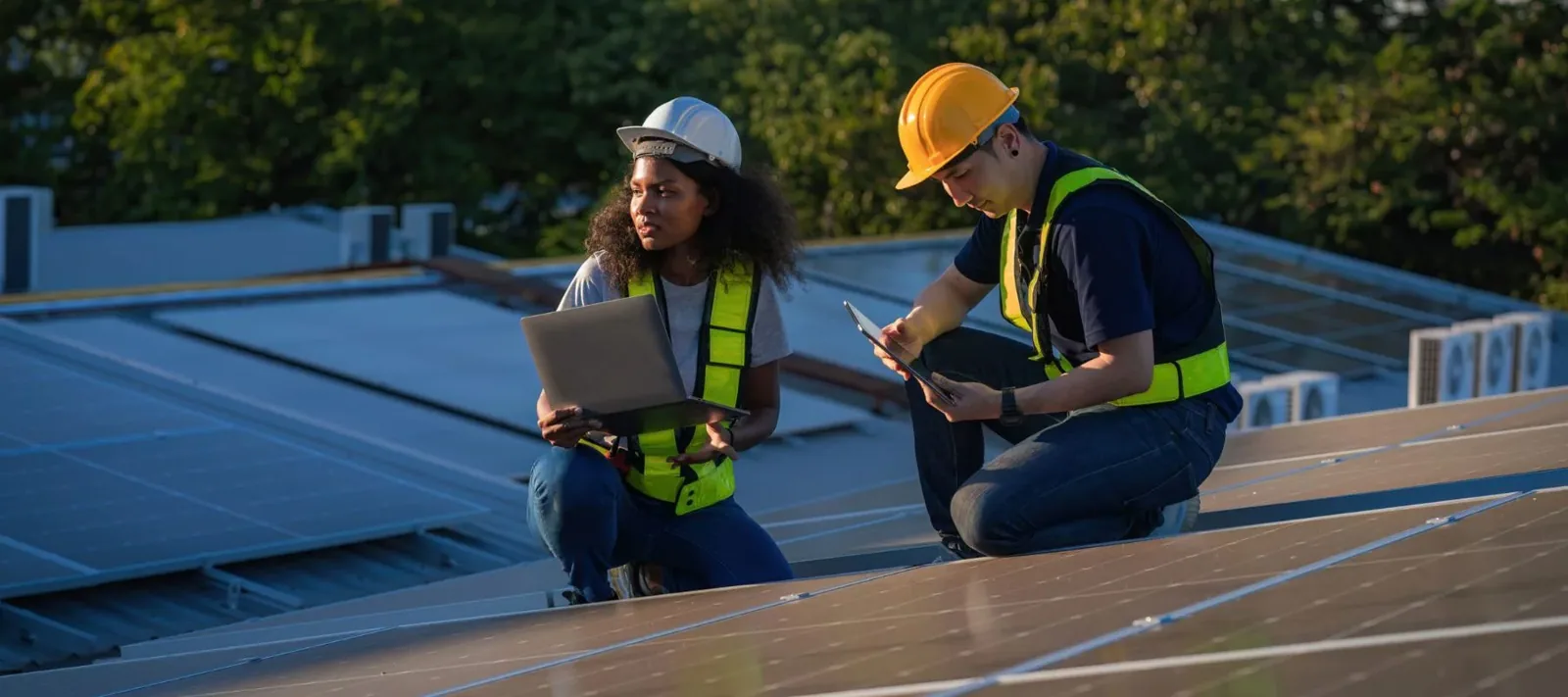
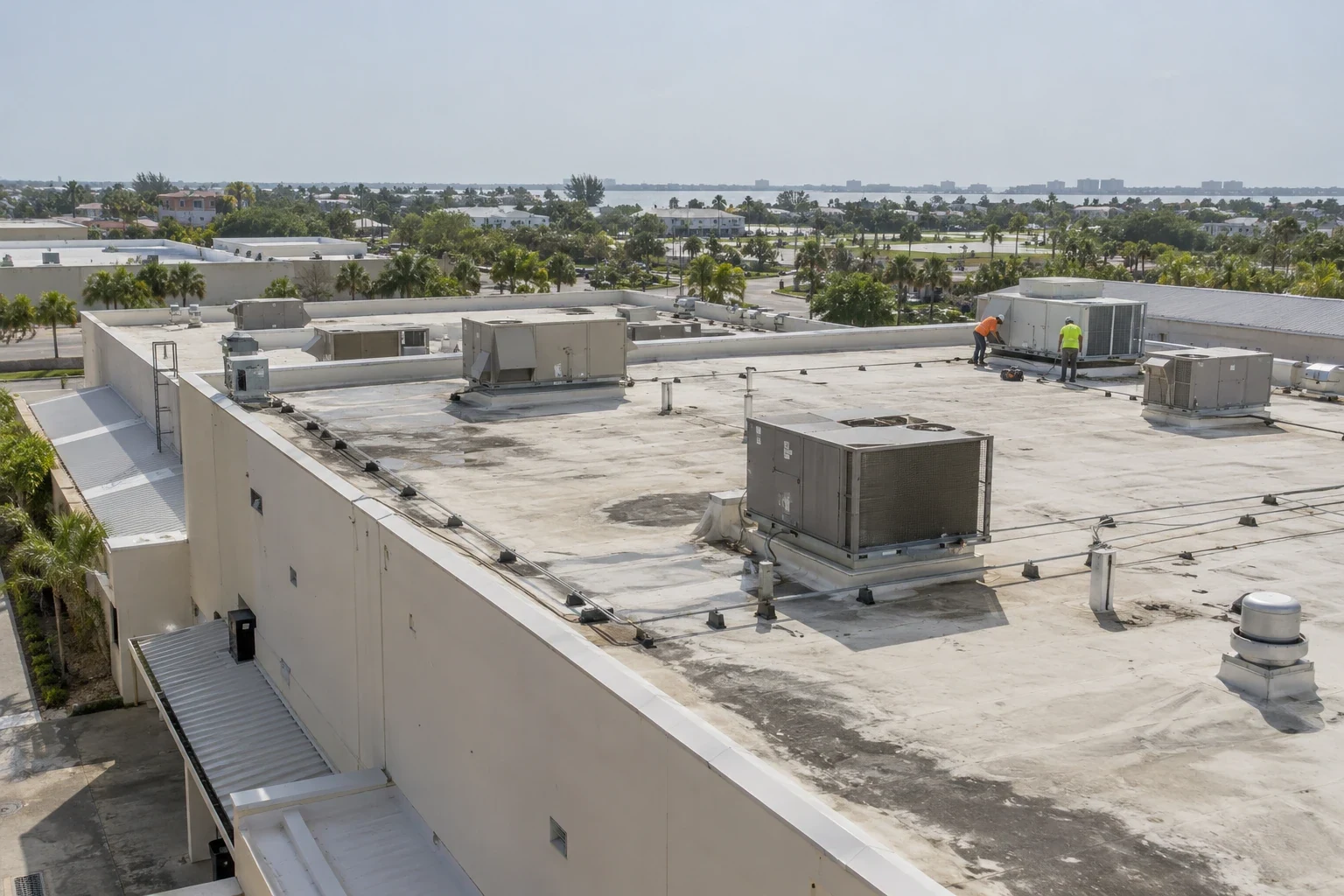
We start with a property list and confirm what is known about each roof. Useful fields include approximate area from owner records, system type, installation or repair documentation if available, access points, drains, equipment zones, and warranty records. Unknown fields stay blank or are labeled unconfirmed. A roof does not inherit a material or age from a neighboring building. Field verification fills the gaps over time. A building identifier should remain stable even when ownership, tenant, or use changes, so prior repair files remain attached to the right roof.
Each observation receives a date, roof zone, condition label, and supporting photograph. The file separates active leaks from maintenance items, previous repairs from new findings, and tested areas from places not reached. For portfolio managers, multi-site roof coordination can group visits by access and urgency. The asset record preserves detail at the building level even when work is scheduled across several properties.
Inspection priority follows evidence and consequence. An active water entry, open membrane, loose edge, or wet insulation receives attention before a cosmetic surface change. We record the affected use, interior impact, forecast exposure, and whether temporary protection is in place. The ranking can change when testing confirms or rules out concealed moisture. It is a working decision record, not a claim that risk can be measured precisely from a single walk.
Melbourne station normals show significant seasonal rainfall and hot summer conditions. That regional climate context helps plan recurring roof checks, but each work decision still follows the building condition. A property near Palm Bay Flex Business Park may require coordination with engineering or light-industrial tenants. A maintenance visit can revisit drains, seams, penetrations, and known repair zones before the next wet period.
Every completed job should link back to the correct roof and zone. We record the request, event date if applicable, inspection finding, temporary action, approved boundary, materials, photographs, and closeout. If removal exposes a different condition, the record shows when the scope changed and what was reviewed. That history helps the next inspection distinguish a recurring defect from a new opening.
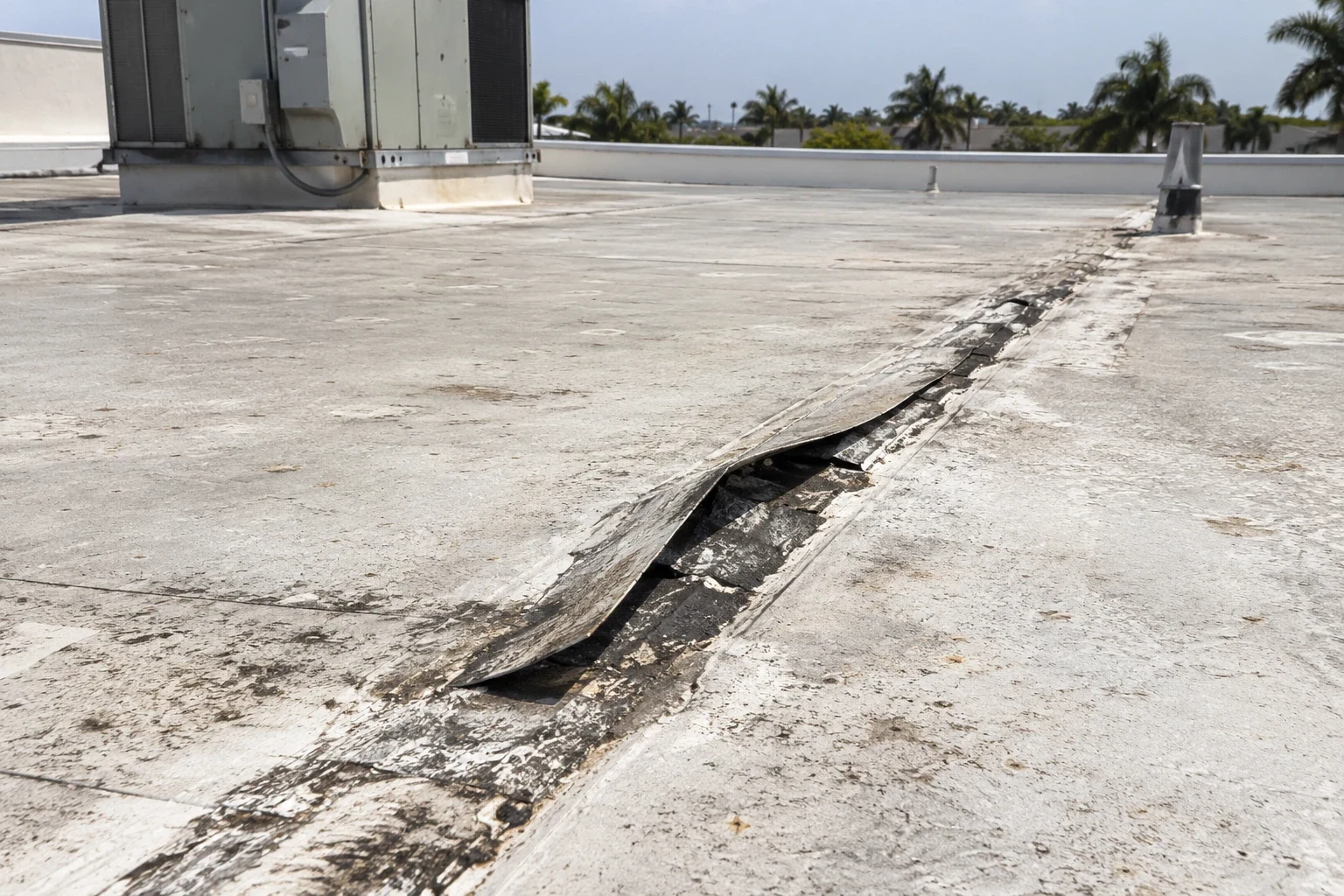
Portfolio teams can use this history to compare similar materials across properties without assuming that one roof behaves like another. A leak at a curb is not the same issue as an open field seam. The flashing repair record and seam failure record should stay specific to the actual location. A roof inspection can update an asset when prior documents are missing or no longer match current conditions.
Asset management supports capital planning by showing condition, remaining questions, and repair history in one place. It does not establish a dependable service life. We identify near-term repair needs, areas that warrant testing, and roofs that need a closer replacement review. Budget assumptions should note what is confirmed, what is estimated, and what could change after opening the assembly. The manager can group work into immediate exposure control, planned repairs, and candidate replacement scopes. Each item needs an evidence date, expected decision window, and responsible contact. When a roof lacks records, field inspection should precede a confident forecast. This sequence keeps a planning estimate attached to the condition that supports it.
The Palm Bay Hospital campus on Malabar Road has announced a major expansion, while Palm Bay Station is a retail development on Bayside Lakes Boulevard. Those facts describe local building activity, not their roof condition. For any occupied property, a budget sequence must account for access, operations, procurement, and weather windows. The capital plan can translate documented condition into decision dates and scope alternatives.
A useful portfolio record changes when the roof changes. After a repair, we add closeout photos and any open limitation. After a leak report, we add the event date, interior area, response, and follow-up. Before a sale or refinancing, a new survey may be needed to verify current status. We identify the inspection date and methods so a later reader can judge how current the record remains.
Access contacts and operating limits belong with the property record. Healthcare facilities in Palm Bay may have scheduled patient visits that affect roof access planning. A private tenant has its own schedule and permissions. The plan records those specific constraints, not a generic assumption. Owners can request a fresh condition review when records no longer match the roof.
Learn more →
Learn more →
Learn more →
Learn more →
Learn more →
Learn more →
Learn more →
Learn more →