A transaction deadline does not make an unknown roof condition certain. We inspect accessible areas, review available maintenance records, and report what the survey confirms before the decision date. The file identifies the property, inspection method, roof zones, observed defects, active leaks, and areas not reached. Recommendations separate immediate exposure from capital questions and call out any test needed to resolve a material uncertainty.
Palm Bay commercial property ranges from office and retail listings in Port Malabar Industrial Park to flex space at Palm Bay Flex Business Park and healthcare operations on Malabar Road. Those examples show a varied local building base, not the condition of a transaction asset. We verify the address, roof layout, access contact, and available records for the actual property. A report from another building or an older inspection does not establish current condition.
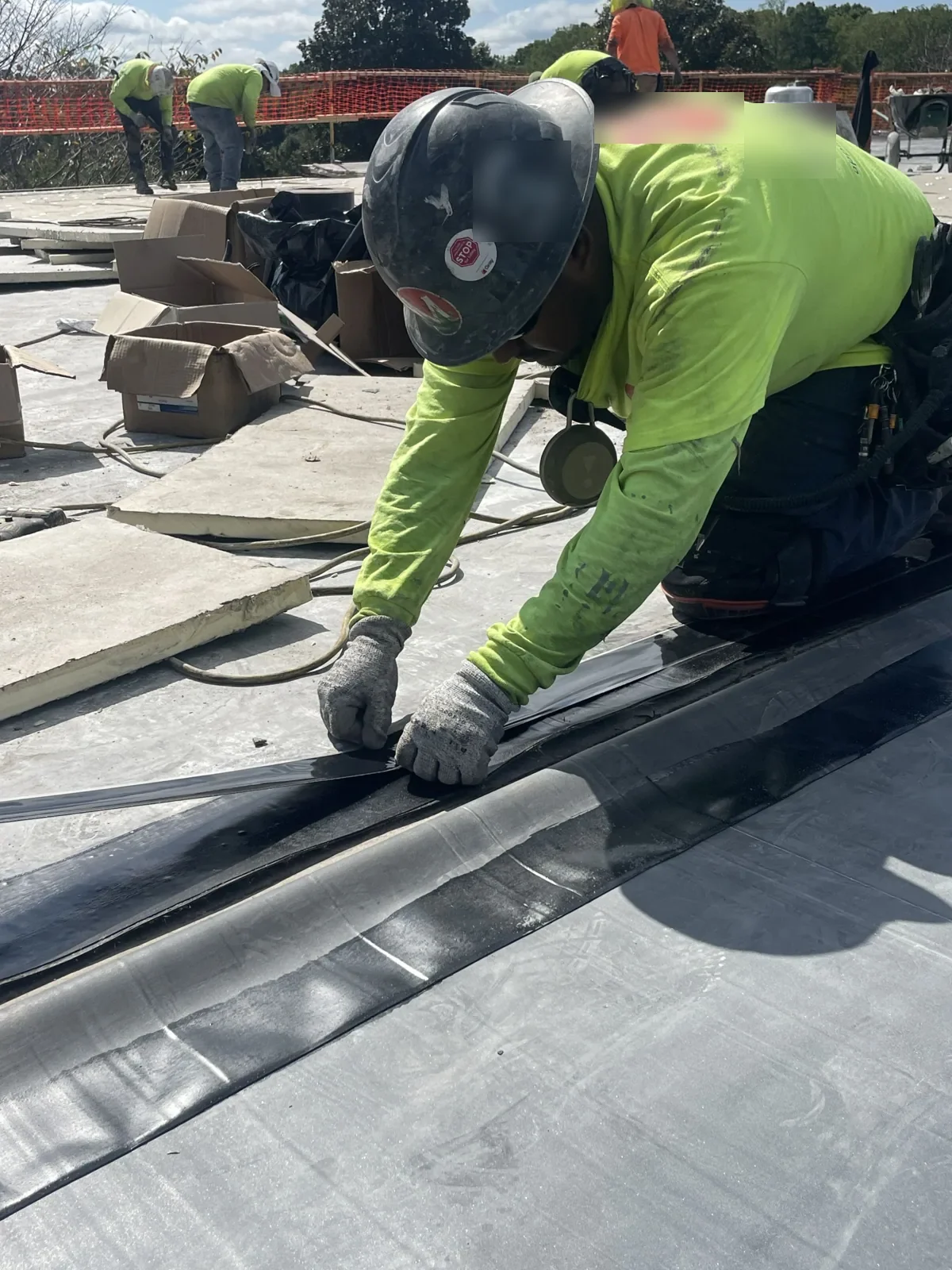
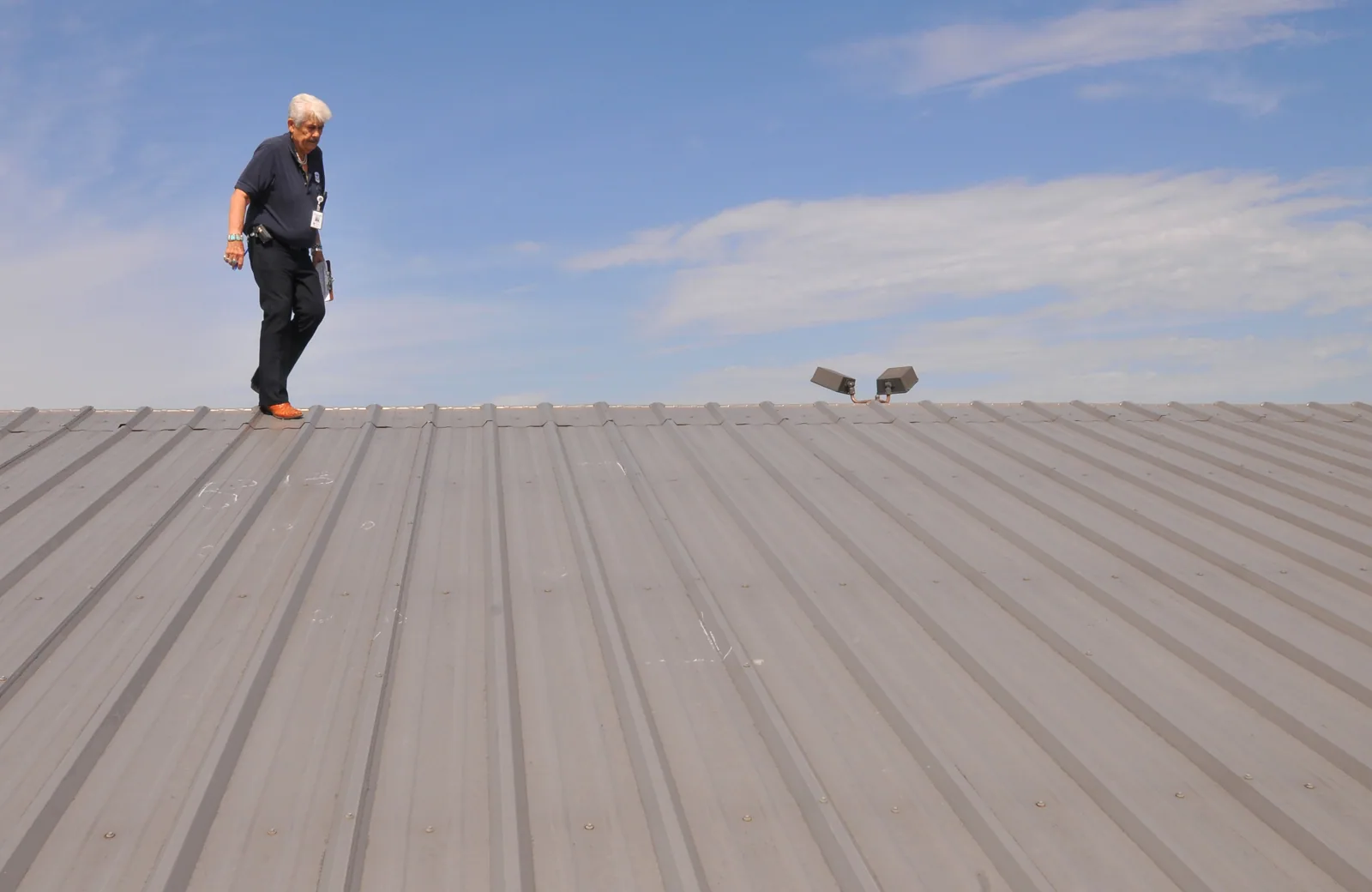
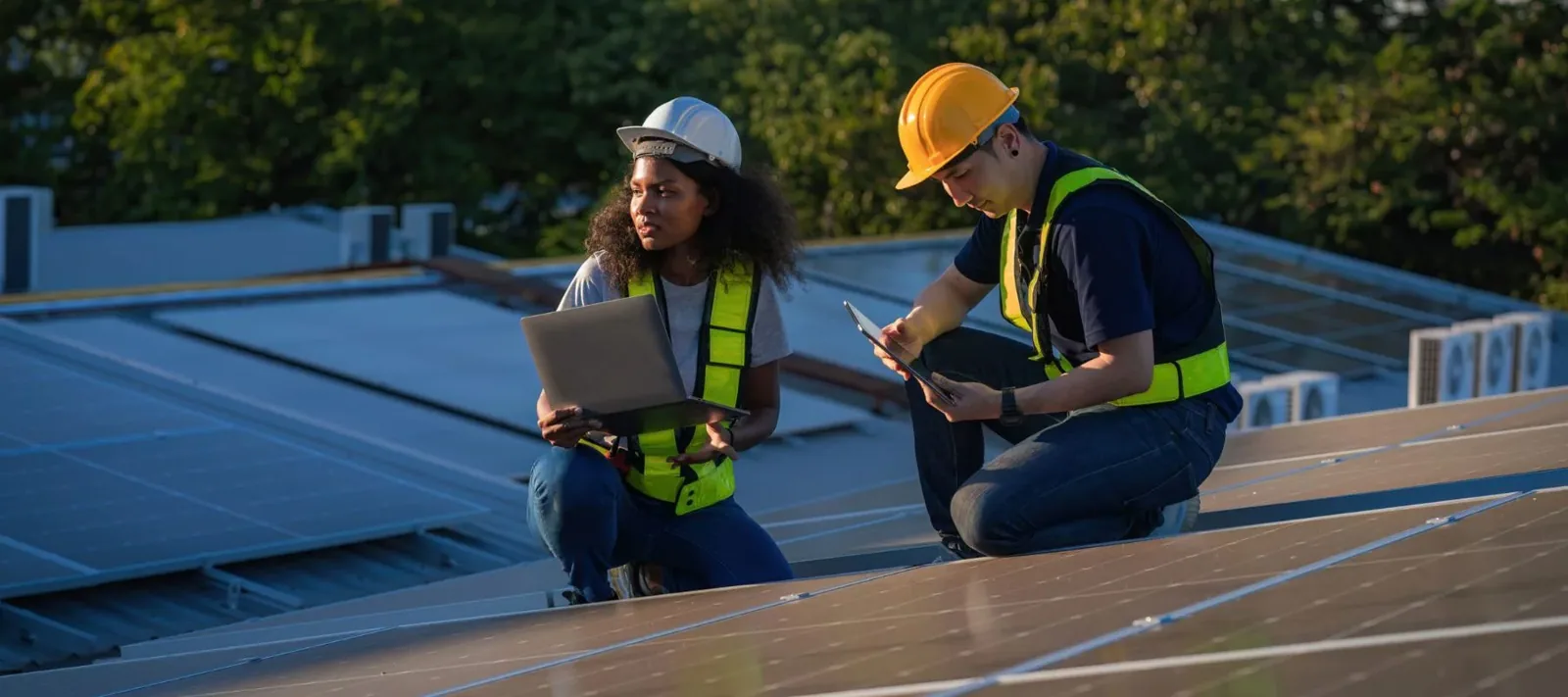
Before the visit, we confirm the decision deadline, roof access, available drawings, warranty documents, leak logs, and prior repair scopes. The survey can be visual, drone-assisted, infrared, or include a controlled opening when authorized. Each method has limits. The report identifies what was inspected and what was not. If the owner needs a budget range, we state assumptions and separate testing that remains incomplete.
For refinancing, acquisition, or a portfolio transfer, the reader needs a clear date and property identifier on every record. A condition report with photographs gives the buyer or lender a traceable basis. A roof asset record can retain the current findings after closing, so future repairs are tied to the right building and roof zones.
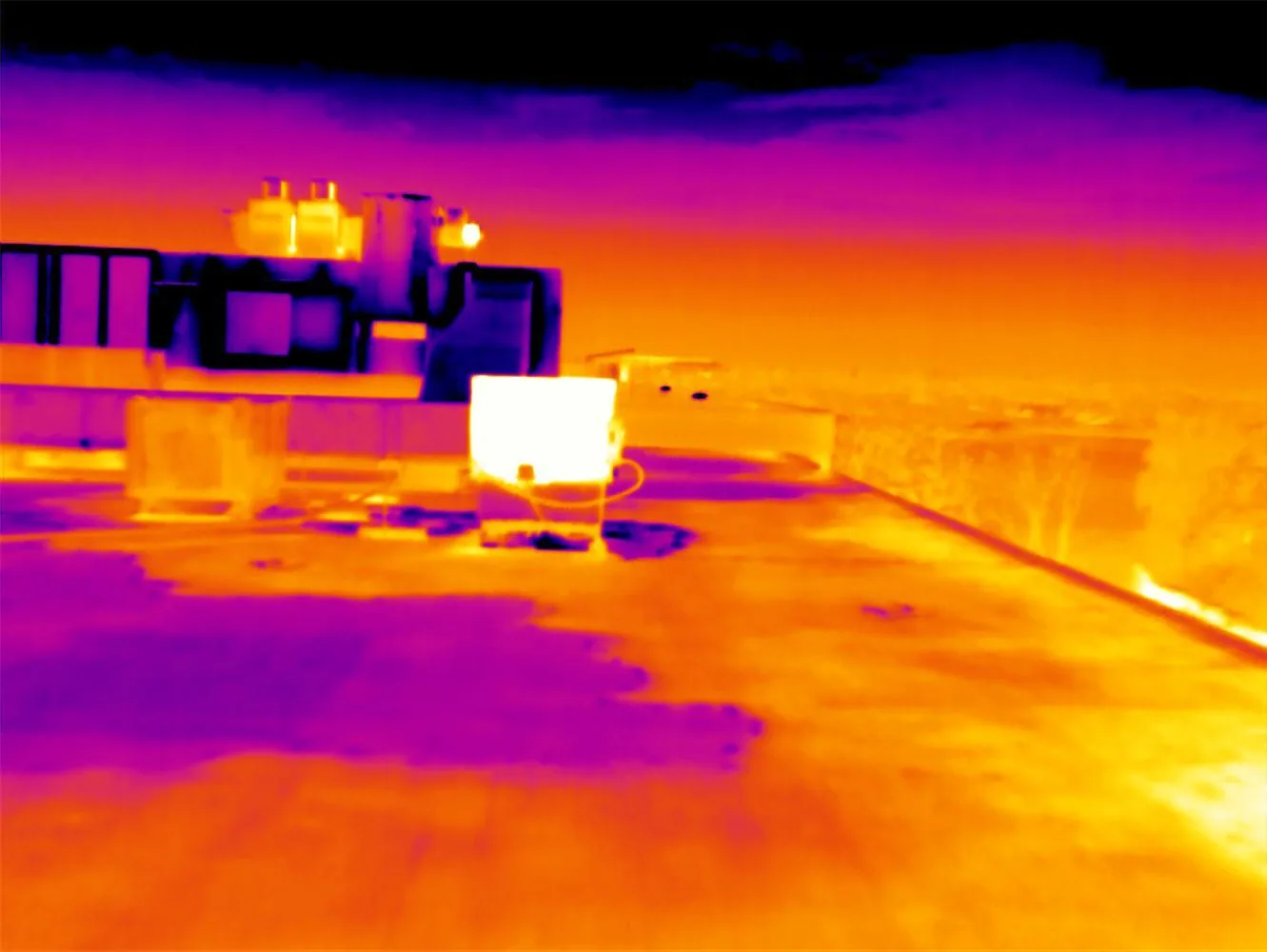
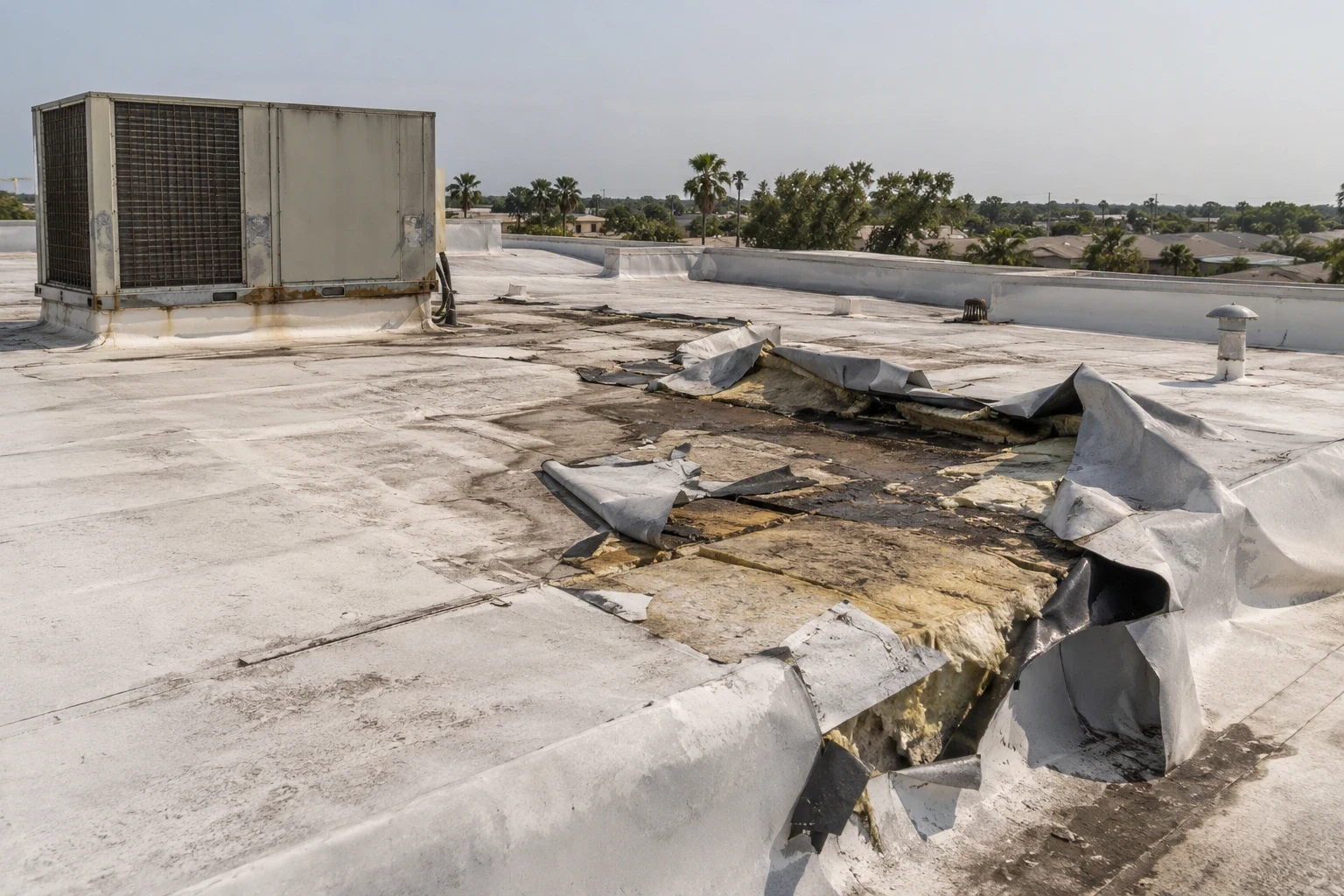
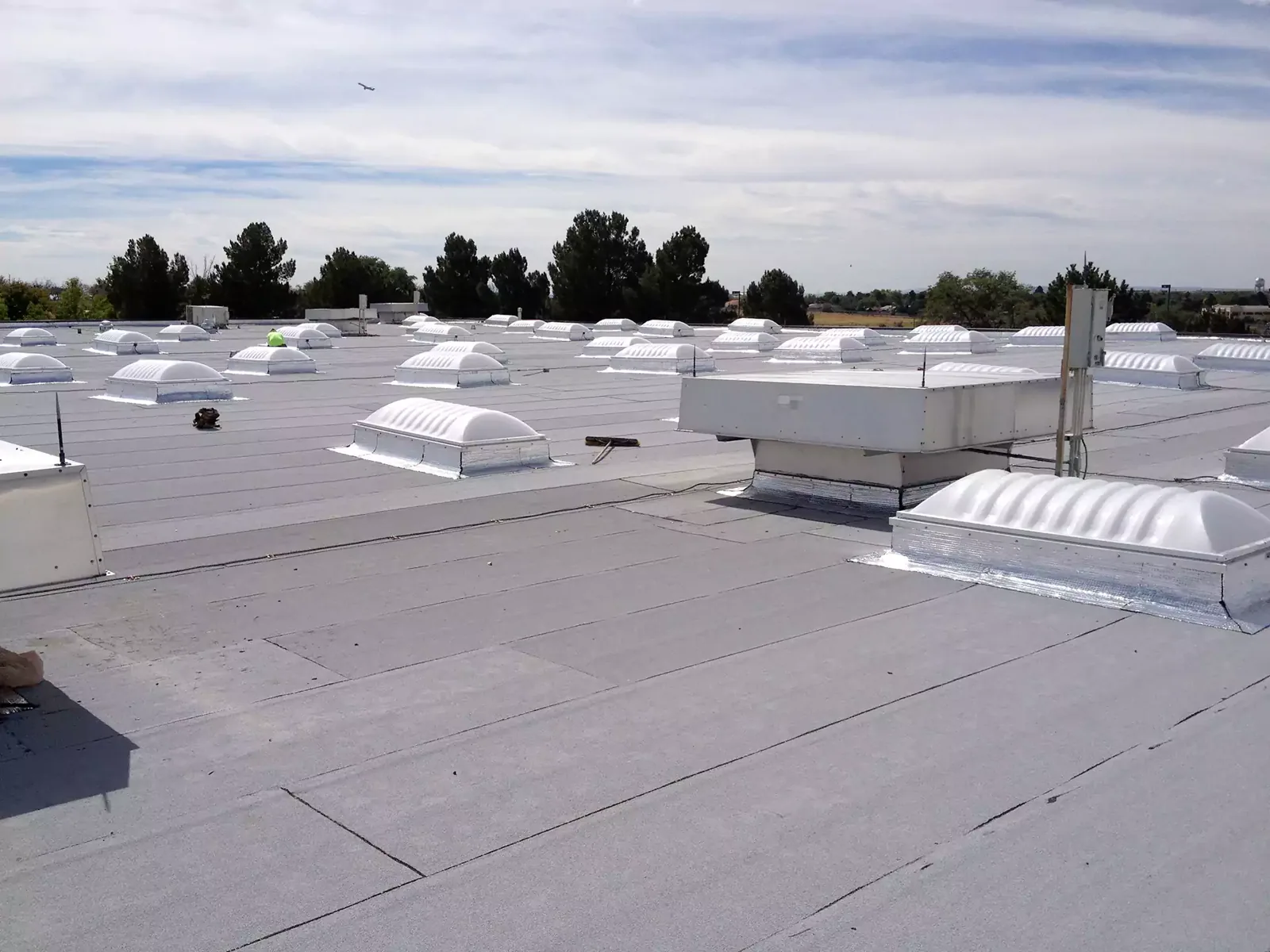
We review membrane or panel condition, seams, flashings, penetrations, perimeter details, drains, rooftop equipment, and visible repairs. We compare roof observations with the owner’s leak history and maintenance documents. If records are missing, the report says so. We ask whether roof areas are leased, controlled by a tenant, or reached through a shared hatch. Existing equipment can limit access and block a view of the membrane. Those constraints are listed before conclusions so a lender or buyer understands which portions were directly examined. Surface condition cannot confirm concealed insulation or deck. We identify a moisture survey or test opening when the transaction question depends on those layers.
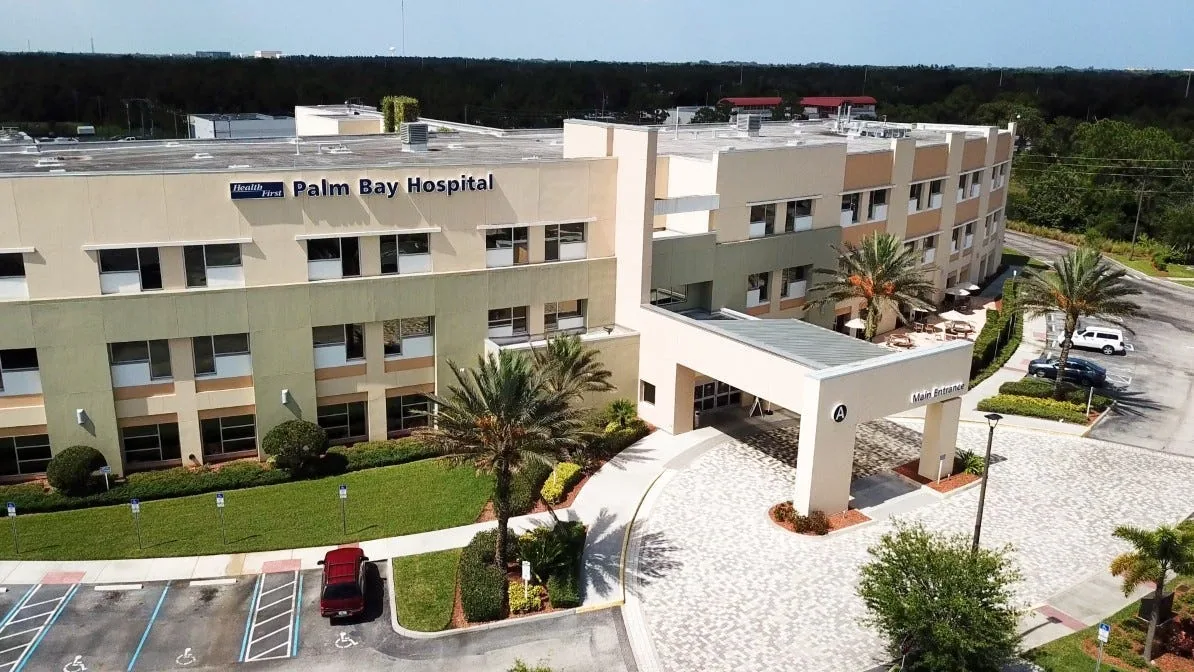
The report distinguishes observed damage from deferred maintenance and ordinary surface aging. It also notes whether a repair appears localized or whether a broader replacement review is warranted. The Palm Bay Hospital campus includes emergency and inpatient care, so its access contact sets the work window. At a commercial site by Palm Bay Station, tenant and delivery schedules may differ. The survey records the actual constraints for the subject property. The report identifies the person who provided access.
Findings are grouped by action: protect an active opening, complete a repair, maintain a functioning component, investigate concealed moisture, or evaluate a larger renewal. Each item has a roof-zone location, photograph, evidence, and recommended timing basis. We state what would change the recommendation, such as a test result, removal condition, or newly reported leak. The buyer can then distinguish a known near-term task from a question that needs more information. We can identify who should authorize a test, where it should occur, and the decision it informs. The recommendation names the roof zone and does not imply that a building-wide condition exists beyond the inspected area.
Local rainfall and storm history can inform the context section. Nearby Melbourne normals show higher monthly rainfall in June and September, while Irma surveys measured heavy rainfall at named Palm Bay points. These facts do not establish storm damage at the subject building. The survey records the event date as reported and describes only the property evidence. A storm-related roof assessment can provide a separate event record when requested.
Repair and replacement estimates depend on roof area, system, access, wet materials, deck condition, insulation decisions, disposal, equipment protection, and occupied use. A visual survey cannot quantify every concealed condition. We identify exclusions, allowances, and test openings that could change the scope. If an estimate requires measurements or contractor documents not provided, the report labels that limitation.
A transaction survey is not a promise about future performance or a warranty determination. It is a dated view of accessible conditions and available records. The replacement option is described when evidence supports a larger renewal, alongside any viable repair scope. A field inspection can be expanded if a material question requires hands-on verification before closing.
The deliverable includes the inspection date, subject property, methods, photographs, roof-zone findings, access constraints, active leaks, recommendations, and open questions. We can identify what is suitable for immediate repair and what needs an owner decision. If a test opening or follow-up visit is necessary, it is a separate action with a defined question and location. The report should not hide a restriction because the closing date is near.
Once the property changes hands, records should transfer with it. The closeout can include known warranty documents, completed repair notes, and the next inspection trigger when supplied. A capital planning record can place accepted work against budget windows. For buildings in Port Malabar Industrial Park, operating tenants and shared access are recorded only as confirmed for the specific address.
Learn more →
Learn more →
Learn more →
Learn more →
Learn more →
Learn more →
Learn more →
Learn more →