
A storm report describes a reported event; the roof inspection documents what the property shows. Record the date, building, affected interior area, and access limit before describing damage. Palm Bay has a documented F-1 tornado from 2005 and separate tropical-cyclone surveys. A property inspection records the condition of each roof involved in a claim.
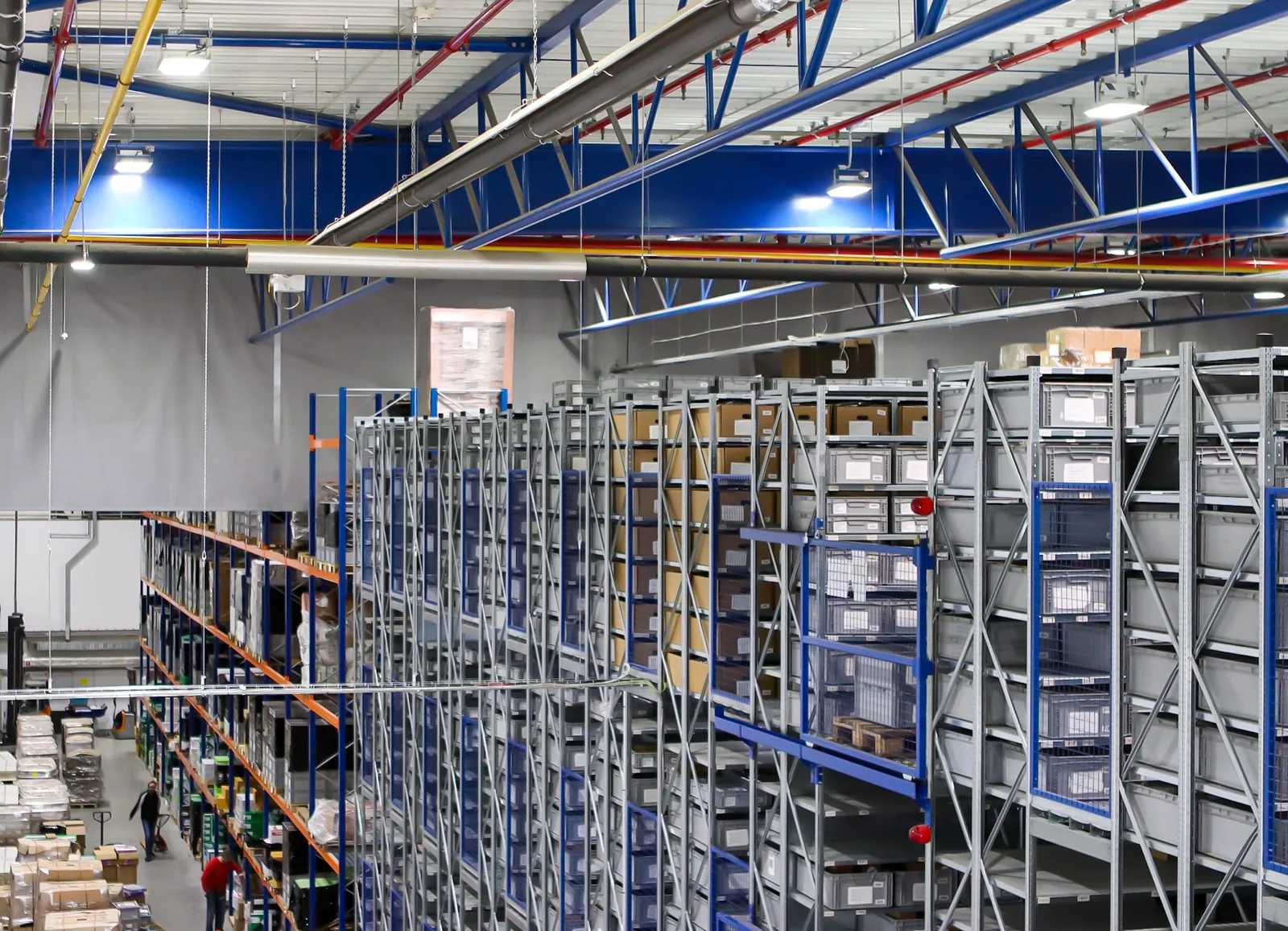
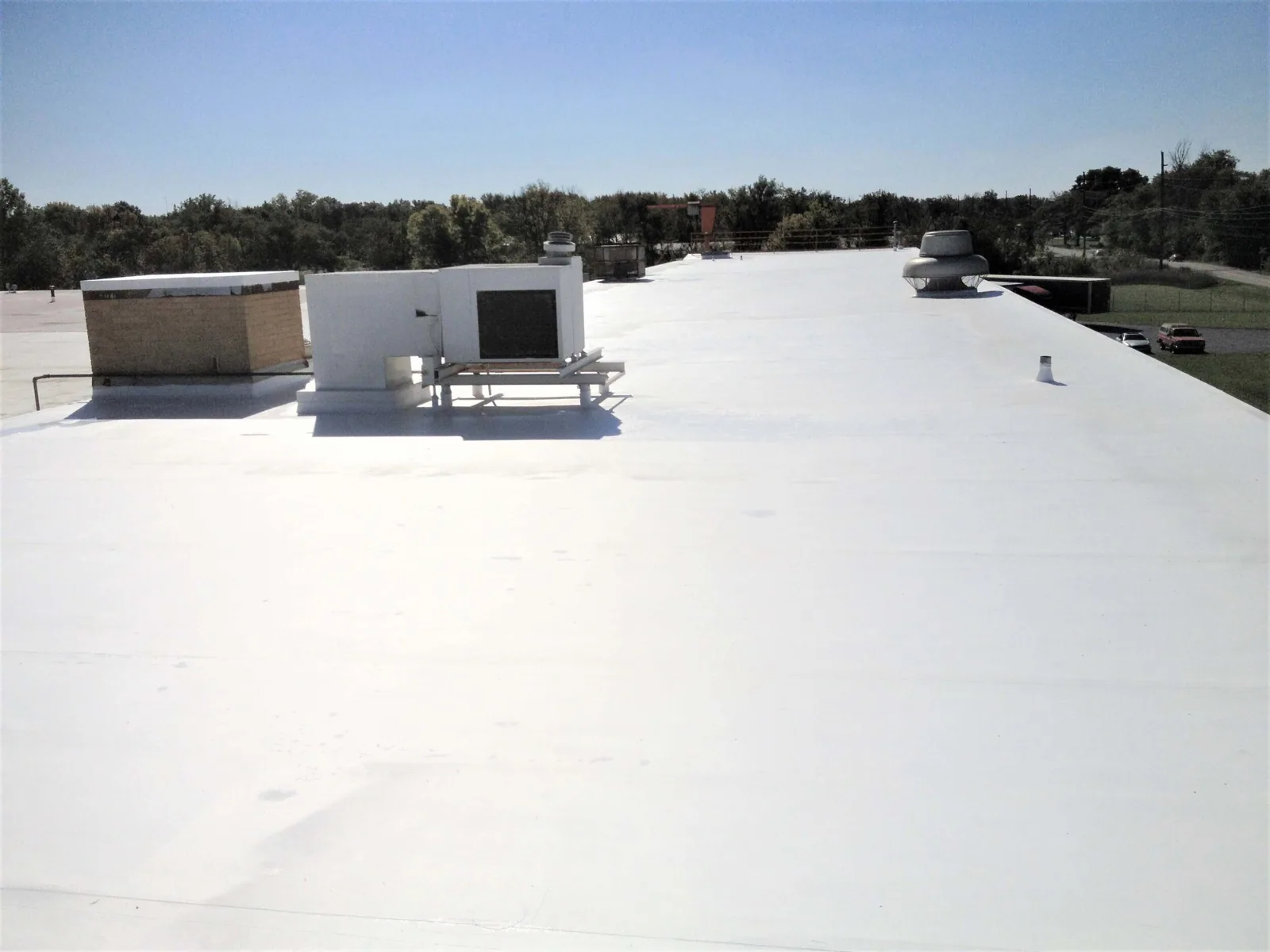
Start with the owner or adjuster's event date and the location of active water. Map the building and roof zones, then photograph the reported interior condition and accessible exterior details separately. Note recent maintenance, prior repairs, and any area obscured by equipment or finishes. A commercial roof inspection records what the crew could actually observe.
At the Palm Bay wastewater treatment plant, Irma rainfall reached 10.67 inches; two other Palm Bay gauges recorded 11.10 and 13.23 inches. The property inspection still records damage at its own address and event date. Keep regional rainfall, the property event report, and observed roof conditions in separate record fields. That distinction matters when the roof history includes earlier repairs or a different water entry point.
Palm Bay Hospital is on Malabar Road and announced a five-floor expansion for summer 2026. At any occupied property, confirm whether other trades altered the roof after the reported event. At any occupied commercial property, confirm whether other trades altered the roof after the reported event. Dated photographs can show the condition before a repair or temporary cover changes it.
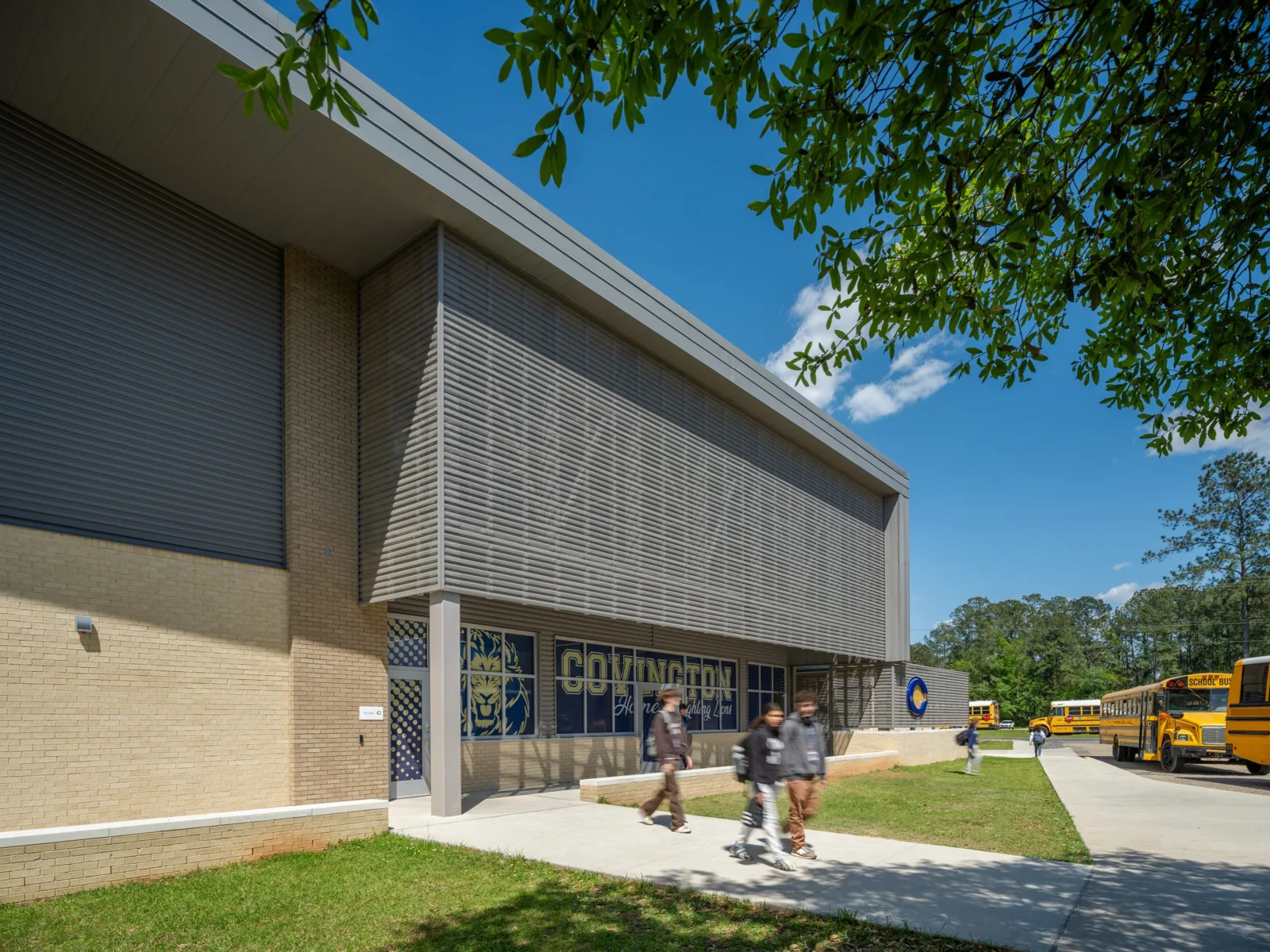
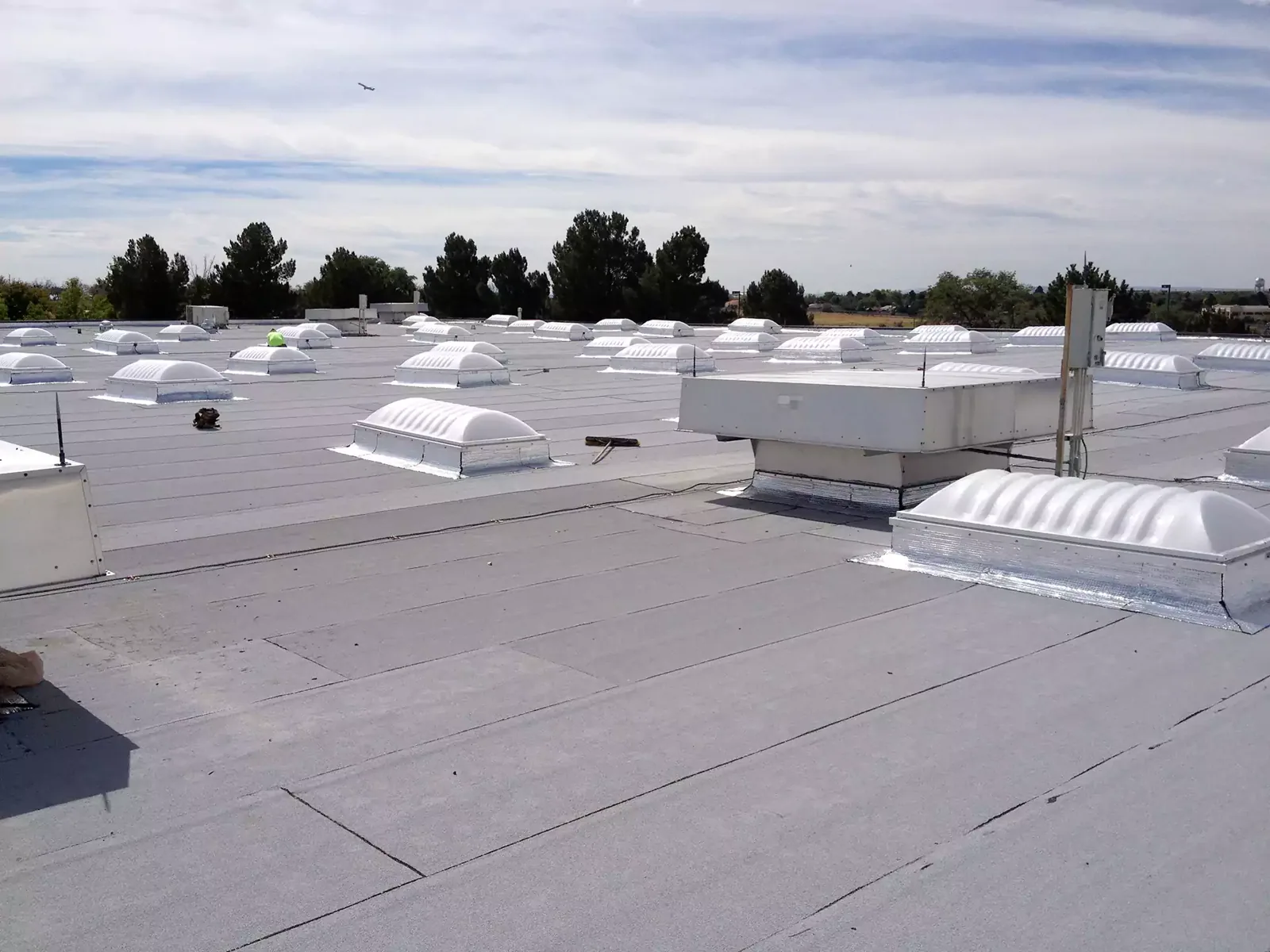
Use a roof map that identifies seams, penetrations, drains, edges, curbs, and the reported damage area. Photograph the whole roof zone first, then detail each condition with a scale or fixed feature where practical. Keep image dates, orientation, and location together. A condition report can organize the record without treating an inaccessible section as inspected.
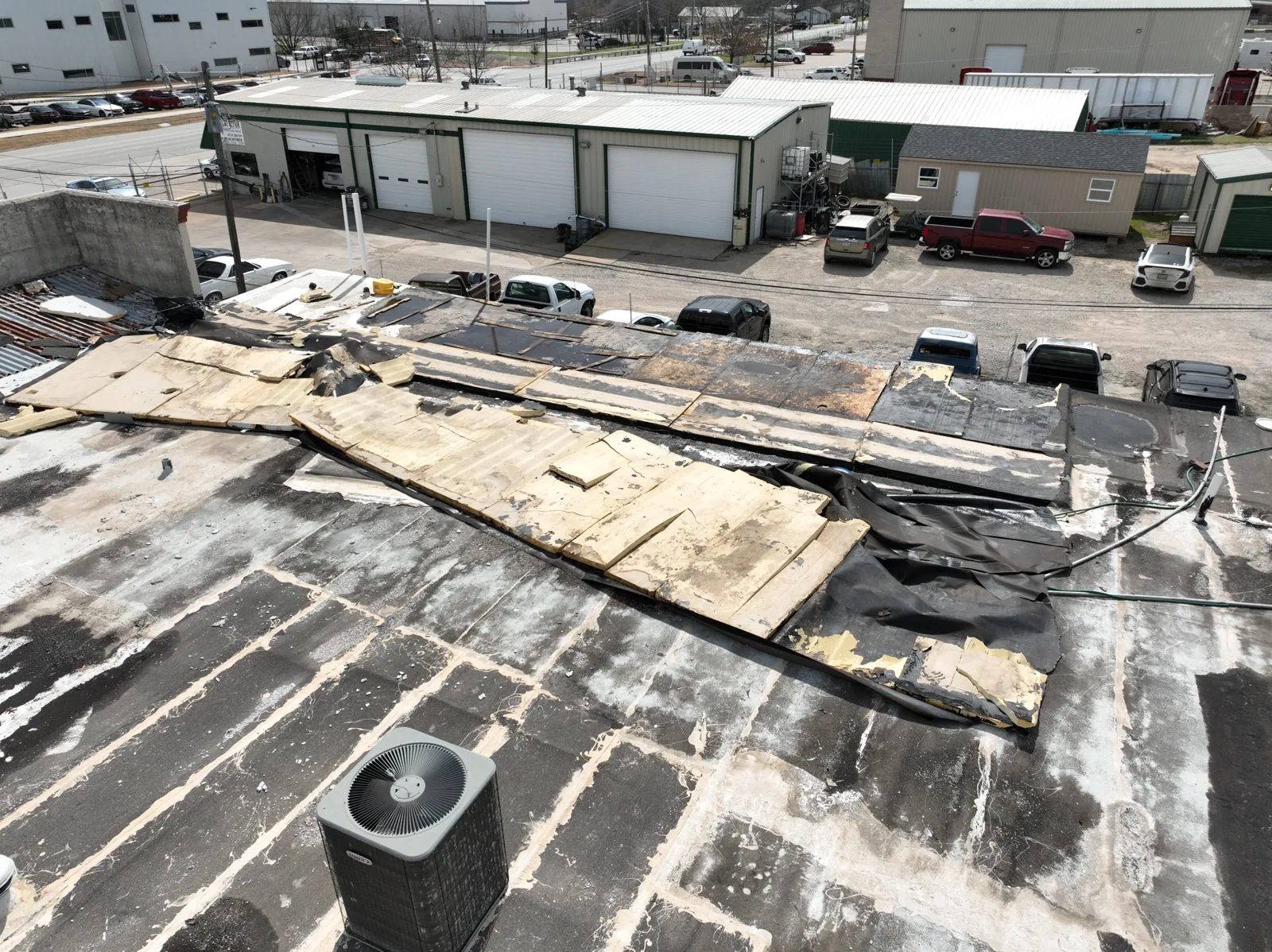
Wind displacement, punctures, failed flashing, seam openings, and drainage restrictions are different findings. Describe the material and location. If cause is uncertain, say what could be confirmed and what additional access or testing would help. A wind damage review can document moved metal or attachment, but an event report alone does not identify which component failed.
A test opening may show insulation, deck, or prior layers beneath a membrane. Obtain authorization before cutting. Record the exact location, dimensions, moisture or attachment evidence, and how the opening will be closed. One opening supports a finding at that point, not every roof zone in the claim.
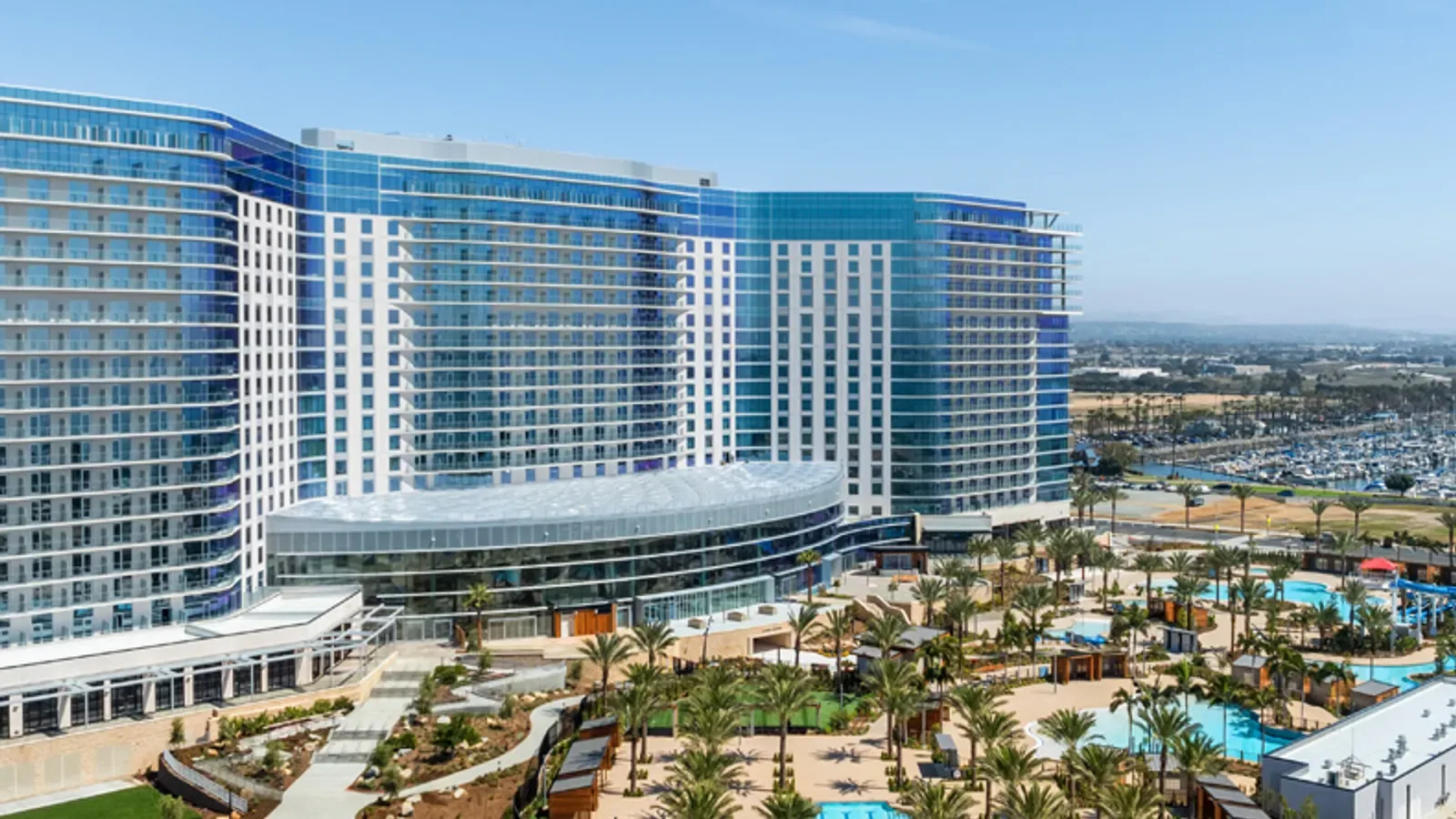
If water is active, temporary protection addresses immediate exposure. Record its installation time, location, material, weather condition, and return plan. Photograph the cover and any water path. State whether interior protection or tenant relocation was included. Do not describe temporary material as a completed permanent repair.
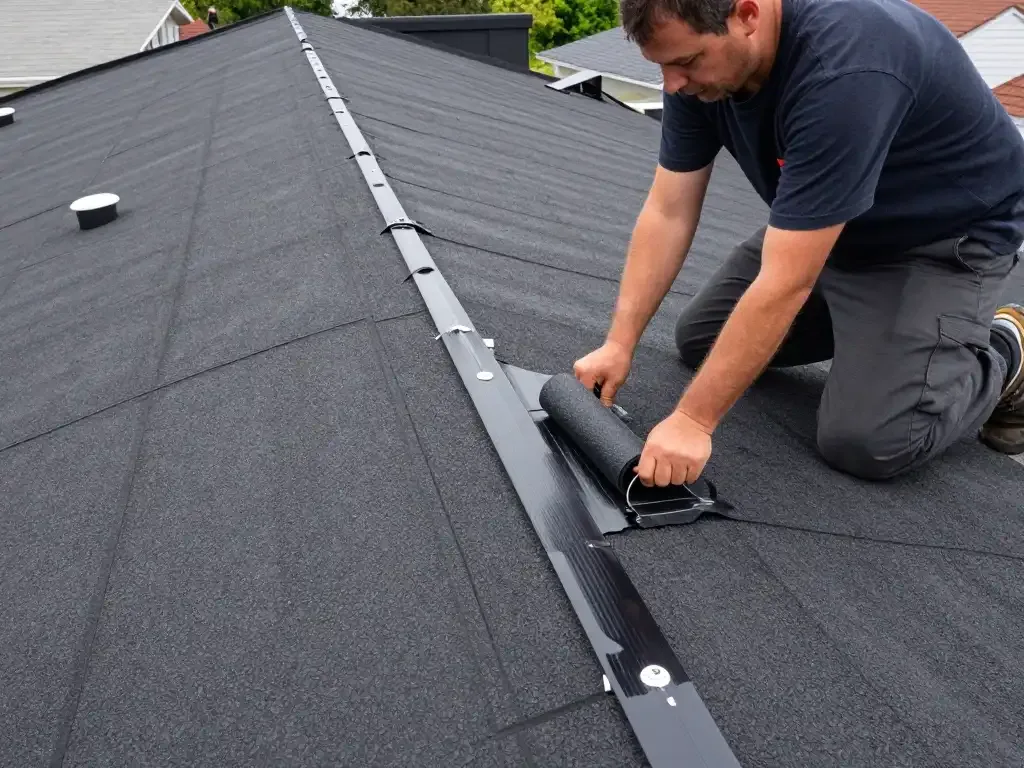
The permanent scope names preparation, repair material, area, attachment, flashing, and tie-in. It also lists exclusions and any concealed condition that could change the boundary. A leak repair scope can separate emergency response from the lasting fix. If the evidence supports broader work, a replacement evaluation identifies assembly assumptions and removal limits.
Cost follows the materials, access, lift needs, protection, tear-off, insulation, drainage work, and extent confirmed after exposure. Keep quantities linked to measured roof zones. A proposal describes the work; coverage and claim decisions remain with the owner and their insurer. Do not promise approval or infer that a reported event pays for unrelated maintenance. Scope reconciliation should compare estimate items with photos and measured repair area. Identify whether removal, code work, interior patching, protection, and access equipment are included. If bids use different boundaries, note that before totals are compared.
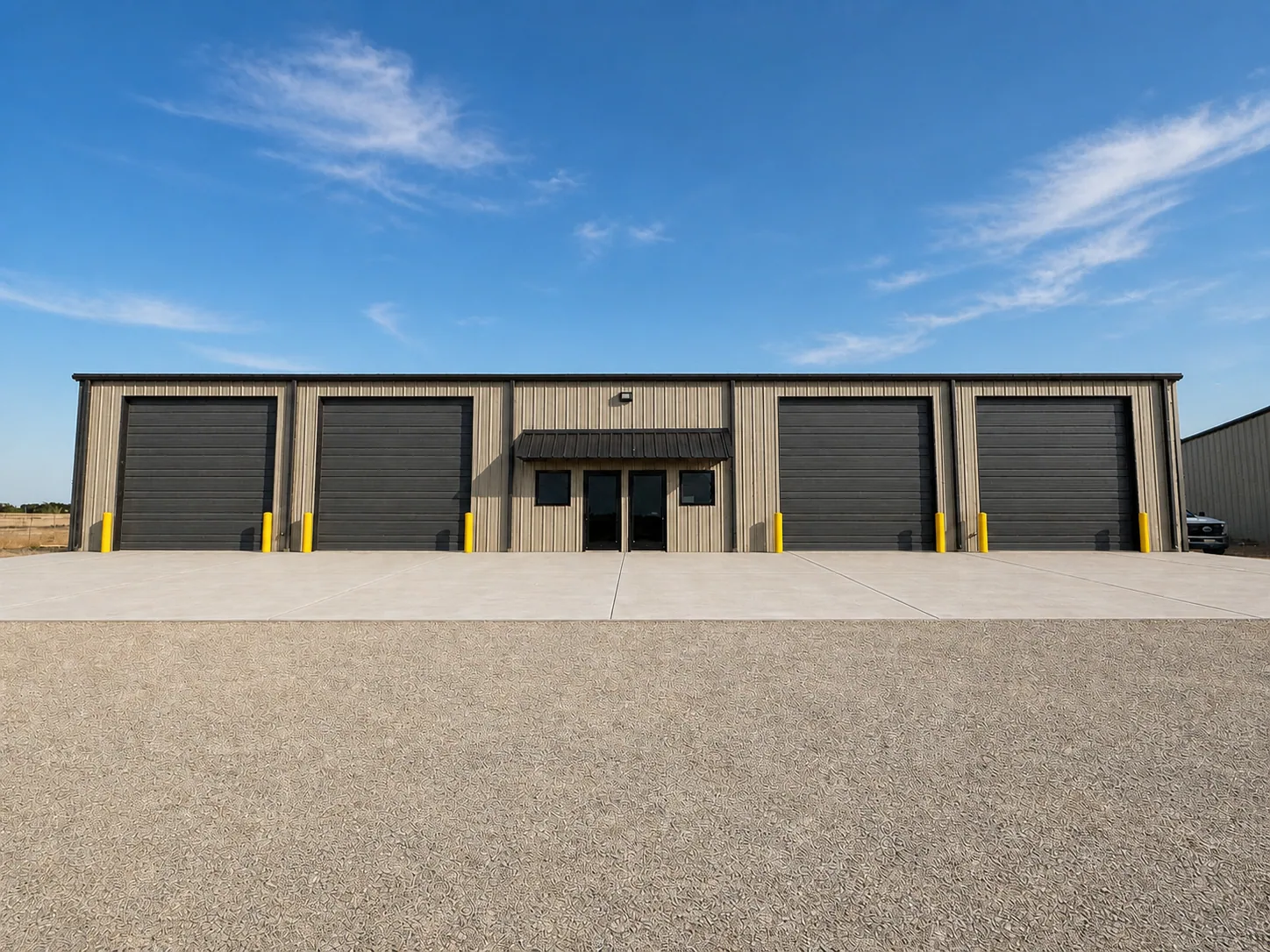
Melbourne International Airport records summer highs near 89 degrees and more than 60 days a year above 90. Before roof work, check the surface and weather at the property.
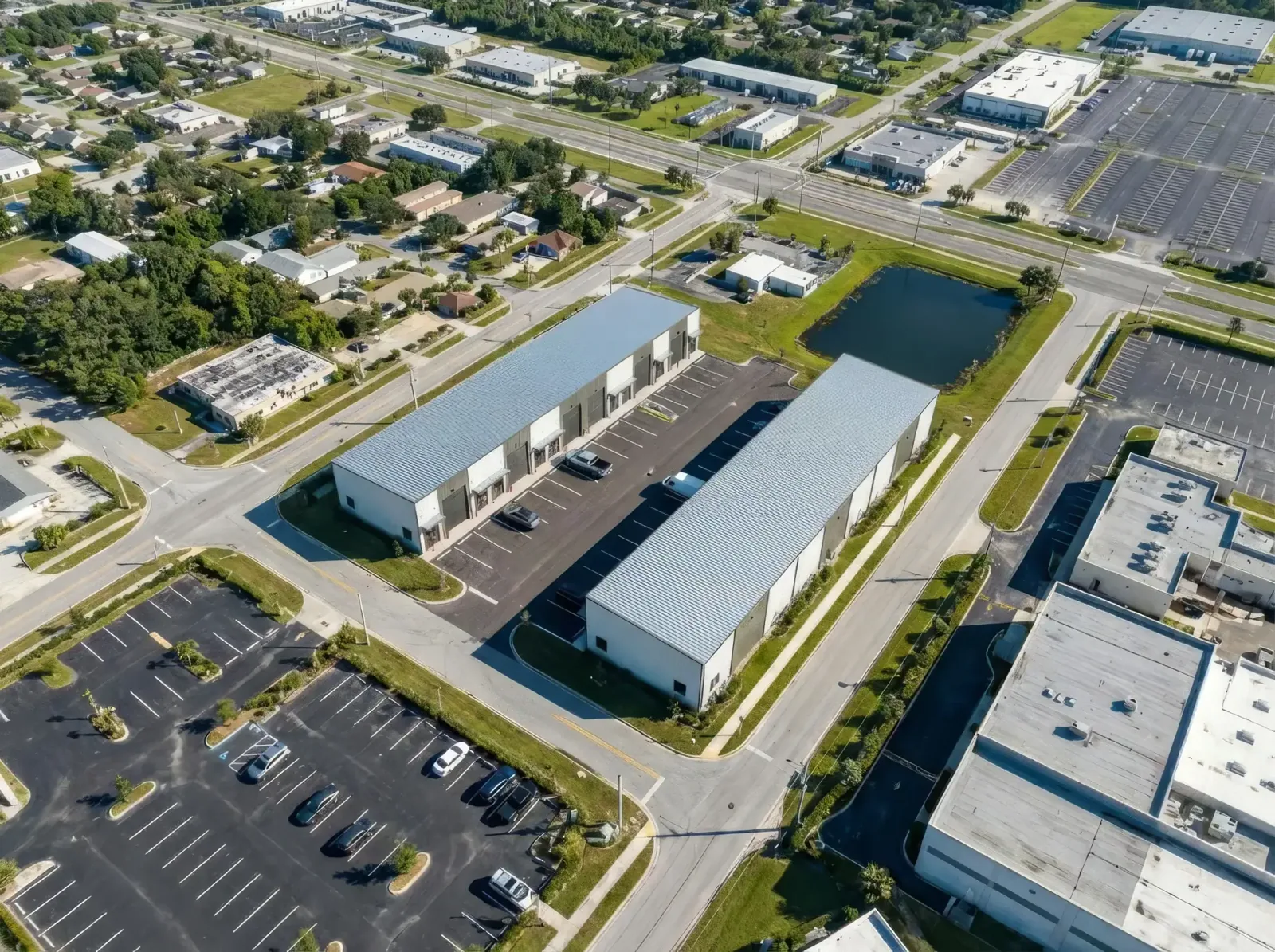
Palm Bay's commercial inventory spans locations such as Palm Bay Flex Business Park and the retail corridors near Bayside Lakes. Those sites can have distinct roof systems, owners, and access rules. For a local service reference, the Palm Bay Flex Business Park area helps orient the market; a claim inspection must still use the insured property's exact address and authorized contact.
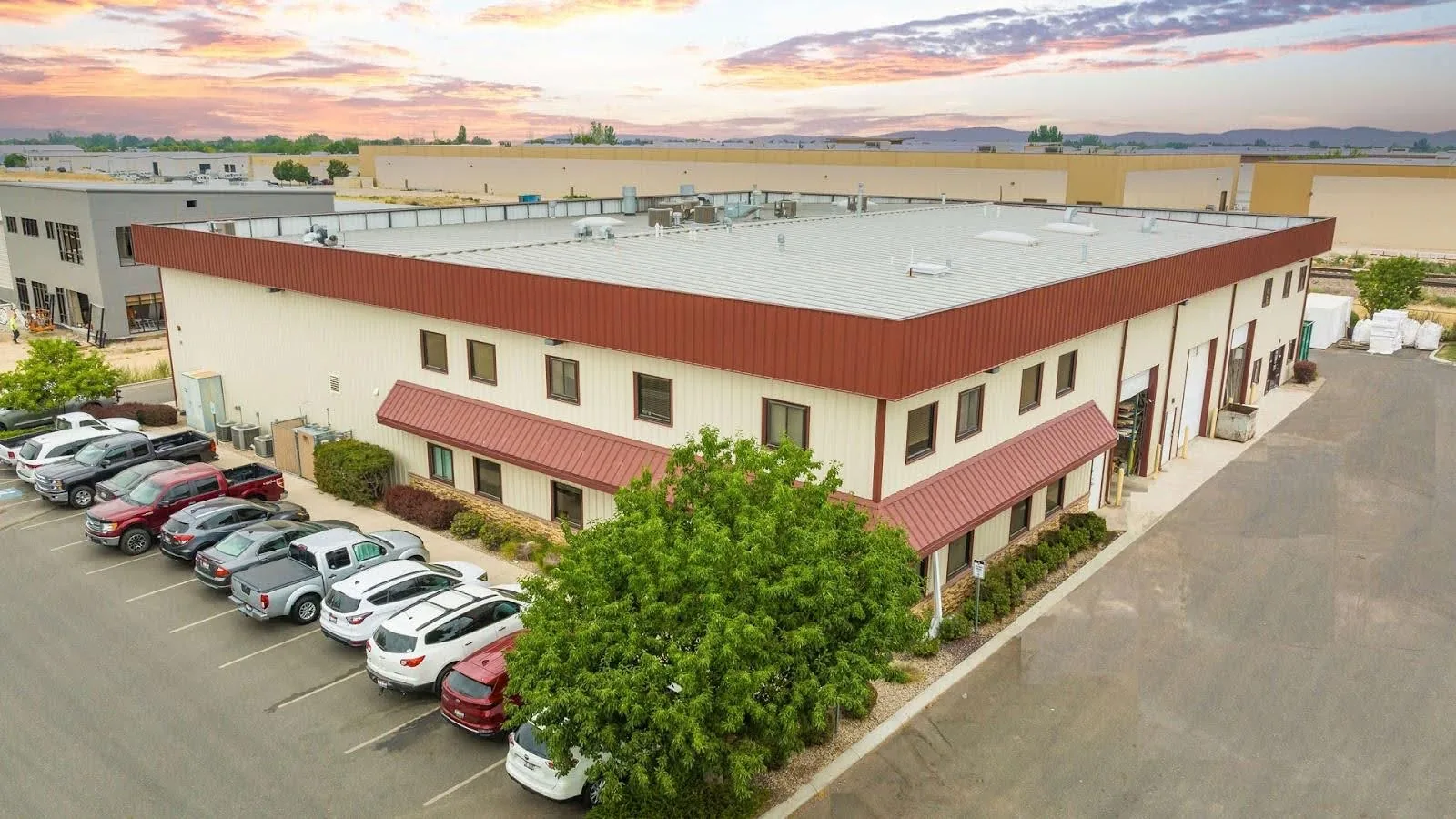
Keep the reported event date, inspection date, roof-zone map, photographs, test results, temporary-protection record, repair boundary, estimate assumptions, and unresolved conditions together. Identify which findings are observed, reported, or concealed. List return visits and changes after the first inspection. This lets the property team and adjuster compare the same locations.
Where an owner has a general contractor coordinating restoration, a construction handoff record can align roof work with interior repairs. Public buildings may need additional procurement and closeout details; a public facility scope can organize those project records. Each authorization and repair remains tied to the specific property.
After work, photograph the completed repair, adjacent roof, and interior condition when access is allowed. Record material, installation date, inspection result, and any work deferred. A follow-up check should return to the mapped area rather than relying on the original leak description alone. Keep original image dates and location labels intact, and identify which party receives the final report and remaining action list.
Learn more →
Learn more →
Learn more →
Learn more →
Learn more →
Learn more →
Learn more →
Learn more →