
A roof opening discovered after adjacent work is covered can change the sequence and the cost. Record the location, event or discovery date, and current construction phase before the roofing scope moves. Palm Bay has active medical, industrial, and retail development. The general contractor needs roof details, access limits, hold points, and written approval boundaries that fit the actual project.
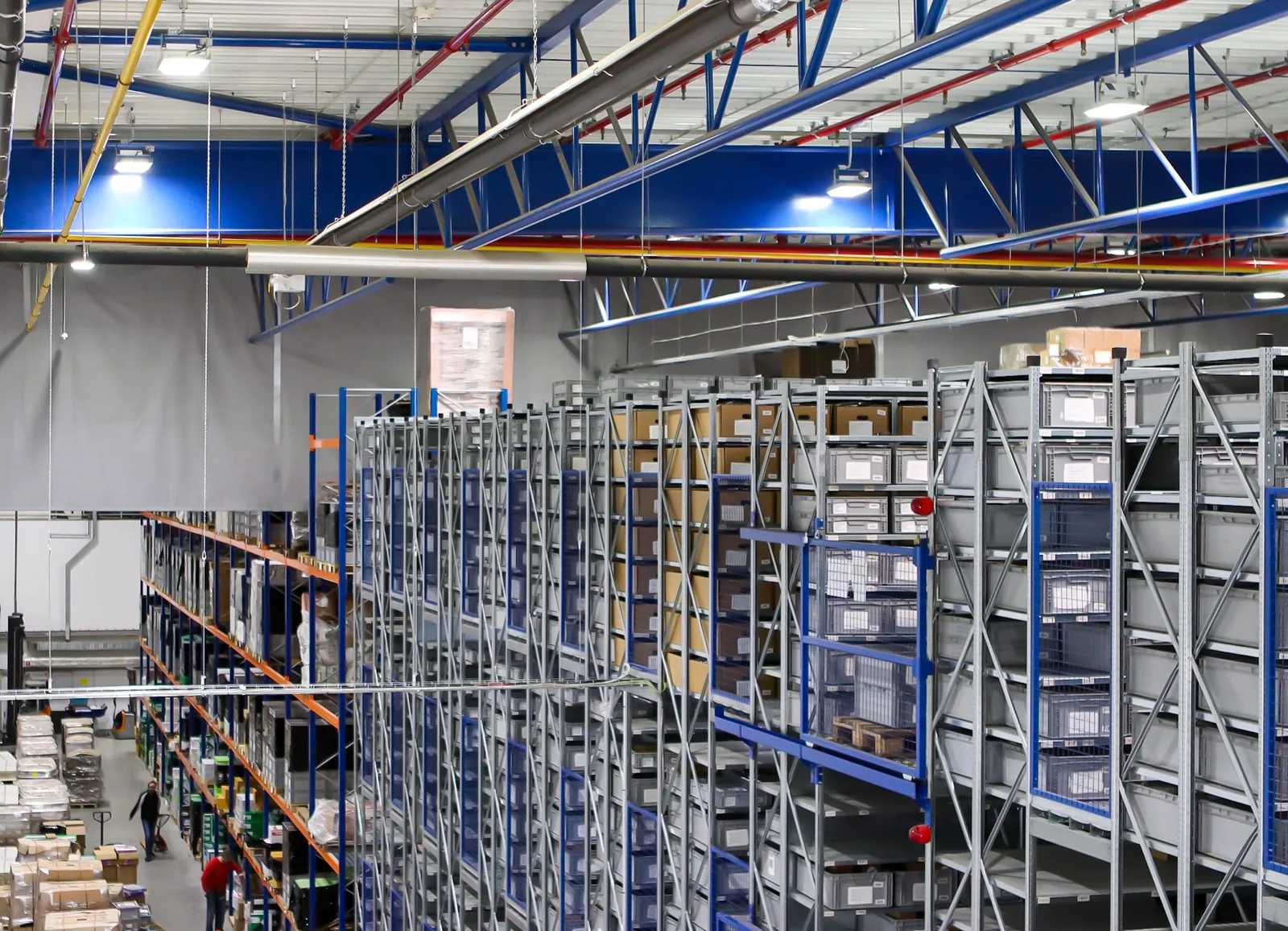
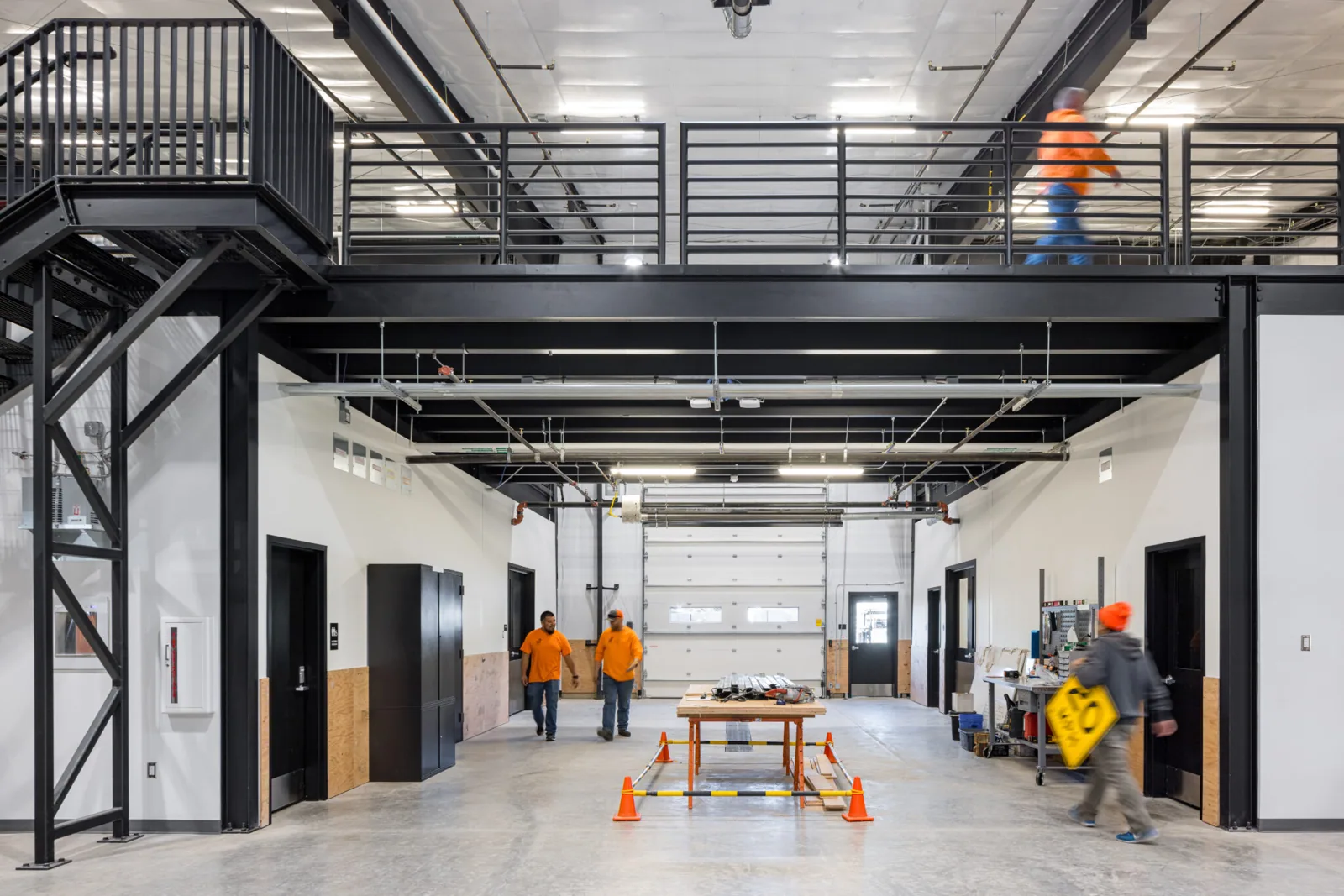
Review plans, specifications, addenda, existing conditions, roof access, staging, and the division of work. Identify the roof assembly and every tie-in to curbs, walls, parapets, drains, skylights, and edge metal. State whether tear-off, insulation, protection, interior work, or temporary cover is included. A preconstruction roof inspection can record the visible condition before trades begin.
Florida's 8th Edition Building Code (2023) became effective statewide on December 31, 2023. The scope and permit review determine which code provisions apply to a particular assembly. Confirm design criteria, attachment, energy requirements, and submittals through the project documents and authority review. Do not assume an existing detail meets the new work requirements.
Palm Bay Flex Business Park offers modular space for engineering and light-industrial uses beside the L3Harris campus. That local development shows the type of mixed construction environment around Palm Bay, not the roof specification for another site. A contractor should confirm roof height, access, neighboring operations, and staging with the project superintendent before pricing.
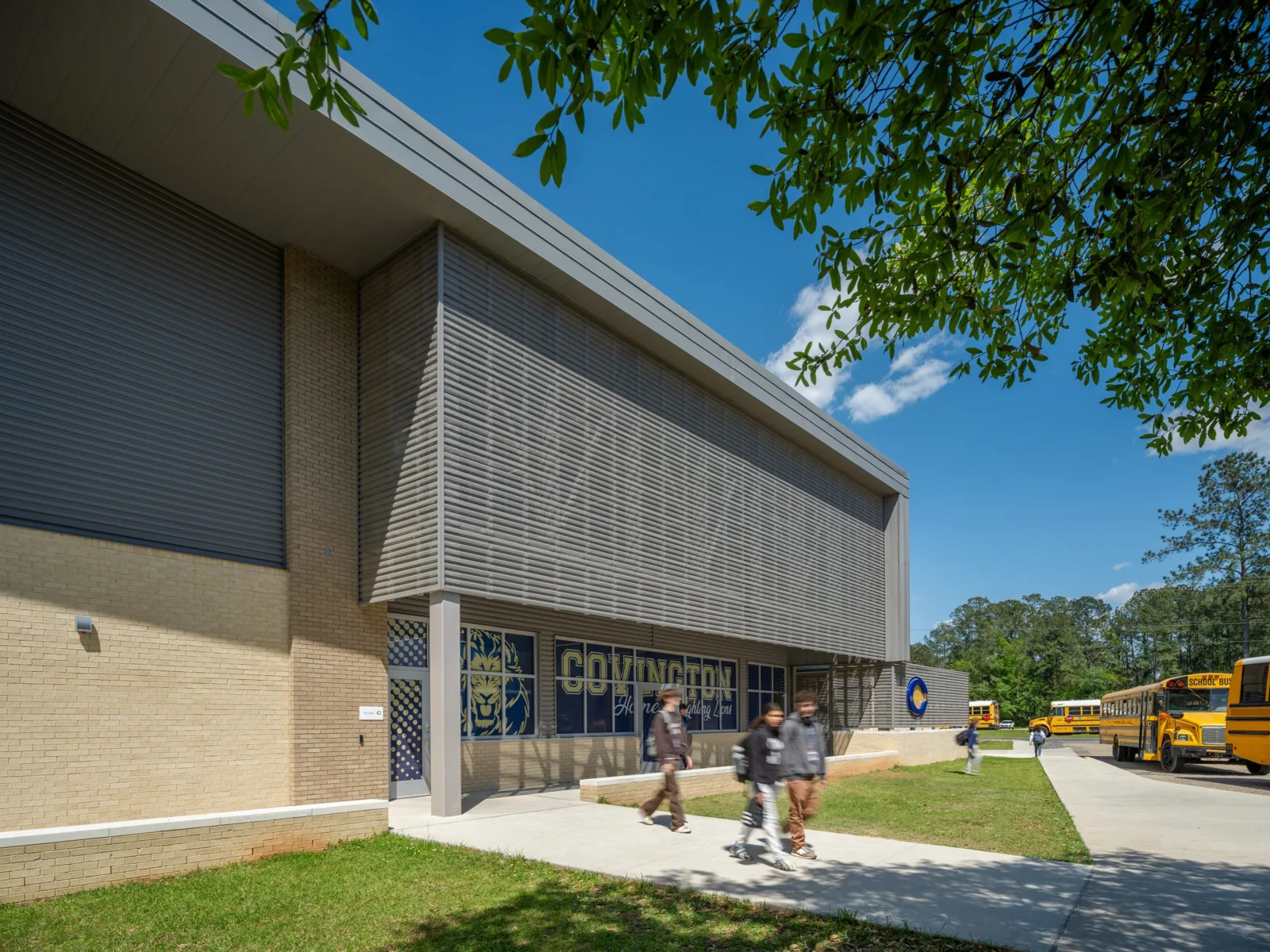
Submit product data, assembly components, attachment details, flashings, edge conditions, safety information, and installation requirements as required by the contract. Identify substitutions and compatibility questions before material reaches the roof. A product name does not define the full system. The submittal should match the approved assembly, substrate, and transition details.
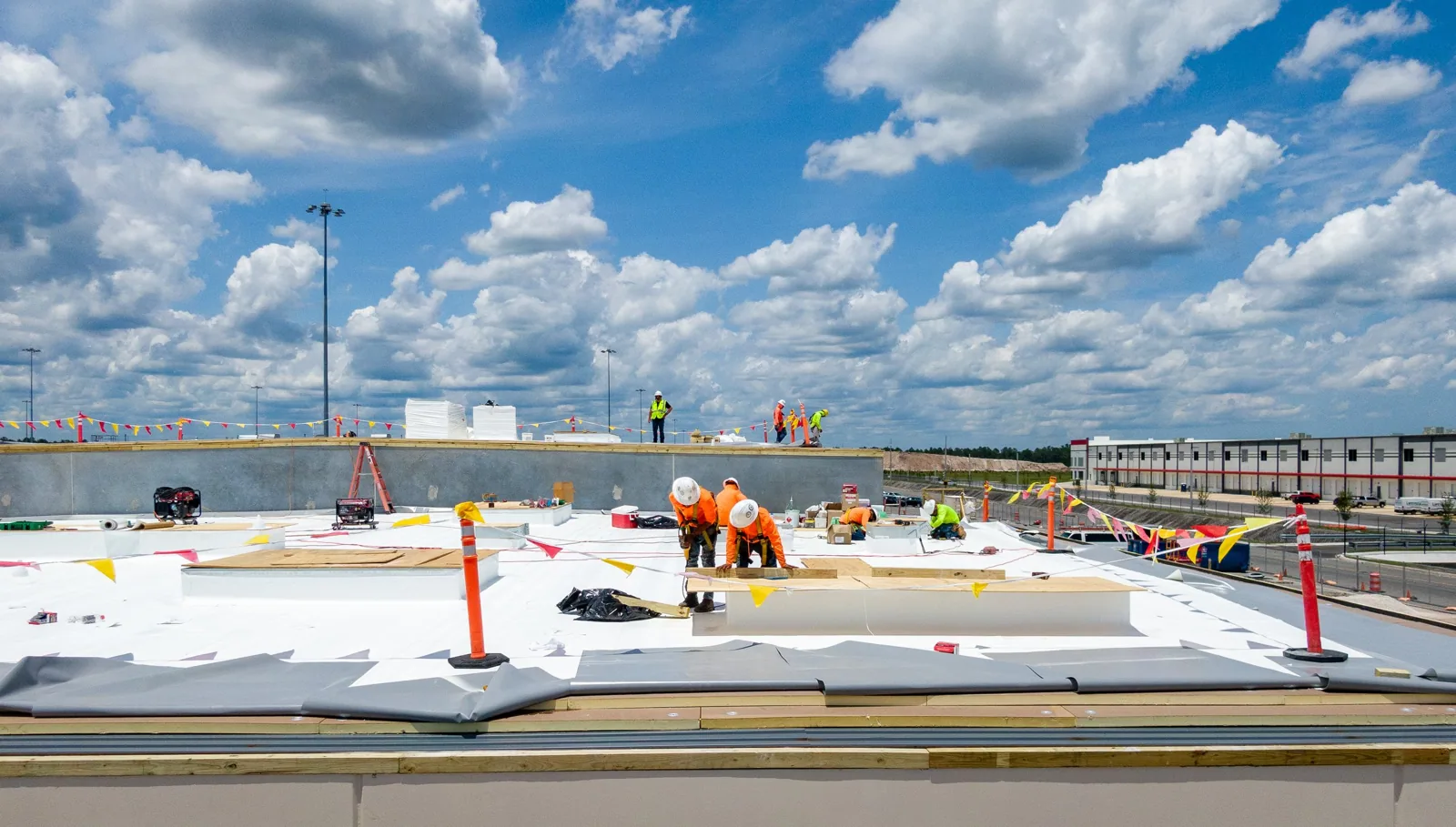
Assign inspection hold points for deck review, insulation, cover board, perimeter attachment, field seams, penetrations, and final closeout. Photograph each stage before it is concealed. A dated photo record can tie the installation step to a roof-zone map. If the designer or owner must observe work, state the notice period and responsible contact.
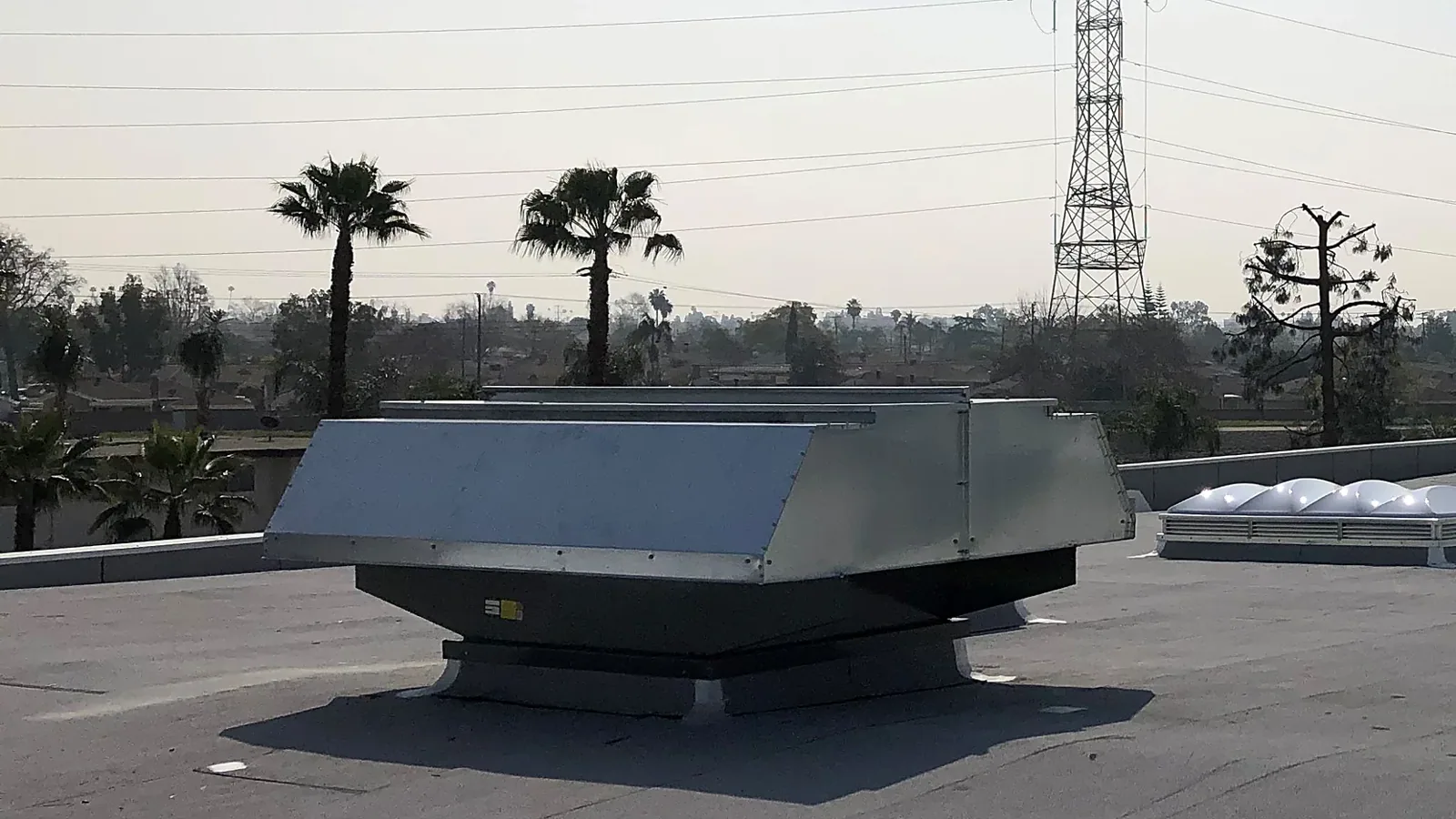
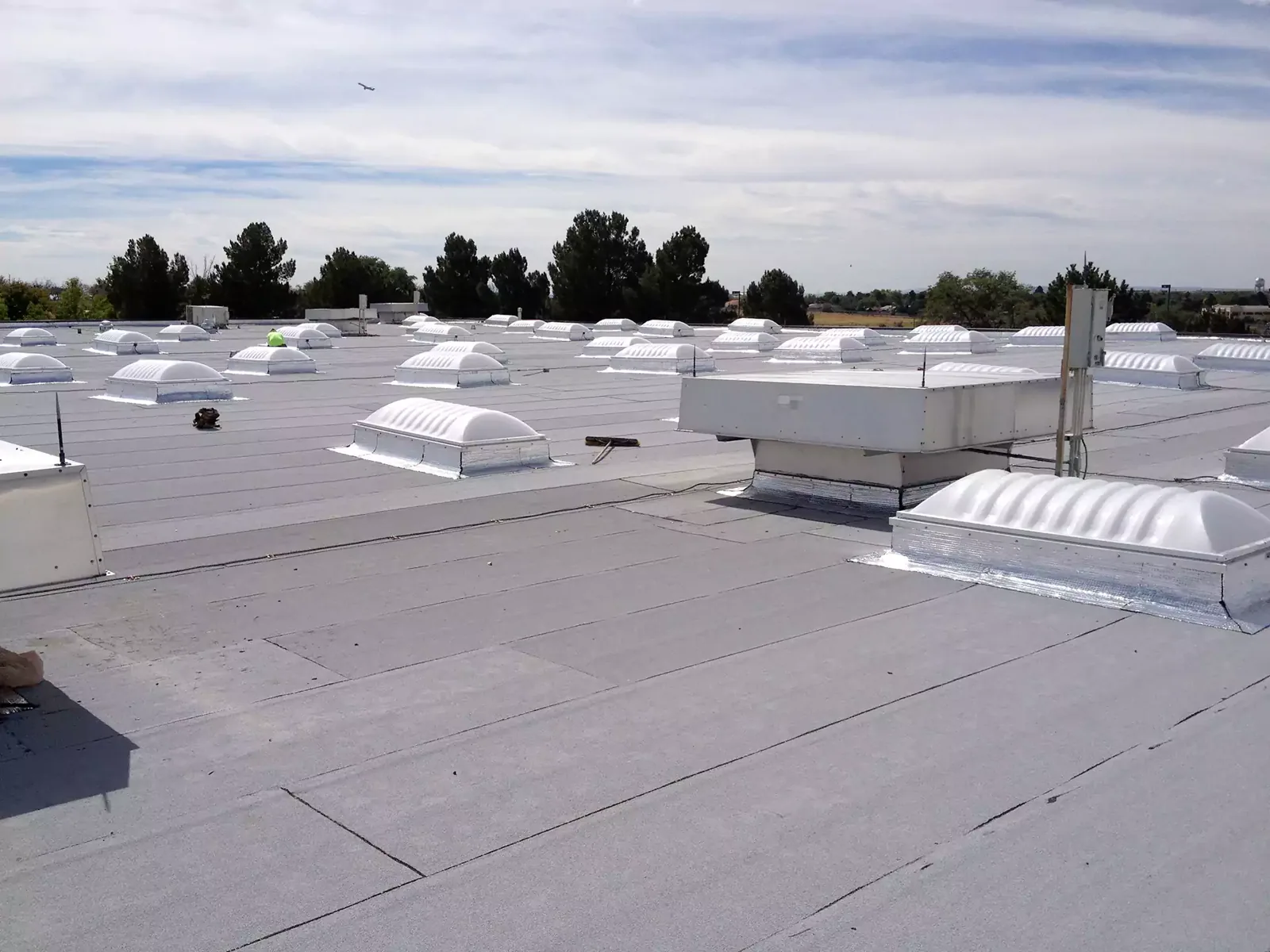
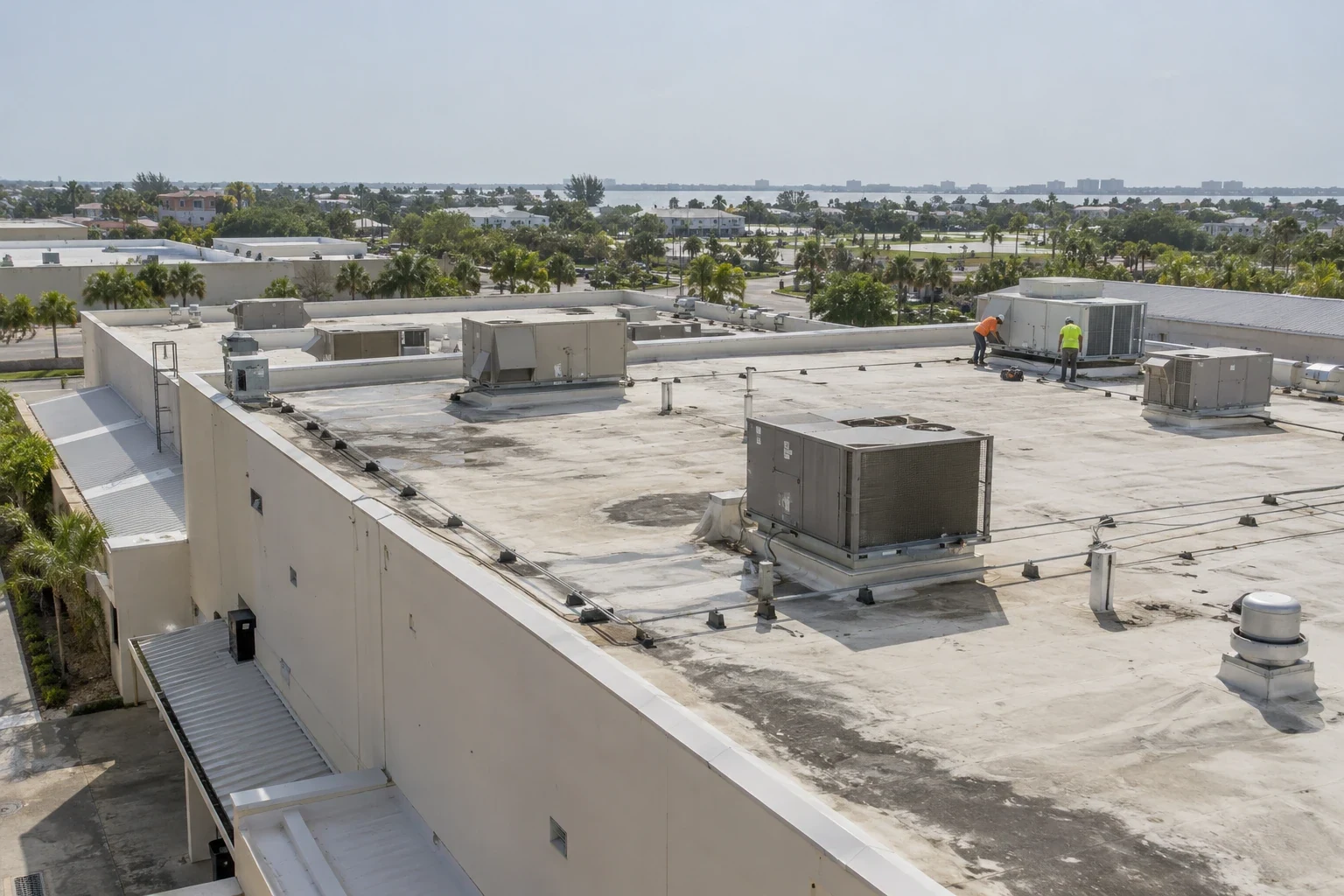
Changes to curbs, drains, or supports can affect both roofing and mechanical work. Identify who cuts, braces, flashes, tests, and accepts each penetration. A curb coordination review can show interface responsibilities before equipment is set. Keep added work on a written change request with the exposed condition and price basis.
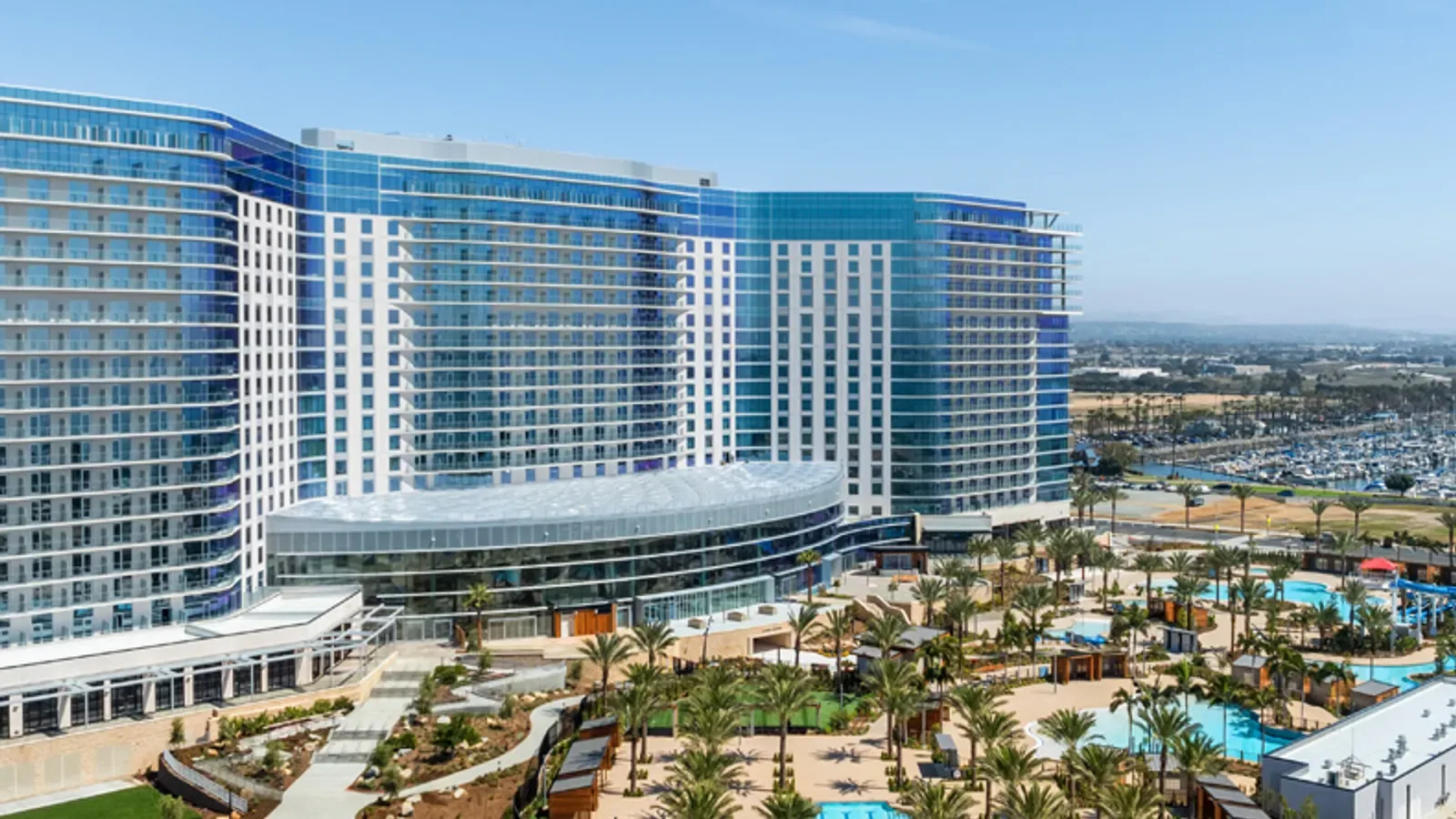
Plan roof access around deliveries, crane picks, exterior trades, and occupied operations. Define the work area, material route, debris path, fall protection, and shift-end closeout. A phased roof sequence can align roofing with tenant turnover or interior finish work while keeping temporary edges visible.
Nearby Melbourne climate normals show annual rainfall above 55 inches, with the highest monthly averages in June and September. During Hurricane Irma, several Palm Bay reporting points recorded more than ten inches of rain. These conditions inform exposure planning but do not forecast the next shift. Check current conditions, protect open assemblies, and document the completed boundary before the crew leaves.
At The Crossings at Babcock, a parcel is marketed at Babcock Street for ground lease or build-to-suit retail. It is a local construction reference, not a report of a roof project. For a live job, confirm delivery entrances and adjacent traffic controls at the site. The Babcock Street area helps orient local routing, while the superintendent controls the project access plan.
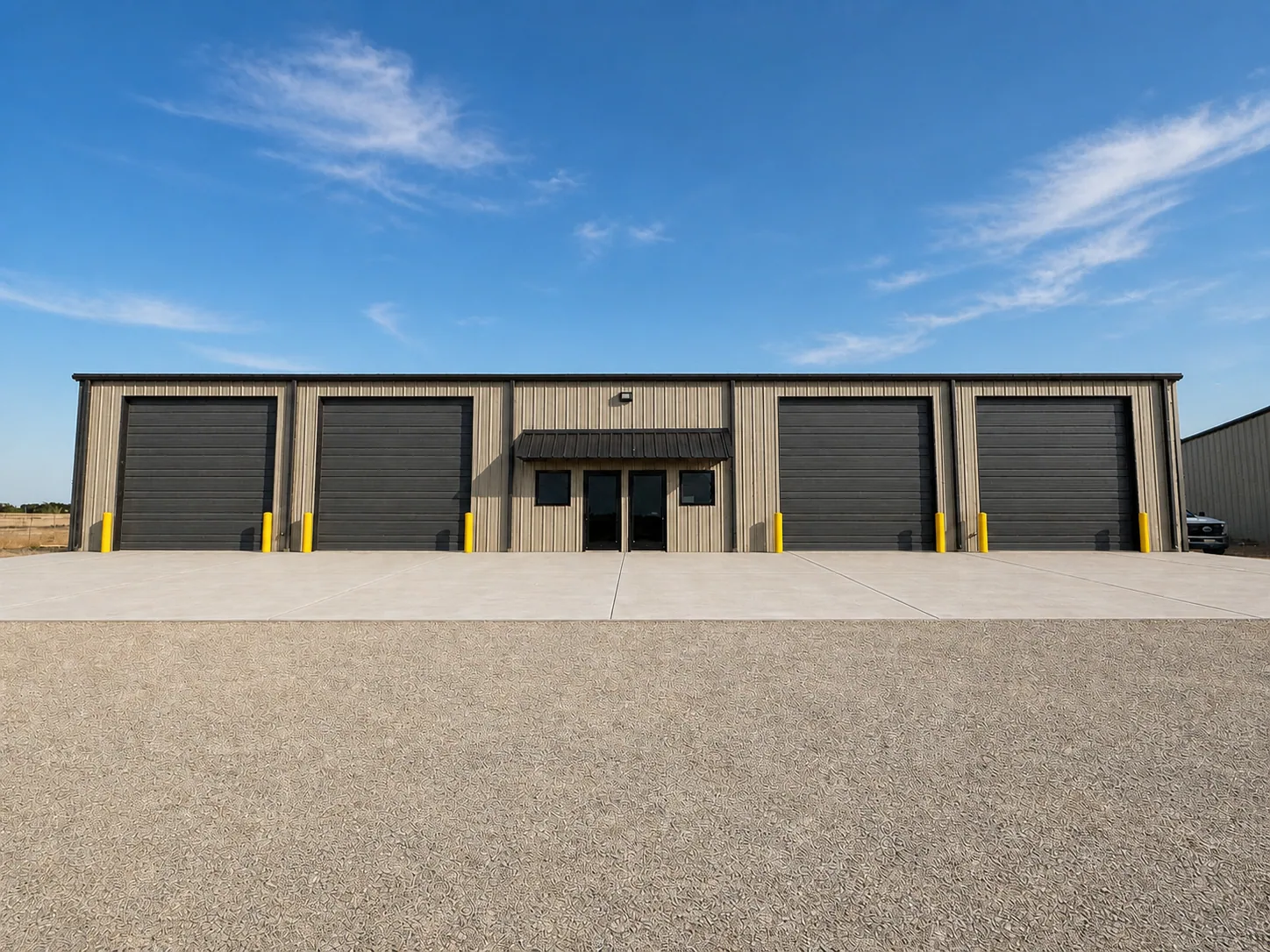
When tear-off reveals wet insulation, deck corrosion, hidden layers, or an unexpected attachment, stop at the approved boundary and record the finding. Photograph the location and exposed materials. A test opening confirms that point only. The designer or owner reviews scope changes before the crew extends permanent work.
Substrate preparation matters. Remove loose material and use compatible primers, adhesives, sealants, and repair methods specified for the assembly. Record temperature, surface condition, and any test weld or adhesion check required by the product. Do not cover an inspection point until the responsible party accepts it. Check the number of existing layers, deck attachment, and parapet transitions before carrying removal quantities into the final schedule. These details can change disposal, fastening, and edge work.
A local patch may be sufficient for isolated damage. If conditions extend across the field or multiple roof zones, compare repair, recover, and replacement. A replacement scope review should identify new assembly components, tear-off, transitions, sequencing, and cost drivers. Changes to schedule or price need written direction from the authorized project contact.
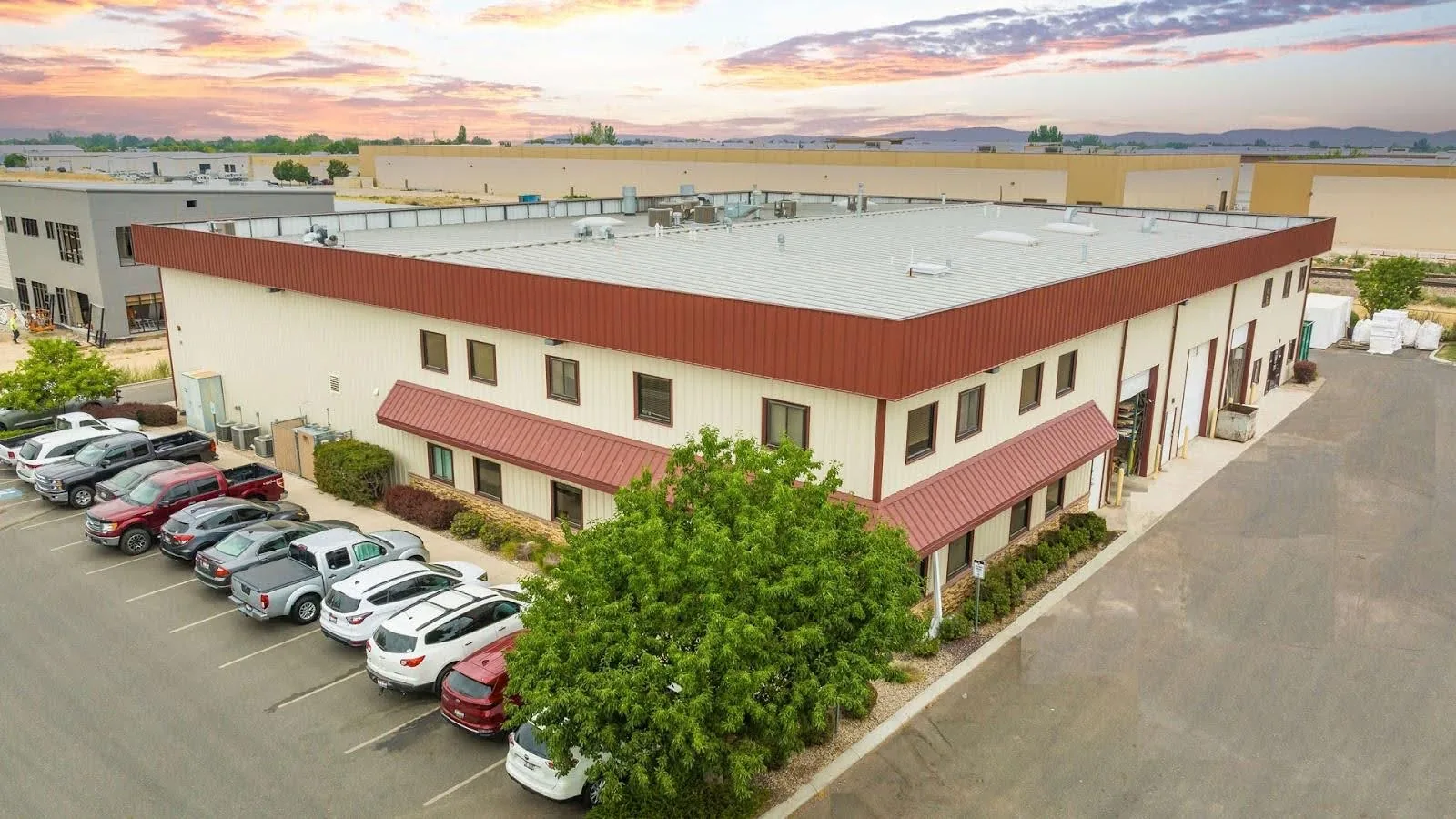
Closeout should include approved submittals, daily photos, material records, inspection results, roof map, completed zones, deviations, test documentation, and unresolved conditions. List roof access keys, maintenance instructions, and any follow-up visit under the project's requirements. Record who received the package and when.
For industrial work, a manufacturing site plan can help coordinate process safeguards, while a public owner scope may require formal procurement and turnover records. The job's contract defines those obligations. Keep the roofing subcontract scope clear against adjacent trades and record every approved boundary change.
In May 2025, Health First announced a five-floor Palm Bay Hospital expansion with operating rooms, cath labs, and additional beds. Its announcement projected a summer 2026 construction start. The project illustrates changing local construction needs, not the details of another contractor's job. Each closeout should preserve the actual building and assembly evidence for the next owner.
Learn more →
Learn more →
Learn more →
Learn more →

Learn more →
Learn more →
Learn more →
Learn more →