
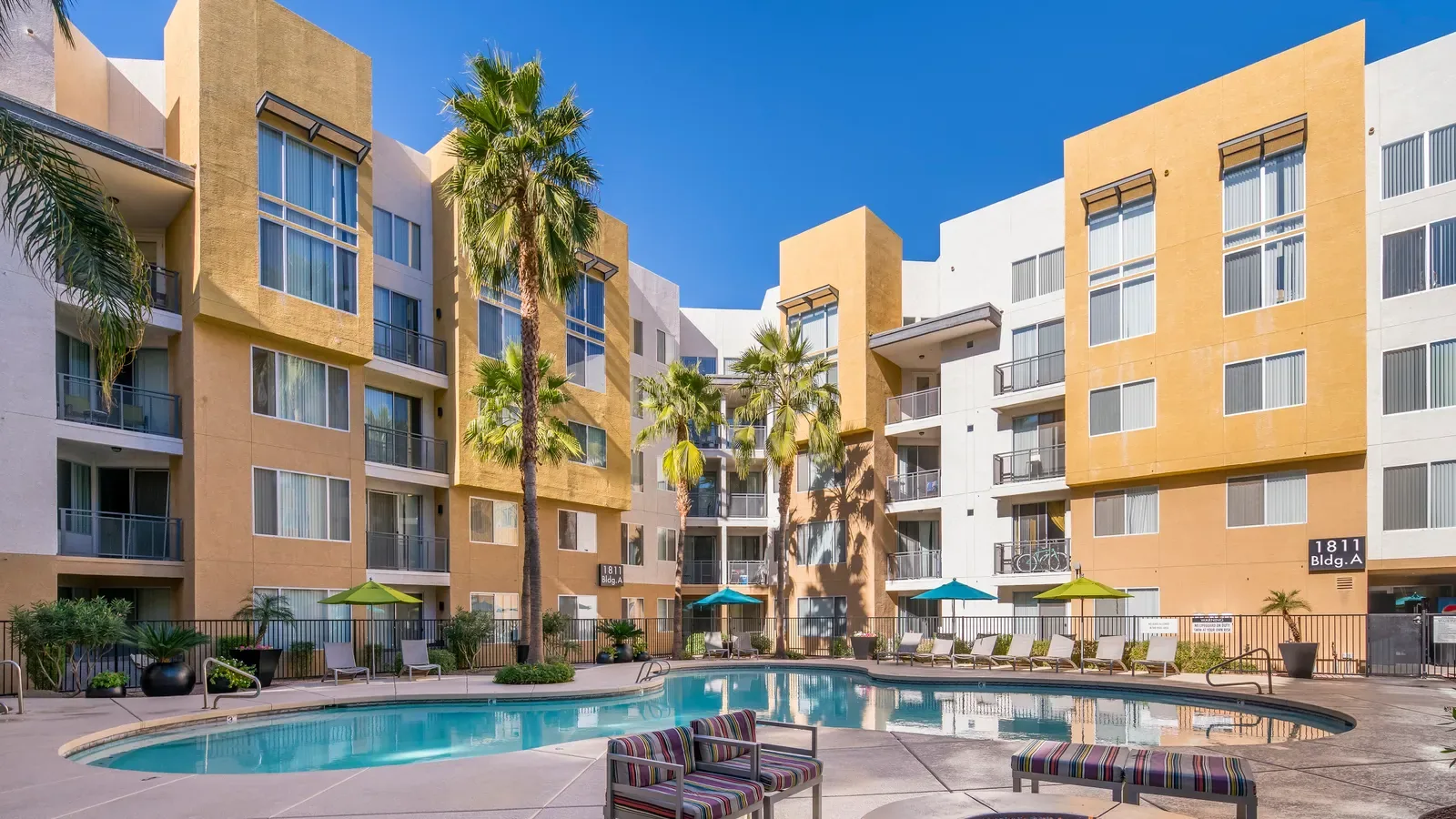
A resident may report a bedroom stain after rain, while the entry point sits above a shared corridor or roof curb. We log the unit, event date, and building before tracing the roof path. Palm Bay's south-side plans include major residential growth areas. Multifamily roof work still needs a building-by-building map and resident protection plan.

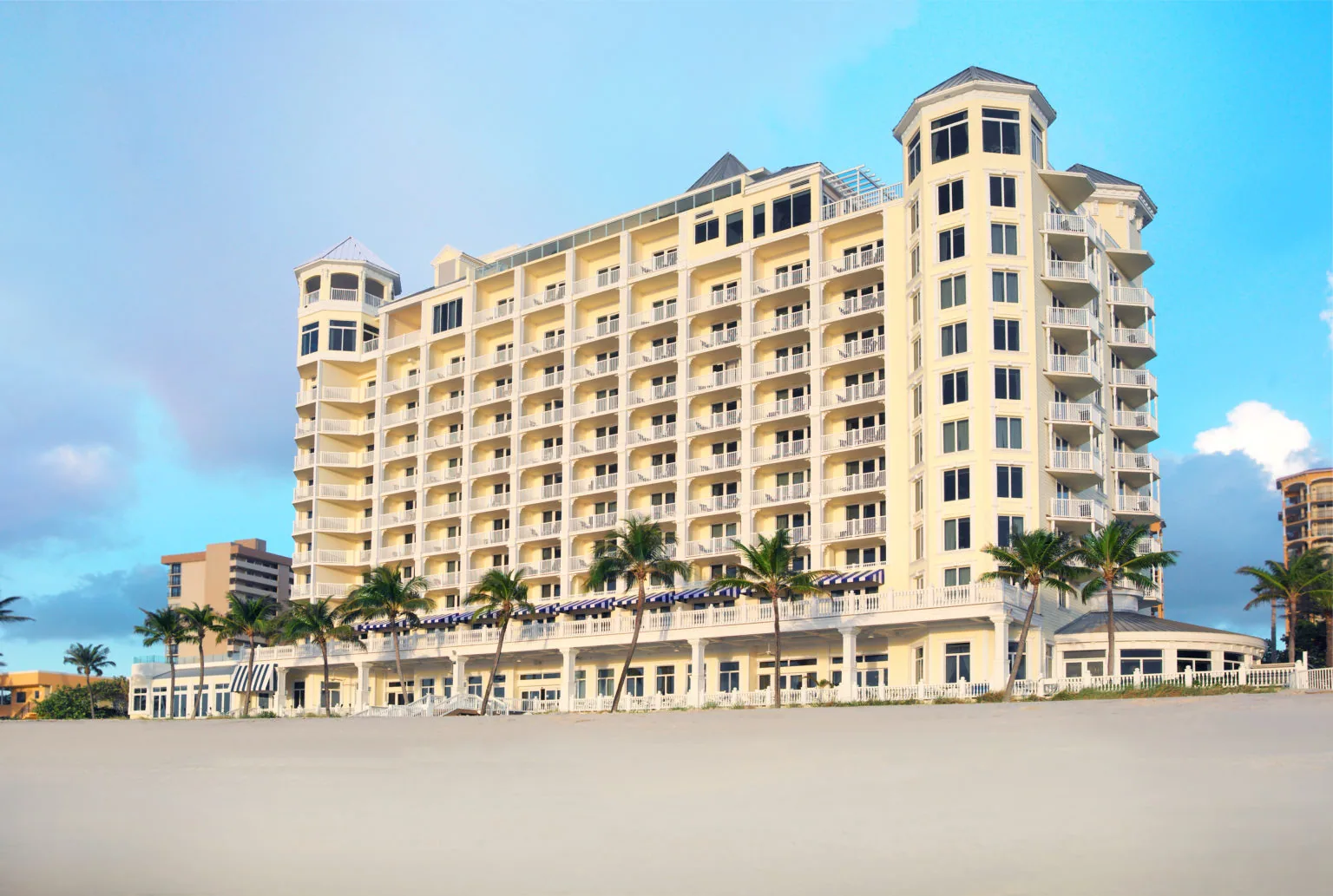
Identify each building, stairwell, hallway, leasing office, laundry room, and mechanical area. Map roof zones over those spaces along with drains, seams, penetrations, edges, and prior repairs. A commercial roof inspection can record the visible assembly and the units or shared areas that could not be accessed.
Water may travel along insulation or deck before it reaches an apartment ceiling. Record the resident's unit and report time, then inspect the matching roof zone and nearby details. A stain is not proof that the roof opening sits directly above it. If a ceiling opening is needed, coordinate with management and the resident before proceeding.
Emerald Lakes is identified in a Palm Bay planning packet as a planned development with 3,760 residential units and 2.8 million square feet of commercial space. Those figures describe the plan, not completed apartments or roof area. The mix shows why management may need separate building and service records as development proceeds.
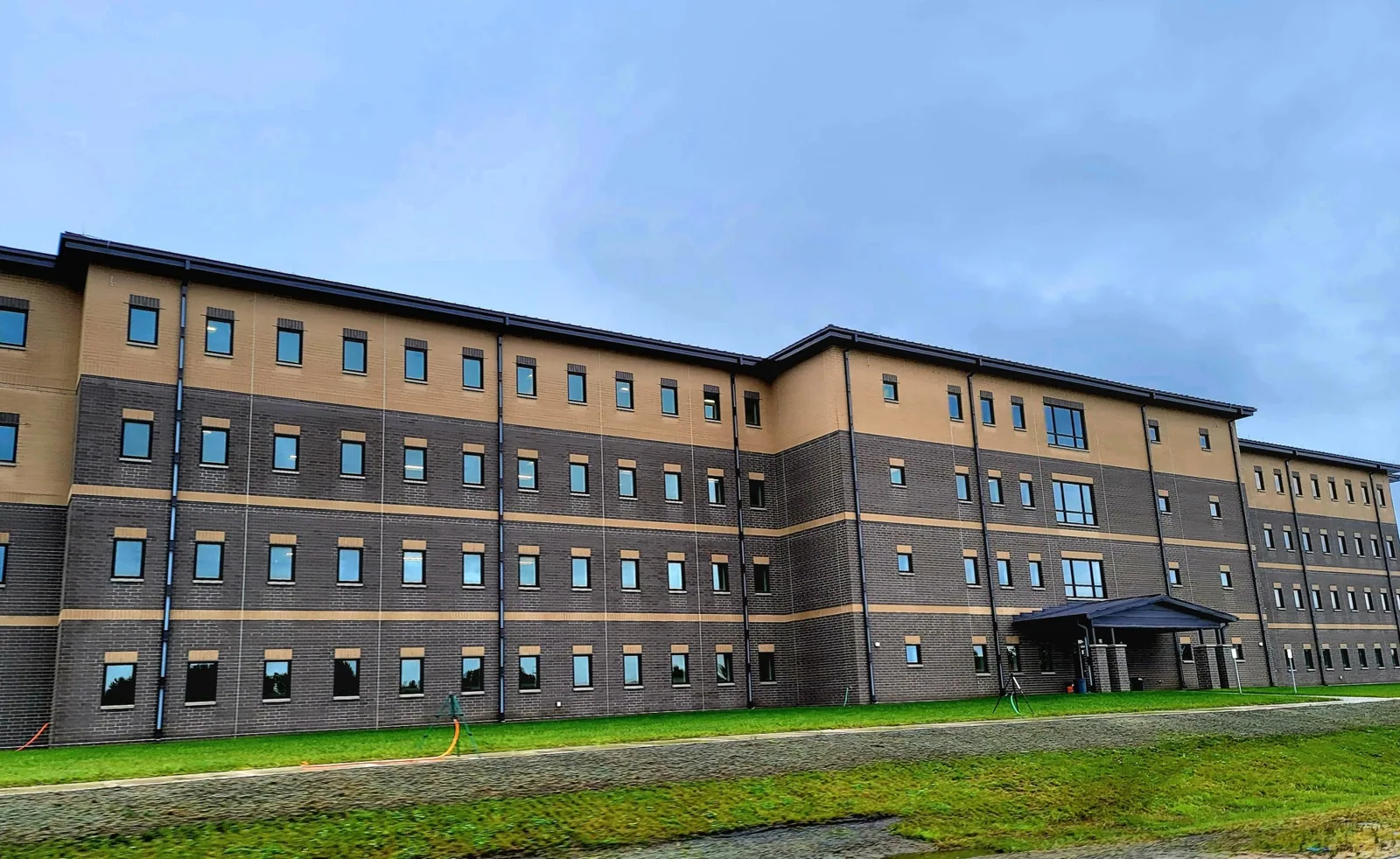
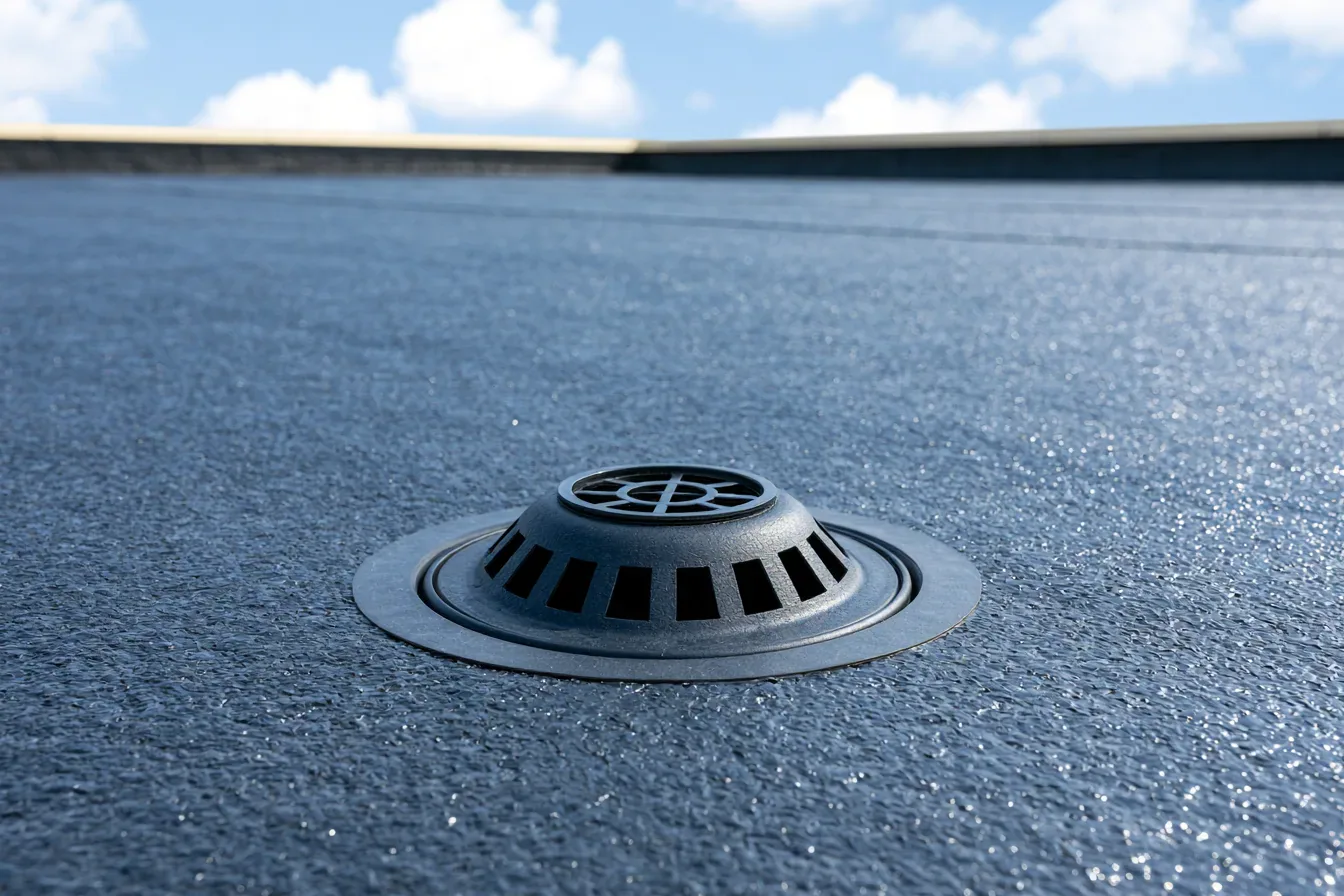
Check roof drains, scuppers, overflows, parapets, balcony transitions, and water marks. A drainage review can separate a blocked outlet from persistent ponding or a slope concern. Keep drains serving several buildings labeled so the property manager knows which areas share a flow path.
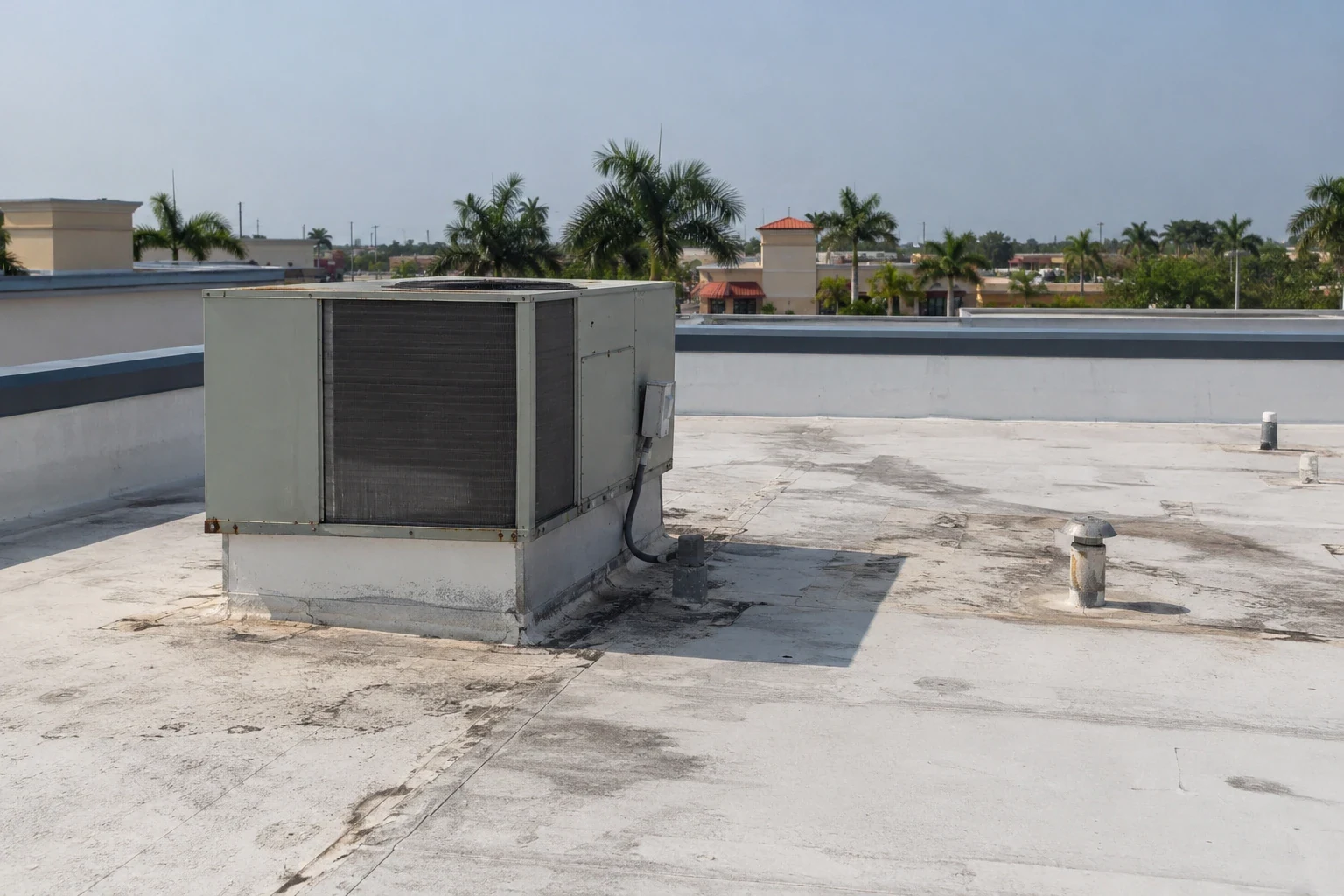
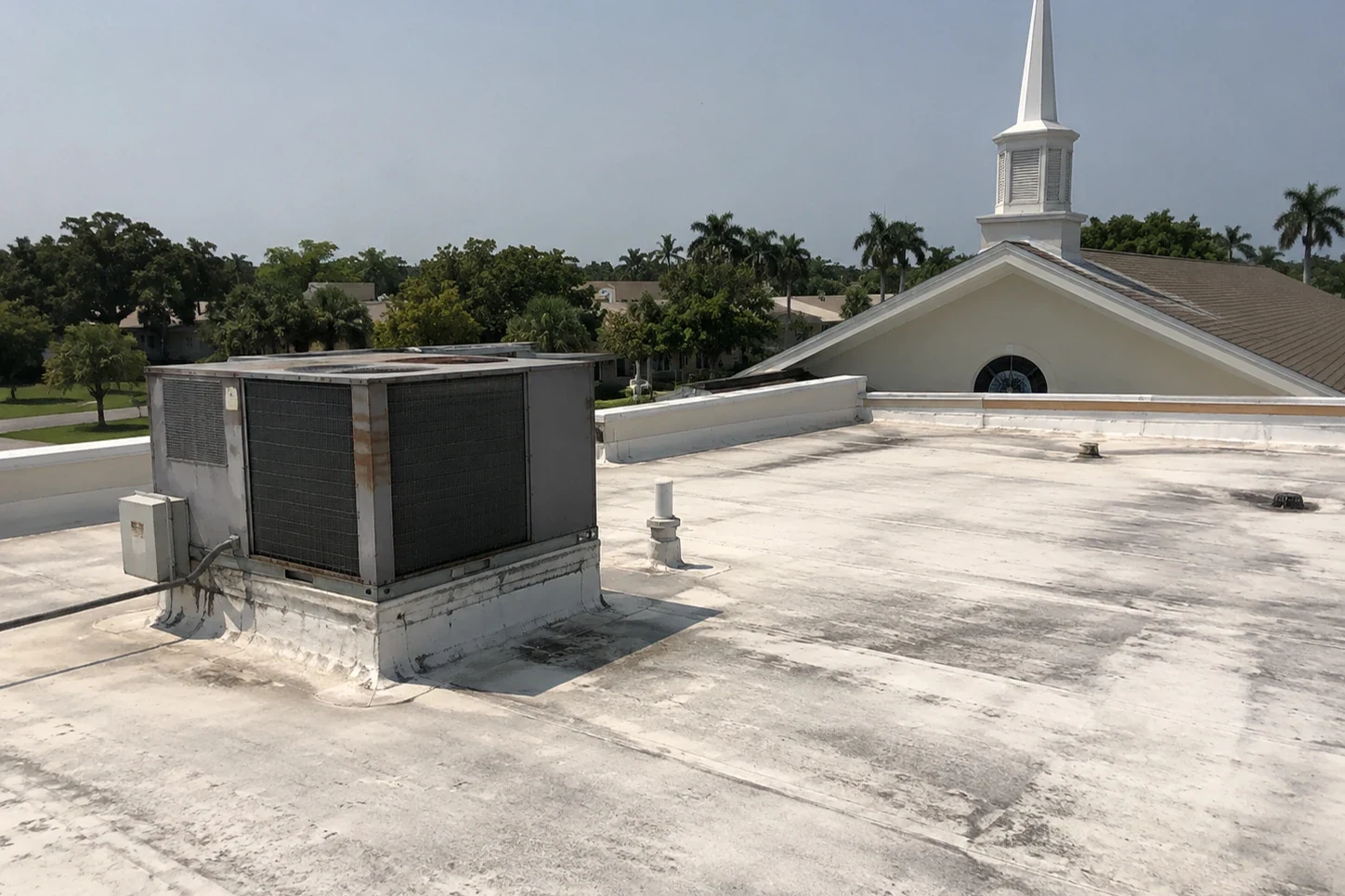
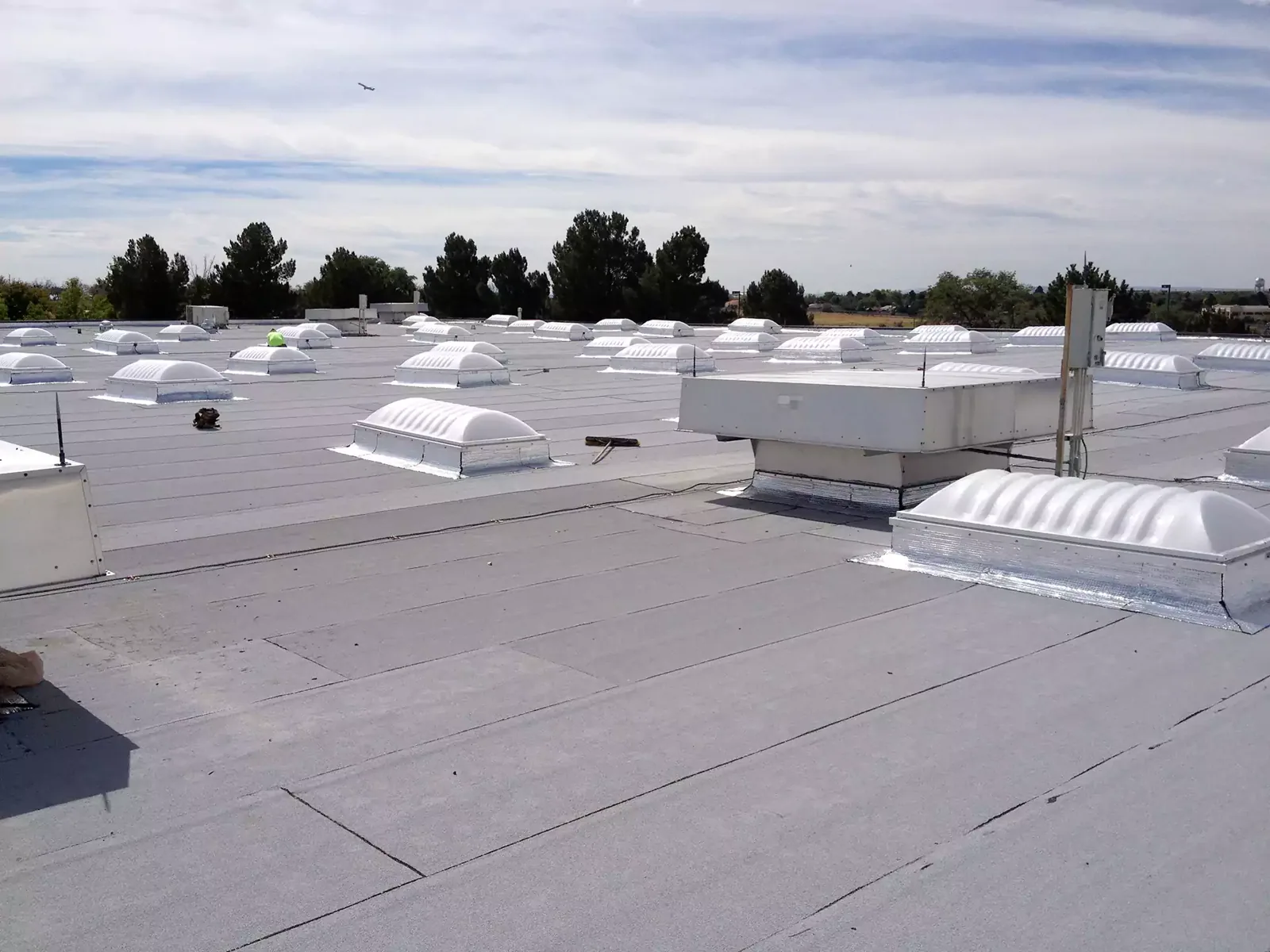
Inspect HVAC curbs, exhaust, plumbing vents, skylights, and roof access hatches. Later unit replacements can affect flashing or leave unused penetrations. Photograph the detail and identify the building. A repair that serves one unit should not be assumed to resolve a similar report in another building.
Apartment portfolios may mix low-slope membrane, coating, built-up, and metal roofs. Confirm the assembly for each building before selecting a repair. An approved test opening can show the layers and moisture at one location, but separate additions may have a different roof history.
Nearby Melbourne climate normals show substantial annual rainfall and hot summer conditions. These regional records can guide inspection planning but do not establish the cause of a resident's leak. Tie each report to an event date and building, then note weather and actual roof conditions at the visit.
During Hurricane Irma, named reporting points in Palm Bay recorded heavy rainfall. That event history does not establish damage at each apartment property. After a storm report, inspect seams, edges, drains, balcony transitions, and rooftop equipment. Document what is visible and distinguish it from a resident's reported condition.
When water is active, management may need to move belongings or place interior protection. Record which unit is affected and who accepted the temporary measure. Permanent repair follows after the roof and material conditions permit the specified work. A emergency roof response can address immediate exposure while the property contact arranges access.
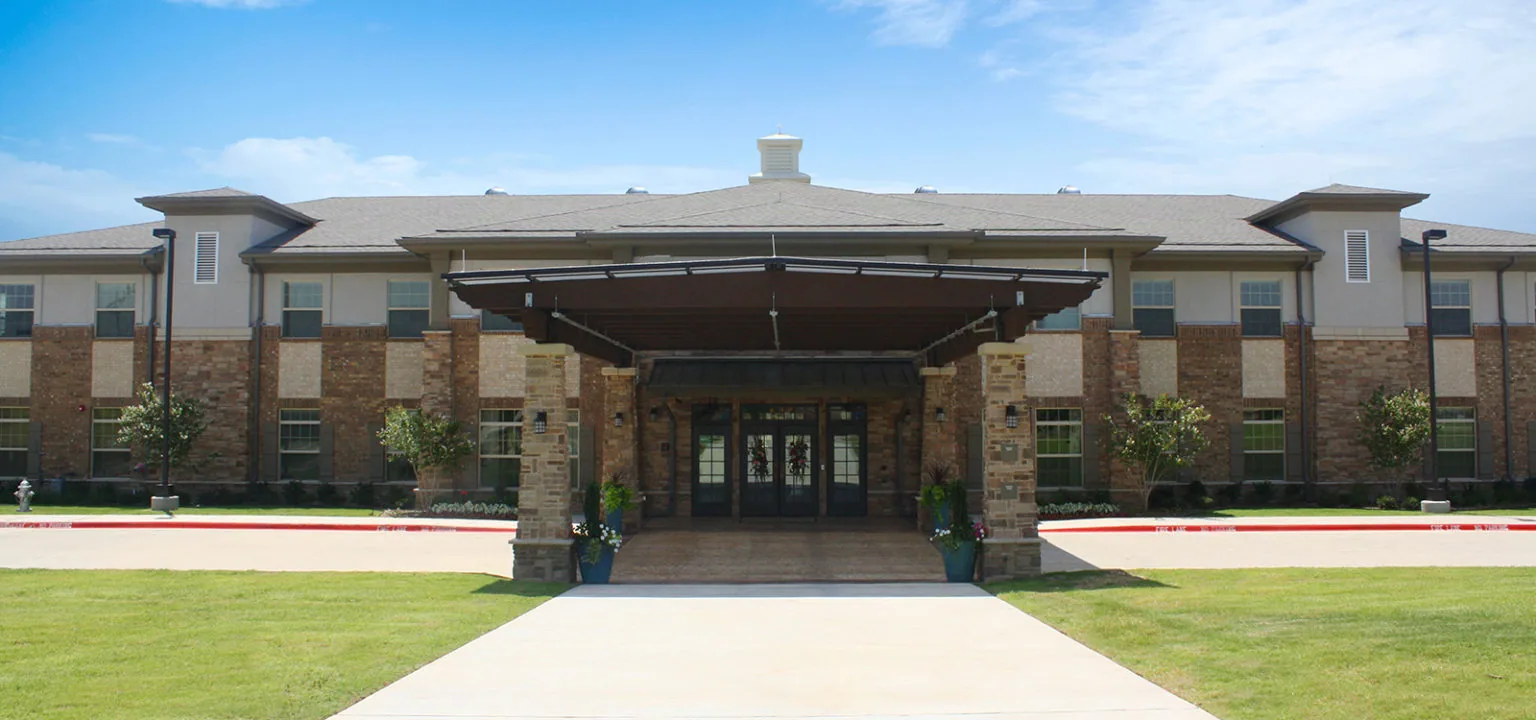
Before mobilization, agree on entry notices, unit access, quiet hours, parking, lifts, roof hatches, and common-area protection. Identify where materials and debris can be staged without blocking accessible paths or fire access. The property manager confirms which residents need notice and who can authorize ceiling work.
Sunterra Lakes is a planned south Palm Bay development in the trade area of The Commons at Cypress Bay West and Shoppes at Cypress Bay. Its plan lists 3,246 residential units and 398,000 square feet of commercial space. The planned figures are not a count of existing apartments. They indicate local growth planning that makes clear service routing and property records useful.
A hotel roof plan also coordinates occupied rooms and staff access. A senior-living roof plan can involve residents who need a different notice and mobility approach. The apartment manager sets the rules for each building and resident population.
A local flashing defect or puncture may need a targeted repair. Similar stains across multiple buildings, wet insulation, loose seams, or recurring leaks may require broader investigation. Map the findings by roof and unit. A test opening confirms one place only, so define what remains untested.
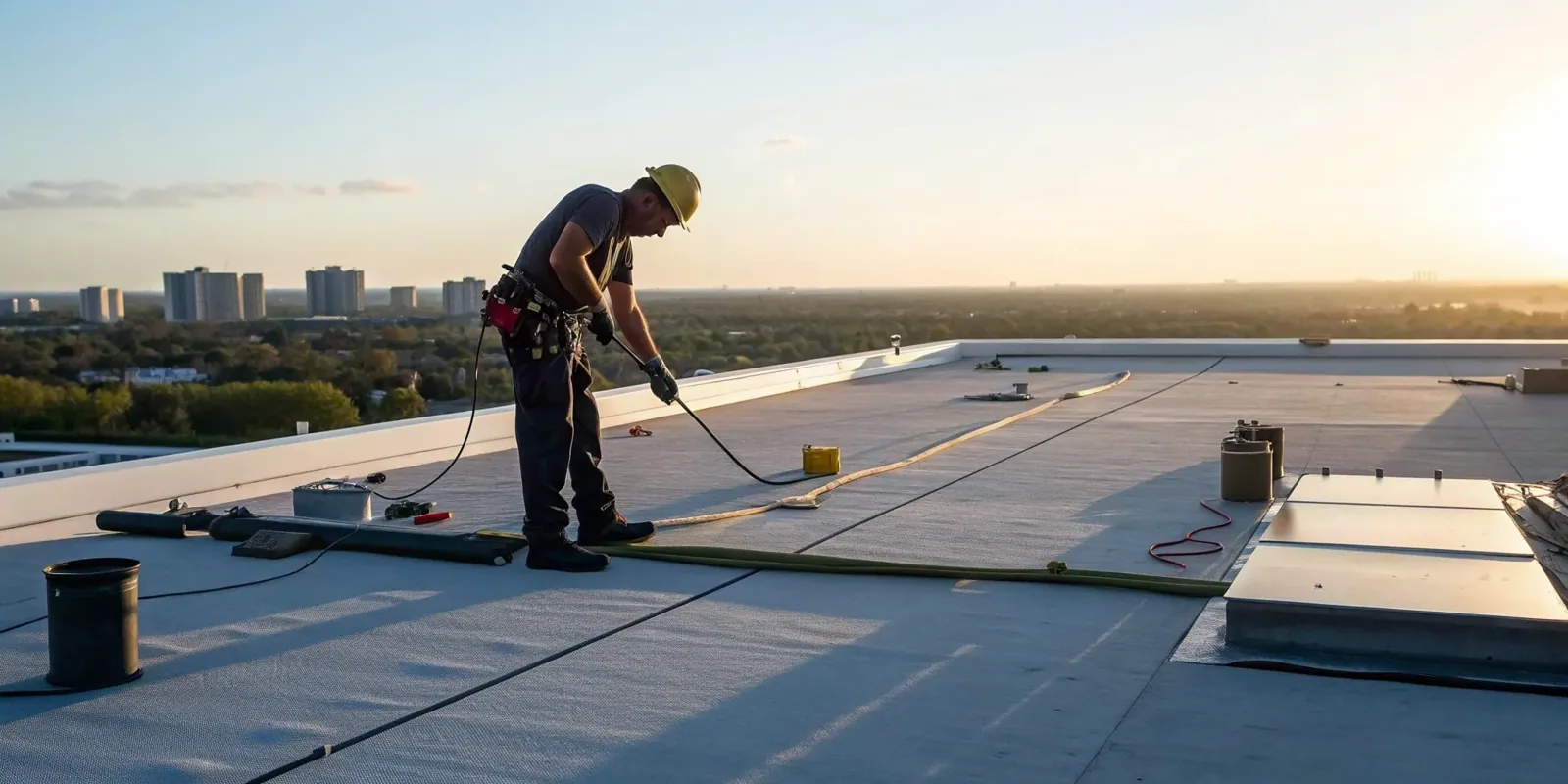
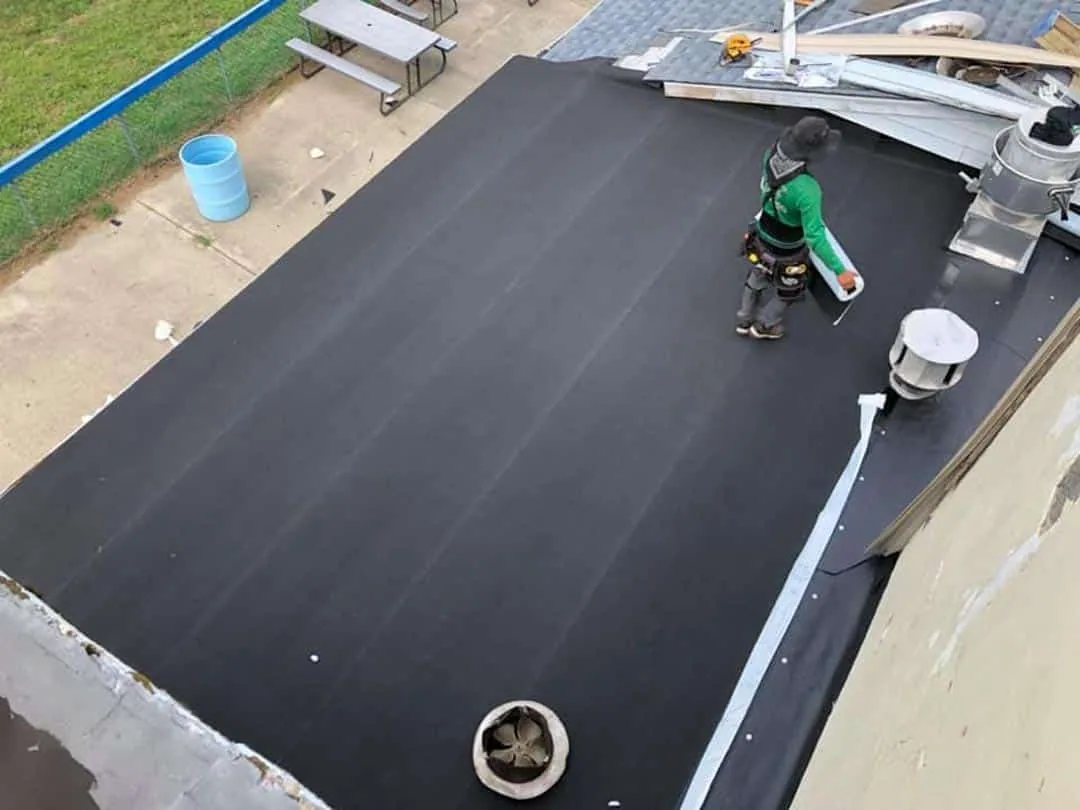
Compare repair, recover, or replacement based on assembly, prior overlays, drains, structural review, access, and resident schedule. A replacement assessment can show removal zones and transitions. State the work hours, unit notices, interior protection, materials, exclusions, and approval steps for concealed conditions.
Cost and schedule depend on building count, roof materials, access, occupied areas, tear-off, equipment, and weather. A condition report can keep photos and repair boundaries separate by building. The manager can then track open items without treating the portfolio as one roof.
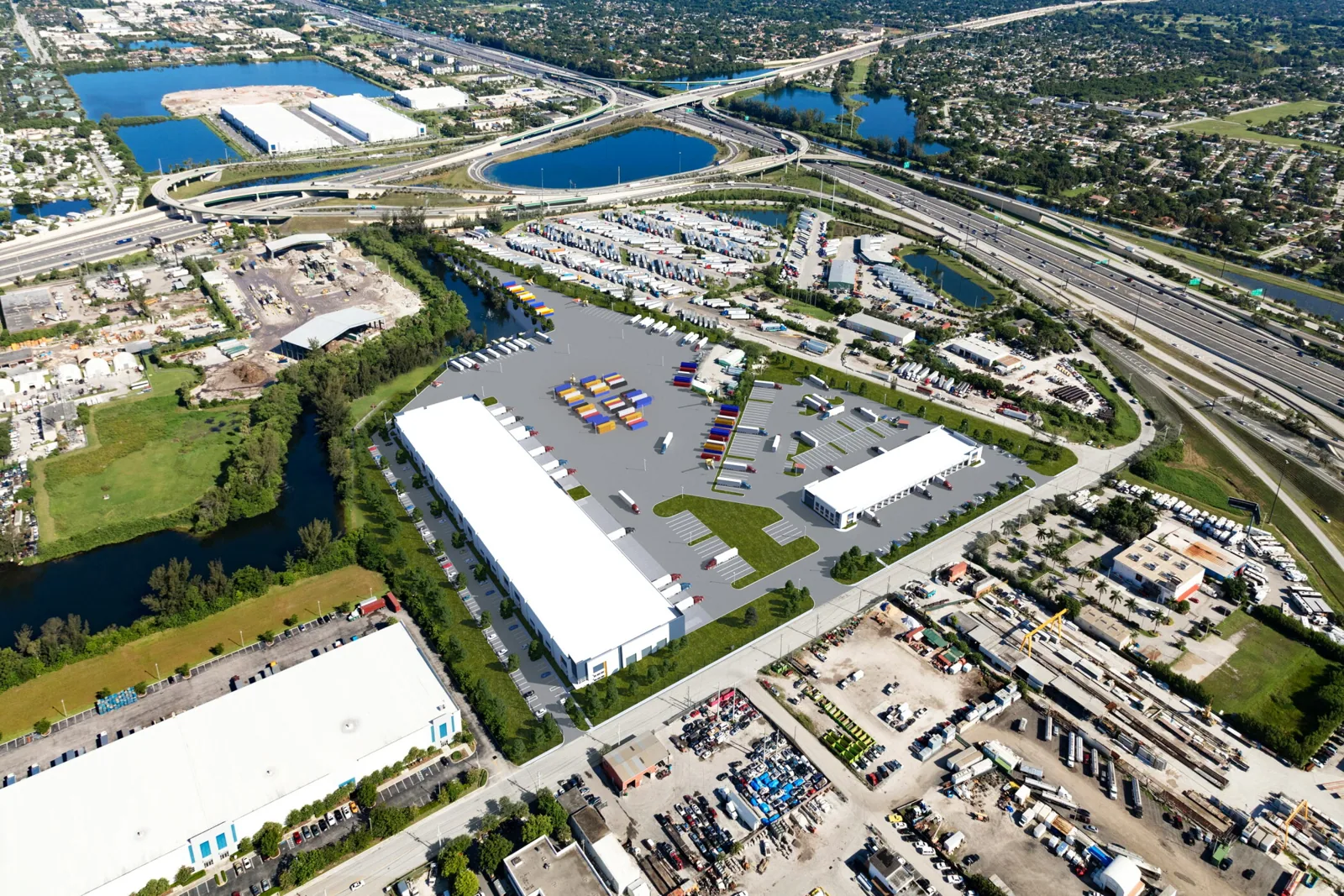
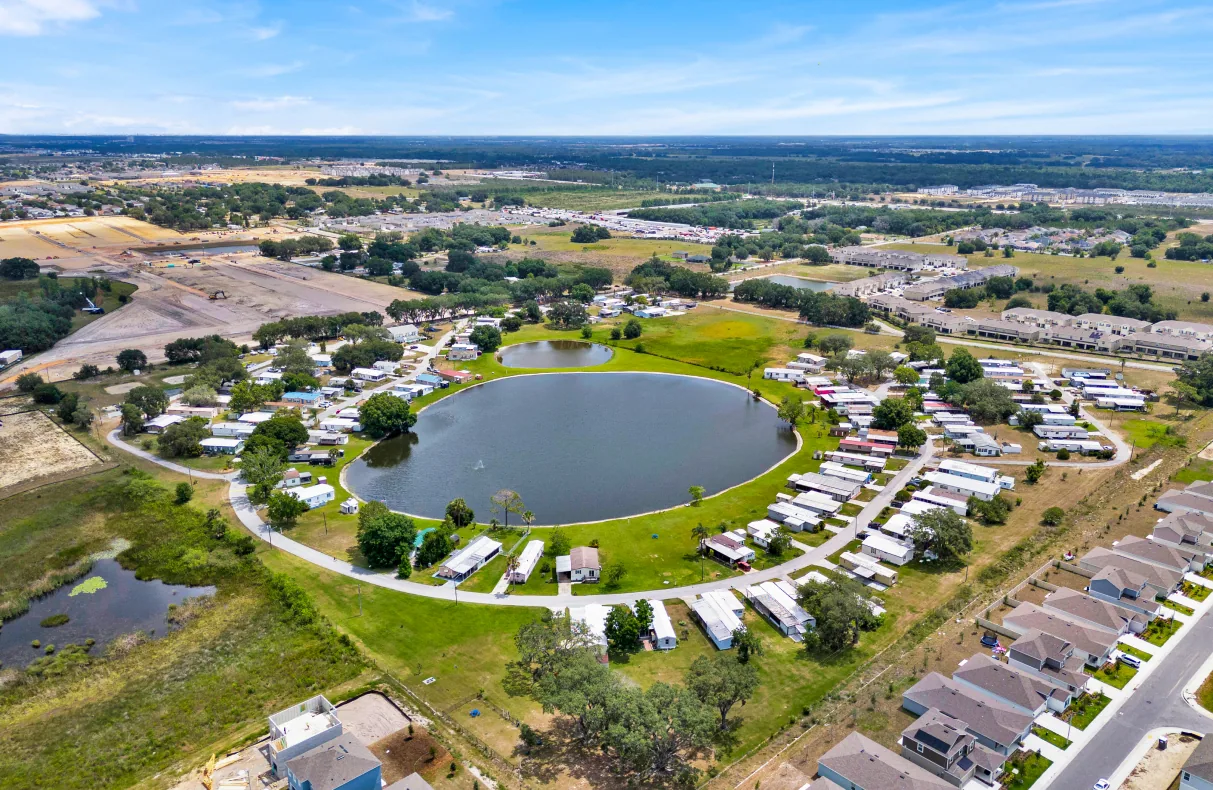
Emerald Lakes and Sunterra Lakes are named in commercial planning materials for the south Palm Bay growth area. Their planned residential components sit alongside proposed commercial space and connect to the Babcock Street and St. Johns Heritage Parkway corridor. These plans do not confirm which apartments are built or what their roofs contain.
A Emerald Lakes service area identifies one local planning node. Confirm the actual apartment address, property manager, gate, and building count before scheduling. Nearby retail or roadway plans can guide routing, but the roof record belongs to the property being inspected.
Closeout lists the property, building, unit or common area, event date, roof zone, repair material, photos, access limit, and open issues. Keep temporary protection separate from permanent repair. Identify any unit not entered and any roof area that remained untested.
Schedule follow-up for repaired penetrations, test openings, and leaks reported after heavy rain. Management can compare each new report with the building map and repair boundary. Record whether the condition is new or a repeat at the same unit.
When ownership covers several properties, keep each address and building list distinct. A condition in one development does not establish the condition of another. Date all observations and keep the next maintenance action assigned to the responsible contact.
Learn more →
Learn more →
Learn more →
Learn more →
Learn more →
Learn more →

Learn more →
Learn more →