
A guest may report a ceiling stain after a storm, while water entered at a rooftop curb in another room wing. We record the report, room, event time, and roof zone before setting the inspection boundary. Palm Bay's climate brings hot periods and heavy rain in nearby records. A hotel work plan must protect guests while keeping the actual roof evidence clear.
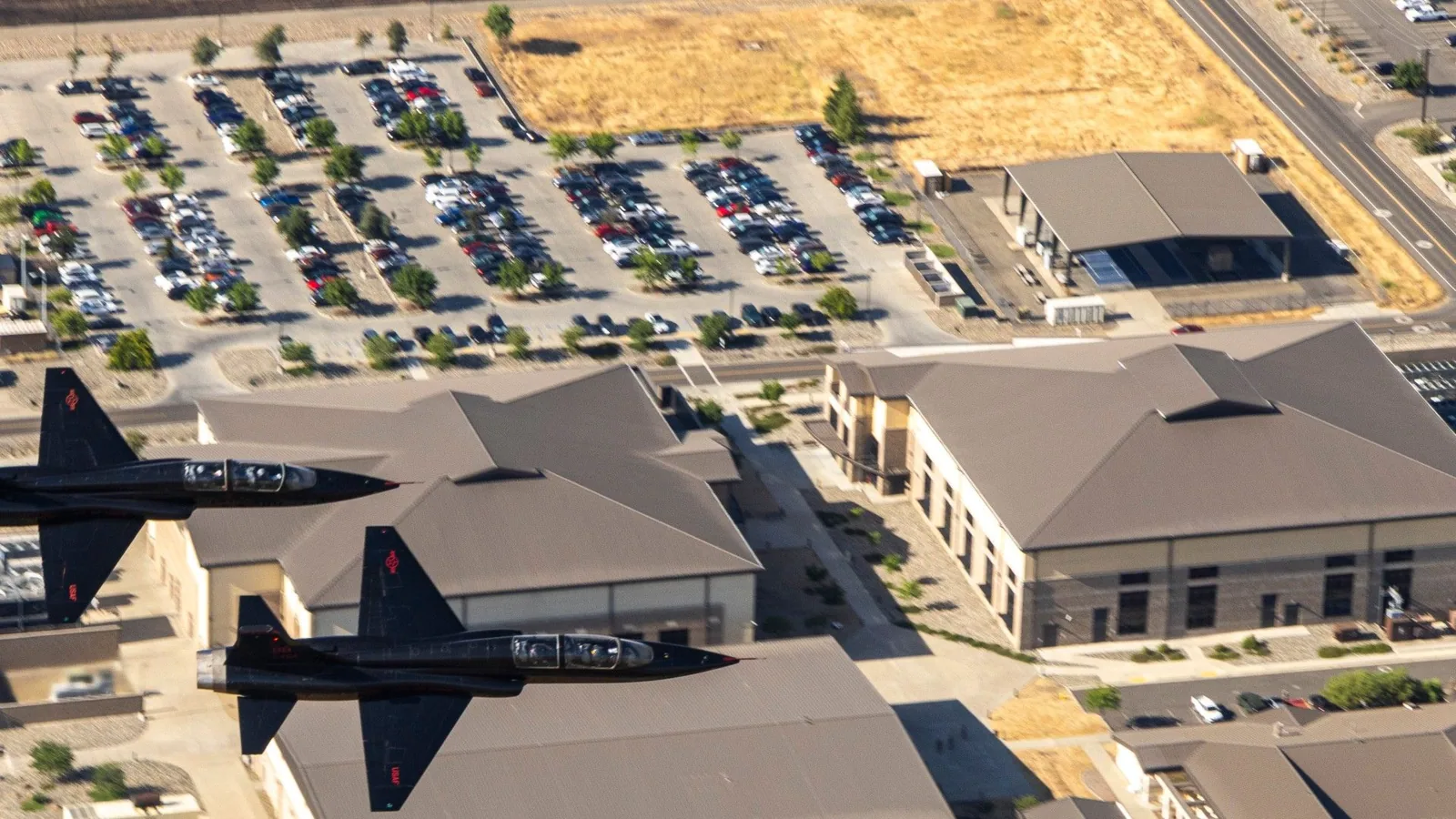
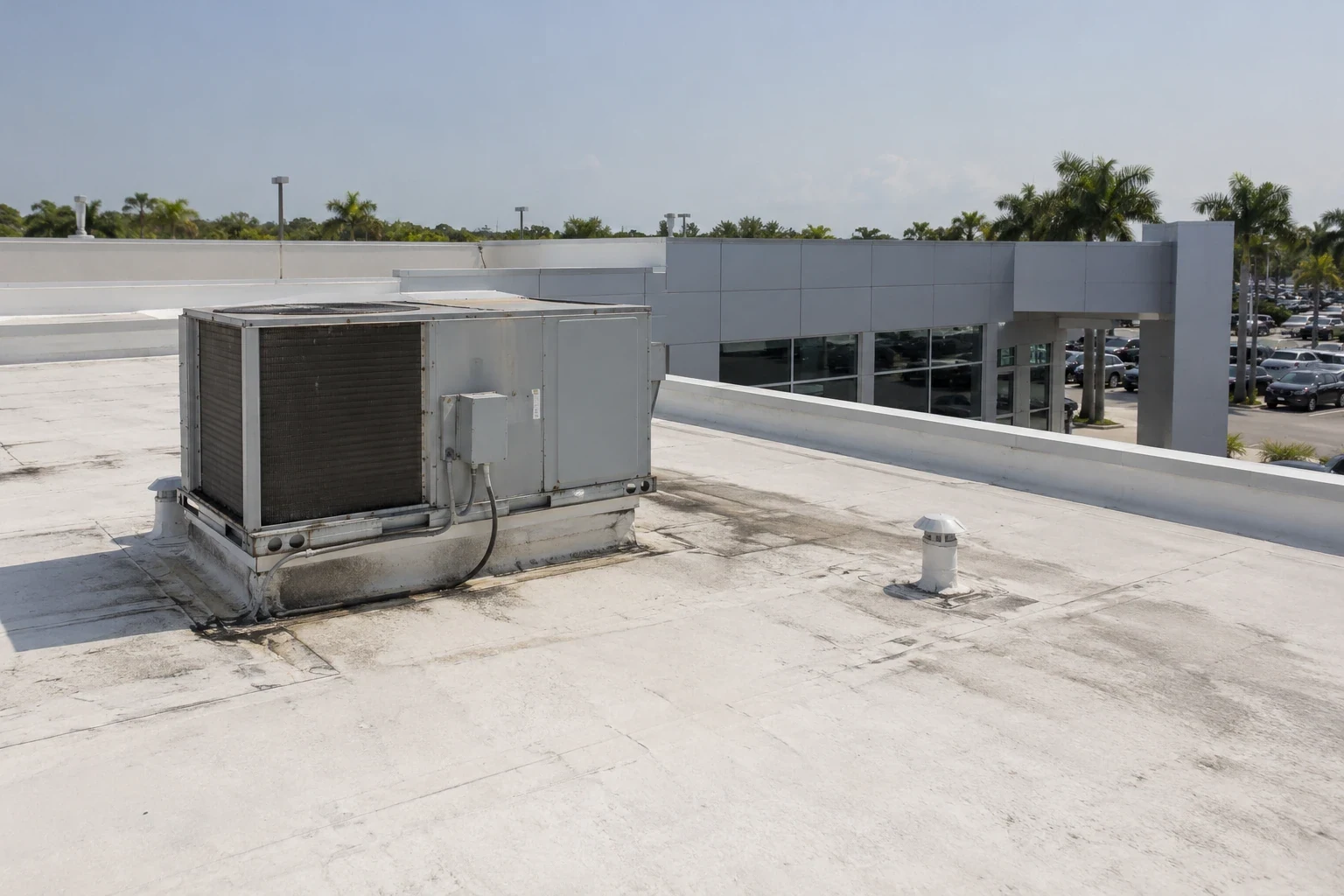
Identify guest rooms, corridors, kitchens, meeting rooms, laundry, loading, and mechanical spaces on the building plan. Mark roof drains, parapets, skylights, seams, and equipment above each area. A commercial roof inspection can record conditions by wing and note rooms that were occupied or unavailable.
Water may travel along deck or framing before it shows at a ceiling. Photograph the interior condition and the roof detail separately. Check nearby drains, equipment curbs, and roof transitions before assigning the leak cause. If a guest room cannot be accessed, record that limit and arrange a return with hotel staff.
Viera Town Center is one of the region's commercial opportunities within a larger Viera portfolio that includes hospitality and other uses. That local context helps frame service routing near Palm Bay, but it does not identify a specific hotel or its roof. Confirm the property's address, operations contact, and building layout directly.
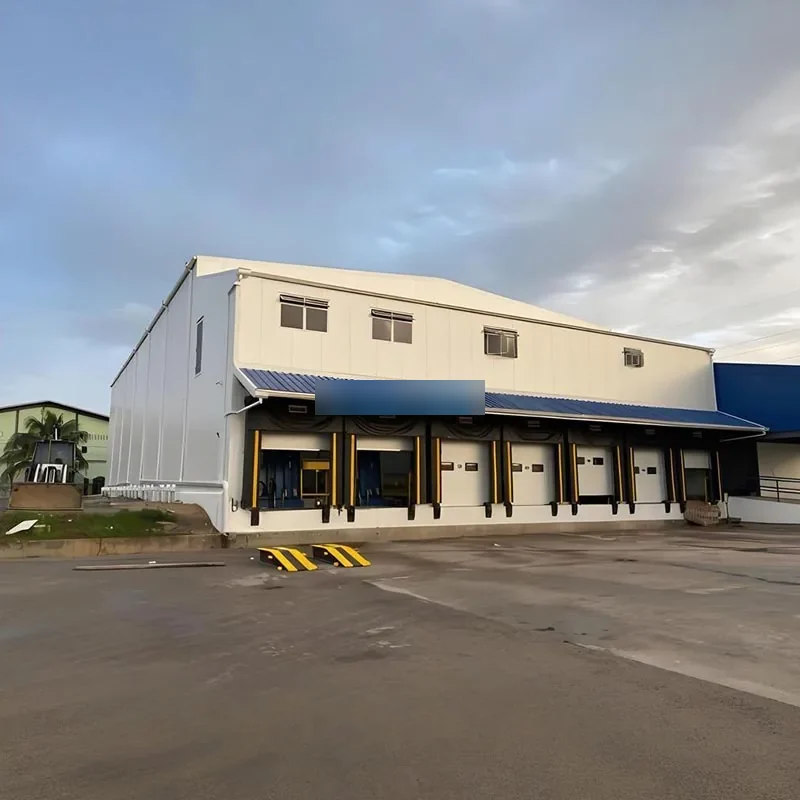
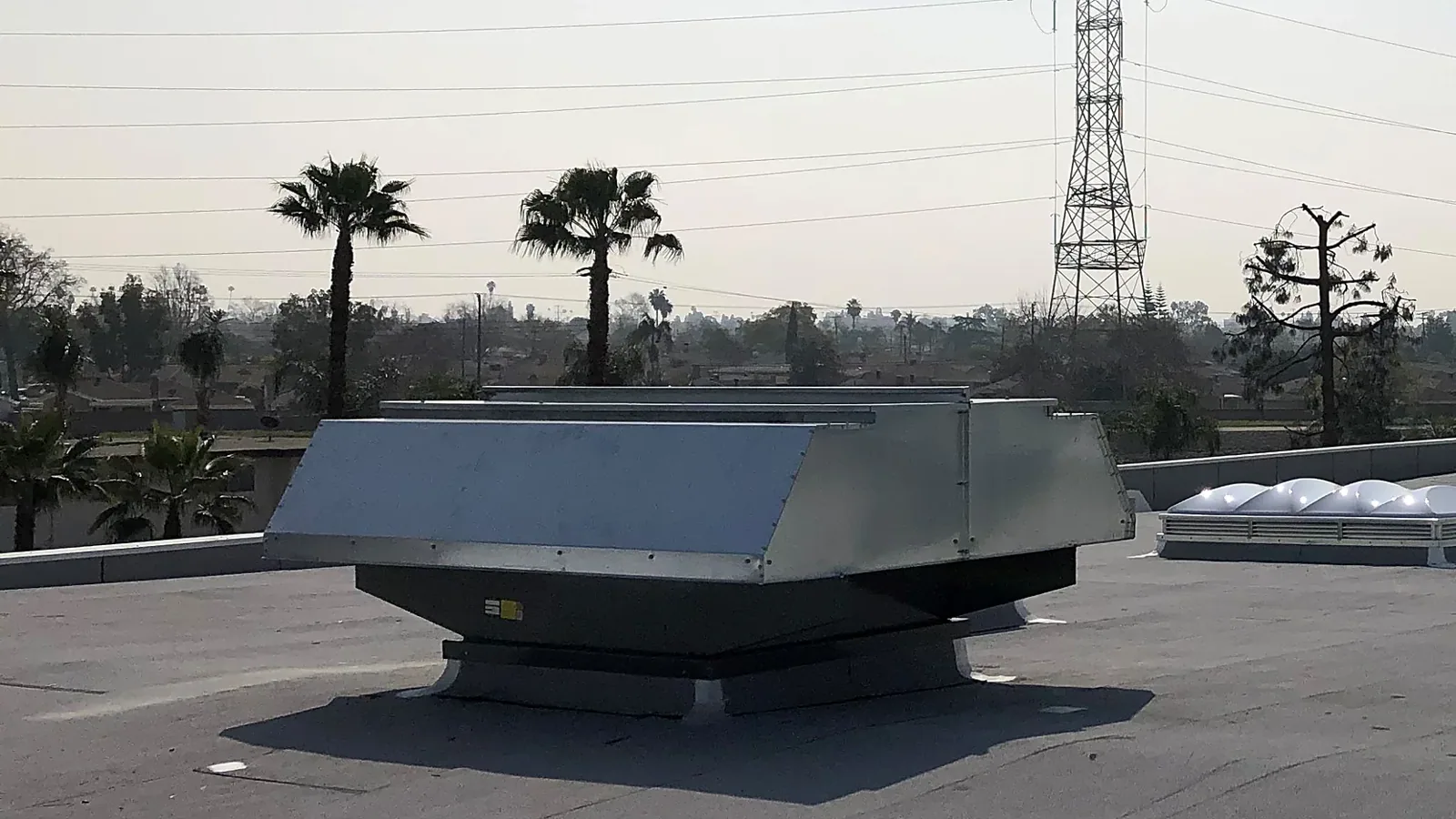
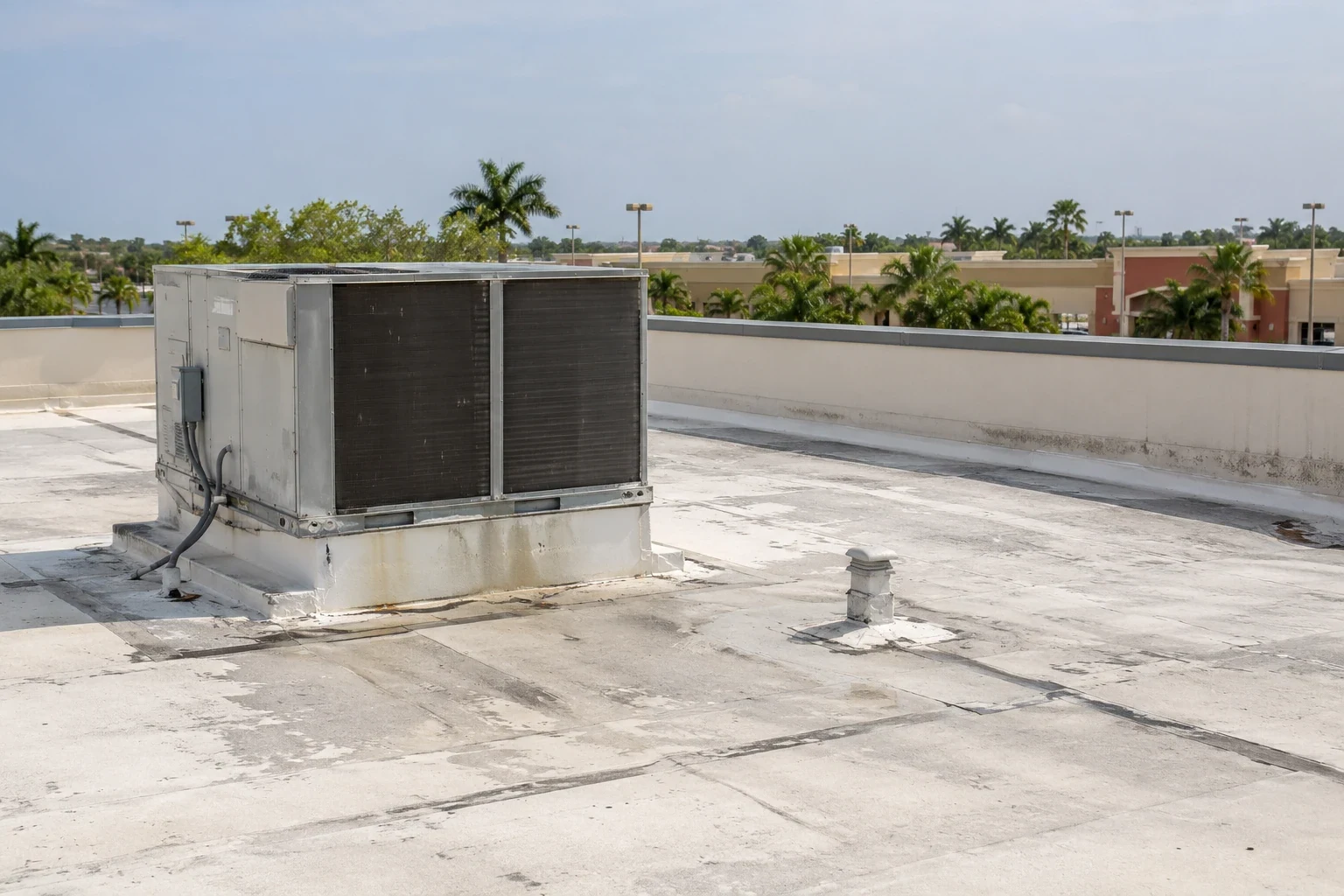
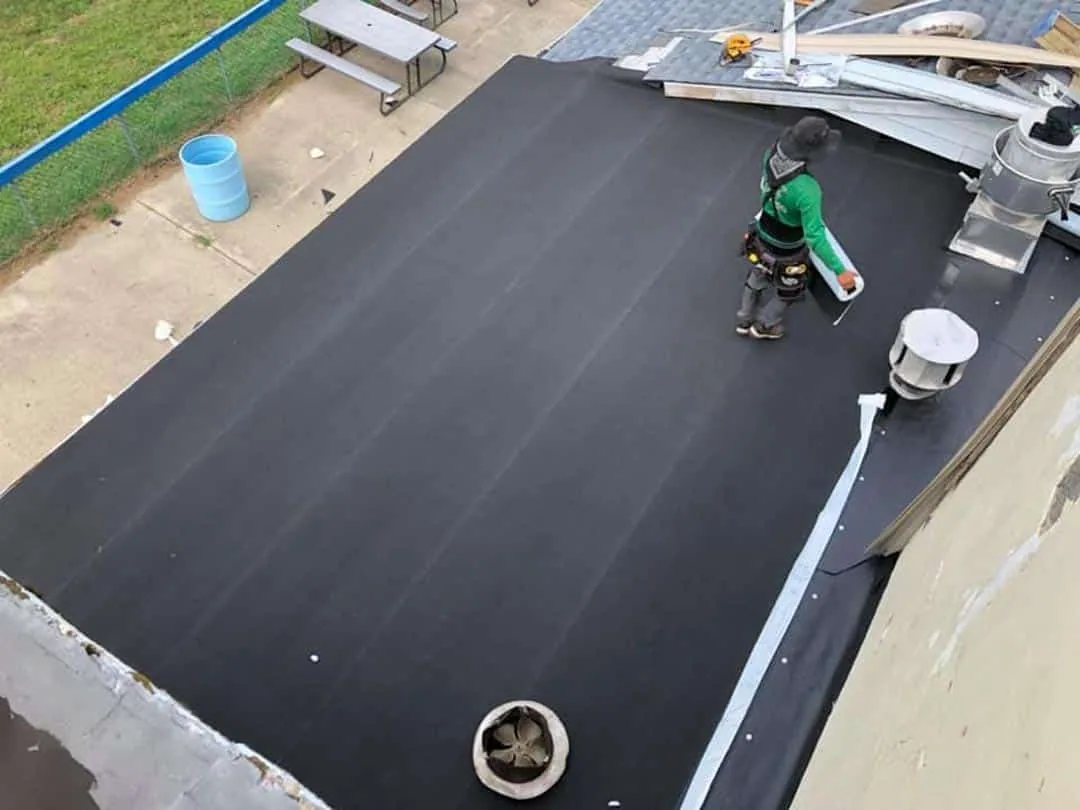
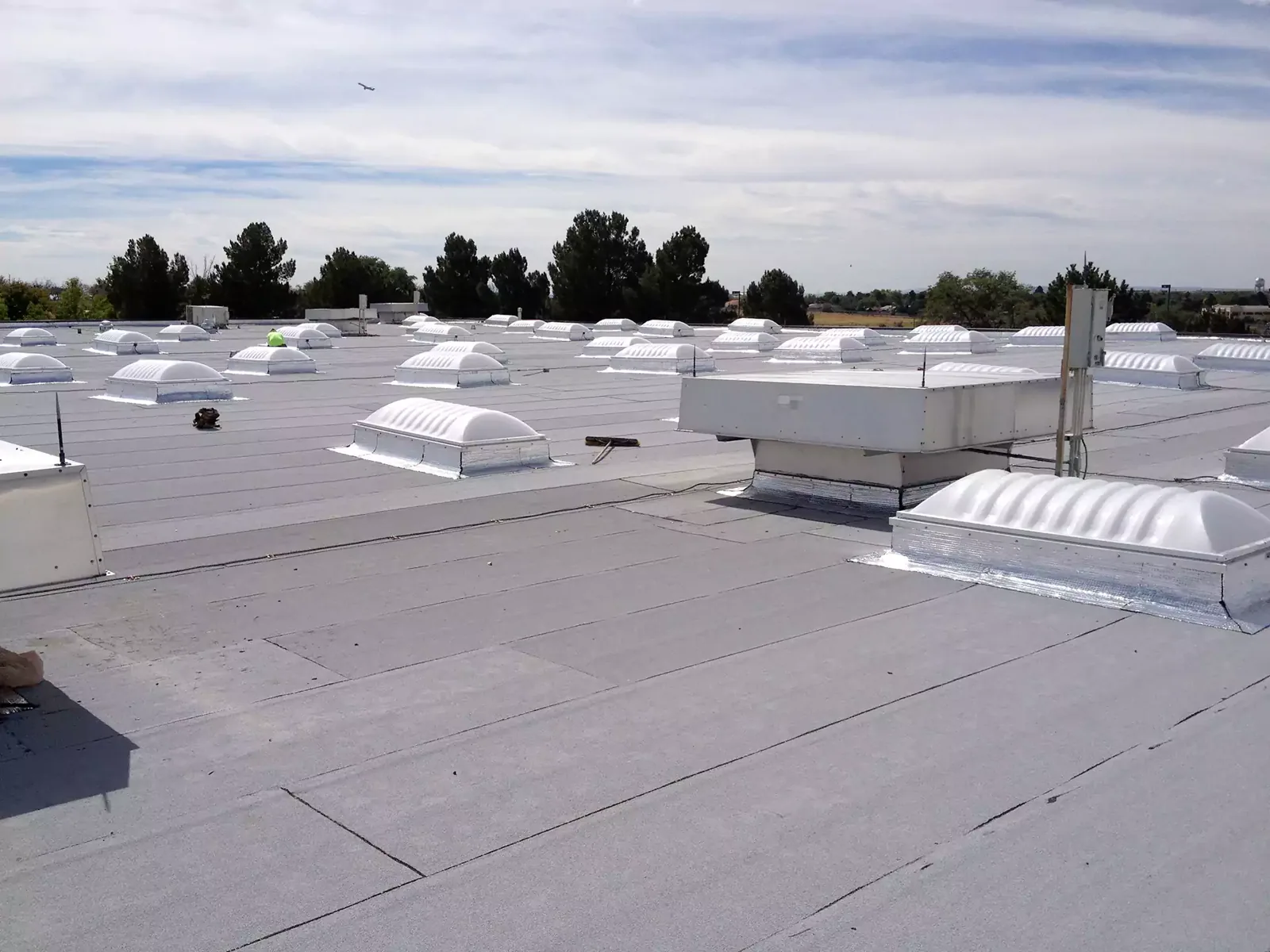
Hotel roofs can have multiple HVAC units, exhaust fans, refrigeration lines, antennae, and service supports. Inspect the flashing, curb corners, fasteners, seams, and nearby membrane or metal. A equipment curb inspection can show whether maintenance work changed a roof transition.
Kitchen exhaust and laundry equipment may need separate operating controls during repair. Check the surface around fans and drains for residue, wear, and water marks. Confirm which equipment can be shut down and who authorizes the change. A test opening, if approved, confirms materials at that location only and must be restored to the specified detail.
Apartment buildings also have guest-like occupancy and repeated equipment routes. A multifamily roof plan may focus on resident notices. A shopping center roof plan may coordinate shared tenant access; a hotel adds room turnover, housekeeping, events, and food service. Keep the schedule and affected spaces distinct from the property next door.
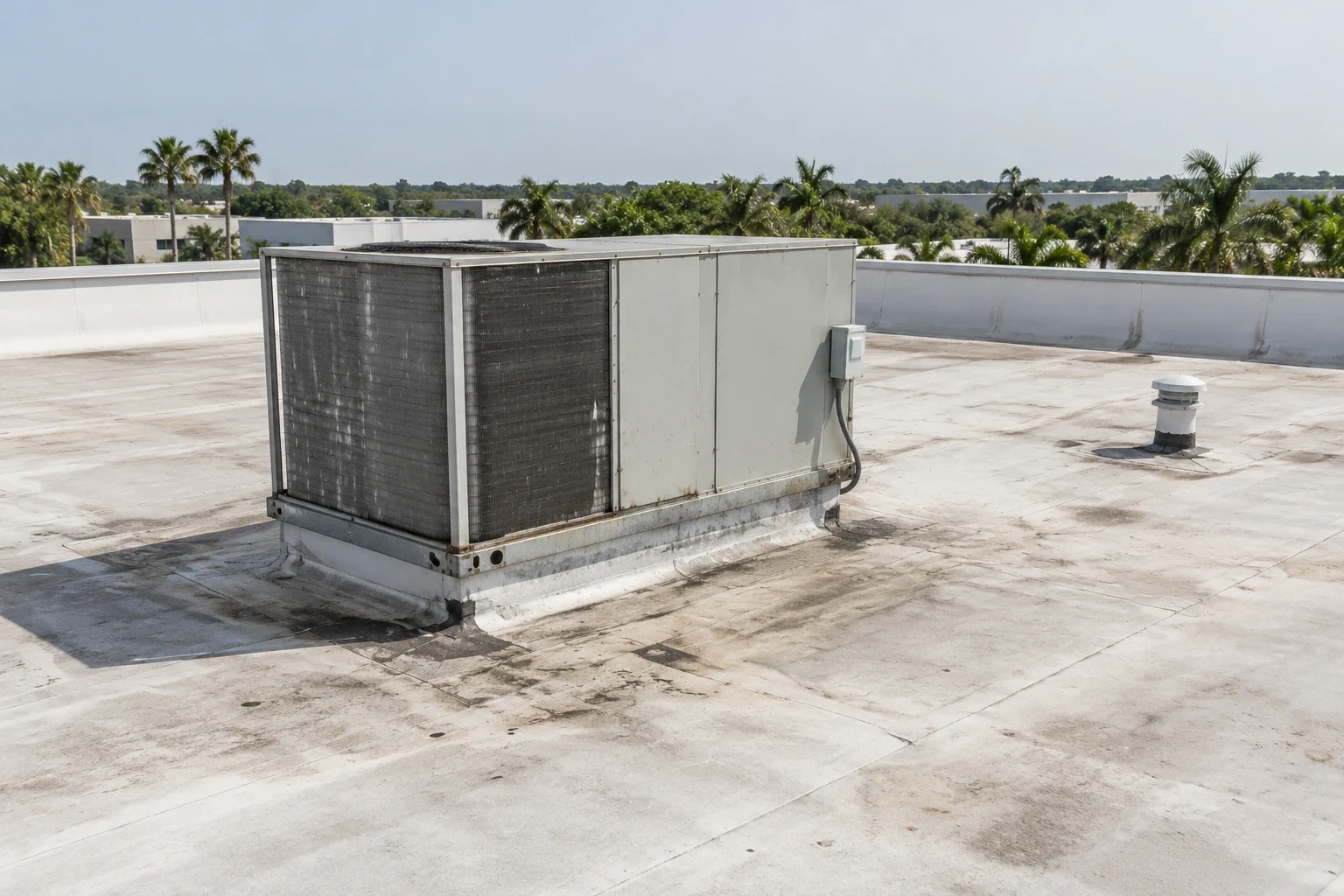
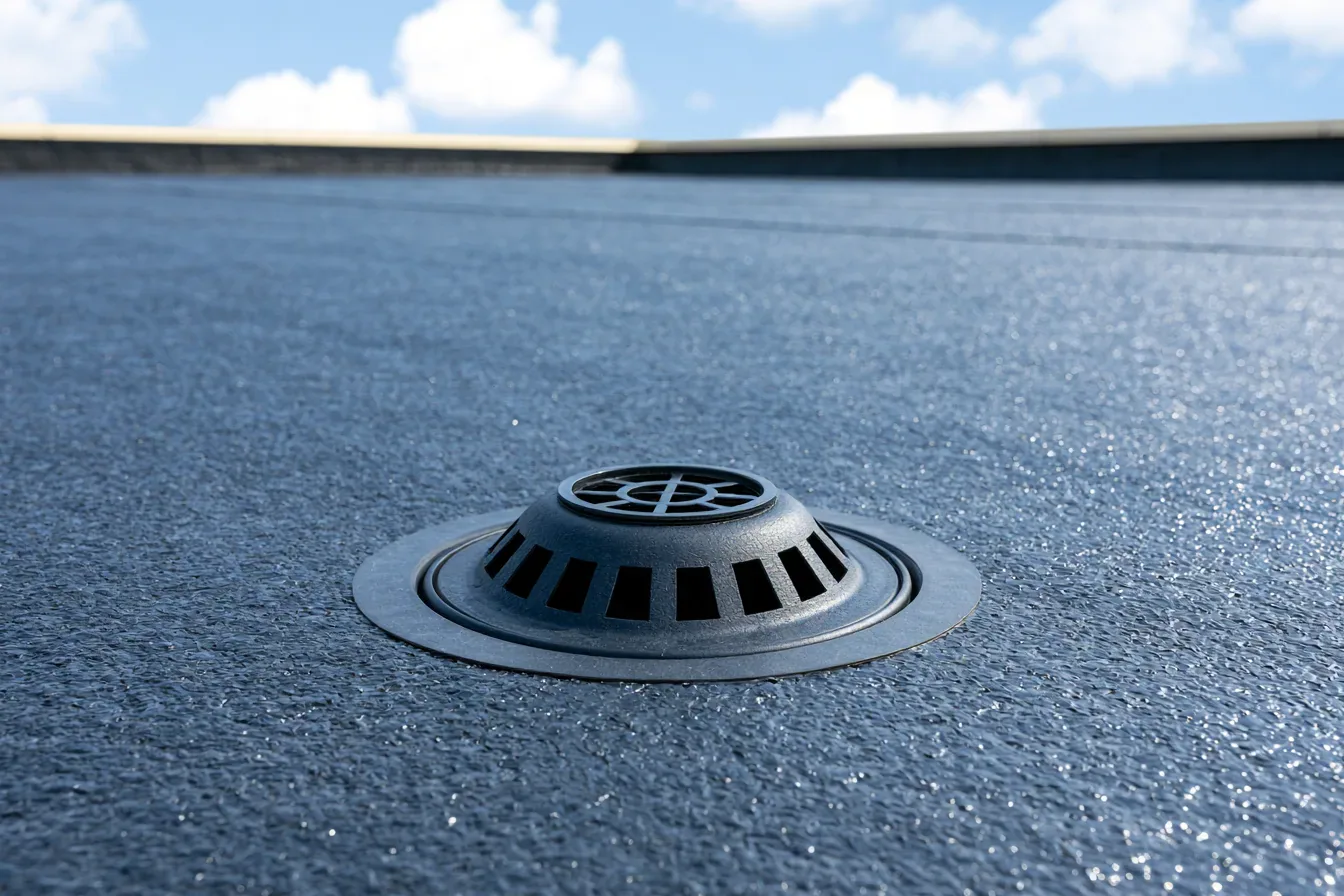
Inspect drain bowls, scuppers, overflows, low points, and water marks after rain. A drainage review can record whether outlets are open and whether water remains after debris is removed. Check roof edges and wall transitions separately from interior plumbing or condensate reports.
Nearby Melbourne climate normals show high summer temperatures and substantial annual precipitation. Those regional records support scheduling, but they do not prove damage at a hotel. During Hurricane Irma, rainfall exceeded 13 inches at one Palm Bay reporting point. Tie each storm report to its event and the observations at the property.
Guest protection begins at the interior report. The hotel manager decides whether to move guests, cover furnishings, or close a room. Record any temporary protection and return plan separately from permanent roof work. Stop if a surface is wet or a storm window closes before the repair detail can be completed.
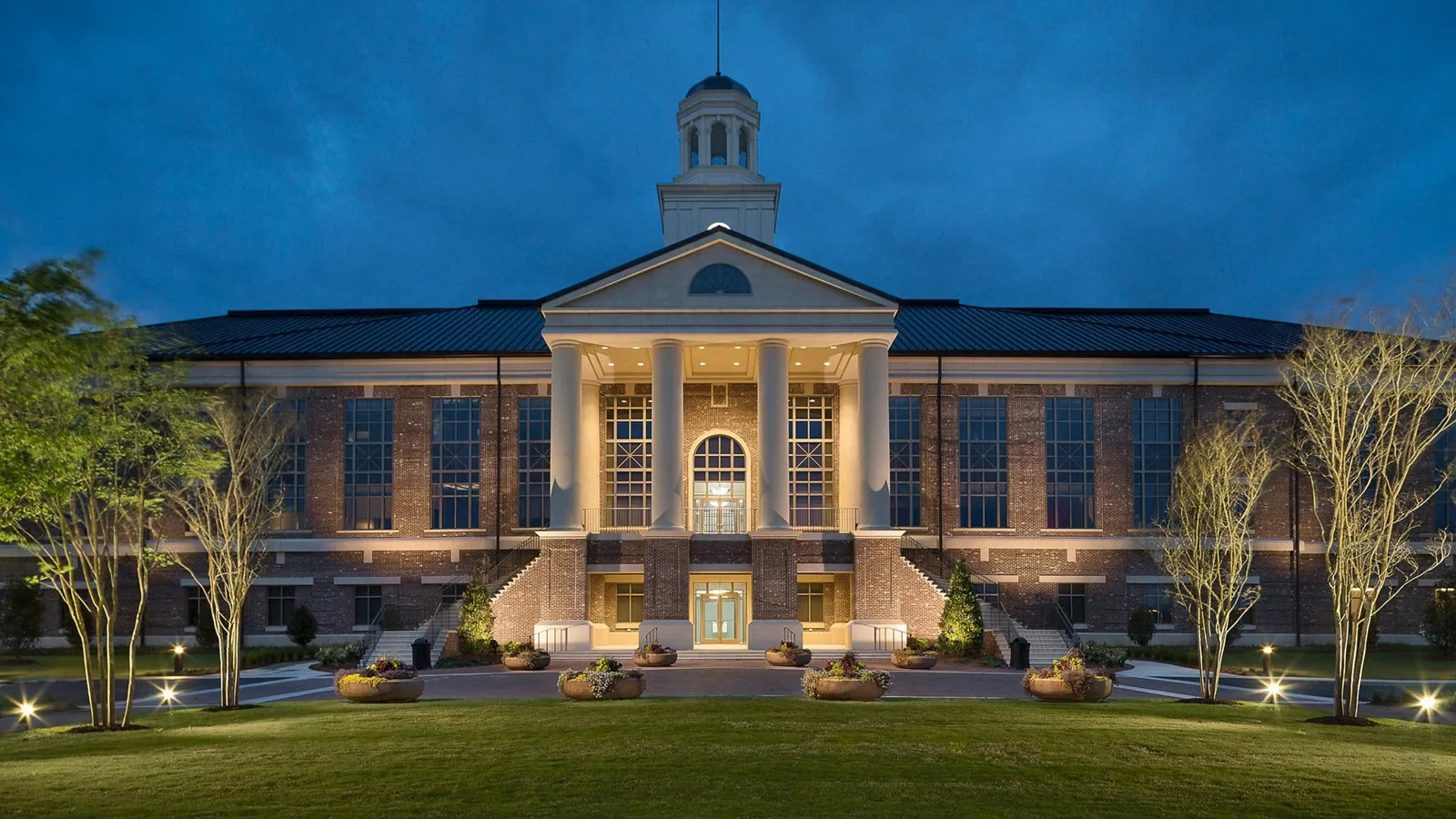
Confirm occupancy, check-in and checkout, quiet hours, conferences, banquets, deliveries, and housekeeping routes before staging. Identify where a lift, materials, or barriers could affect entrances or parking. The hotel contact selects the work window and determines which rooms or service areas must remain open.
Port Canaveral's commercial portfolio includes restaurants, offices, warehouses, and marinas serving cruise and maritime activity. Its mixed business uses provide regional hospitality context, not a claim about a Palm Bay hotel's operator or schedule. At the project site, confirm group events, kitchen operations, and service corridors with the property team.
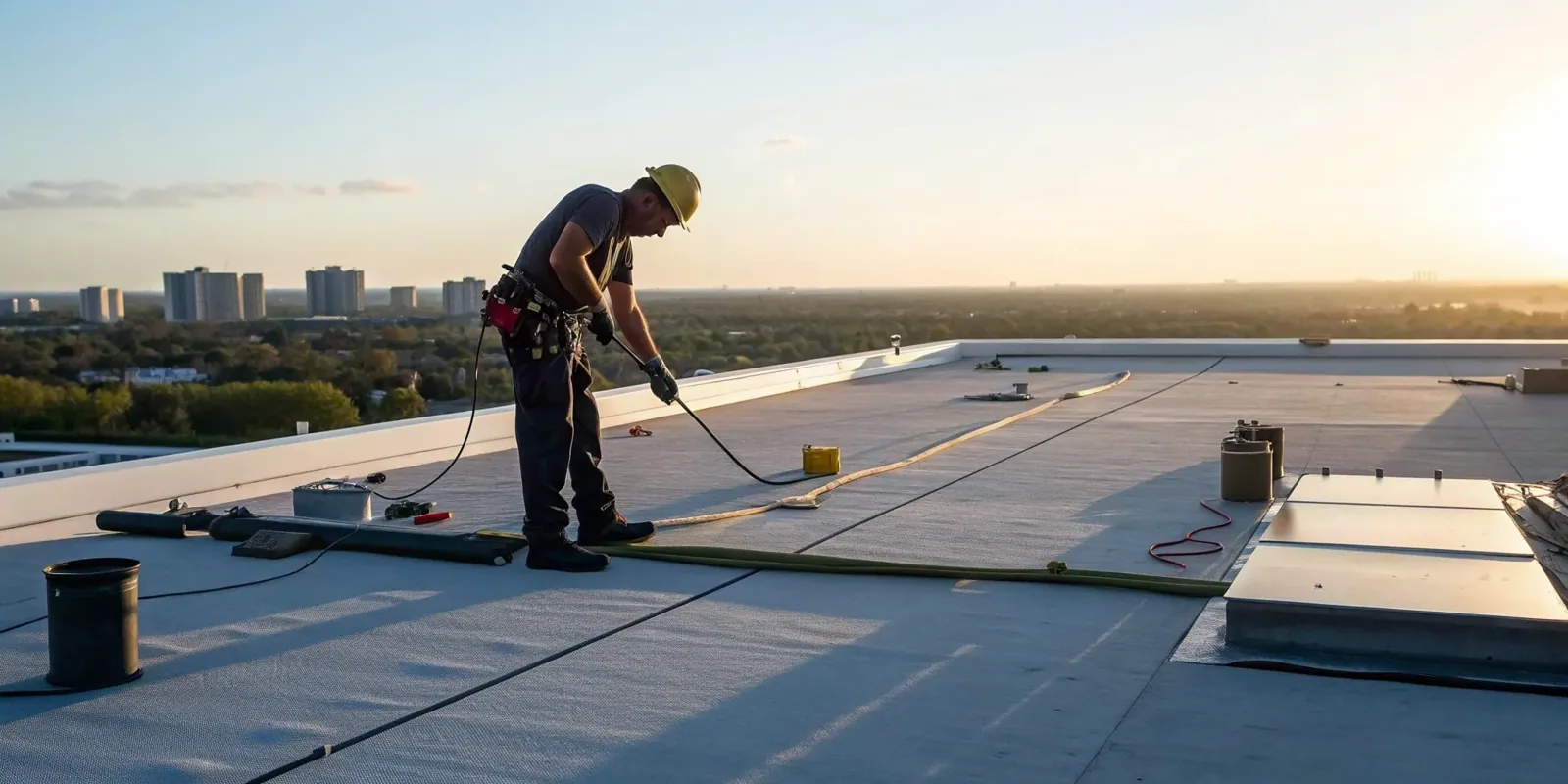
If an active leak occurs overnight, temporary protection should identify the room, time, materials, and next inspection. A emergency roof response can address immediate exposure while the hotel arranges guest and staff protection. Permanent repair follows after roof access and materials are suitable.
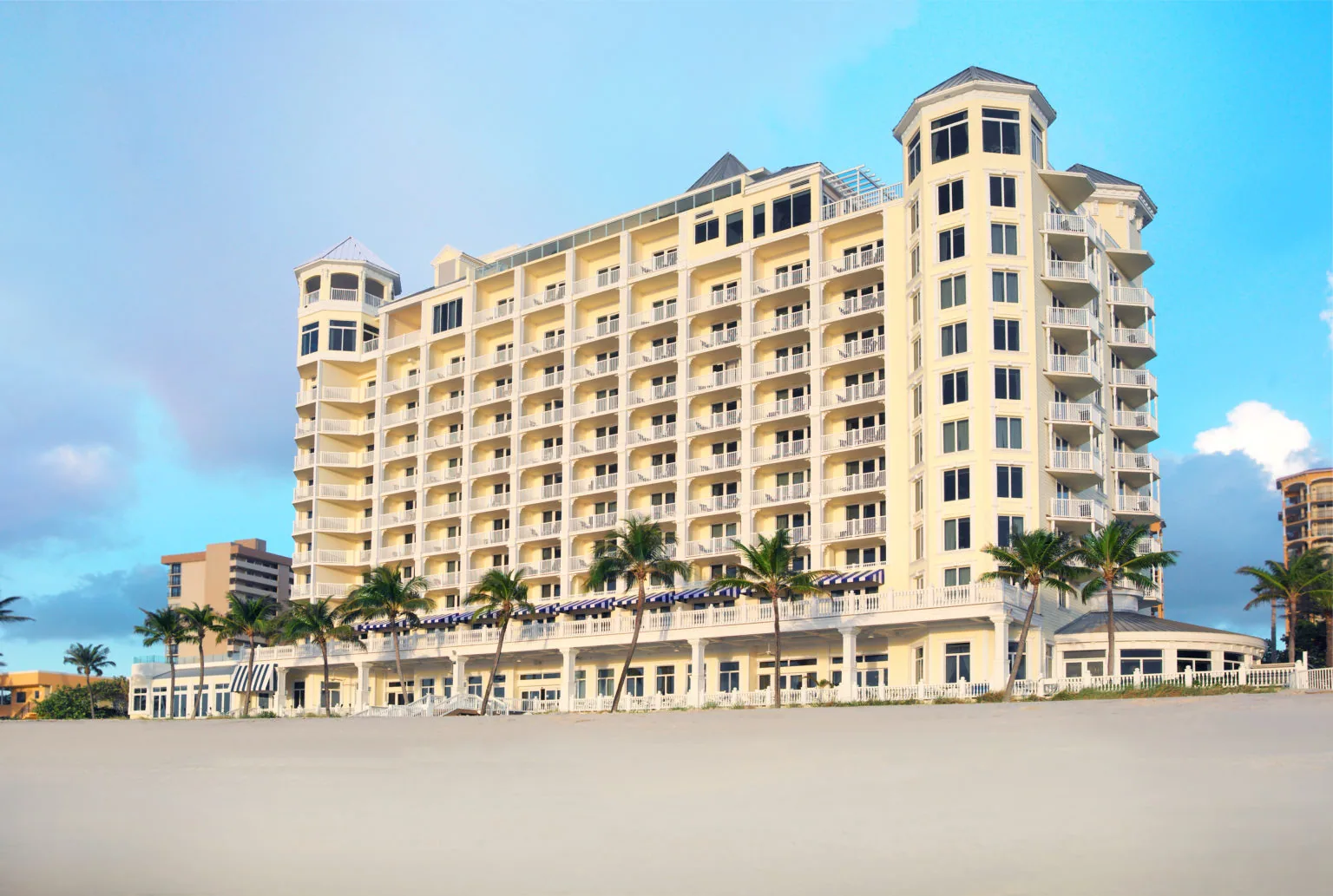
A failed curb flashing or isolated seam may need a localized repair. Repeated leaks, wet insulation, loose attachment, or failures across several wings can require broader testing. An authorized test opening confirms one location only. List other zones that remain concealed or inaccessible.
Compare repair, recover, and replacement with the installed assembly, prior overlays, drainage, equipment heights, access, and room schedule. A replacement assessment can map removal limits and transitions. The scope states materials, guest protection, work hours, excluded areas, and how newly exposed conditions will be approved.
Cost and timing depend on roof material, number of details, room access, equipment, weather, and event scheduling. A condition report can preserve roof-zone photos and open items for facilities planning. Keep assumptions visible before the hotel blocks rooms or schedules work.
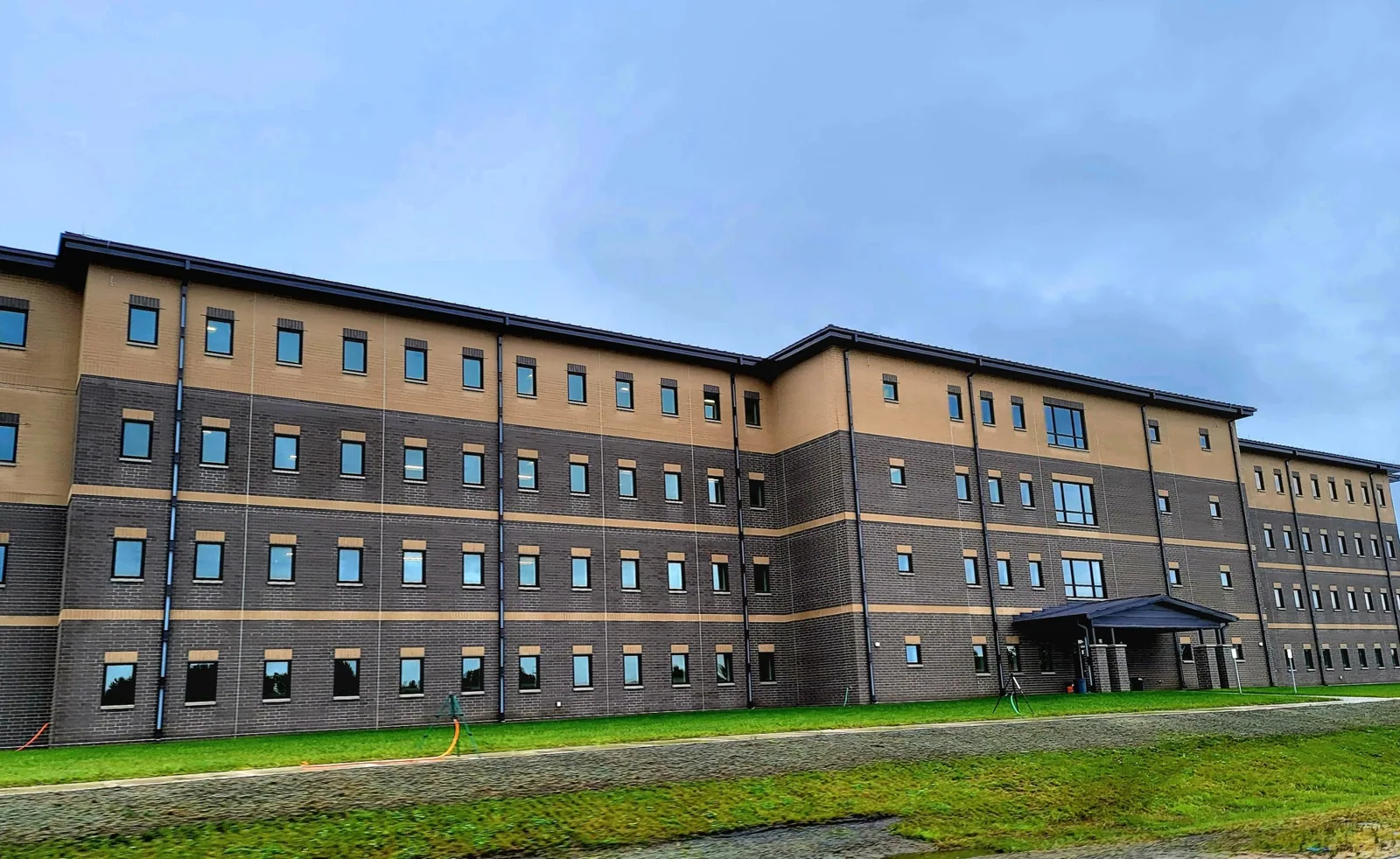
Viera's commercial portfolio lists Viera Town Center among current opportunities and includes hospitality alongside medical, office, and retail development. These regional facts describe a commercial network, not a particular hotel's site or roof. A Viera Town Center service area identifies the named nearby node for service planning.
For any hotel project, confirm the actual property, roof access, and guest-contact process before dispatch. Keep each wing, room report, and repair photo on the same building record. That makes follow-up easier if the guest or maintenance report changes after work.
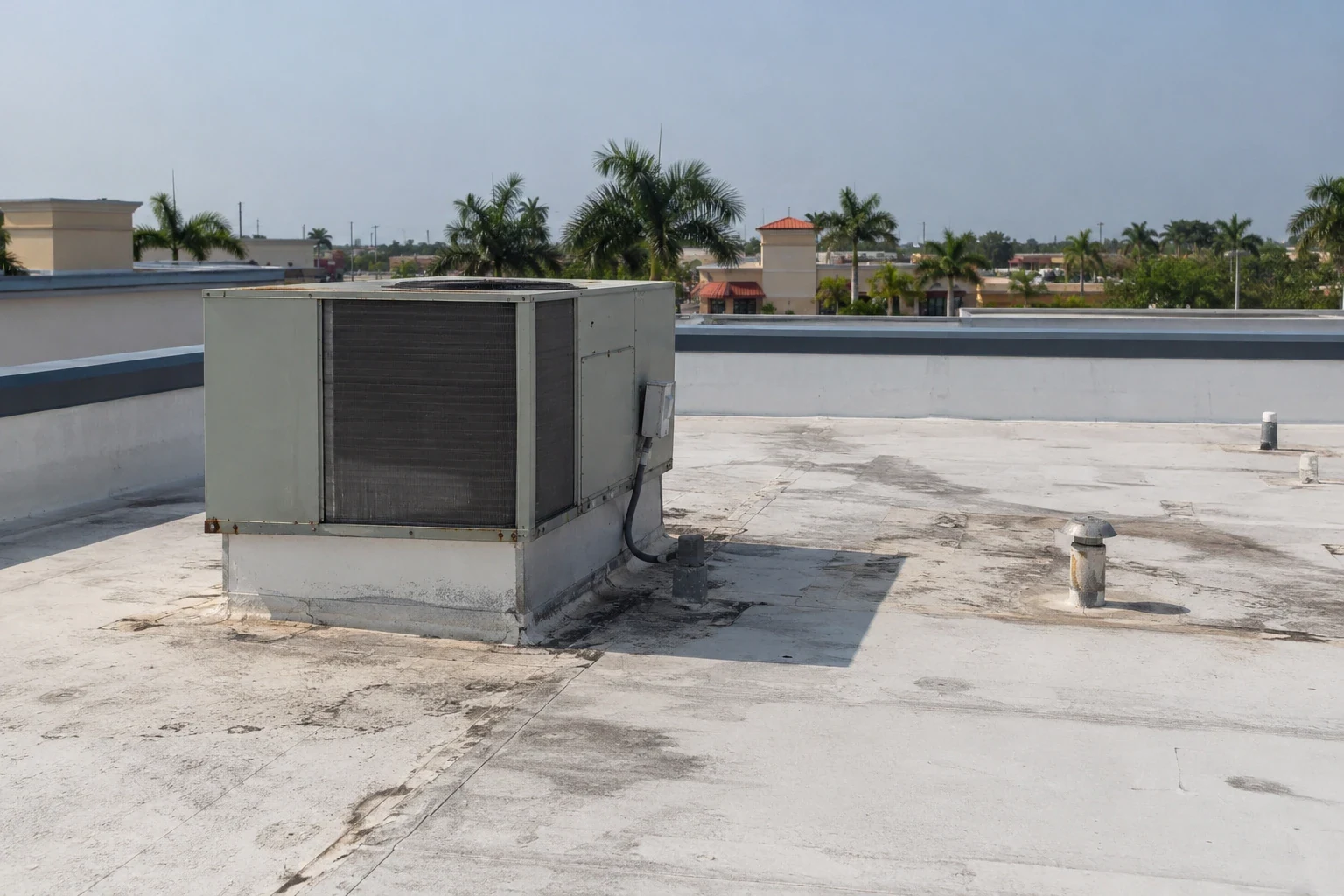
Closeout should include building wing, affected room or service area, materials, date, repair boundary, photos, access limits, and unresolved conditions. Note which rooms received protection and whether a temporary cover remains. Record any test opening and how it was restored.
Schedule follow-up for repaired equipment curbs, drains, and locations that could not be accessed during the first visit. Routine maintenance can log new HVAC work, roof traffic, and debris before another room report. Keep the observation dated and separate from the repair record.
Share the closeout with the facilities contact who manages guest rooms and roof access. Identify the next action and person responsible. If the property has more than one building, maintain a separate zone map for each one.
Learn more →
Learn more →

Learn more →
Learn more →
Learn more →
Learn more →
Learn more →

Learn more →