
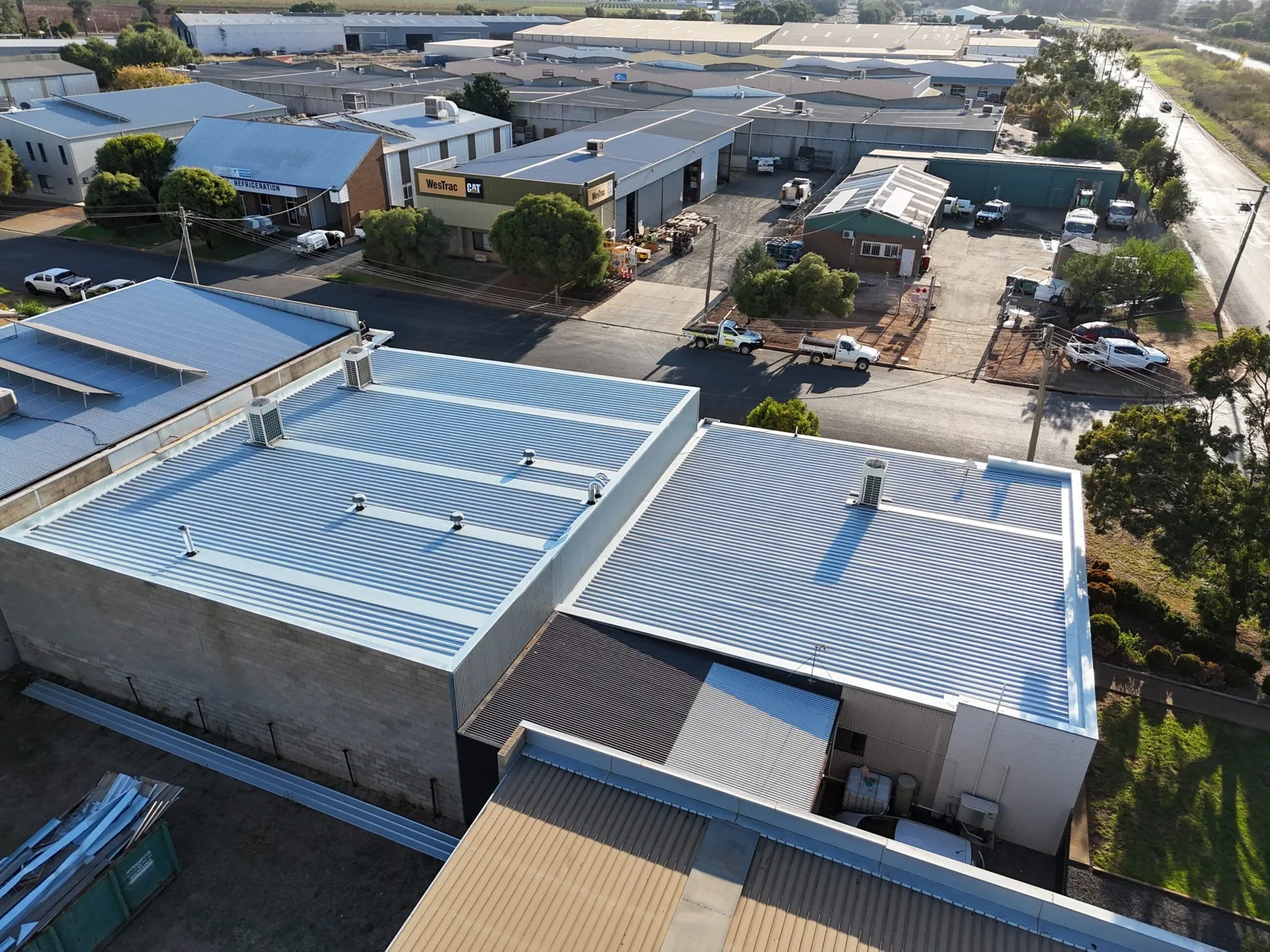
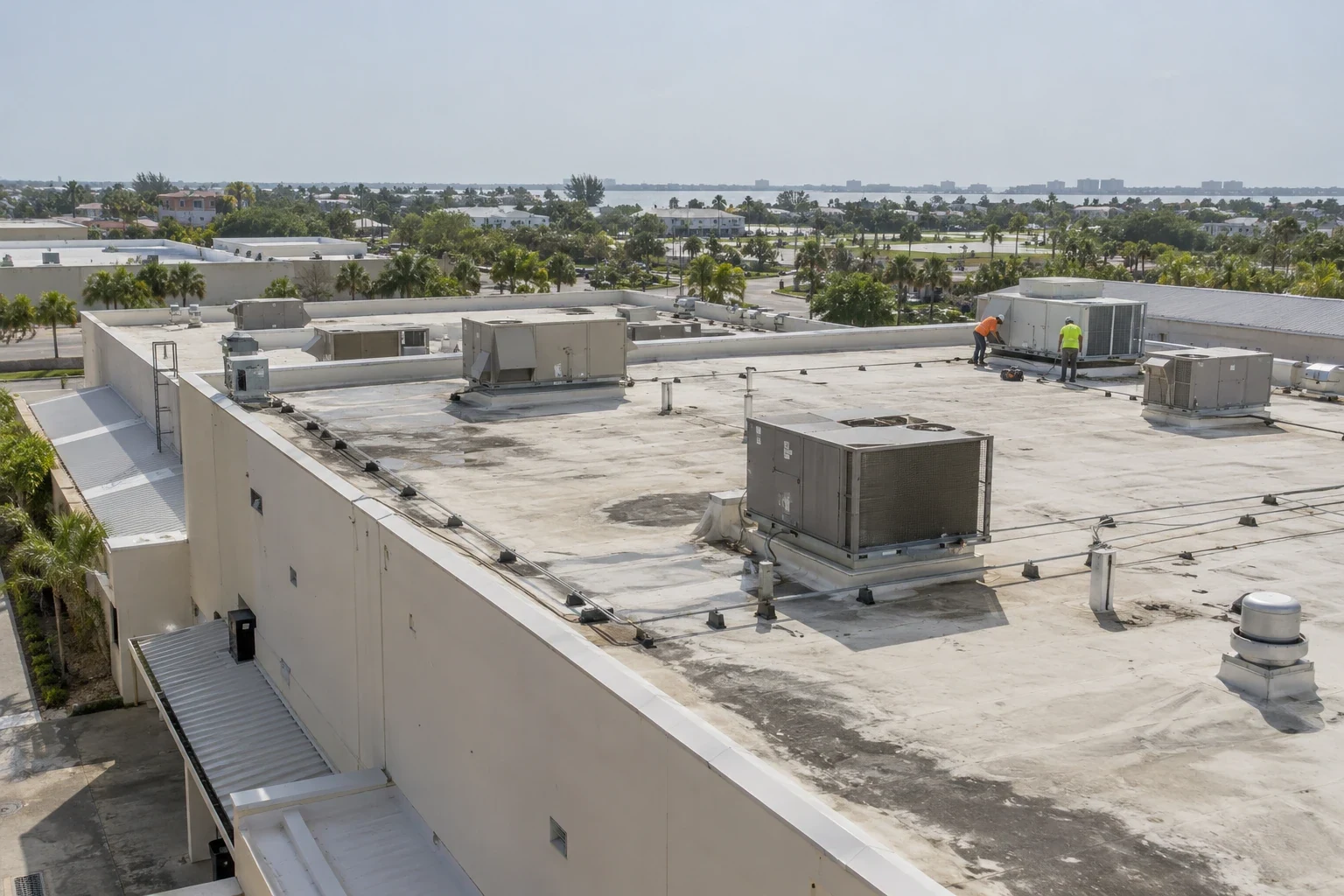
A wet ceiling near an air handler can point to a curb, conduit support, drain, or another opening. We start with the reported location, then record what the roof inspection confirms. Each unit, curb, pipe stand, and service path gets a roof zone and field photograph. Palm Bay's commercial base includes technology production, flex space, offices, and medical facilities. These uses can rely on rooftop equipment, but a property's business type does not establish its roof layout. We inspect the actual supports, flashing, and access limits before assigning a repair boundary.
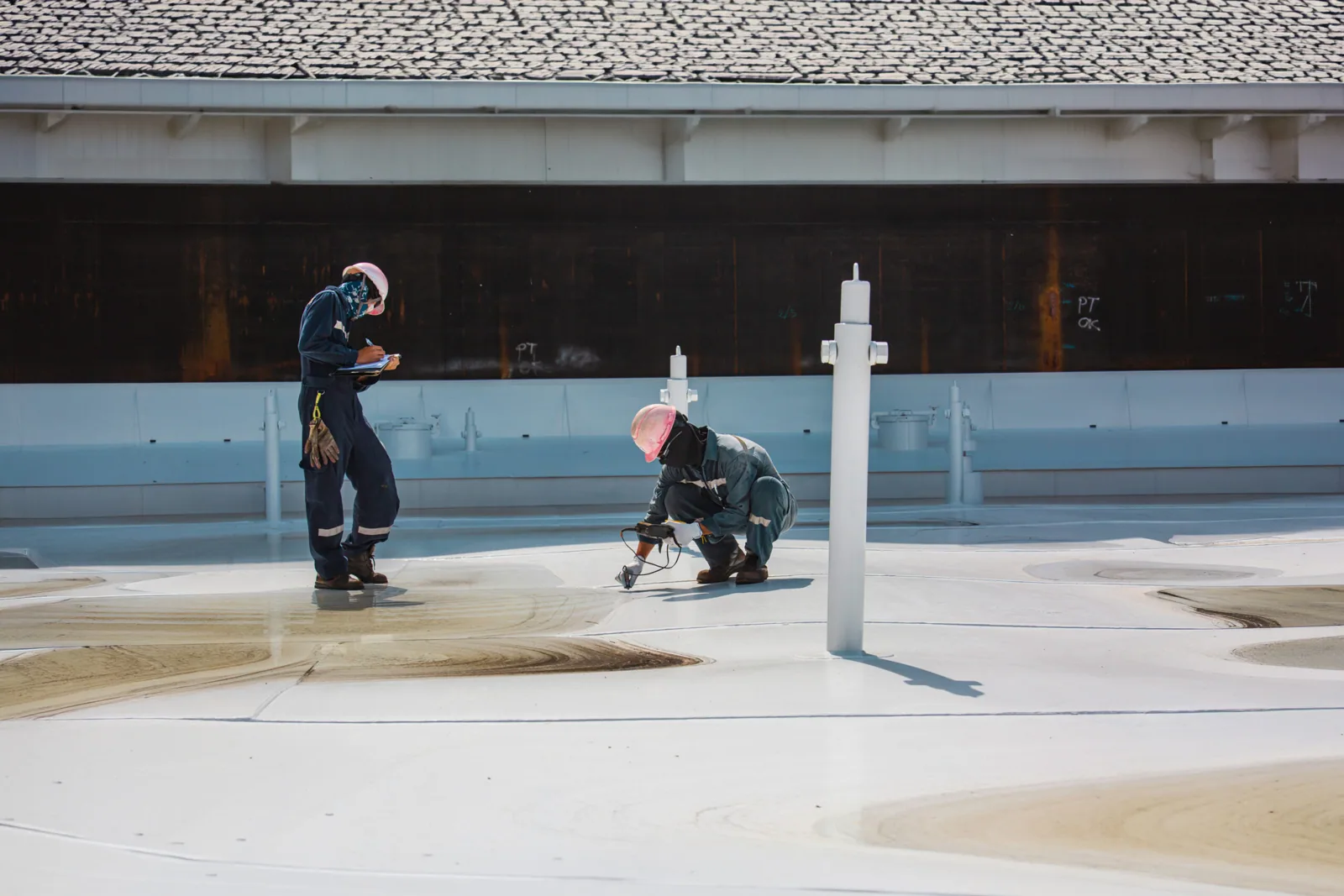
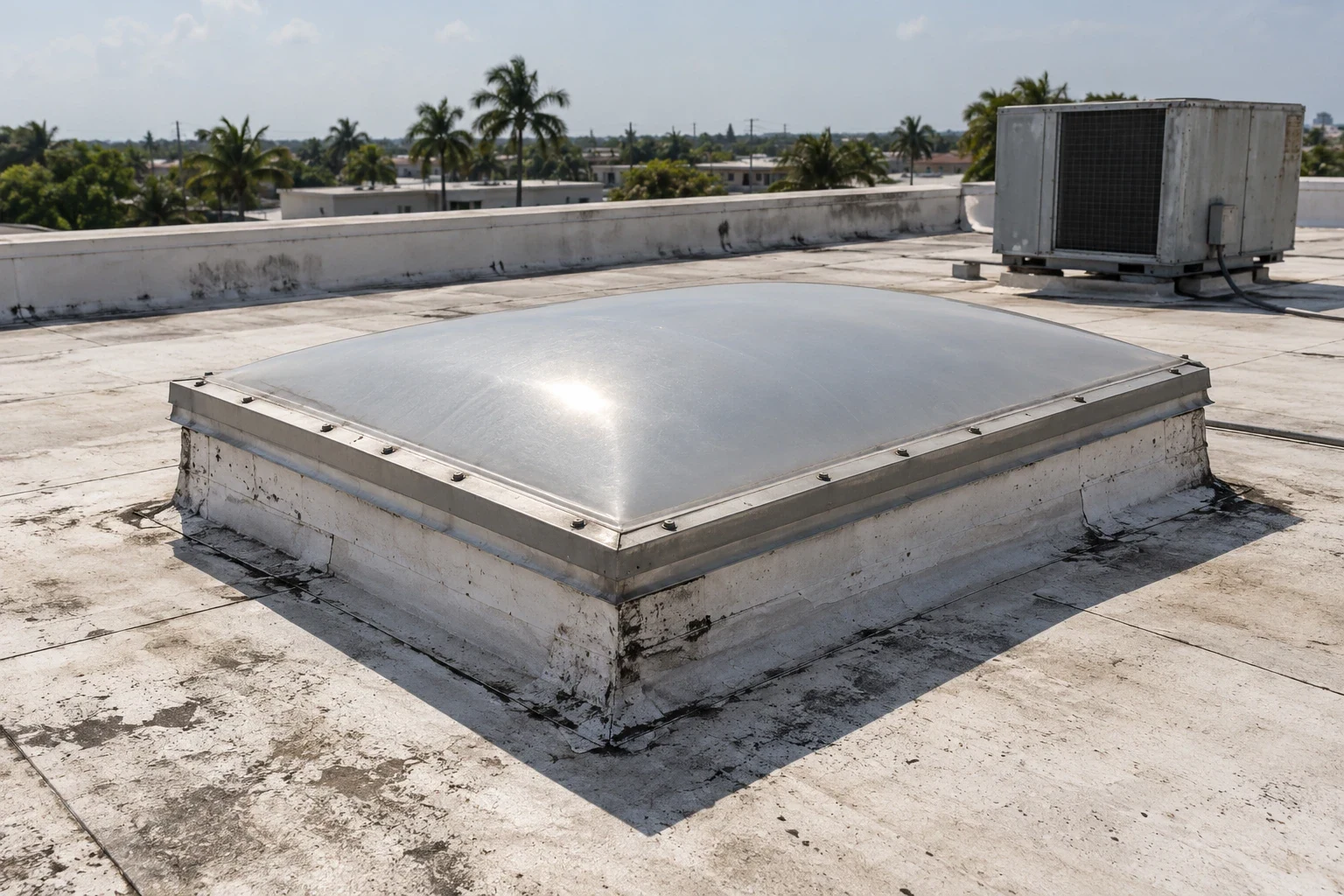
The roof walk identifies each unit, curb, exhaust, conduit rack, pipe support, antenna base, and service walkway in the area. We record its location, visible attachment, clearance, and nearby roof detail. Equipment schedules and prior service notes help identify changes. A field photograph can show whether a support sits on the membrane, a curb, or a separate platform.
Load and structural questions require the project engineer or equipment designer. We do not infer deck capacity from the roof surface. If a new unit, added pipe, or support change is planned, the scope should include the relevant design review before attachment work begins. A roof inspection documents visible roof conditions around existing equipment. A condition report keeps each observation assigned to the correct unit and roof zone.
Palm Bay Flex Business Park offers modular units for engineering, defense suppliers, and light industrial operators beside the L3Harris campus. That commercial mix makes equipment identification useful when planning access and maintenance. It does not establish which rooftop systems any tenant uses. We confirm the equipment list with the property contact before scheduling work.
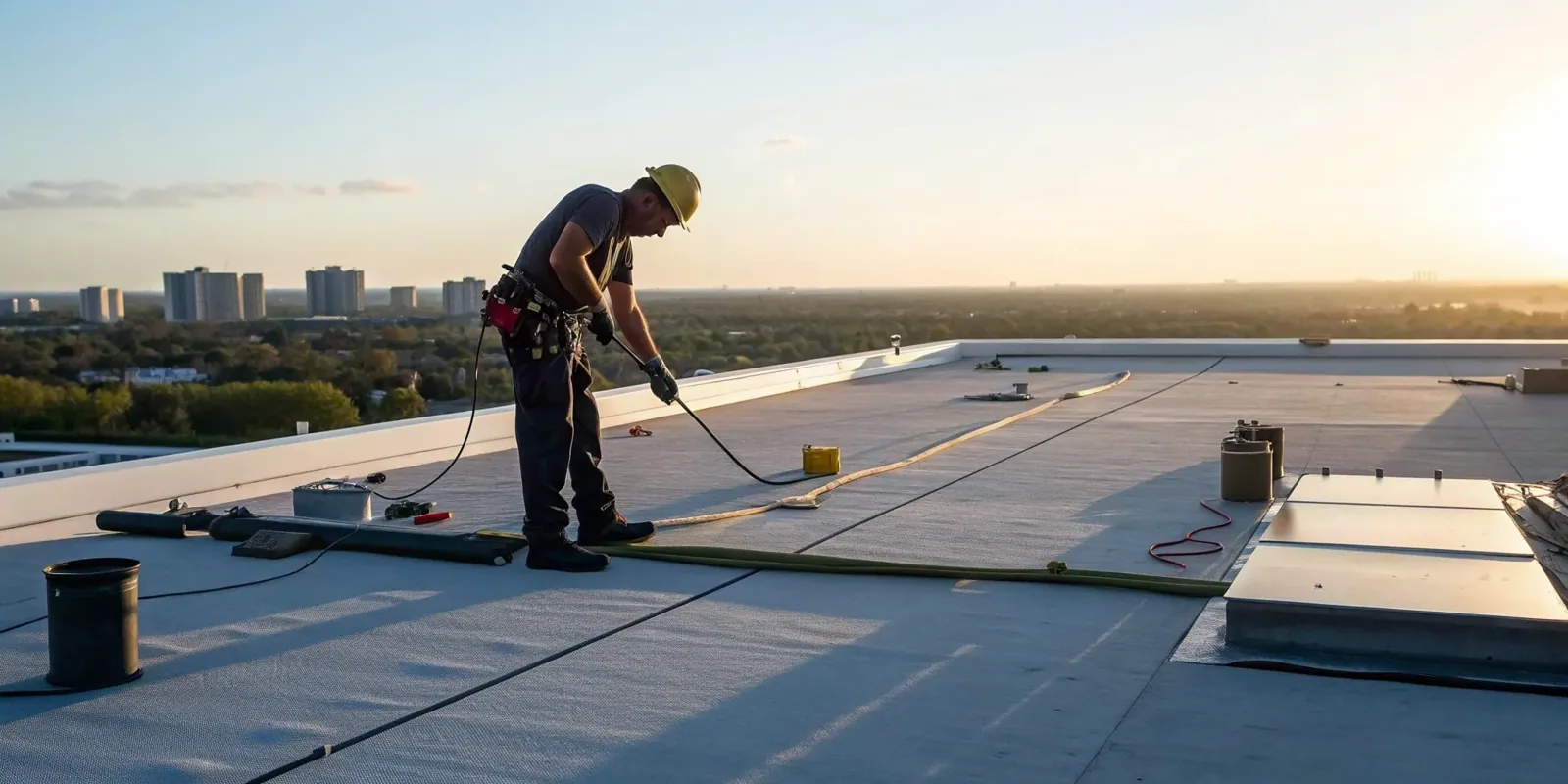
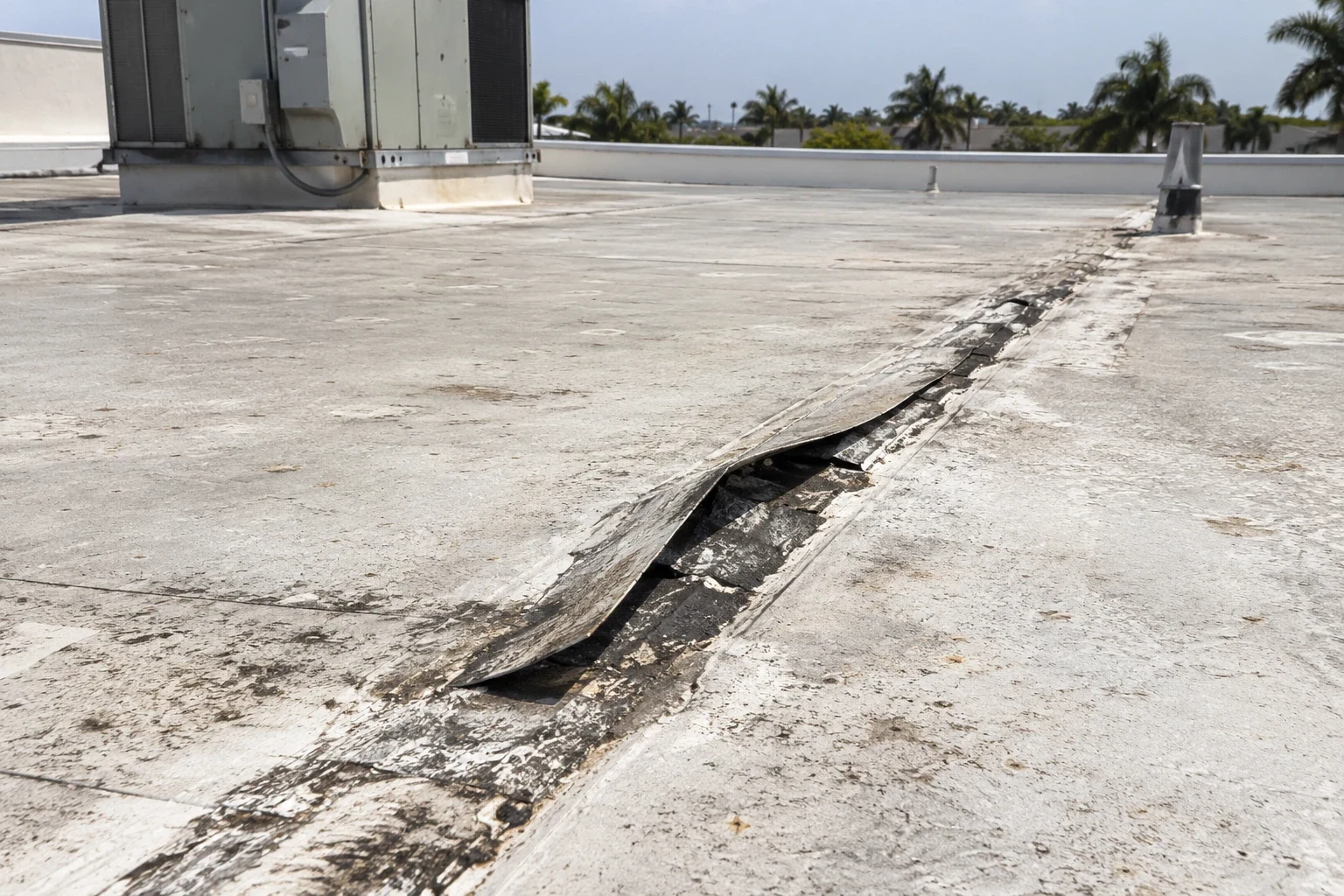
Water entry often follows a seam where curb flashing meets the roof field. We inspect curb corners, membrane height, welds or laps, counterflashing, metal caps, fasteners, sealant, and nearby seams. A surface bead can hide separation without securing the transition. The report shows the observed opening and adjacent material before proposing a repair.
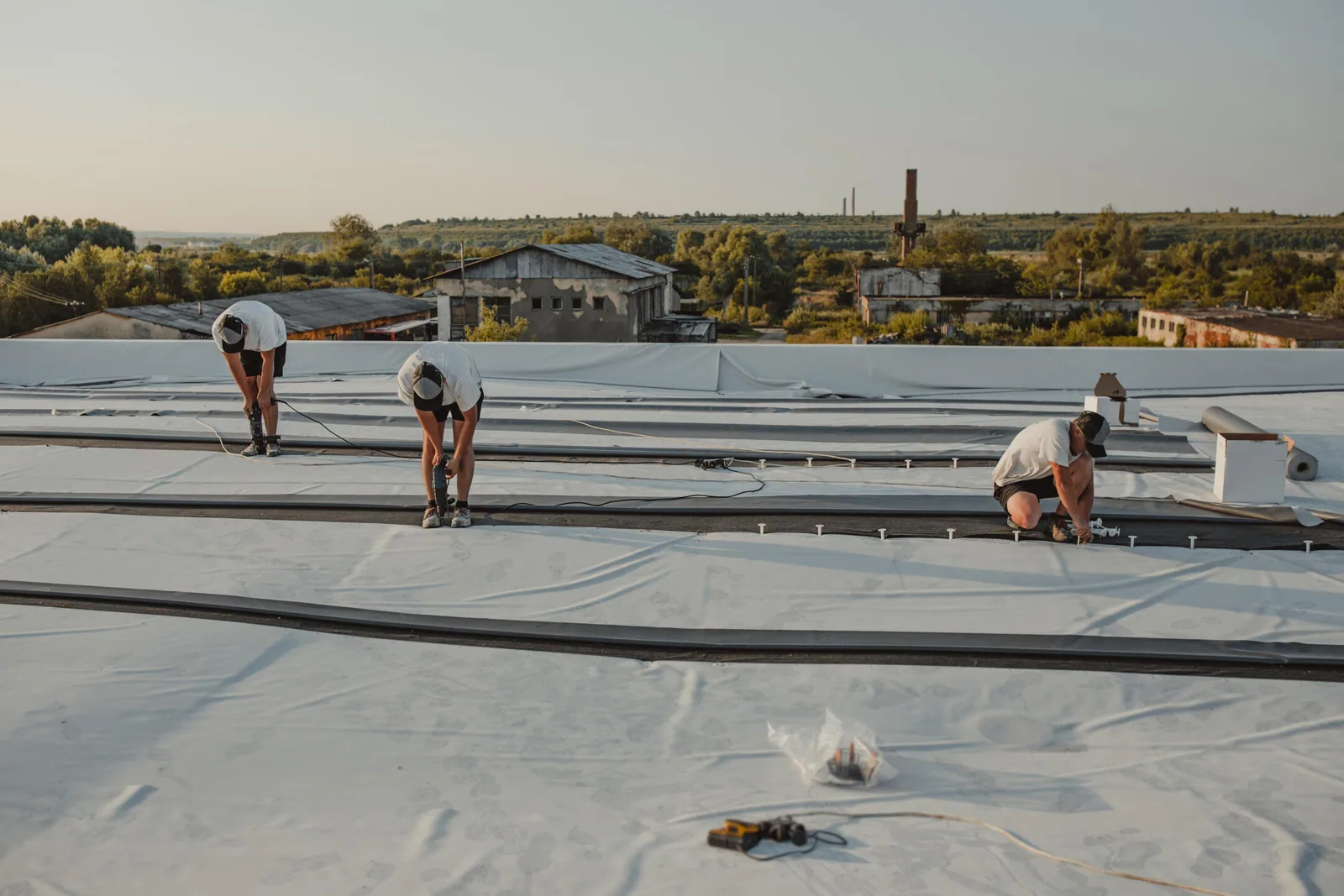
Penetrations vary by system. A TPO, PVC, EPDM, modified-bitumen, metal, or coated roof needs a compatible detail. If the assembly cannot be identified from records and visible edges, note that limit before ordering materials. A penetration flashing review can document pipes and openings near the equipment zone. If a lap is pulling apart, a seam failure assessment can check whether the defect extends beyond the curb.
Curbs also need coordination with the equipment service provider. Replacing an HVAC unit can disturb flashing, disconnects, or supports. We record the existing condition before lift work and the roof detail after reset. If the unit must be moved, the owner confirms who controls the disconnect, lifting plan, and restart. Roof repair does not confirm mechanical or electrical operation.
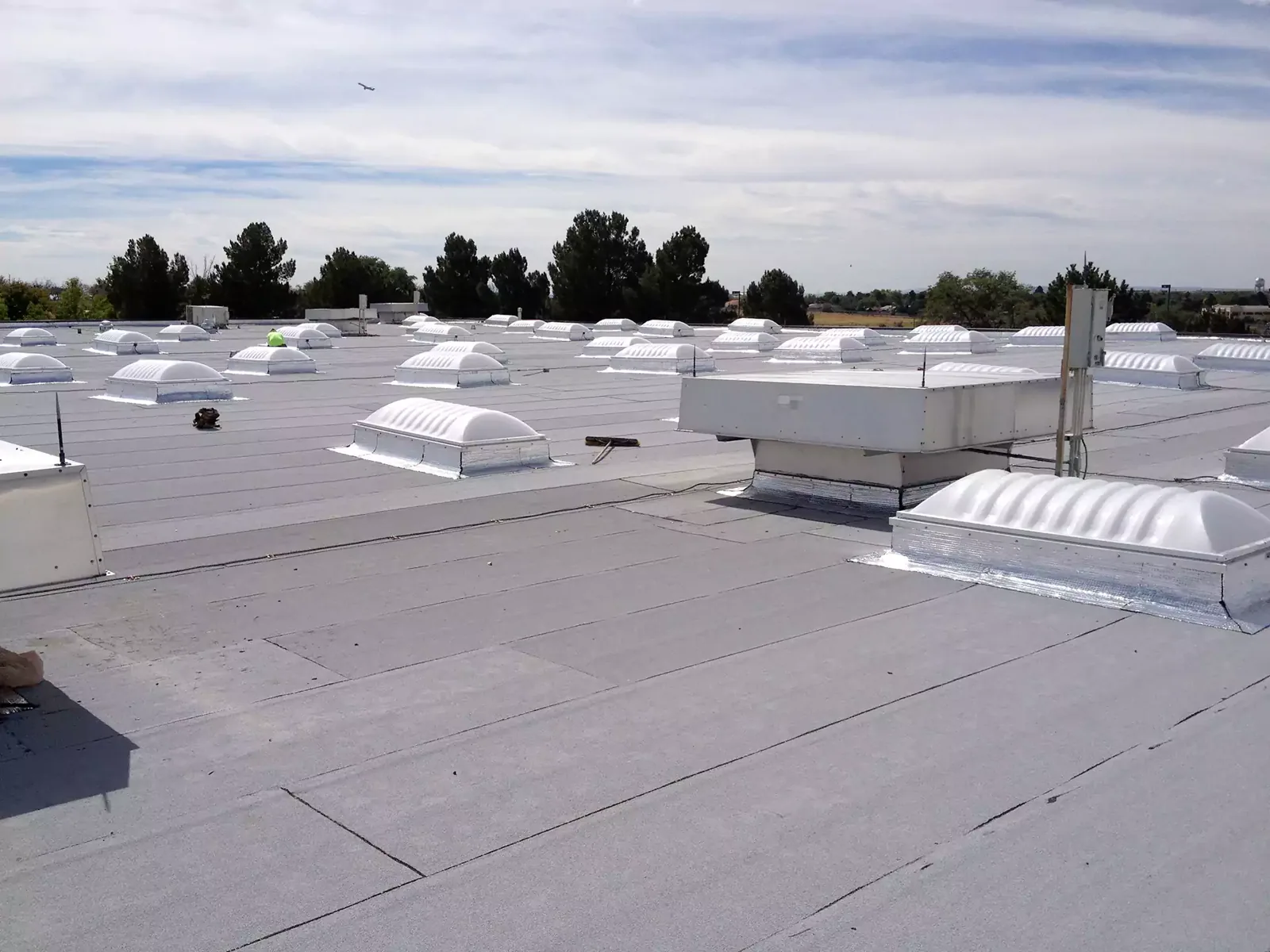
Pipe stands and equipment supports can shift as connected lines expand, vibrate, or receive service. We look for displaced bases, cracked or compressed pads, loose clamps, punctured membrane, corrosion, and drag marks. A support that moves can abrade the roof or pull on nearby flashing. The record distinguishes visible movement from an engineering conclusion about load or capacity.
Support bases should distribute contact and remain compatible with the assembly. A metal foot, sleeper, or adhered pad may need a different repair than a curb. We identify where loads transfer and refer unresolved structural questions to the project engineer. If support replacement requires roof exposure, the work plan states how the membrane will be restored and photographed.
Equipment clusters need a safe service route. We note walk pads, clearances, trip hazards, and areas where repeated foot traffic has worn the surface. A maintenance visit can check supports and flashing on a scheduled basis. For a portfolio with several buildings, a multi-site roof record can track equipment changes and unresolved roof conditions by address.
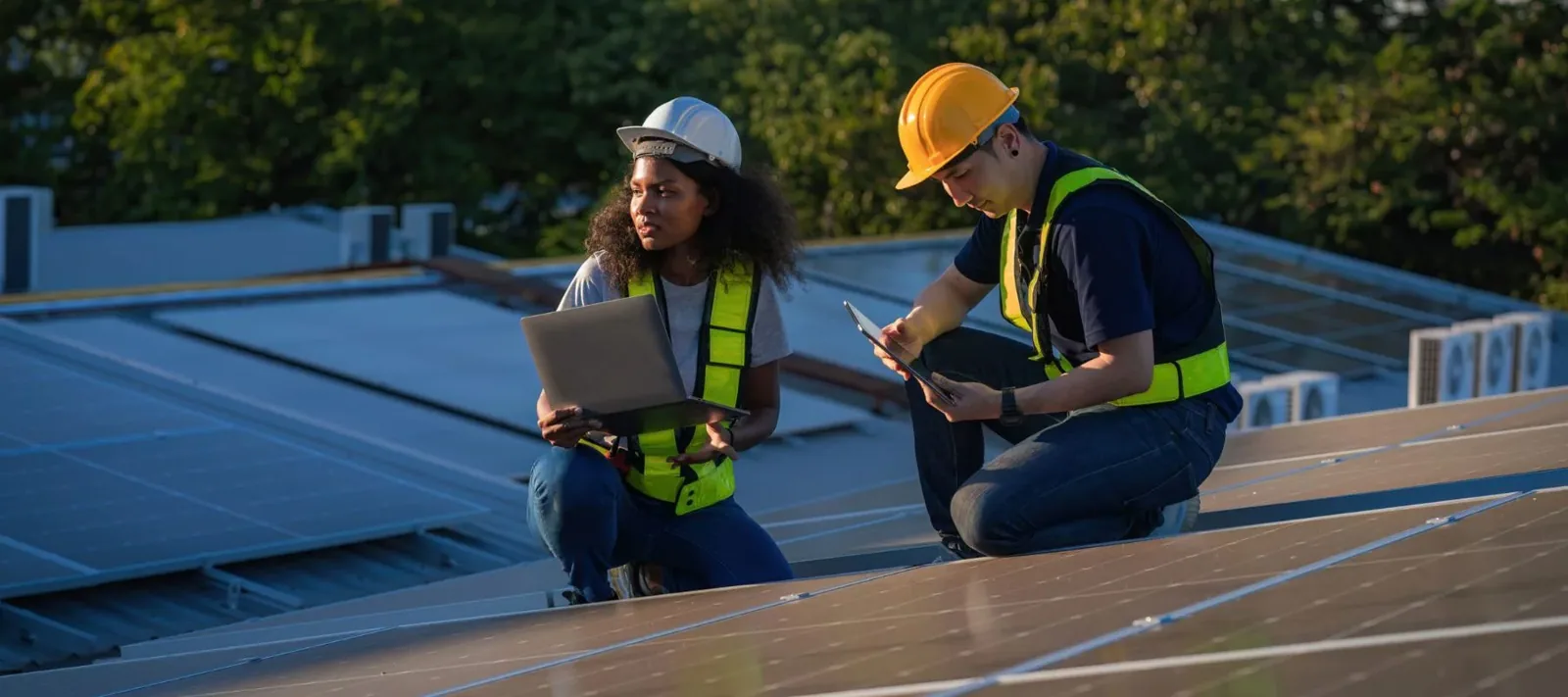
Before repair, confirm roof access, escort needs, lockout rules, crane or lift timing, and the responsible equipment contact. The roof scope identifies which unit remains operating and whether a shutdown is required. Occupied buildings may need notice to staff or tenants. A scheduled service window can reduce conflict, but it does not replace the facility's safety rules.
A planned Florida Tech Research Park near Melbourne Orlando International Airport includes aviation training and applied research functions. Such uses can require careful access planning at a technology property. They do not establish the access policy of another building. Each facility contact sets the route, escort, and equipment restrictions for the property being inspected.
If weather delays a repair, temporary protection and permanent work receive separate records. We close each work area before leaving and note any support or flashing still awaiting equipment reset. The completion note identifies the crew's roof scope and any work assigned to another trade.
Closeout photographs show the curb, flashing transitions, support base, adjoining membrane, and completed boundary. We list the equipment identifier when supplied, material installed, date, and any location not reached. A test opening, if authorized, includes what it exposed and how the roof was restored.
If a leak continues after work, the new report gets an event date and interior location. We compare it with the earlier roof-zone photographs and inspect the indicated path. A follow-up after rain may provide additional evidence. A dry visit cannot reproduce every wind direction or water condition.
Where more than one curb or support has a similar issue, the report lists each item separately. A recurring detail may justify a larger maintenance or capital scope. A targeted repair scope can address the confirmed defect. If the roof assembly itself has broader failure, a replacement assessment can consider those findings with the rest of the roof.
Learn more →
Learn more →
Learn more →
Learn more →
Learn more →
Learn more →
Learn more →
Learn more →