
Active local weather warning
The National Weather Service has issued a coastal flood warning covering Palm Bay. Heavy rain and drainage loading can expose roof leaks, blocked drains, and ponding water. This is a weather exposure advisory; it does not establish damage to a specific roof.
Do not access a roof during hazardous weather. Protect people first, avoid water near electrical equipment, and request roofing help when conditions permit.
National Weather Service · Updated Oct 28, 2026, 6:40 AM UTC
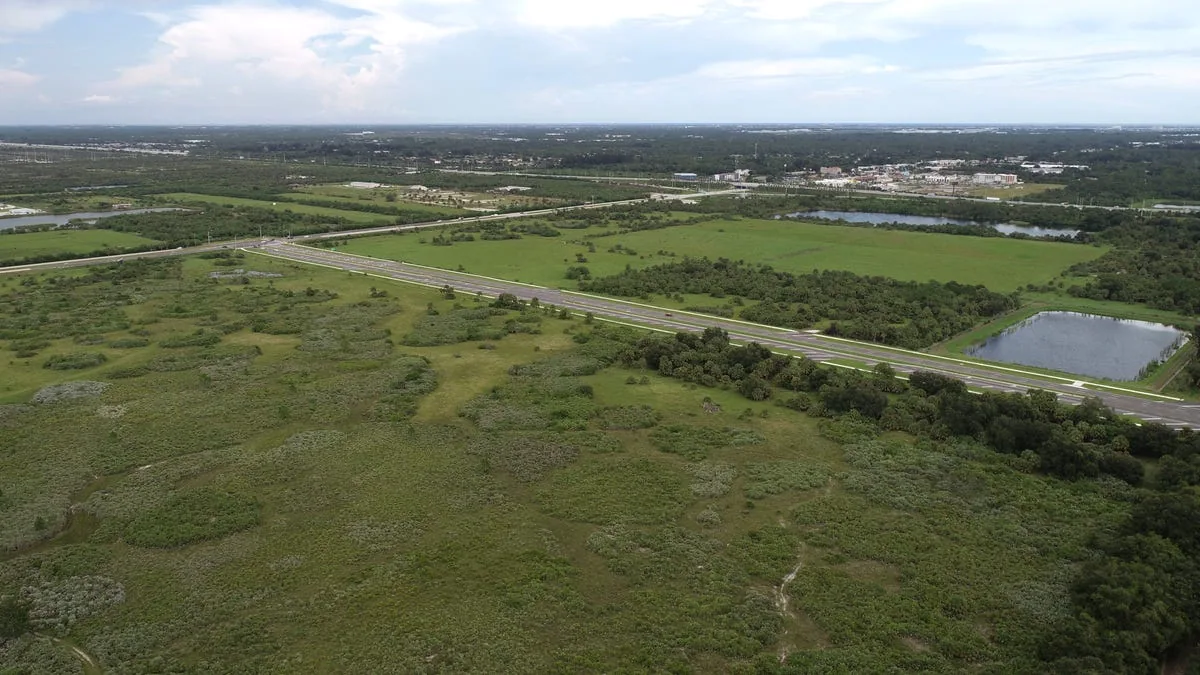
A development plan for Florida Tech Research Park designated about 100 acres fronting NASA Boulevard within Airport Industrial Park. The collaboration between Florida Tech and the Melbourne Airport Authority aimed to expand regional research infrastructure. The plan identified an aviation training center, applied research laboratory, and 25-acre joint-use research compound. Those planning facts do not confirm which buildings are complete or what systems are installed. We confirm the current property, drawings, and roof access before preparing a scope.
Research and training uses can place value on uninterrupted equipment and controlled work windows. The building contact sets those requirements. We record the affected zone, report date, and access limits, then inspect visible seams, penetrations, drains, edges, and transitions. For construction-phase work, we compare the installed details with current plans. For an existing roof, findings come from the assembly in front of the crew, not from a campus plan.
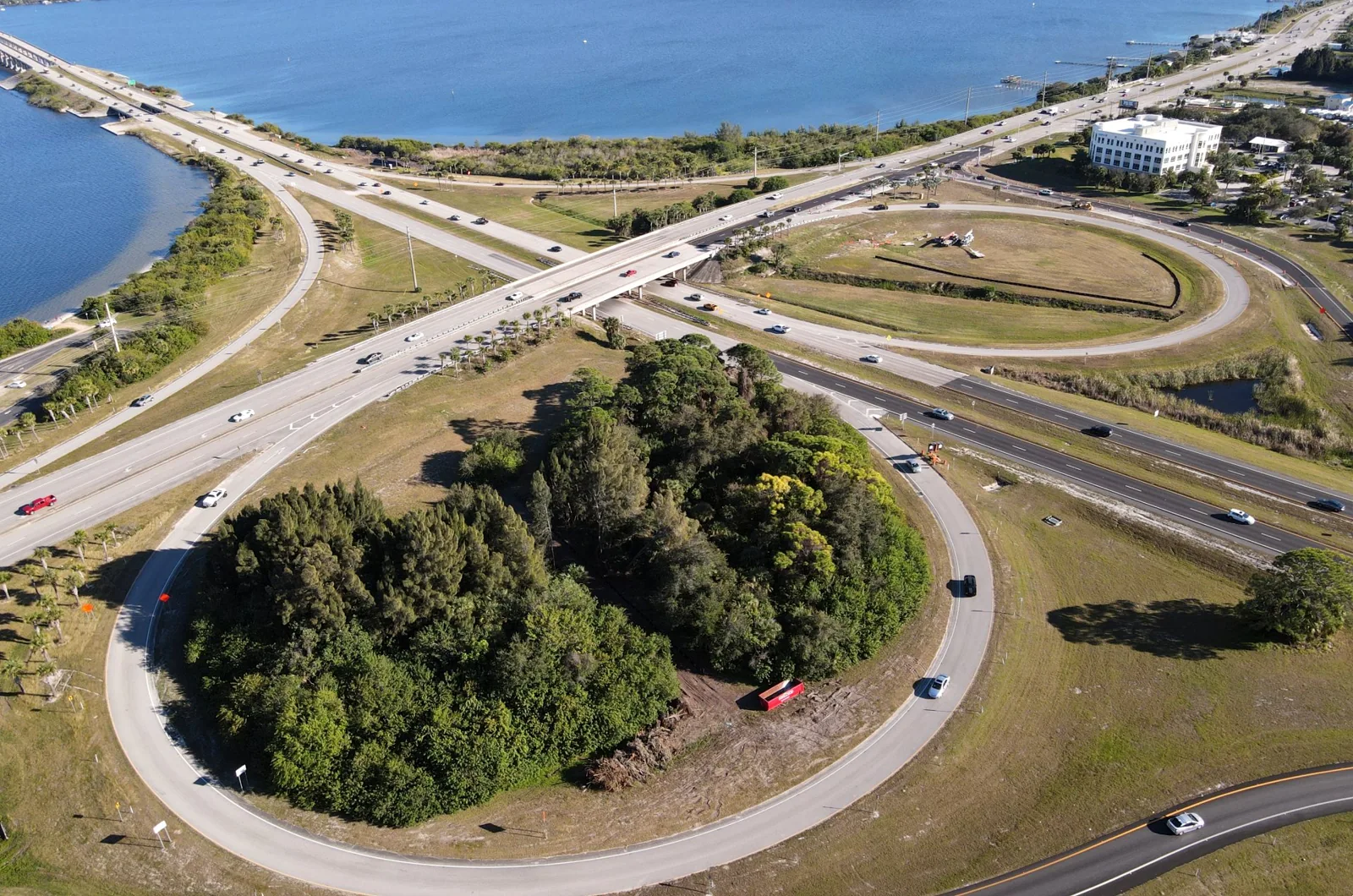
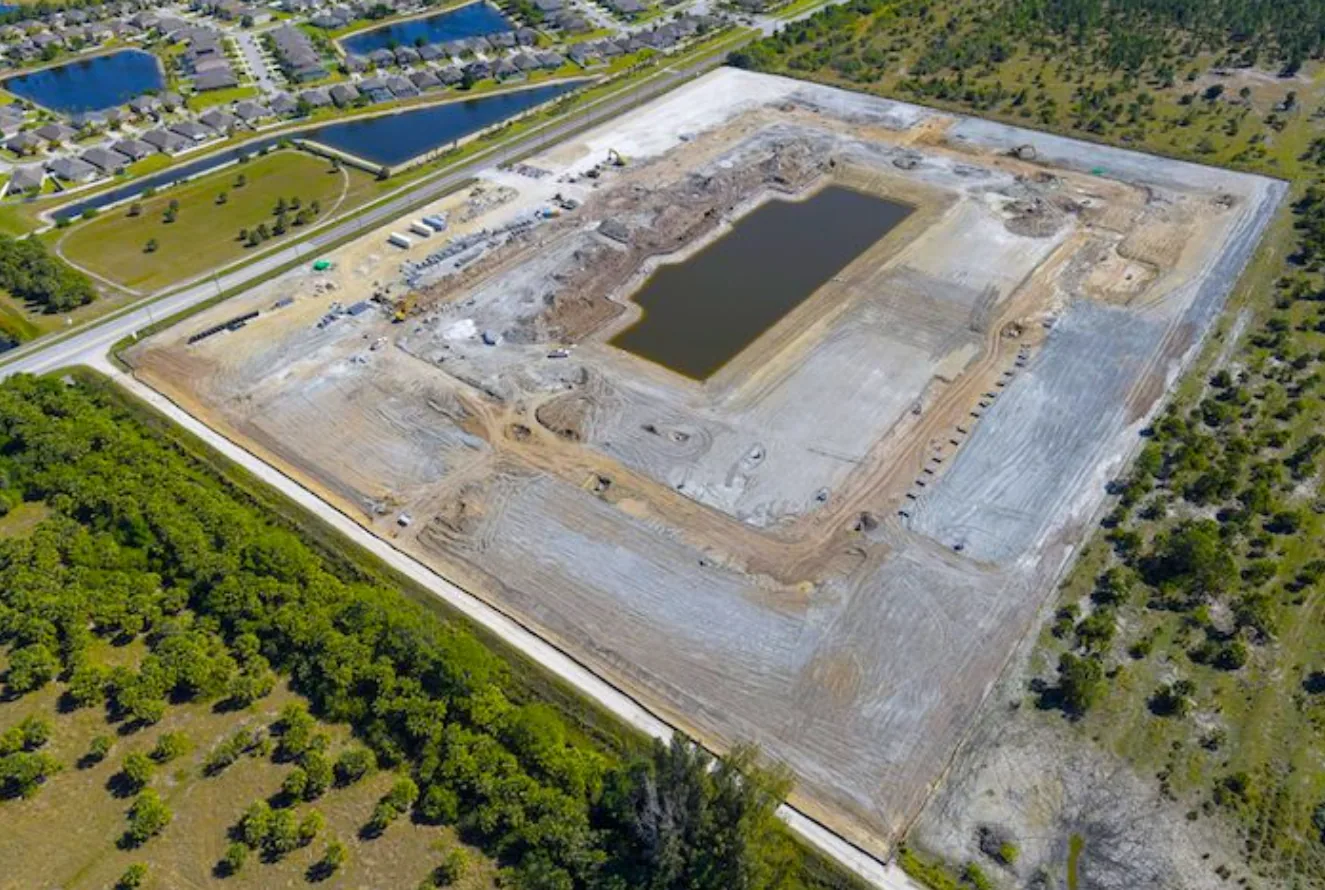
The first question is whether the request concerns a proposed building, active construction, or an occupied facility. We ask for the building name, address, phase, access contact, and latest roof drawing. A plan review can flag where drains, curbs, edge metal, and future penetrations need coordination. It cannot confirm installation quality. A field inspection begins when the roof is built and access is approved.
Research operations may use equipment that cannot be moved or shut down on short notice. The facility contact identifies sensitive zones, work windows, and notification procedures. We coordinate ladders, material staging, and debris routes before arrival. If the crew cannot access a roof area, the report names it. The 100-acre designation describes the park plan; each parcel has its own owner and access requirements.
During construction, a roof may remain exposed at a tie-in while another trade works nearby. We review the termination detail and record whether it is permanent or temporary. New conduits and supports require flashed penetrations. If the scope does not include a trade's work, the closeout identifies the responsible party and hold point. A test opening is proposed only when the hidden assembly must be confirmed and the owner approves its location.
Summer highs at Melbourne airport average near 89 degrees, with more than 60 days annually at 90 degrees or higher. Check the roof surface before selecting an installation window. Heat can stress membrane seams, sealants, and flashing corners. We photograph those details and check attachment where accessible. A visible crack or loose termination is recorded by roof zone and linked to the affected building.
Melbourne averages 55.28 inches of precipitation annually, with the highest monthly totals in June and September. Review drainage during the roof walk and record conditions on its date. We check strainers, scuppers, overflows, low points, and water marks around curbs. A blocked drain may need maintenance. Standing water after the outlet is clear can require slope or deck review. The report keeps those findings separate.
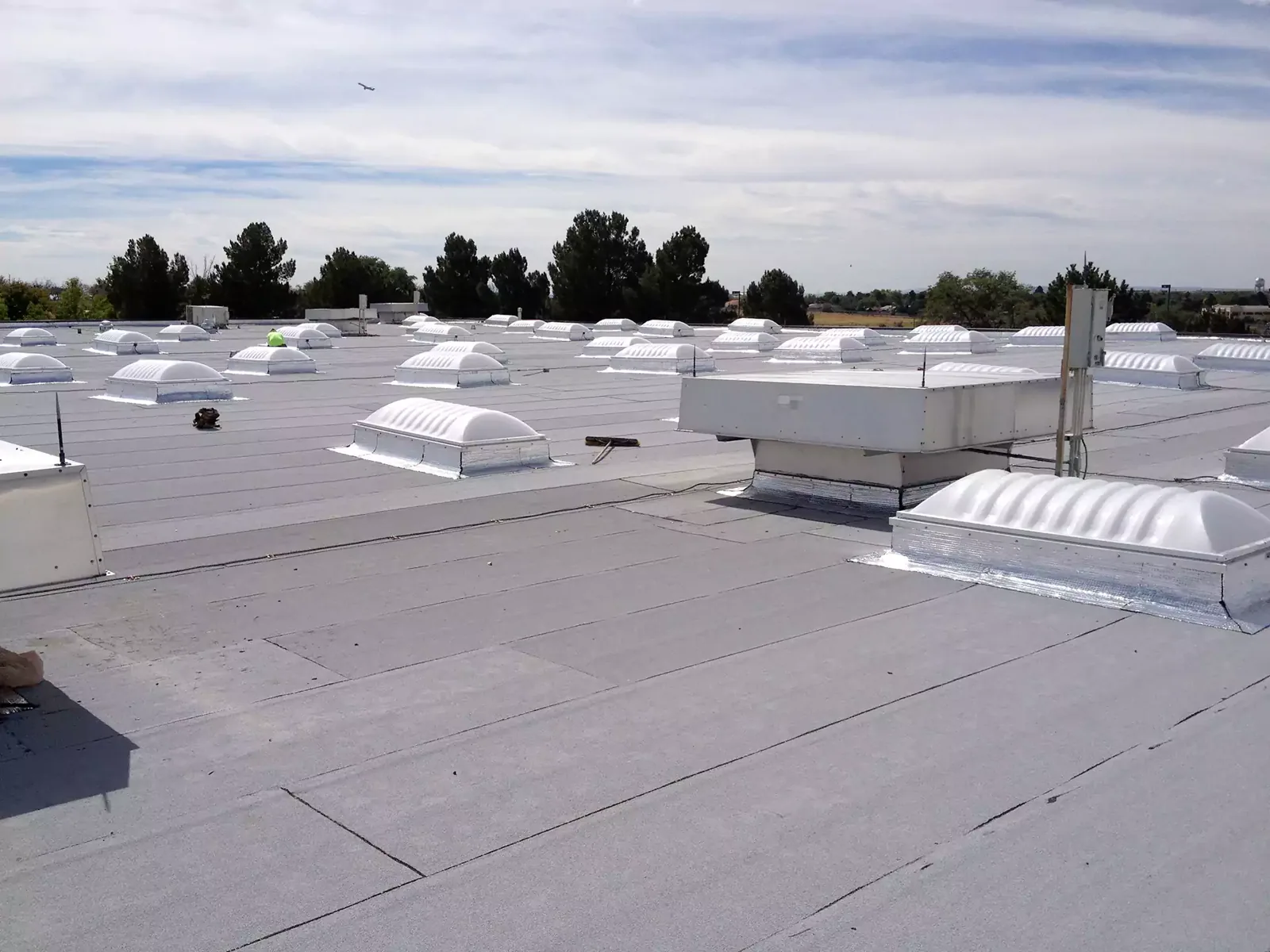
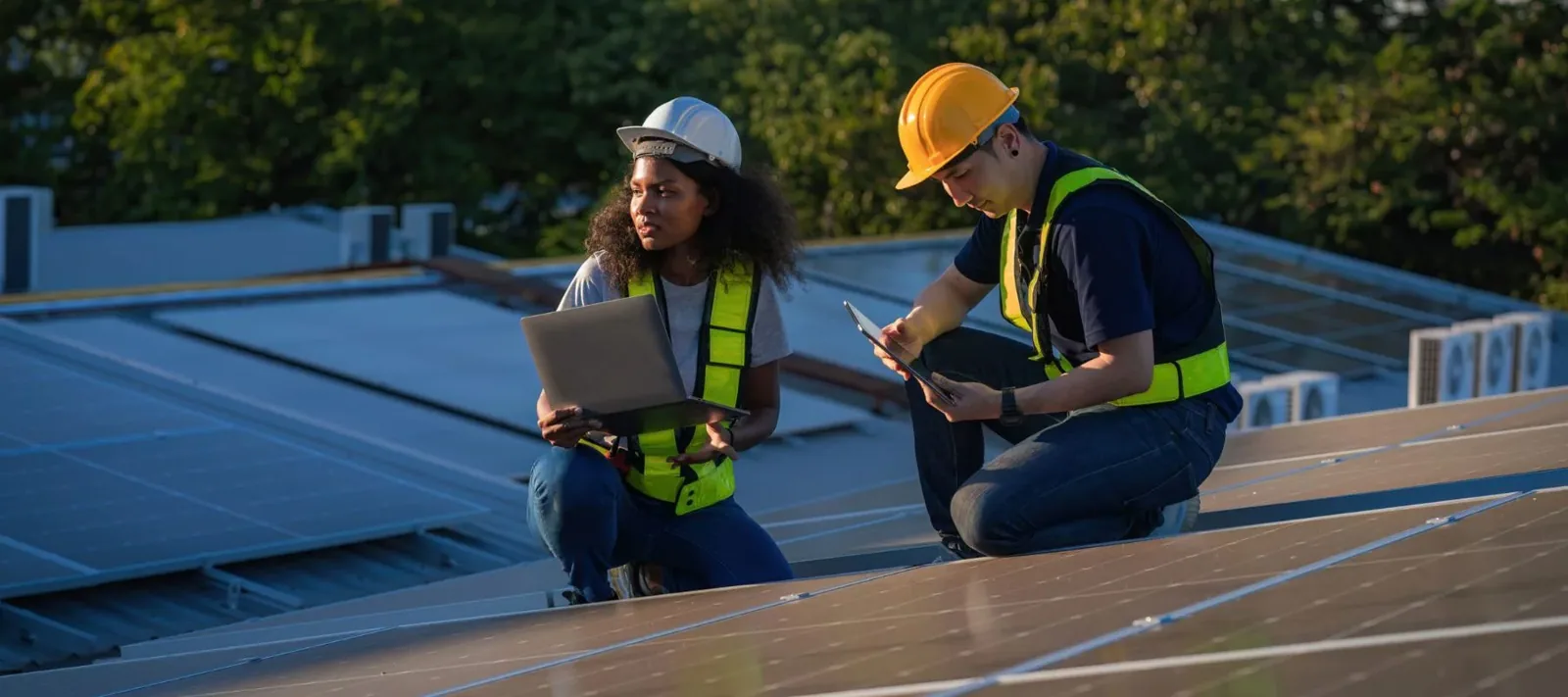
Equipment supports, antennas, and later service lines can interrupt a membrane or its drainage path. We inspect the perimeter of each opening for compatible flashing, secure attachment, and signs of movement. If moisture may extend below the surface, a test opening establishes the layers and removal boundary. The owner receives photos of the opening, conditions found, and the area restored. Any remaining uncertainty appears in the closeout.
An isolated puncture or open seam may support repair when adjacent material is sound. We identify the membrane and use a compatible patch detail. If the area is wet beneath the surface, the repair may need to extend after an approved test opening. We mark the original defect and final boundary so future inspections can find the location.
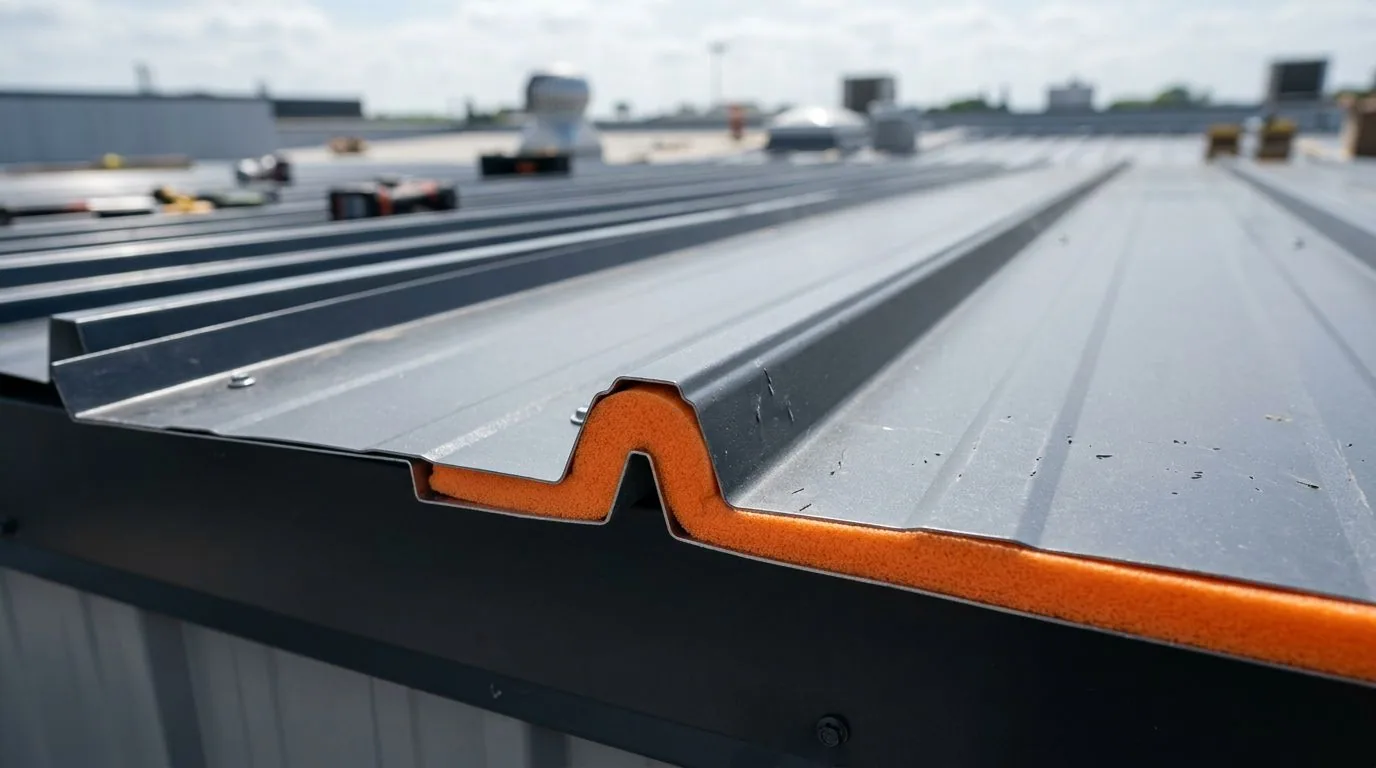
Recover, coating, and replacement depend on moisture, attachment, deck, edge height, drainage, and code review. A recover needs a stable, dry assembly and workable transitions. A coating needs compatible material and a prepared surface. Replacement can be more appropriate when repeated failures or widespread wet insulation make a surface fix unreliable. Research facilities may also require a work sequence that protects equipment and limits vibration or odor. The property contact confirms those conditions.
Cost reflects roof access, materials, protection of equipment below, tear-off, disposal, penetrations, edge metal, insulation, deck repair, and hours available for work. A planning-acre figure does not set roof quantities. We use current drawings and field measurement. For full renewal, a replacement plan defines work zones and tie-ins. capital planning can record timing assumptions and priority items for separate buildings.
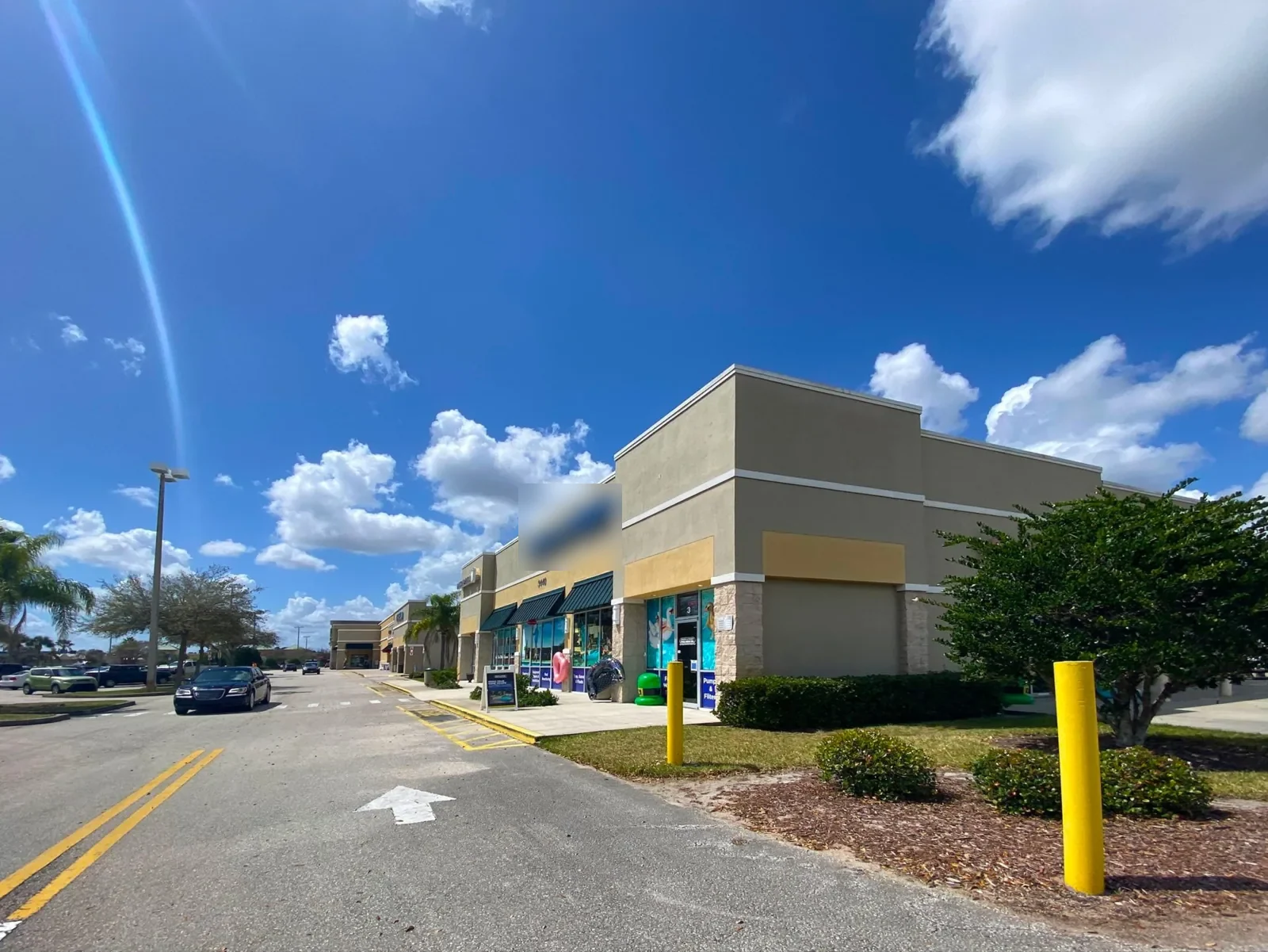
A useful roof record identifies the building, date, event report, roof zone, photographs, visible condition, repair material, access limit, and follow-up. Construction files should also preserve the drawing version used for review. If the field detail differs, the closeout describes it and assigns the next action. That allows facility staff to separate a design comment from an installed condition.
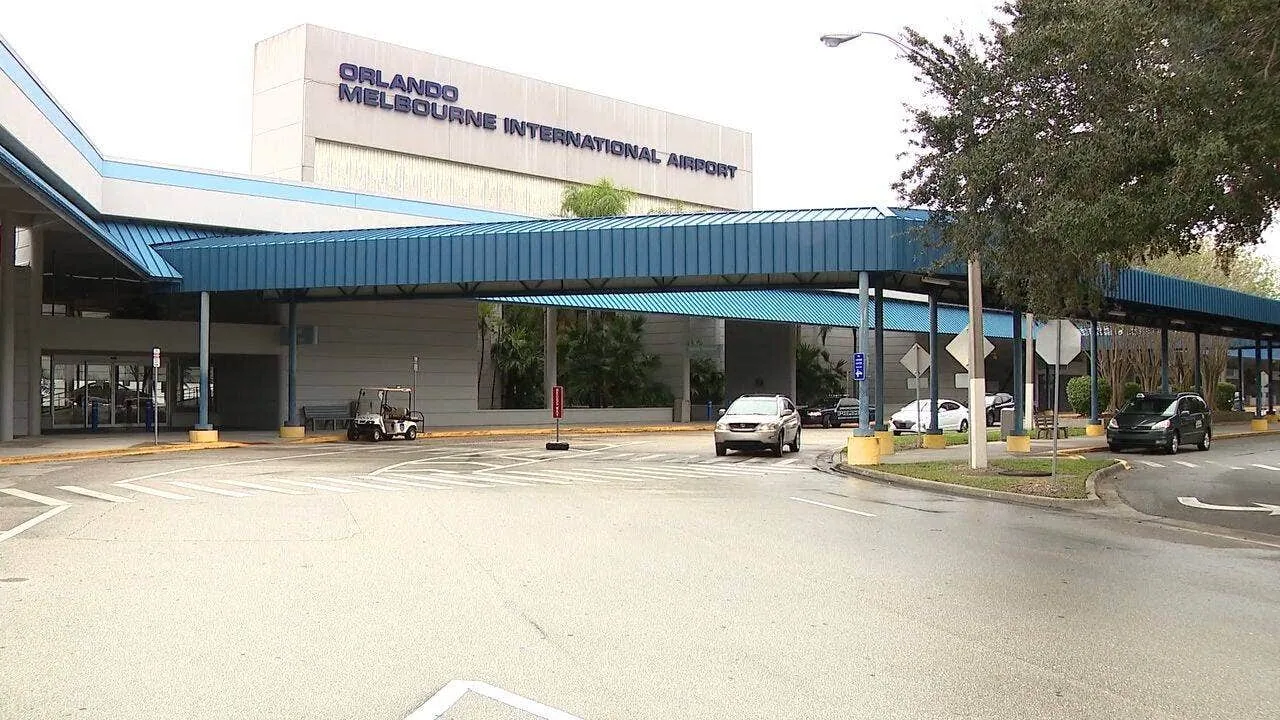
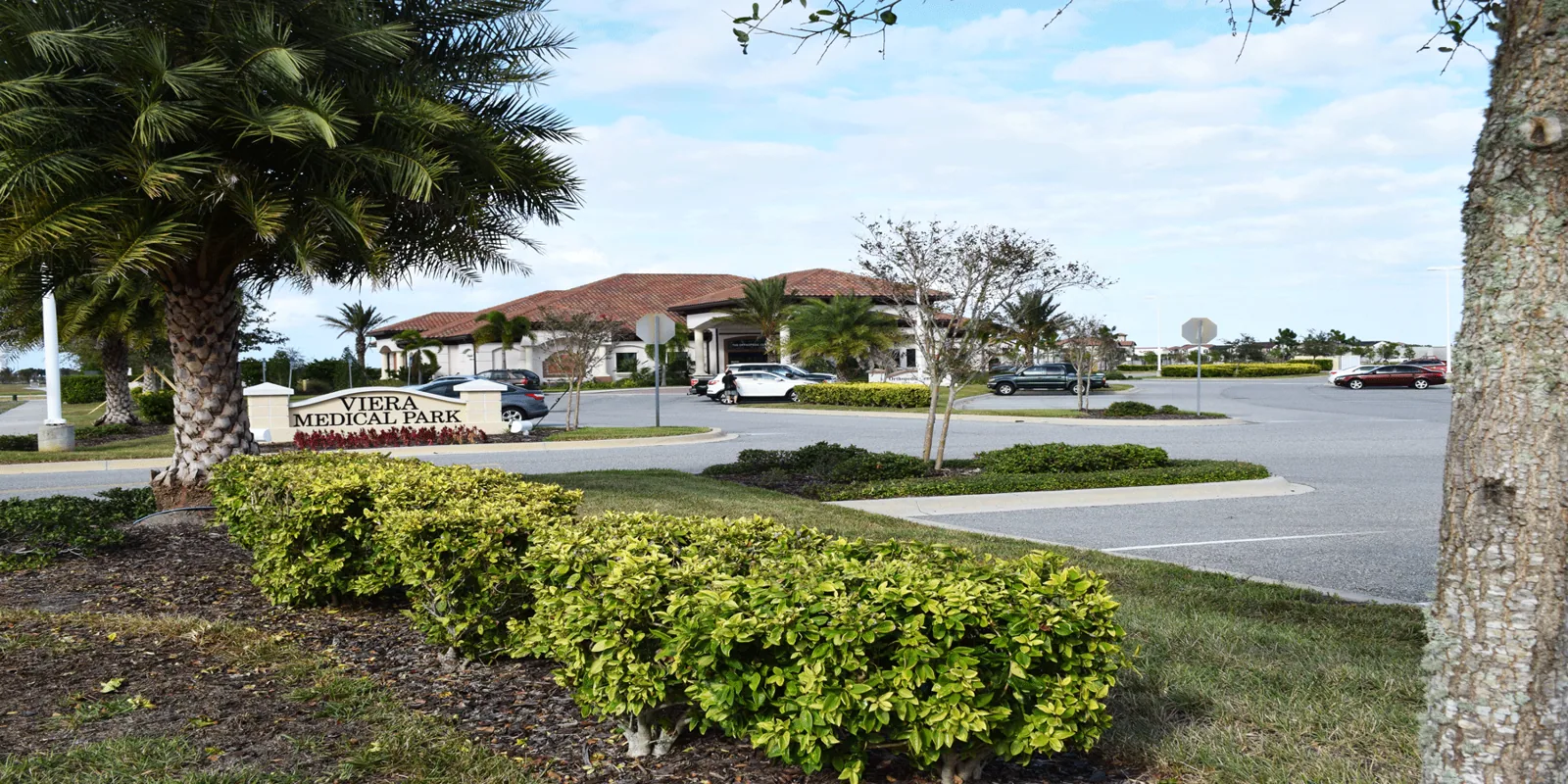
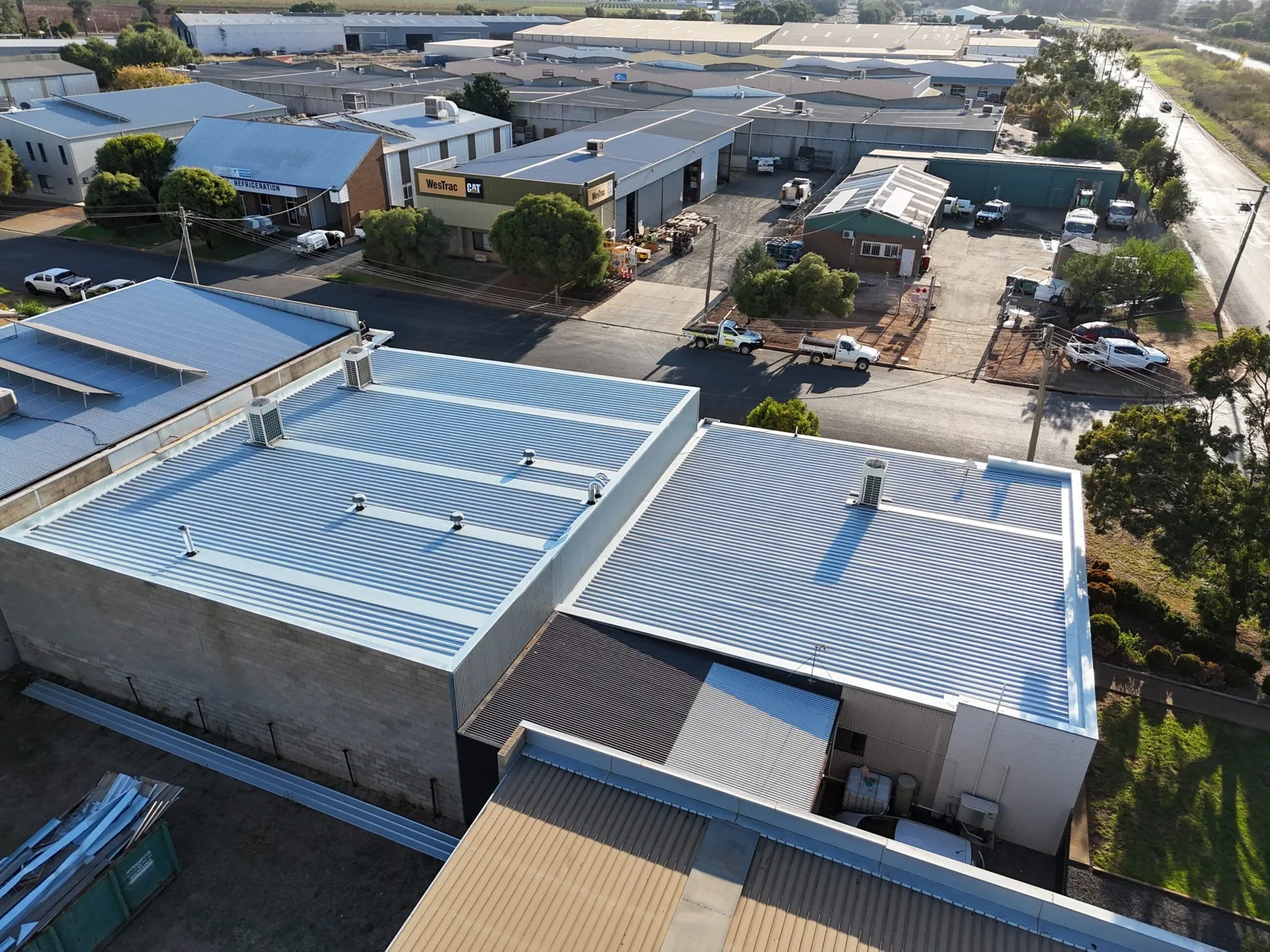
The airport provides a setting for the park. At Melbourne Orlando International Airport, West Melbourne's business corridors, and Viera Medical Park, confirm the building address, roof access, and operating contact before inspection; each site needs its own roof-zone map.
After a repair, follow-up can inspect the patch, penetrations, drain path, and any temporary termination. A report can identify a priority and the date for rechecking it. The condition record supports that handoff. A maintenance visit may be scheduled around facility operations. If a leak is active, provide the event date, interior zone, and access contact before dispatch.
Learn more →
Learn more →
Learn more →
Learn more →
Learn more →
Learn more →
Learn more →