
A drip near a cooler case may come from a roof curb, drain, or refrigeration line. We record the department, event time, and equipment status before tracing the roof path. Palm Bay has grocery retail at Bayside Lakes and planned commercial nodes near Babcock Street. The store's own layout and operating rules set the inspection plan.
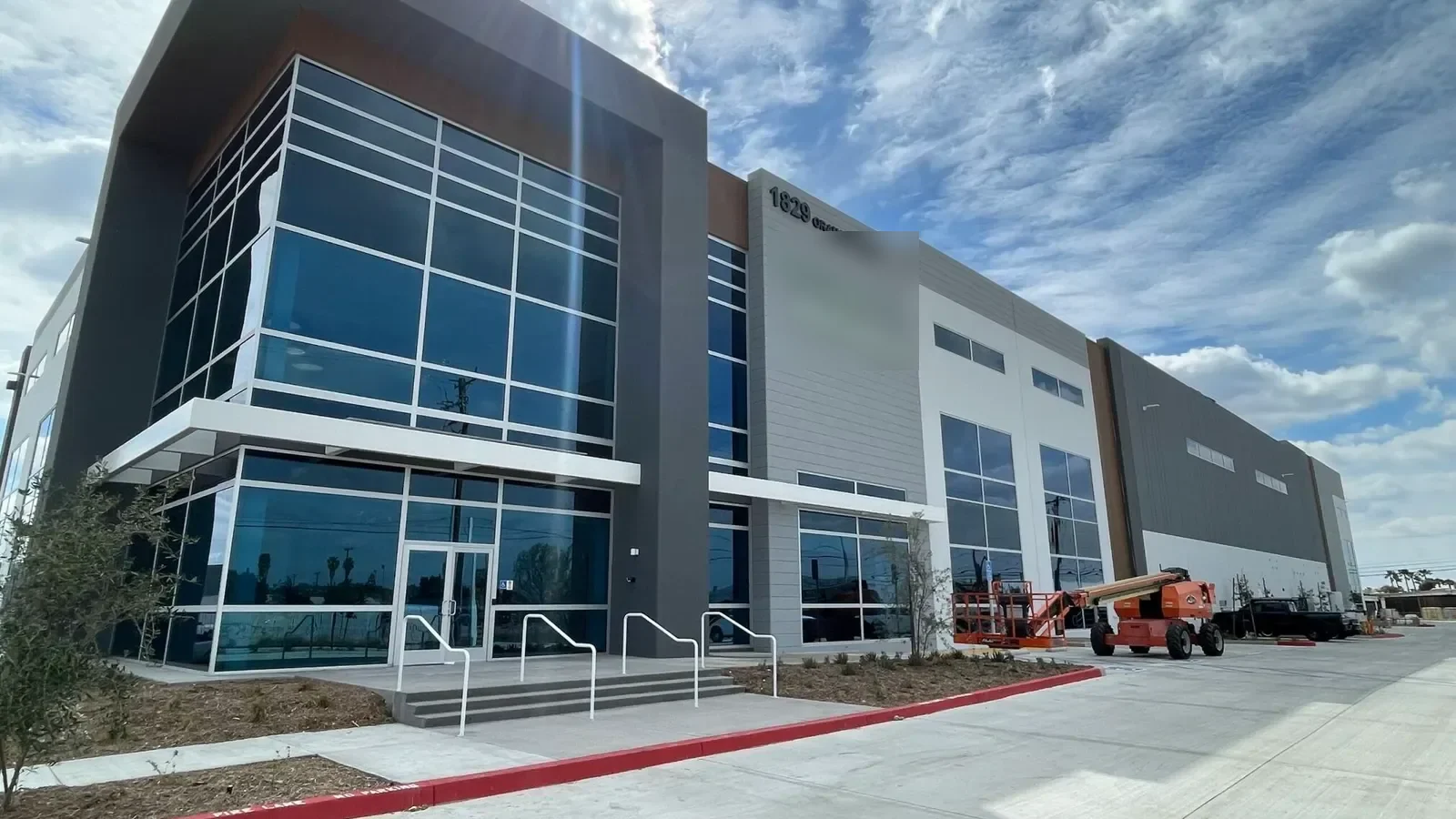
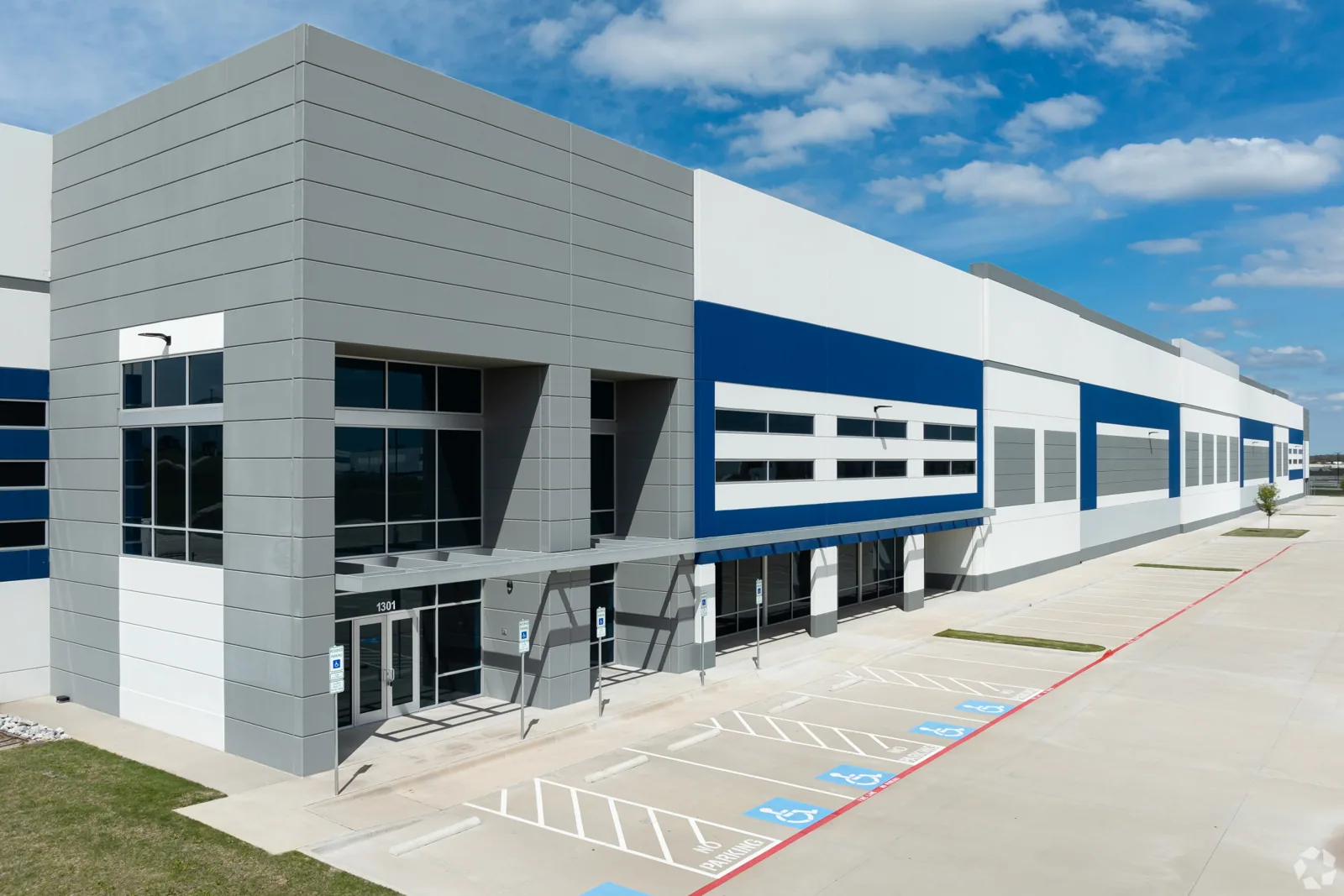
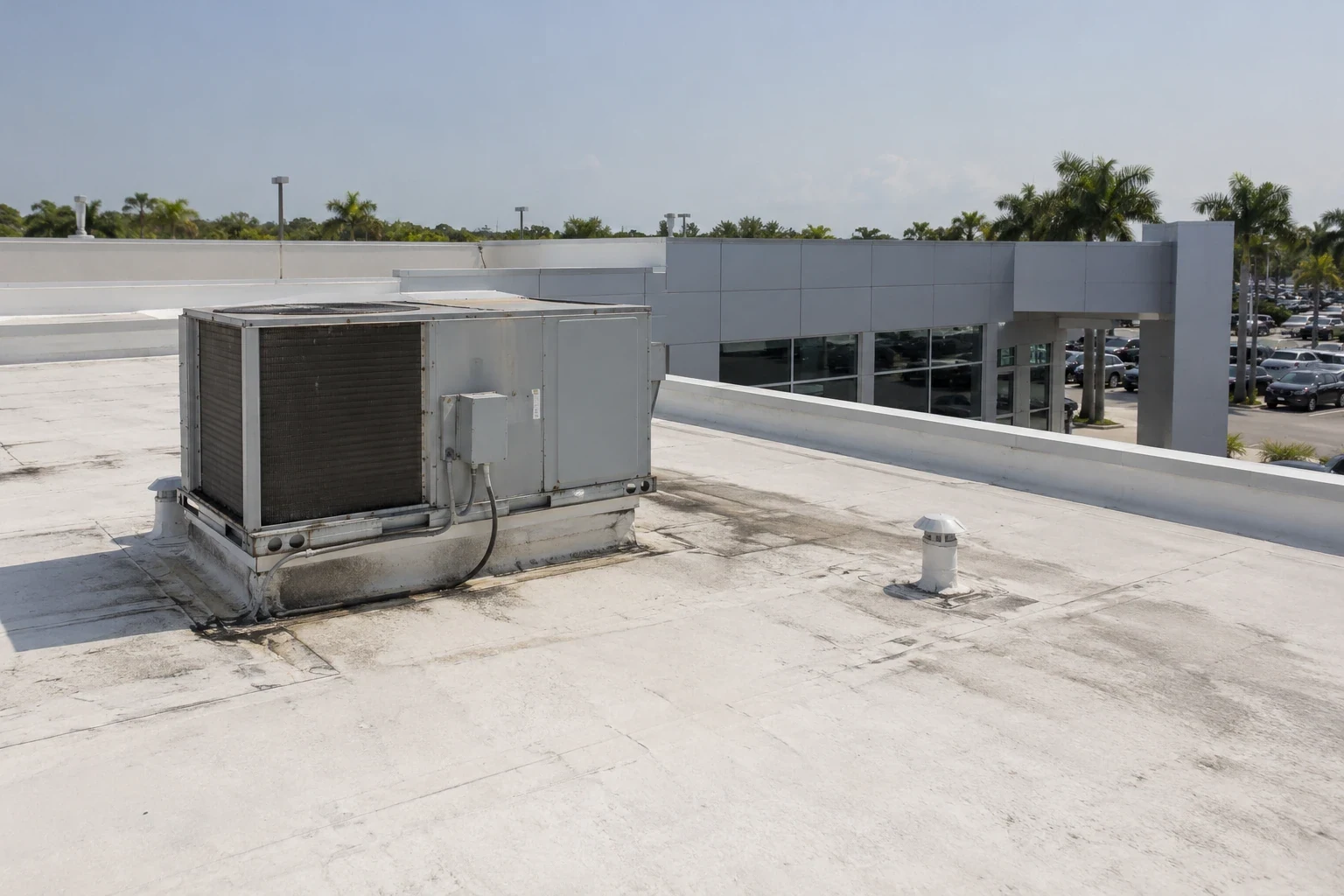
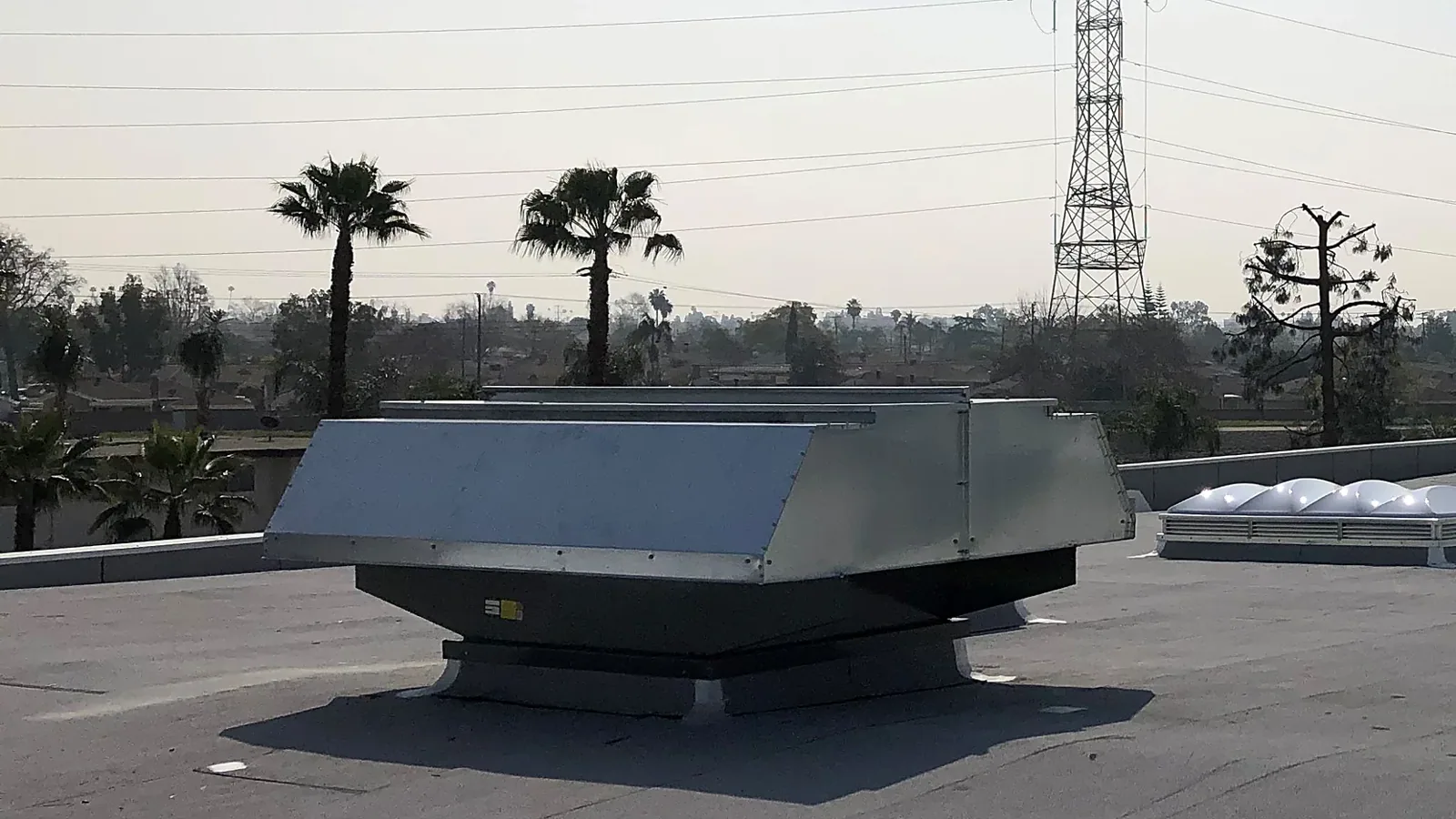
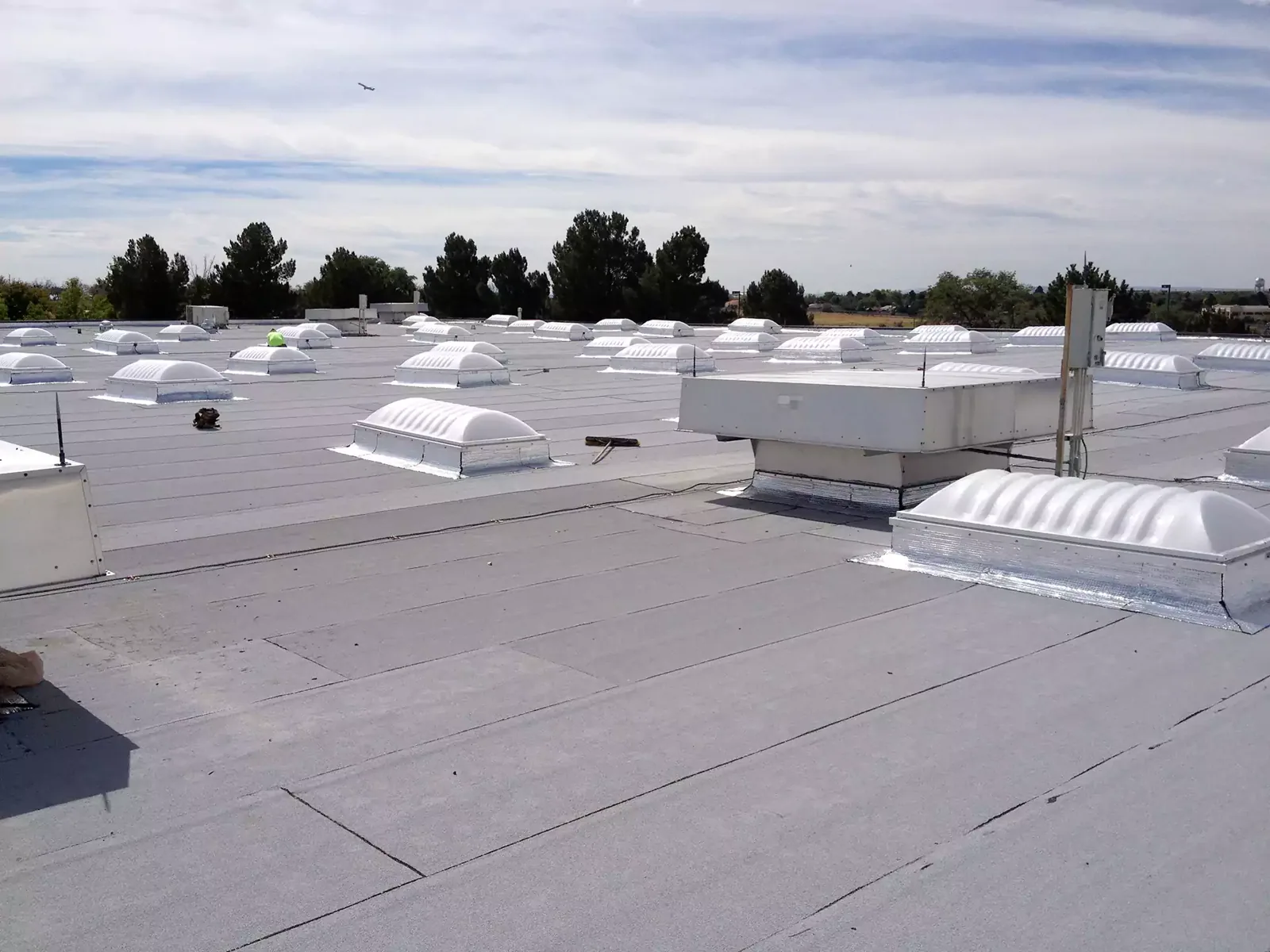
Inspect condensers, exhaust fans, electrical supports, refrigerant lines, pipe boots, and rooftop curbs. Later service work can leave a loose flashing or unused opening. Photograph each detail and connect it to the affected department. A curb and support review can document equipment transitions and service attachment points.
Cold cases and freezers can create interior condensation that resembles rain entry. Record refrigeration status, defrost timing, weather, and the location of water. Compare those details with roof observations before assigning a cause. A test opening, if authorized, confirms layers at that point only and does not clear the rest of the store.
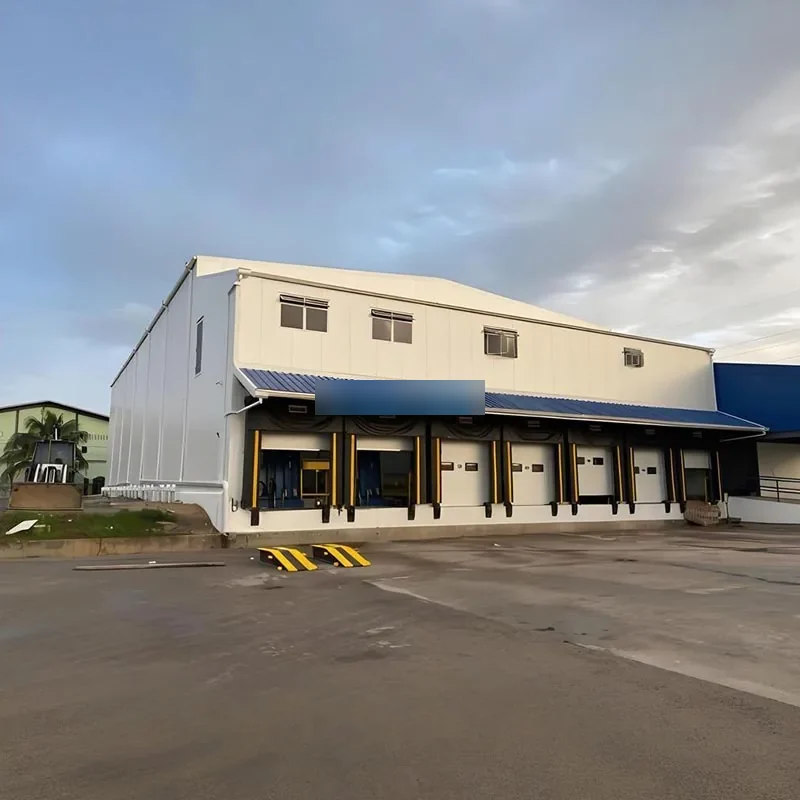
A cold storage roof inspection also checks vapor and temperature transitions; a grocery store adds customer areas, food handling, and receiving routes. Keep those functions separate in the protection plan, even if the roof system is similar.
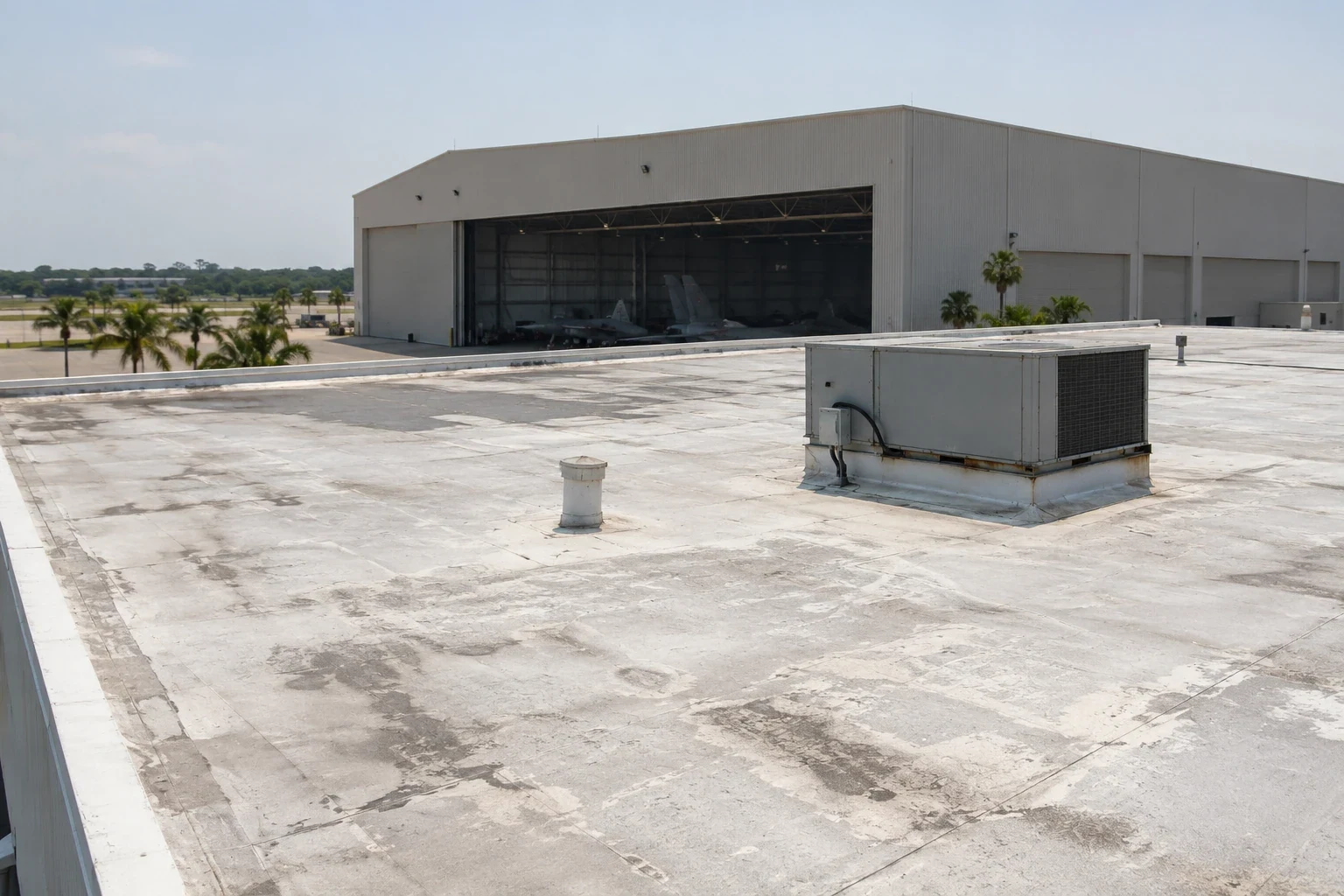
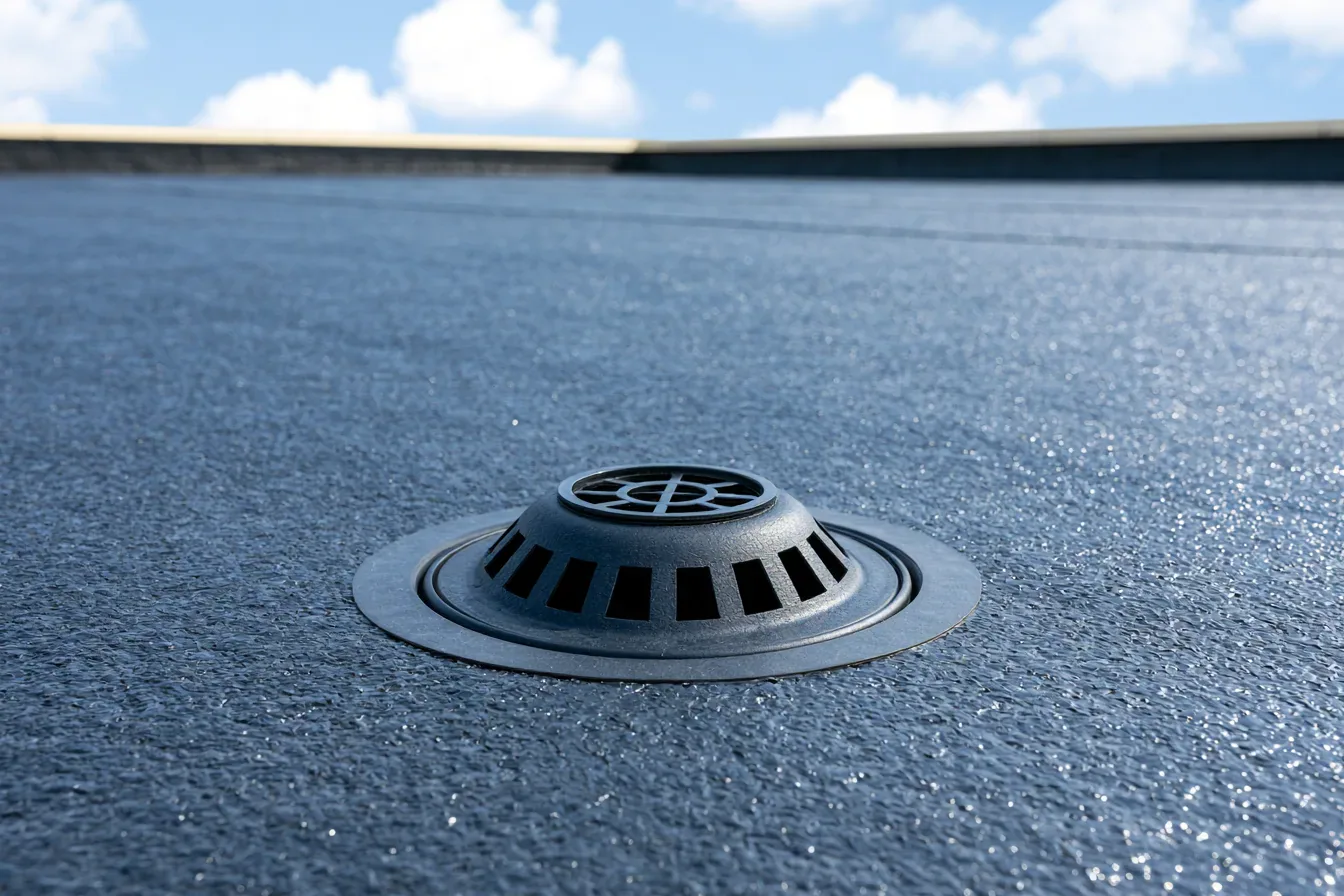
Check drain bowls, scuppers, overflow paths, low spots, and water marks around parapets. Debris from leaves or service work can slow drainage. A drainage inspection records whether an outlet is open and whether water remains after clearing. Do not assume a blocked drain explains every leak near a cooler or receiving door.
The Bayside Lakes Shopping Center includes Publix at Bayside Lakes Boulevard. Its departments include pharmacy, bakery, deli, seafood, produce, floral, and grocery. Those functions help identify why protection may need to cover different store zones, but they do not establish the condition of any roof detail.
If a leak reaches product, electrical equipment, or a food-preparation area, the store contact decides what must be moved or isolated. We record the affected area, temporary protection, and return condition. Permanent roof repair follows after safe access and suitable material conditions are confirmed.
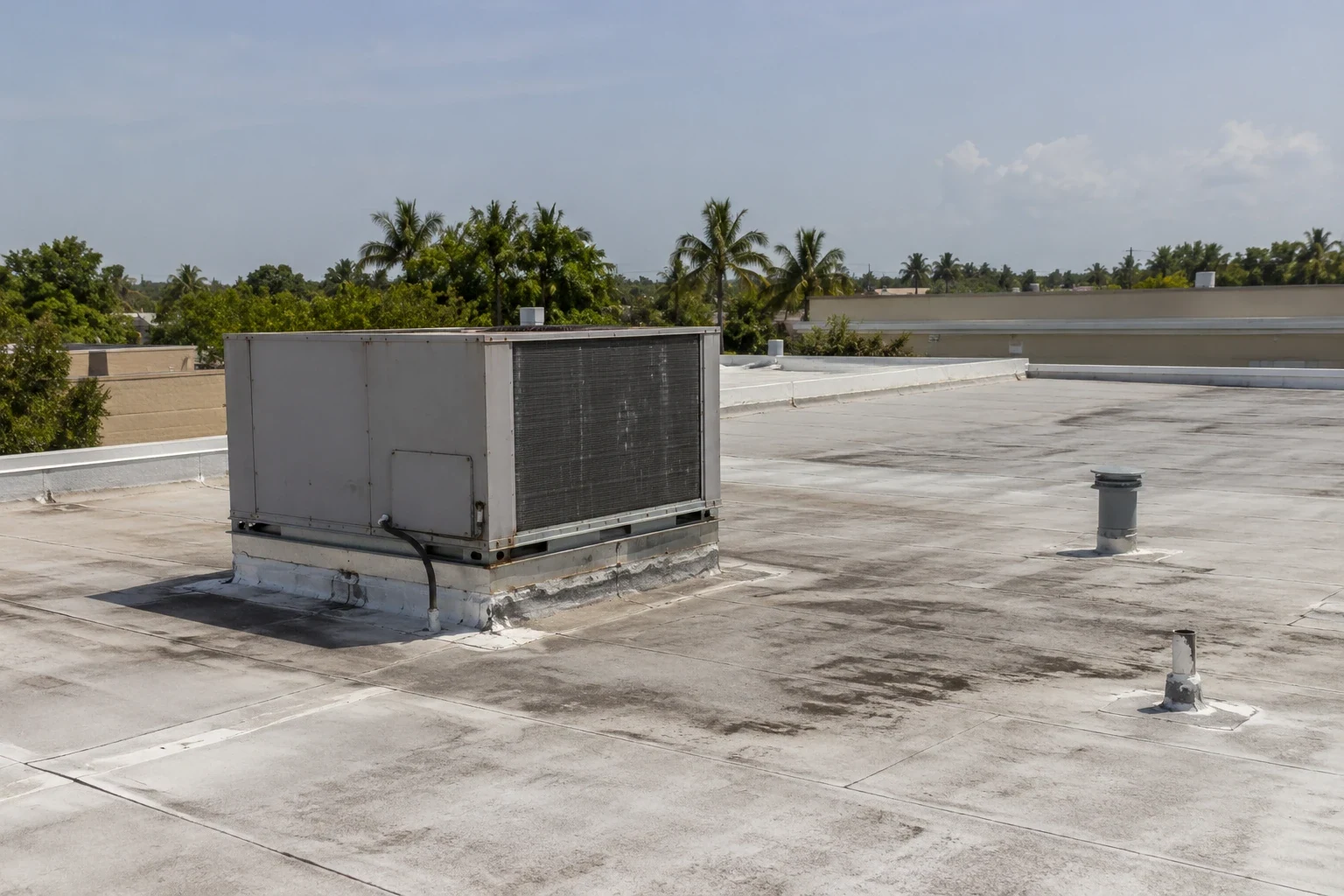
Nearby Melbourne climate normals report heavy annual precipitation and hot summer periods. These regional figures help with inspection timing, but they are not a site forecast. Check the actual surface, wind, and rain window before a membrane repair or coating begins. Record when weather stops the work and what remains protected.
Hurricane Irma rainfall totals included heavy readings at named Palm Bay points. Those event measurements apply to the documented locations, not every grocery store in the market. After a storm report, inspect the actual perimeter, seams, penetrations, and drains. Describe observed damage separately from the storm history.
Store traffic continues around receiving, pharmacy, and front entrances. Set the work route away from customer doors and food deliveries. If a lift or material staging area affects parking, confirm the location with the manager. A weather delay may require temporary protection without changing the approved permanent repair boundary.
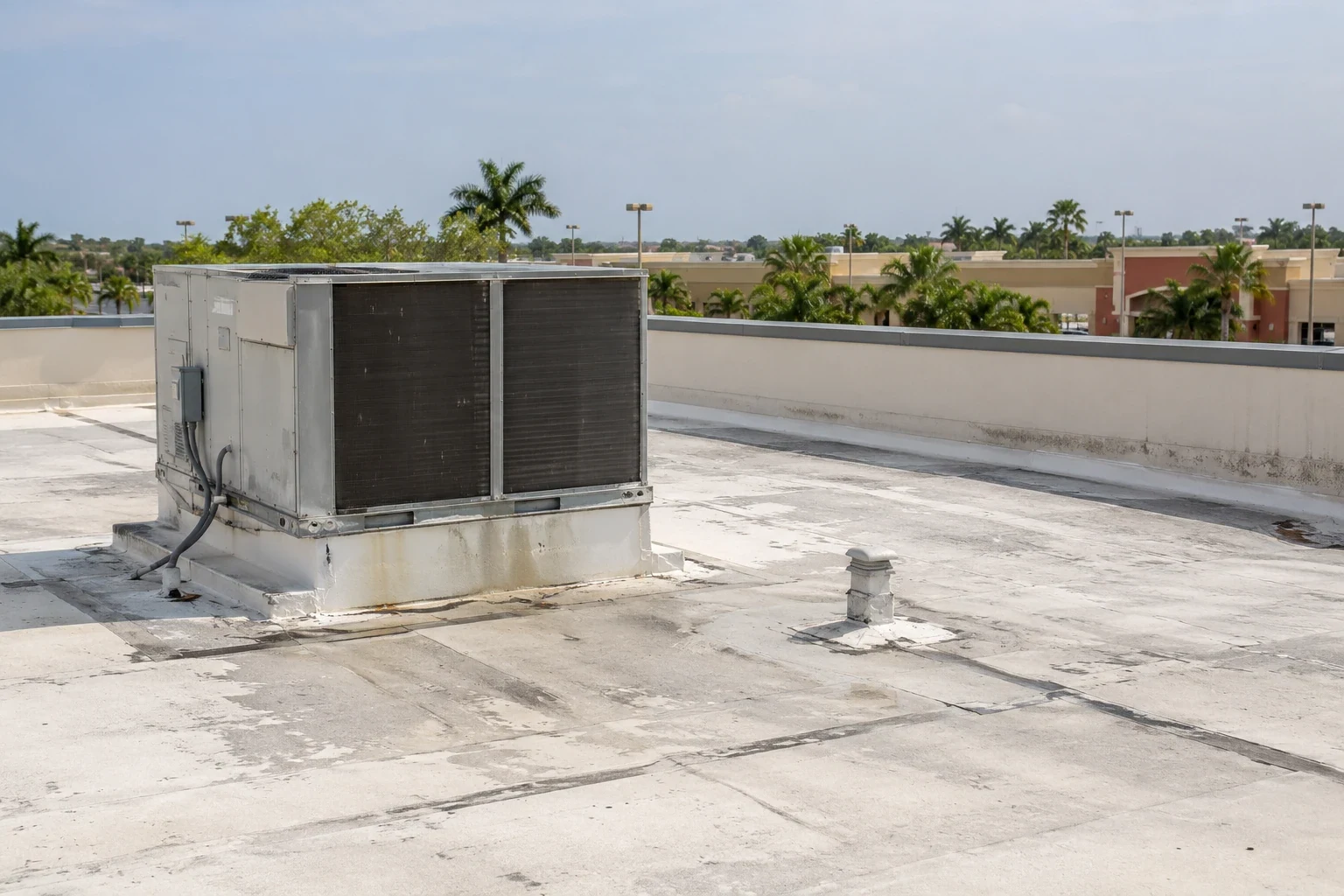
Confirm delivery windows, overnight stocking, waste pickup, roof hatch access, and customer traffic before mobilization. Identify which cooler cases or prep areas sit below the work zone. The store contact sets interior protection and any area that must remain open. Use barriers around lifts and keep emergency and accessible routes clear.
The Shoppes at Cypress Bay map includes grocery, pharmacy, fuel, auto-parts, restaurant, banking, and service tenants in the surrounding trade area. Those neighboring uses create shared access considerations at some retail nodes. They do not describe one store's tenant roster. Verify deliveries, parking controls, and contact responsibilities with the property manager.
Separate temporary leak response from permanent repair. If water enters during business hours, document the covered zone and a return time. A emergency roof response can limit immediate exposure while the manager coordinates product and customer protection.
A single failed curb or seam may support a targeted repair. Several leak zones, wet insulation, poor attachment, or repeated equipment changes can require a wider investigation. Map findings by store area and roof zone. An approved opening can confirm material and moisture at one spot, with adjacent areas listed as untested.
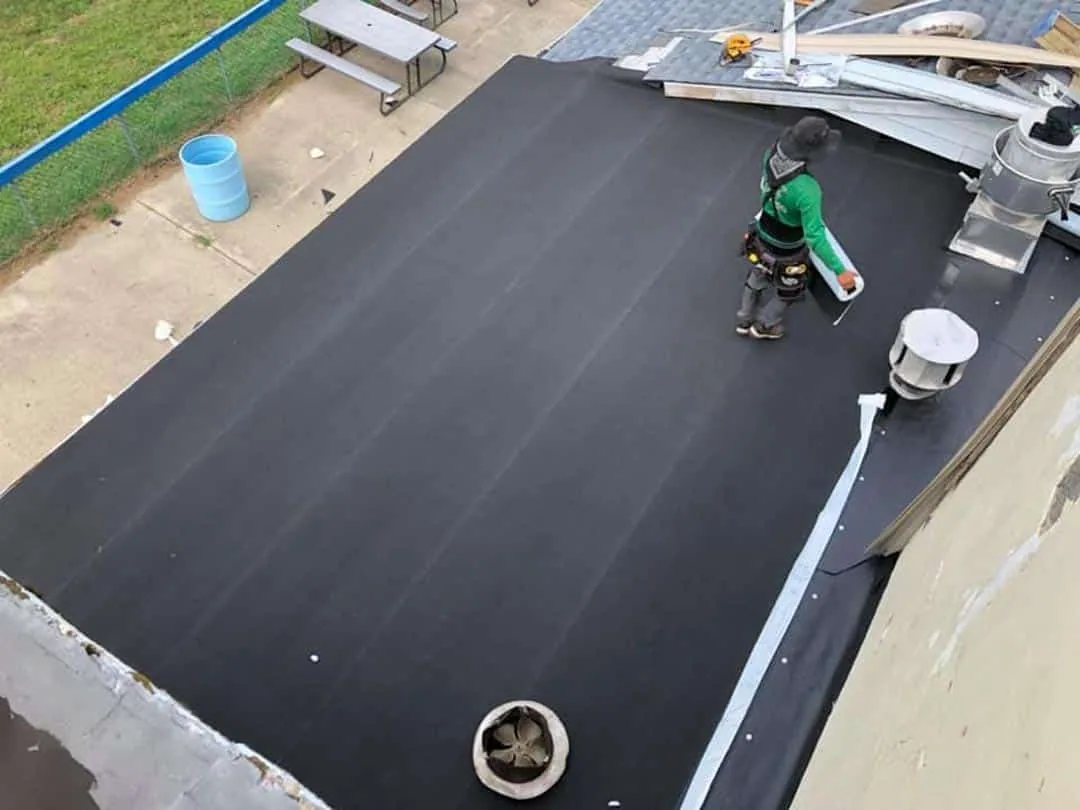
Compare repair, recover, and replacement based on system, prior work, drainage, equipment height, deck, and store schedule. A replacement assessment can define which sections need removal and where transitions affect the operation. The scope lists materials, protection, hours, access, exclusions, and how concealed damage will be reviewed.
Cost and timing depend on refrigeration coordination, store hours, staging, weather, material, and the number of details. A condition report can preserve photos, test locations, and the open repair list for facilities staff.
The Bayside Lakes Shopping Center listing reports 70,070 square feet of gross leasable area for the Publix property. That figure describes leased retail space, not roof area. A separate building measurement is required for coating or membrane quantities. Confirm actual tenant boundaries and any shared roof areas with the property contact.
A Bayside Lakes Shopping Center service area identifies this local retail address. The Commons at Cypress Bay West is planned near the Babcock Street and St. Johns Heritage Parkway intersection. That nearby commercial planning context helps with route orientation, not with assumptions about another store's building or roof.
Closeout records should include roof-zone labels, the affected department, materials, dates, photos, test results, drainage checks, access limits, and open conditions. Note product handling or interior protection steps directed by the store. Identify any opening that needs a follow-up inspection.
A shopping center roof record may include several tenants and shared drains. Keep the grocery store's refrigeration equipment and food-handling areas distinct in the repair map. Do not merge findings from another suite into this store's condition.
Set a follow-up after a repair near refrigerant lines, drains, or rooftop equipment. Routine maintenance can identify new service penetrations and debris before another ceiling report. Keep the next inspection date with the closeout so the operator can maintain the record.
Learn more →
Learn more →
Learn more →
Learn more →
Learn more →

Learn more →
Learn more →
Learn more →