
A tenant may find a damp box before the facility sees a ceiling stain. We log the unit, event date, and roof zone before tracing the water path. Palm Bay commercial listings include industrial, office, retail, and flex properties. A storage facility's own layout and access rules determine how inspection and repair proceed.
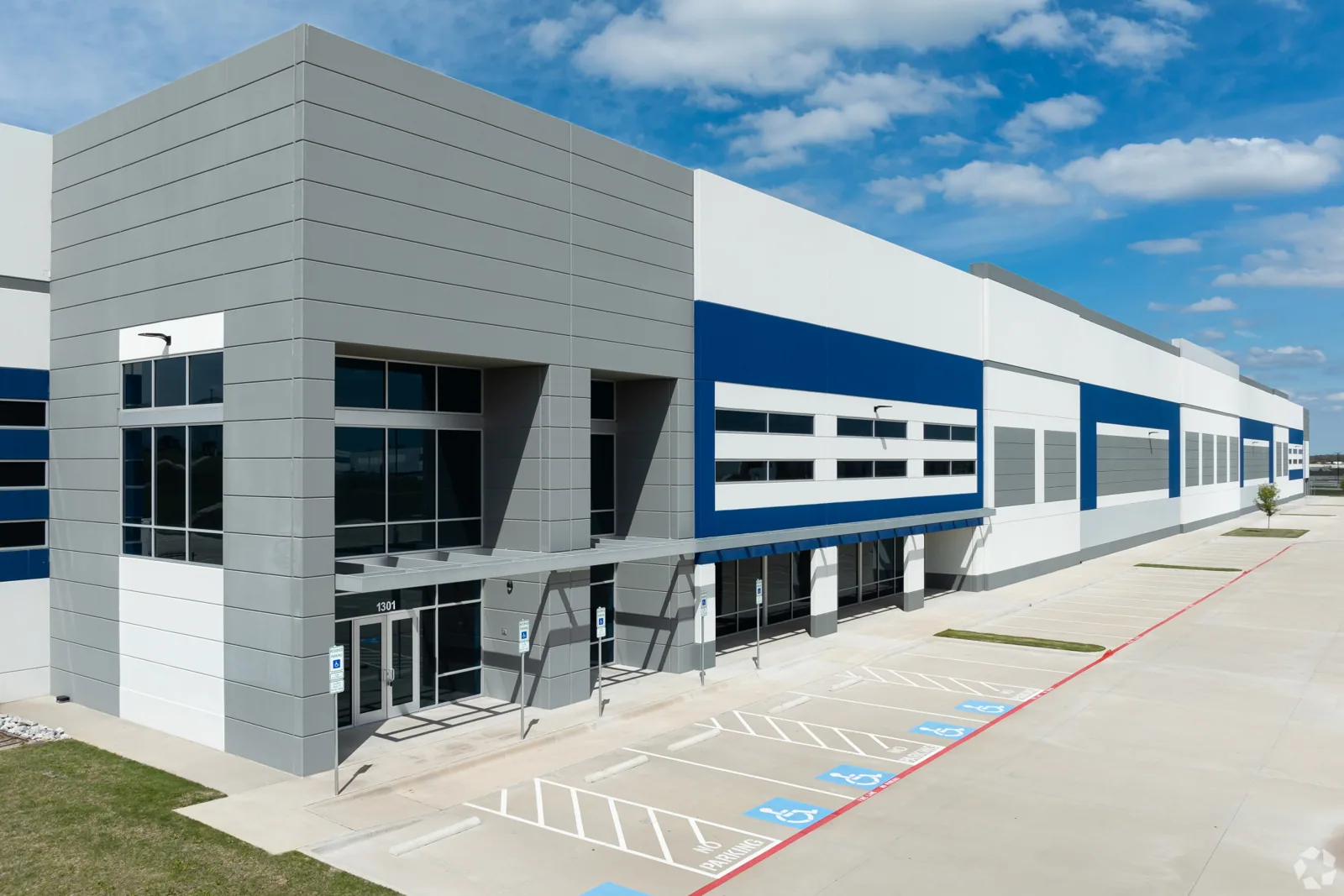
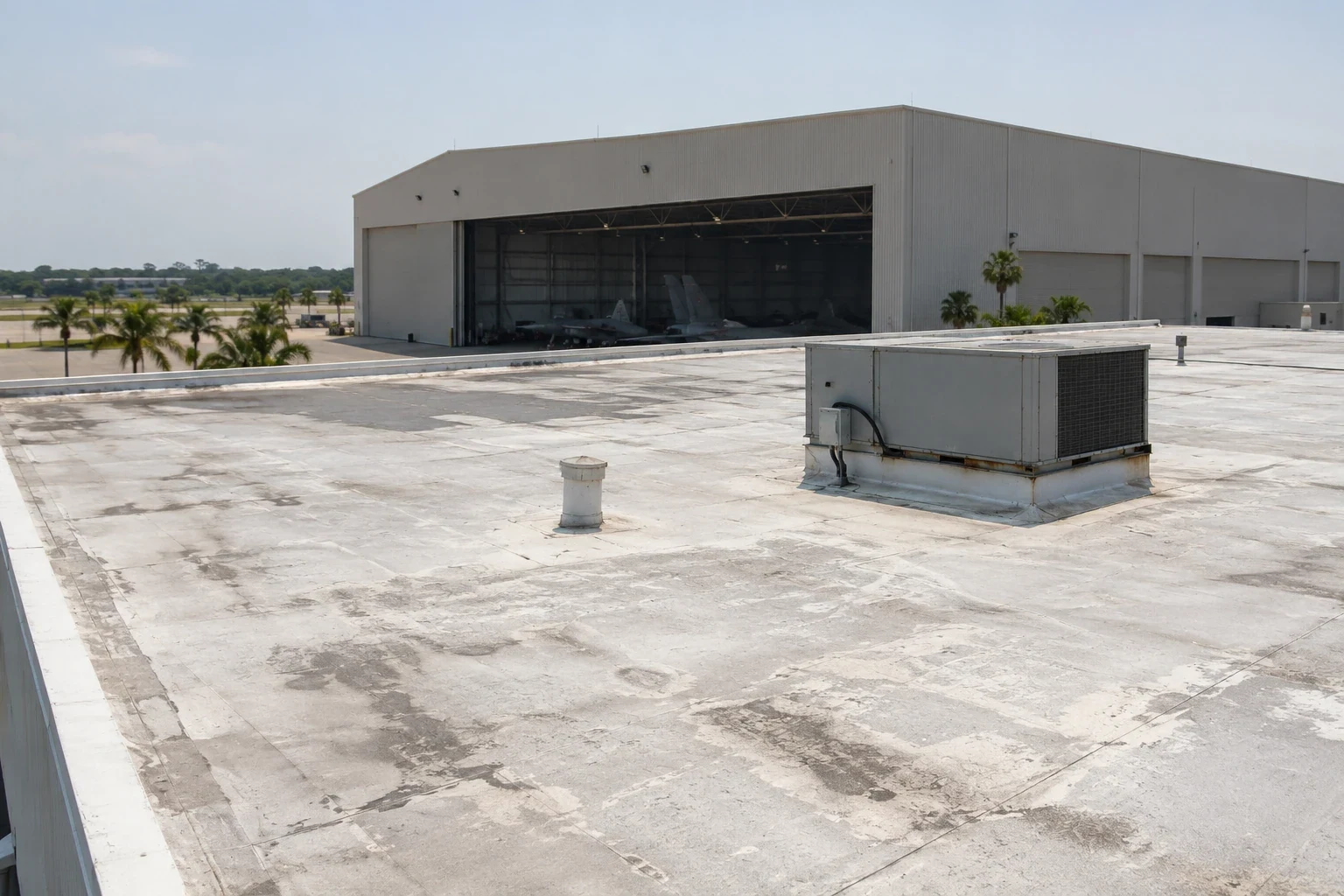
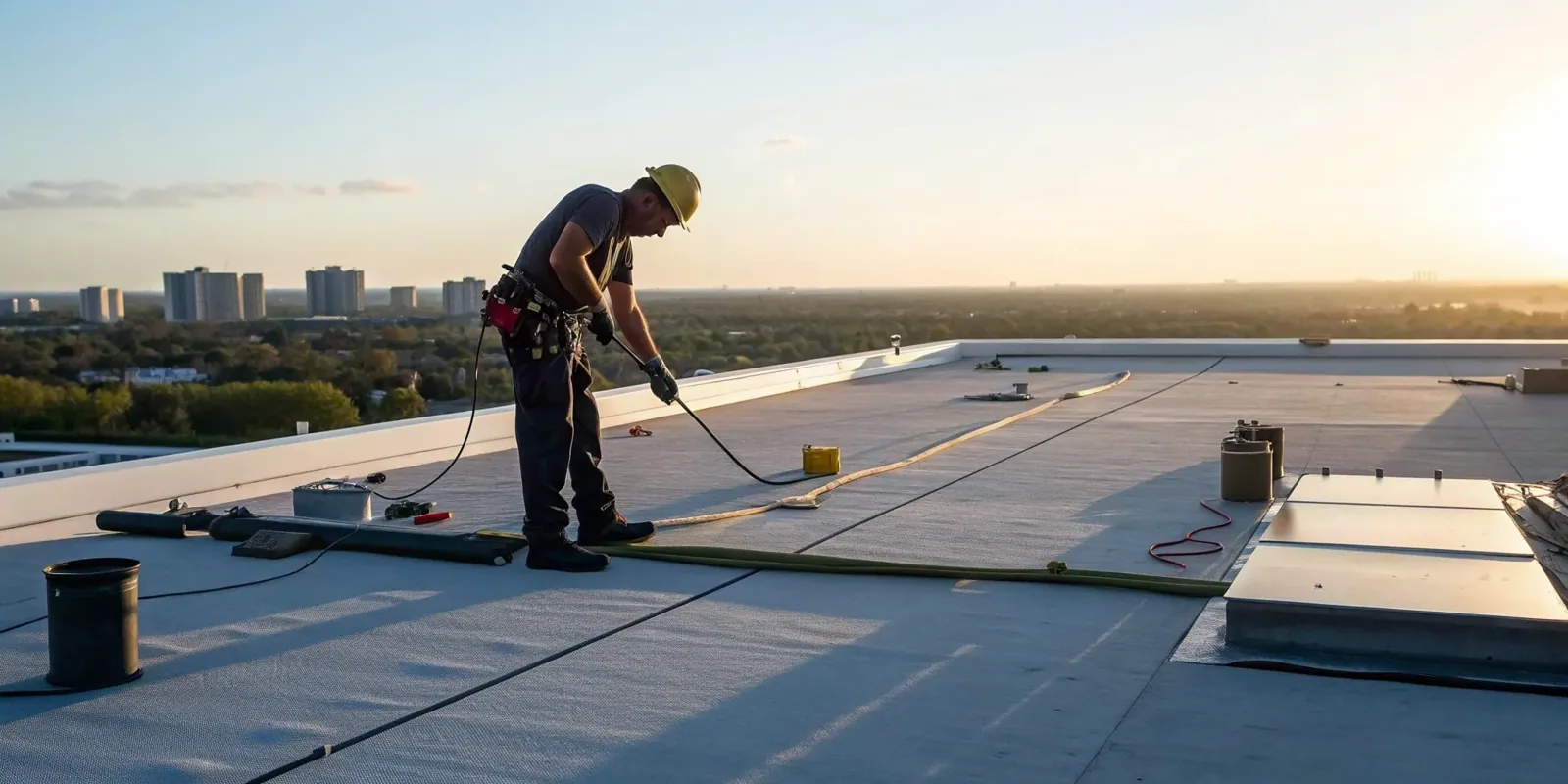
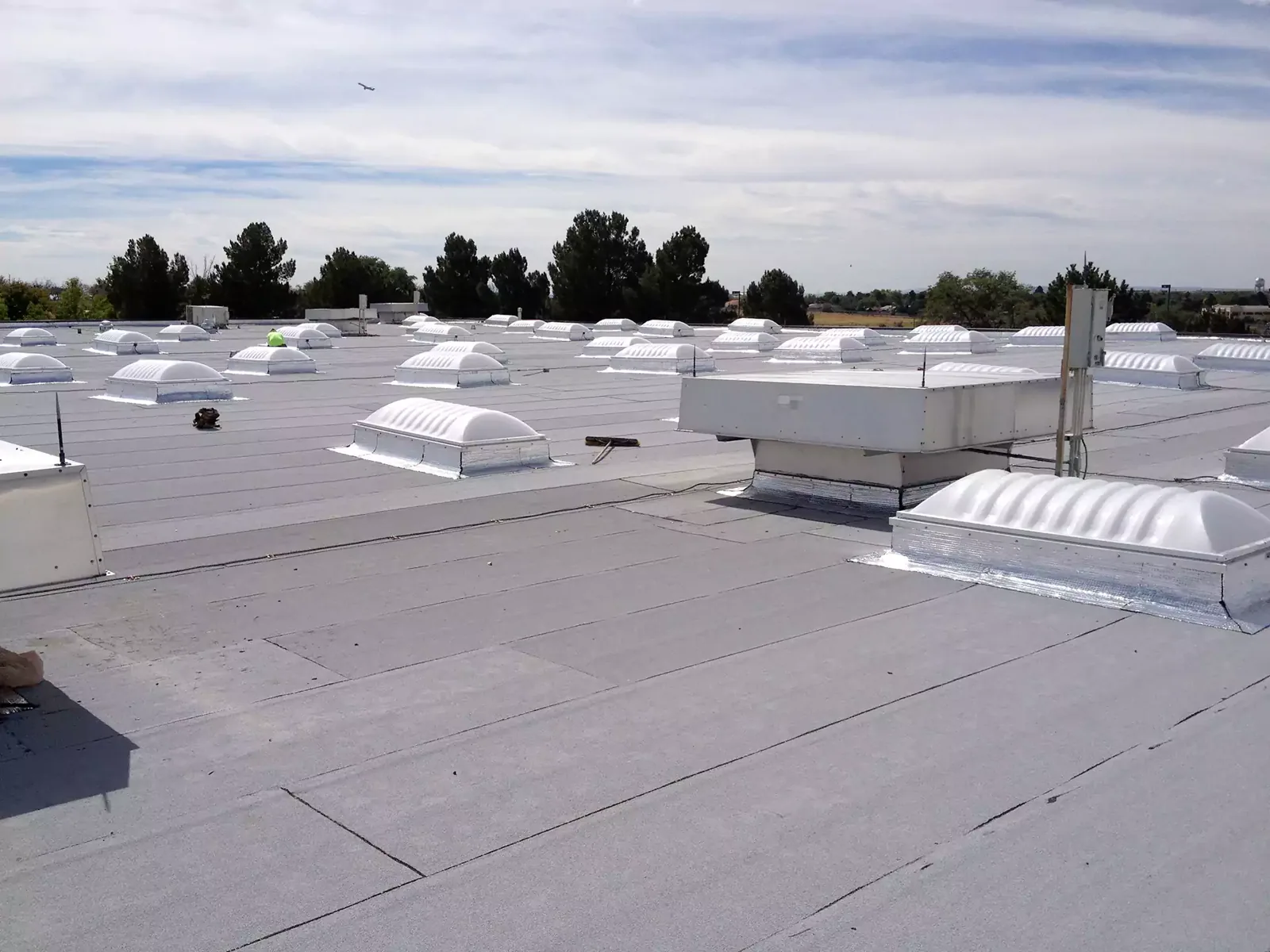
Storage properties may have long rows of units, interior corridors, office space, and separate canopy or loading areas. Map each building and roof zone with drains, seams, curbs, and wall transitions. A commercial roof inspection records accessible conditions and identifies areas that need tenant or manager access.
A roof leak may travel before it reaches a unit. Photograph the reported contents or ceiling condition only with owner authorization, then inspect the roof above and adjacent details. If a tenant cannot be reached, keep the unit marked as not inspected. Do not use the location of a damp item as proof of the roof opening above it.
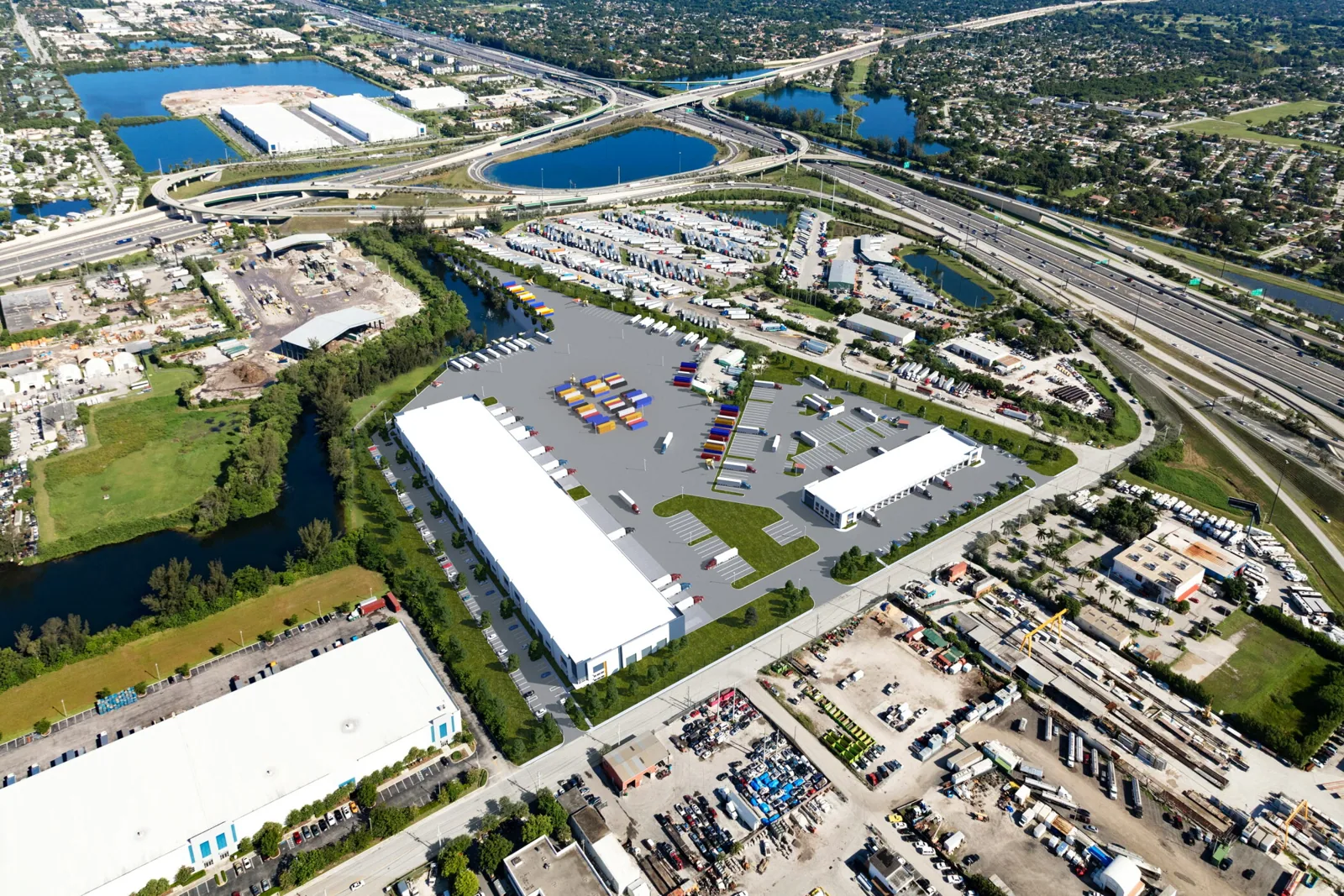
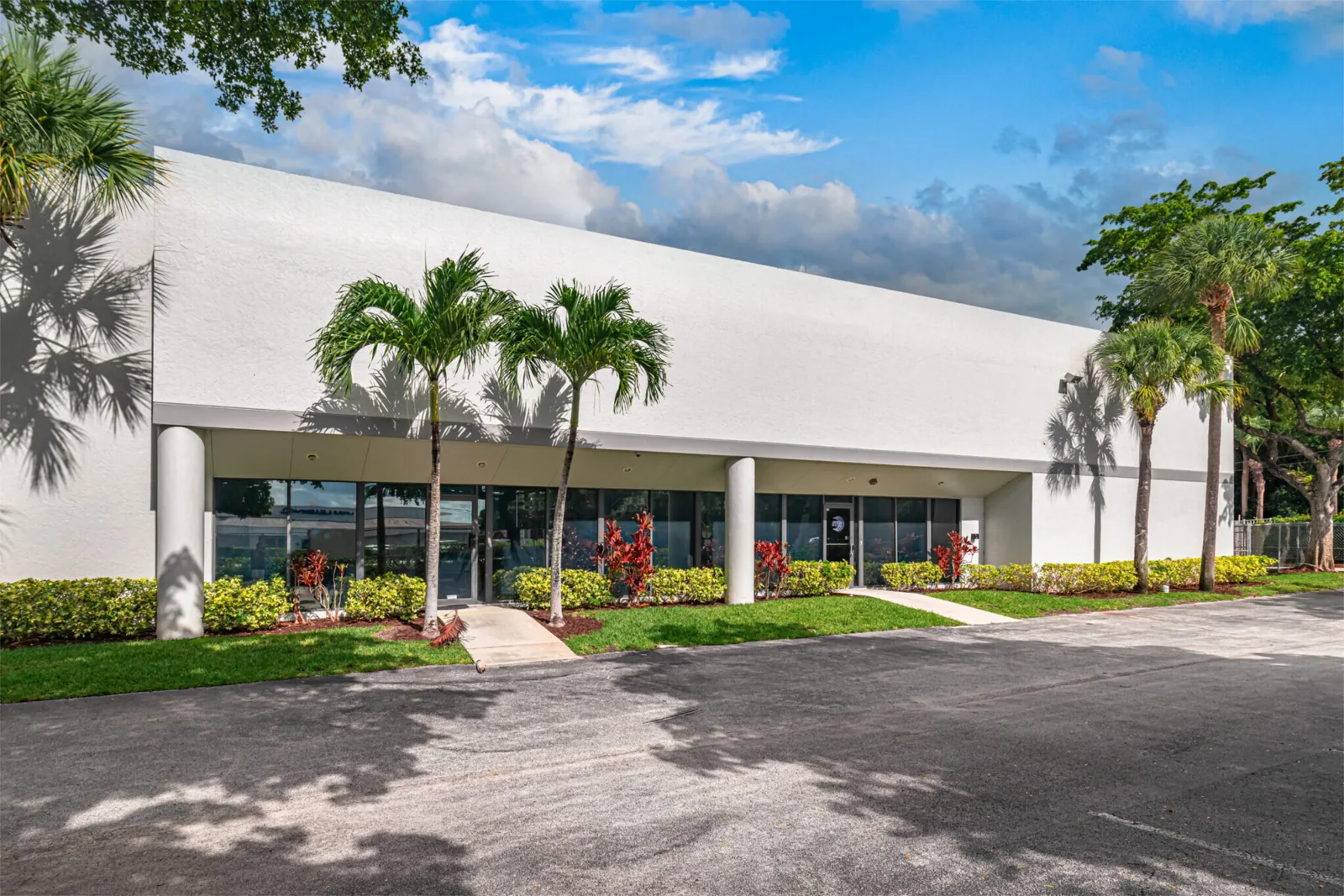
The newer industrial units at Franklin Drive are listed in the Port Malabar commercial market, with suite choices from about 1,750 to 7,000 square feet. That site gives a local reference for varied building scale, not proof of a storage property's roof type. Inspect the actual facility before defining a boundary.
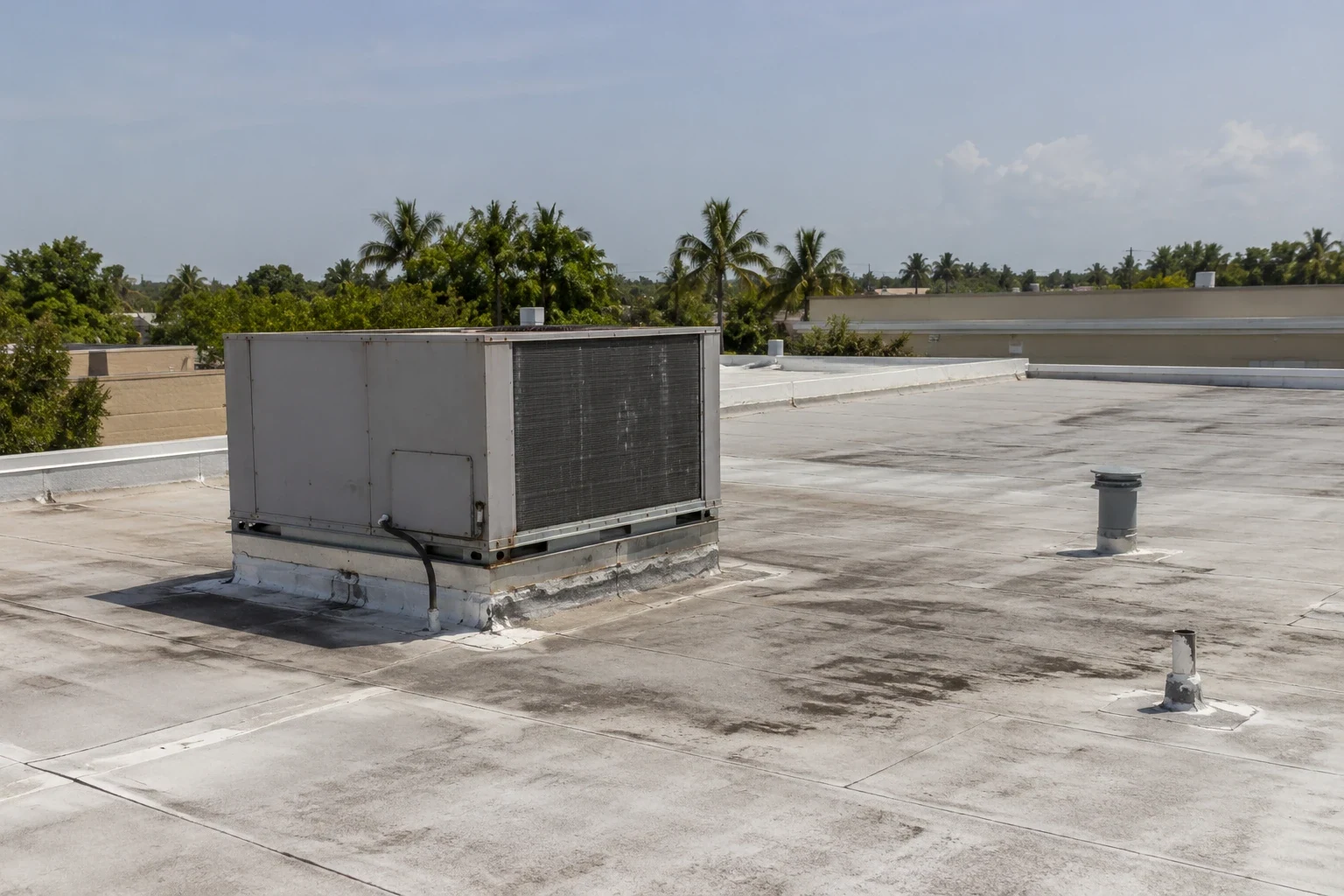
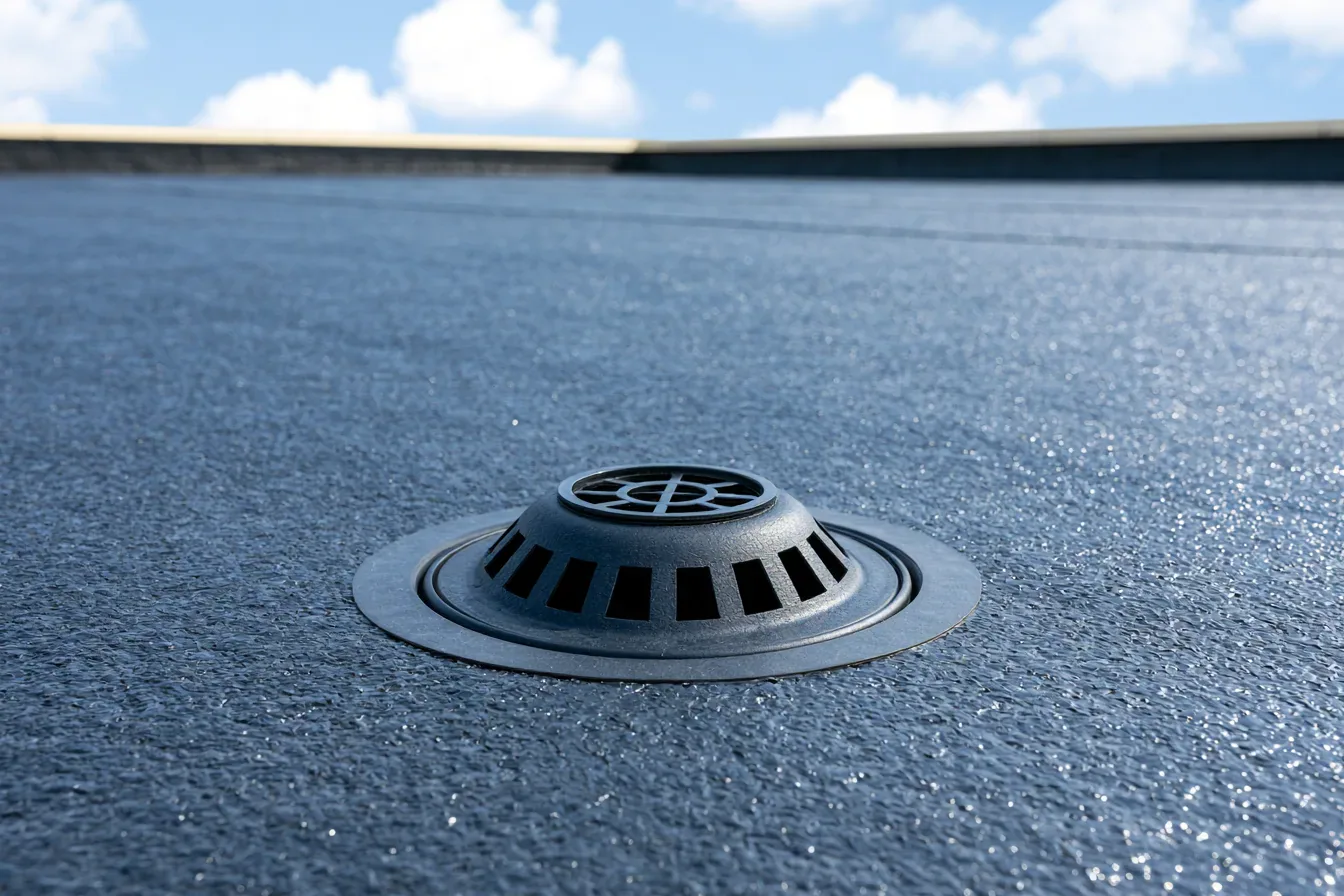
Inspect roof drains, scuppers, gutters, downspouts, parapets, and low points. Water at a roll-up door may come from a roof edge, wall joint, gutter, or ground drainage. A drainage review can document the outlet path and identify whether the restriction is debris or a broader slope concern.
Check wall flashings, canopy joints, fasteners, and sealant around the perimeter. Metal panels and membrane systems need different repair details. Inspect seams near repeated roof traffic and check for previous patches or abandoned equipment openings. Mark which storage rows sit under each roof section so a repair boundary maps to tenant notice.
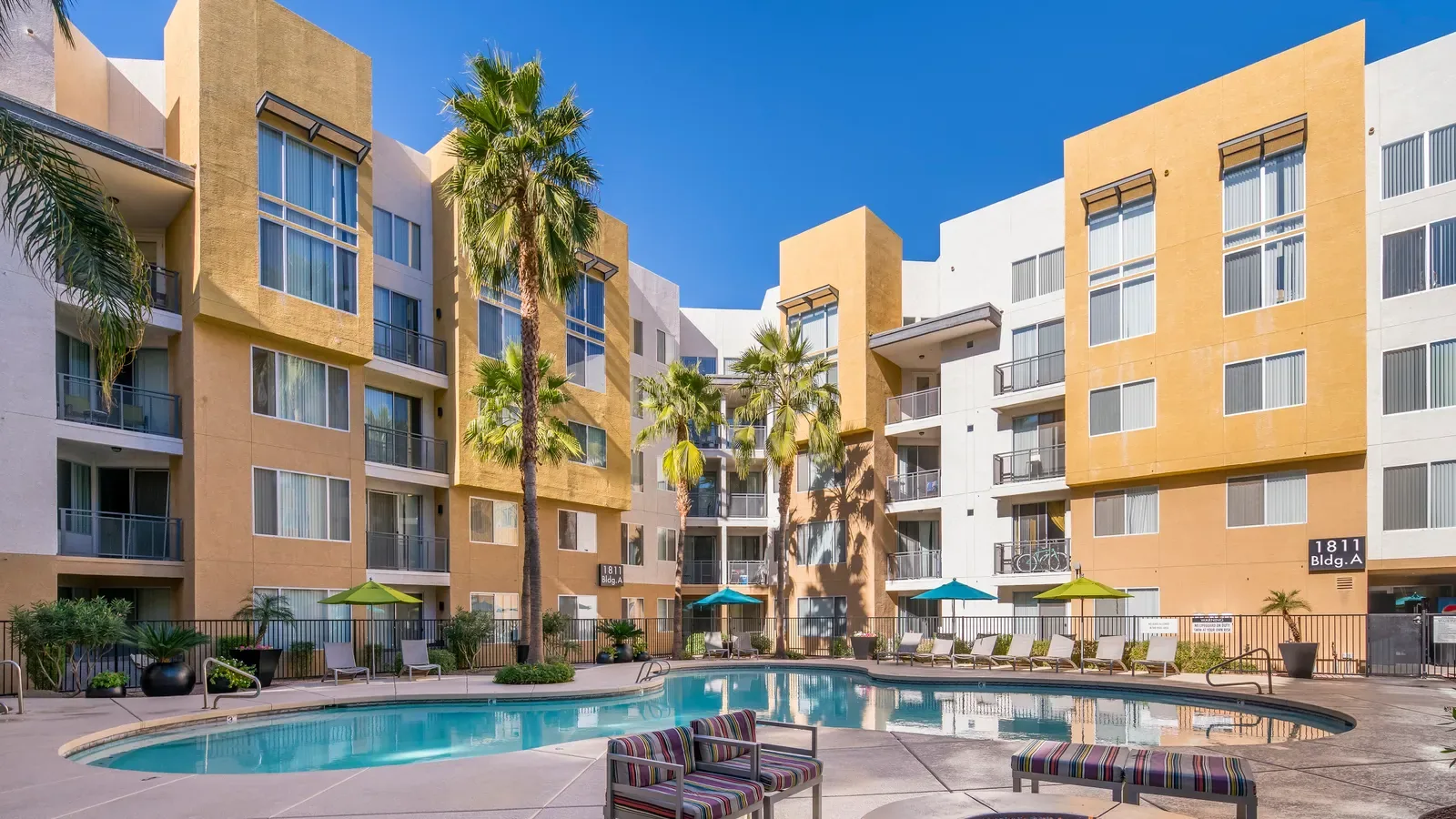
A warehouse roof plan may track inventory and docks; a multifamily roof plan may track occupied units. Storage adds tenant property and controlled unit access. Each building needs its own map and contact list.
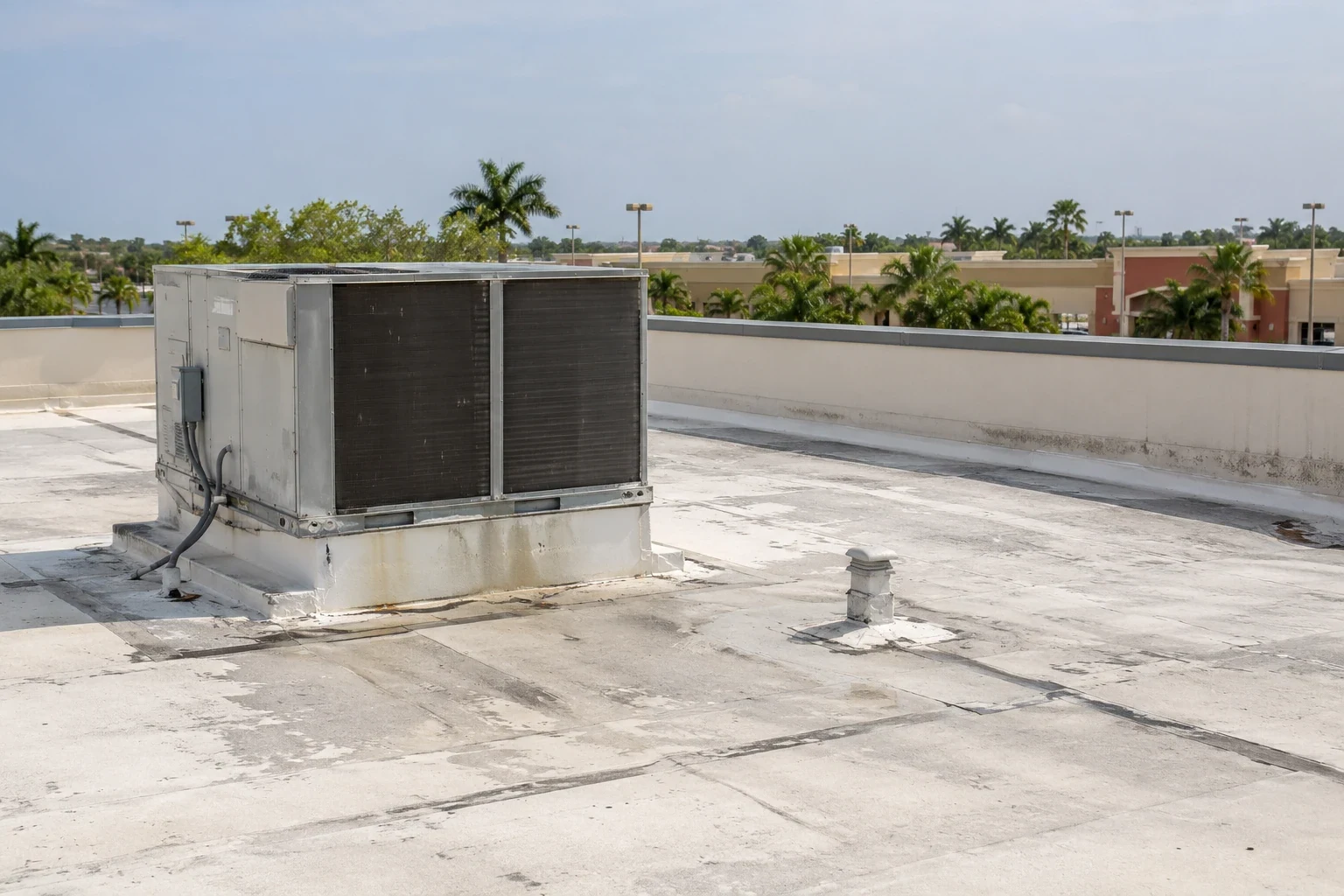
Nearby Melbourne climate normals offer regional planning context for wet-season visits, while the Palm Bay inspection establishes the roof condition at the facility. Do not use a nearby reading to assign a leak date or roof failure. Record the manager's event report, then photograph the actual drainage and membrane conditions.
During Hurricane Irma, named Palm Bay reporting points recorded heavy rainfall. Those totals apply to those locations and that event. It does not establish damage at every storage building. After a storm report, inspect seams, edges, penetrations, and drainage before documenting what the roof shows.
If stored property is at risk, the facility manager directs tenant notices, access, and interior protection. Record any temporary cover, the unit row affected, and when the crew will return. Keep the temporary measure separate from permanent repair and do not enter a tenant unit without authorization.
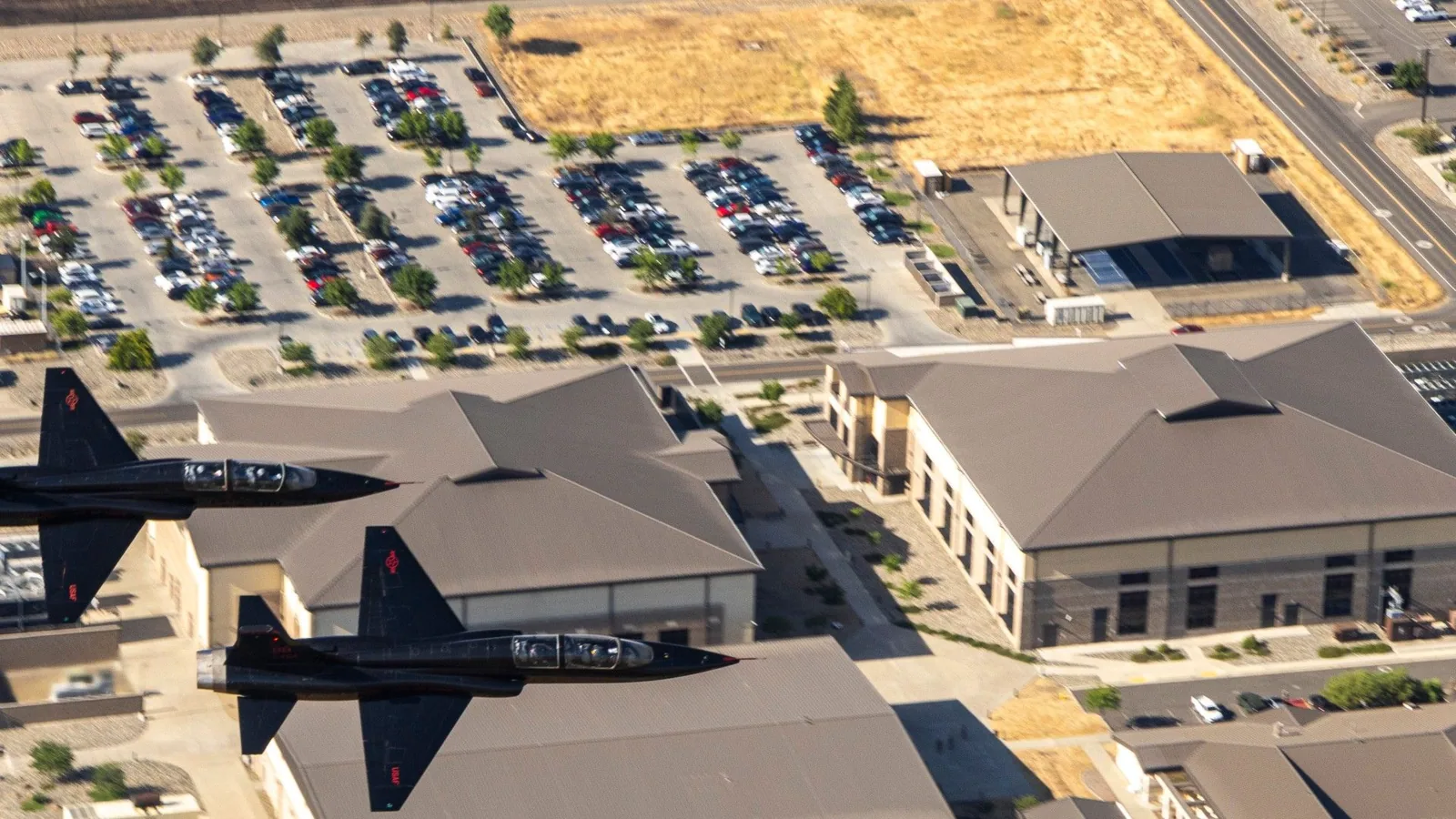
Confirm gate codes through the manager, tenant notice rules, quiet hours, vehicle lanes, lift staging, and emergency access. Mark which rows remain open and which need temporary closure. Keep delivery vehicles and fire routes clear. If a tenant cannot move stored items, identify an interior protection plan before opening the roof.
Port Malabar Industrial Park listings show a mix of office, retail, restaurant, land, and industrial spaces. This local commercial mix does not identify any listed property as self-storage. It does reinforce the need to confirm building use and manager contacts rather than assume similar access rules across the corridor.
When an active leak affects several units, log each report as its own location. A shared roof area may have one defect, or multiple openings. The inspection records the evidence and identifies what requires testing before the repair footprint expands.
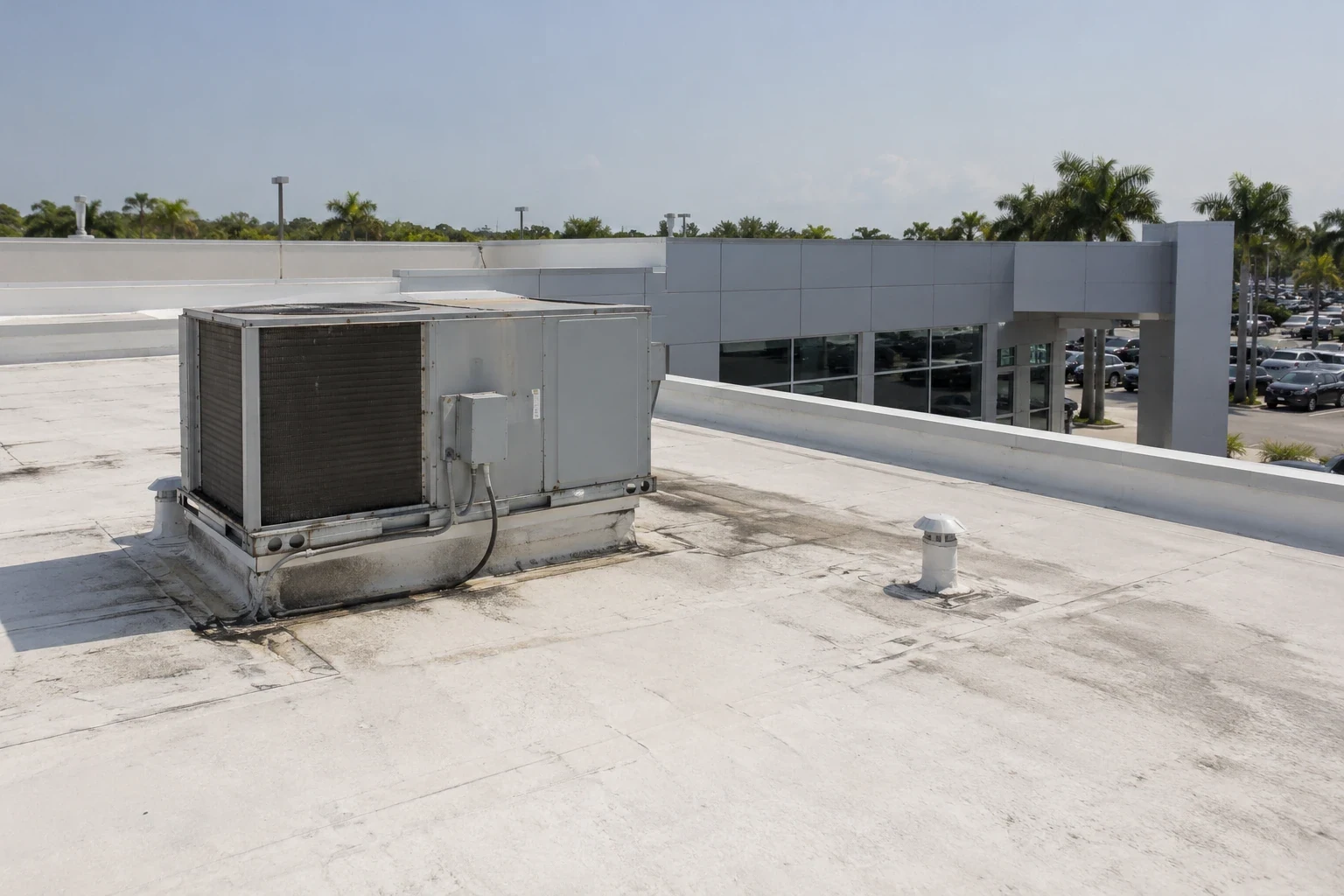
A puncture, loose flashing, or failed gutter may support a focused repair. Repeated leaks, wet insulation, corroded panels, or seam failure across multiple rows may require broader review. An approved test opening confirms conditions at one location only. List any building sections that remain inaccessible.
Compare repair, recover, and replacement using the roof material, prior overlays, drainage, attachment, structure, and tenant impact. A replacement assessment can map the removal boundary and sections that remain serviceable. The scope names materials, preparation, access, tenant notices, temporary protection, exclusions, and approval steps for concealed conditions.
Tenant notice windows can affect mobilization when a crew needs a unit cleared or a drive aisle closed. Set access by building and row. Price the roof material, lift setup, removal, weather cover, and approved interior safeguards separately. A condition report can keep photos and repair history by building, with each facility address on its own record.
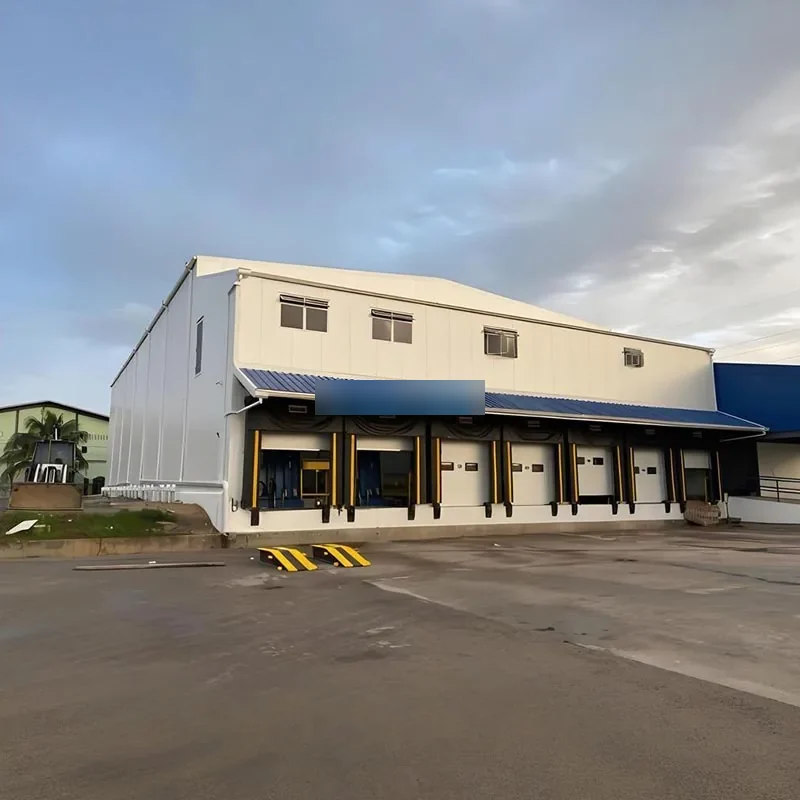
Palm Bay Flex Business Park offers modular flex units beside the L3Harris campus and near Interstate 95. That is a local flex-industrial property, not a storage facility. Its access context can help orient commercial service routes, while the actual storage manager sets gate, vehicle, and tenant rules.
A Palm Bay Industrial Center service area identifies a nearby listed commercial property. Confirm the storage site's own address, operating hours, and building count before scheduling work. Nearby listings do not establish its roof system.
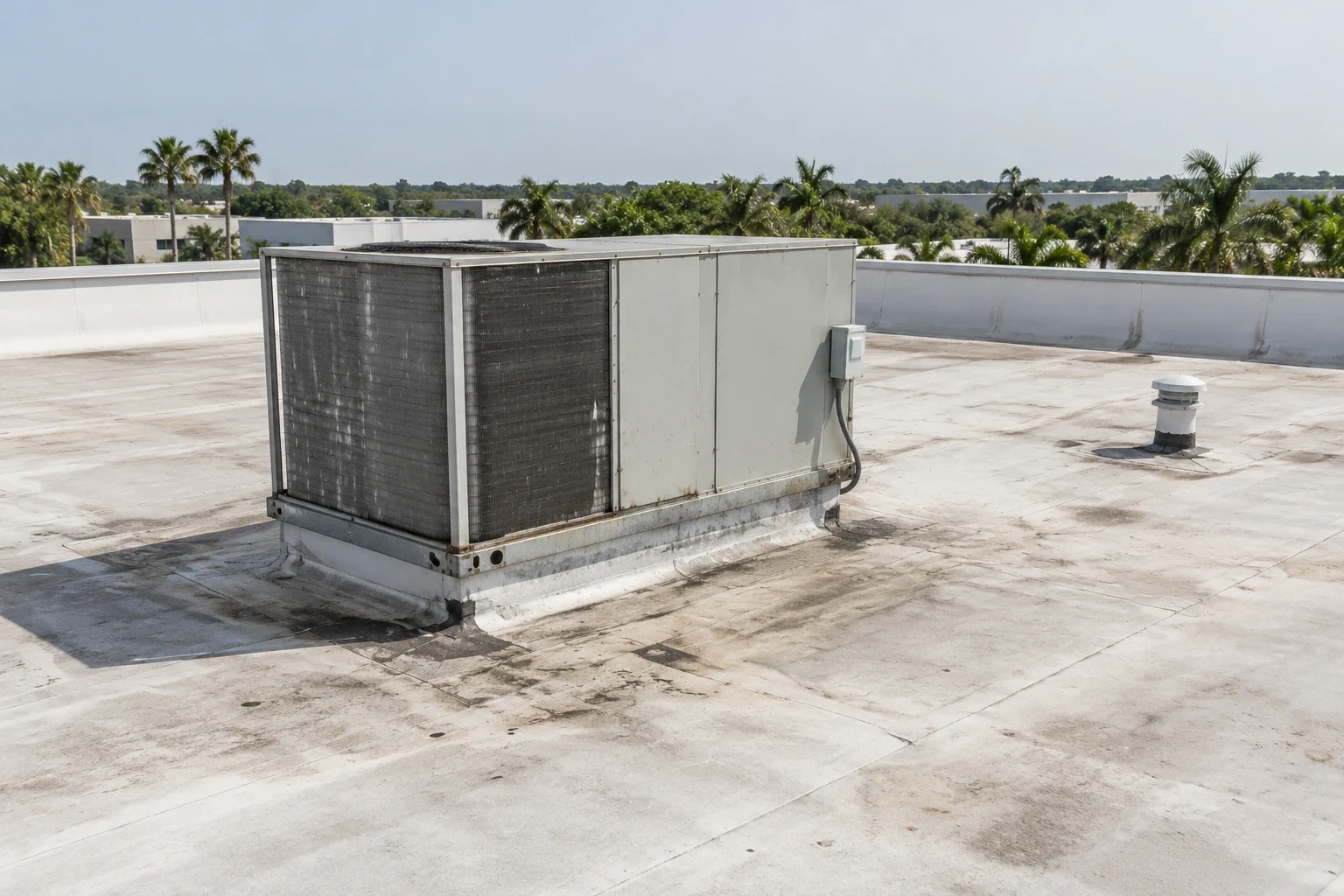
Closeout should list the building, row, unit report, roof zone, event date, material, repair limit, photos, access restrictions, and open items. Record any area not inspected because a tenant or manager could not provide access. Keep temporary protection in a separate entry.
Schedule follow-up for repaired seams, gutters, drains, and test openings. A later visit can check for new punctures or water marks and tie each observation to the same map. Note any tenant report received after the first repair date.
Store the record with the property manager's facility file. If buildings have different roof systems, keep separate repair histories. The next review should show what was confirmed and where access or testing remains outstanding.
Learn more →
Learn more →
Learn more →
Learn more →
Learn more →

Learn more →
Learn more →