
Active local weather warning
The National Weather Service has issued a coastal flood warning covering Palm Bay. Heavy rain and drainage loading can expose roof leaks, blocked drains, and ponding water. This is a weather exposure advisory; it does not establish damage to a specific roof.
Do not access a roof during hazardous weather. Protect people first, avoid water near electrical equipment, and request roofing help when conditions permit.
National Weather Service · Updated Oct 28, 2026, 6:40 AM UTC
A roof issue at an airport needs a precise building and access contact before dispatch. Melbourne Orlando International Airport is a state airport with a role in Florida aviation and the regional economy. Its 2022 economic impact included 17,886 jobs and $3.1 billion in output. Those figures describe economic activity, not roof inventory or a specific facility. We confirm the requested property, event date, and affected zone, then record what the inspection can reach.
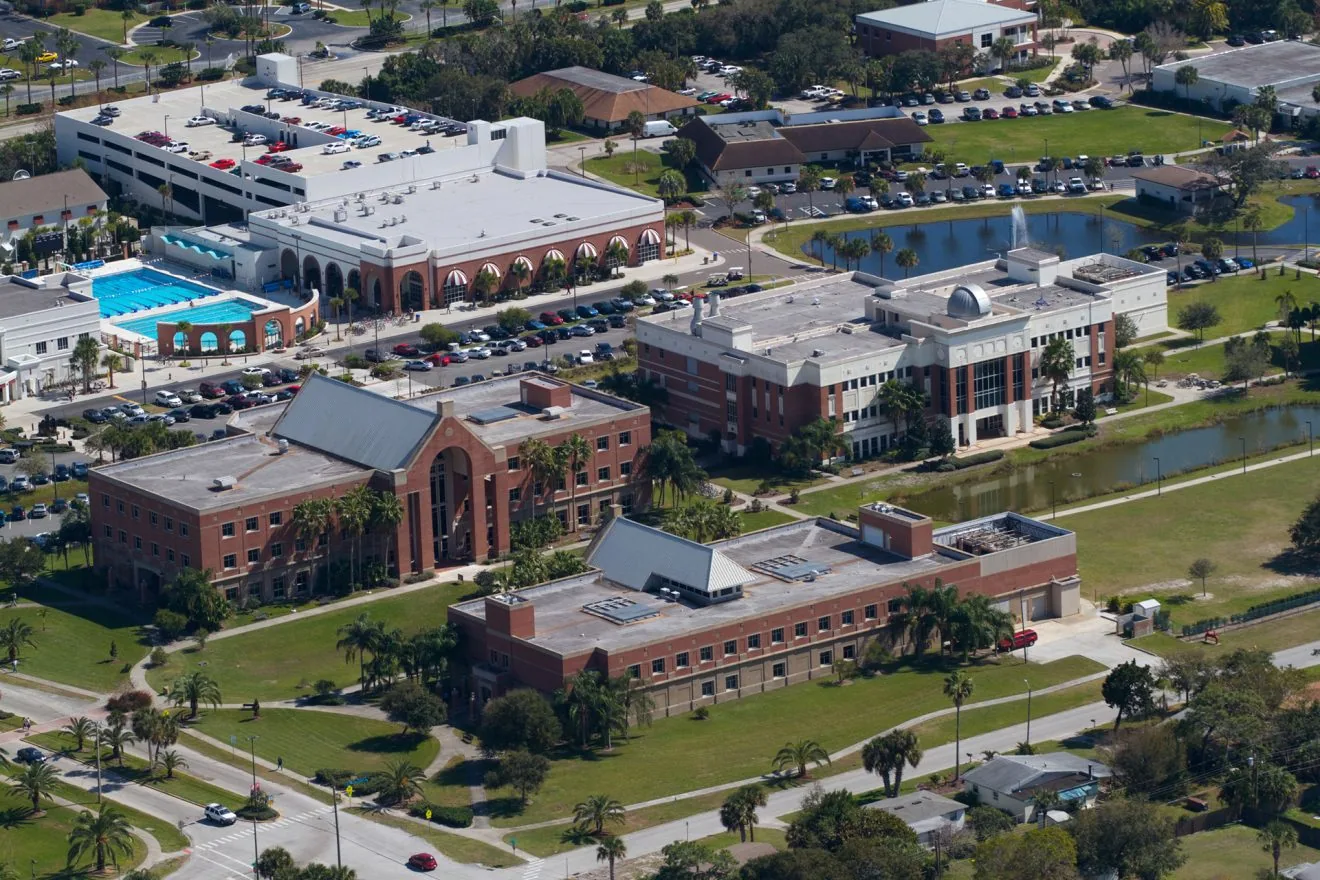
The airport also provides the setting for Florida Tech Research Park and the adjacent Airport Industrial Park. Those connected uses make address and property identification important. We do not infer a shared roof system or common work schedule. The facility contact identifies access rules, staging limits, and operating restrictions. The roof record separates the reported condition from observed damage and names any area left uninspected.
Before arrival, we confirm the building name, authorized contact, entry route, and equipment rules. An airport property may have restrictions beyond ordinary commercial access. The person controlling the facility supplies those requirements; the roofing scope records them. We plan ladders, tools, material, debris handling, and work hours against the approved route. If access changes, the crew updates the roof-zone list rather than treating the missed area as inspected.
For active water entry, we first establish whether the condition is ongoing and which interior area is affected. The report captures the event date and any temporary containment already placed. We then inspect the corresponding roof section and nearby details. Temporary protection gets its own note, photograph, and return plan. Permanent work follows once the substrate and access conditions permit installation.
Where a larger repair affects several roof zones, we sequence sections so each exposed edge can be secured. A shift log identifies the section opened, protection installed, materials used, and outstanding work. Weather can change the daily plan. We leave the facility contact with a clear status for each zone, including any test opening awaiting approval.
Melbourne airport climate normals show summer mean highs near 89 degrees, with 62.7 days a year reaching at least 90. Those values describe regional temperatures. They do not measure a roof surface at the airport. Heat can stress seams, flashings, and edge details, so we photograph those transitions and check attachment where accessible. A finding is tied to a date and roof zone.
Melbourne climate normals show 55.28 inches of precipitation annually, with monthly highs in June and September. Those averages do not establish rainfall at the building on a reported date. We inspect actual drain paths, strainers, scuppers, overflows, and low areas. If ponding is present, the report distinguishes an obstructed outlet from a slope or deck issue requiring further review.
A visible water mark may sit away from the opening that let water in. We follow seams, penetrations, walls, curbs, and perimeter edges from the reported area. If the entry remains concealed, we define an approved test opening and state what it can resolve. Any access restriction or covered area remains an inspection limit. This keeps the record useful for the next response rather than overstating what was confirmed.
A local seam defect or failed flashing can support a targeted repair when adjacent material remains stable. We identify the roof system before choosing a patch method. A repair record describes preparation, material, and the boundary completed. If moisture reaches insulation or deck, the work may need a test opening and larger removal. The report shows the finding before the repair area changes.
Recover is considered when the existing assembly is dry, attached, and suitable for added height at edges and drains. Replacement may be needed when failures are widespread or the deck is compromised. Coating requires compatible material, proper preparation, and sound drainage. It cannot resolve concealed wet insulation. We compare options against observed condition, access, operations, and current code requirements.
Cost depends on access control, work windows, staging, tear-off, disposal, equipment protection, edge metal, penetrations, and deck repairs. The regional economic figures do not set roofing quantities. Our inspection scope defines the building and zones reviewed. If permanent renewal is needed, the replacement plan sets removal limits and tie-ins. A rapid leak response records immediate protection separately from permanent work.
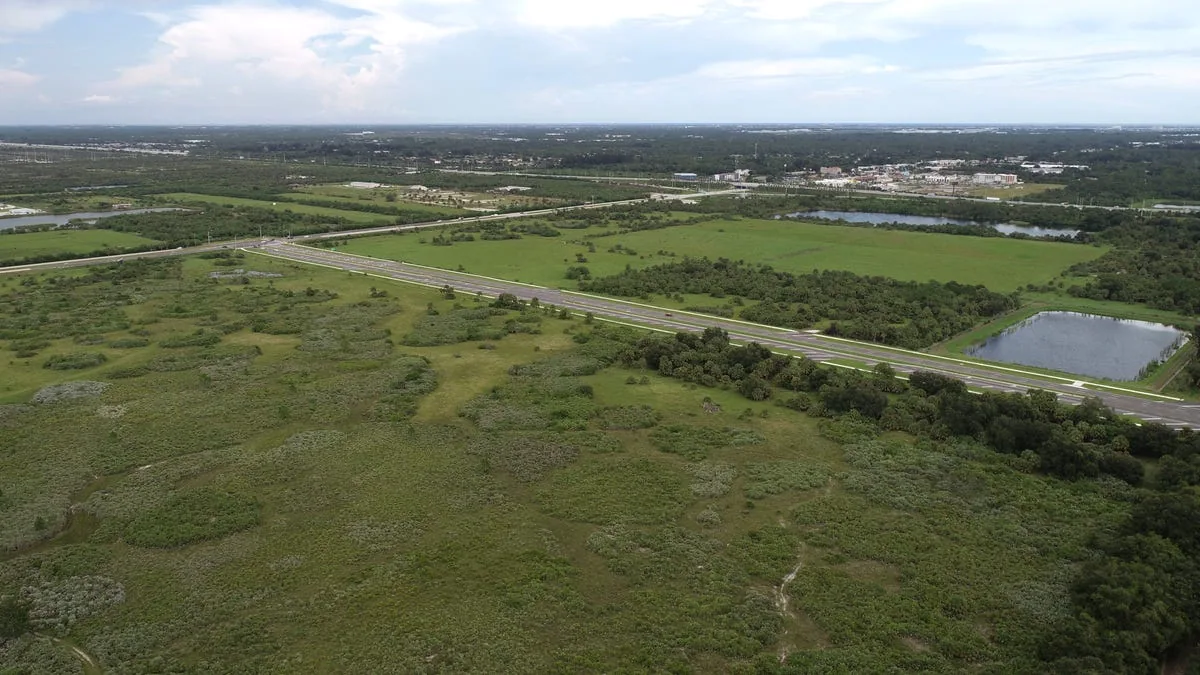
The closeout names the facility, date, event report, roof zones inspected, access limits, photos, observed damage, materials, and unresolved items. If another contractor or project team controls part of the roof, the report identifies that boundary. A follow-up visit can verify repairs and inspect details exposed by later work. Separate facility names and roof zones keep each closeout tied to its own address.
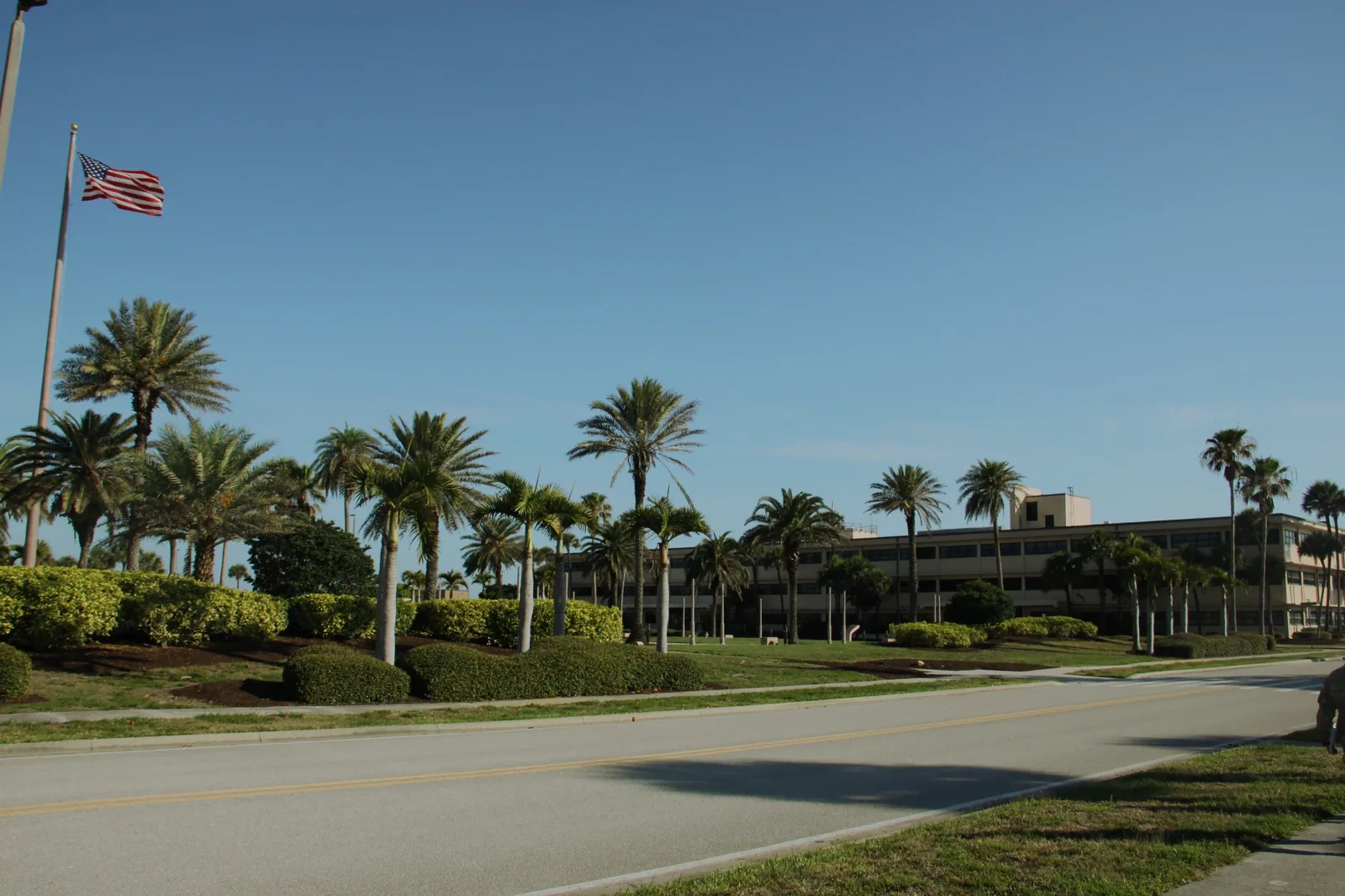
The Florida Tech Research Park and Patrick Space Force Base are separate named locations in the regional area. Access and operating requirements differ by property. For each, the owner or facility contact confirms the allowed work window. We keep photographs, reports, and repairs associated with the correct address and roof zone.
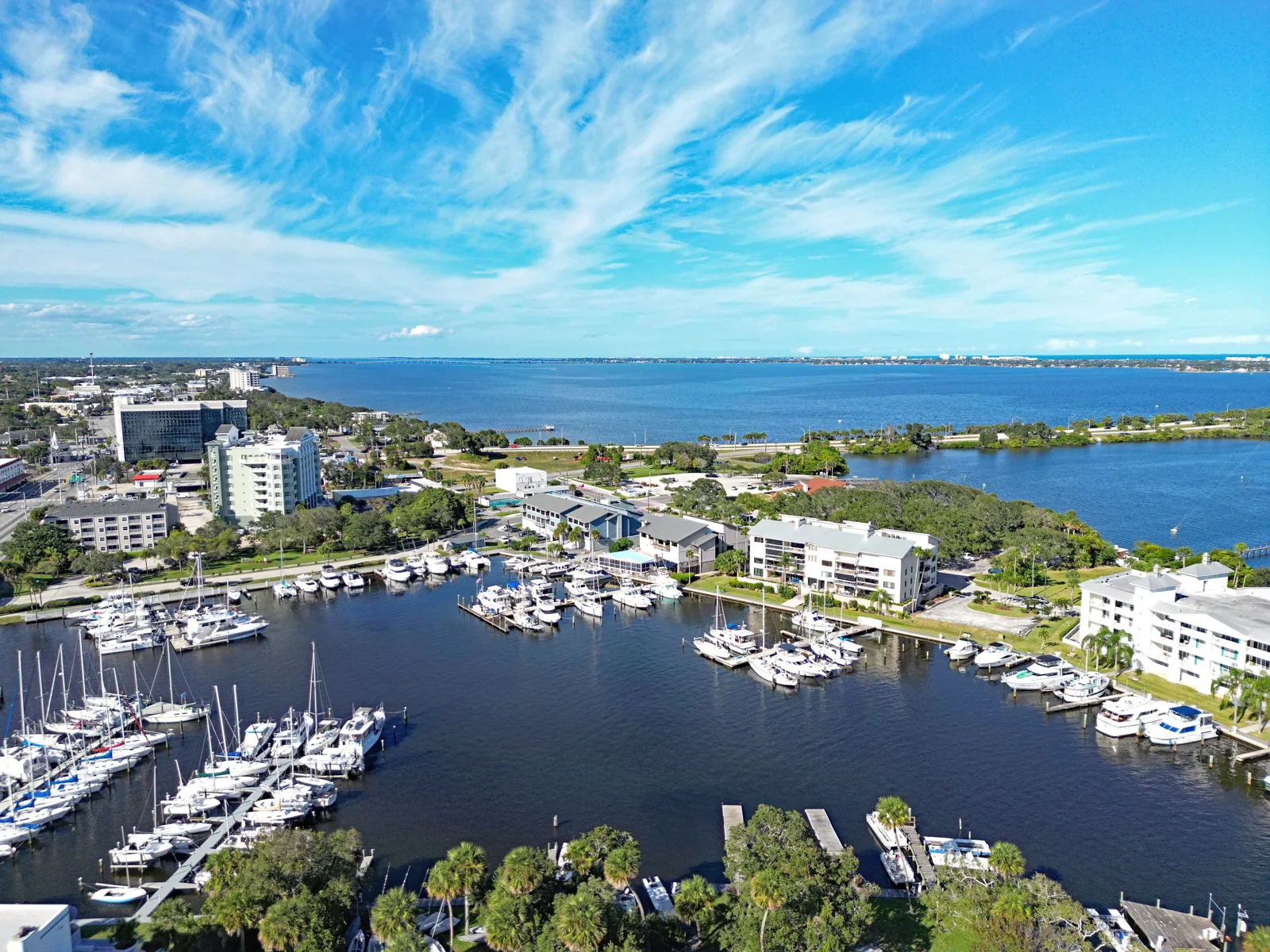
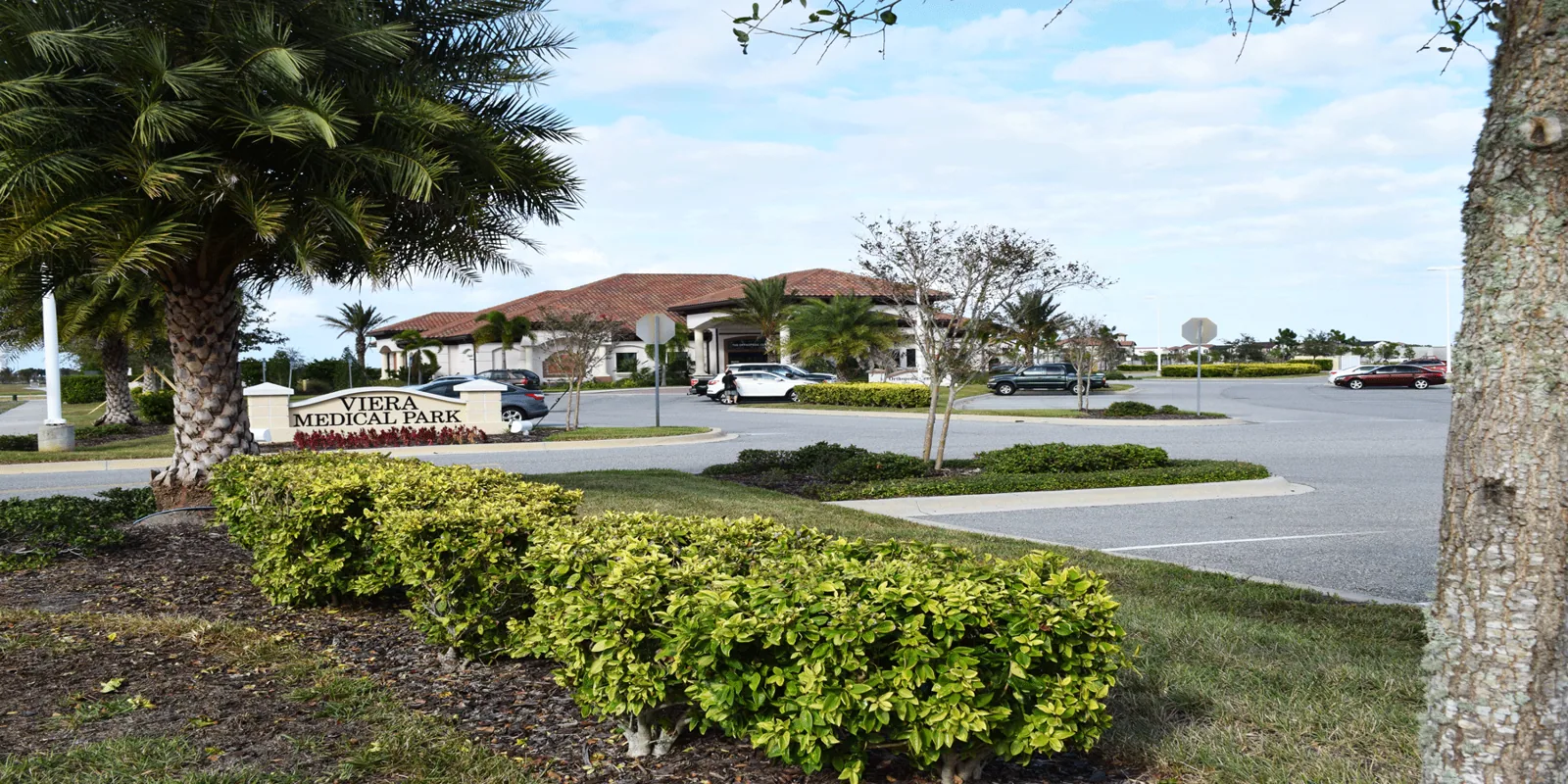
Regional projects also include Downtown Melbourne CRA and the Viera Medical Park. They have distinct property contexts. A condition report can identify priorities, open access items, and follow-up dates. A maintenance plan can track recurring checks when the facility sets its inspection schedule.
Learn more →
Learn more →
Learn more →
Learn more →
Learn more →
Learn more →
Learn more →
Learn more →