
Active local weather warning
The National Weather Service has issued a coastal flood warning covering Palm Bay. Heavy rain and drainage loading can expose roof leaks, blocked drains, and ponding water. This is a weather exposure advisory; it does not establish damage to a specific roof.
Do not access a roof during hazardous weather. Protect people first, avoid water near electrical equipment, and request roofing help when conditions permit.
National Weather Service · Updated Oct 28, 2026, 6:40 AM UTC
Commercial exterior changes in Melbourne's redevelopment districts can involve historic or architectural review. Downtown Melbourne is one of the city's community redevelopment areas. Before replacing visible coping, edge metal, or other exterior-facing roof details, the project lead should confirm the applicable review path. We inspect the roof condition and define the proposed work separately from that approval question. A field report records the event date, roof zone, visible damage, and access limits.
The review context affects planning, not the roof diagnosis. We do not assume that every repair needs the same approval or that each building shares a particular style. The address, affected exterior, and scope determine the next coordination step. Melbourne's seasonal rain makes drainage and flashing checks practical. We document what is visible at the property and state where additional review or access is needed before work begins.
Start with the building address, photographs of the affected edge or roof feature, and a description of the proposed repair. A localized membrane patch may not change the exterior appearance. New coping, equipment screens, drainage leaders, or a substantial alteration may warrant a review-path check. We describe the roof work in plain terms and identify which pieces are visible from the exterior. The project owner or design professional confirms submittal requirements with the city.
Melbourne planning applies formal review rules to commercial development larger than three acres and industrial development larger than five acres. Those thresholds concern development review. A roof repair should not be treated as automatically subject to those acreage thresholds. When roof work is part of a larger redevelopment or site project, the project lead checks which approvals apply. Our proposal records the roofing boundary and schedule assumptions tied to that decision.
Access also shapes the visit. The property contact confirms roof entry, tenant hours, staging, and any area under active construction. We protect occupied space below the repair and coordinate noise where needed. If a roof zone is not available, we list it as uninspected. The inspection report does not infer its condition from an adjacent section.
We begin at reported leaks and visible exterior defects. The field walk checks membrane seams, wall flashings, drains, scuppers, edge metal, penetrations, and prior repairs. A stain can be far from the entry point, so the report follows the likely water path. Photographs tie each observation to a roof zone. If concealed insulation or deck condition could change the scope, an approved test opening may be recommended.
Nearby Melbourne climate normals average 55.28 inches of precipitation annually, with the highest monthly averages in June and September. Those figures are regional climate data, not a rainfall report for a Downtown Melbourne building. We inspect actual water marks, blocked outlets, and areas that hold water after rain. If drainage remains poor after an outlet is clear, the next step may require slope or deck review.
Heat and surface moisture affect material selection and installation conditions. We identify the exposed roof system before choosing a repair product. A patch on one membrane may not be compatible with another. If temporary protection is needed during a storm response, it receives its own photo, boundary, and return date. Permanent repair is documented after the substrate is prepared and the selected detail is complete.
An isolated split seam, loose flashing, or damaged penetration can support a small repair if the surrounding assembly is sound. The work scope identifies the material, preparation, patch boundary, and final photographs. If a test opening finds wet insulation, the crew maps the confirmed area before removing more material. The owner can review that evidence before approving a larger repair.
Replacement, recover, and coating each depend on different conditions. Recover requires dry, attached layers and enough height at edges and drains. A coating requires a compatible surface and sound drainage. Replacement may be appropriate where the deck or insulation has failed across multiple zones. If proposed work changes an exterior-facing detail, the project lead should set the schedule after confirming the applicable review path.
Cost drivers include access, tenant protection, tear-off, disposal, insulation, deck repair, perimeter metals, penetrations, and staging. Added design coordination may affect timing when visible exterior details change. We separate roofing quantities from approval assumptions. A roof inspection can establish the current condition. The edge metal scope defines perimeter repairs, while replacement work lists removal and tie-in limits.
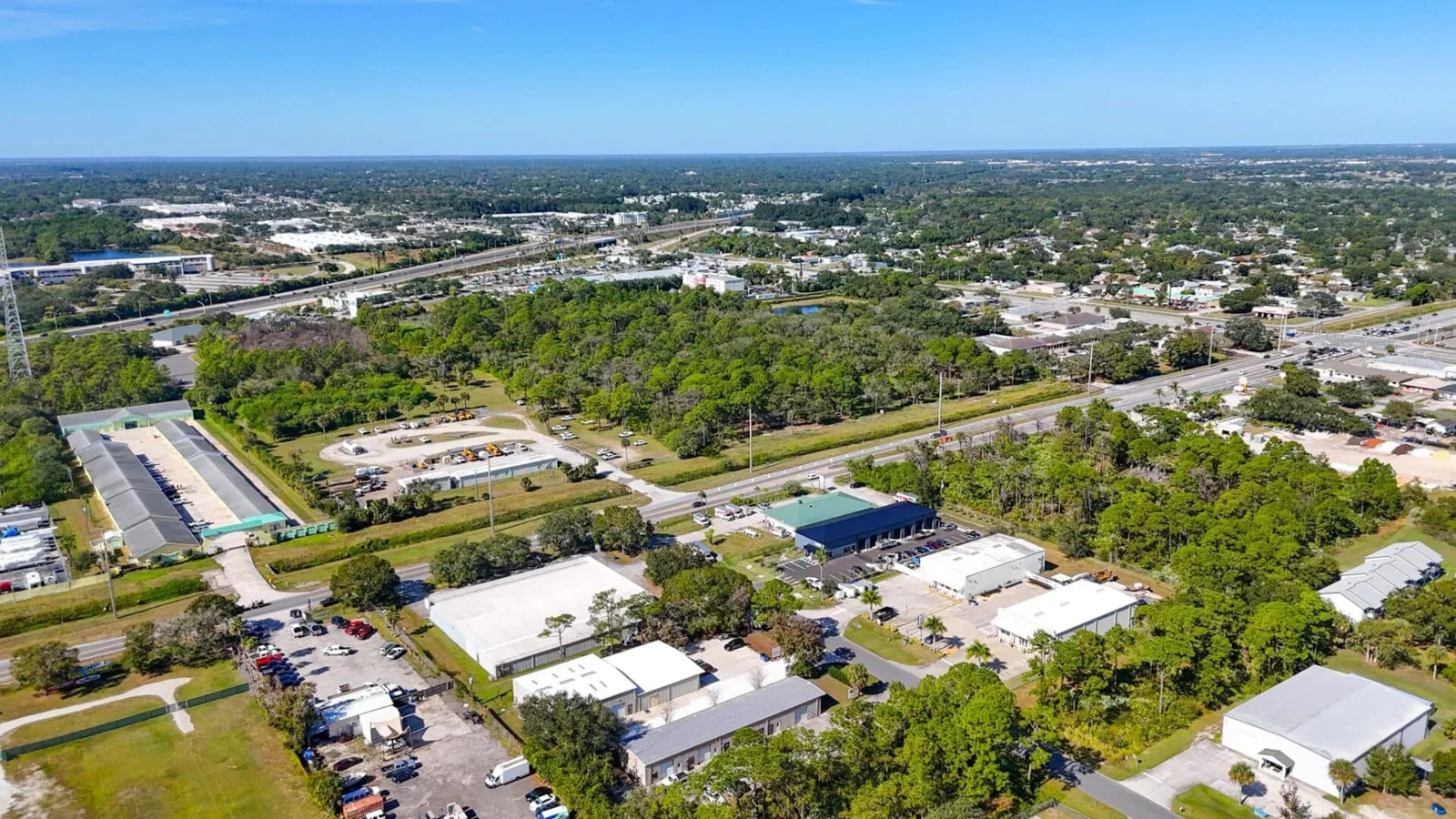
After work, the owner receives a dated record of the condition observed, the detail repaired, the visible finish, and any remaining access or review item. Photographs show before and after conditions. If the work changed during inspection, the closeout notes the reason and revised repair boundary. The file should identify who still needs to confirm exterior review or a related project approval.
Downtown Melbourne CRA is one of several redevelopment areas in the region. Olde Eau Gallie Riverfront CRA has its own review requirements for commercial exterior changes. The West Melbourne redevelopment corridors also follow a distinct district framework. Those facts do not establish which approval applies at this address. We keep the property name and review contact in the record.
For recurring roof care, a follow-up can check seams, drains, repaired edges, and temporary patches. A condition report keeps open items tied to photos and next actions. A maintenance visit may help find movement before the next leak. Work that changes exterior elements should be coordinated with the project lead before the crew orders materials.
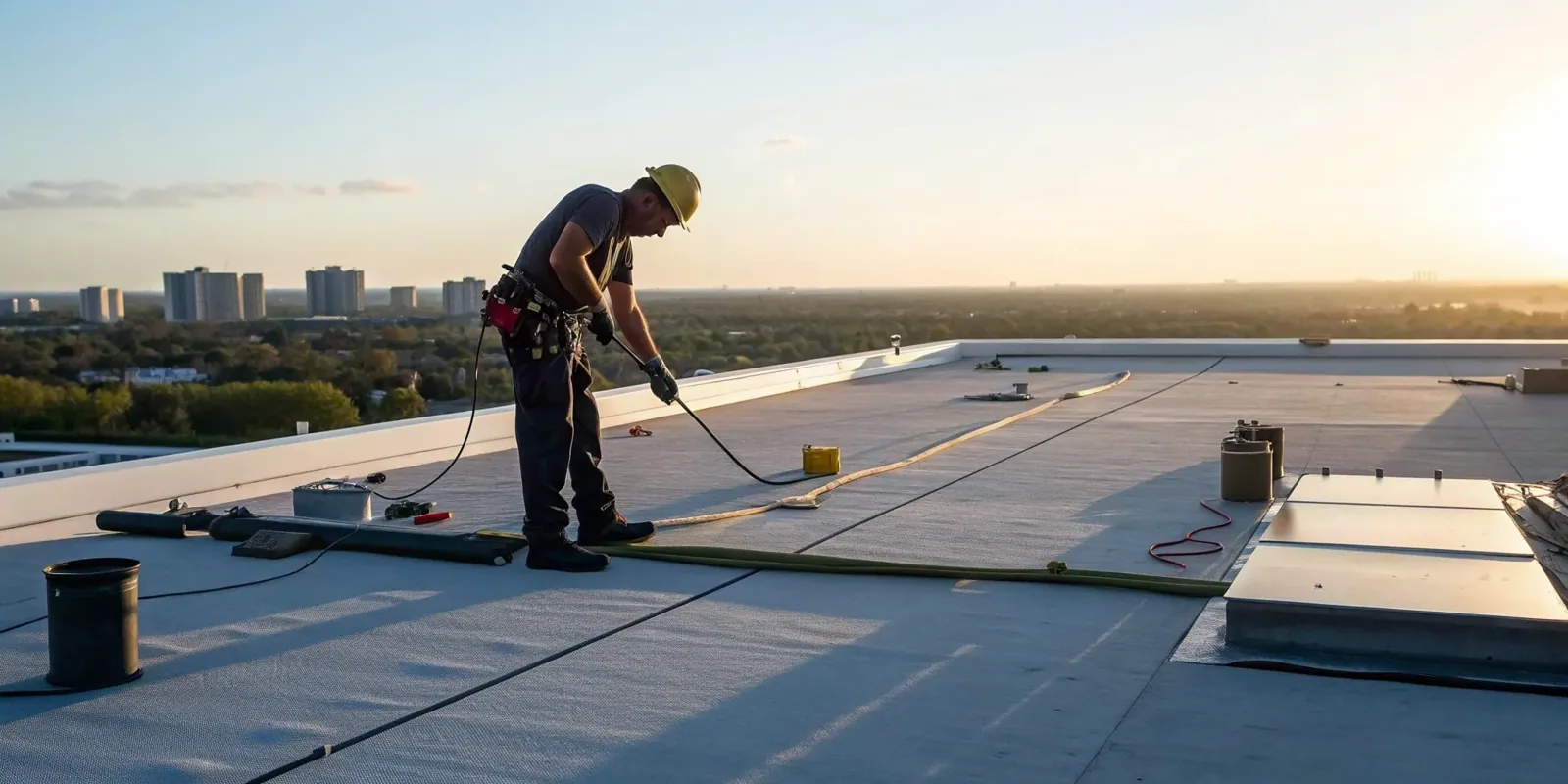
Learn more →
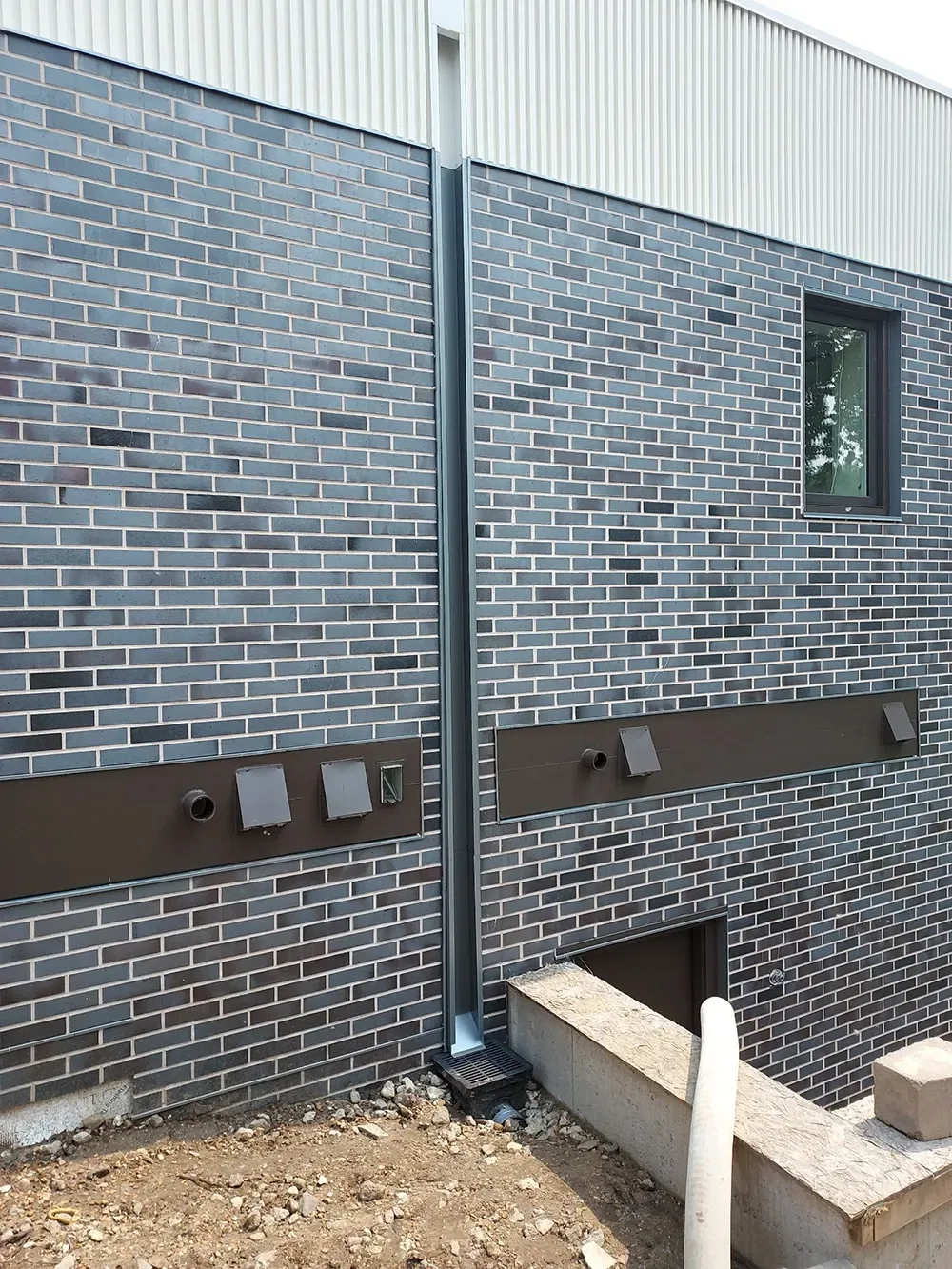
Learn more →
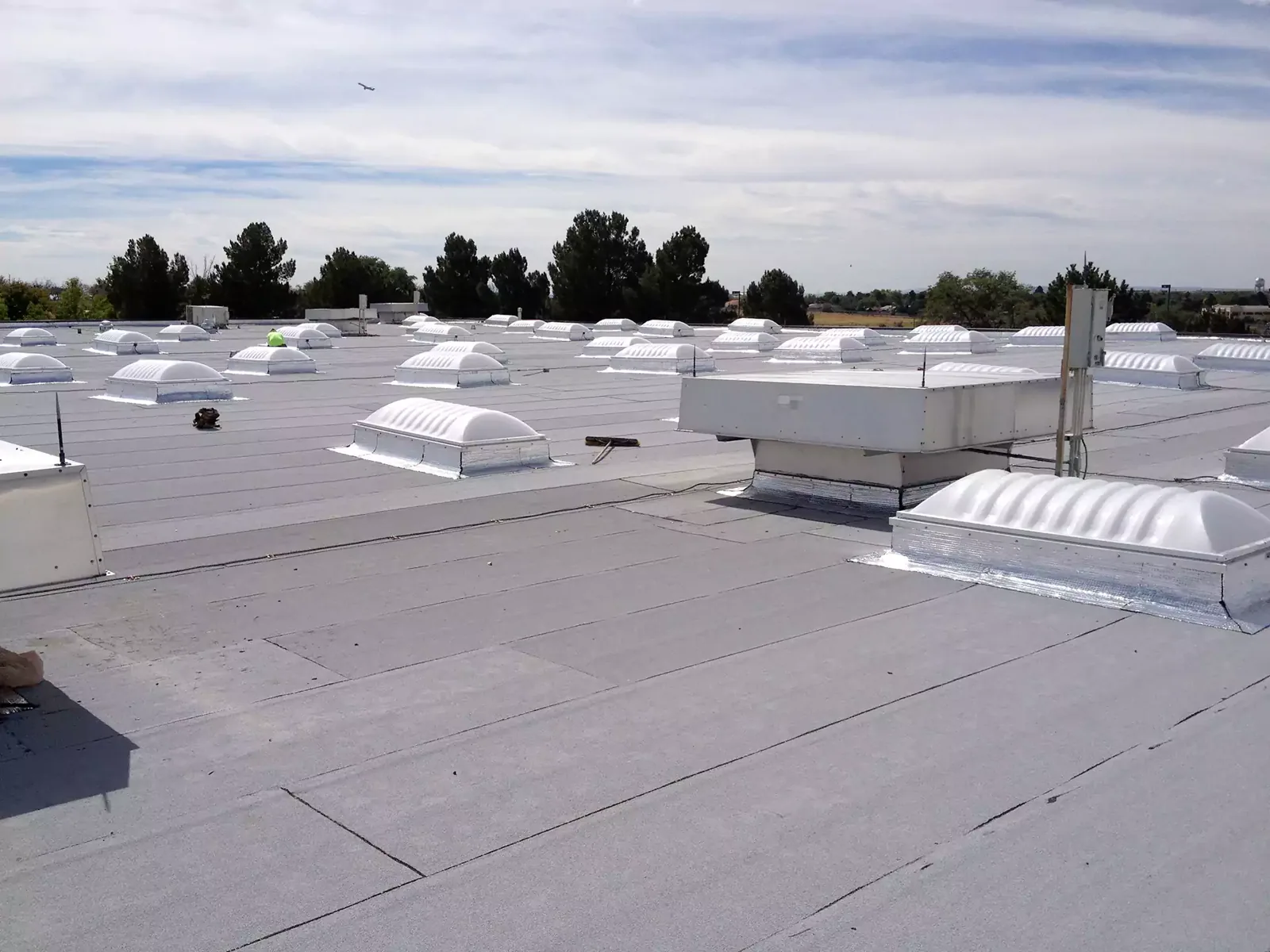
Learn more →
Learn more →
Learn more →
Learn more →
Learn more →