
Open tear-off above active offices or treatment space creates a short weather window and a defined protection problem. We plan the reroof by roof zone, with access, interior contacts, and dry-in steps recorded before work opens. Palm Bay's commercial inventory includes healthcare, technology production, retail, and flex-industrial uses. Each has different access and operating limits. Summer work in the Palm Bay area brings heat and regular rain. Those conditions shape sequencing; the field check and day-of forecast determine whether a section can be opened.
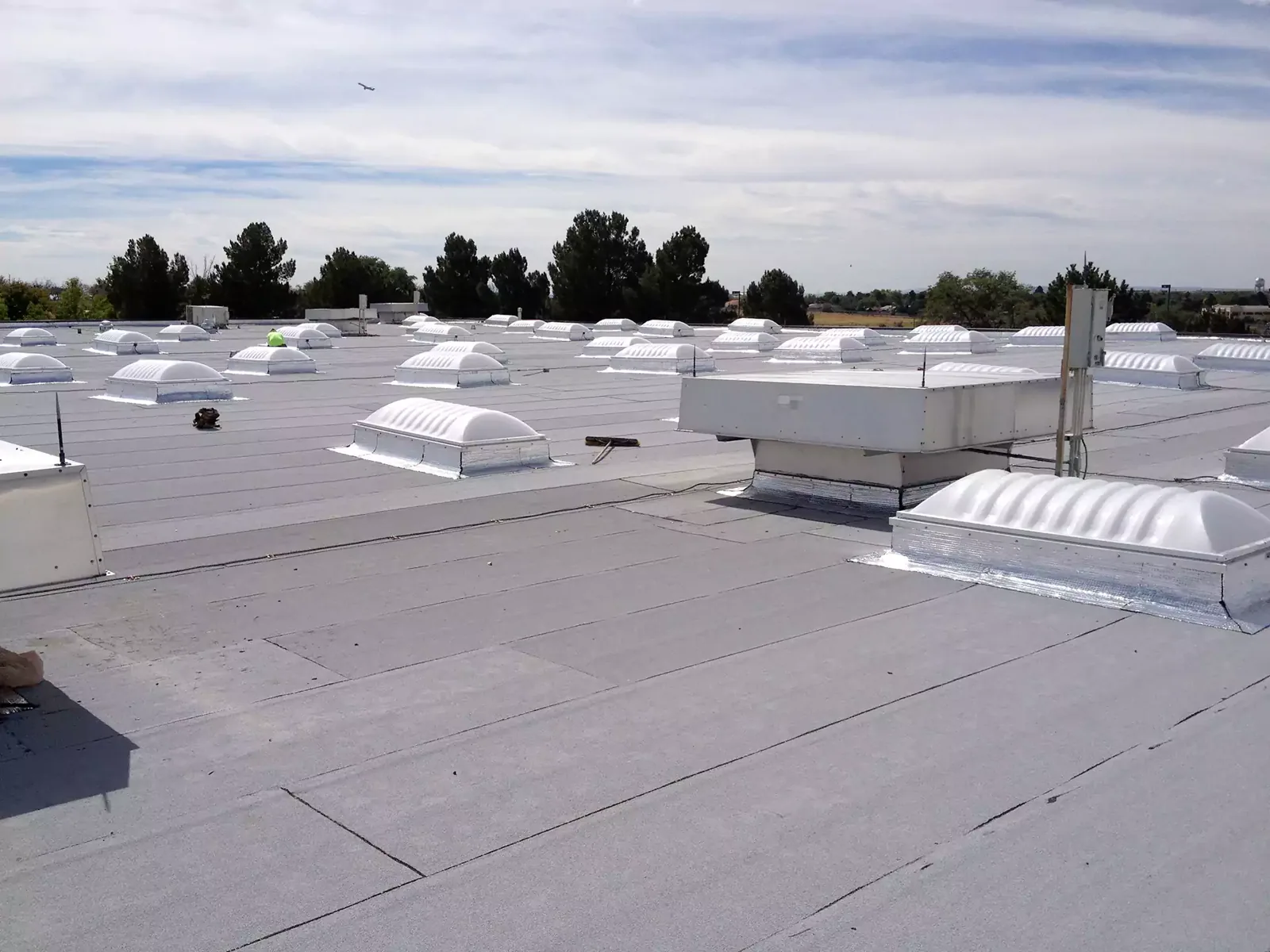
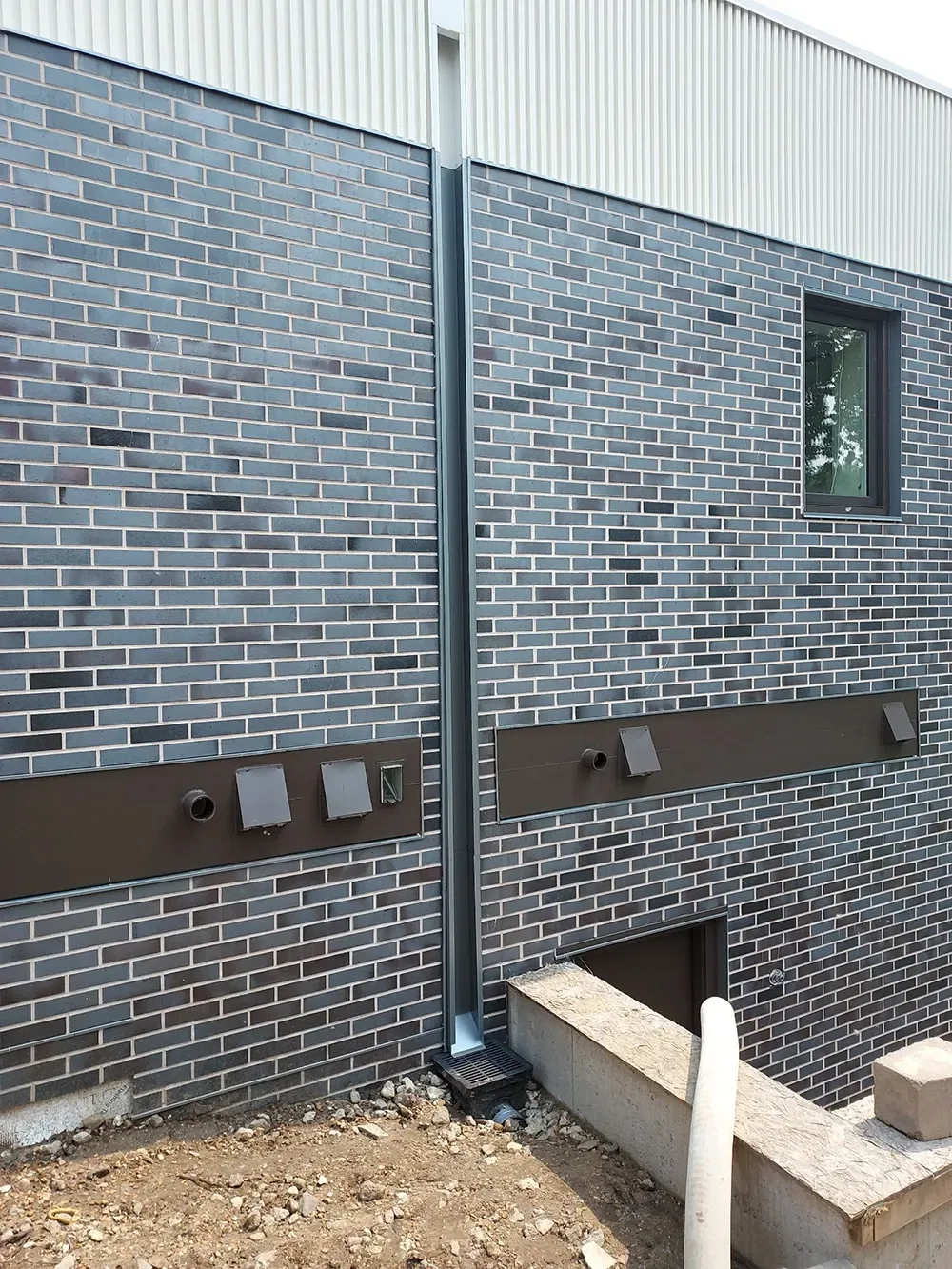
The building plan assigns each work area a boundary, exposure window, and end-of-shift dry-in target. Each phase lists its boundary, access route, material staging, roof equipment, and person authorized to review concealed conditions. A section that cannot be closed before weather changes should remain unopened.
Drawings and prior repair records guide the layout, but field conditions confirm the boundary. Separate roofs may have different deck conditions, membranes, slope, and past modifications. We mark each zone before tear-off. A preconstruction roof inspection records the visible assembly and access limits. A condition report can carry those notes to the owner and site team.
At Palm Bay Hospital, emergency, inpatient, surgical, imaging, and rehabilitation services operate on campus. Work sequence and access there should follow the facility contact's controls and operating plan. The hospital functions are a coordination fact, not evidence about any specific roof system. We confirm the actual roof sections and interior sensitivities with the authorized representative.
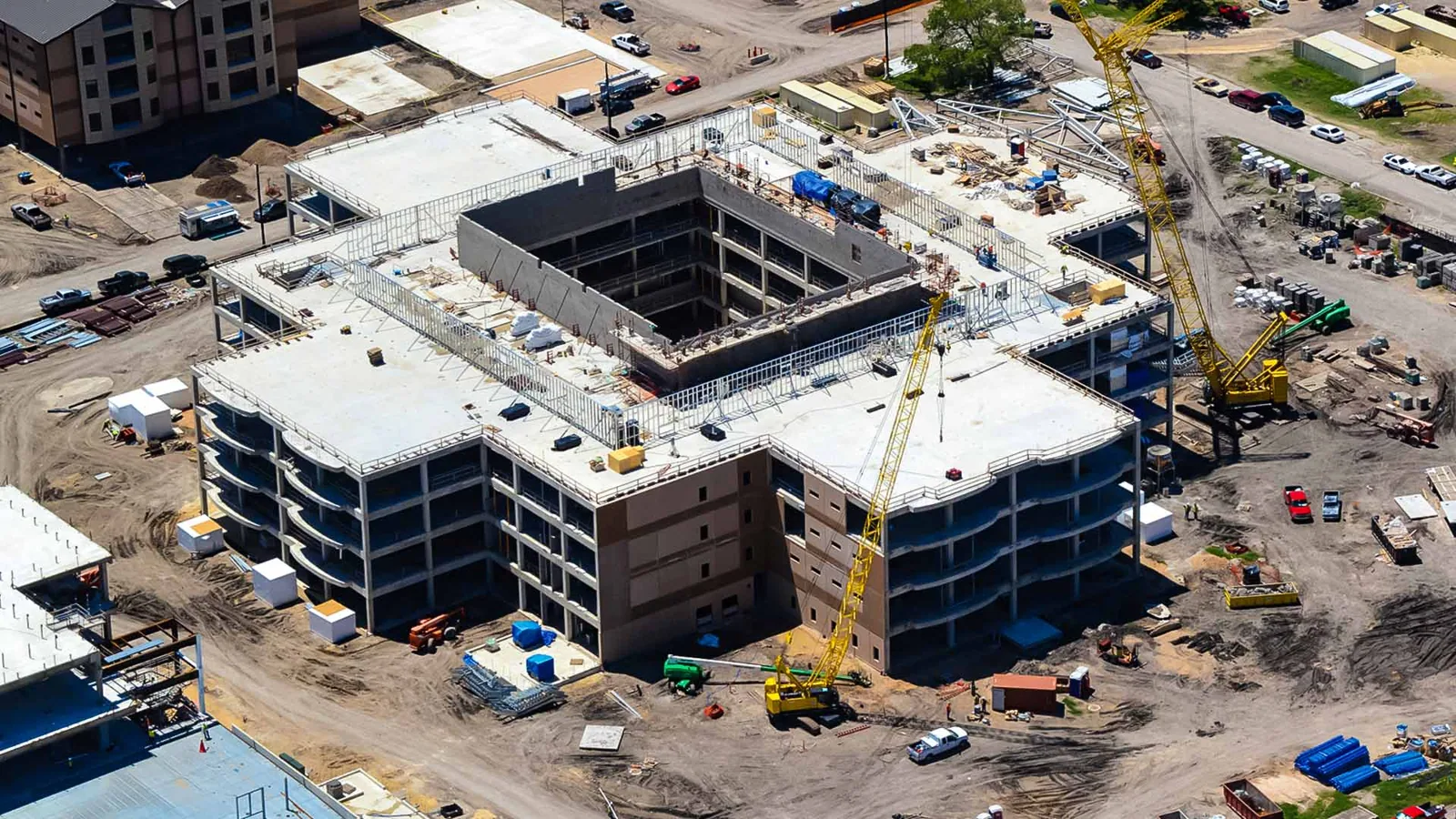
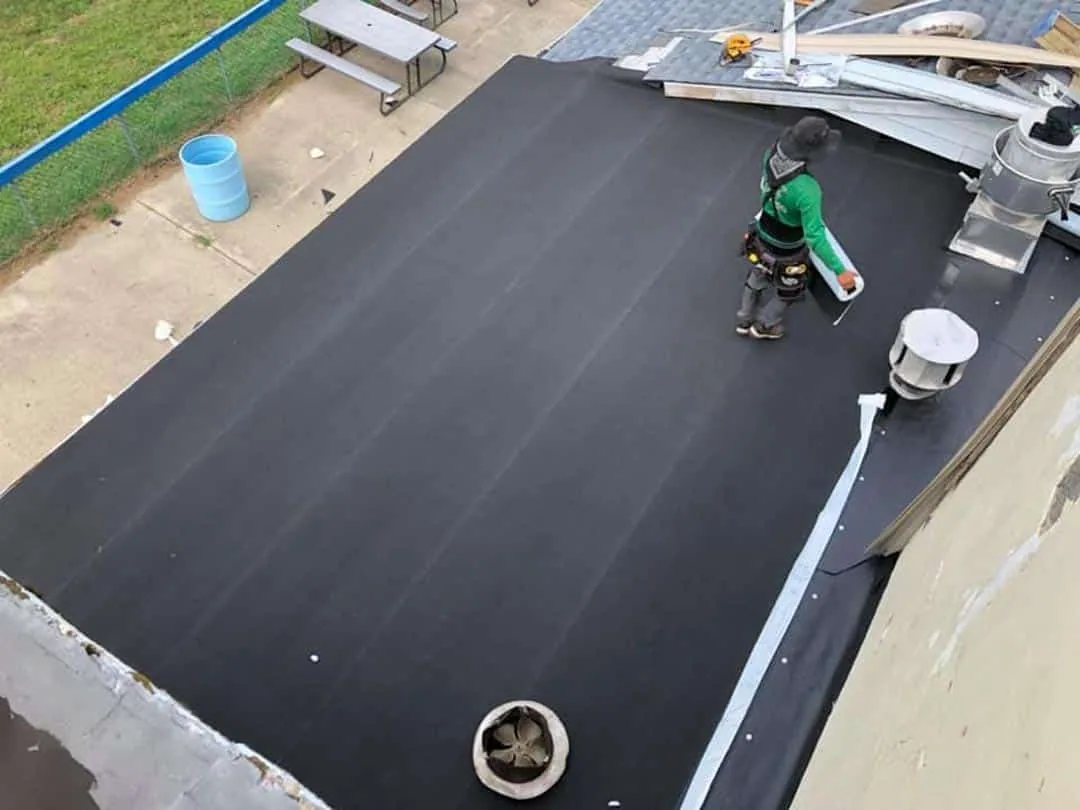
Before removal, the crew checks the forecast, surface condition, and available materials. The work area is sized to the dry-in capacity for that shift. Exposed deck or insulation receives temporary protection when needed. That protection has a location, date, and return plan separate from the permanent installation.
Palm Bay's wet season can interrupt tear-off and adhesive or coating work. Nearby Melbourne climate normals show the highest monthly rainfall averages in June and September. Those averages do not forecast conditions for the job day. The supervisor checks live weather and adjusts the open area. If rain arrives sooner than expected, the record states which zone was protected and whether any material remains exposed.
Water entry below the work area requires a named contact and response path. We confirm who can access the interior and who can move or protect equipment and contents. A leak report receives its own date and location. Temporary protection is not treated as proof that the permanent roof detail is complete.
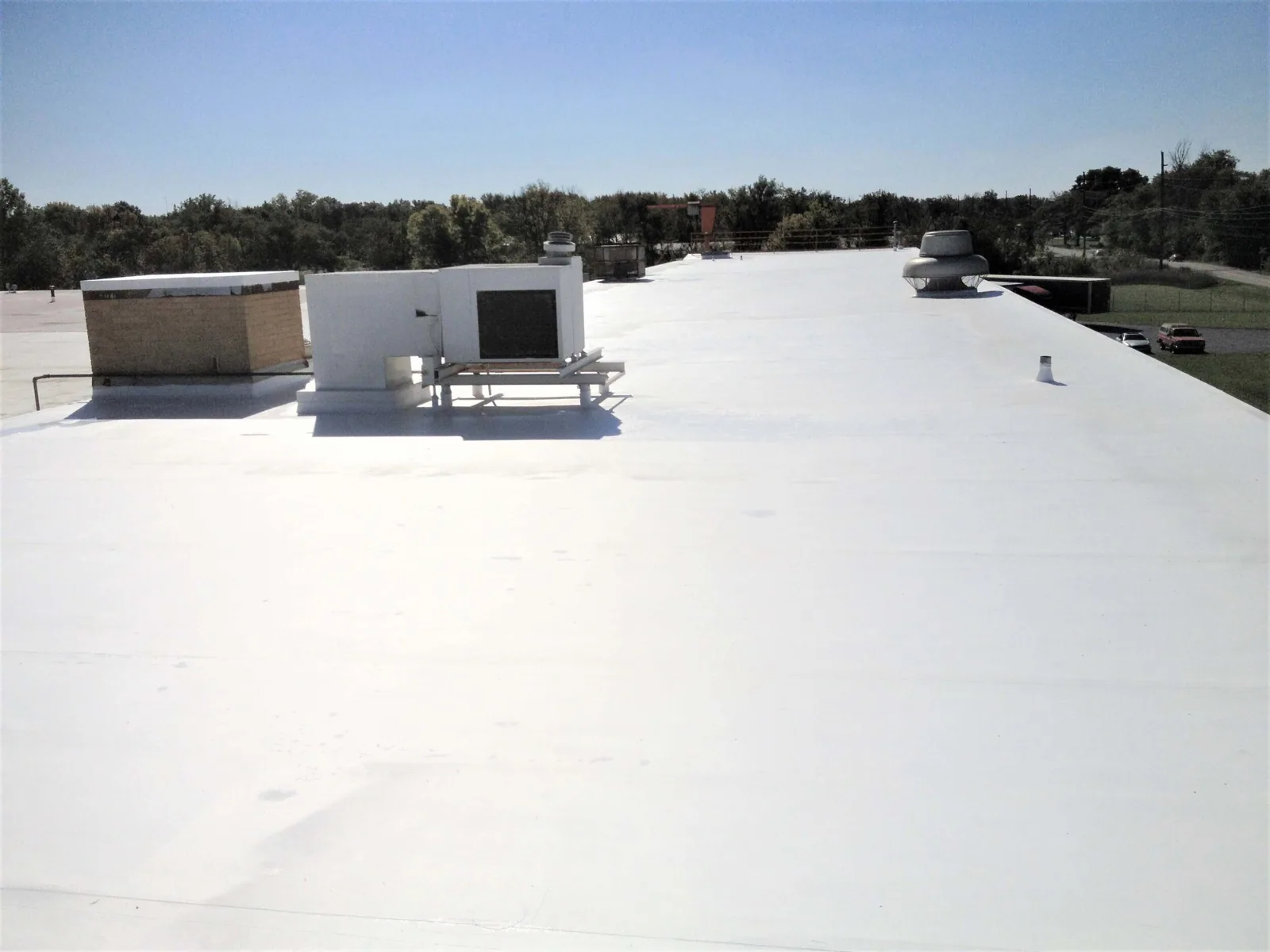
Occupied work needs a building access map. Identify loading areas, customer paths, tenant entrances, vertical access, roof ladders, restricted rooms, and delivery windows. Confirm notice requirements and who receives a same-day schedule change. A contact list should include the person who can approve a concealed-condition change and the person who can arrange interior protection.
The Commons at Cypress Bay West is planned at St. Johns Heritage Parkway and Babcock Street in south Palm Bay, among nearby residential projects and commercial development. At a retail or mixed-use property, deliveries and customer parking may constrain crane placement and ground protection. That location is planning context, not a statement about an active construction schedule. The property contact confirms actual access and tenant operations.
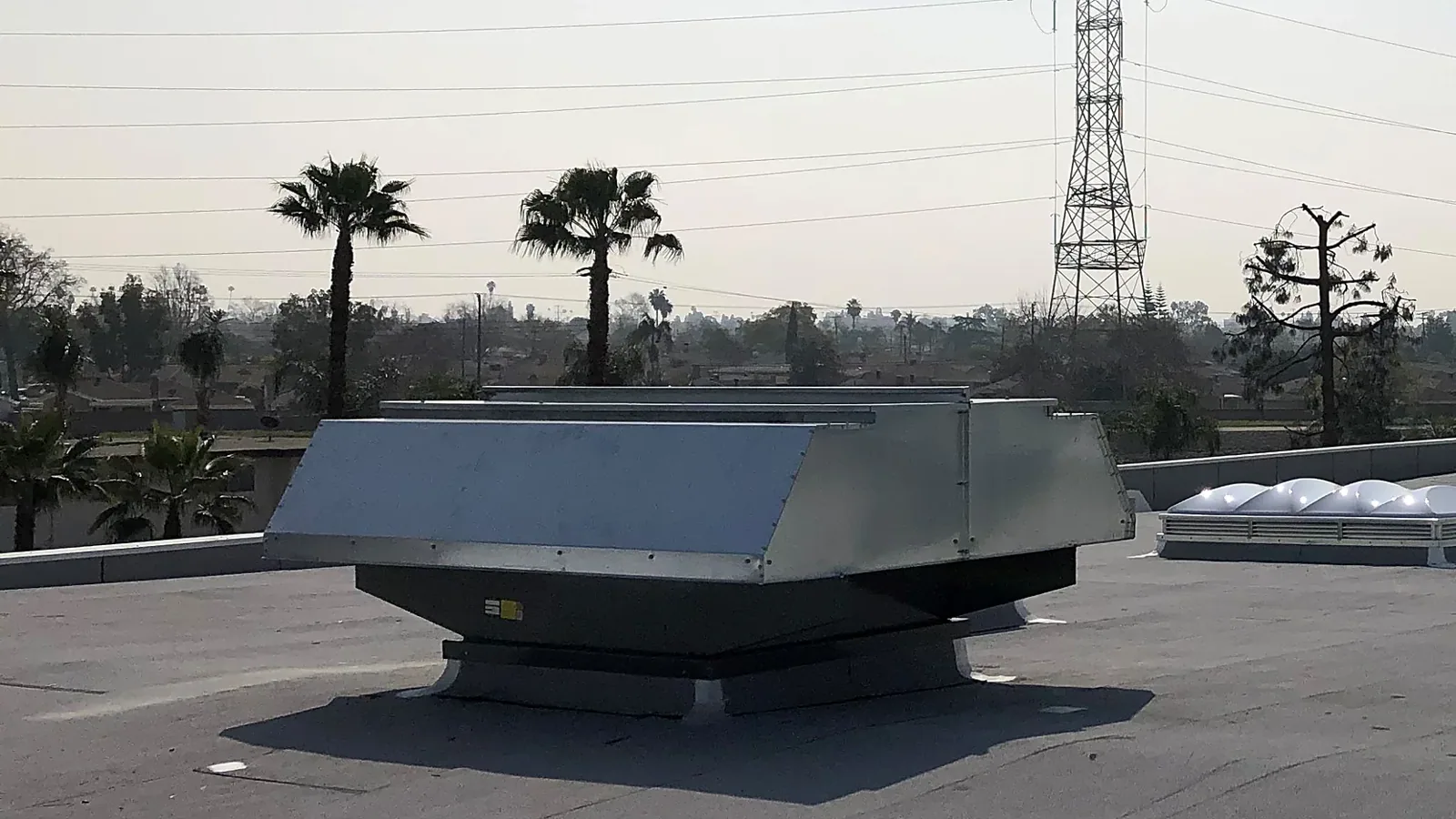
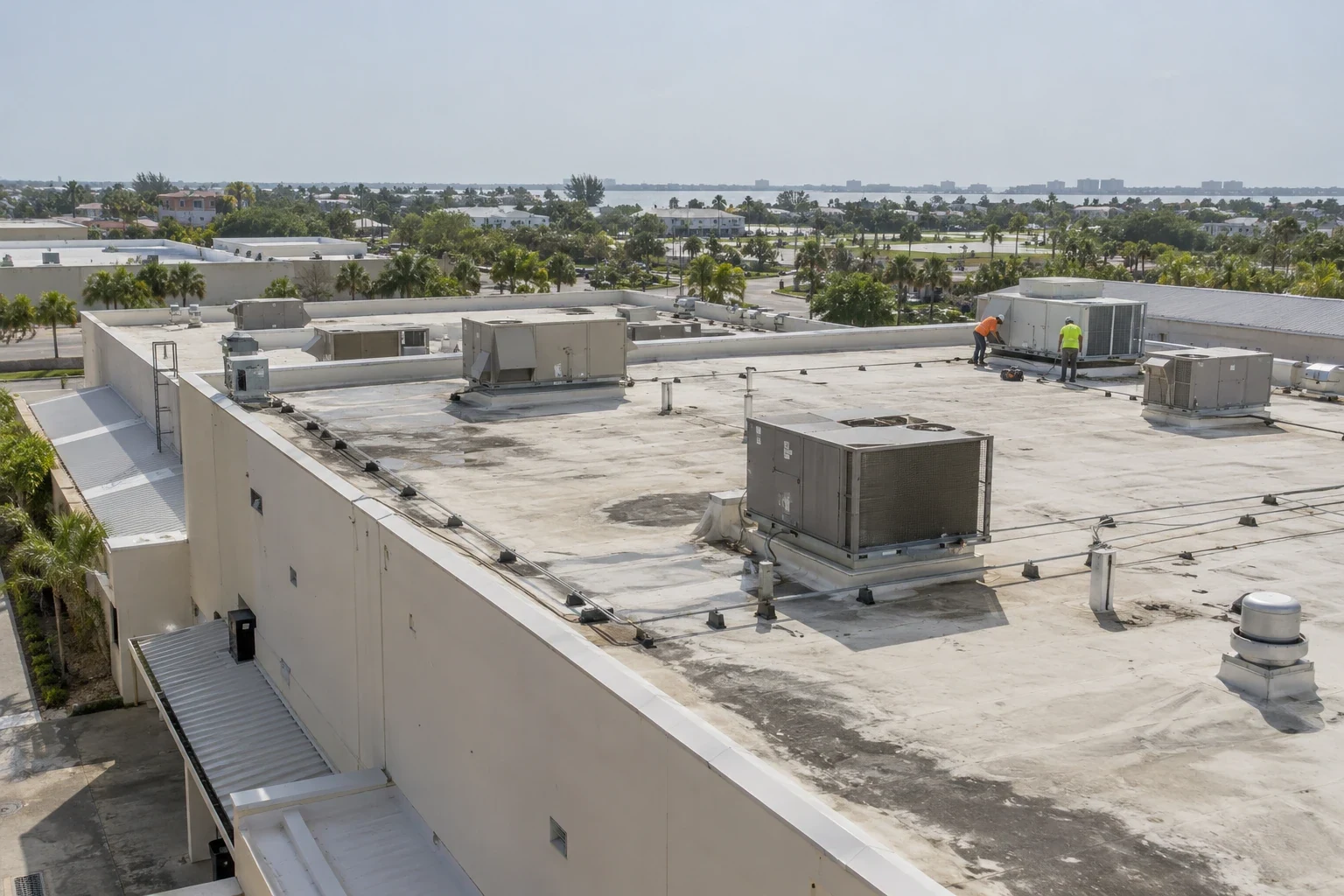
Rooftop HVAC, exhaust, conduit, and antenna systems can remain in service while adjacent areas are rebuilt, if the project plan allows. We mark units, service routes, and areas where shutdown or movement is needed. A curb and support inspection can document roof interfaces before reset. The equipment provider handles its disconnect and operation.
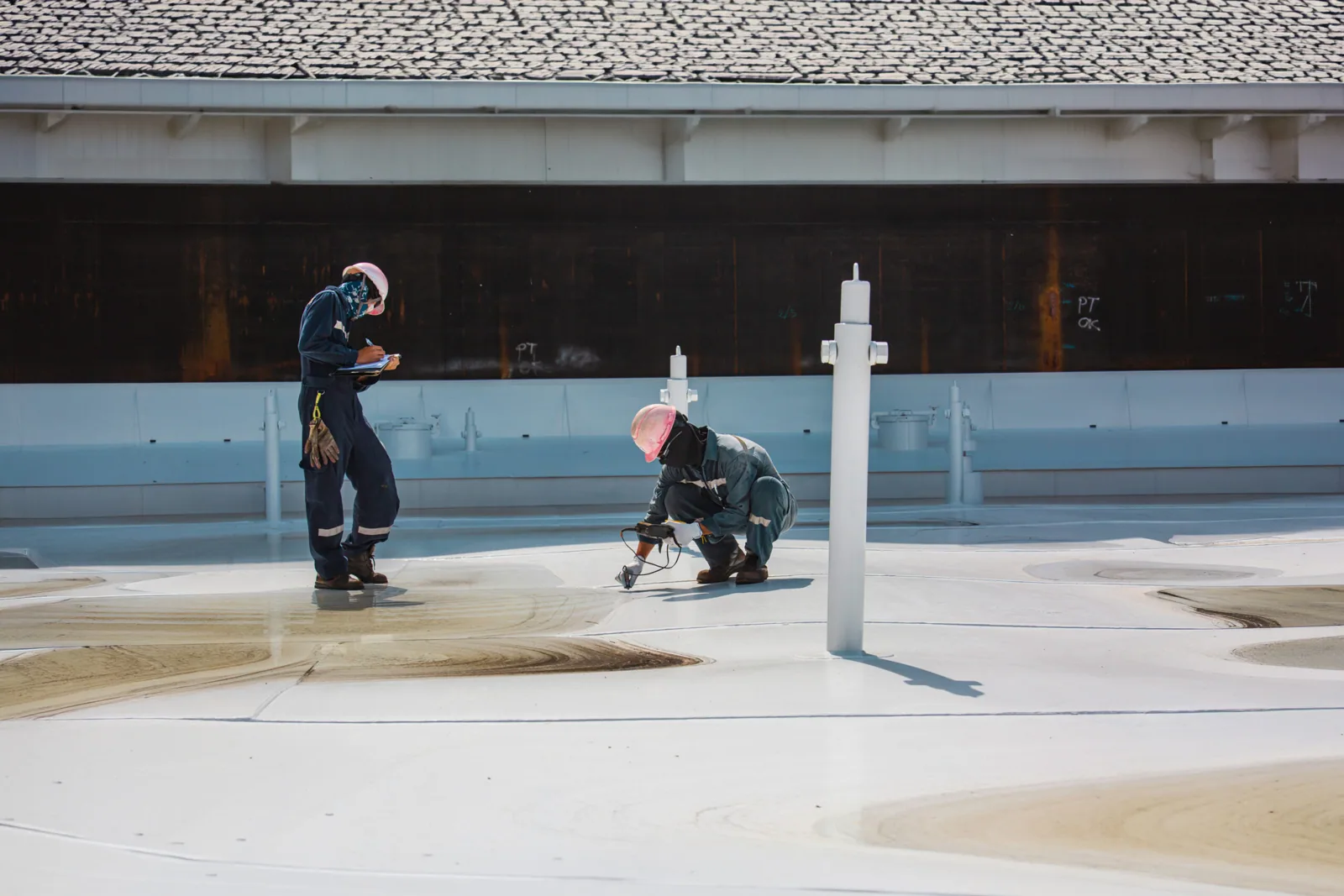
Once the roof opens, exposed deck, attachment, insulation, and moisture conditions may differ from the available record. The crew photographs each finding and marks the roof zone. If added removal or deck work is needed, the authorized contact reviews the scope before permanent expansion. The proposal describes how concealed conditions will be priced and scheduled.
Interior protection needs to match the work above. Ceiling systems, inventory, medical equipment, production lines, and tenant improvements may have different risk. We confirm which spaces are sensitive and when they can be accessed. A test opening, if planned, is limited to its stated location. Its result does not establish the condition of unseen areas elsewhere.
If active water requires immediate action, we document the temporary measure first. Permanent repair follows when materials, weather, and access allow. A emergency roof response can address urgent water entry outside planned production hours. A repair scope can define isolated conditions found during the reroof.
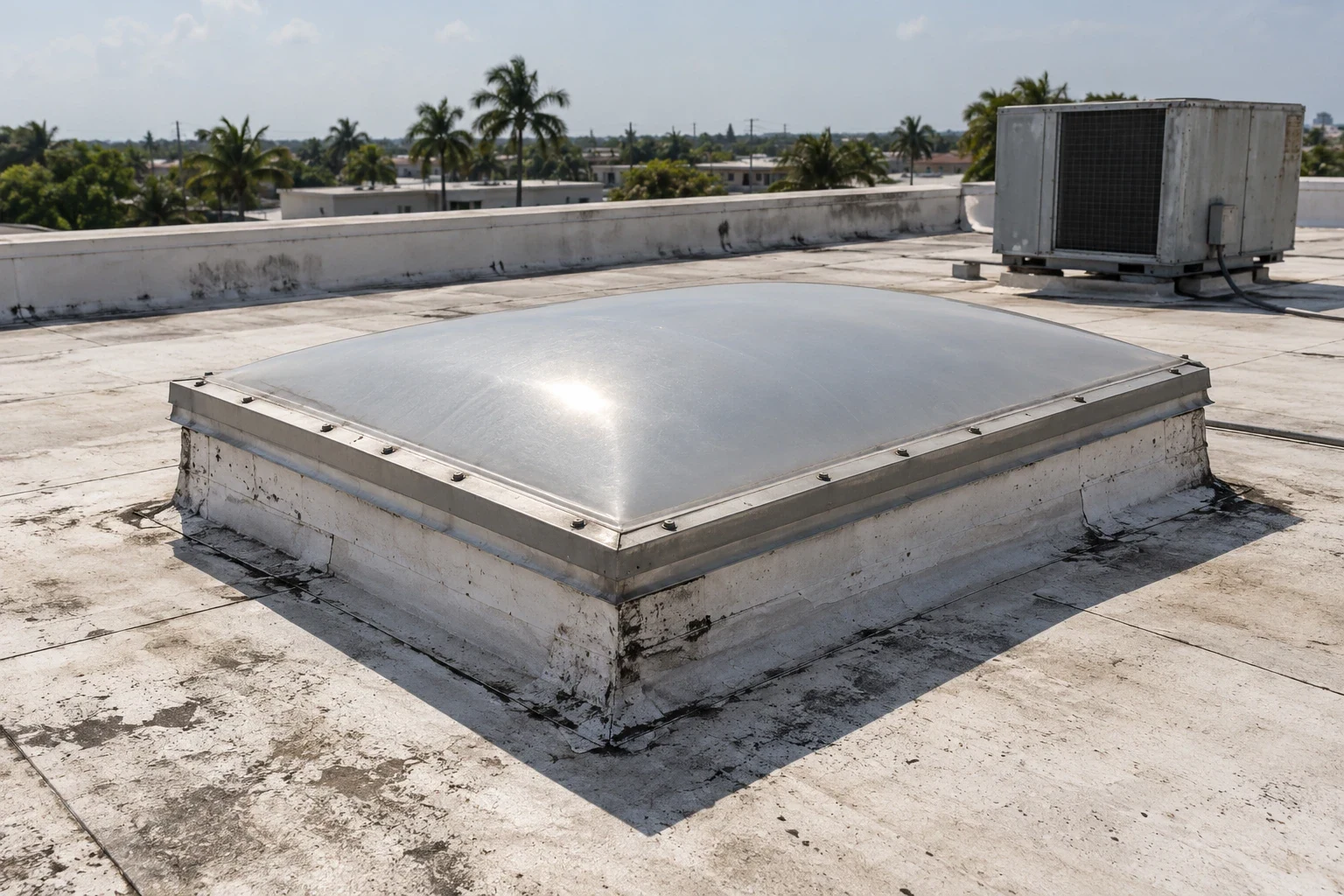
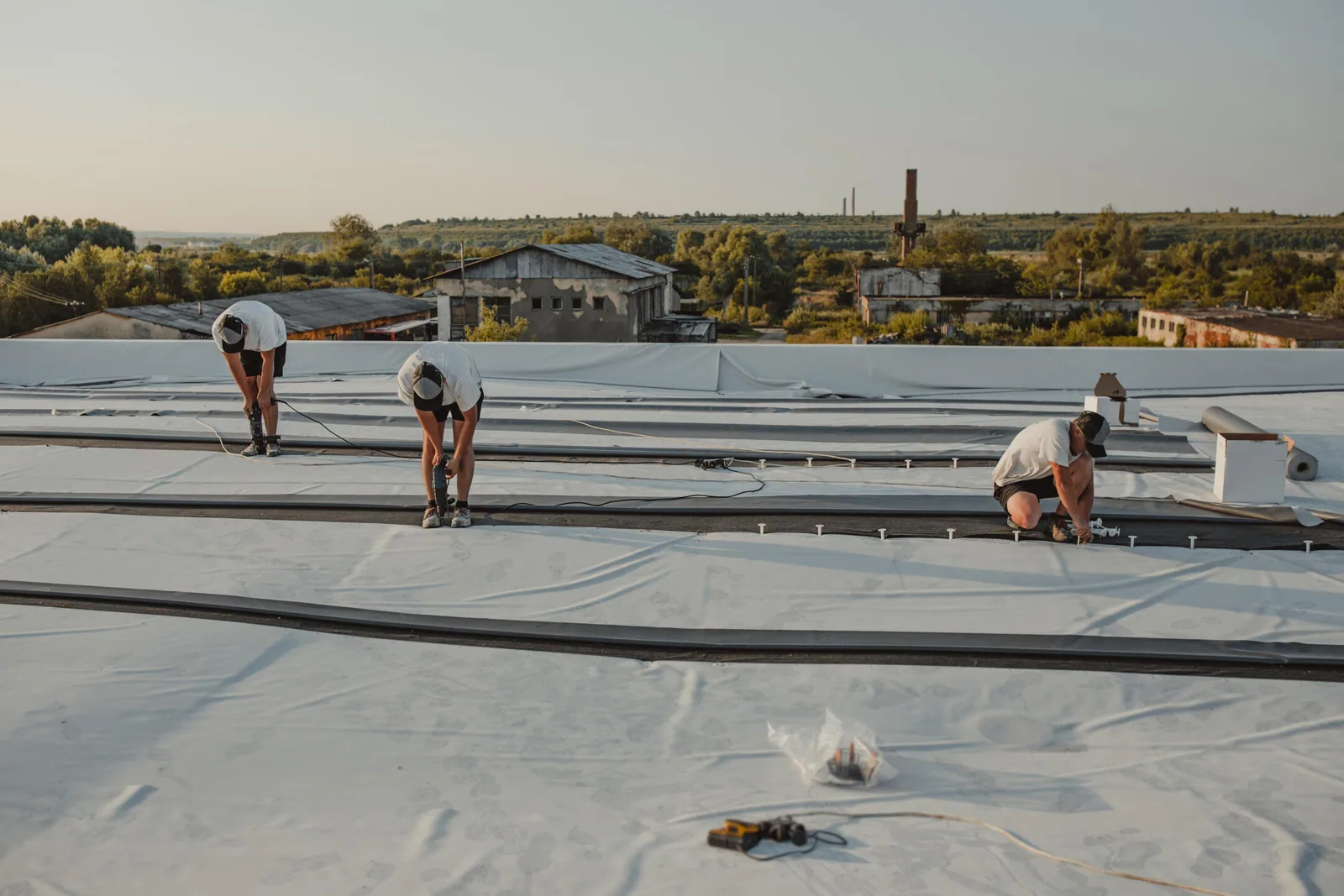
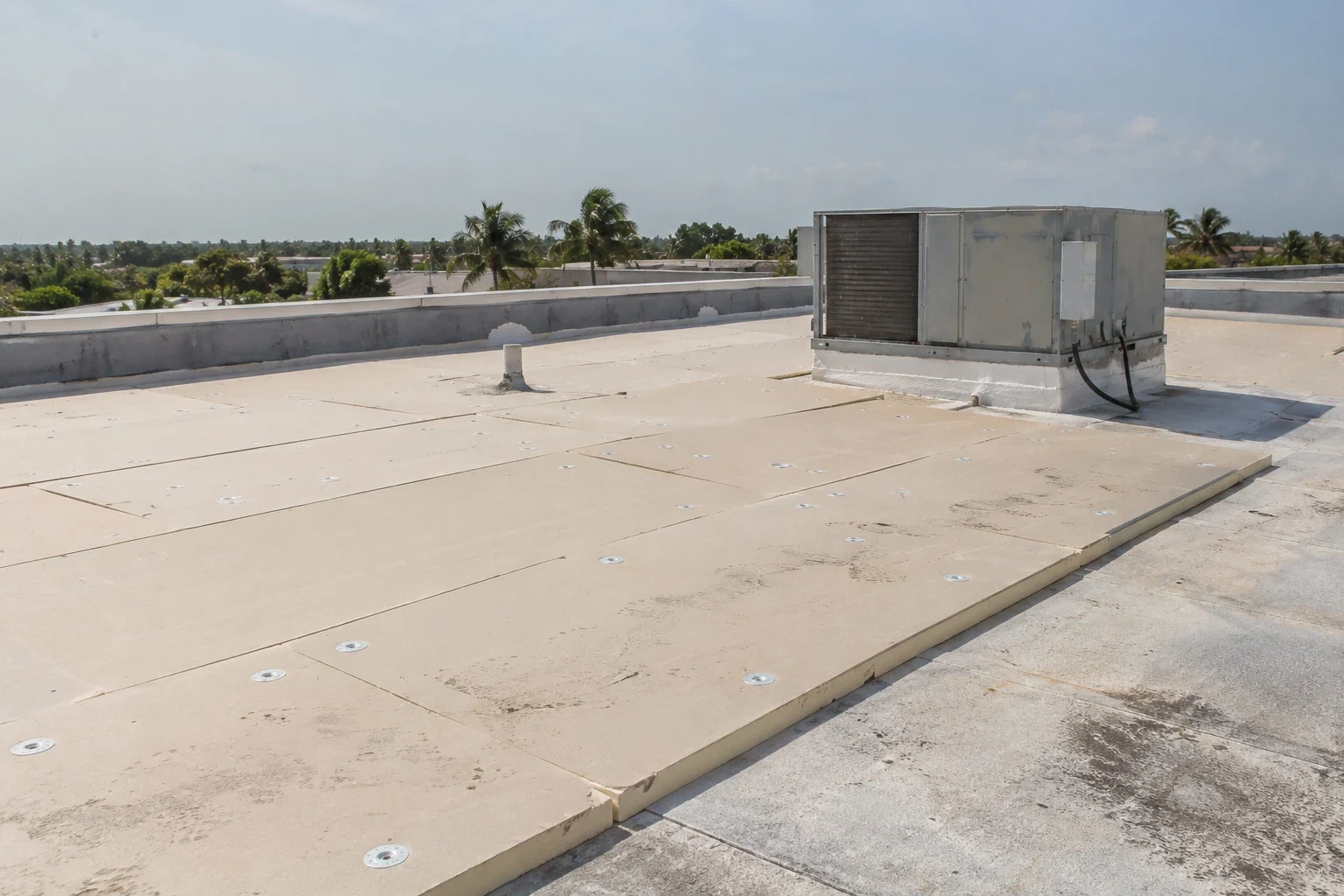
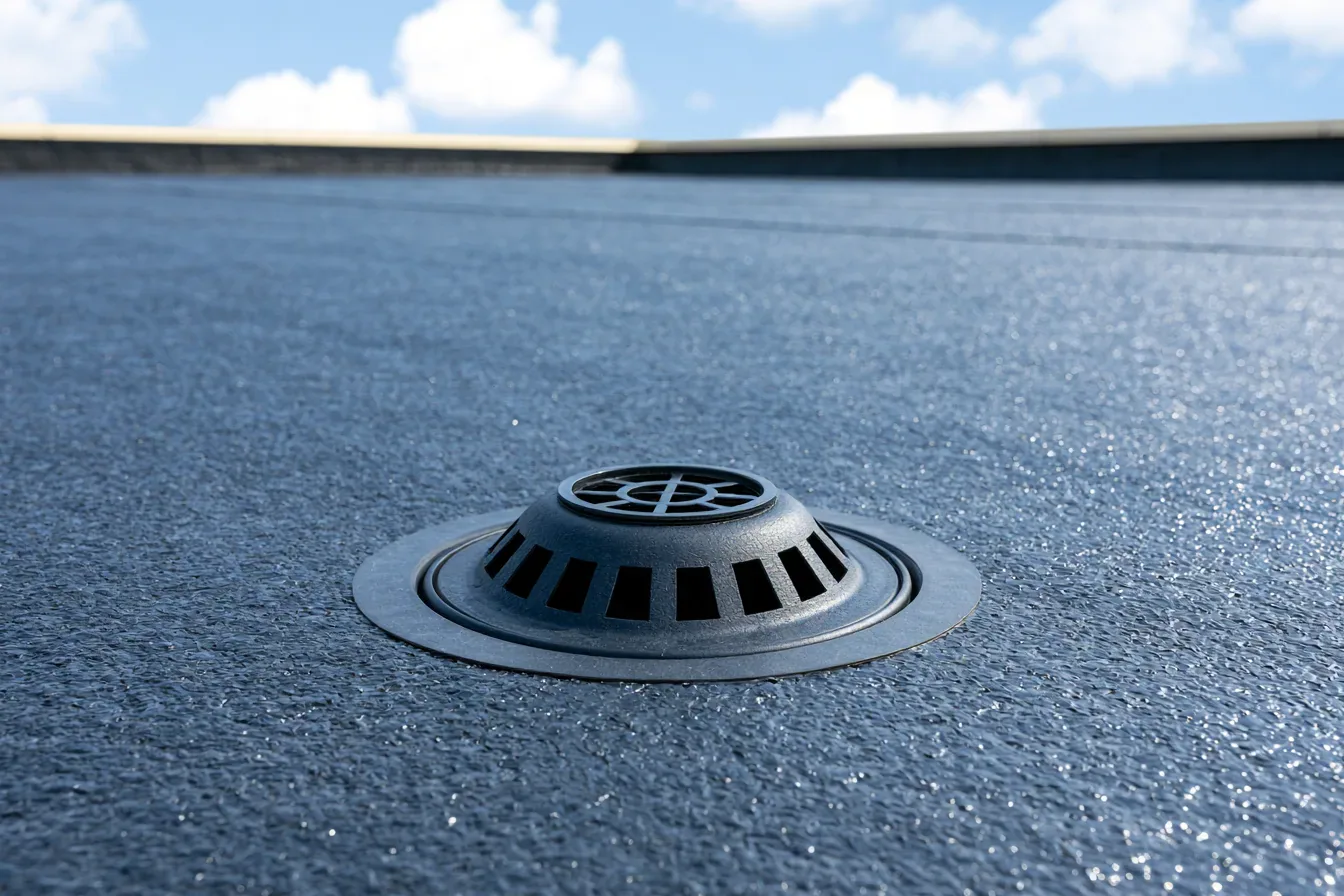
New assembly selection follows deck, slope, drainage, building use, and project requirements. The scope identifies membrane or metal, insulation, cover board, attachment, edges, penetrations, and tie-ins. Each completed zone receives checks before the next area opens. Seams, flashing, curbs, drains, and terminations are photographed by location.
Wind and heavy rain are part of Palm Bay's regional exposure. The installation record should show how edges and openings were completed under the specified system, not claim performance outside the observed work. Florida's 2023 Building Code took effect statewide on December 31, 2023. Project-specific review covers code and product requirements; the field closeout records what was installed.
Schedule crane picks, delivery routes, equipment resets, and tenant notices together. A cover-board and insulation review can document the planned assembly. A drainage review can check outlets and overflow routes before closeout.
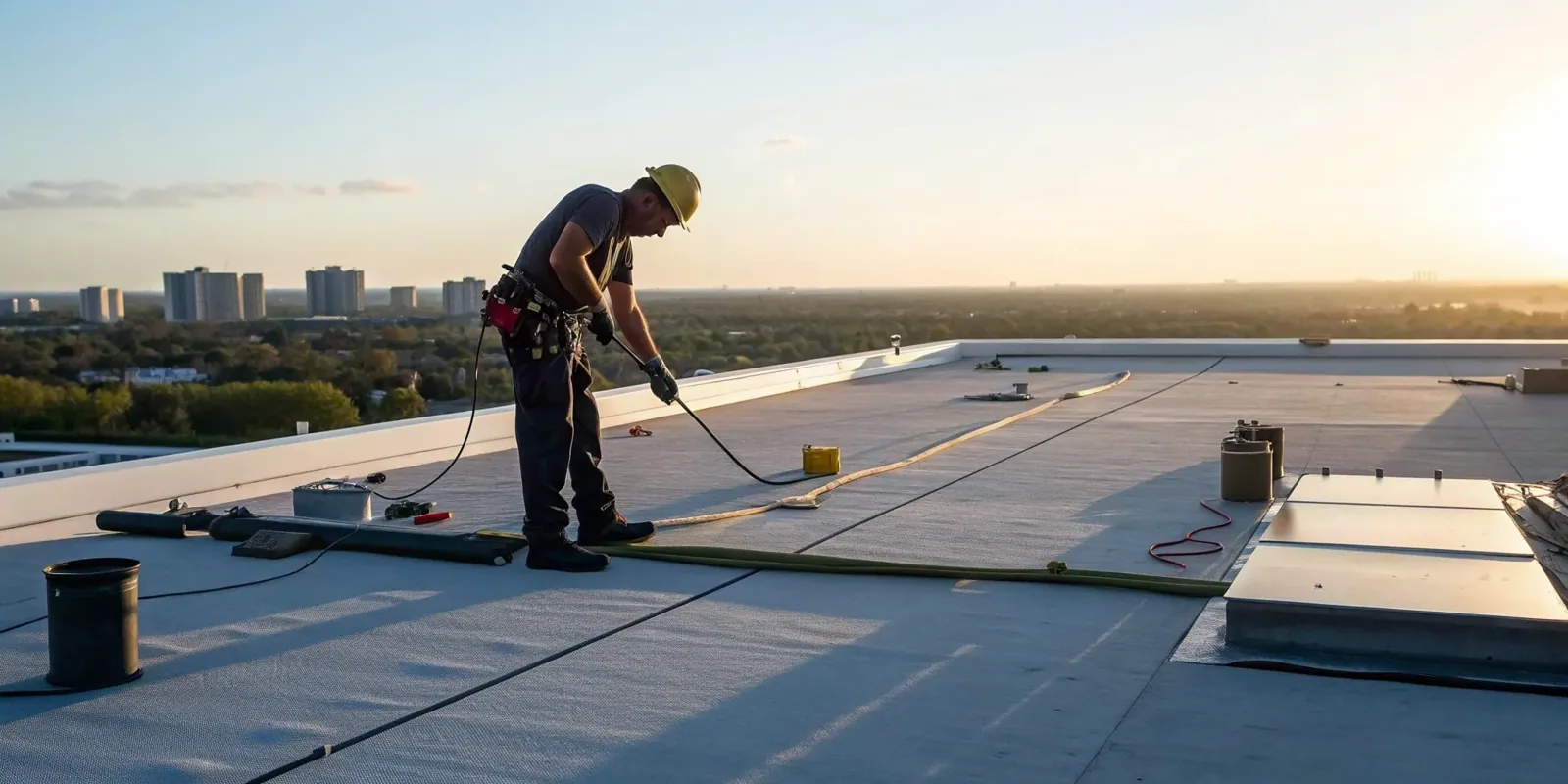
At the end of each shift, the handoff identifies completed zones, temporary protection, open conditions, next-day access, and any tenant impact. Photos show the boundary that was closed. The site contact receives changes that affect interior use or deliveries.
Final closeout lists materials, roof sections, approved concealed-condition work, photographs, exclusions, and remaining follow-up. Temporary protection remains identified as temporary until it is removed or replaced by a permanent detail. If an interior leak returns, the owner provides a new event date and location for a separate inspection.
For multiple buildings, keep a distinct sequence and record for each address. A multi-building roof program can coordinate inspections and closeout actions. A Palm Bay Hospital campus record can preserve property-specific access and phasing details for future work.
Learn more →
Learn more →
Learn more →
Learn more →
Learn more →
Learn more →
Learn more →
Learn more →