
Black residue at a roof opening is not the full fire-damage record. Heat can affect membrane, insulation, deck, flashing, and nearby equipment. Suppression water can introduce a second moisture path. We separate those conditions in the inspection notes and record the event date, affected roof zone, access limits, and any active exposure. Work begins only after the property is released for safe roof access and the inspection boundary is clear.
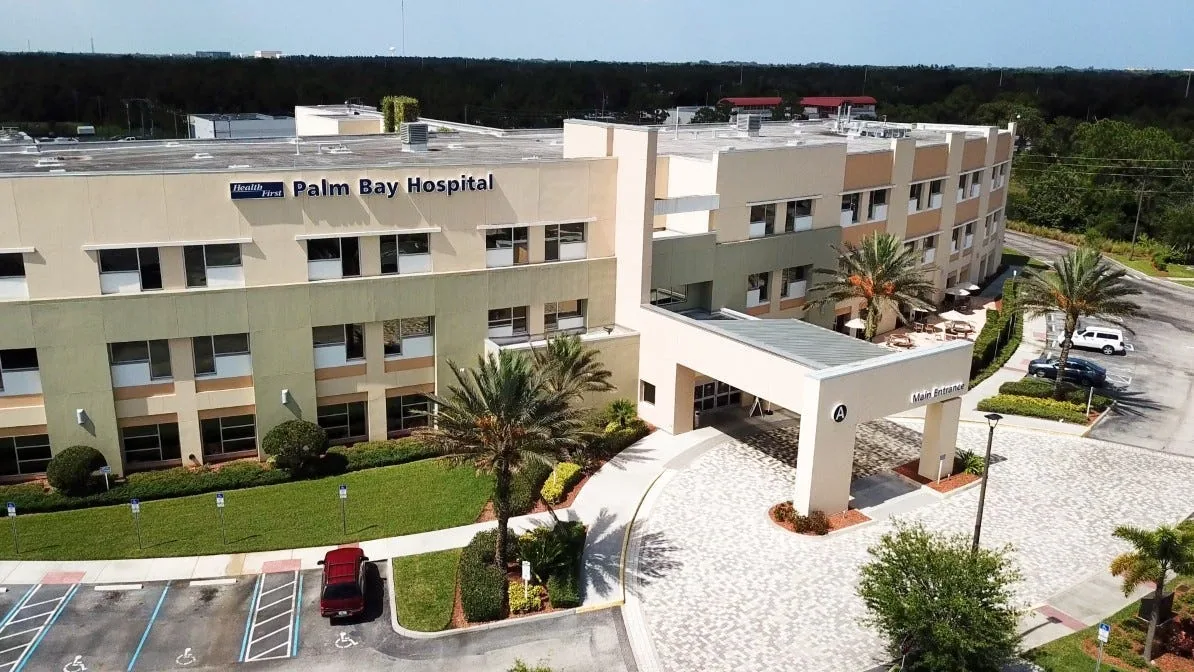
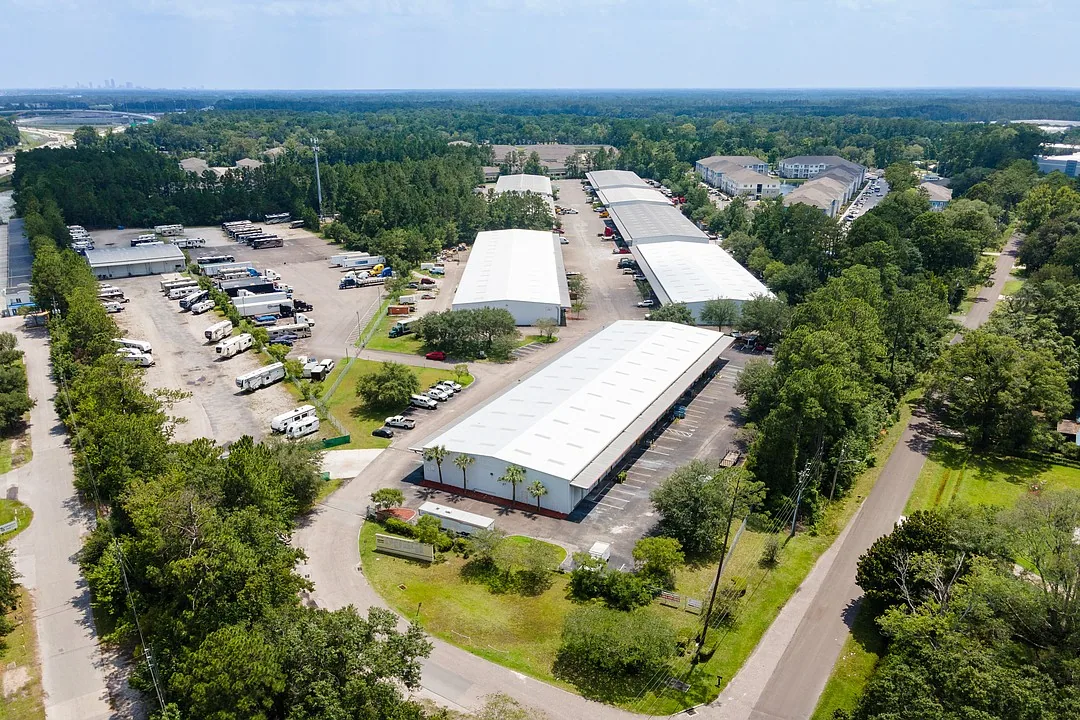
Palm Bay Hospital is on Malabar Road, and Port Malabar Industrial Park contains active industrial, office, retail, and other commercial listings. These places show a varied local building mix, not the condition of any particular roof. After a fire at an occupied property, access and operations can change by the hour. We coordinate the roof assessment with the building contact and document what can be reached. A reported fire, smoke odor, or interior stain is recorded separately from damage confirmed on the roof.
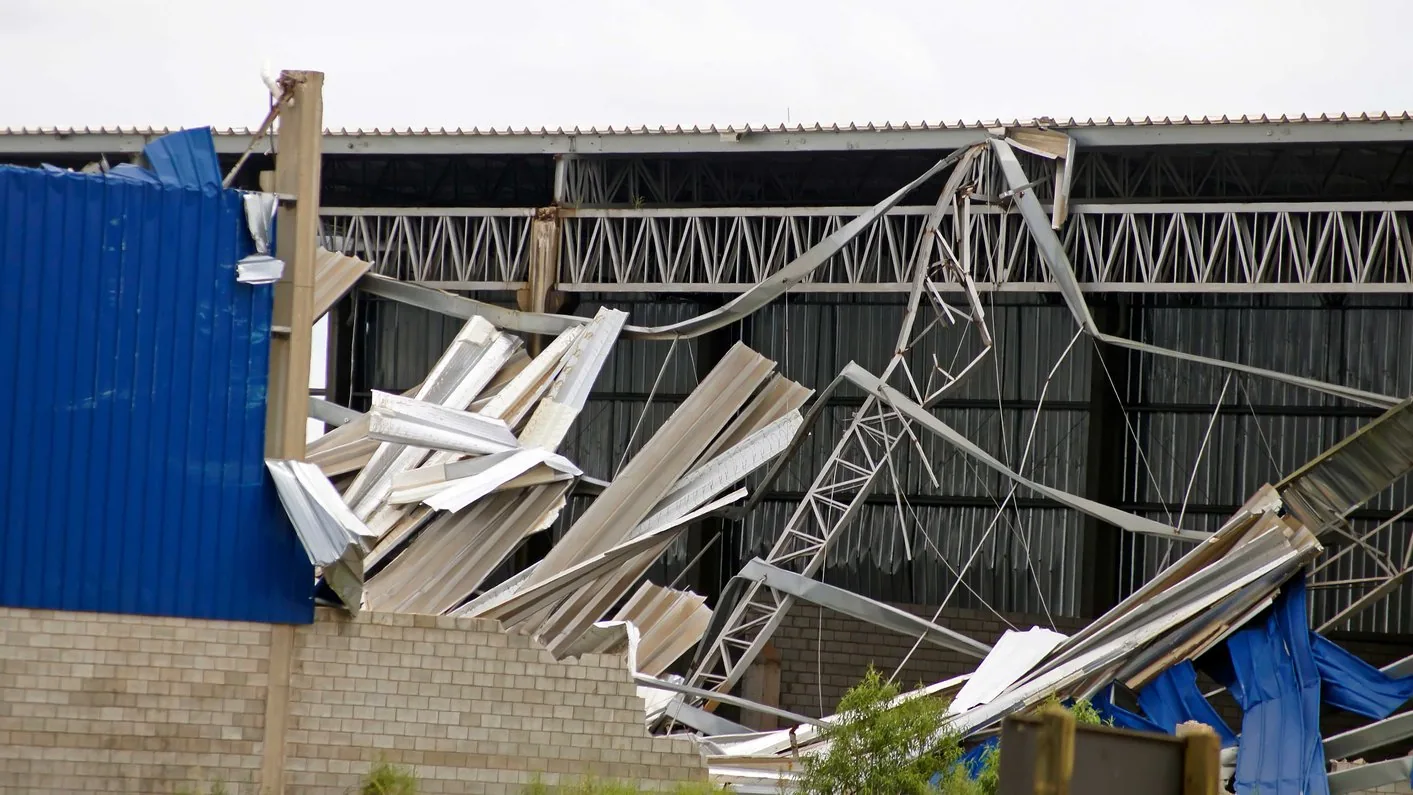
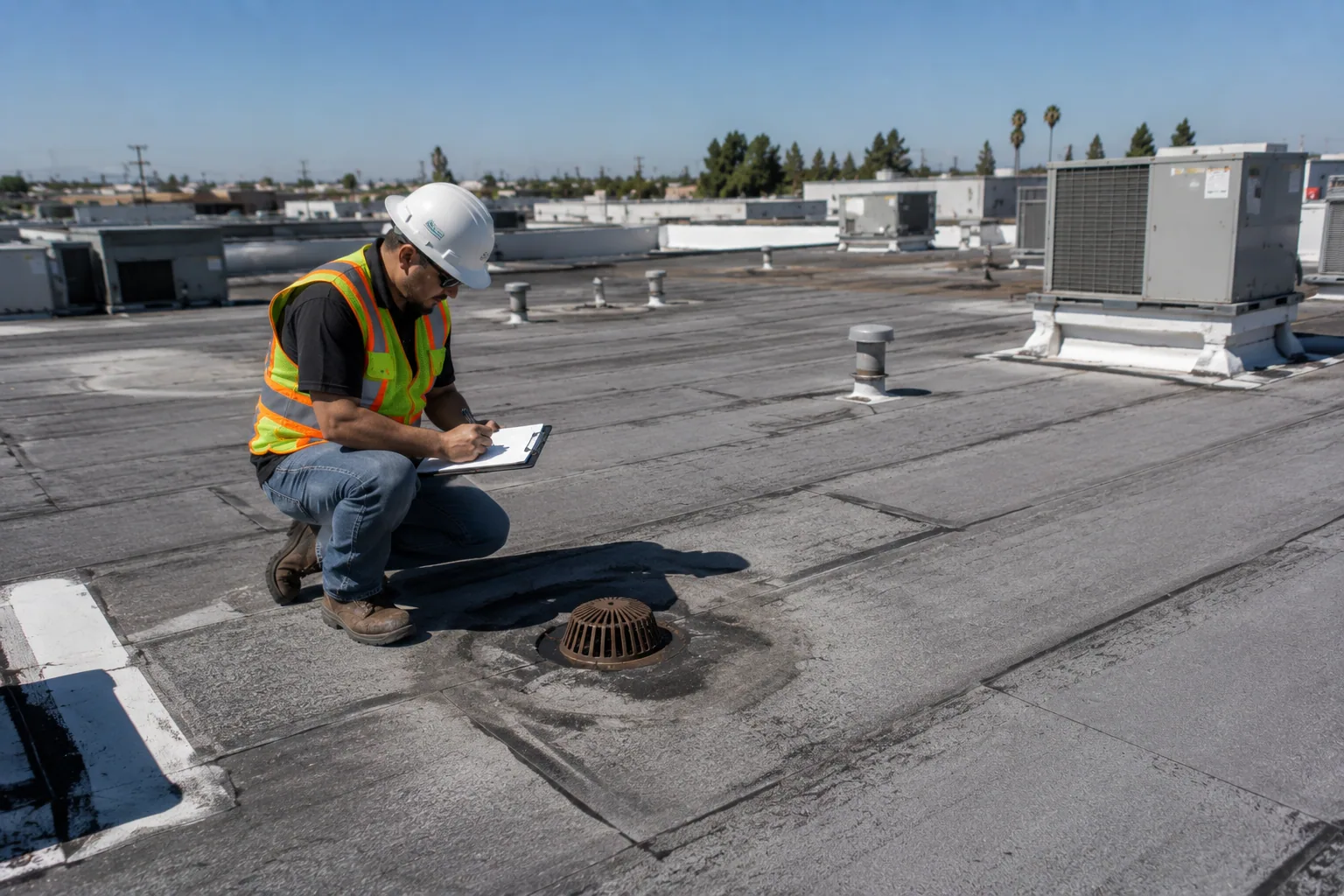
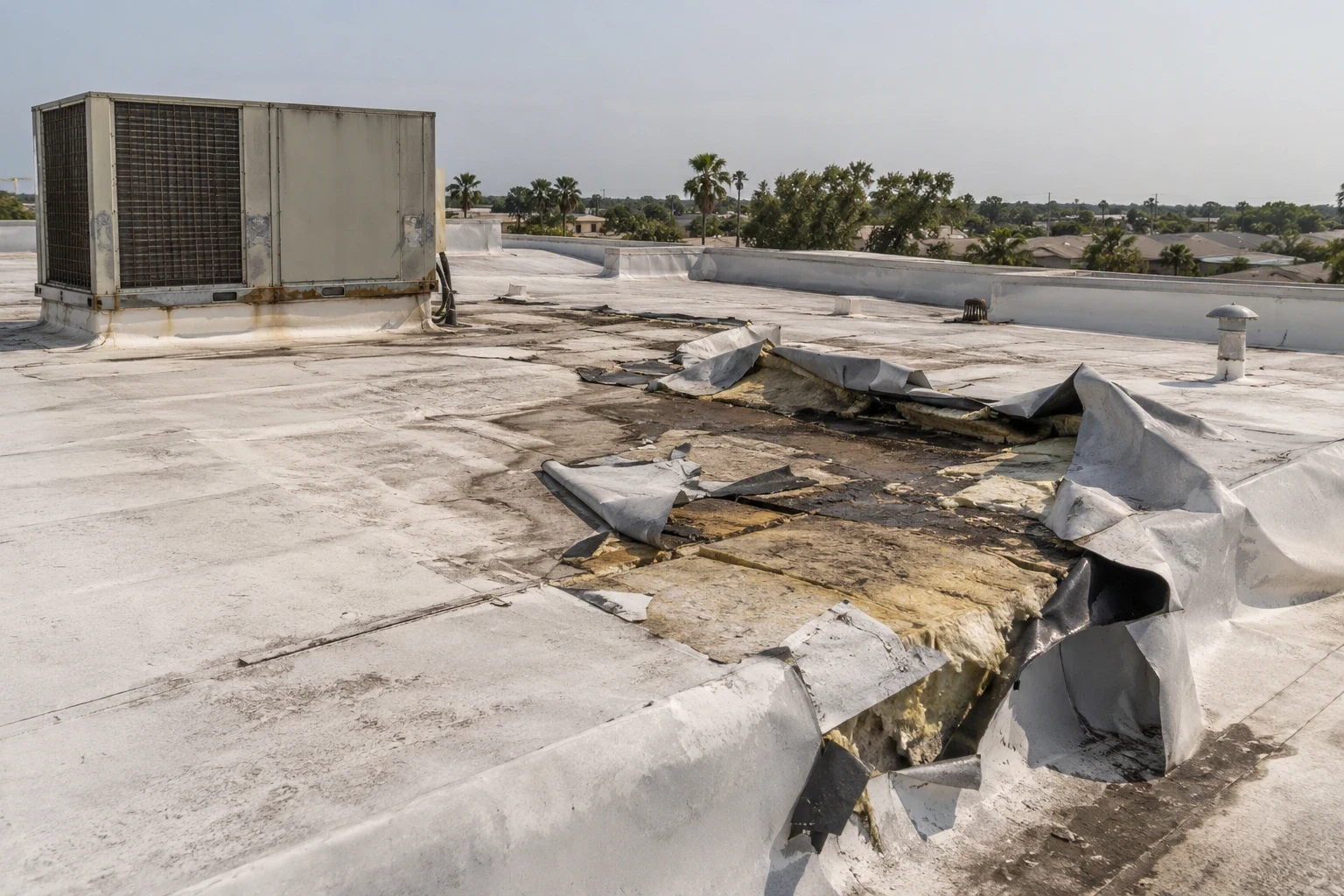
We inspect the roof surface for blistering, melting, char, coating change, punctures, and damage to penetrations or edge details. The record identifies what is visible and where the condition starts and stops. Smoke residue can spread beyond a burn area, while suppression water can migrate through openings or drainage paths. We note each finding separately rather than treating every affected roof zone as one failure. Interior reports are matched to the roof only when the evidence supports that connection.
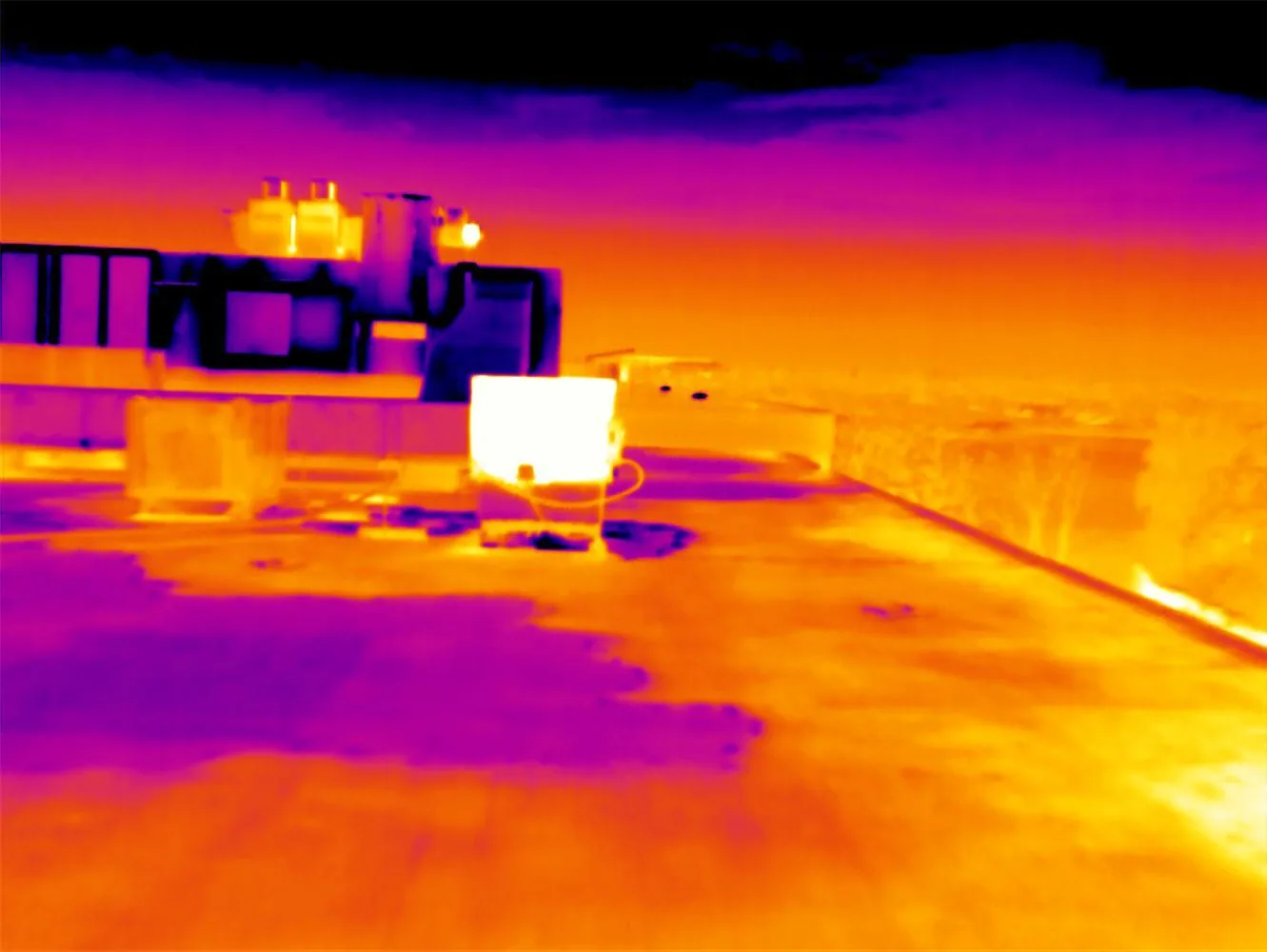
Fire response and restoration work can leave debris, equipment, and temporary openings. We confirm site access before climbing and record any restricted areas. A roof photo shows the surface; insulation and deck require separate testing. Where heat or moisture may have entered the assembly, we identify a moisture survey or test opening that can answer the question. If wind or storm damage also appears, a separate wind assessment keeps those findings distinct. For a cyclone report, the hurricane inspection records its own event and roof evidence.
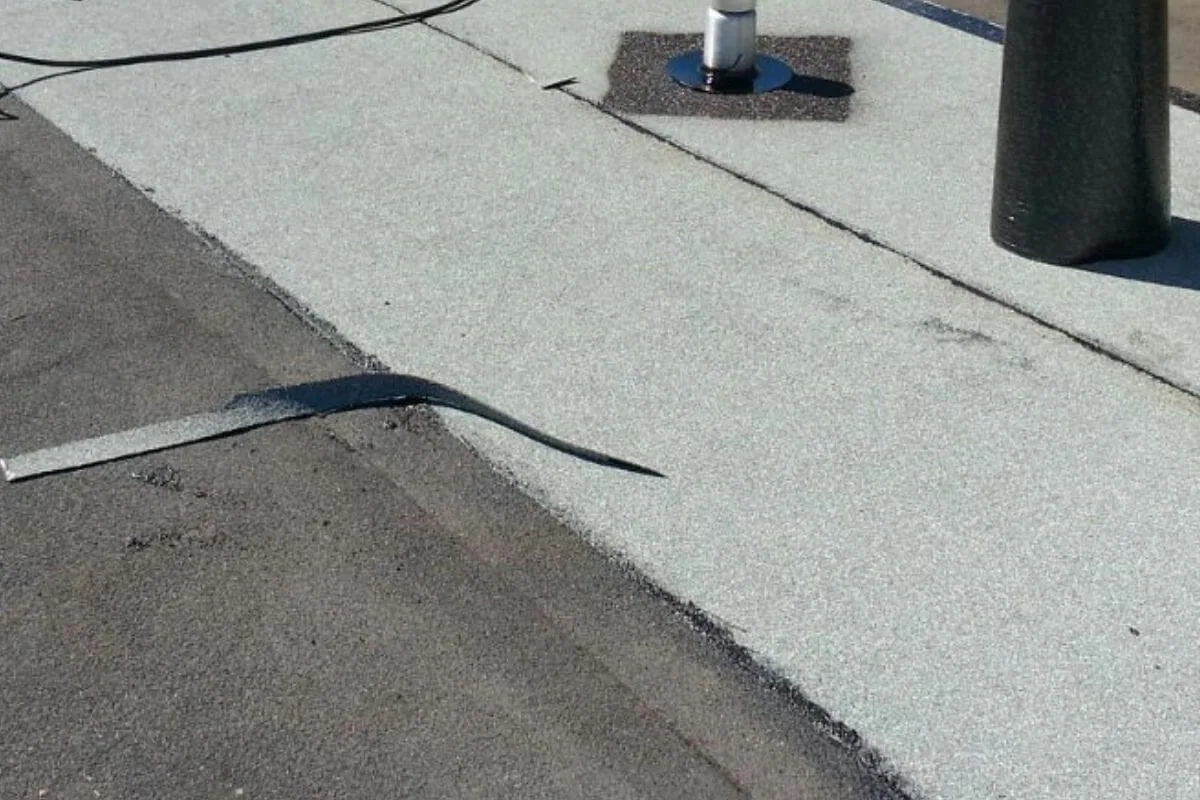
Commercial roof assemblies can include membrane or metal, cover board, insulation, vapor control, and structural deck. Fire exposure may affect only a surface detail or may extend beneath visible discoloration. We inspect seams, wall transitions, curbs, drains, and fasteners around the reported area. Any change in softness, attachment, or surface integrity is mapped. If the roof includes a coating, residue and heat can complicate adhesion for a later repair, so preparation and test patches may be required.
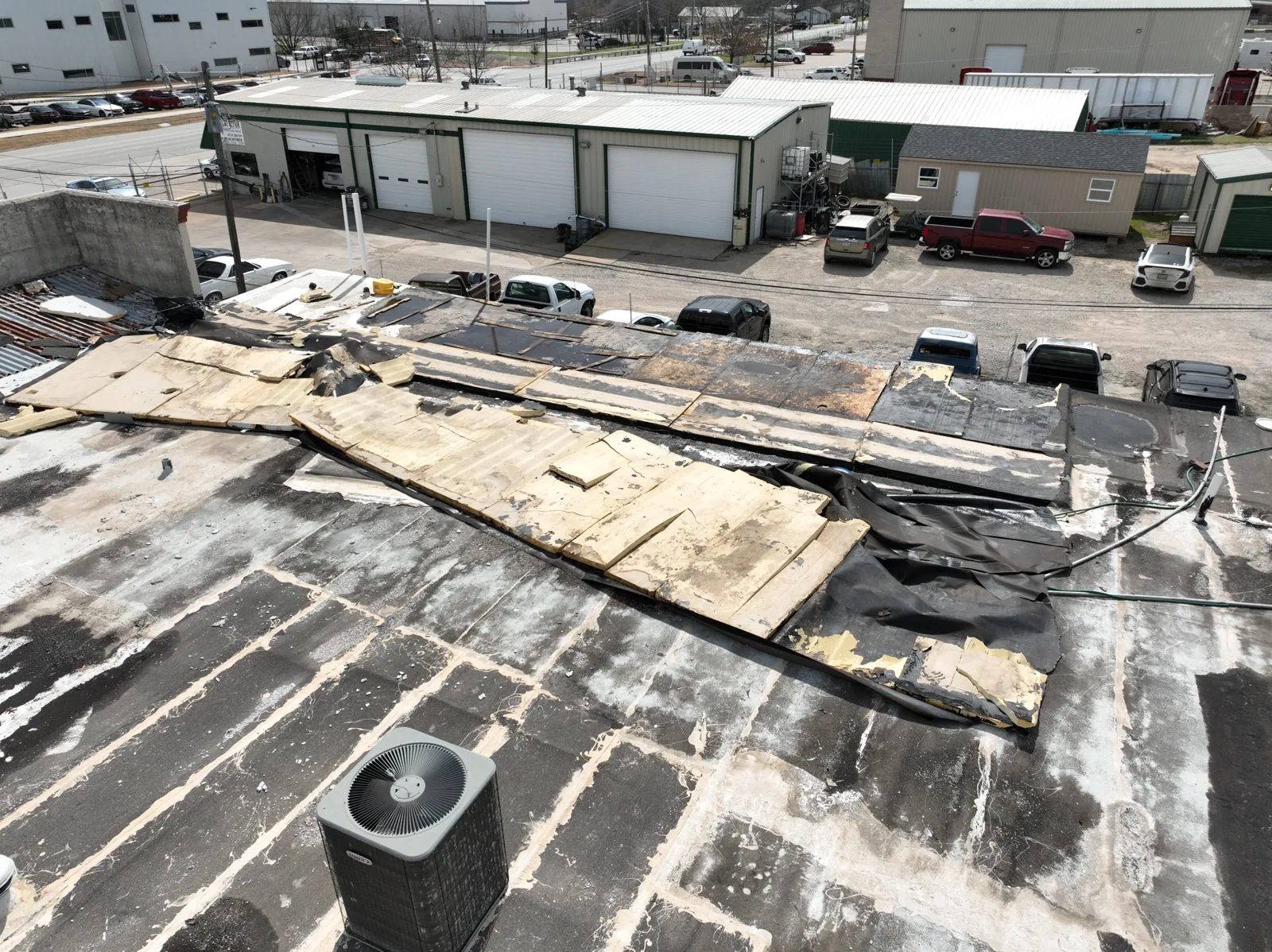
A localized repair may be adequate where surrounding materials remain stable and the damaged boundary is clear. Replacement or broader removal may be necessary if the assembly is charred, delaminated, wet, or unable to accept a sound tie-in. The scope states what is visible and what remains concealed. A moisture survey can identify areas for further investigation, but testing method and access limitations remain part of the record.
If a roof opening remains after the incident, temporary protection limits further weather exposure while permanent work is planned. The protection record says what was covered, how it was secured, and what weather conditions could affect it. It also gives a return date or trigger for reinspection. Temporary coverage is not described as a permanent repair, and it does not confirm the condition of the materials below it.
Melbourne station averages provide a regional weather reference; fire response still depends on site release, safe access, and the damage observed at the affected building. Those records help frame weather exposure, but the work plan follows current conditions at the address. We confirm the access window and next inspection step with the facility contact before scheduling repair work. At an institutional property such as Palm Bay Hospital, the access contact, occupied areas, and service continuity are recorded before repairs begin.
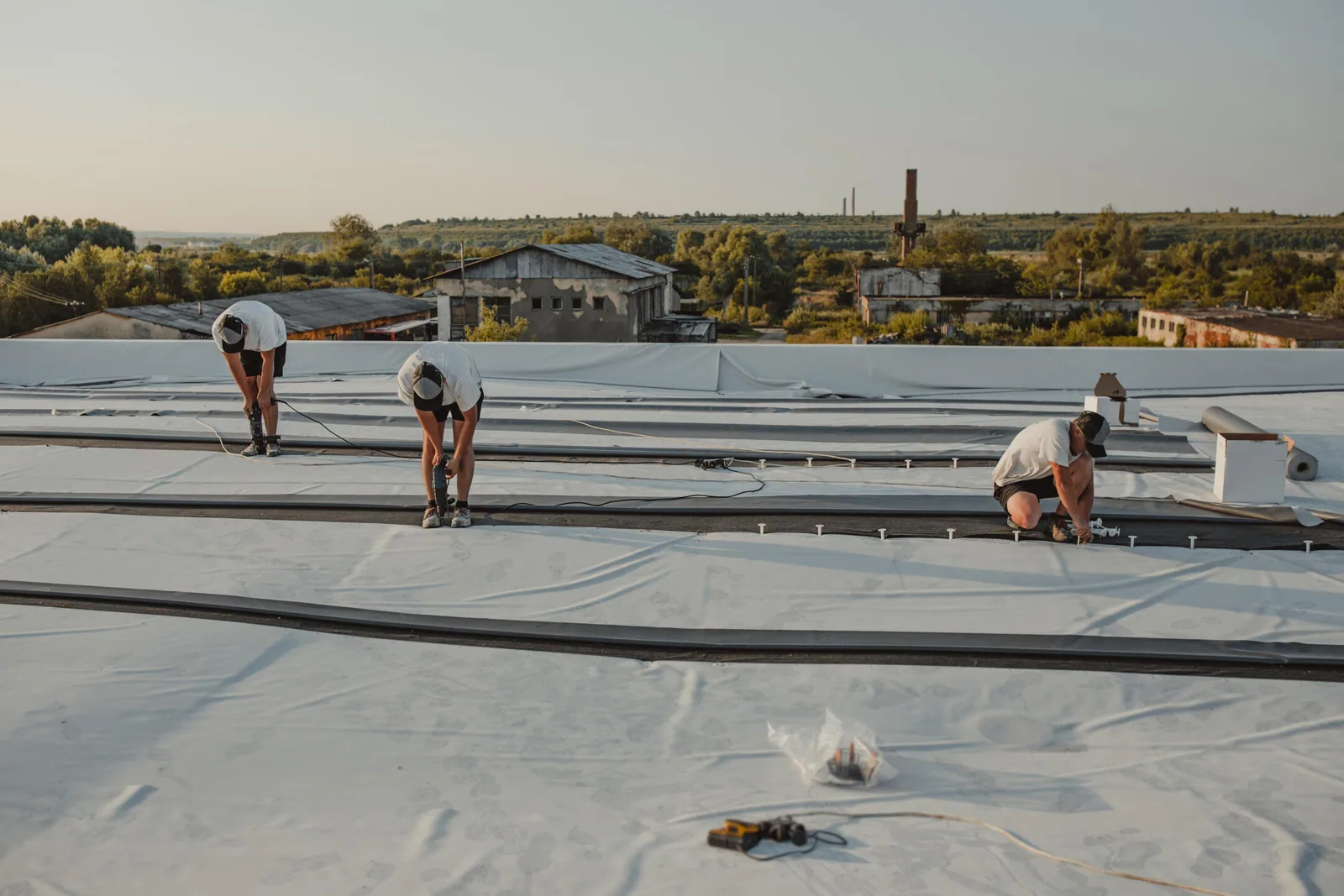
Fire-related roof scope can include removal of damaged membrane, replacement of insulation or cover board, new flashing, and tie-ins to sound material. Smoke cleaning or building restoration may fall outside the roofing work. The proposal identifies the roofing tasks, access method, repair boundary, and any test opening. If the inspection uncovers a second layer of damage, we photograph it and present the changed condition before the scope expands.
Timing depends on release for access, structural or environmental clearance where required, material availability, weather, and the amount of assembly that needs removal. Cost depends on the same facts plus disposal, protection, and occupied-building coordination. A commercial repair scope can handle a limited area, while a replacement decision should be based on inspected extent rather than a smoke report alone. The record supports a measured decision and claim documentation without promising a coverage result.
The closeout package shows the original reported condition, roof zones inspected, photographs before and after work, materials installed, and any areas that remain inaccessible. It distinguishes heat effects from smoke residue and suppression-water findings. A follow-up visit can check the repaired boundary and unresolved moisture locations. The owner receives a clear list of completed work and remaining actions, rather than a broad statement that fire damage has been fixed.
For properties among the listings in Port Malabar Industrial Park, the operating tenant may need roof access coordinated with response and recovery work. A similar plan applies to offices, retail, and healthcare uses elsewhere in Palm Bay. The record names the contact, access limit, and date of observation. That gives maintenance, restoration, and insurance files a consistent description of what the roofing inspection actually confirmed.
Learn more →
Learn more →
Learn more →
Learn more →
Learn more →
Learn more →
Learn more →