
A shallow pool that remains after rain is a roof condition to measure and trace. The water may point to a blocked drain, a low area, insulation compression, or deflection. Those causes require different work. We record its location, depth where practical, drainage path, and how long it remains after weather clears. The observation is tied to the roof zone and event date, then compared with interior reports and prior maintenance notes.
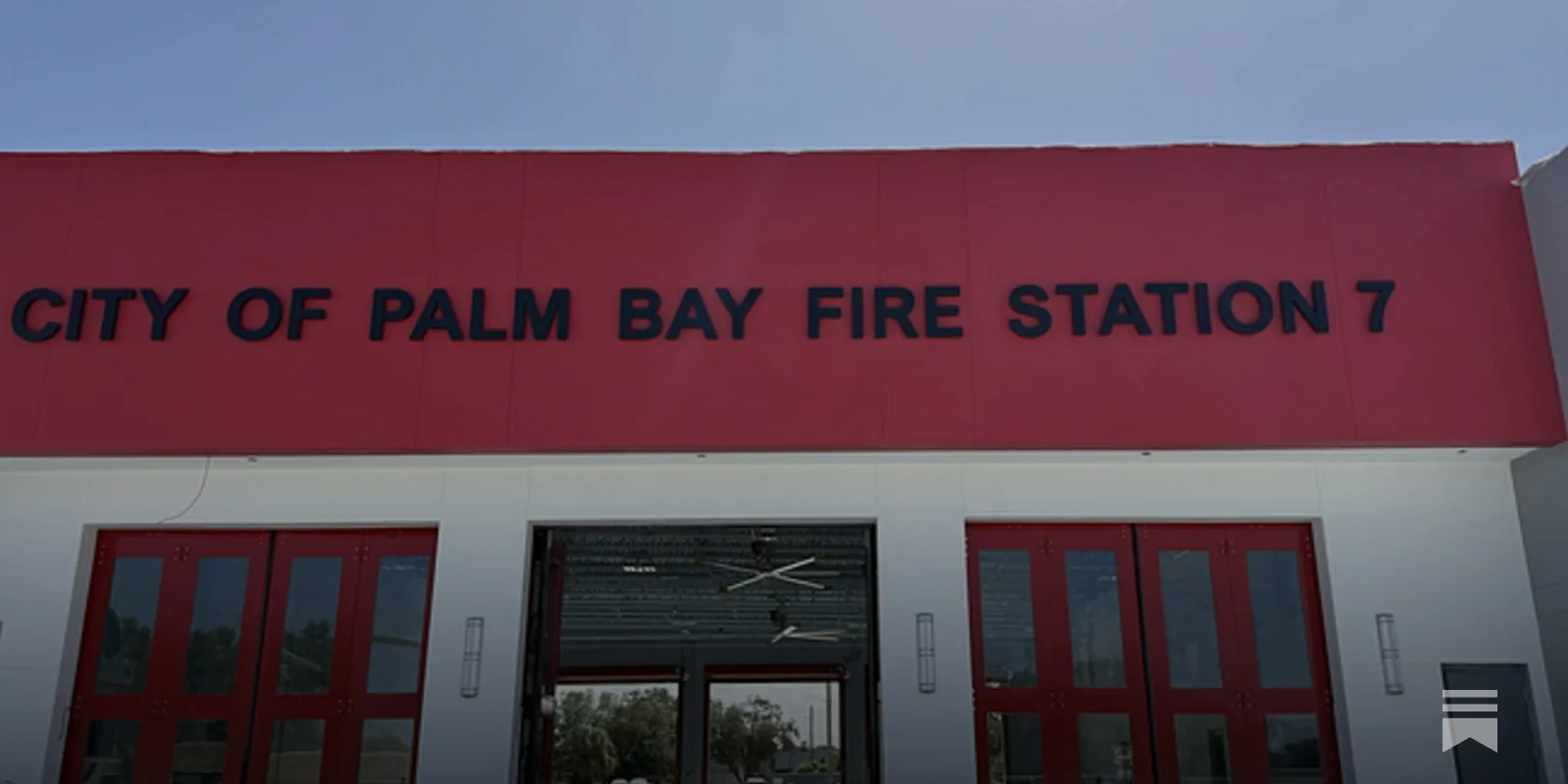
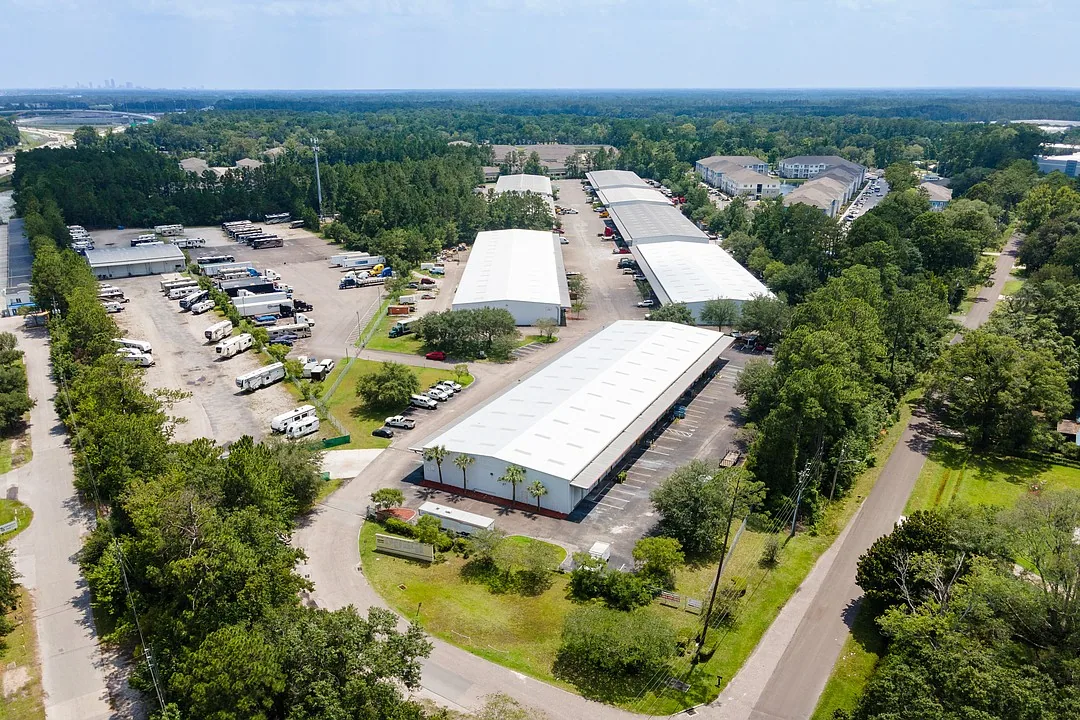
Palm Bay receives frequent warm-season rain. Melbourne's annual rainfall normal exceeds 55 inches; September and June have its highest monthly averages. That regional context makes drainage checks relevant, but it does not identify the cause at a specific building. At Palm Bay Station, retail operations and access differ from a flex building in Port Malabar Industrial Park. Each report needs the property layout, safe access limits, and the actual condition on the roof.
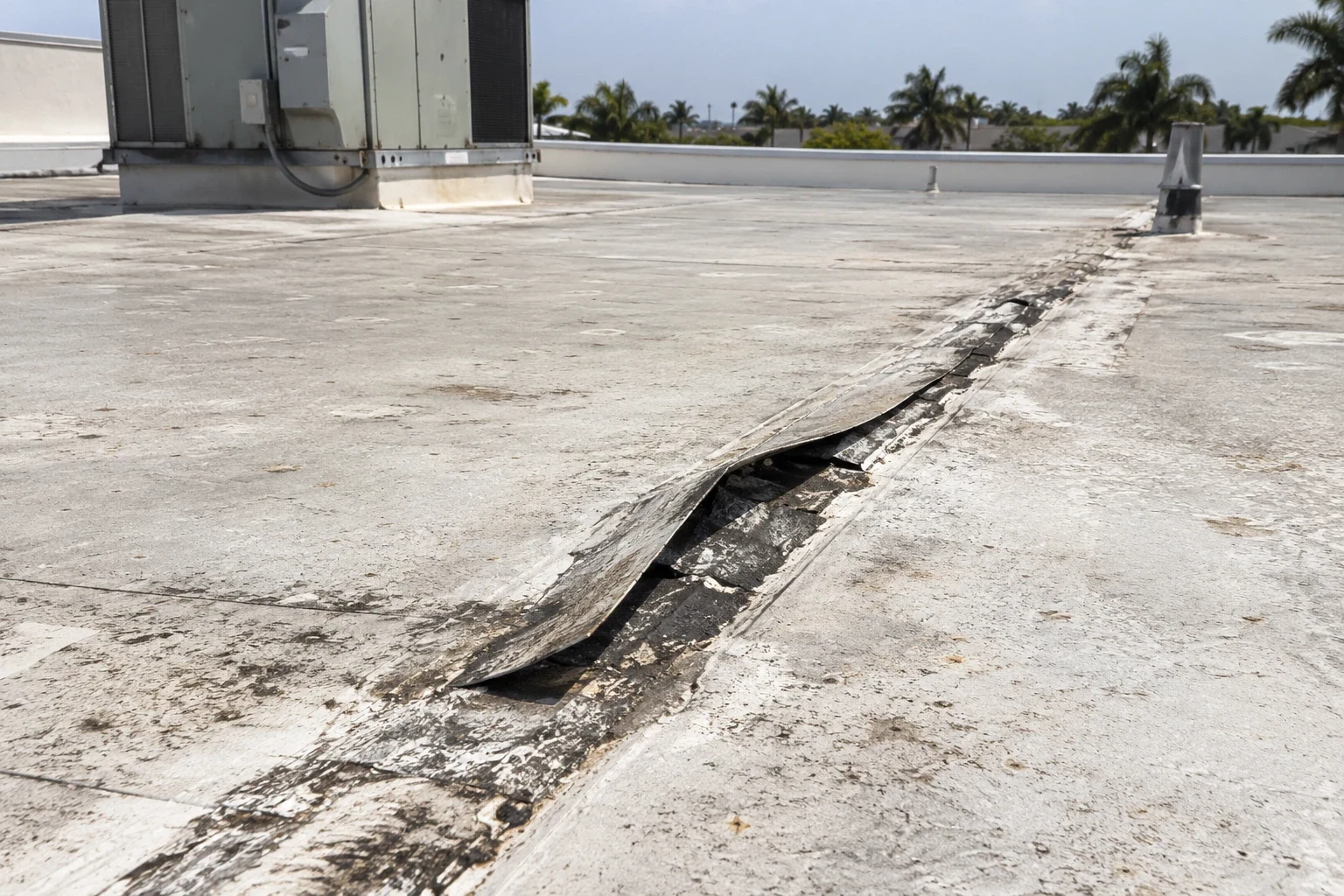
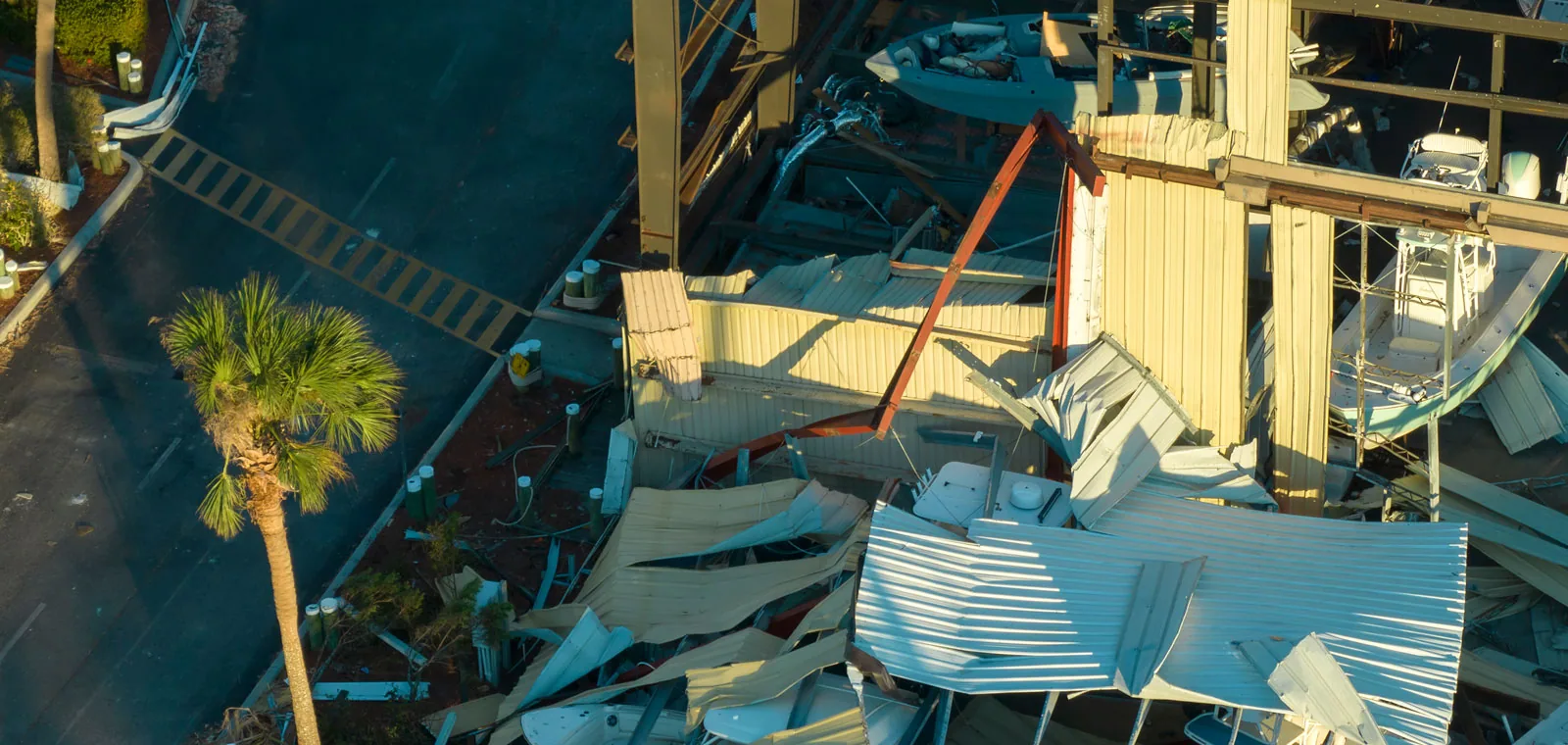
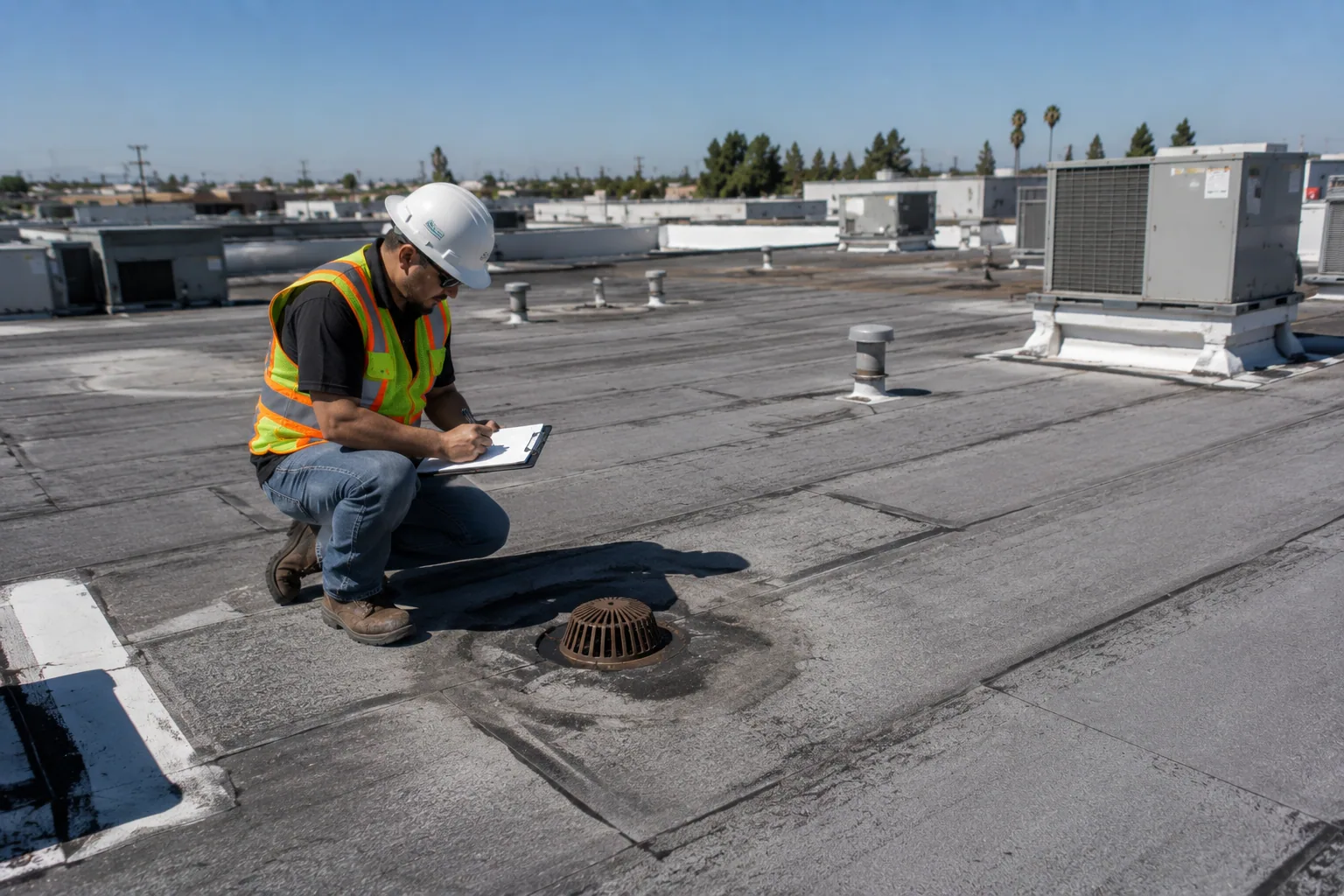
We look for water that remains after surrounding areas have drained, then map the low area against drains, scuppers, seams, penetrations, and roof edges. A wet footprint alone does not prove that the membrane has failed. We inspect for dirt lines, biological growth, displaced ballast where present, open seams, soft spots, and signs of repeated wetting. Photographs show the condition from a fixed view, with a roof-zone label that can be checked during the next visit.
The inspection separates ponding from an active leak. Interior staining below a low point may be related, but water can travel before it appears indoors. A drain and scupper review checks outlet condition and the route water must follow. We note whether the drain is obstructed, undersized for the observed field, or simply lower than a nearby depression. Structural movement requires a separate evaluation when roof evidence suggests it.
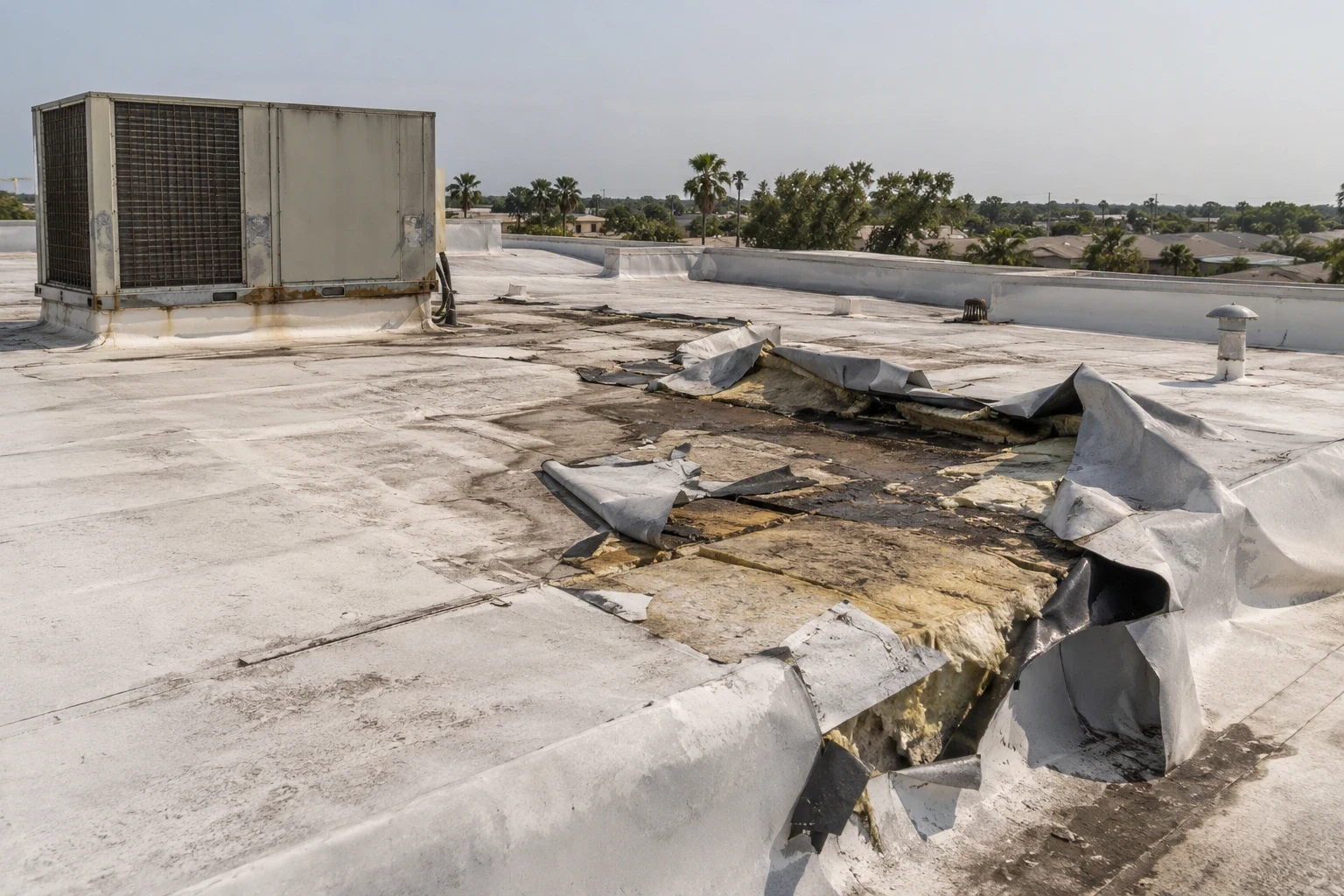
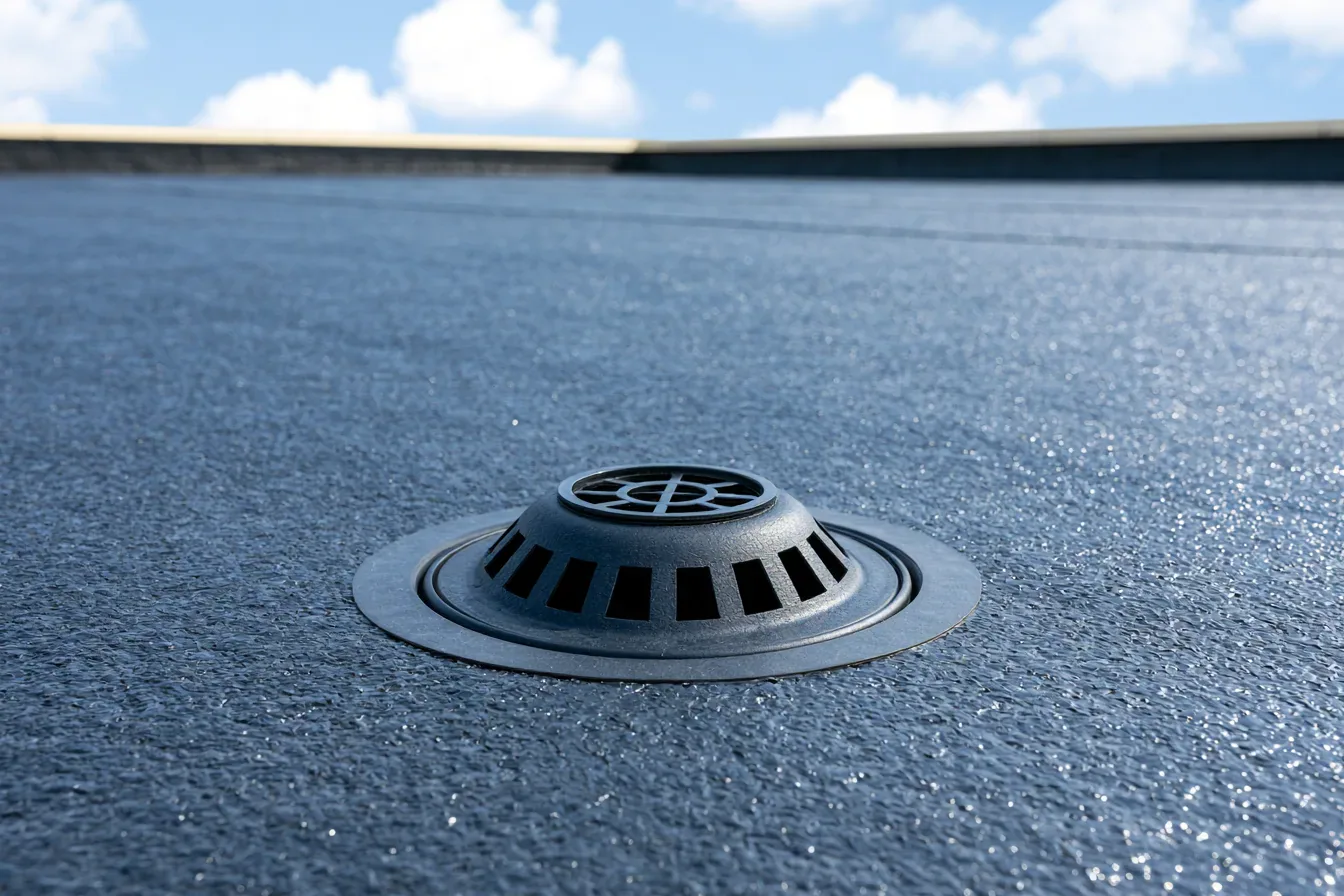
Leaves, construction debris, displaced components, and accumulated sediment can narrow an outlet or block a strainer. We clear only what is within the approved scope, then inspect the drain bowl, flashing, and nearby membrane. The record states whether the outlet flows and what condition remains. A local maintenance plan can include recurring drain checks before the wettest months. That schedule does not replace a repair when the drain connection or surrounding membrane has opened.
Some low areas persist after the outlet is clear. We compare the roof plane, insulation firmness, deck transitions, and adjacent areas to determine whether water is trapped by a localized depression or a larger slope issue. Palm Bay Road retail listings include multi-tenant properties, where work zones and access windows may need coordination. A preventive maintenance program can record repeated drainage observations and show whether the same location is growing or changing. After tropical weather, we also document any new opening under the separate hurricane damage assessment.
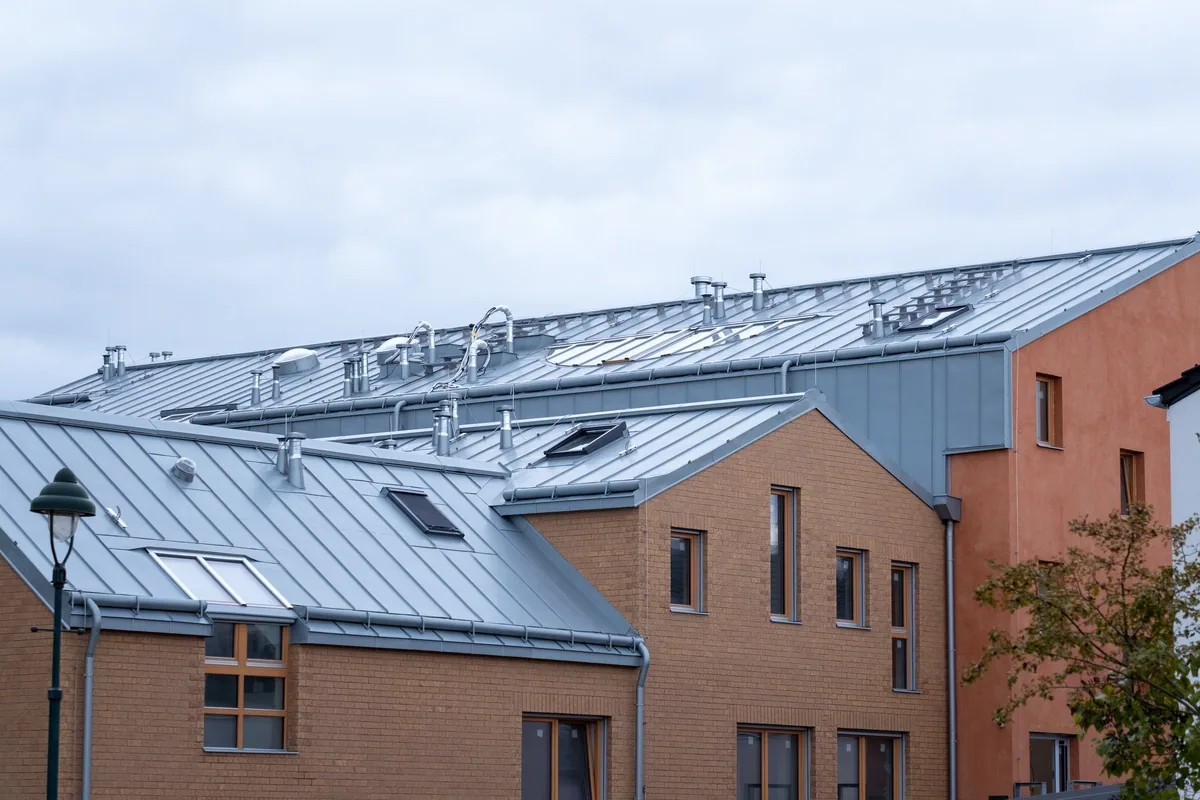
Surface inspection has limits. Water can hide a seam opening, but a pond does not show what is below the membrane. If insulation feels soft, moisture readings are inconsistent, or a leak path remains unclear, we may recommend infrared review or a controlled test opening. The report identifies the question each test is meant to answer. Any opening is documented, protected, and closed with a compatible repair after the inspection.
Roof area, access, system type, occupied use, and the wet condition affect timing and cost. A repair may restore a drain detail, address a localized membrane issue, or correct a broader drainage defect. Structural correction can involve other design and trade decisions. The scope distinguishes roofing work from an unresolved structural condition. A condition report with photographs records these limits for the owner and future maintenance team.
We choose a repair after identifying the failure point. Clearing an outlet is different from rebuilding its flashing. A soft, wet insulation area may require removal and replacement, while an intact membrane over a stable low area may call for maintenance and monitoring. The flashing repair scope applies when the outlet edge or adjacent transition has separated. Material compatibility and substrate condition govern preparation and tie-in details.
After permanent work, we photograph the repaired boundary and check that water can move toward the outlet. A follow-up inspection is useful after a meaningful rain, because a dry-day visit cannot show actual drainage performance. The record names what was tested, what remained outside the repair, and whether the low point changed. If ponding returns, that is a new observation for evaluation, not automatic proof that the prior repair failed.
September and June are the wettest months in the Melbourne station normals, but actual conditions vary by date and property. We use that regional pattern to plan access and temporary exposure control. Hurricane Irma rainfall measurements from Palm Bay reporting points ranged from more than ten to over thirteen inches. Those totals are tied to that storm and those locations. They do not tell us how a particular roof drained. It does explain why a dated post-storm inspection can help document what changed.
For a commercial roof near Palm Bay Station or Port Malabar Industrial Park, we confirm tenant hours, roof access, and any active interior leak before work. When water exposure is active, document the condition and confirm safe access for the next inspection step. The closeout lists the observed water condition, repair boundary, test results, and next check. That gives the property team a clear record instead of a general statement that drainage was addressed.
Learn more →
Learn more →
Learn more →
Learn more →
Learn more →
Learn more →
Learn more →