
Active local weather warning
The National Weather Service has issued a coastal flood warning covering Palm Bay. Heavy rain and drainage loading can expose roof leaks, blocked drains, and ponding water. This is a weather exposure advisory; it does not establish damage to a specific roof.
Do not access a roof during hazardous weather. Protect people first, avoid water near electrical equipment, and request roofing help when conditions permit.
National Weather Service · Updated Oct 28, 2026, 6:40 AM UTC
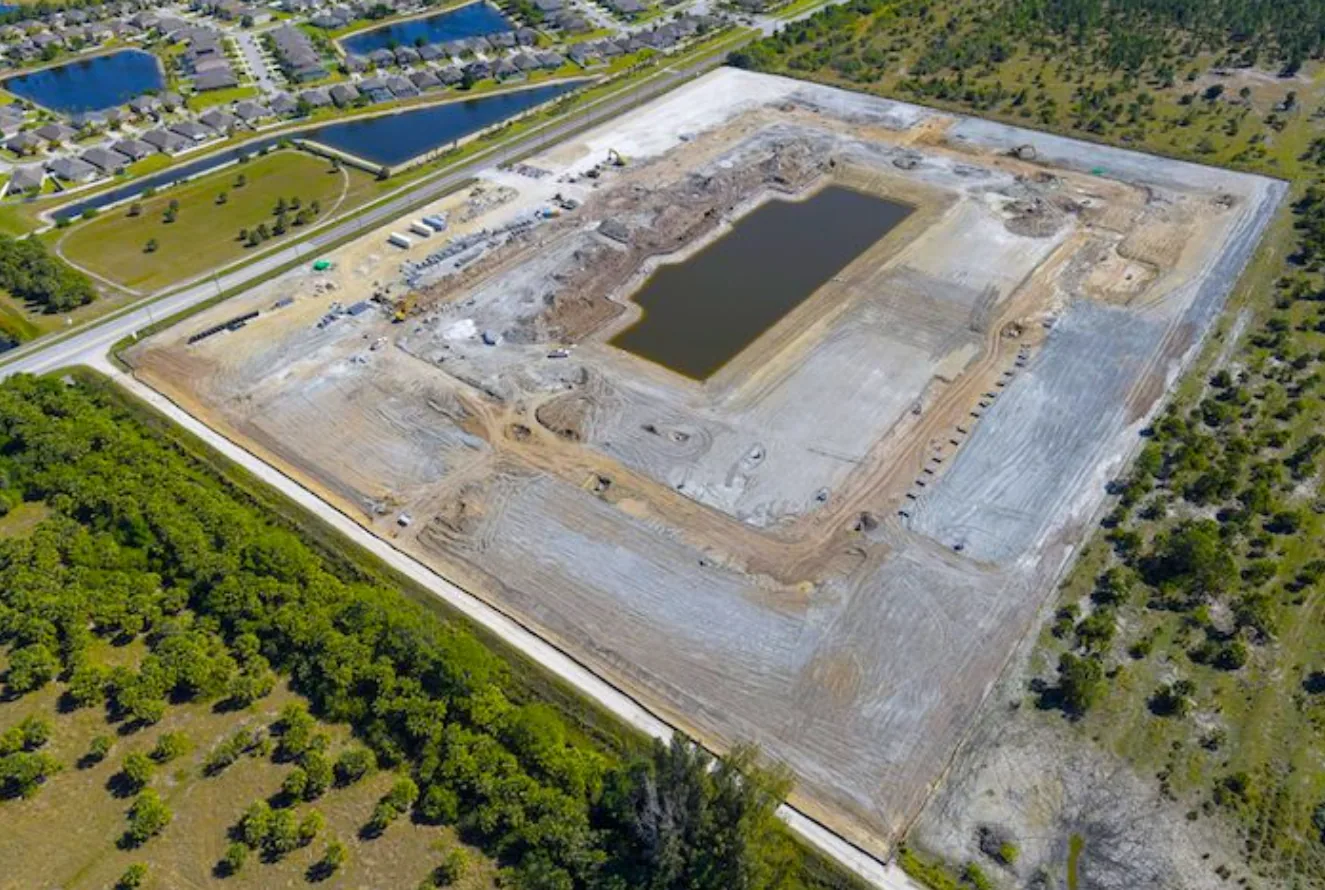
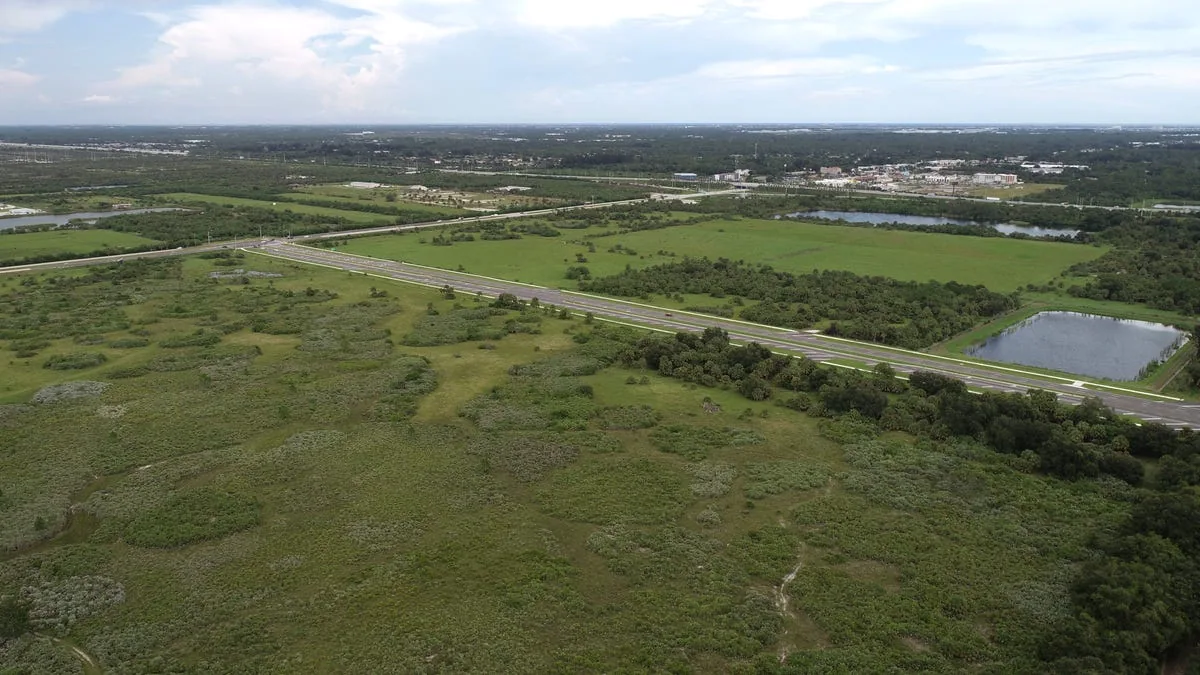
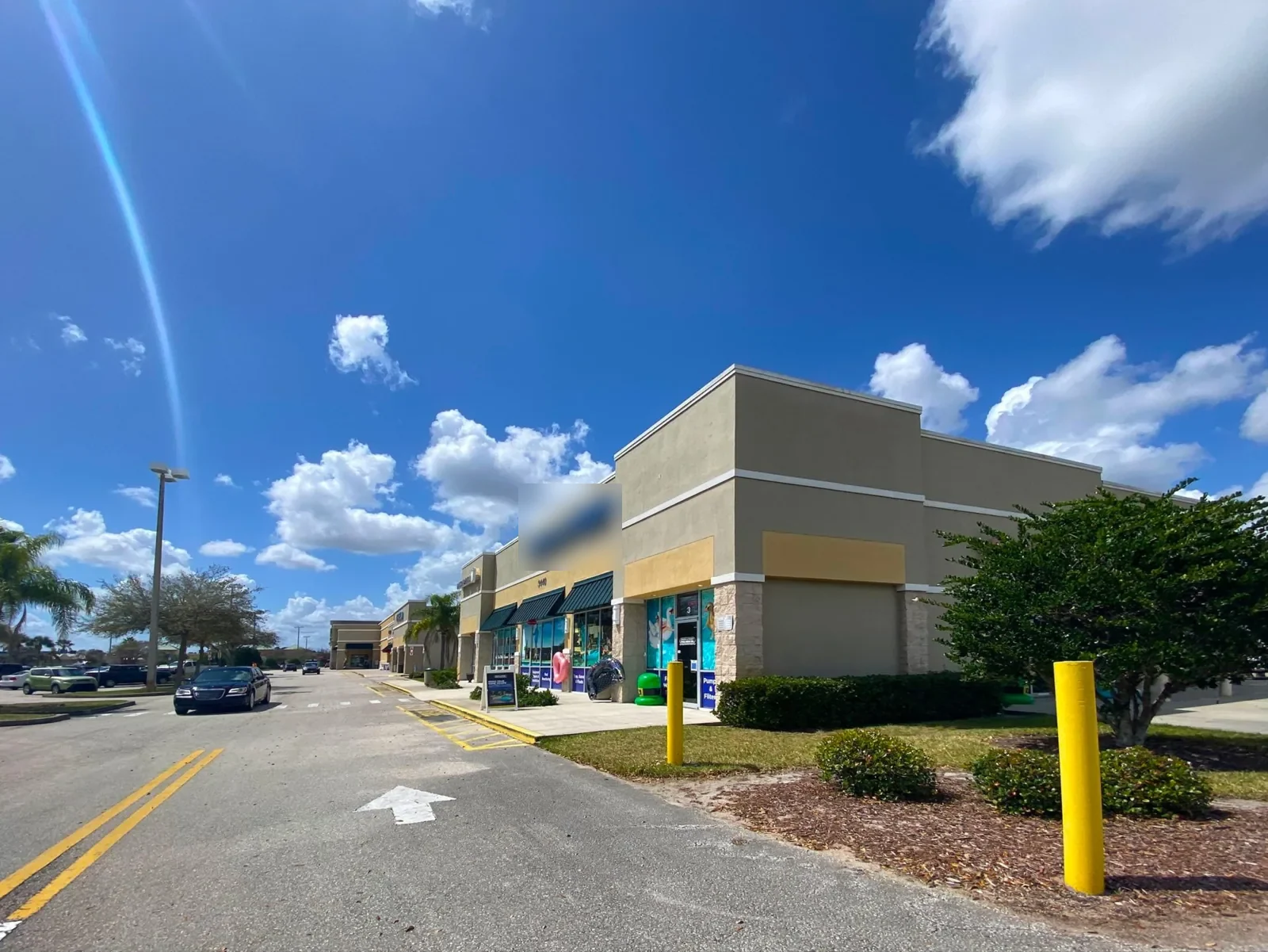
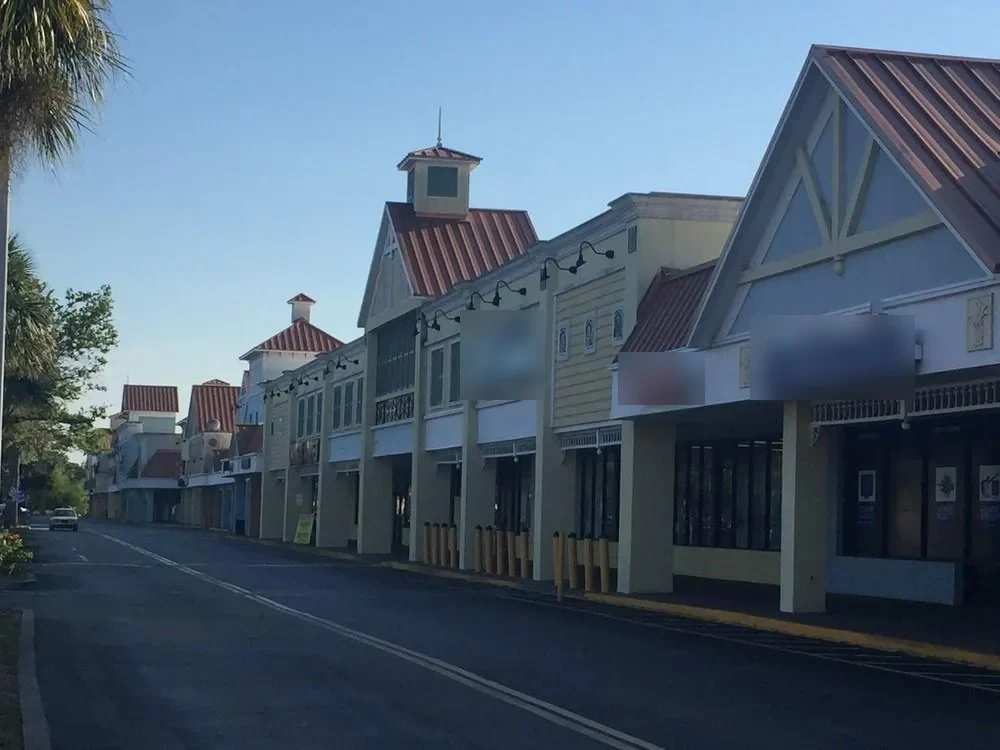
Two listed retail addresses on Palm Bay Road have different leasing profiles. The 2000 property includes a 15,558-square-foot retail suite; Palm Bay Road is marketed as multi-tenant retail. A separate 27,007-square-foot parcel at Palm Bay Road is offered for ground lease. These figures describe listings, not roof area, occupancy, or roof systems. We confirm which property is involved, then tie any leak report to its building, tenant, and roof zone.
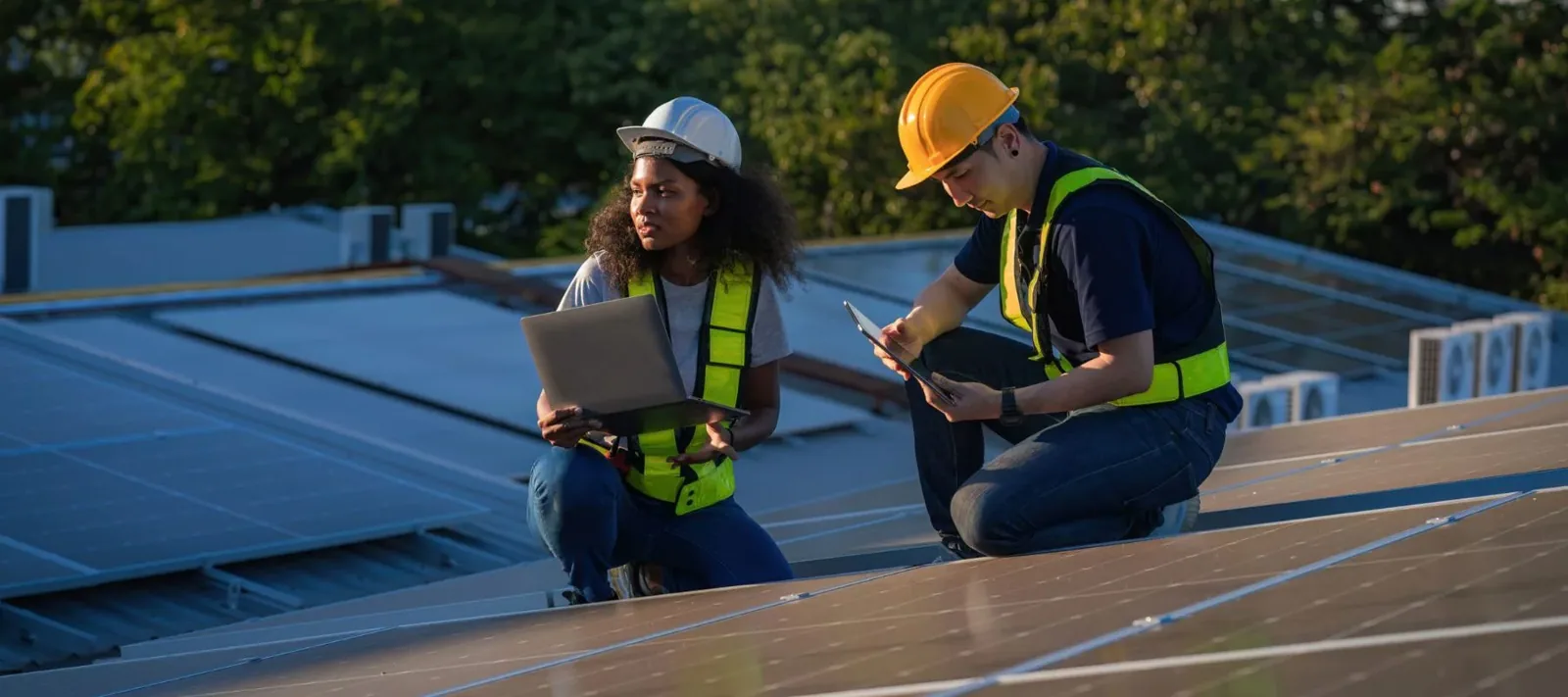
A corridor inspection needs address-level records. A ceiling mark in one suite cannot be assigned to the next address because both are on Palm Bay Road. We ask for the event date, affected room, active water status, and roof access contact. The crew photographs accessible seams, drains, flashings, edges, and penetrations. Palm Bay's seasonal rain makes water management relevant, while the observed conditions set the repair boundary.
Multi-tenant retail can have separate operating hours and access contacts under a shared roof. We identify the reported suite and map the roof area above it. Shared drains, parapets, and walls may cross tenant boundaries. The field record shows where the inspection began and where access stopped. If several reports appear after one rain event, each location stays separate until the roof walk connects them.
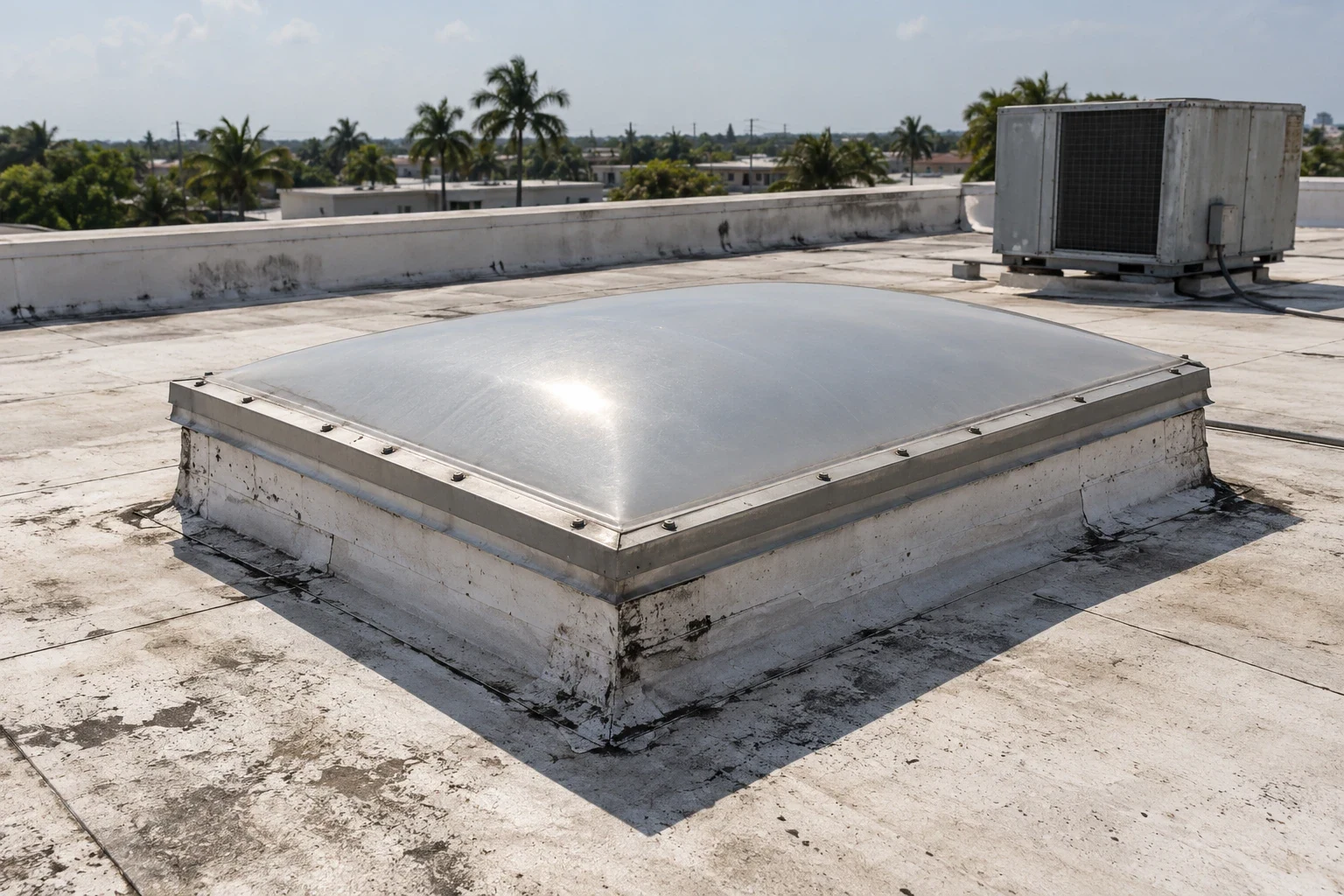
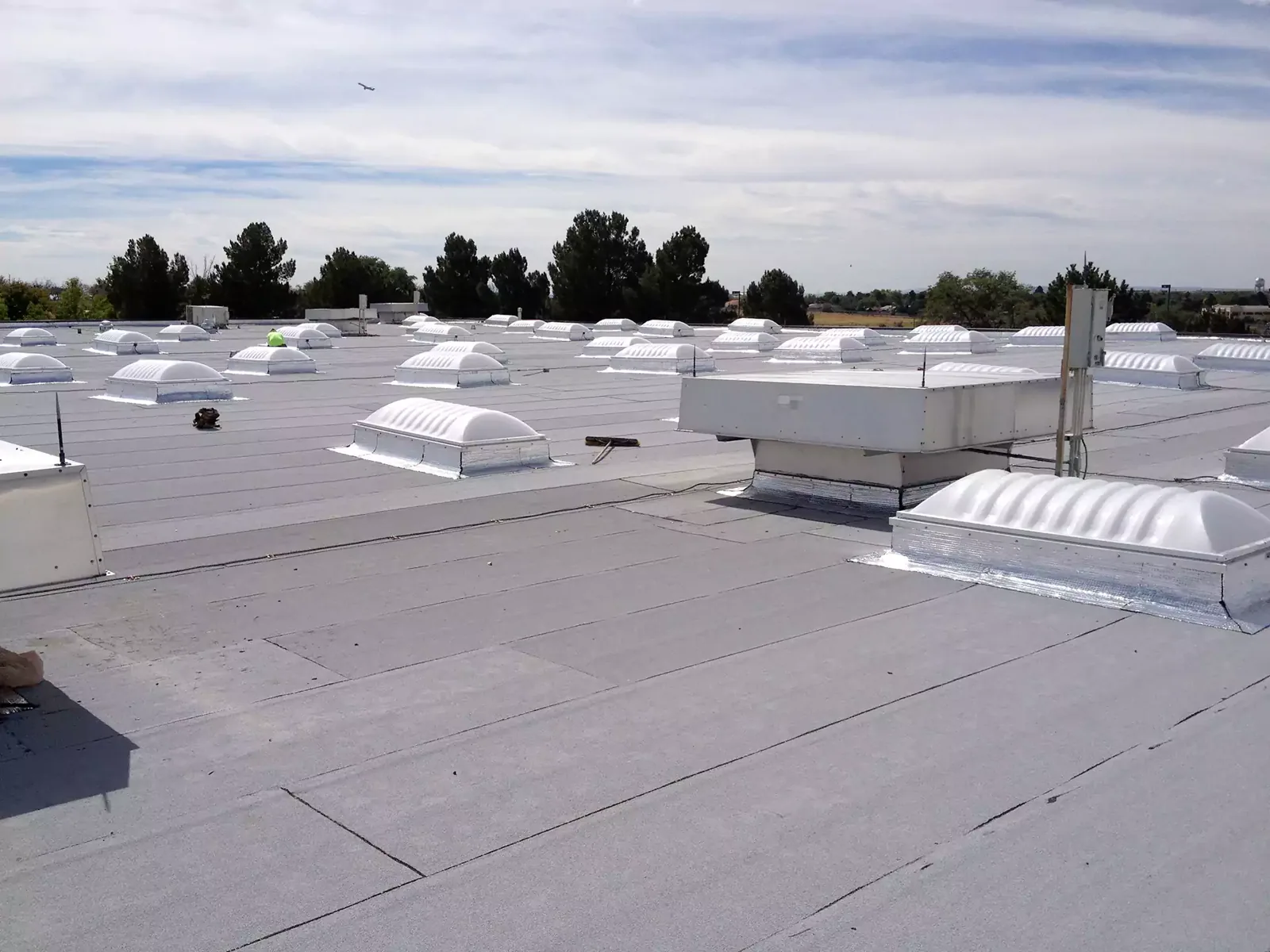
We inspect transitions that commonly admit water: membrane seams, wall flashings, curb corners, skylight details, and perimeter metal. The exact roof configuration must be confirmed on site. A suite's leasing area does not tell us the roof footprint or the amount of insulation below it. If the entry point is concealed, we describe the reason for an approved test opening and note its planned location.
Drainage review includes strainers, bowls, scuppers, overflows, and low areas. Melbourne airport normals show summer highs near 89 degrees and 62.7 days a year reaching at least 90. Those temperatures provide regional scheduling context, not a measurement at a Palm Bay Road property. We document whether water remains at inspection, whether the outlet is obstructed, and whether slope or deck review is needed.
Before scheduling, we confirm store hours, deliveries, service access, and any equipment below the work area. The owner or manager identifies notice requirements for tenants. We agree on staging and debris routes, then divide work into sections if the roof and weather allow. The plan records which suite or common area needs coordination. It does not assume the same schedule across all three listed addresses.
For active water, the first visit may install temporary protection while the permanent scope is prepared. We label the temporary measure and its return plan. A permanent repair needs a compatible material, sound substrate, and accessible work area. If rain interrupts the repair, the exposed boundary is secured and photographed before the crew leaves. The closeout says what remains unfinished.
Fit-outs can add exhaust, plumbing, sign, or communications penetrations. We check new openings against the roof work boundary and confirm that each has a sound flashing. If a tenant plans equipment work, we request the schedule before maintenance so the inspection can distinguish existing details from new work. A roof protection plan may include a penetration flashing check when the scope includes those transitions.
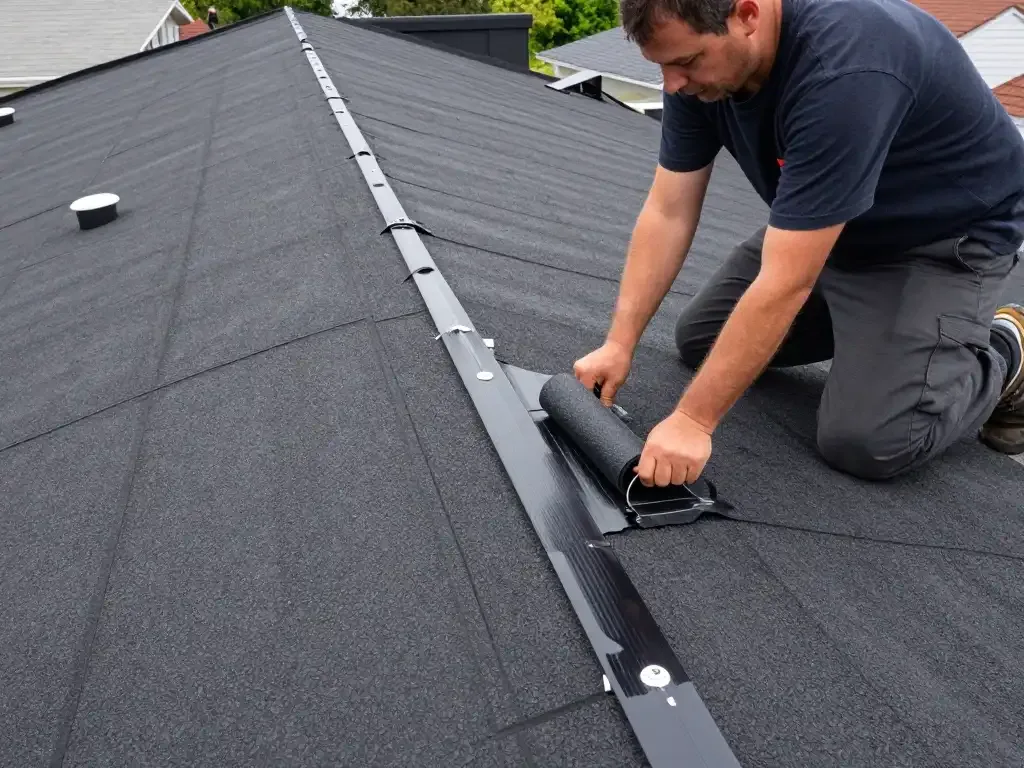
A failed seal or puncture can support a localized patch when surrounding material is stable. We identify the membrane first. The repair notes the defect, preparation, material, and boundary. If a test opening finds wet insulation, the report shows how far the condition extends and what must be removed before patching can be considered complete.
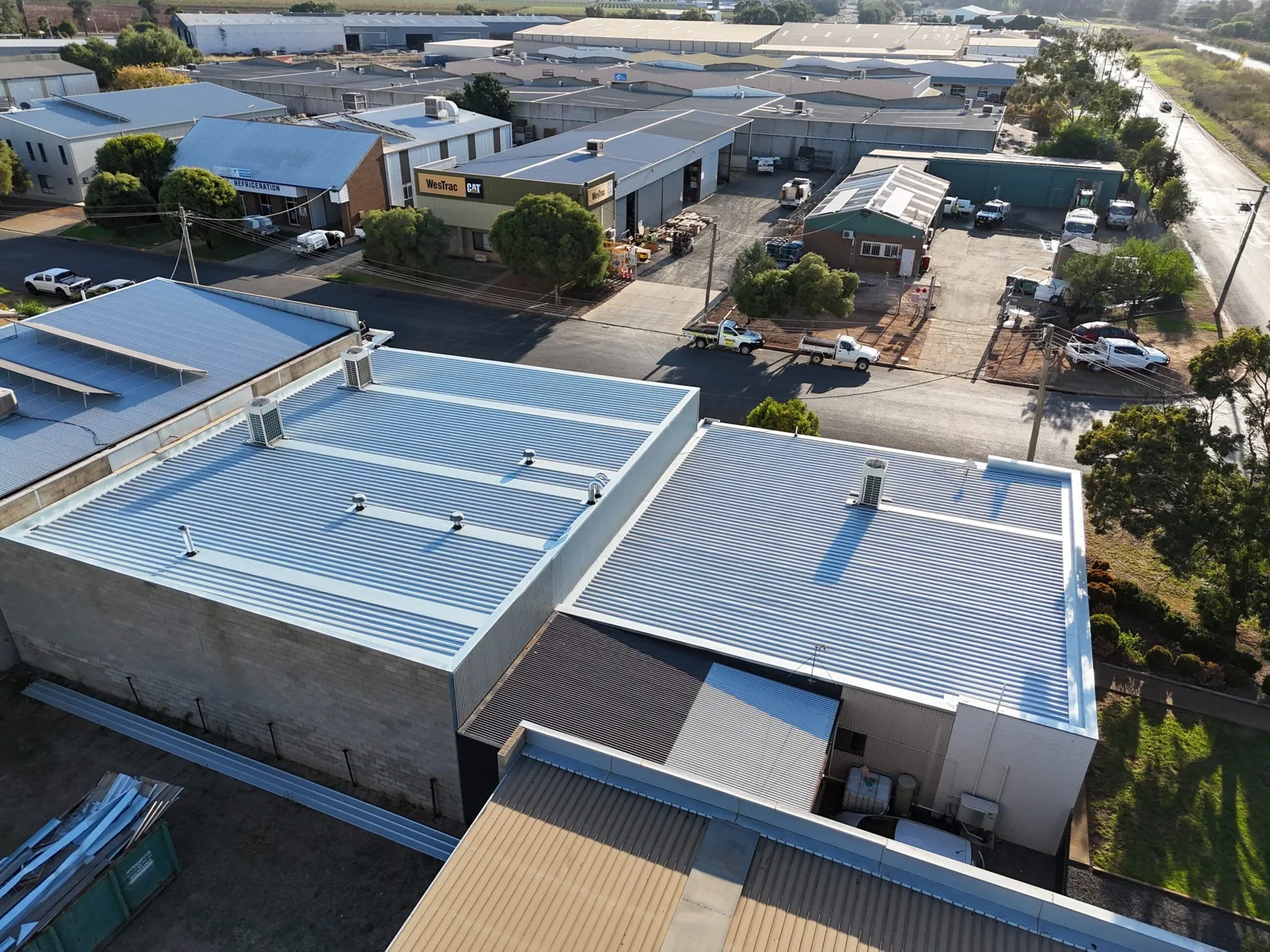
Recover work needs a dry and attached assembly, adequate perimeter height, compatible layers, sound drains, and current code review. Replacement may be warranted when widespread moisture or deck problems make a smaller repair unreliable. A coating can renew a prepared and compatible surface, but it will not correct standing water or concealed wet insulation. Each option is based on the roof at the named address, not on the corridor's retail profile.
Price depends on access, work hours, tenant protection, tear-off depth, disposal, insulation, deck repair, metal transitions, and the number of roof zones. A listing's suite area does not provide those quantities. We define the included property and identify any concealed condition that could change work. For larger renewal, our replacement scope sets out the limits. A leak repair visit may be the narrower path when the defect is isolated.
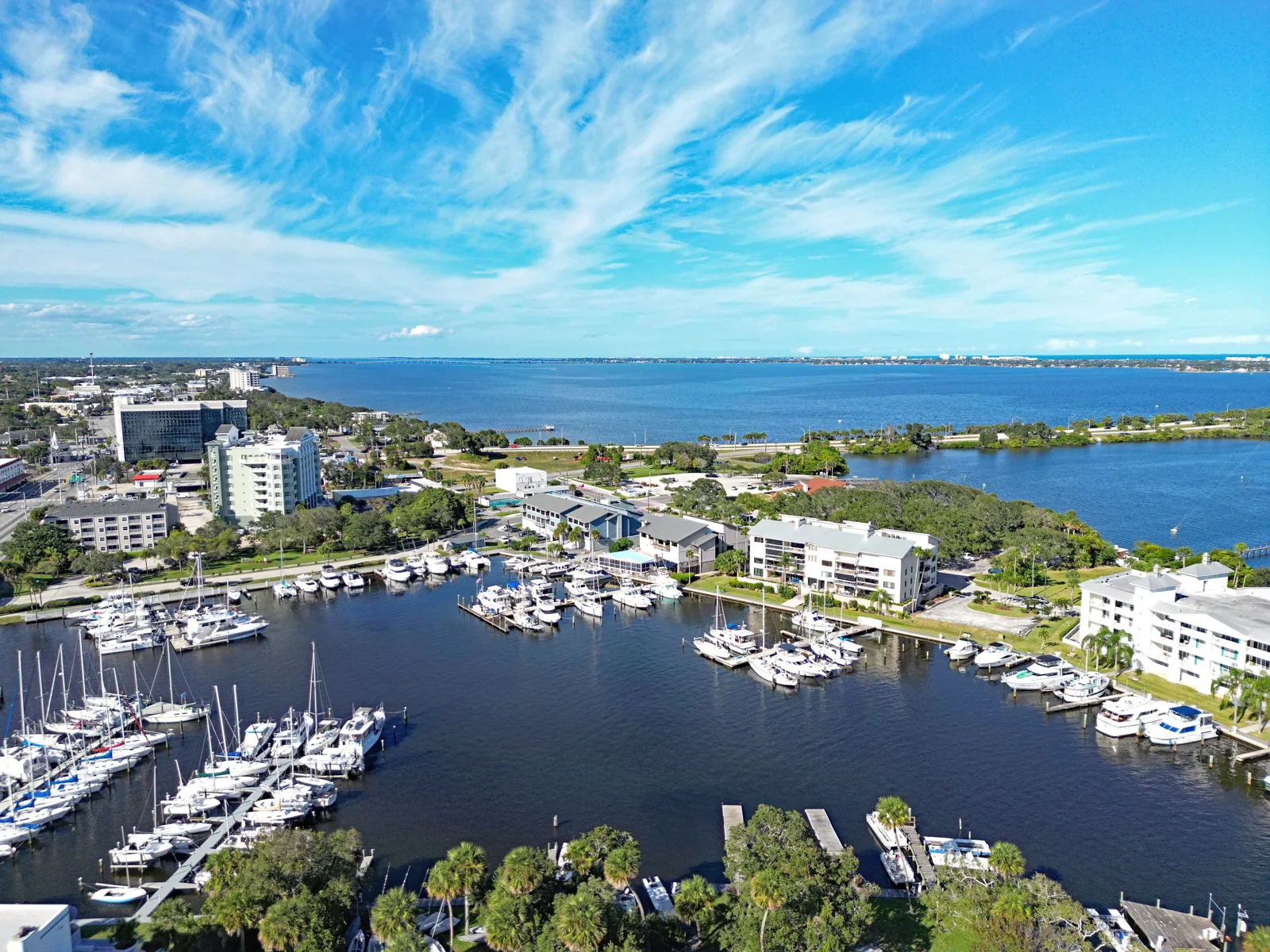
When one manager oversees multiple addresses, a consistent record makes comparison possible. We identify the location, event date, roof zone, reported symptom, observed damage, field photographs, material installed, and follow-up. The report also identifies areas that were inaccessible. Separate files prevent a repair at Palm Bay Road from being mistaken for work at 1922 or the ground-lease parcel at 1490.
Nearby commercial listings include Sabal Palm Square and The Crossings at Babcock. They are separate properties with their own records. The names add local reference points; they do not establish conditions along Palm Bay Road. We use the actual address and field evidence to define each scope.
After repair, follow-up can revisit the patched seam, drain, or flashing and compare new photos with the closeout. The visit may also record later equipment changes or tenant work. A condition report can list priorities and budget actions. For recurring service, maintenance inspections help track known details before a new leak report arrives.
Learn more →
Learn more →
Learn more →
Learn more →

Learn more →
Learn more →
Learn more →