A Sure-Weld label points to TPO, while Sure-Seal identifies an EPDM family. The repair method changes with the membrane. We verify the roof through available records and field details before preparing a scope. The inspection records seams, attachment, flashing, rooftop penetrations, and any reported leak. Carlisle SynTec components are not selected from a name alone; insulation, adhesives, fastening, and transition details belong to the assembly.
Palm Bay's nearby Melbourne climate records show hot summer days and substantial seasonal rainfall. That regional pattern makes seam and drainage maintenance relevant, but inspection evidence controls the recommendation. A flex unit near Clearmont Street and a commercial building in Port Malabar Industrial Park may have different roof systems and access limits. The report identifies the material and area found at the actual property before repair begins.
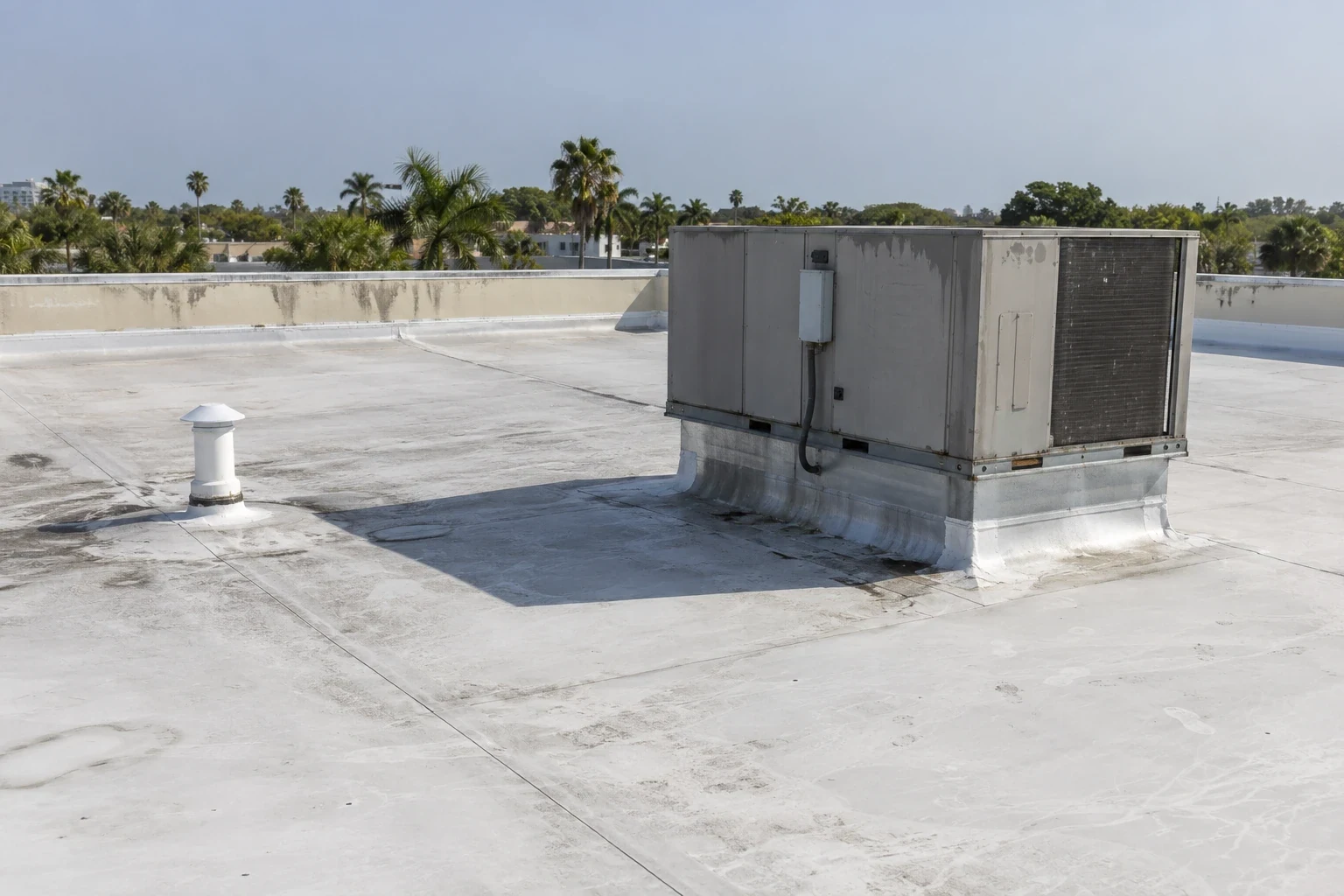
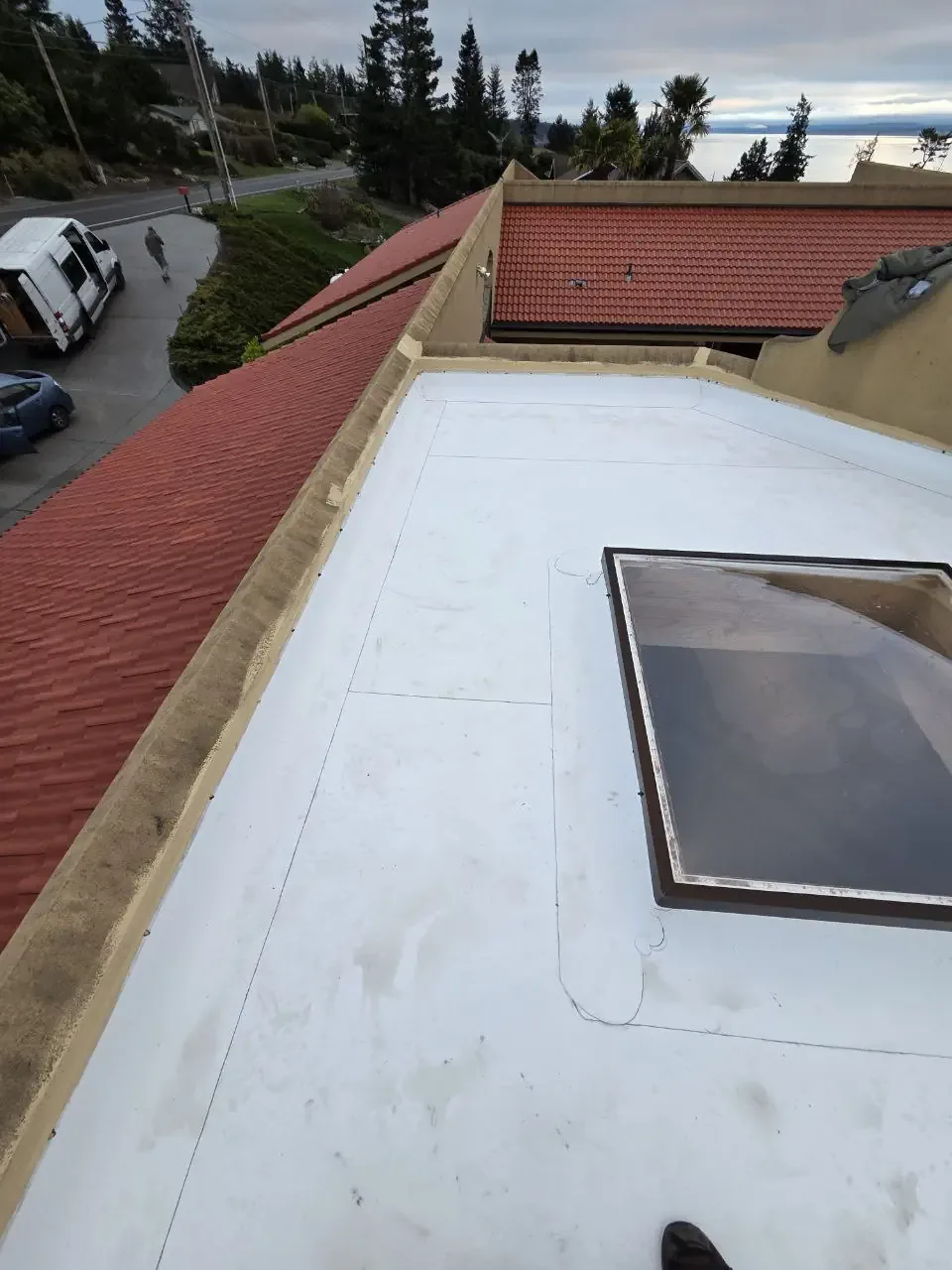
Carlisle SynTec makes low-slope systems using TPO, EPDM, PVC, and fleece-backed membrane options. Sure-Weld TPO uses heat-welded seams. Sure-Seal EPDM uses its own membrane and joining accessories. Sure-Flex PVC has separate preparation and detail requirements. FleeceBACK products combine a membrane with a fleece backing intended for specified adhesive applications. We confirm the exact product and attachment rather than treating these families as interchangeable. The membrane brand is one part of the specification. Approved insulation, cover board, fasteners, plates, adhesives, and flashing components also matter. We review the project documents for the intended assembly, then compare them with accessible conditions. If a prior repair changed the surface, that location may need testing before a compatible tie-in can be selected.
Assembly records should name deck, insulation, cover board, vapor control where present, and membrane attachment. The installed edge and penetration details matter as much as the field sheet. Compare the current roof with GAF commercial systems or Johns Manville assemblies only when a project is weighing alternatives. A specific EPDM system inspection can help locate details that affect repair compatibility.
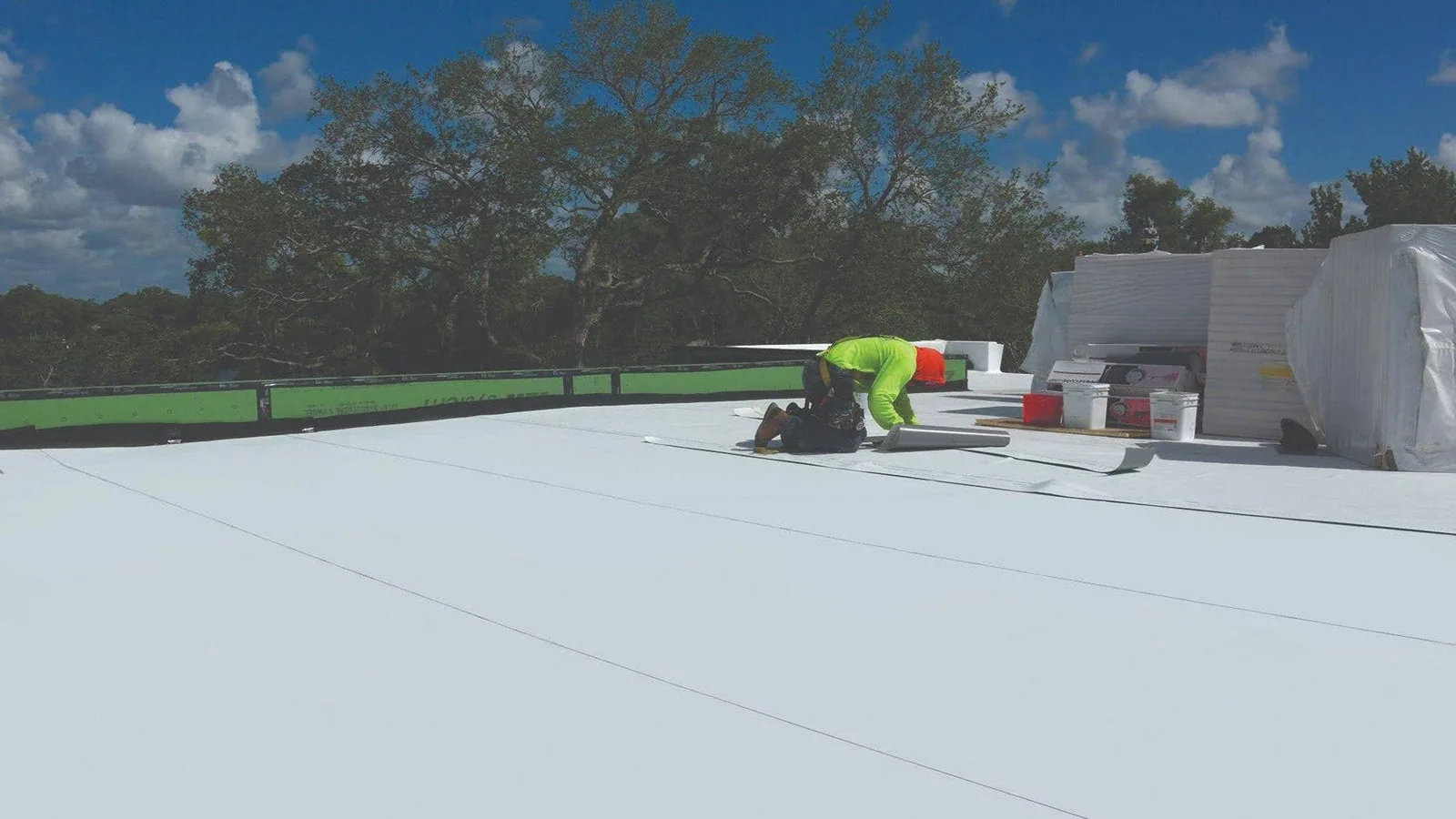
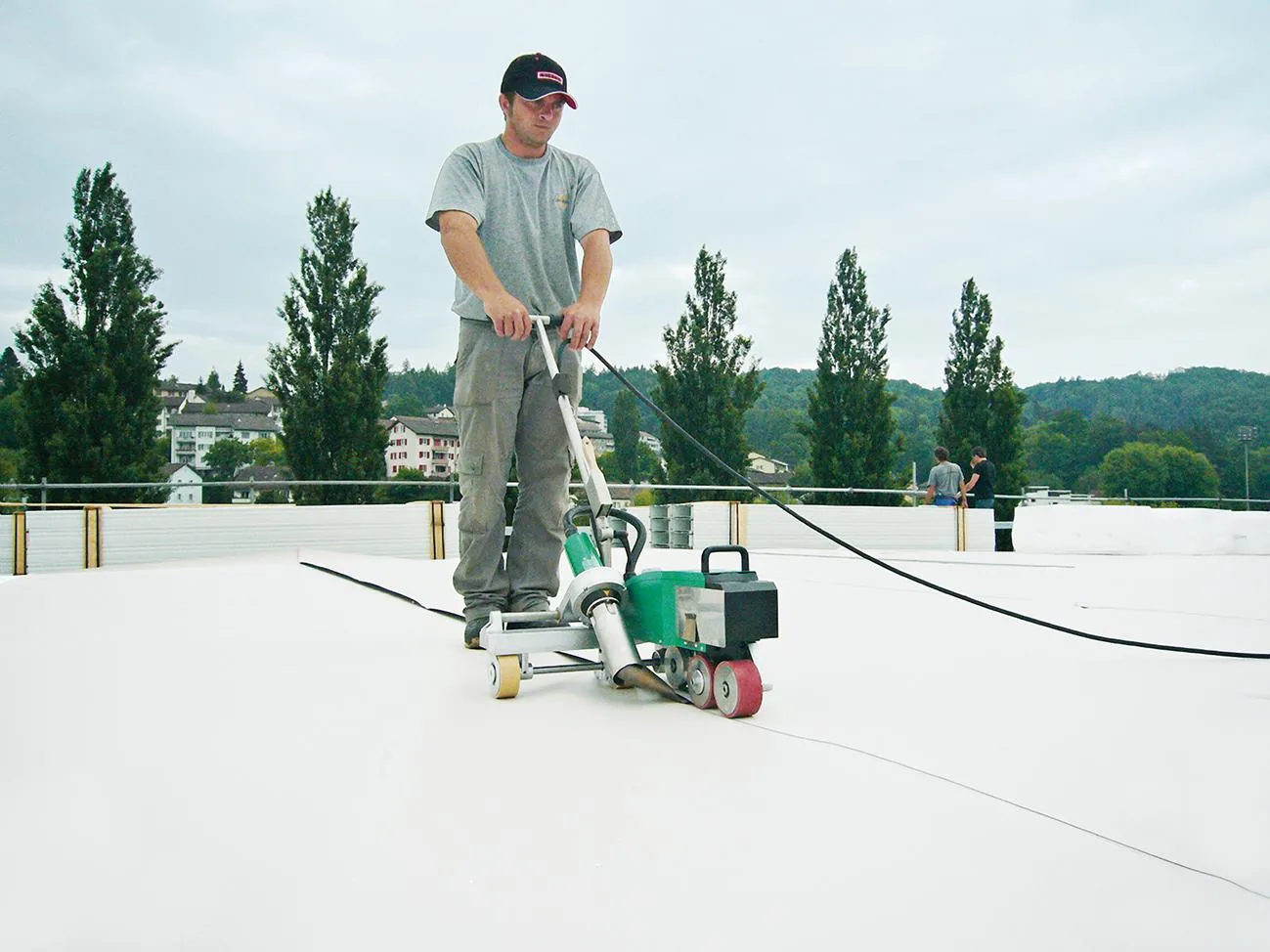
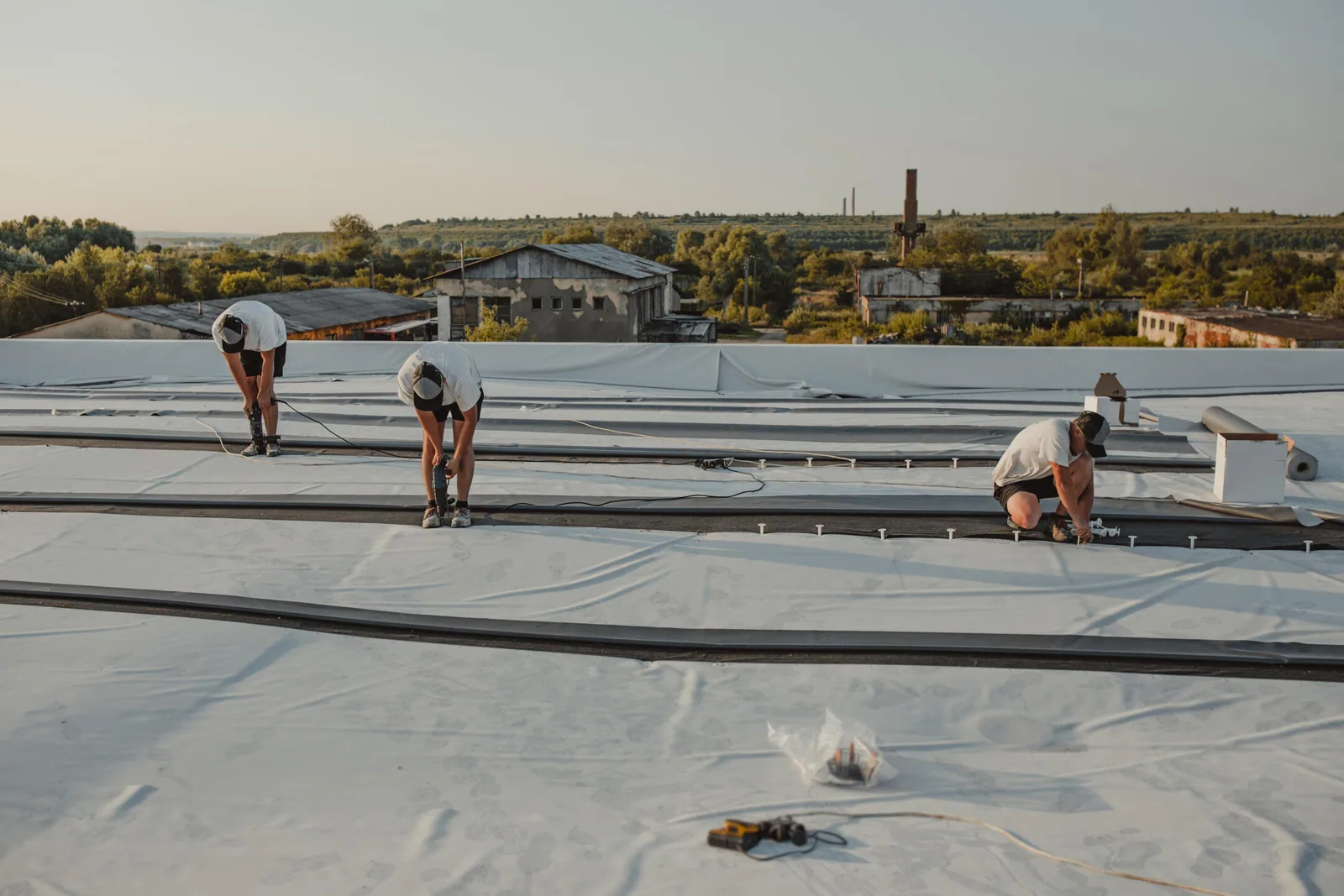
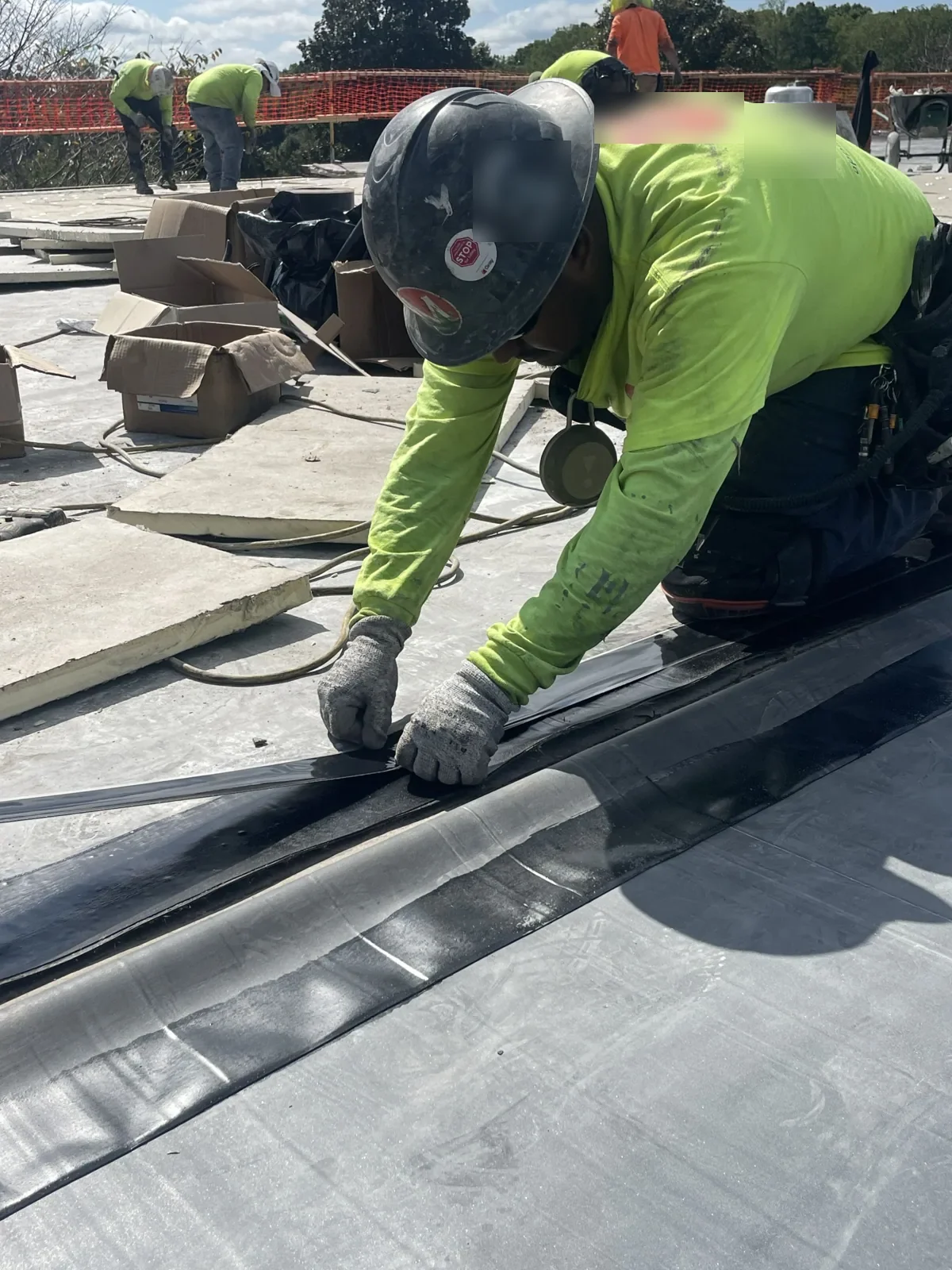
On a thermoplastic sheet, we inspect welded seams, corners, patches, and flashing. A weld can be visually closed but still have a weak section. Probe or test checks are made at selected locations and recorded. On EPDM, we look for tape or adhesive separation, wrinkles, fishmouths, and contamination. We note the method used and do not treat one seam sample as proof of every lap on a large roof.
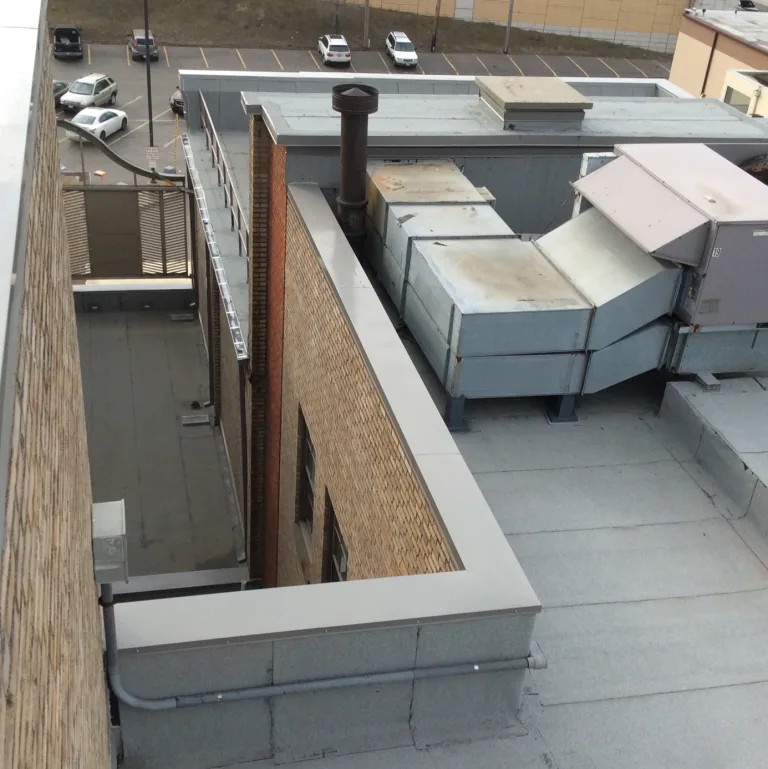
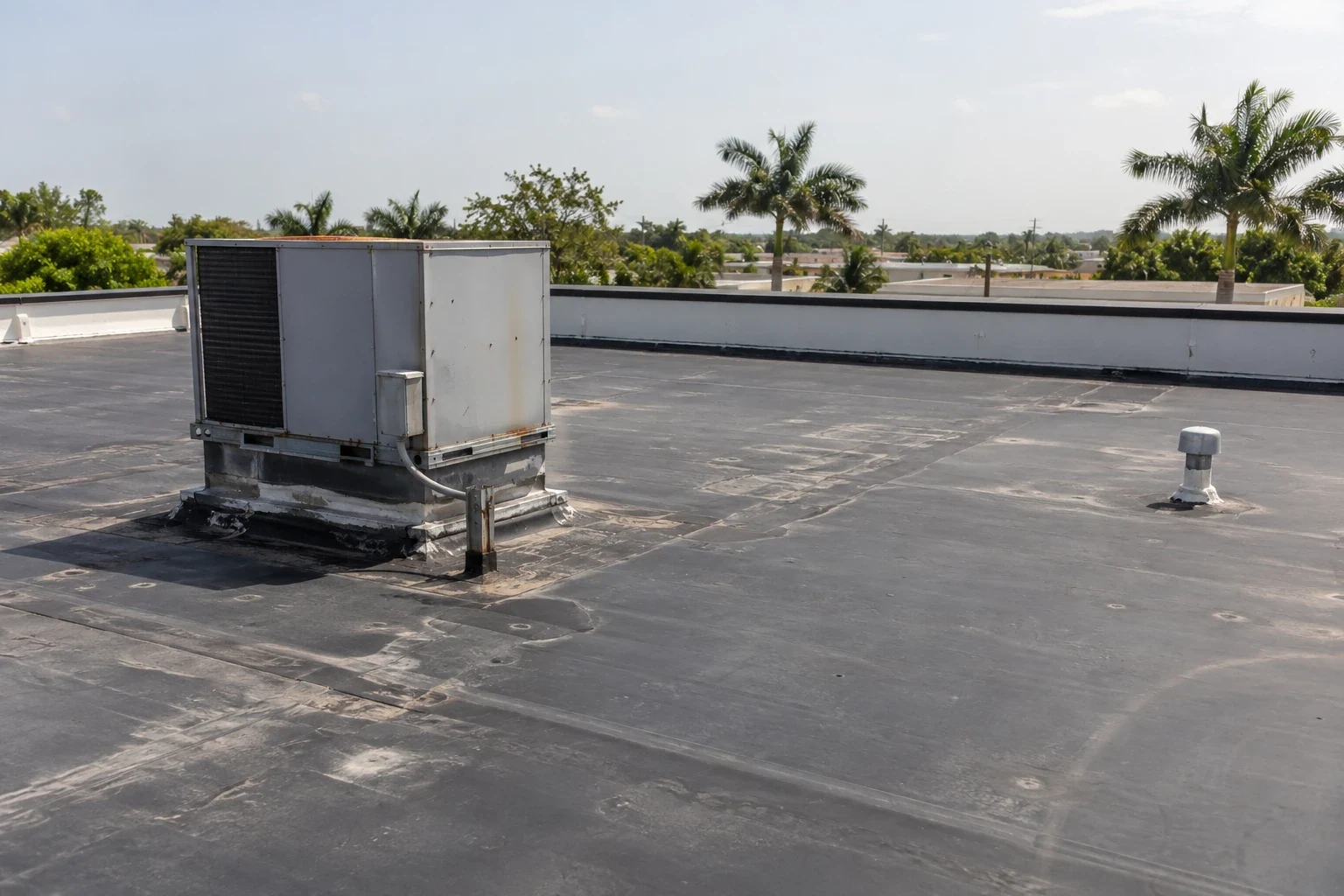
Perimeter attachment, drains, curbs, and roof-to-wall transitions can be distinct failure points. If wind movement is reported, we inspect the relevant zones and record access limits. A seam repair scope should state system, preparation, repair length, and tie-in boundary. At Palm Bay Station, property-specific roof records and access would need to be confirmed; a retail development description cannot establish the membrane on site.
Repair preparation depends on membrane type, surface age, temperature, moisture, and nearby contamination. A TPO patch requires sound material and a compatible heat weld. EPDM repair uses appropriate cleaners, primers, tapes, or flashing products. A fleece-backed sheet needs its specified attachment approach. If an earlier coating or patch covers the original surface, we inspect a test area before choosing new material.
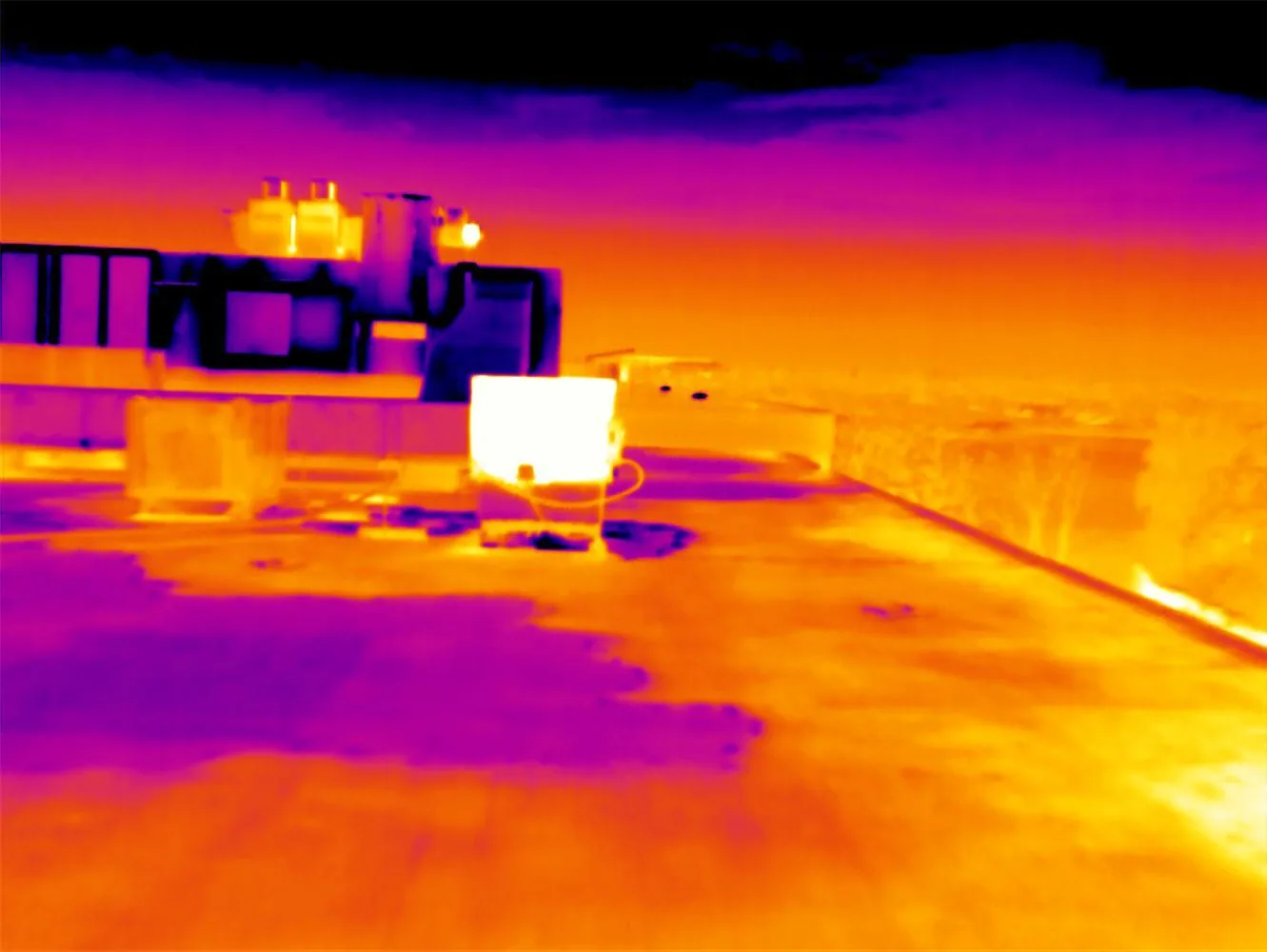
Water intrusion can travel below the visible opening. We compare roof findings with interior reports and use moisture testing when the condition warrants it. If insulation is wet, the repair boundary may extend beyond the surface defect. The infrared survey can map areas for further testing, while a repair proposal distinguishes confirmed removal from an allowance or unresolved question.
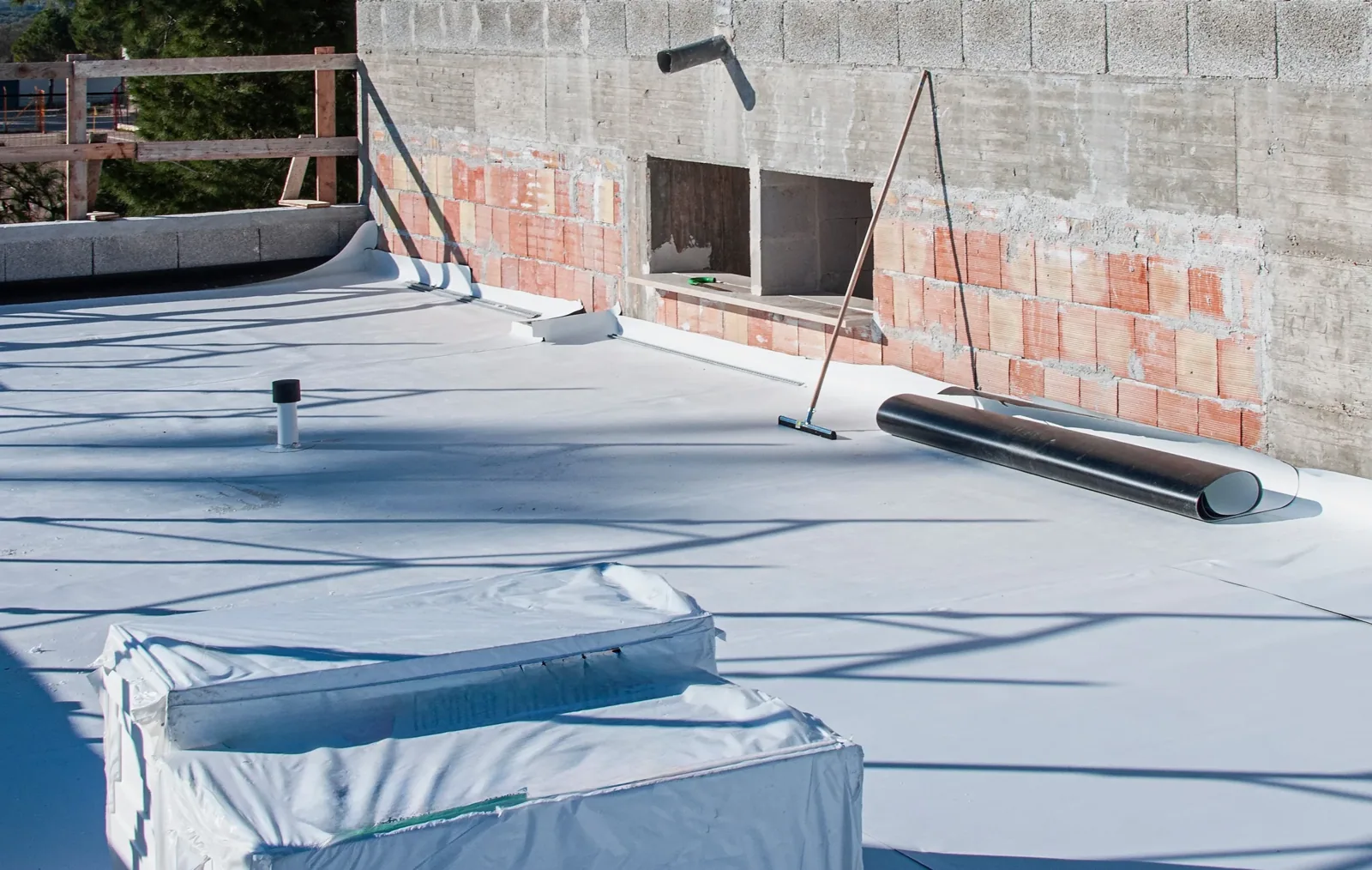
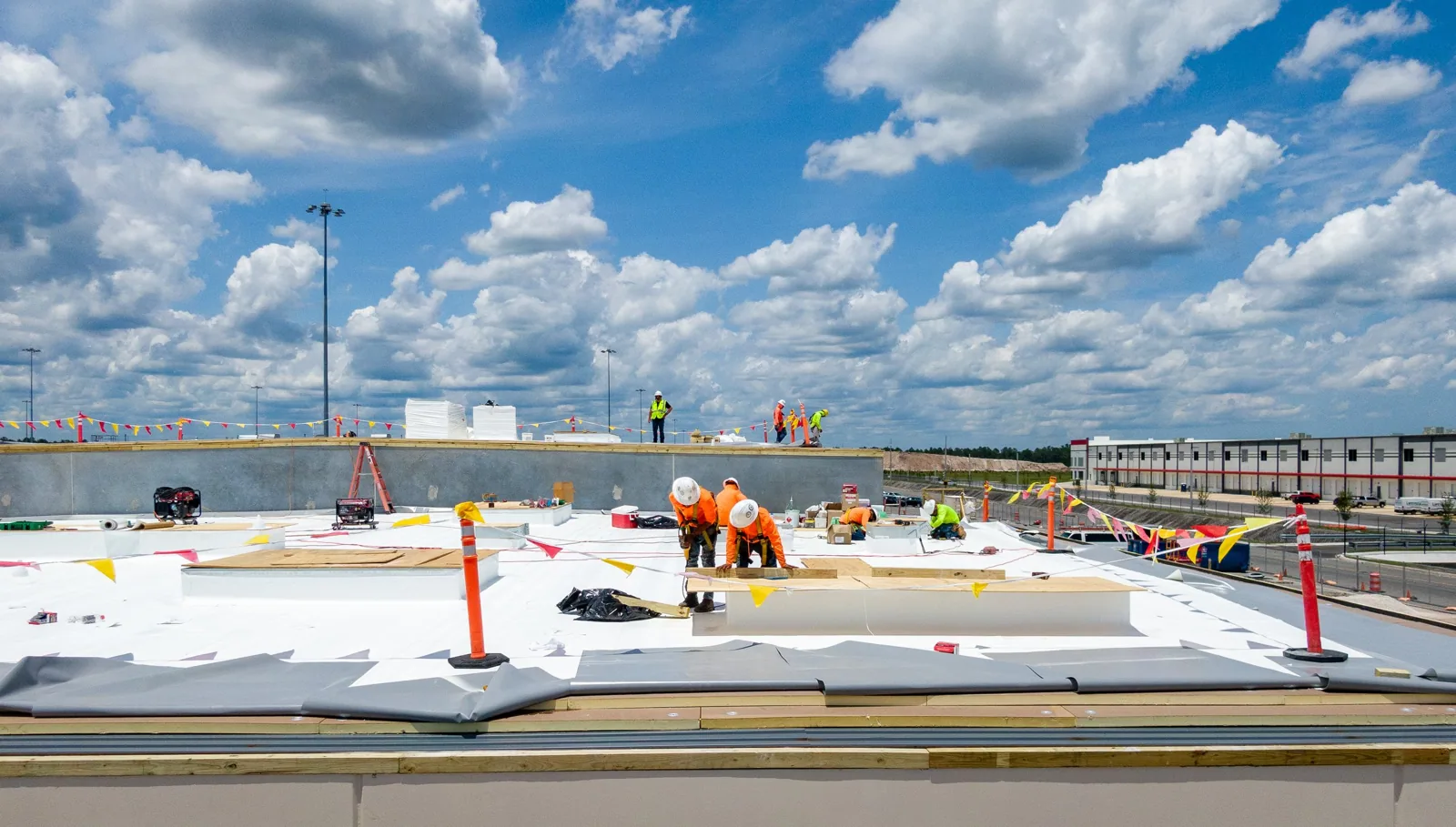
For replacement, we inspect existing layers, deck condition, drainage, perimeter details, equipment, and access. Recover work is considered only when the existing assembly is suitable and project requirements allow it. Tear-off may be needed where trapped moisture or damaged substrate must be removed. Cost and schedule depend on access, roof height, material staging, occupied areas, tear-off volume, and weather. We show the areas that must stay dry during each phase and the steps that follow deck inspection. If additional insulation or cover board is required, the scope records the reason and the affected zone before quantities change. The scope explains attachment assumptions and what test openings could change the design.
Palm Bay Hospital on Malabar Road has active healthcare operations, and the Palm Bay VA Clinic on Babcock Street schedules weekday outpatient care. Those local operating details show why work windows need confirmation at each building. We do not assume access from the institution's public description. An occupied-building sequence can set protection, material staging, noise, and daily closeout requirements around the actual contact's instructions.
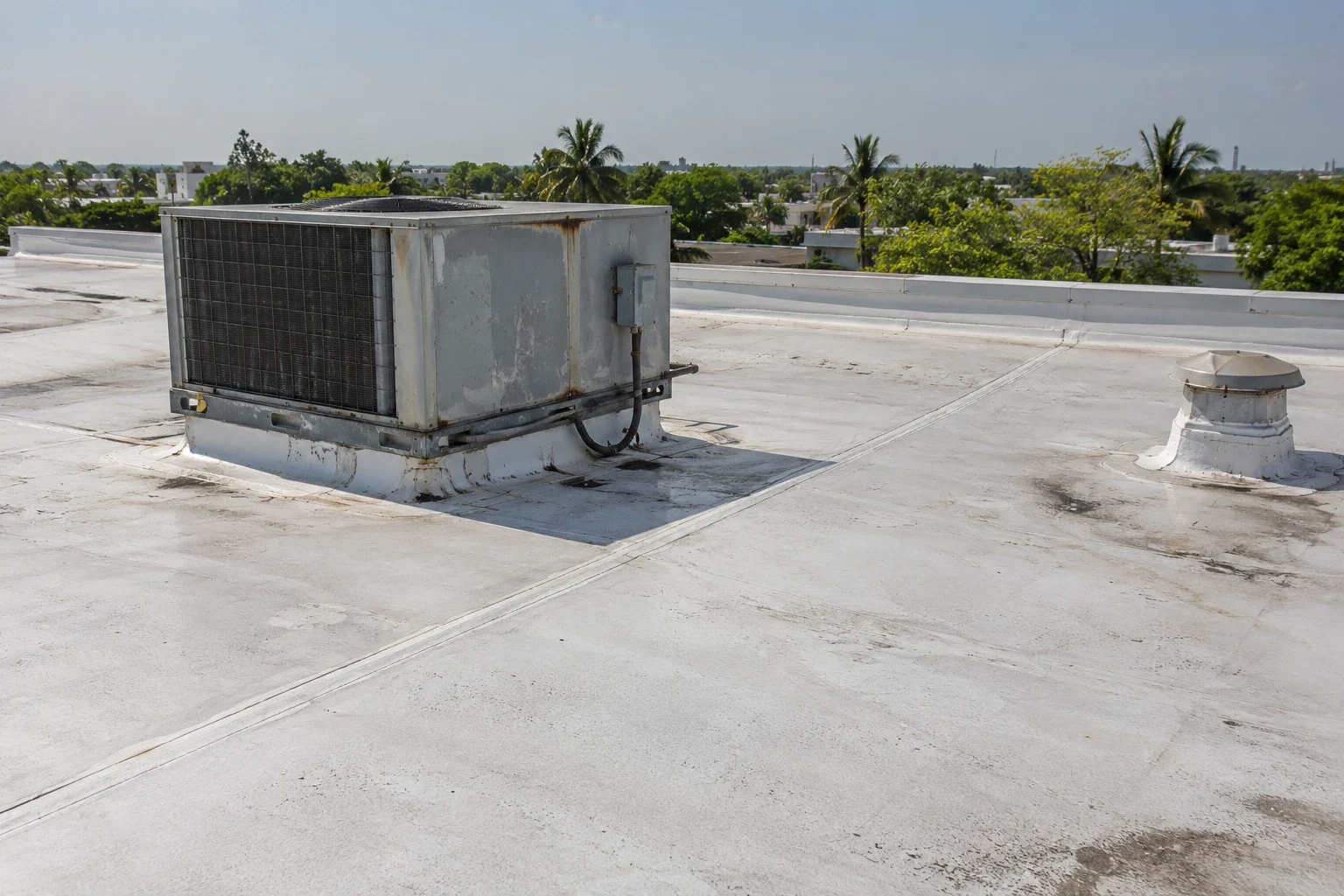
Maintenance notes should name the product when identified, the roof zone, date, photos, seam or flashing condition, and completed repair. A warranty document may require specific inspection or notice steps. We review its actual language and avoid implying that a product name establishes coverage. When the file lacks details, we list the gap and request the record needed to resolve it.
A condition report gives the owner a baseline for future inspections. A warranty record can retain system documents, notices, and closeout photos. For an industrial listing in Port Malabar Industrial Park, keep all observations attached to the inspected building. That helps the next maintenance visit compare the same roof zone and materials. A recurring schedule can revisit drains, edge details, equipment supports, and repair transitions before a new leak report arrives.
Learn more →
Learn more →
Learn more →
Learn more →
Learn more →
Learn more →
Learn more →
Learn more →